


Iceland has long had a reputation as an expensive country to travel to, and in many ways, that type of perception is deserved. For most travellers, a week on the ground excluding flights will cost between $925 and $1,855 per person when sharing expenses, renting a car, and staying in a mix of accommodation types. If you decide to travel solo, visit during peak season, or opt for more comfort, the costs rise quickly.
But "expensive" without context isn't useful. What you actually want to know is: how much will my trip cost? Well, that depends on how you travel, when you go, and what kind of experience you're after.
In 2026, several factors are reshaping the cost of travelling through Iceland, from new tourism taxes to the upcoming solar eclipse and changing travel trends. This article breaks down the real numbers across different travel styles, including one option that many Iceland cost guides tend to overlook.
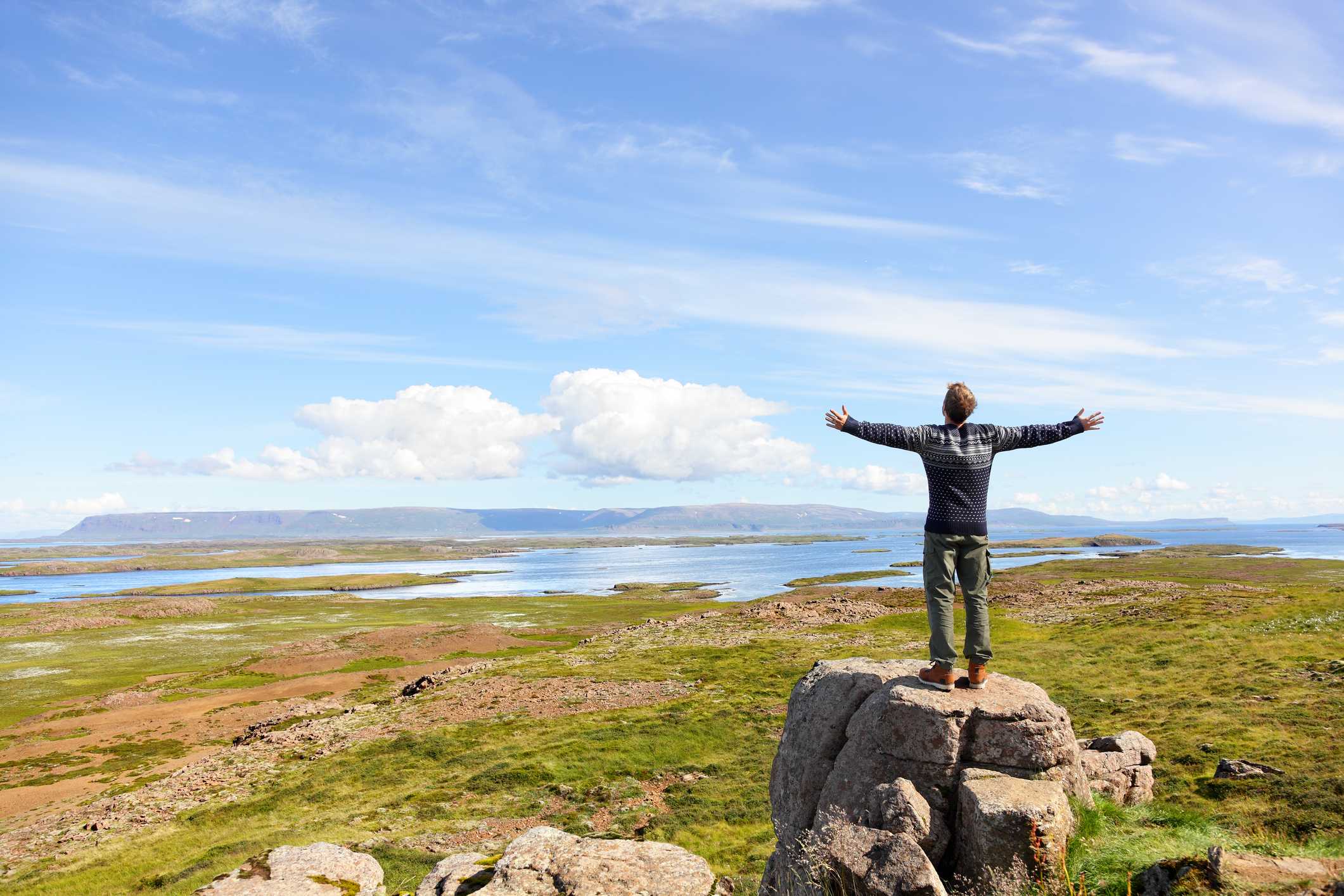
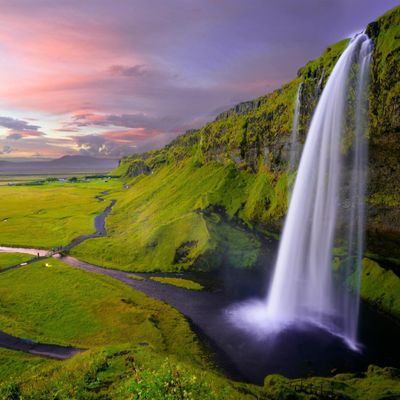
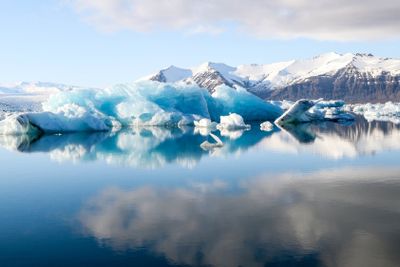
A tourist enjoying the Icelandic landscape.
Learn more: Where Is the Best Place to See the Northern Lights? An Honest Guide to Choosing the Right Destination
2026 cost changes in Ireland
First, though, there are four cost changes specific to 2026 that every traveller needs to know about before they budget anything. Let's take a look:
1. The kilometre tax
Iceland has replaced its old fuel tax system with a per-kilometre road usage charge. The government rate is 6.95 ISK per kilometre for standard passenger vehicles, which is roughly $0.05 per km. In practice, most rental companies apply this as either a flat daily rate (around 1,390 ISK, or approximately $11/day) or charge per kilometre driven at the end of the rental, sometimes with a small administration fee added on top.
The important thing to understand is that fuel prices have dropped by approximately 80–94 ISK per litre as a direct result of the removal of the old fuel taxes. For most travellers, the net effect is broadly cost-neutral, but it does mean you may see a post-rental charge you weren't expecting if your agency bills per kilometre. On a Ring Road trip of roughly 1,330 km (826 miles), the road tax alone adds approximately $75–105 to your total, before any admin fees. So, before you go, ask your rental agency before you pick up the car if they charge a flat daily rate or per kilometre. You should always know what you're signing up for.
2. The August 2026 solar eclipse
On 12 August 2026, a total solar eclipse will pass directly over western Iceland, the Westfjords, Snæfellsnes Peninsula, and the Reykjanes Peninsula. It's the first total solar eclipse visible in Iceland since 1954, and accommodation in eclipse-path areas has been selling out for over a year. A basic guesthouse room without a private bathroom in Ísafjörður in the Westfjords was already listed at $700 per night as far back as mid-2025. Demand has only intensified since. The impact extends beyond the eclipse path. August 2026 as a whole is expected to see higher prices and severely limited availability for flights, rental cars, and accommodation across the country. If you're not specifically travelling for the eclipse, avoid August 2026 entirely. May to July and September to October offer better value, fewer crowds, and more available stock.
3. The accommodation tourism tax
Iceland reinstated its accommodation tax and has since increased it. As of 2025, the rate is 800 ISK (approximately $5.80) per room per night at hotels and guesthouses. Campsites pay a lower rate of 400 ISK per night. This tax is not always shown upfront on booking platforms like Booking.com, so it may be added separately at check-in or checkout. Over a 7-night stay in hotel accommodation, that's around $40 extra that many travellers don't account for when comparing accommodation prices online. In addition to the flat 800 ISK lodging tax, accommodations in Iceland also charge an 11 per cent Value Added Tax (VAT), which is standard on lodging services
4. Parking fees
Iceland's most popular natural attractions now charge for parking, and almost none of them have physical payment booths. Payment is handled through apps or websites, primarily Parkaand Checkit.is and cameras track your licence plate automatically. If you don't pay, a charge (plus a bank transfer fee) gets sent to the rental agency, who passes it on to you with an administration surcharge.
Parking at major sites currently costs 1,000 ISK (approximately $7–8) per visit. Sites that require app payment include Seljalandsfoss, Skógafoss, Þingvellir National Park, Jökulsárlón Glacier Lagoon, Reynisfjara Black Sand Beach, and Dettifoss, among many others. To avoid all this, download Parka and register your rental car's licence plate before your first stop. It takes two minutes and saves you from surprise charges later.
Why is Iceland so expensive?
No other Iceland cost article seems to explain this, so here it is in two sentences: Iceland is a remote island nation that imports the vast majority of its consumer goods, which pushes up the cost of almost everything you'll eat, drink, or buy. It also has one of the highest trade union membership rates in the world, over 90 per cent, which means wages and labour costs are structurally high, and that flows through into every hotel room, restaurant meal, and guided experience you pay for. Understanding this helps you budget without resentment. Iceland isn't overcharging; it's just genuinely expensive to operate at the edge of the Arctic.
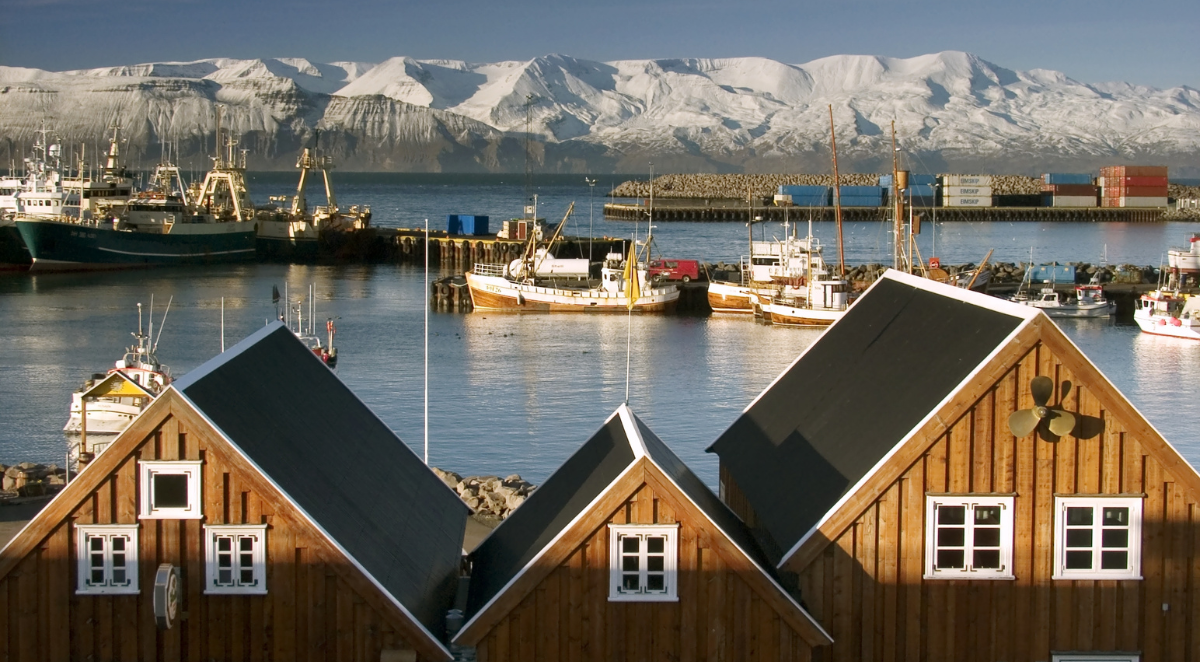
A seaport in Iceland.
Learn more: Planning a Trip to Iceland: Everything You Need to Know
4 ways to travel to Iceland in 2026
All figures are per person, based on two people travelling together and sharing costs. Ground costs only. This is with international flights not included.
- Budget traveller
This includes hostel dorms, self-catering most meals, free natural attractions, and shared car costs. Here is a breakdown:
7-day estimated total: $1,050–$1,575 per person (ground costs)
The budget approach is genuinely doable in Iceland. Supermarkets like Bónus and Krónan are your best friends. Most of the country's best landscapes are glaciers, lava fields, and black-sand beaches, which cost nothing to stand in front of. The challenge is discipline: it's easy to drift upward when you're surrounded by beautiful scenery.
- Mid-range traveller
For this type of budget, there will be guesthouses and modest hotels, a mix of self-catering and restaurant dinners, and paid activities. Let's take a look at the costs:
7-day estimated total: $2,025–$2,925 per person (ground costs)
This is the sweet spot for most international visitors. You get comfortable accommodation, flexibility, and the ability to do the standout activities like a glacier hike, an evening in a geothermal pool, a whale watching cruise from Húsavík, without feeling like you're constantly doing the maths.
- Luxury traveller
For a lush traveller, this would include boutique hotels, fine dining, premium experiences, and 4×4 vehicles. Let's have a look:
7-day estimated total: $3,885–$7,350 per person (ground costs)
Iceland has a growing luxury tier with boutique hotels in Reykjavík, private glacier experiences, heli-tours, and world-class restaurants built around local ingredients. The value at this level is real. What you gain over mid-range isn't just comfort, but also access to guides, experiences, and places that aren't available on a DIY budget.
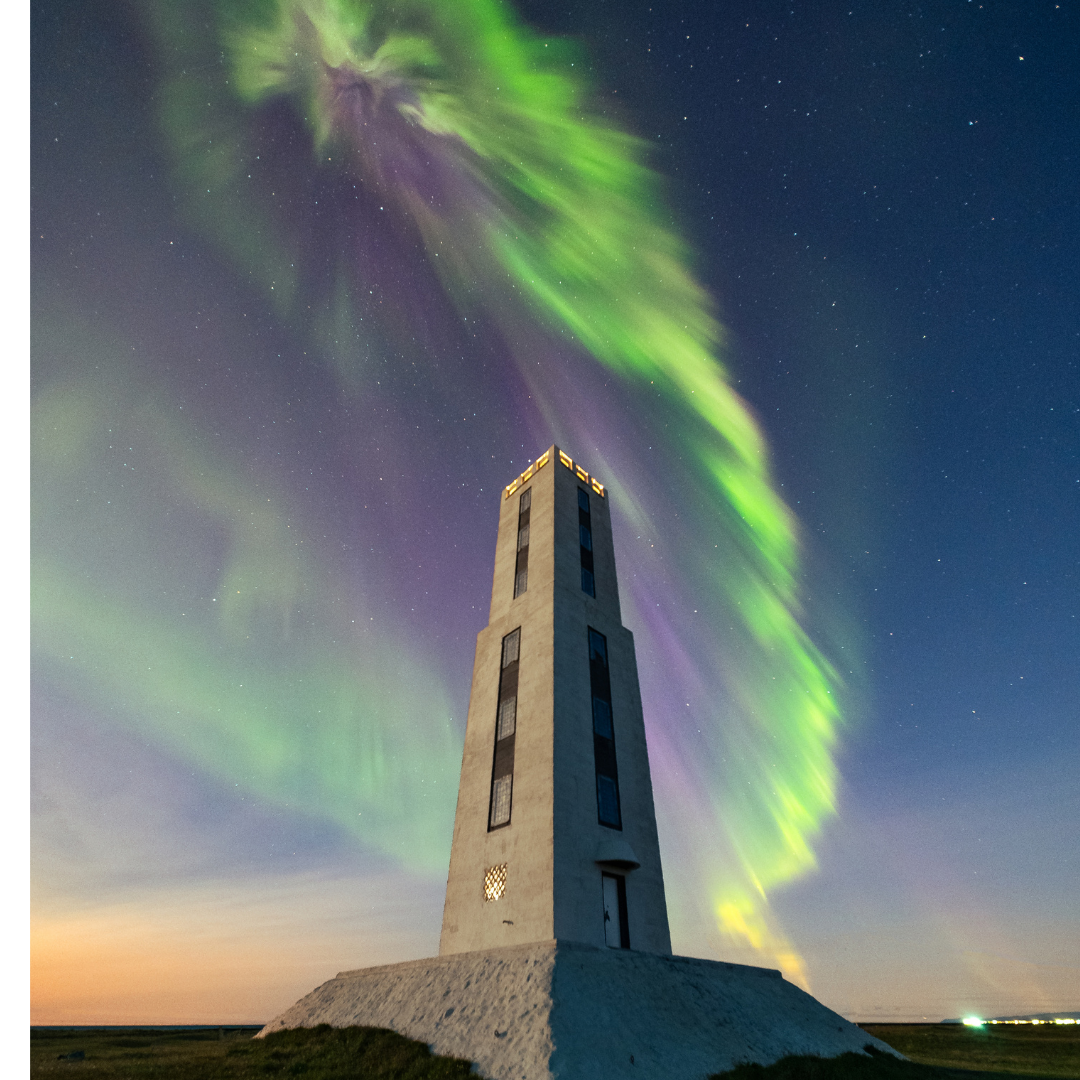
A beautiful sighting of the Northern Lights.
{{leadmagnet-one}}
Guided small-group tour with Follow Alice
For this tour, all accommodation, transport, listed activities, and local tour guides are included. This is the tier that no other Iceland cost guide includes, and it's the one where most people's assumptions are wrong. Follow Alice's Iceland's Dramatic Wonders tour is an 11-day small-group journey that travels the Ring Road from Reykjavík, covering the Golden Circle, the South Coast, the Eastern Fjords, Lake Mývatn, Akureyri, and the Snæfellsnes Peninsula — with groups of just 4 to 8 people. The tour starts from USD $5,999 per person, with the next available departure in September 2026.
Included in that price:
- All accommodation across 10 nights.
- All breakfasts.
- All transport throughout (no rental car required).
- All listed activities include a full-day Super Jeep adventure into Þórsmörk, a visit to Stuðlagil Canyon, exploration of Dimmuborgir lava formations, and a coastal drive to Snæfellsnes.
- A dedicated tour leader from Day 2.
- Arrival and departure transfers.
How does this compare to a DIY mid-range trip?
It's closer than most people expect. A comparable 11-day DIY trip at mid-range covering similar distances, similar accommodation quality, and similar activities adds up roughly as follows:
The DIY mid-range trip does come in lower, but the gap narrows significantly once you account for all the real costs, and it disappears entirely if you factor in what the guided experience adds. Like a local expert who knows where to go, a small group of like-minded travellers, and none of the logistical weight of driving, booking, and navigating Iceland independently.
For solo travellers, the comparison shifts further in favour of guided travel. Solo DIY costs climb sharply because you absorb the full rental car cost without anyone to split it with. The Follow Alice group format means you're always sharing transport costs across the group.
What the guided trip doesn't include is travel insurance, visas, single accommodation supplements (available on request), and international flights. Meals beyond breakfast are also on you, which actually gives you the freedom to eat where you want each evening.
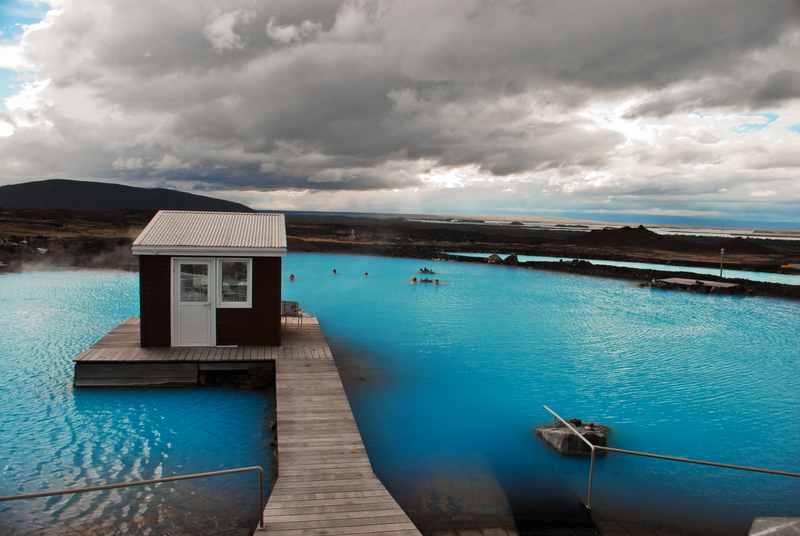
The small local spa in the north of Iceland (Myvatn area).
Learn more: Is 2026 Still a Good Year to See the Northern Lights?
How to save money in Iceland in 2026
Let's look at ways you can save a whole lot of money when heading to see the Icelandic wilderness:
- Travel in shoulder season. May to June and September to October offer lower prices, better availability, and fewer crowds than peak summer, without the price gouging of August's eclipse period.
- Cook your own meals. Iceland's tap water is among the cleanest in the world, and supermarket prices in Reykjavík run 10–15 per cent lower than in smaller towns along the Ring Road. Buy groceries in the capital before you leave.
- Claim your VAT refund at the airport. Iceland's VAT rate sits at 24–25 per cent on most goods. If you spend over a minimum threshold at qualifying retailers, you can claim back a refund of up to 14 per cent at Keflavík Airport on departure. Keep your receipts.
- Download the parking apps before your first stop. Parkaand Checkit.is are free and take minutes to set up. Not having them downloaded costs money at almost every major attraction.
- Book accommodation early, especially if travelling in August. Eclipse-related demand has made 2026 one of the most competitive years for Iceland accommodation in recent memory. Flexible cancellation policies exist; use them to lock in availability now.
- Consider whether self-driving is actually cheaper for your group size. For solo travellers or couples, the car rental, insurance, and km tax often represent a larger share of the total budget than people expect. Running the numbers honestly before you book is worth the time.
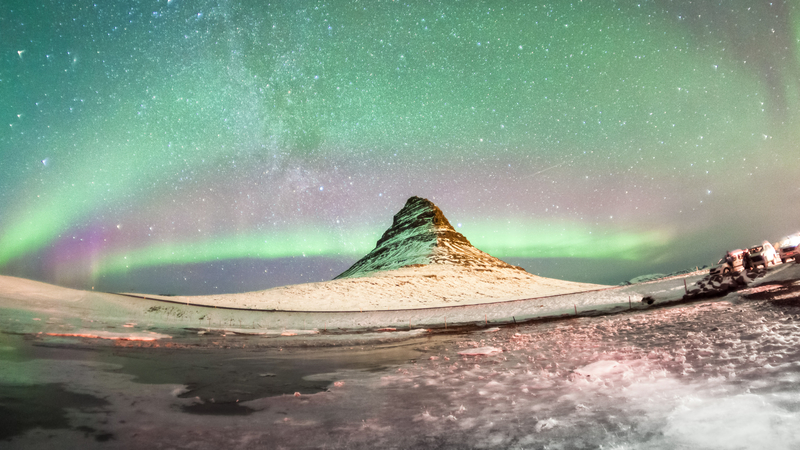
Kirkjufell, which is a high mountain on the north coast of Iceland's Snaefellsnes peninsula, near the town of Grundarfjordur.
Learn more: Best Things to Do in Iceland: The Famous Highlights and the Ones You Haven’t Heard Of
What about flights?
International flights to Iceland's Keflavík Airport (KEF) are not included in any of the budgets above. Typical return flight costs to factor in:
- From the US: $500–900 per person (New York, Boston, and Washington see the most direct routes)
- From the UK: $200–500 per person
- From Australia: $1,200–2,000 per person
Flights typically represent 25 - 40 per cent of a traveller's total Iceland budget. For the best fares, avoid the August eclipse window entirely, book well in advance, and use fare comparison tools to check routes through European hub cities if direct options are limited. Please note that prices are subject to change, so please always check.
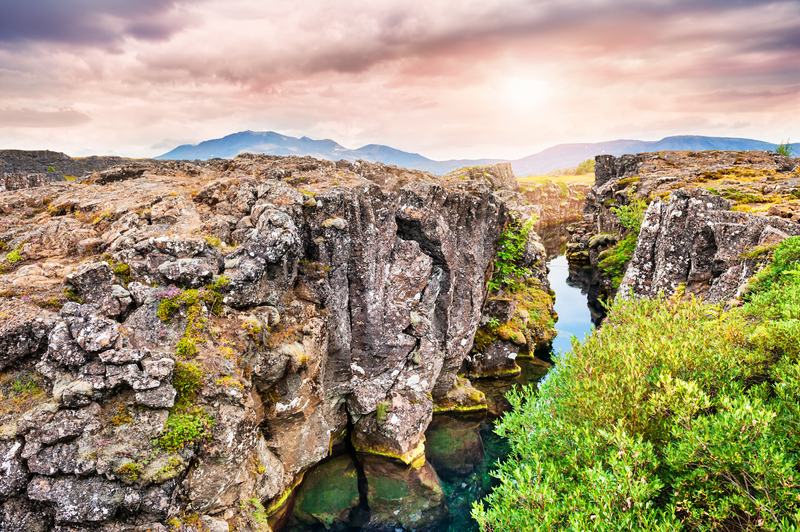
Cliffs and deep fissures in Thingvellir National Park, southern Iceland.
Ready to explore Iceland?
Iceland in 2026 is still one of the most extraordinary places on earth to travel. Waterfalls that you can walk behind. Glaciers, you can hike on the same day you swim in a geothermal pool. Villages that feel genuinely untouched. None of that has changed, and now you know exactly what it costs.
If you want to experience all of it without the planning overhead,Follow Alice's Iceland's Dramatic Wonders tour, which covers 11 days of Iceland's most spectacular landscapes, in a small group of 4 to 8 people, with everything taken care of from Day 1. Private tours can also be discussed. Just contact our team, and they will be happy to answer any questions you might have.