



Iceland has always been a dream destination for me, and I’ve been lucky enough to explore it firsthand. It’s a land of contrasts, from glaciers brushing against volcanic landscapes, waterfalls plunging into deep gorges, and nights lit up by the Northern Lights.
One of the questions I hear most often is: “When is the best time to visit Iceland?” And the truth is, there isn’t a single answer. It isn’t simply a choice between summer and winter. The right time depends entirely on what you want to get out of your trip. Most guides will take a month-by-month approach, walking you through temperatures, daylight hours, and road conditions. Useful, yes, but not always the most practical once you’ve already decided you’re going.
What you really want to know is: when can I see the Northern Lights? When is hiking at its peak? When will the puffins be around? That’s the question I’m answering here. Rather than organising this article by calendar months and seasons, I’ve broken it down by experience. So it won’t matter if your trip revolves around aurora chasing, wildlife, hiking, or simply enjoying Iceland with fewer crowds. I will tell you the best time to visit Iceland, based on what you want to do or see while you are there.
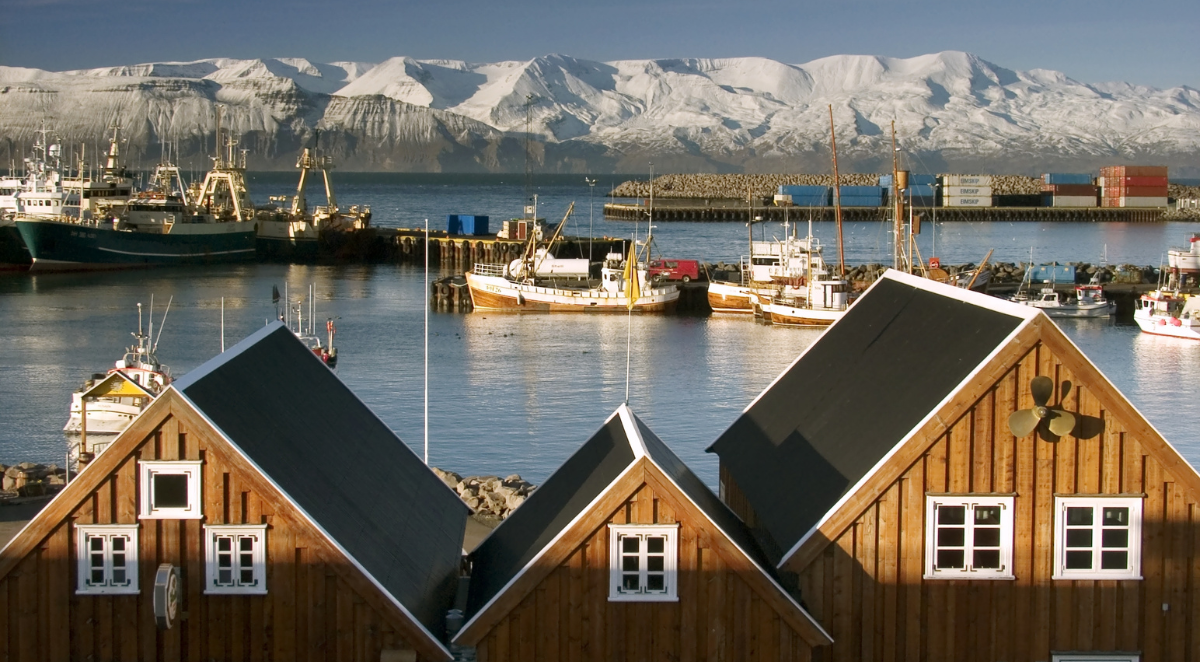
View of the seaport in Iceland.


Best time to see Northern Lights in Iceland
For many travellers, this is the big one, the reason Iceland makes it onto their bucket list in the first place. And it’s also one of the most misunderstood factors when deciding when to go.
The main thing to know is that the Northern Lights, or auroras, are not a winter-only phenomenon. In case you’re wondering, an aurora is a natural light display that occurs primarily in high-latitude regions near the Arctic and Antarctic Circles. They happen when charged particles from the sun, carried by solar winds, collide with gases in Earth’s atmosphere.
This means that auroras are active all year, but the challenge is visibility. Iceland’s long summer days, with the midnight sun keeping the skies bright, make them almost impossible to see from June into July. That’s why timing your evenings is far more important than the month itself, as darkness is everything.
From my experience, the best time to see the Northern Lights in Iceland is September through March. If I had to narrow it further, I’d pick October to February as those months offer the longest nights and the most reliable darkness. With all that said, a month alone won’t guarantee a show. Cloud cover and solar activity play a huge role. I’ve learned that a clear night in November can completely outshine a cloudy night in January, so you should always watch the aurora forecast and keep your evenings flexible.
Here’s how I usually think about timing:
- September and October – I love these months because I can still combine aurora spotting with hiking, road-tripping, and exploring comfortably. The nights are dark enough for the lights, but the days are still manageable for adventure.
- January and February – These are my go-to months if I want long nights and fewer crowds outside the festive season. Iceland will have that full winter chill, and when you see the aurora, it will always feel worth every icy minute.
- March – You will still get strong aurora opportunities, but the returning daylight means you can make the most of late-winter landscapes that look incredible in soft light and have low light.
One piece of advice I always give is to try to get out of Reykjavik at night. Light pollution in the city can seriously limit your chances, and even a short drive into the countryside can make a huge difference. You should plan your evenings around clear skies, because auroras don’t follow a schedule; being in the right place at the right time is what turns a good trip into a truly magical one. Remember, the Northern Lights are a natural phenomenon determined by solar activity and clear skies. They cannot be predicted with high accuracy weeks in advance, as I said before, you have to be flexible.
Chasing the Northern Lights takes a mix of patience, planning, and a bit of luck. If seeing them is your top priority, I’d focus less on the calendar and more on the practical steps that actually increase your chances, like staying flexible with your evenings, monitoring the aurora forecasts, and escaping the city lights.
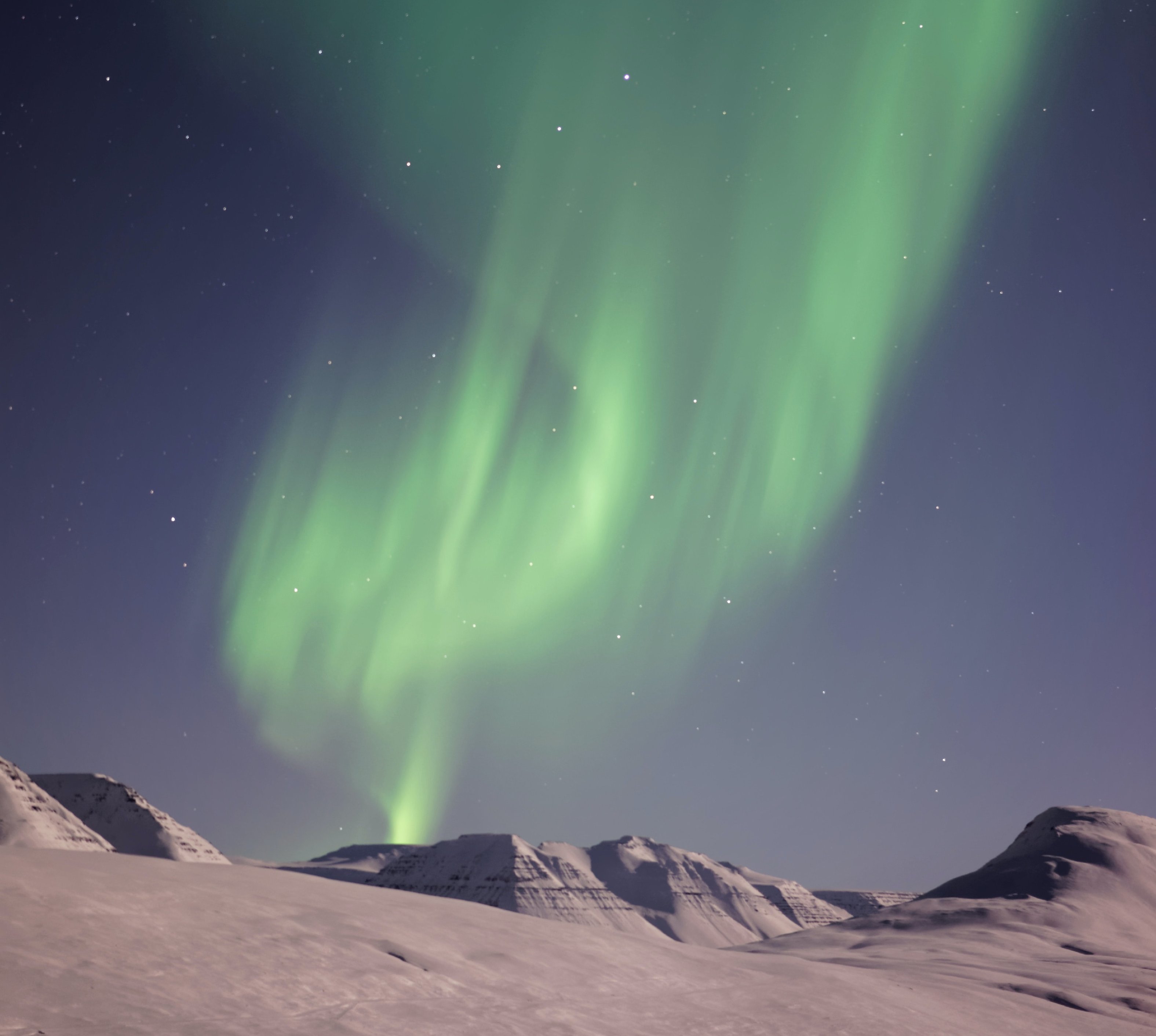
The beautiful Northern Lights in Iceland.
Learn more: 25 top places to visit in Iceland
Hike Iceland’s trails and explore the Highlands
This is where timing becomes much less flexible. If your dream Iceland trip includes Landmannalaugar, the Laugavegur Trail, or venturing into the Highlands, the best time to visit Iceland is generally late June through August. That is when the highland roads are usually open, snow cover has receded, and hiking routes are most accessible.
You have to remember that Iceland’s Highlands aren’t a place you can casually drive into all year round. These remote, rugged regions are full of incredible hiking trails, volcanic landscapes, and glacial views, but they require planning. One of the main things to know is that many of the roads leading into the highlands are F-roads.
F-roads are mountain tracks that are often unpaved, narrow, and sometimes include river crossings. You can only drive them in summer, usually between June and September, and only in a 4x4 vehicle. Outside of that window, snow, mud, and rough terrain make them impassable. I’ve driven some of these roads myself, and even in the height of summer, you have to take them seriously and drive slowly.
July to mid-August is usually the best stretch for classic Highland hiking. The trails are more reliably open, huts are operating, and the combination of mossy lava fields, rhyolite mountains, black deserts, and hot springs feels almost unreal. This is also when the Laugavegur Trail is at its most accessible, although you need to book well ahead because hut space fills fast.
June can be brilliant too, particularly for long daylight hours, but early-season access depends on how much snow stays. September is more mixed. You may get beautiful, quieter trails and good conditions, or you may run into closures and rougher weather. For experienced hikers with some flexibility, it can be a rewarding shoulder month. If you are sticking to places like Snæfellsnes, South Iceland, or popular coastal walks, you have more freedom. Those areas are more accessible all year-round. For the full experience of Iceland's remote regions, summer wins hands down.

A jeep drives through a river in the barren Landmannalaugar landscape of inner Iceland.
{{leadmagnet-one}}
Spot puffins and watch whales up close
If you’re hoping to see puffins and whales, timing matters more than most people realise. To have the best chance, plan your trip around the months when these animals are most active and visible. I’ve found that combining the right locations with peak seasons makes it far easier to spot them, rather than relying on luck alone.
Iceland puffins
If seeing puffins is high on your list, timing your trip is important. Puffins spend around eight months of the year far out at sea, bobbing on the waves and diving for fish. They only come ashore to mate and nest, which in Iceland happens roughly from mid-April to the end of August. The best chance to see them is June and July, which are the best months for puffin viewing. Colonies are active, access is straightforward, and the longer daylight helps if you want to visit remote birding areas.
An interesting fact is that Iceland is home to around 60 per cent of the global Atlantic puffin population each spring and summer, that’s 8 to 10 million birds arriving to nest. It’s fascinating that puffins mate for life, even though they don’t necessarily spend the months at sea with the same partner.
Some puffin colonies are easier to access and more reliable than others. From my experience, the Westman Islands in the south, Grímsey in the north, and the Westfjords are top spots. The Látrabjarg cliffs in the Westfjords are especially famous and are one of the busiest bird cliffs in the world, packed with nesting puffins. If this is high on your list, I would build it directly into your itinerary rather than assume you will spot them casually.

A puffin sitting on a cliff edge overlooking the sea in western Iceland.
Iceland whale watching
Iceland is one of the world’s top whale-watching destinations, with over 20 species visiting its coastal waters. From my experience, the most commonly spotted are minke, humpback, and orca whales, though lucky travellers may also glimpse blue whales, sperm whales, and even narwhals. Whale watching is possible across much of the year, but the peak season is May to September. During this time, you can also enjoy other wildlife, like dolphins, which often accompany the tours, and puffins are still visible along the coast.
For the most reliable whale experiences, I usually recommend Húsavík in the north, widely regarded as Iceland’s whale-watching capital. Reykjavik also offers tours, which can work well if you’re short on time, but the north has a stronger reputation for consistent sightings.
If orcas are your main focus, the Snæfellsnes Peninsula is one of the best areas, particularly from late winter into spring. I’ve found that timing and location make all the difference. Combining the right season with the right spot dramatically increases your chances of seeing these magnificent creatures.
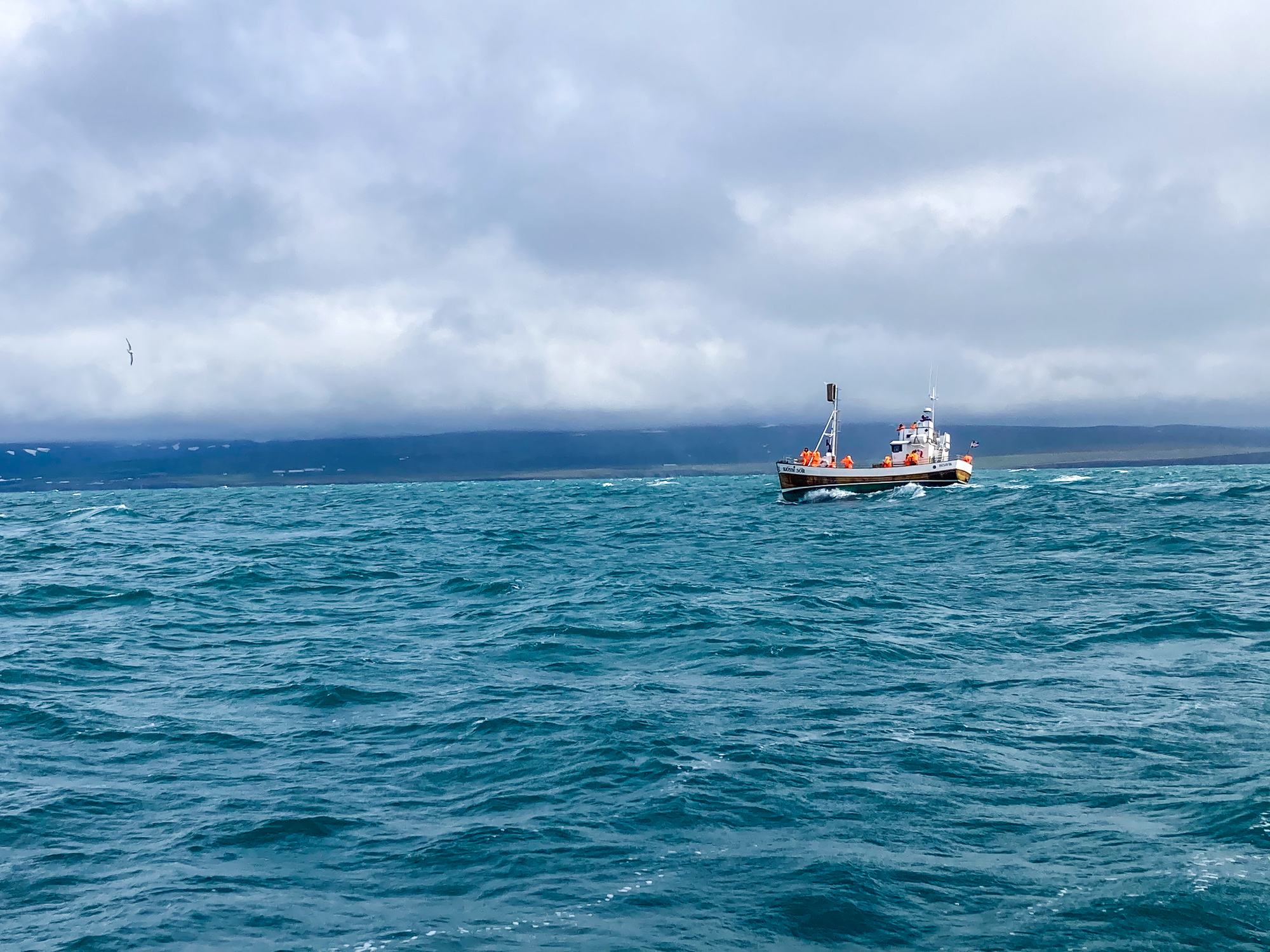
A ship sailing on a whale watching tour near Hofsos in Iceland.
Learn more: Follow Alice Impact Report: Adventures with Purpose
Experiencing Ireland’s midnight sun
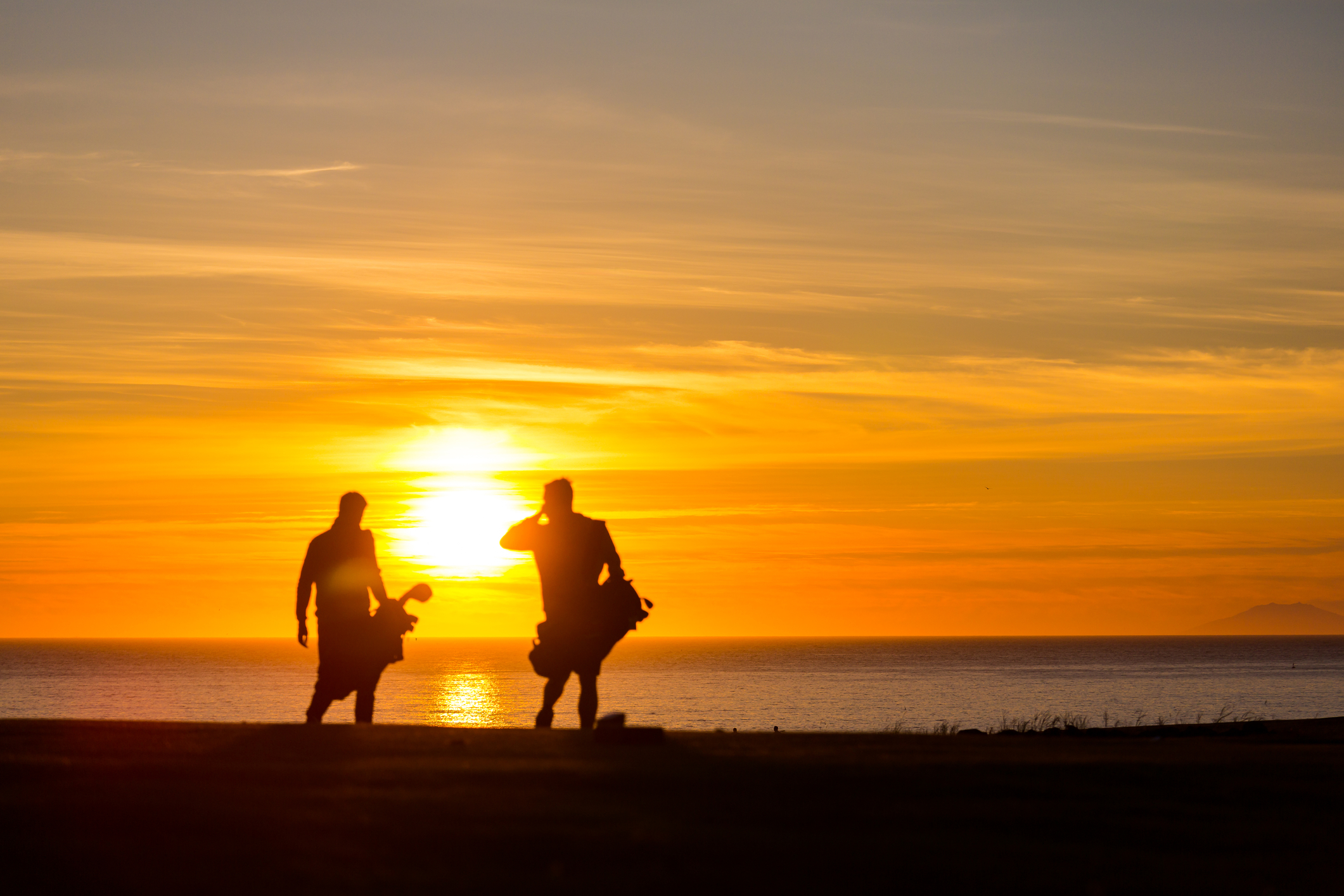
Iceland is famous for its dramatic landscapes, but one of my favourite experiences is the midnight sun. During summer, the sun barely sets, bathing the entire country in bright, golden light no matter the hour. There’s something genuinely surreal about finishing dinner and realising it still looks like late afternoon, or setting out on a hike at 10 pm without needing a torch.
The midnight sun happens because of the tilt of the Earth’s axis in the Northern Hemisphere; the tilt towards the sun from April to August creates long summer days, with the peak effect around the summer solstice on 21 June. Between mid-June and late July, daylight stretches so dramatically that you can explore far later than your body clock expects.
From what I see, this is the perfect time for photographers chasing long golden hours, road-trippers wanting maximum flexibility, and hikers who love extended daylight. It’s also ideal if you want to pack a lot into one itinerary without feeling rushed. The trade-off is that it’s peak season, which means prices are higher, accommodation books fast, and popular sites are busier. Still, if endless daylight is part of the Iceland experience you’re chasing, this is hands-down the best time to visit for the midnight sun.
Learn more: 7 excellent reasons to travel with Follow Alice
If you want good value and fewer crowds
This is where Iceland gets interesting. For travellers who want a balance between experience, price, and breathing room, I think the best time to go to Iceland is often the shoulder seasons, especially April to May and September to October.
Spring brings increasing daylight, snowmelt-fed waterfalls, the return of birdlife, and a sense that the country is waking up again. April can still offer a final shot at the aurora, while May begins to feel far more open and active.
Autumn, especially September, is one of Iceland’s smartest travel windows. You may still catch decent road-trip conditions and some hiking access, but the summer crowds begin to thin. By late September and October, the Northern Lights are back in play, accommodation rates often soften, and the landscapes take on a darker, moodier feel.
Winter outside the Christmas and New Year peak can also offer decent value, particularly in January and February. These months are quiet, atmospheric, and excellent for aurora-focused travel.
The downside across all shoulder months is unpredictability. Icelandic weather does not care about your itinerary. Pack layers, waterproofs, and patience in every season.

Sunset over Markarfljotsgljufur canyon on Laugevegur Trail, Iceland.
Explore Iceland’s ice caves
If visiting an ice cave is on your list, it’s one of the most unforgettable experiences you can have in Iceland. Inside these natural wonders, you’ll see brilliant shades of blue ice and shapes carved over centuries by glacial movement. Each cave is unique, as some walls shimmer deep blue, others are streaked with volcanic ash or crystal-clear ice, depending on the glacier’s history and the light.
Timing is everything. Most of Iceland’s natural ice caves are only accessible in winter, usually from November through March, when the temperatures are cold enough to stabilise the ice. From my experience, January and February are the best months as the ice tends to be at its most vivid, and the caves are reliably formed.
You must remember Ice caves are guided-only experiences, and for good reason. Glacier environments are unpredictable, with conditions changing rapidly. You should never enter an ice cave alone. Always go with a certified glacier guide as they ensure your safety, select the best caves, and adjust tours based on weather and ice conditions. Most tours also offer alternatives or full refunds if conditions make a visit unsafe. The Crystal Ice Cave near Jokulsarlon Glacier Lagoon is Iceland’s most famous ice cave. Some of Iceland’s other most famous ice caves are in Vatnajökull Glacier, which is about a five-hour drive from Reykjavik. Others, like Mýrdalsjökull and Langjökull glaciers, have ice caves accessible year-round, around three hours from Reykjavik.
If ice caves are a priority, I would pair the experience with other winter adventures like chasing the Northern Lights, visiting frozen waterfalls, or glacier hiking. Doing so makes the timing of your itinerary much more efficient and allows you to fully embrace Iceland’s winter magic. I can guarantee you that exploring an ice cave is not just a highlight of a trip; it’s an experience you’ll remember for a lifetime. Plan carefully, go with a professional guide, and you’ll see Iceland in a way few ever do.
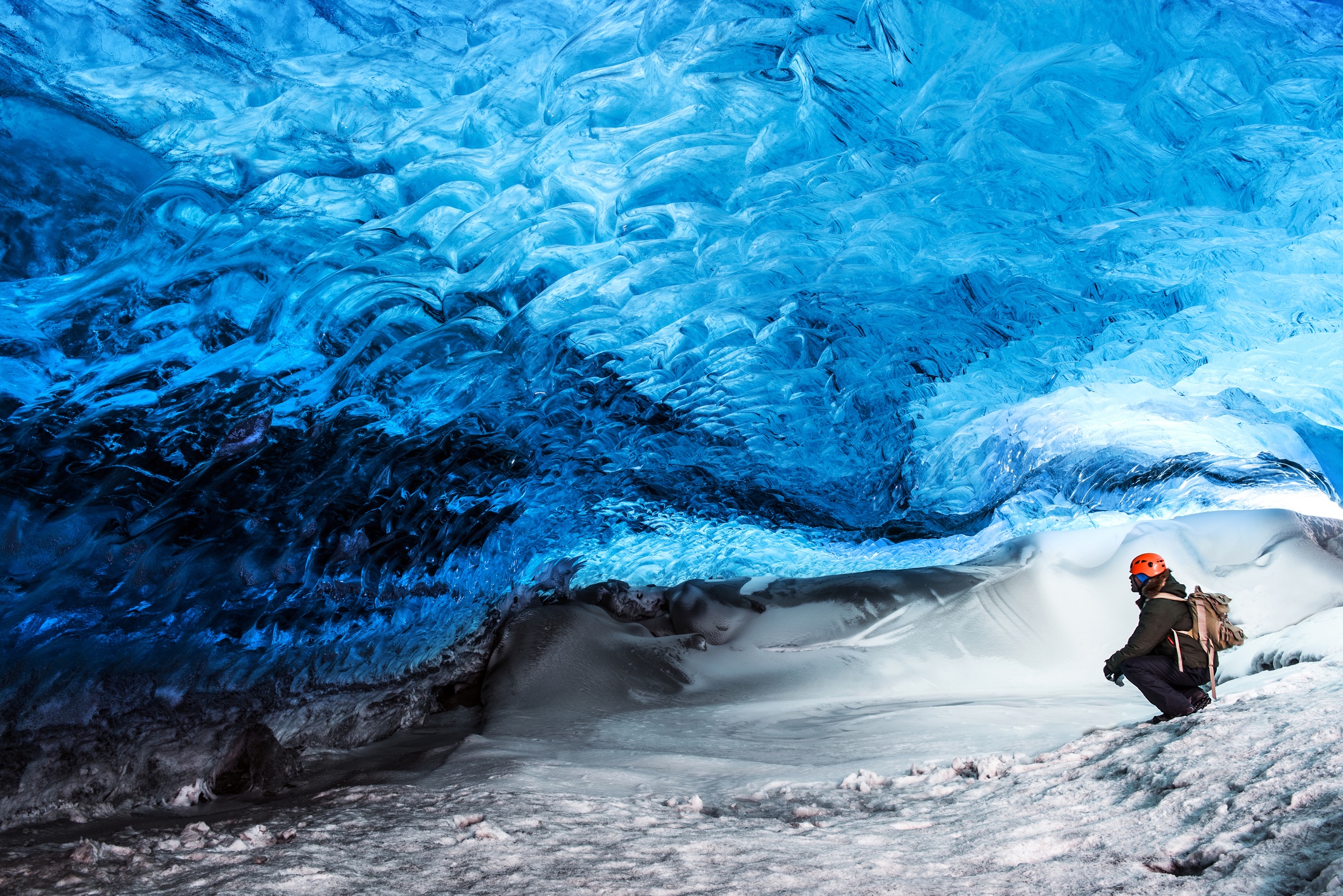
The glacier ice cave of Iceland. Learn more: What we care about at Follow Alice – besides our clients!
Quick summary: best time by activity
Here is the simplest version:
- Northern Lights: September to March, with the strongest window from November to February
- Hiking and Highlands: Late June to August
- Puffin watching: May to early August
- Whale watching: May to September
- Midnight Sun: Mid-June to late July
- Ice caves: November to March
- Fewer crowds and better value: April to May or September to October

Iceland trekker mountains inland trek.
{{leadmagnet-two}}
Month-by-month summary table
For anyone who prefers to skim, here is a quick-reference guide to the best time to visit Iceland based on the main experiences people care about most.
Why Iceland?
Iceland has always felt like a place of extremes to me. No other country packs geological drama, wild beauty, and raw intensity into such a compact space. Sitting just below the Arctic Circle, it straddles two tectonic plates, and the constant movement of the earth has carved volcanoes, mountains, and glaciers over thousands of years.
I first arrived in Reykjavik, Europe’s northernmost capital, and was struck by how small Iceland is, roughly the size of Kentucky in the US, yet how massive it feels when you’re standing in the middle of its landscapes. Known as the Land of Fire and Ice, Iceland truly lives up to that name:
- Volcanoes: There are more than 130 across the island, at least 30 still active. I remember hearing about the 2010 Eyjafjallajökull eruption (1,666 m) that disrupted European flights for weeks, a reminder that this is a country that’s very much alive.
- Glaciers: About 10–11 per cent of Iceland is covered in ice, with 269 named glaciers ranging from ice caps and outlet glaciers to alpine and piedmont glaciers. Seeing these up close is unforgettable.
- Surtsey: Off the south coast, Surtsey is one of the youngest islands on Earth, formed between 1963 and 1967. It’s still protected, giving scientists a rare glimpse of how life takes hold on brand-new land, and it’s incredible to imagine it will still be around for decades to come.
Beyond the volcanic and glacial drama, Iceland is full of surprises: geothermal hot springs, black sand beaches, dramatic fjords, and rich Viking history. Reykjavik’s cultural scene also caught me off guard; it’s lively, creative, and fun. Of course, climate change is a real concern. I’ve seen firsthand how glaciers are retreating and how rising seas could reshape the landscapes we love. But for now, Iceland remains one of the most extraordinary places I’ve ever visited. And the big question I always get asked and the one I ask myself each time I plan a trip is: when should you go? For me, the answer always comes down to what you most want to do while you’re in Iceland.
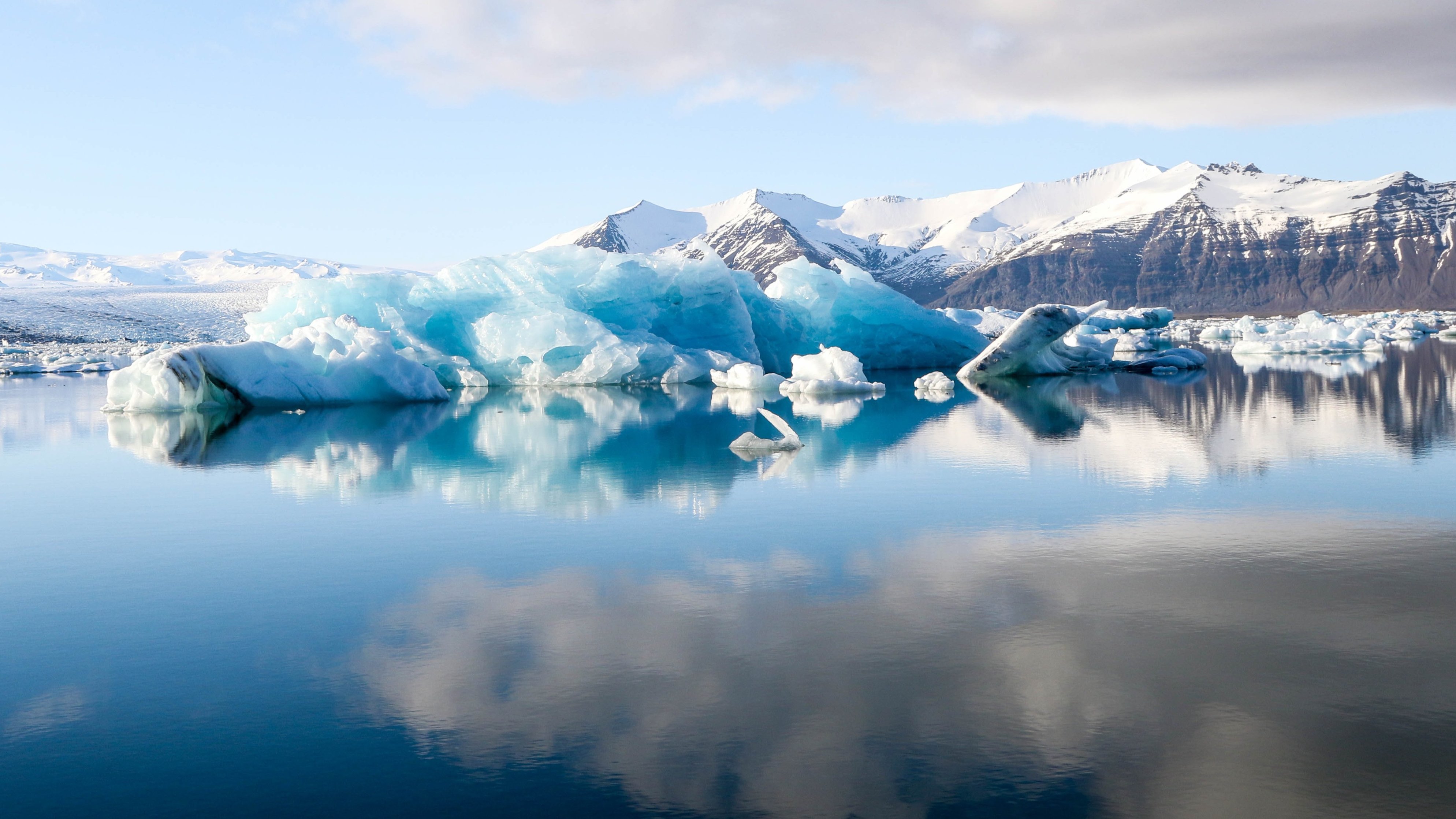
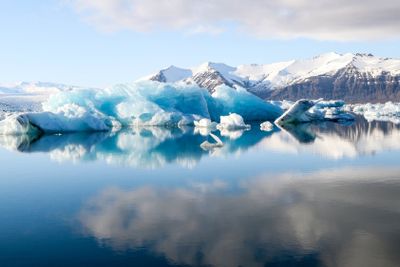
A beautiful image of an Icelandic lagoon.
Ready to tour Iceland with Follow Alice?
There is no single answer to the question of the best time to visit Iceland. That is exactly why so many generic articles feel a bit unsatisfying. The best time of year to visit Iceland depends entirely on what matters most to you. If you want aurora-filled nights and ice caves, go in winter. If you want Highland hiking and long road-trip days, go in summer. If you want a more balanced trip with fewer crowds and better value, aim for the shoulder seasons. That is really the trick with Iceland. It delivers in every season, but not in the same way. Once you know what you care about most, the timing becomes much easier to get right. Feel free to contact our team, and we will be happy to answer any questions.