



The northern lights have long topped travellers’ wish lists, and this year it offers a rare window to see them at their best. With heightened solar activity still in play, this could be your most unforgettable chance to witness the aurora borealis in full brilliance. With solar activity still crackling after the peak of Solar Cycle 25, one of the strongest in decades, 2026 may be your most compelling reason to pack your bags and finally go.
With conflicting headlines about whether the solar maximum has already passed, it pays to get the facts straight before you book. You've probably seen the headlines. One says 2026 is your last chance to witness the aurora borealis at its most spectacular. Another insists the solar maximum has already come and gone, and you've missed the window. So which is it, and should you still book that trip? If you have any questions, feel free to contact us. But our honest answer is yes, 2026 is still a very good year to see the northern lights. The reasons are more nuanced than the headlines suggest, and understanding them will help you plan smarter, set realistic expectations, and choose the right destination for the experience you're after.
Here's everything you need to know.
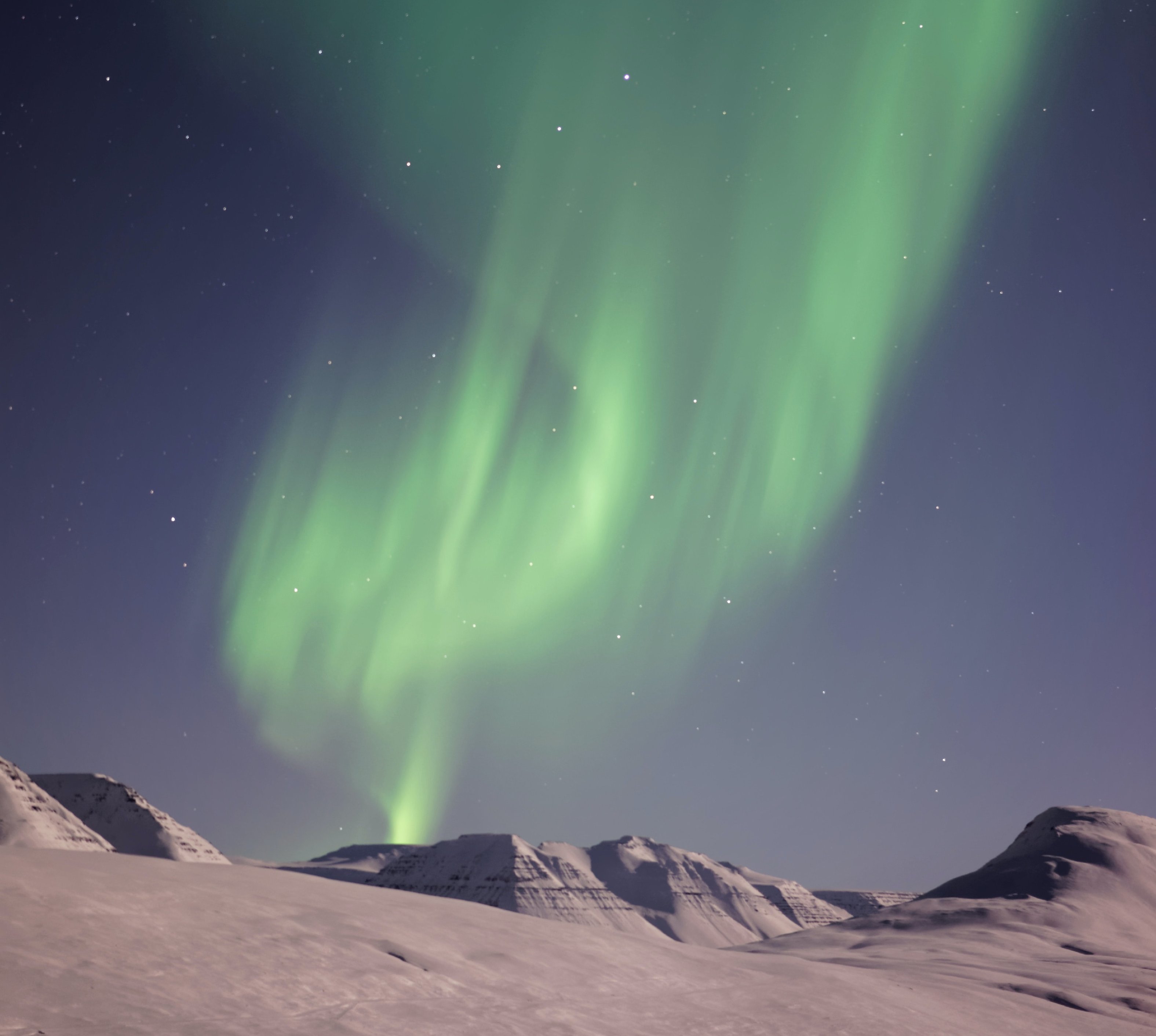
Beautiful sight of the Northern Lights.
Learn more: The Best Time to Visit Iceland Based on What You Actually Want to Do
Northern Lights 2026
The northern lights, also known as the aurora borealis, are born from the sun. Our star follows a roughly 11-year rhythm of activity, swinging between quieter periods and intense peaks known as solar maximums. During these peaks, the sun produces more sunspots, solar flares, and coronal mass ejections, enormous bursts of charged particles that travel toward Earth and, when they collide with our magnetic field, ignite the sky in curtains of green, violet, and crimson.
Solar Cycle 25, our current cycle, reached its peak around October 2024. That means, technically speaking, the true solar maximum is already behind us. But here's what the panicky headlines miss: the sun doesn't simply switch off after its peak. Activity declines gradually over several years, and the months and years immediately following a solar maximum are often when some of the most dramatic aurora events occur. Geomagnetic storms remain elevated, solar wind continues to pulse outward, and powerful coronal mass ejections still reach Earth on a regular basis.
In fact, a severe geomagnetic storm struck Earth as recently as January 2026. The aurora was visible far beyond its usual Arctic haunts. Scientists at NASA and the Norwegian Space Agency have both noted that geomagnetic activity can remain turbulent for years after a solar peak, which places 2026 squarely in what aurora specialists call the "declining phase," a window that historically produces some of the most unpredictable and widespread displays. So while 2025 may have been the statistical apex, 2026 is far from a consolation prize.
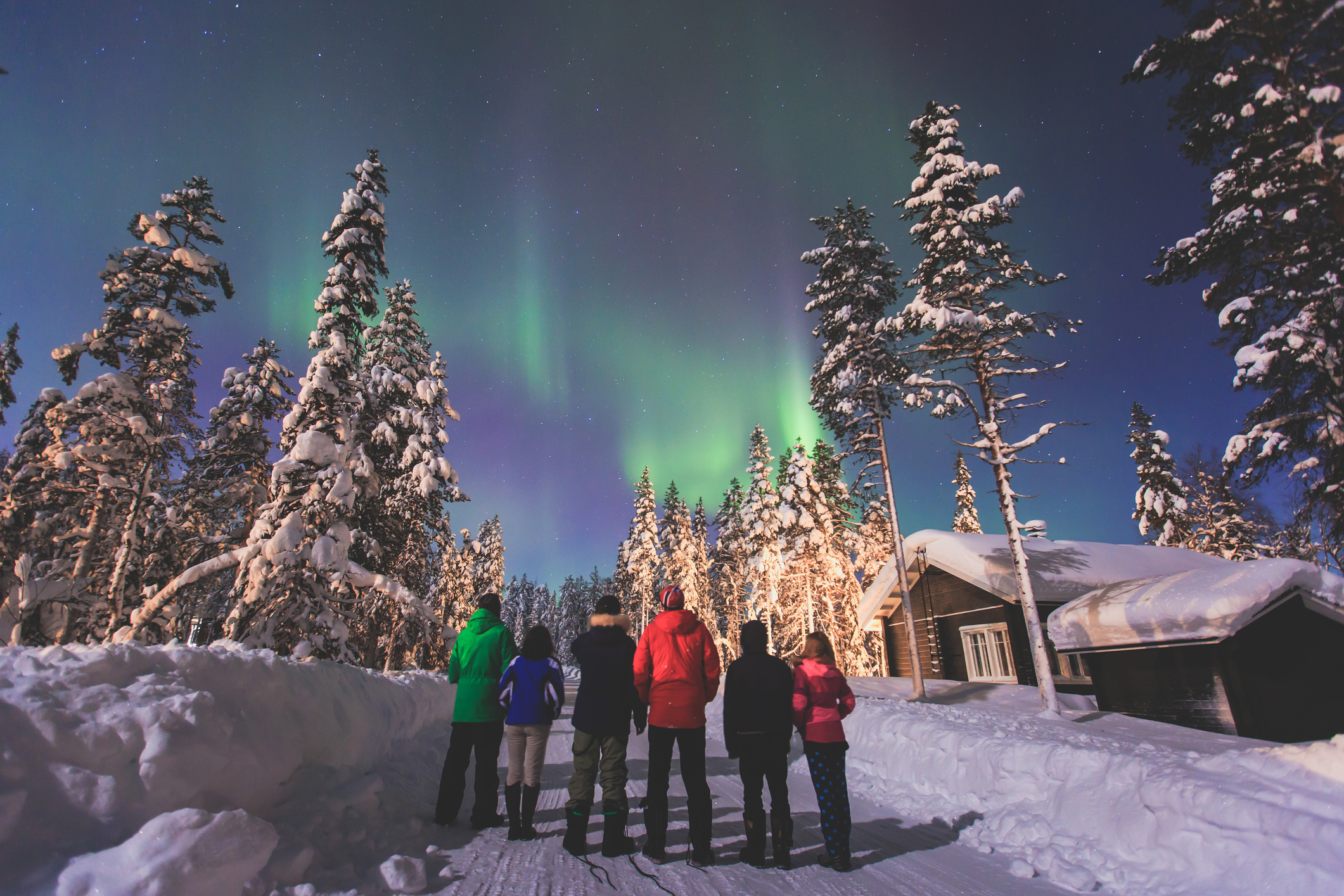
Beautiful picture of massive, multicoloured, green, vibrant Aurora Borealis, Northern Lights.


Has the solar peak passed?
It's important to note that there is a shift in what aurora hunting looks like in 2026 compared to 2024 or early 2025. During the solar maximum itself, displays were frequent, intense, and sometimes visible at very low latitudes. Southern England, northern France, and even parts of the northern United States saw auroras on multiple occasions. In 2026, sightings at those mid-latitudes will be rarer and more dependent on the timing of specific geomagnetic storms.
What this means practically is that flexibility now matters more than it did during peak activity. If you can plan a longer trip, say, seven to ten nights, rather than a rushed weekend, your chances of catching a meaningful display increase considerably. Aurora sightings have always required patience; 2026 simply reinforces that truth. For travellers heading to destinations within or close to the auroral oval, the ring-shaped band that encircles the polar regions and is reliably lit by the aurora, conditions remain excellent. The lights don't vanish. They become somewhat more episodic, more dependent on well-timed space weather events rather than occurring on almost every clear night.
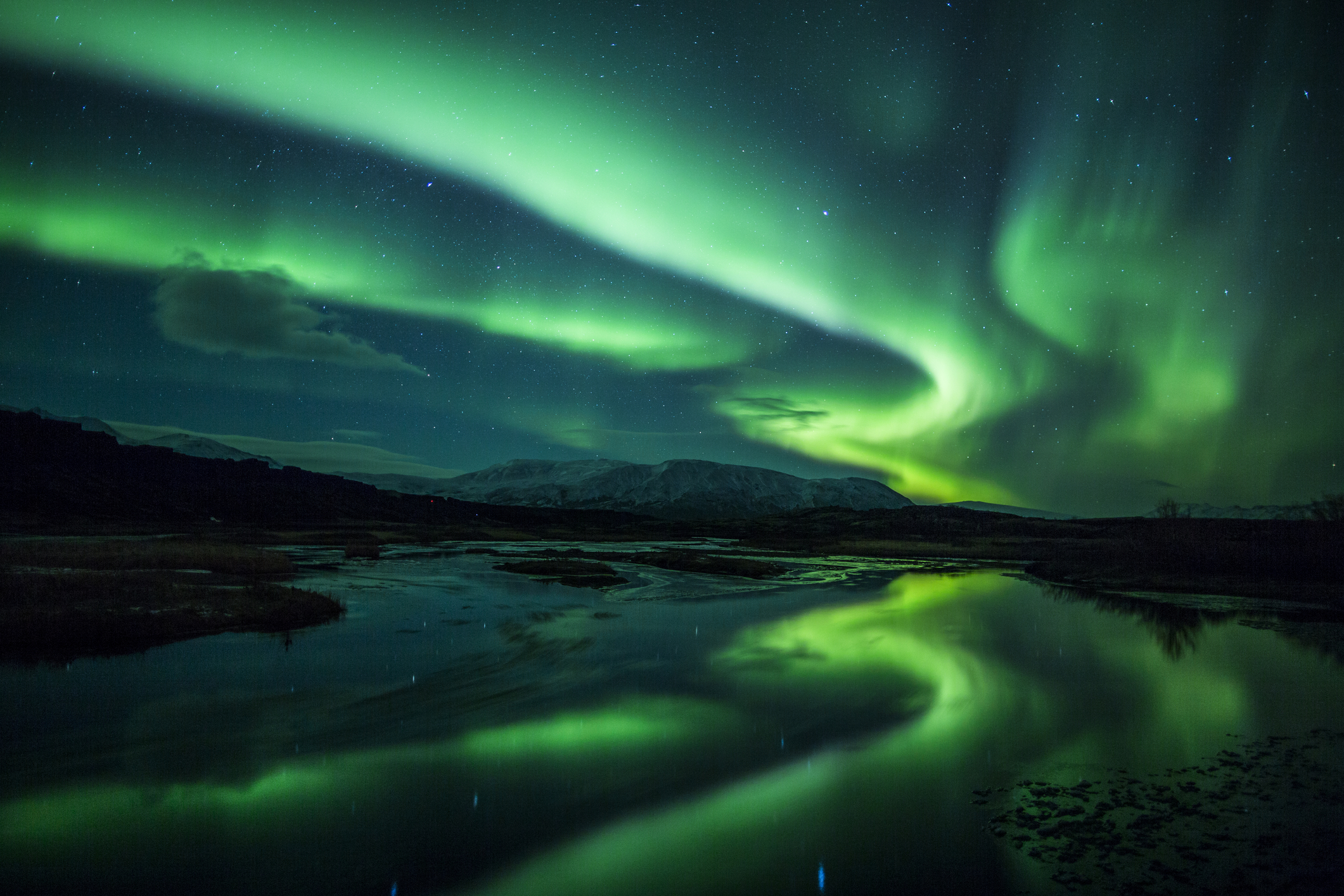
Northern lights above a lagoon in Iceland.
{{leadmagnet-one}}
When is the best time to see the Northern Lights?
The aurora exists year-round at high latitudes, but it requires darkness to be visible. In the Arctic summer, the sun barely sets, rendering even active displays invisible to the naked eye. The viewing season runs from roughly early September through mid-April, when nights are long and genuinely dark. Within that window, two periods stand out as particularly promising for northern lights 2026:
September and October mark the return of darkness after the Arctic summer. The autumnal equinox, which falls around 22 September, is historically associated with elevated geomagnetic activity as the Earth's magnetic field tilts in a way that makes it more receptive to solar wind. Temperatures are still manageable, skies are often clear, and the landscape is dressed in autumn colour. It's arguably the best combination of aurora potential and travel comfort in the entire season.
February and March offer peak darkness, long polar nights, and another equinox effect in late March. These months are colder, freezing in some destinations, but they reward the hardy traveller with the greatest number of dark hours per night and some of the clearest skies of the year. March in particular hits a sweet spot: high aurora potential, slightly improving weather, and the dramatic last gasp of winter landscapes that make aurora photographs so memorable.
Regardless of when you travel, the best aurora viewing happens between roughly 10 p.m. and 2 a.m. local time. Keep an eye on real-time forecasts from NOAA's Space Weather Prediction Centre and apps like My Aurora Forecast or Hello Aurora, which track the Kp index, a measure of geomagnetic activity where higher numbers mean wider and more intense displays.
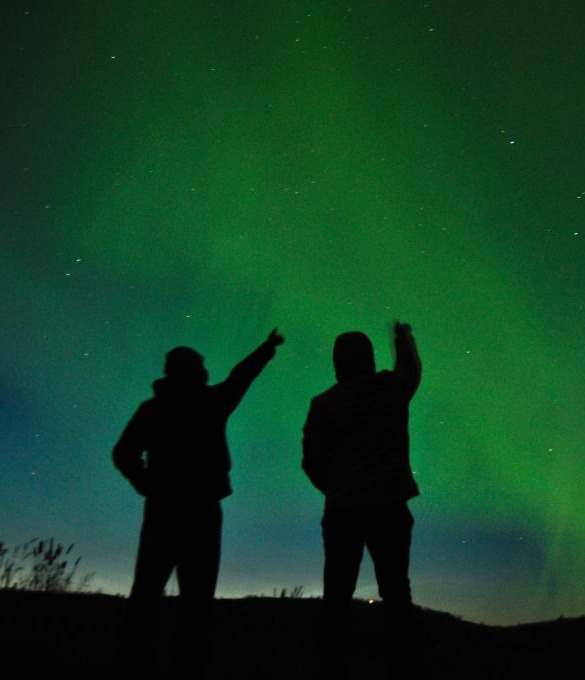
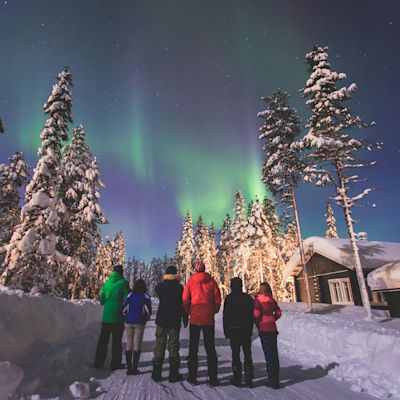
Tourists embrace the Northern Lights.

Best places to see the Northern Lights
Choosing the right destination is as important as choosing the right time. Here are the standout northern lights destinations for 2026, each with its own character and appeal.
Let's have a look:
Northern Lights over Iceland
Few places on Earth combine aurora potential with dramatic scenery quite like Iceland. Straddling the auroral oval just below the Arctic Circle, Iceland offers dark, open landscapes with minimal light pollution and a well-developed tourism infrastructure that makes chasing the lights genuinely accessible.
The best time to see the northern lights in Iceland runs from late September through early April. Reykjavik makes a convenient base, but even a short drive outside the city eliminates most light pollution. For higher chances, head north to Iceland's Westfjords, particularly around Ísafjörður and the mountain of Bolafjall, which offer some of the darkest skies on the island, longer nights, and often clearer weather than the south. The Snæfellsnes Peninsula, Þingvellir National Park, and the Jökulsárlón Glacier Lagoon are also loved by aurora photographers as the latter offers the surreal spectacle of dancing lights reflected in ice-flecked black water.
Iceland's appeal in 2026 is further boosted by an unrelated celestial event, a total solar eclipse that crosses the country on 12 August. While August is the shoulder of aurora season, it marks the return of Arctic darkness, and the eclipse draws travellers who may find early-season aurora displays a welcome bonus.
Norway
Norway is the gold standard for serious aurora hunters. The country stretches into the Arctic, and its northern regions sit directly beneath the auroral oval, offering some of the most reliable northern lights viewing in the world. Tromsø, located 217 miles north of the Arctic Circle, is the most popular base for aurora tourism in Norway and for good reason. It has direct flights from many European cities, a wealth of guided aurora experiences, and enough cultural life to fill days when the weather turns. For a more remote experience, the Lofoten Islands offer fjord and mountain scenery alongside excellent aurora chances. While the Svalbard Archipelago, situated between the 74th and 81st parallels north, closer to the North Pole than to mainland Norway, provides the extraordinary bonus of polar night, where the sun doesn't rise at all, and the lights can appear at any hour. Reindeer, Arctic foxes, and polar bears roam this landscape.
Some travellers choose to see Norway's coastline by ship. Hurtigruten's coastal voyages run the length of Norway's western edge, with dedicated aurora chasers on board and, notably, a northern lights promise: if the lights don't appear during your sailing, you receive a complimentary return trip.
Canada
For travellers based in North America, Canada offers world-class aurora viewing without a transatlantic flight. Whitehorse in the Yukon and Yellowknife in the Northwest Territories both sit beneath the auroral oval and boast high numbers of clear nights per year — a crucial variable that even active solar conditions can't compensate for if the sky is overcast.
The best time to visit Canada for aurora watching is mid-August through late September for milder weather, or mid-November through early April for the darkest nights. Yellowknife in particular has built a strong aurora tourism infrastructure, with glass-roofed chalets, guided excursions onto frozen lakes, and cultural experiences with local First Nations communities.
Alaska
Fairbanks sits almost directly beneath the auroral oval and is one of the most statistically reliable aurora destinations in the world. On average, it sees over 200 nights of aurora activity per year, conditions permitting. Its cold, dry interior climate means clearer skies than coastal Alaska, and its relative accessibility from the lower 48 states makes it an appealing option for Americans reluctant to travel internationally.
Beyond the lights themselves, Fairbanks offers dog mushing, ice sculpture (it hosts a major international competition each winter), and access to Denali National Park for those wanting a broader Alaskan adventure.
Finland and Swedish Lapland
The Finnish and Swedish Arctic regions, particularly around Rovaniemi in Finland and Abisko in Sweden, have long attracted aurora travellers with a specific appeal for comfort without sacrificing darkness. Glass-roofed igloos and wilderness lodges allow guests to watch the lights from warm beds, a combination that has made these destinations enormously popular with couples and luxury travellers.
Abisko, Sweden, sits in a geographical rain shadow that gives it a disproportionately high number of clear nights compared to nearby areas, a significant advantage in a pursuit where cloud cover is the most common obstacle.
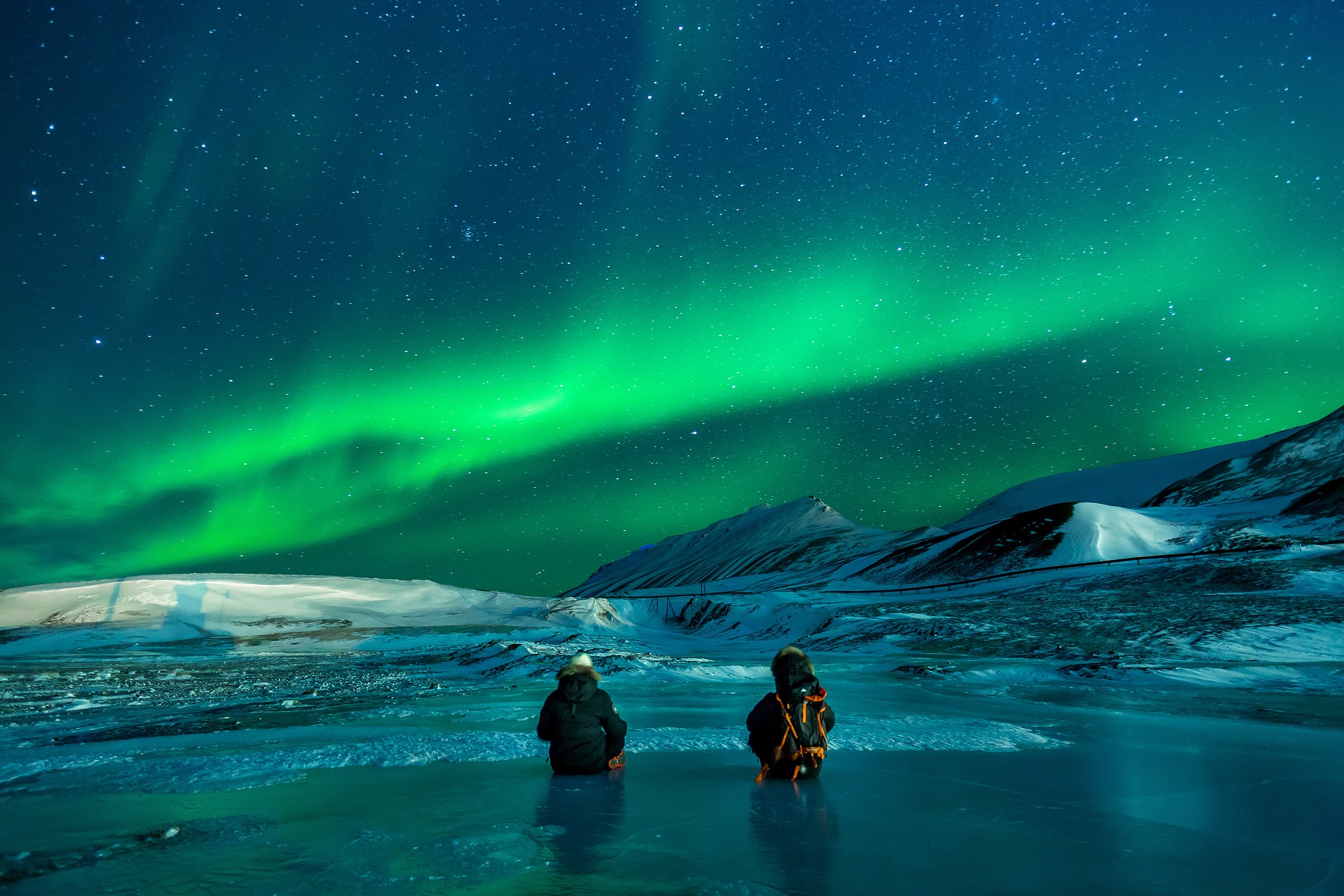
Two adults on ice under aurora borealis.
Learn more: Planning a Trip to Iceland: Everything You Need to Know
5 ways to maximise your Northern Lights chances
The single biggest mistake aurora hunters make is booking a two- or three-night trip and expecting a guaranteed show. The northern lights are a natural phenomenon shaped by solar wind, cloud cover, and local weather, none of which operates on a schedule.
A few principles that consistently improve outcomes:
1. Stay longer
Seven nights in a destination give you multiple chances to catch a clear, active night. Three nights often isn't enough, especially in destinations where cloud cover is common.
2. Get away from city lights
Even in Tromsø or Reykjavik, a twenty-minute drive into the countryside makes a substantial difference. Guided tours that take you to dark-sky locations are worth the investment.
3. Download a forecast app
Real-time tracking of the Kp index, solar wind speed, and local cloud cover has transformed aurora hunting from guesswork into an informed pursuit. Apps like My Aurora Forecast, Aurora Alerts, and Space Weather Live provide hourly updates.
4. Stay up late
The hours between 10 p.m. and 2 a.m. are consistently the most active. Book accommodation that allows a late return, and resist the temptation to call it an early night.
5. Be patient with the weather
A single clear night during an otherwise cloudy week can produce a display that erases every frustration that preceded it.

Aurora Borealis over the famous Skogafoss waterfall on the Skoga river in Iceland.
Learn more: Best Things to Do in Iceland: The Famous Highlights and the Ones You Haven’t Heard Of
Northern Lights 2026
The solar maximum has passed its statistical peak. That's true. But the northern lights haven't gone anywhere. Solar Cycle 25 was one of the strongest in recent memory, and the energy it generated doesn't dissipate overnight. 2026 sits in a declining-but-still-turbulent phase of solar activity, a phase that rewards well-planned, flexible travel with displays that can be every bit as dramatic as anything seen in 2024 or 2025.
The travellers most likely to be disappointed are those who visit expecting nightly displays and a guaranteed experience. The travellers most likely to come home transformed are those who go with patience, stay long enough to let the odds work in their favour, and choose a destination such as Iceland, Norway, Canada, Alaska, Finland, or Sweden, where the landscape itself is worth the journey, regardless of what the sky decides to do.
In that sense, the question isn't really whether 2026 is still a good year. It's if you're willing to meet the aurora on its own terms. You'll find it's very much still there. Remember to plan popular aurora destinations and guided tours in Iceland and Norway months in advance during the active season. If you're targeting the September equinox window or the February–March peak darkness period, begin researching accommodation and tour operators now. If you're unsure, feel free to contact our team, and we will be happy to answer your questions.