

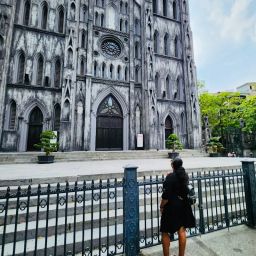

We had many travellers who were vegan and travelled with Follow Alice. So we are no strangers when it comes to knowing what food you need to stay fit and healthy during your Nepal trek. The good news is that in Nepal, vegan eating is becoming far more common in the land of Mount Everest, especially in places like Kathmandu and Pokhara, where it’s easy to find fully plant-based meals.
Even in more traditional settings, you’re not starting from scratch. While Nepali cooking does use dairy products like ghee and curd, many of the core dishes are naturally plant-based or simple to adapt.
There’s also a cultural layer that helps. Influences from Hinduism and Buddhism mean meat-free eating is widely understood, and the idea of ahimsa, which means avoiding harm, sits comfortably alongside a plant-based approach. In this article, we will break down everything you need to know to stay charged and fueled up for your trek in Nepal. If you have any questions, feel free to contact our team, and we will be happy to see how we can help with any specific dietary requirements.
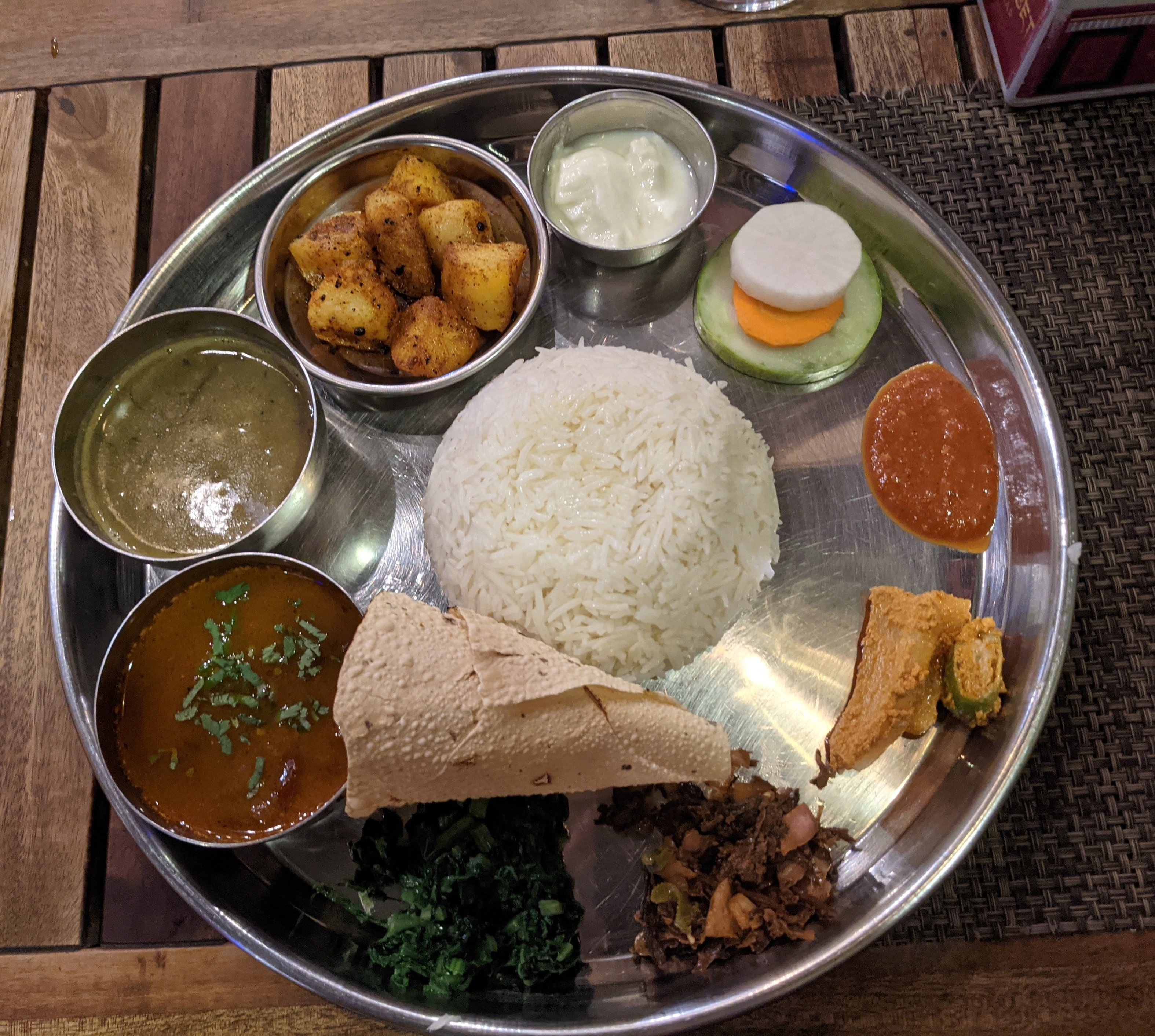
What a typical meal will look like on a trail in Nepal.
Learn more: Guided expeditions in Nepal: A gateway to high-altitude adventures
Vegan food on a Nepal trek
Many travellers wonder if it’s actually possible to eat properly on a Nepal trek by means of getting the protein, calories, and variety needed to keep going over eight to fourteen days at altitude without running out of energy. The answer is yes, but it requires knowing exactly what you're walking into and being prepared. It is also wise to let your tour operator know about your food specifications.
Above Namche Bazaar on the Everest Base Camp route, and above Chomrong in the Annapurna Sanctuary, things shift in a way that matters for what’s on your plate.
Part of it is cultural. In these higher regions, Buddhist beliefs discourage the killing of animals because of the principle of ahimsa, or non-violence. This idea extends to all living beings, not just humans, and encourages compassion, restraint, and respect for life wherever possible.
In practice, this does not always mean strict vegetarianism, especially across all Buddhist communities, but in many Himalayan regions it has shaped everyday habits and food culture. In higher trekking areas of Nepal, where Tibetan Buddhist influence is strong, this outlook contributes to a general preference for plant-based foods and a cultural discomfort around killing animals locally for food. Combined with the realities of altitude and transport, it helps explain why meat is rarely part of the diet in teahouses once you are high on the trail.
Another interesting fact is that there’s also a practical side to cooking at altitude. Gas canisters are limited, so anything that takes a long time to cook isn’t ideal. This is why quick, reliable staples like oats, rice, and pasta, many of which are naturally vegan, tend to be the go-to. Dried fruit, nuts, lentils, grains, and pasta are all easy to carry, store well, and take up far less space than animal products.
The challenge, and it is a real one, is dairy. In Nepal, dairy is treated as vegetarian. This means ghee, paneer, milk powder, and yoghurt often appear by default in “vegetarian” dishes, and sometimes in dishes that are not labelled at all.

Trekking group enjoying their meals on a trek in Nepal.
Learn more: 9 tasty, traditional dishes to try when travelling in Nepal
Vegetarian and vegan food on trek in Nepal
Nepal's food culture is rooted in rice, lentils, and vegetables, not meat. The national dish, dal bhat, is a generous spread of steamed rice, lentil soup, vegetable curry, and pickled condiments. In its purest form, it is entirely plant-based. Trekkers eat it twice a day, every day, and for good reason, as teahouses offer unlimited refills, it's made fresh, it's warm, and it provides reliable carbohydrate fuel.
It's important to remember that Buddhist and Hindu traditions shape Nepali food culture. Both generally lean towards plant-based eating, either through religious practice or everyday custom, and this has influenced what is widely understood as a “normal” meal in many parts of the country. That does not mean Nepal is vegetarian, but it does mean plant-forward food is familiar, accessible, and culturally woven into it.
The result is a trekking environment where eating vegan is not something foreign or forced onto the system. It already sits quite naturally within how food is prepared and understood.

Trekkers enjoying their meal on the EBC trek.
{{leadmagnet-one}}
The hidden dairy problem in Nepal
Dairy is not always visible on the menu, and teahouse cooks, however kind and accommodating, work quickly and may not think to flag it unless specifically asked. Here's where to be alert in Nepal:
- Dal bhat: The vegetable curry component is often finished with a spoonful of ghee. The dal is usually fine, but ask.
- Porridge and tsampa: Frequently made with milk powder, especially at lower altitudes where it's available.
- Chapati and roti: Often brushed with butter at the end of cooking, sometimes without the chefs sharing it.
- Fried rice: Frequently contains egg. Not always listed as an ingredient.
- Momos: These dumplings come in several versions, and the veg momos are always vegan. For the most part, they are stuffed with cabbage, onions, and ginger.
- Soup: Potato soup and noodle soup are usually safe, but always check if butter has been added.
- Tea: Nepali chai is made with milk by default. Ask for 'kalo chiya' (black tea) or bring your own plant-milk sachets.
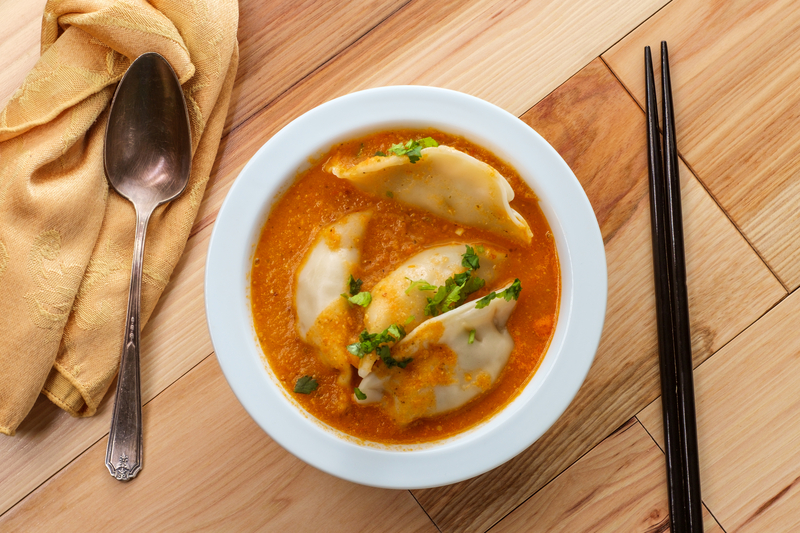
Momos in chilli achar.
Your Nepali phrase card
Learn this sentence before you leave. Use it at every teahouse before every meal:
“Dudh, ghiu, paneer, anda ra masu khaadina.”
The translation is: I do not eat milk, ghee, paneer, eggs, or meat.
Carry a written version too. Show it to the cooks directly. Most teahouse owners respond with genuine care once the restriction is clearly understood. The issue is almost never unwillingness; it's an assumption that everyone is okay with dairy.

Teahouses seen high up in the Everest region.
{{leadmagnet-two}}
Route-by-route vegan breakdown
Not all routes are equal for vegan trekkers. Here's what to expect on Nepal's most popular trails.
Everest Base Camp (EBC)
The EBC route is one of the most vegan-friendly in Nepal, and the reason is religious law. Above Namche Bazaar, roughly from day three onwards, Buddhist prohibitions on animal slaughter mean that fresh meat simply isn't available. Teahouses at high altitude serve primarily rice, lentils, potatoes, vegetables, noodles, and bread. Ghee is the main watch point; it travels well and appears at all altitudes.
Namche Bazaar itself (3,440m) is a resupply town with bakeries, well-stocked shops, and enough variety that it's worth a rest-day food audit: restock your snacks, pick up any protein supplements you need, and eat a proper meal before heading higher.
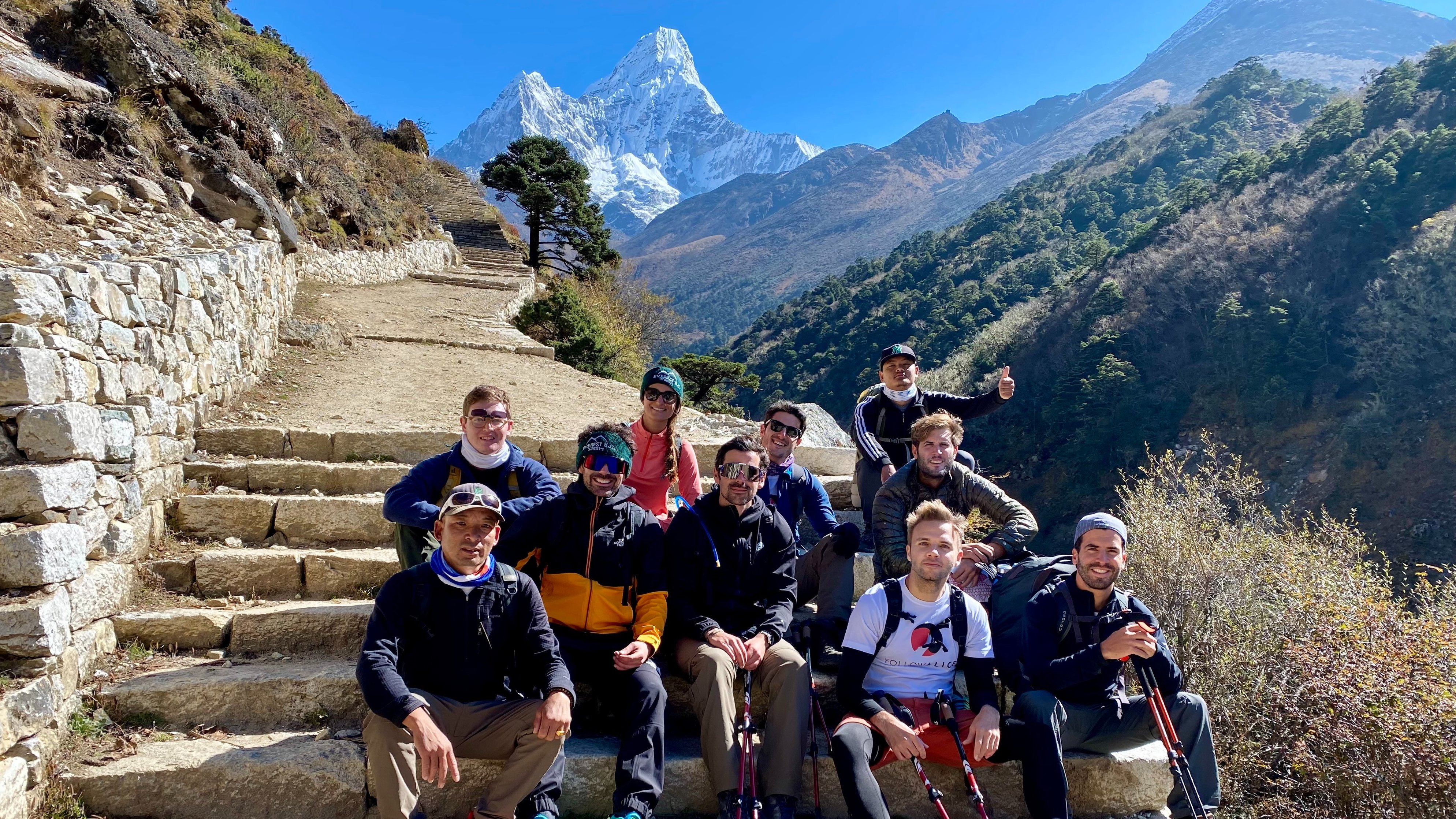
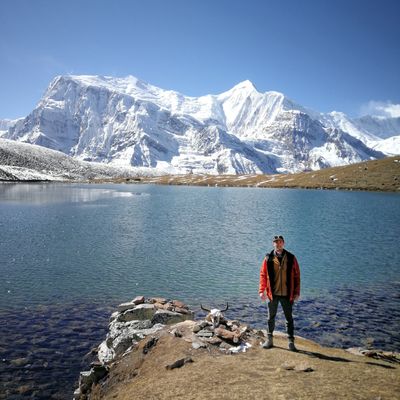
Trekkers pose on the EBC route.
Annapurna Circuit
The Annapurna Circuit offers the greatest food diversity of any major Nepal trek. The standout vegan highlight is Marpha, a whitewashed village at around 2,670m, famous for its apple orchards. The apple pie here is plant-based (no butter or egg in the traditional preparation), the apple brandy is vegan, and the apple juice is exceptional. It's a genuine high point, literally and figuratively.
The circuit's diversity also means more dairy exposure at lower altitudes, where supply chains are reliable, and cooks use more butter and milk. Be particularly alert in Besisahar and Chame.
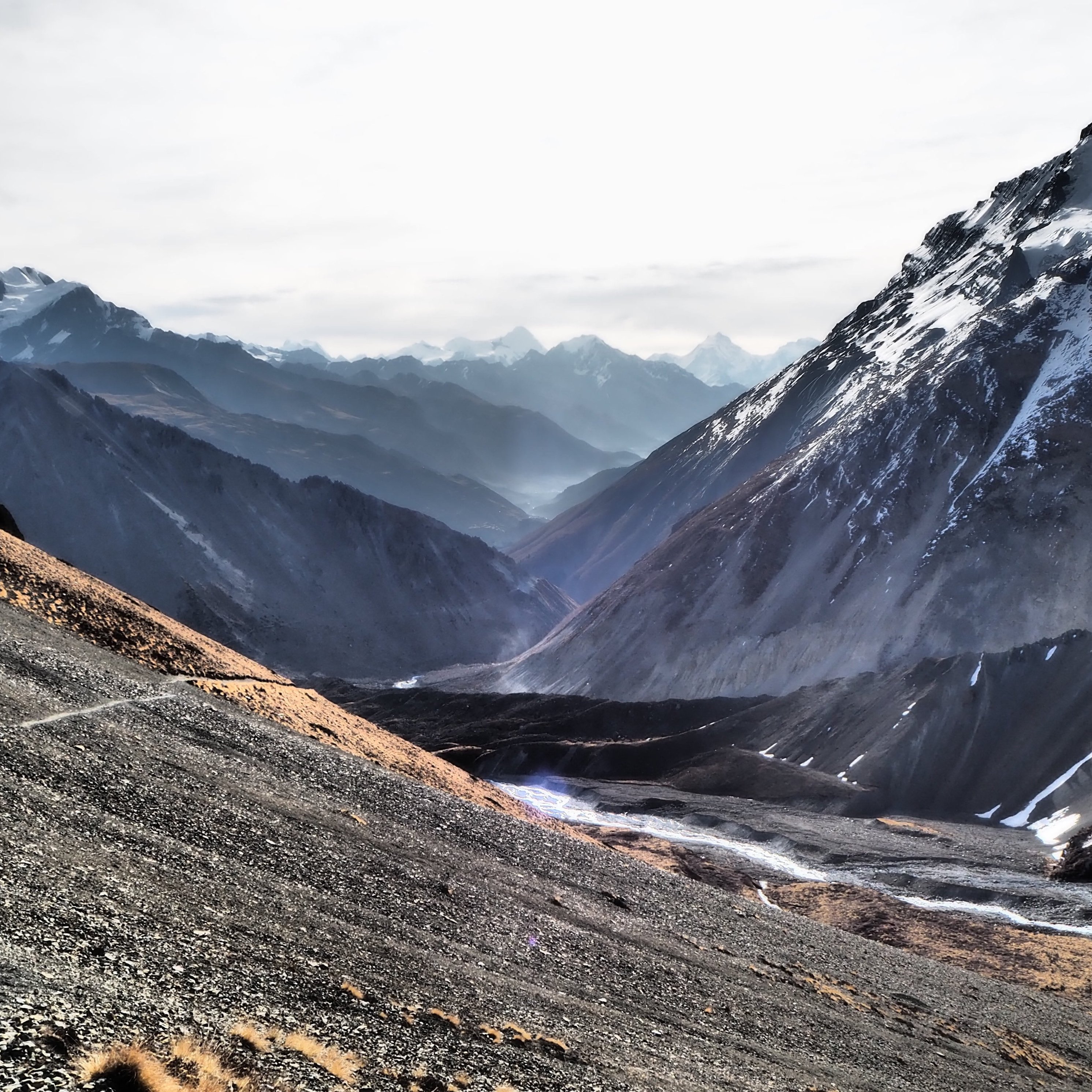
The Annapurna Circuit trail.
Annapurna Sanctuary (ABC trek)
Similar to EBC, the upper sanctuary of the ABC trek falls within a zone governed by Buddhist restrictions. Above Chomrong, animal slaughter is prohibited. Dal bhat, vegetable noodle soup, potato dishes, and stir-fried vegetables are your staples. The route is shorter, typically 7 to 12 days, which makes snack and supplement management more straightforward.
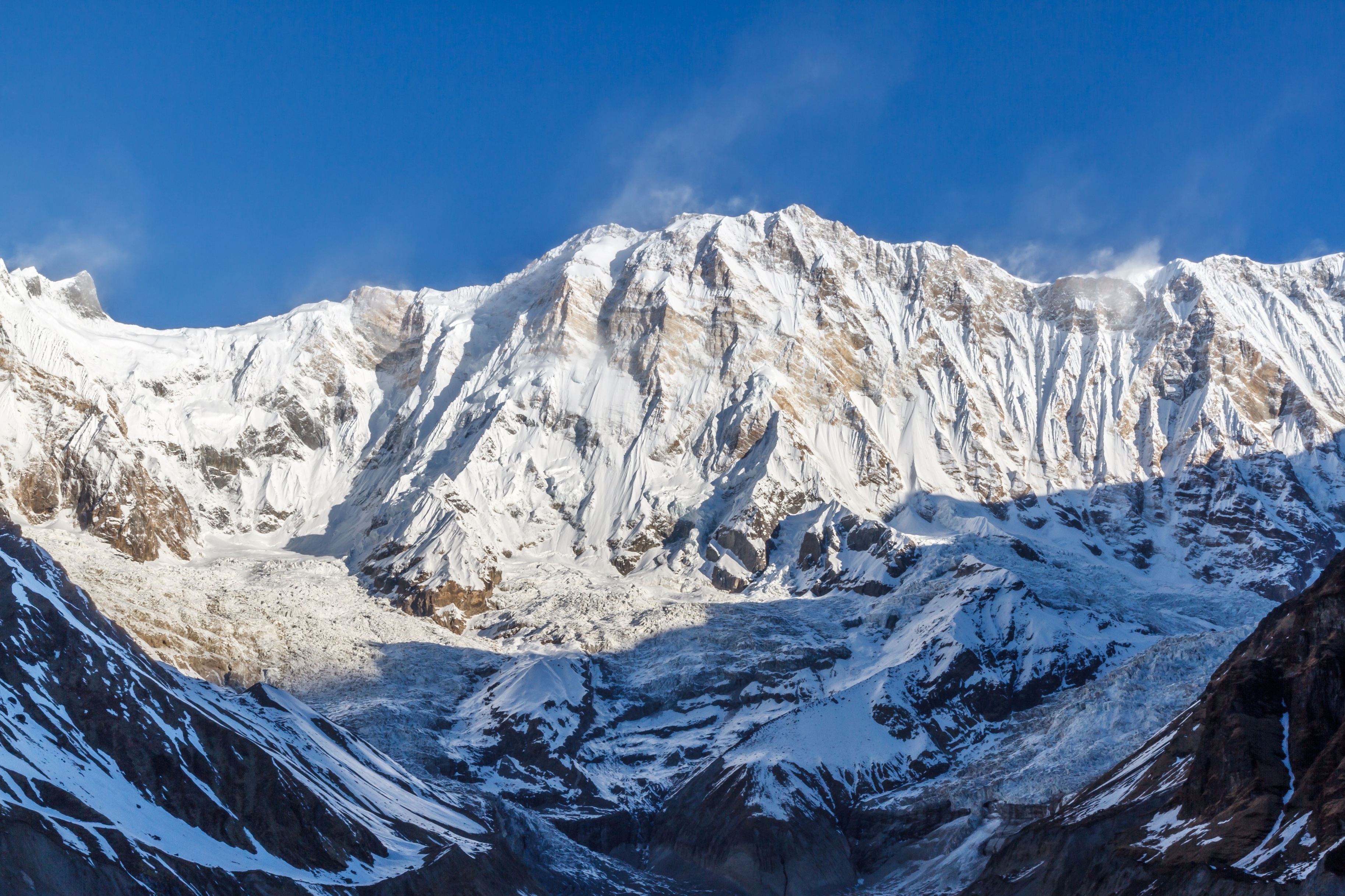
South face of Annapurna I.
Langtang Valley
Langtang is beautiful, quieter than EBC or Annapurna, and largely overlooked in vegan food discussions. One specific caution to look out for is that the Langtang Valley is home to a notable yak cheese-making tradition. Cheese appears frequently on menus, in sandwiches, in toast, and as a snack. It won't end up in your food uninvited if you've communicated clearly, but don't assume a 'vegetable' dish excludes it.
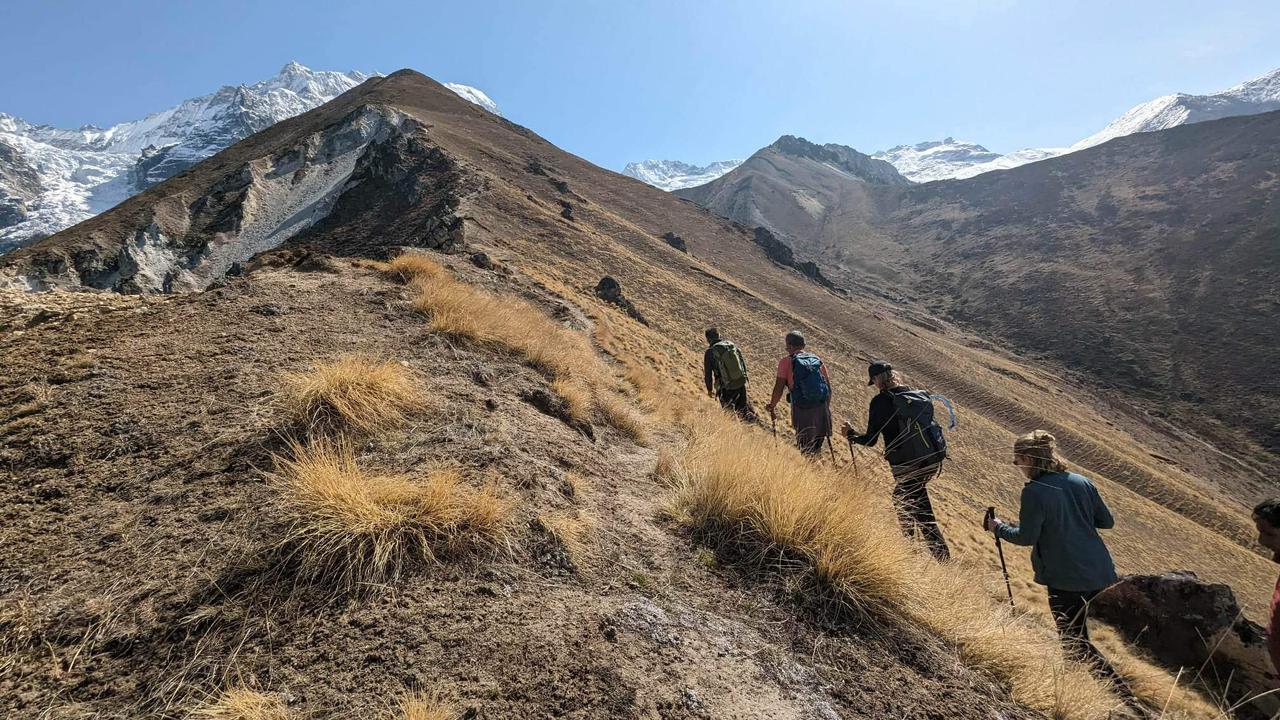
Trekkers take on the Langtang Valley trek.
Manaslu Circuit
Manaslu is a restricted-area trek requiring a special permit, and the trade-off for its extraordinary scenery and solitude is thinner infrastructure. Teahouses are smaller, menus are shorter, and advanced communication is more difficult. Vegan trekkers on the Manaslu Circuit need to arrive with more supplementary food than on any other major route, which is ideally five to seven days' worth of dense snacks and protein sources. This isn't a reason to avoid it; you just have to plan more carefully.
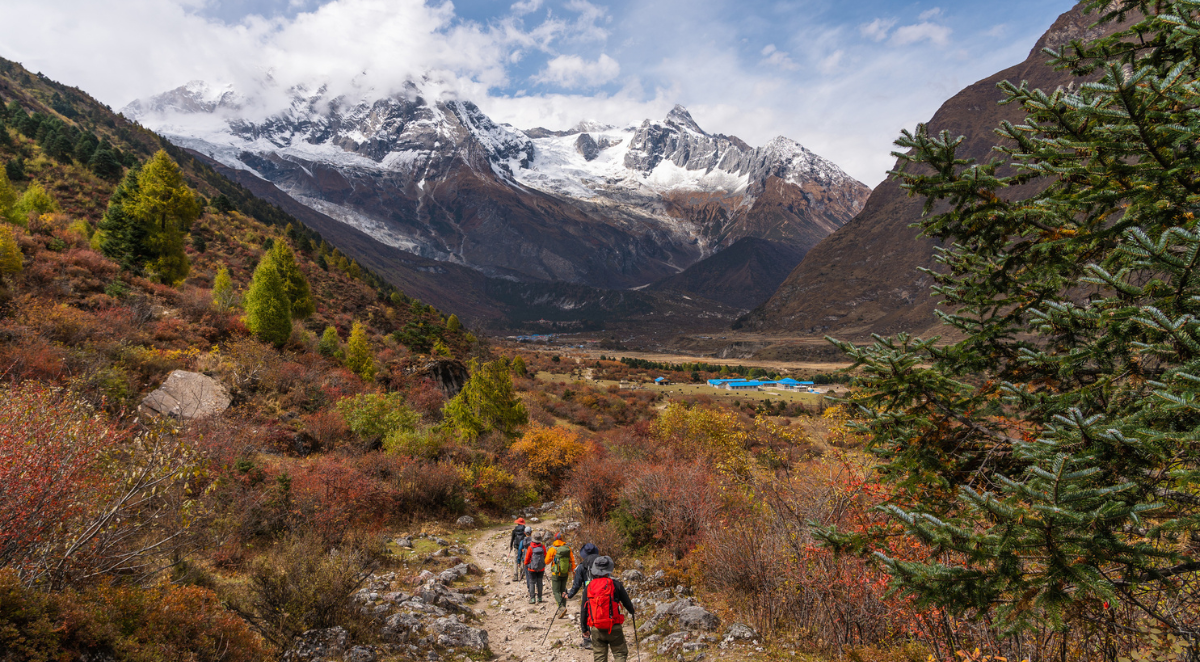
Manaslu Circuit Trek.
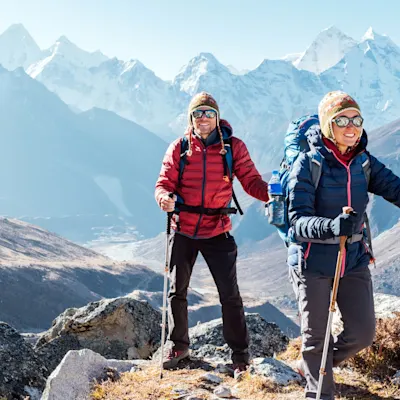
Vegan nutrition at altitude in Nepal
Dal bhat is a reliable source of complex carbohydrates and modest protein. But the protein portions are small, and fat — particularly important at altitude when your body needs sustained energy — is limited without dairy. At 4,000m and above, two things happen simultaneously: your appetite drops, and your calorie requirement rises. The body is working harder just to breathe, regulate temperature, and move through the mountain. This is where underfuelling becomes a real risk, not just a comfort issue.
Signs of underfuelling at altitude include persistent fatigue beyond normal trekking tiredness, poor sleep, difficulty concentrating, and unusual cold sensitivity. Your guide should know to watch for these, not just to attribute them to altitude.
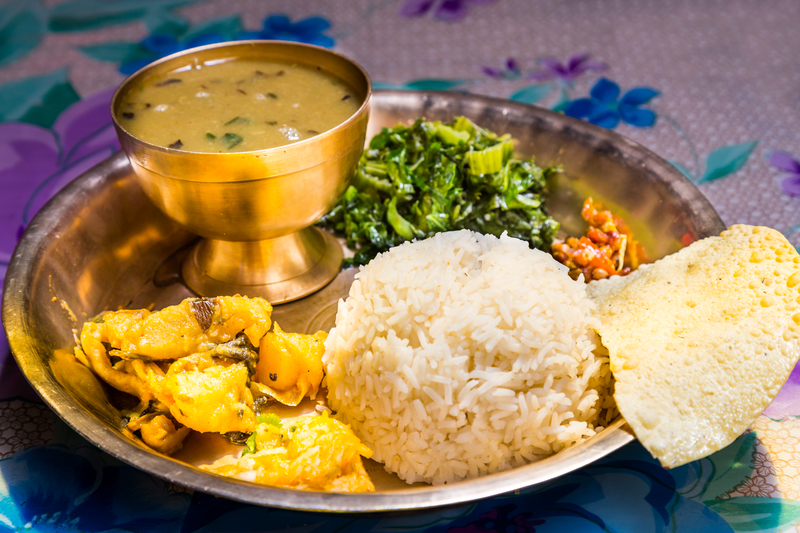
Nepali dal bhat with poppadam served in a metal plate and sitting on a floral napkin.
What to supplement:
Bring enough of the following to last your entire trek, not just to Namche or Pokhara. Supply beyond those towns is unreliable.
- Protein: Plant protein powder (rice, pea, or hemp-based) is lightweight and dissolves in boiled water. Bring enough for one serving daily at a minimum.
- Healthy fats: Nut butter sachets, dark chocolate, and mixed nuts are calorie-dense, lightweight, and morale-boosting.
- B12: Don't assume you'll manage without supplementing. Weeks at altitude is not the time to test your baseline.
- Iron: Plant-based iron absorption is lower than haem iron. If you're prone to low iron, supplement proactively.
- Electrolytes: You lose salt and minerals rapidly at altitude. Electrolyte tablets are small and important.
- Energy bars: Dates, oat-based bars, or your preferred trail snack. Plan for at least two per day.
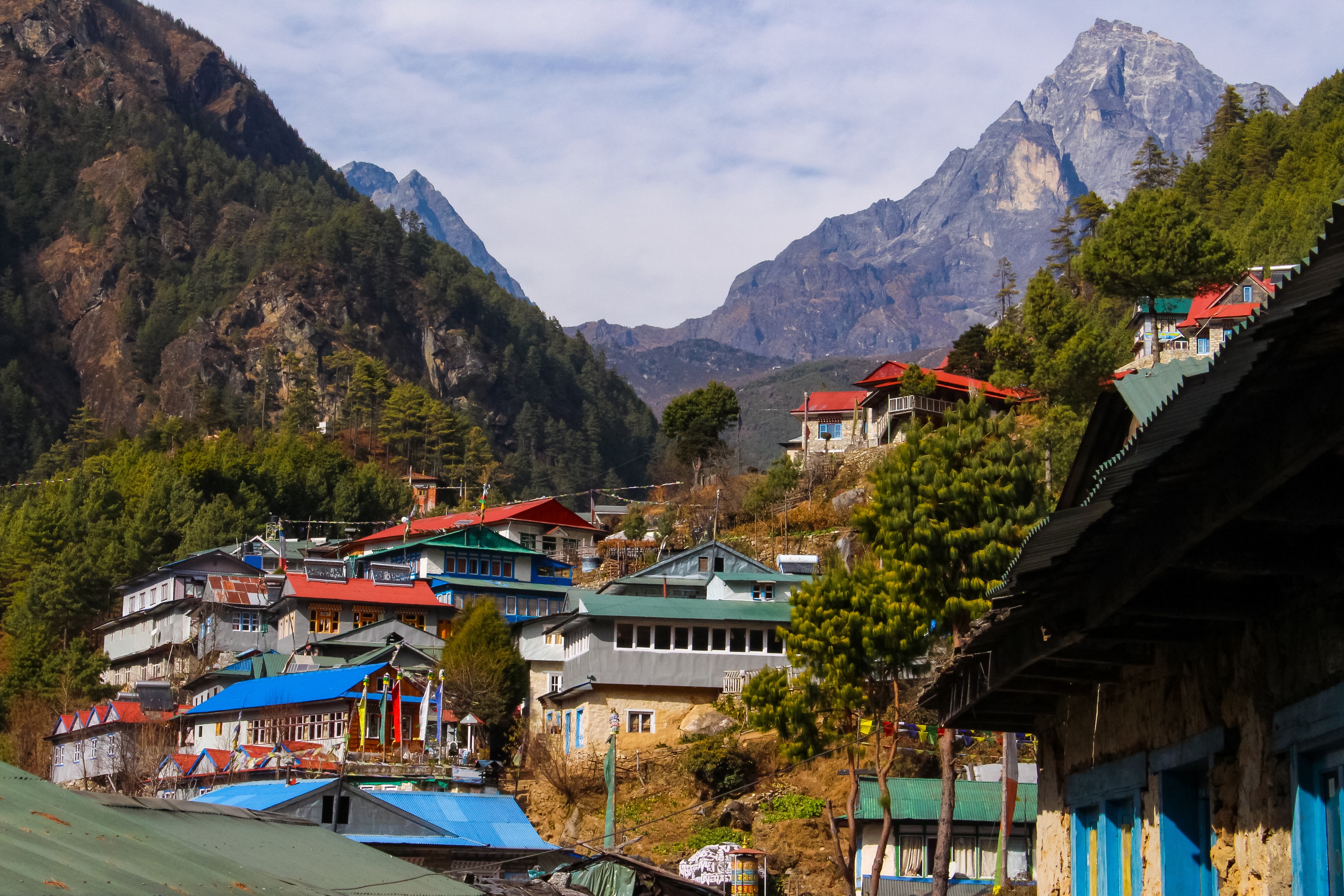
Namche Bazaar on the Everest Base Camp trek in Nepal.
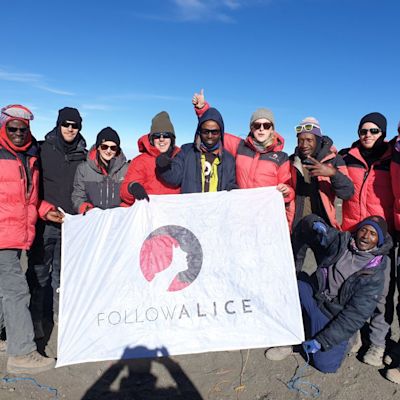
Pre-trek in Kathmandu
Kathmandu is your final logistics window, and it's a surprisingly good one for plant-based travellers. The Thamel district is where most trekkers base themselves before departure has a concentration of vegan-friendly restaurants, health food shops, and trekking supply stores. Use the day before departure to:
- Buy protein powder, energy bars, nut butters, and electrolyte sachets at stores like Natural Bliss or the health section of supermarkets near Thamel.
- Pick up plant-milk sachets (oat or soy powder options are available) for your morning porridge and tea.
- Eat a substantial vegan dinner in restaurants like Roadhouse Cafe and Yangling Tibetan Kitchen, which offer full plant-based meals and understand the dietary requirement without long explanations.
- Confirm your dietary requirements with your guide in person. This is not the time to rely on a form you filled in weeks ago, as a face-to-face conversation lands differently.
{{leadmagnet-three}}
How Follow Alice handles vegan food requirements on the mountain
At Follow Alice, we accommodate vegan food requirements on all our Nepal treks, and that means more than noting it in a booking form. Here's what the process actually looks like from booking to trial.
When you book with us, your dietary requirements are logged at the point of registration and passed directly to your lead guide before departure. Your guide is briefed on the specific restrictions, not just 'vegan' as a category, but what that means in practice: no ghee, no milk powder, no paneer, no butter, no egg. Teahouses on your route are contacted in advance, where communication infrastructure allows, particularly at key overnight stops.
On the trail, your guide takes responsibility for communicating your requirements to each teahouse kitchen in Nepali, with the specificity that matters. If a meal arrives with dairy in it, it goes back. This is not awkward or confrontational in Nepal's teahouse culture; it is practical and expected when guides communicate clearly and early.
We also brief our clients on what to pack, the specific supplements and snacks that close the nutritional gap above 4,000m, because the best-laid guide work can't compensate for a calorie deficit in the upper Khumbu. You'll receive a packing list with vegan-specific additions included.
I am a vegetarian myself and mostly eat vegan, and I have not found it to be an issue of note getting food on the trail. Vegan and vegetarian meals are rather prevalent on the trail. Dal, vegetable curries, and potato dishes are always on the menu, so it will never feel like a compromise on your side.
- Puru, General Manager, Follow Alice Himalayas
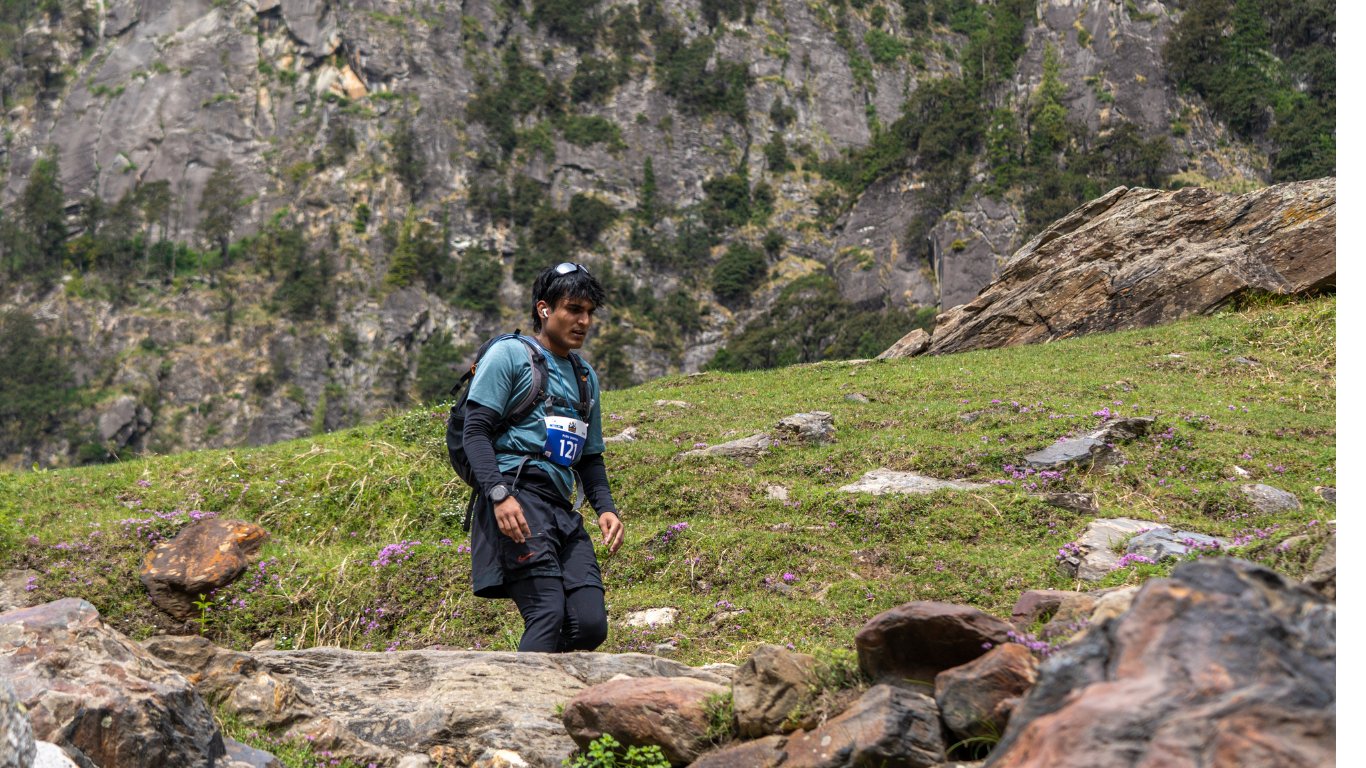
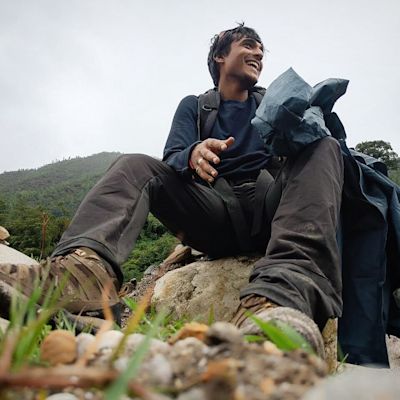
Puru trekking through Nepal.
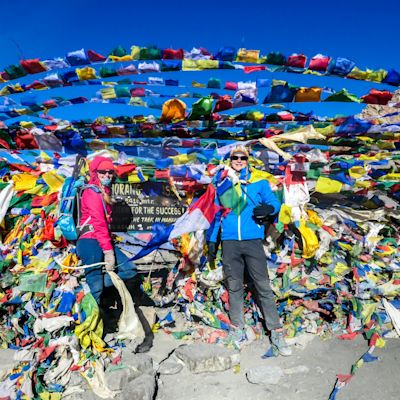
The vegan trekker’s practical checklist for Nepal
Before you leave home:
• Inform your operator at booking, in writing, with specifics, not just 'plant-based'.
• Pack protein powder, nut butters, energy bars, electrolytes, and B12 supplements for the full duration.
• Download an offline translation app with Nepali language support.
In Kathmandu:
• Restock supplies at Thamel health shops.
• Eat a proper vegan dinner the night before departure.
• Confirm dietary requirements face-to-face with your guide
On the trail:
• Use the Nepali phrase card at every meal, every teahouse
• Ask specifically about ghee in dal bhat curry, butter in bread, and egg in fried rice
• Eat dal bhat for at least one meal daily, it's your most reliable nutritional foundation
• Supplement proactively at altitude rather than reactively when you're already fatigued
• Communicate any concerns to your guide early before hunger makes them harder to address
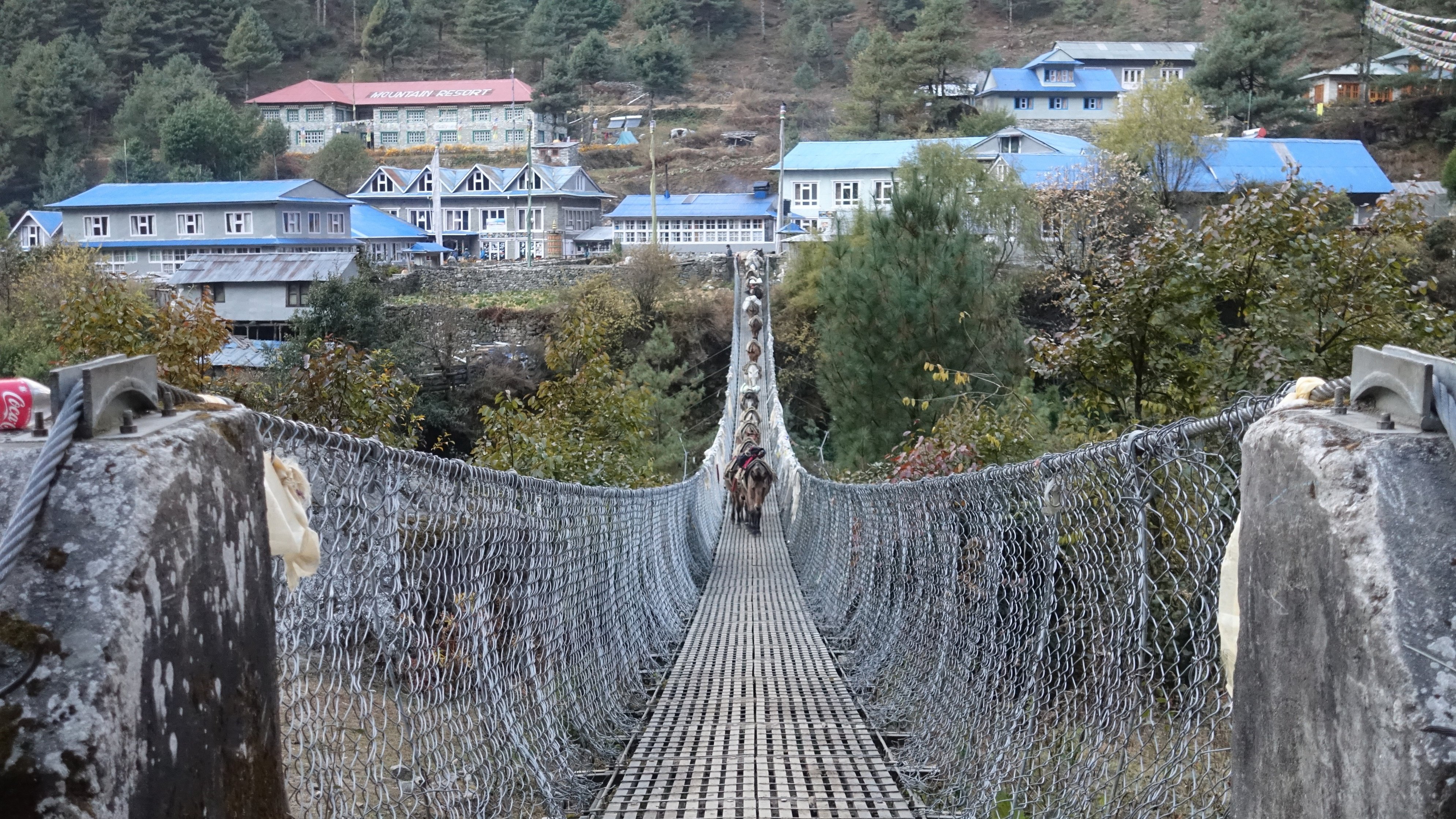
Suspension bridge on the EBC trek.
You won’t have to choose your values on the Nepal trek
The trekkers who struggle with vegan food in Nepal are almost always those who arrived without the right information, the right supplies, or the right guide briefing. The trekkers who excel are not those who got lucky; they're those who treated the food plan with the same seriousness as their gear list and altitude acclimatisation schedule.
Nepal's mountains are not indifferent to what you eat. The Buddhist law that governs high-altitude teahouses, the rice-and-lentil foundations of Nepali cuisine, and the culture of hospitality that drives teahouse owners to accommodate their guests. You do not have to worry their will always be food on the trek if you are vegan.
At Follow Alice, we accommodate vegan food requirements on all our Nepal treks. If you’re ready to plan your trip, get in touch with our team, and we’ll walk you through exactly how we handle this from booking to base camp.