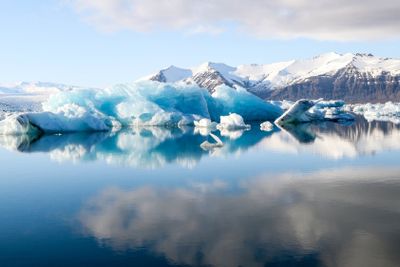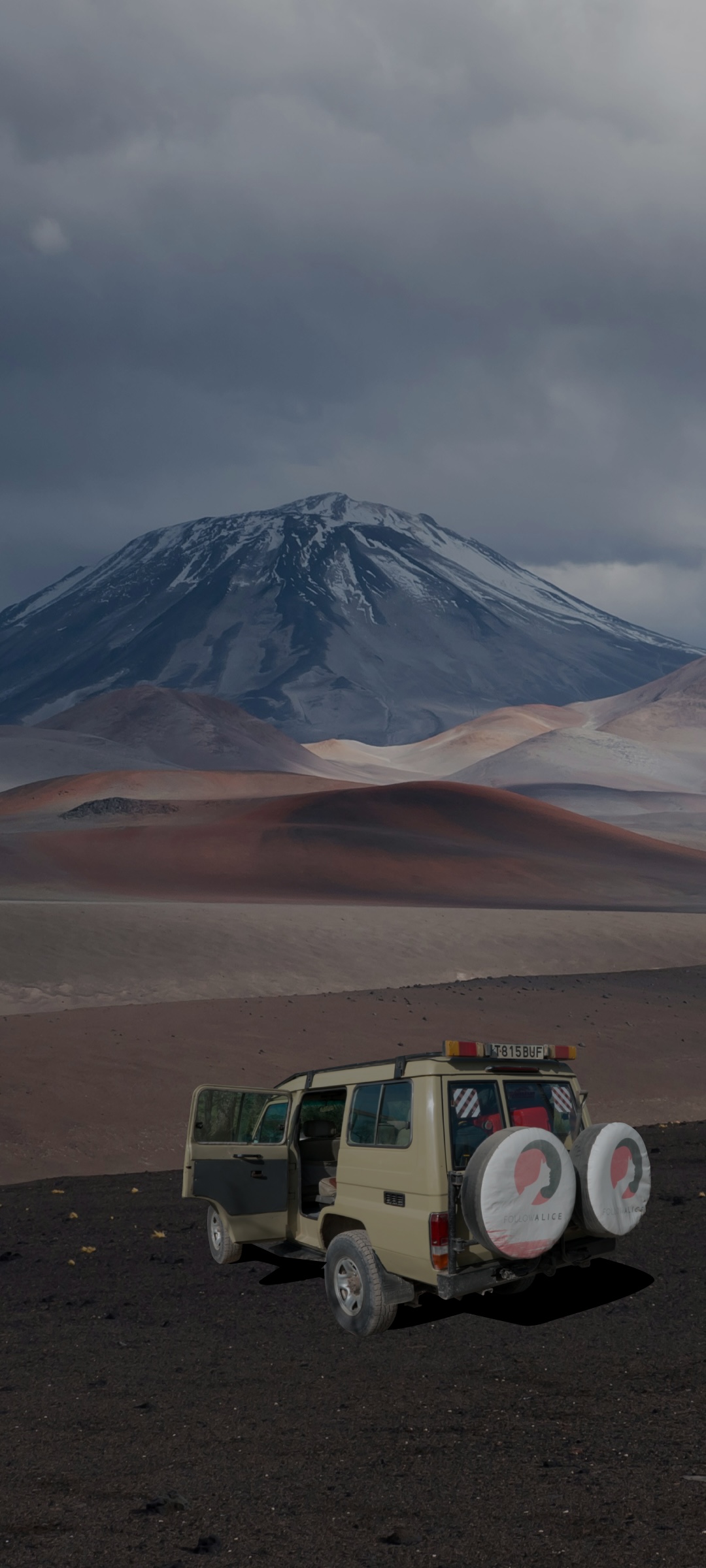




Planning a trip to Iceland usually begins with the landscape. Waterfalls, open roads, black sand, and light that seems to change by the minute. What tends to come later is the realisation that Iceland asks more of you than most destinations, more attention, more patience, and more planning than the photos suggest.
Distances take longer than expected. Weather shifts without much warning. Simple decisions, like when to drive or where to stop, carry more weight here. Iceland doesn’t work well as a place you rush through or loosely figure out as you go.
If you want to experience the waterfalls, glaciers, black sand beaches, geothermal pools, and shifting light without burning through your budget or your energy, the details matter. This guide to planning a trip to Iceland covers entry requirements, realistic costs, transport, accommodation, common mistakes, and how to experience the wonders of Iceland in a way that feels considered rather than chaotic.
Document requirements for Iceland
Entry requirements are one of the easiest parts of planning a trip to Iceland, but they’re also the easiest to overlook. Iceland is part of the Schengen Area, so the rules depend on your passport and how long you plan to stay.
For most travellers, entry is straightforward:
- Many travellers from visa-exempt countries can enter Iceland visa-free for up to 90 days within any 180-day period.
- For non-EEA and non-EFTA travellers, your passport must be valid for at least three months beyond your intended departure date and issued within the last ten years, as outlined in Iceland’s official entry requirements for Iceland.
If you’re travelling on a UK passport, it’s worth double-checking the details before you go. The UK government breaks down Schengen rules and Iceland-specific requirements clearly on the UK Foreign Office Iceland travel advice page.
There’s also a new system coming into effect. ETIAS is not a visa, but it will become a mandatory pre-travel authorisation for visa-exempt visitors. According to the official ETIAS portal, it’s expected to launch in late 2026.
Travellers who do need a Schengen visa should review Iceland’s government visa information early, as appointment availability can be limited. While border officials don’t always ask for it, carrying proof of onward travel, accommodation details, and sufficient funds helps avoid unnecessary stress on arrival.
Costs of travelling in Iceland
Planning a trip to Iceland without talking about cost is optimistic but not realistic.
Iceland is expensive, especially in summer. Costs reflect distance, climate, and infrastructure designed to function in a harsh environment. A mid-range Iceland trip typically spends the most on accommodation, transport and fuel, food, and paid experiences.
A realistic daily framework per person looks like this:
- Accommodation: roughly £120–£250 (approx. $150–$315) per night for double occupancy in peak season
- Food: roughly £40–£70 (approx. $50–$90) per day with a mix of supermarkets and casual dining
- Transport: car hire plus fuel, which adds up quickly on longer routes
- Activities: variable, with guided experiences affecting totals most
Costs often feel high because there’s little margin for inefficiency. Too many backtracks, rushed days, or last-minute changes quietly inflate budgets.
Many travellers find that thinking differently about how they move through the country, rather than how much they see, aligns well with the idea of why adventure travel is more sustainable than regular travel, particularly in a place as environmentally exposed as Iceland.
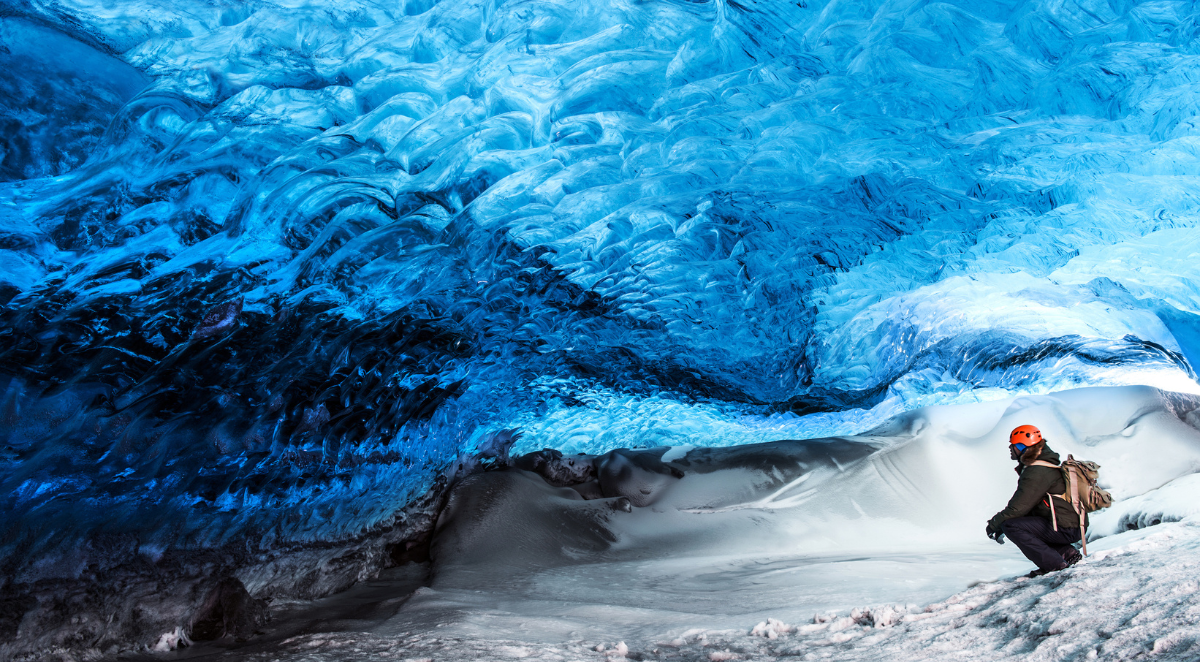
Transportation options
Most people realise early in their trip to Iceland that the map has lied to them. Distances look short, but drives take longer than expected, and conditions can change quickly.
Your main options are renting a car, using limited scheduled buses, or travelling as part of a guided itinerary.
Self-driving offers flexibility, but it also demands attention, particularly in winter and shoulder seasons. Daily checks become routine rather than optional. Iceland’s official road information service, Road.is, and the national safety platform, SafeTravel, provide real-time updates that locals rely on.
Long drives aren’t empty in the way motorways are. The landscape keeps changing, but quietly, and it becomes part of the experience when you stop rushing toward the next pin on the map.
For travellers who’d rather focus on scenery than logistics, a guided Iceland trip can remove friction without limiting access.
Accommodation tips
Planning a trip to Iceland often falls apart around accommodation, not because options are poor, but because availability is seasonal and distances are unforgiving.
The most reliable approach is to book accommodation based on your route, not your wishlist. Staying in fewer places for longer, building in lighter days, booking early for summer, and choosing locations that reduce backtracking all make a noticeable difference.
This is where a clear planning framework helps. The principles outlined in this step-by-step guide for planning adventure travel align well with how Iceland rewards preparation without rigidity.
Popular attractions and wonders of Iceland
The wonders of Iceland aren’t limited to headline stops. The moments that stay with people often sit between them, on quiet stretches of road, unexpected viewpoints, or in the stillness after the sound of a waterfall fades.
Most travellers want a mix of iconic sites and quieter regions. Understanding how those places fit together matters more than ticking them off. Following Alice’s overview of the 25 top places to visit in Iceland offers a clear sense of scale and variety without turning the country into a checklist.
A well-paced trip to Iceland might include the Golden Circle, time along the south coast for waterfalls and glaciers, and at least one region beyond the main corridor where things slow down.
Iceland has a way of pulling attention into the present, not through grand gestures, but because the environment demands it. That quiet shift reflects why travel helps us to live in the present moment, especially when itineraries leave space rather than filling every hour.
Common mistakes travellers make
Planning a trip to Iceland is where predictable mistakes creep in.
Overestimating daily distances is one. Ignoring weather is another. Iceland can deliver sunshine, rain, and strong wind in the same hour, which is why SafeTravel warnings matter.
Trying to rush the Ring Road, booking accommodation far from daily routes, treating winter like a casual city break, or underestimating wind risk when driving all show up repeatedly when people reflect on their Iceland trip.
Flexibility isn’t a backup plan here. It’s part of planning a trip to Iceland properly.
Seasonal travel considerations
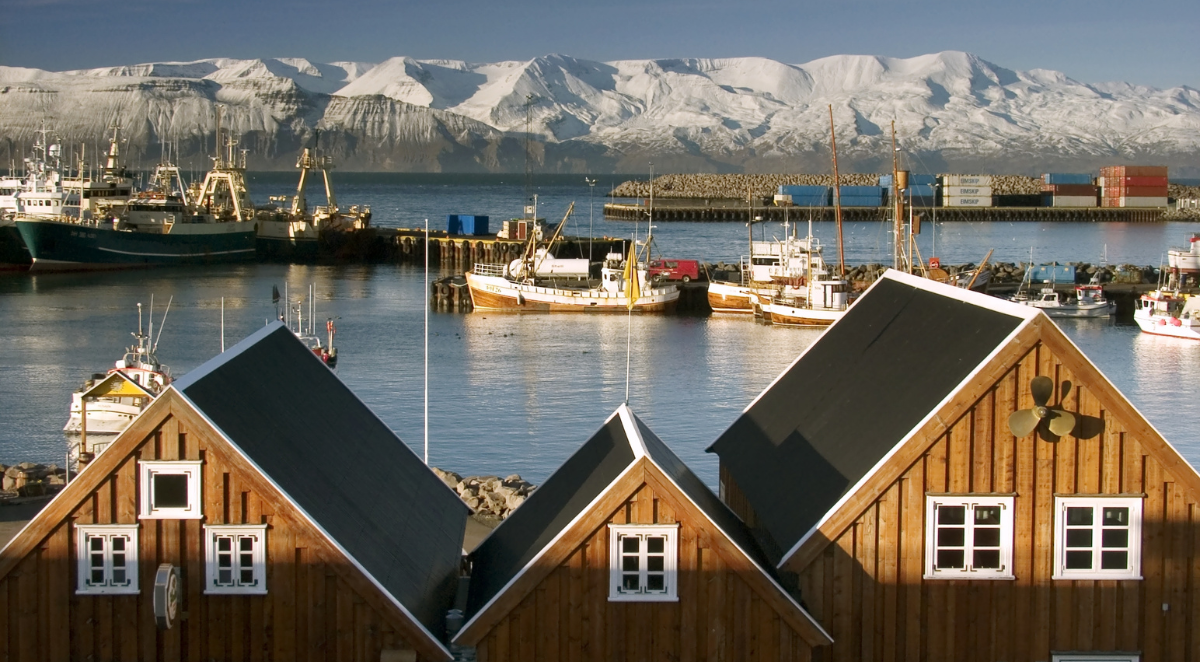
Season shapes almost everything when planning a trip to Iceland. Daylight, access, crowd levels, and daily rhythm all shift depending on when you travel.
- Summer, from June to August, offers long daylight hours and usually offers the easiest driving conditions, but it’s also peak season with higher prices and more visitors.
- Winter brings a very different Iceland trip. Days are short, weather systems move quickly, and driving requires more care. Anyone planning a trip to Iceland in winter should check forecasts daily using updates from the Icelandic Meteorological Office.
- Spring and autumn sit between these extremes. Shoulder seasons often mean fewer crowds and better value, but access can vary. Practical guidance from Visit Iceland helps set realistic expectations around which regions are typically reachable at different times of year.
Northern lights viewing depends on darkness, making the darker months the right window. Hiking and remote access are far easier in summer. Quieter roads and fewer visitors often point toward spring or autumn.
Practical tips that make everything smoother
A few practical choices can quietly change how your trip to Iceland feels day to day. None of these are dramatic on their own, but together they remove a lot of unnecessary friction.
Dress for Iceland’s conditions.
Weather in Iceland is highly variable in every season. Wind, rain, and temperature shifts often happen on the same day, sometimes within the same hour.
- Pack for wind and rain at any time of year, including summer.
- Prioritise waterproof outer layers, as staying dry matters more than heavy insulation.
- Choose footwear with good grip and support for wet, uneven ground.
Clothing that handles changing conditions reduces the need to stop, change plans, or cut days short.
Plan driving days with fatigue in mind.
Driving is often a bigger part of an Iceland trip than people expect, and it requires steady focus.
- Distances look short on the map, but wind, road surfaces, and weather all add to mental fatigue.
- Long, scenic drives still demand concentration and shouldn’t be treated as downtime.
Allowing for that effort helps prevent days from feeling longer than they need to.
Build small routines that reduce stress.
Iceland days tend to work best when you give them a loose structure without locking them down completely. A few practical habits make it easier to respond to changing conditions without feeling rushed.
- Check weather forecasts and road conditions at the start of the day so route decisions are based on what’s actually happening, not what you hoped for.
- Keep snacks and water in the car, especially on longer drives where services are spread out and stops aren’t always convenient.
- Start driving days earlier than you think you need to, which creates margin if conditions slow you down later on.
- Leave the occasional afternoon unplanned so delays, detours, or longer stops don’t force changes elsewhere in your itinerary.
Taken together, these routines make it easier to adjust on the fly without having to rethink the entire day.
Know when support adds value.
At some point, many travellers decide they’d rather stay present in the landscape than manage every logistical detail themselves.
- Guided travel can remove decision fatigue while still allowing space to experience the country properly.
- Reading the seven excellent reasons to travel with Follow Alice can help clarify whether that kind of support fits your travel style.
The right level of structure often makes Iceland feel more expansive, not more restricted.
Why an organised itinerary can work better in Iceland
Independent travel suits many people, and Iceland can be rewarding that way. Others want the landscapes without constant decision-making.
An itinerary built by people who understand pacing, conditions, and seasonal reality often creates a calmer, deeper experience. Following Alice’s approach to the wonders of Iceland is structured around that balance, seeing a lot without rushing through it, and experiencing Iceland in a way that makes you love the journey even more.
Leave Iceland with stories, not stress.
Planning a trip to Iceland is worth doing properly because the country gives back what you put in. Thoughtful pacing. Realistic expectations. Respect for weather. Space for moments you didn’t plan.
The best Iceland trip isn’t the one where you see the most. It’s the one where you actually feel where you are.
If you want a well-paced, carefully guided way to experience the country, you can book the Wonders of Iceland itinerary and let the planning part become the easy part.