


Iceland is one of those places people think they know, until they discover how much more it has to offer. The waterfalls, black sand beaches, hot springs, and Northern Lights are all here, and some are even more stunning than the photos. The land of fire and ice shows its hidden beauty when you go beyond the usual sights. It feels even more alive when you discover the quiet corners most people miss.
You might spend the morning at a famous waterfall, then by afternoon be alone in a small public pool in a fishing village. Or find yourself above a canyon you’ve never seen online, wondering why it isn’t more famous. This mix of iconic sights and hidden corners is what makes the country feel both cinematic and intimate at the same time. It’s worth planning your trip carefully. Iceland is still one of Europe’s most popular adventure destinations. In 2025, there were over 10.1 million overnight stays across all accommodation types. That means the famous sights can feel busy, especially in summer, while the quieter places often become the most memorable.
This article looks at both the well-known highlights that live up to the hype and the hidden spots that often turn out to be the real surprises of a trip. If you have any questions, feel free to contact our team.
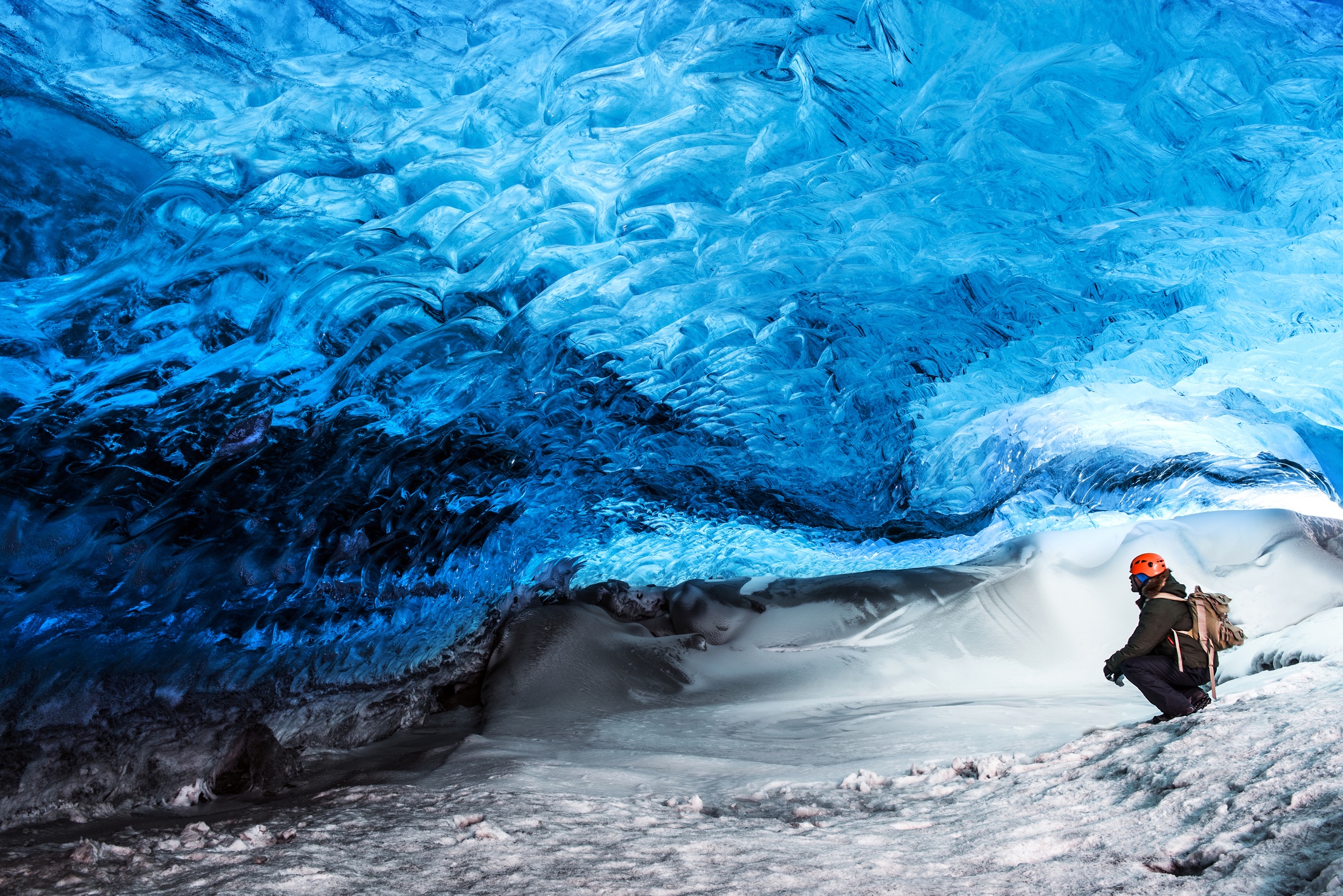
The glacier ice cave of Iceland.
Top things to do in Iceland
Iceland is full of famous sights, but not all of them live up to the hype. Some are worth seeing because they’re easy to reach, while others are worth seeing because they’re truly remarkable. Here are the highlights that really make the trip worthwhile:
The Golden Circle
The Golden Circle is Iceland’s most famous sightseeing route, and despite its ubiquitous presence in travel brochures, it remains worth exploring. The loop links three of the country’s most significant natural and historical sites, all within a comfortable distance of Reykjavík.
At Þingvellir National Park, you can explore through a rift valley shaped by the North American and Eurasian tectonic plates while also standing in the place where Iceland’s parliament first convened in 930 AD. Here, geology and history feel equally alive.
Next is the Geysir geothermal area, where Strokkur erupts every few minutes, shooting boiling water high into the air. Finally, Gullfoss, also referred to as the crown jewel of the Golden Circle, delivers one of Iceland’s most powerful waterfalls, plunging in two dramatic stages into a deep gorge.
The route itself is always impressive, but how you do it makes all the difference. A rushed bus tour or just ticking off stops can make the Golden Circle feel like a quick photo stop. Start early, drive yourself, or stay overnight nearby, and the trip becomes much more enjoyable.
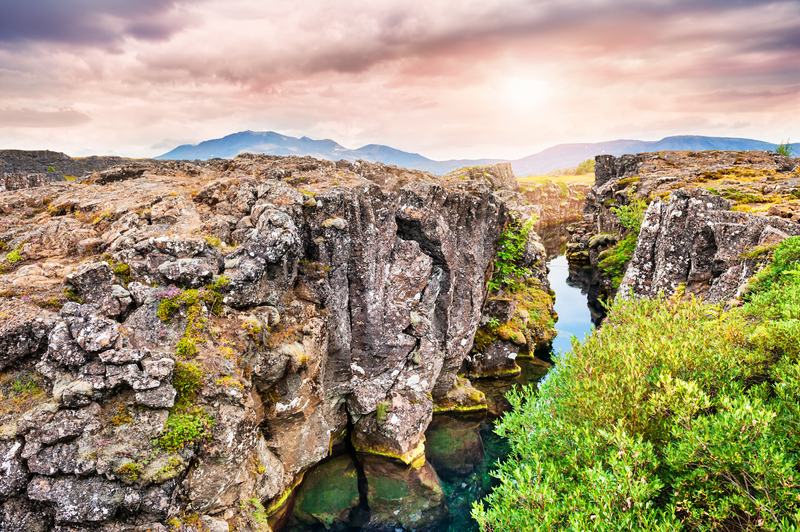
Cliffs and deep fissures in Thingvellir National Park in southern Iceland.
Skógafoss
Skógafoss is one of Iceland’s most photographed waterfalls, and for good reason. It’s broad, powerful, and close enough to the road that even a short stop feels rewarding. The better experience starts once most people leave.A staircase climbs beside the falls to a viewpoint above the drop, and from there the trail continues into the valley along the start of the Fimmvörðuháls route. Even if you only walk for half an hour, the mood changes quickly. The crowds thin out, the river starts revealing smaller waterfalls and side cascades, and what began as a roadside stop turns into a proper landscape. This is often the difference in Iceland, not necessarily choosing a different place, but staying just a little longer than everyone else.

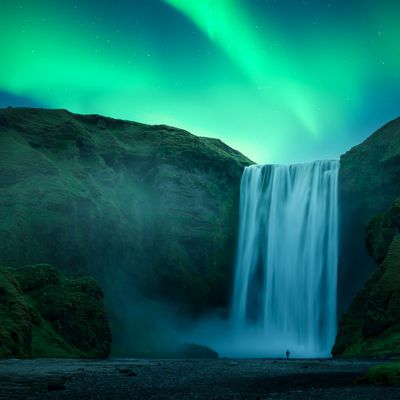
Aurora Borealis over the famous Skogafoss waterfall on the Skoga river in Iceland.
Jökulsárlón Glacier Lagoon
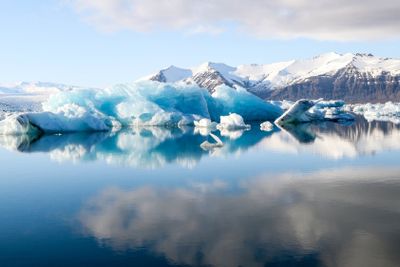
Some places in Iceland are hard to describe, and Jökulsárlón is one of them. Icebergs break off from Vatnajökull, Europe’s largest glacier, and drift through the lagoon toward the sea. The colours shift constantly from white, blue, ash-streaked grey, and the scene feels almost still, even when crowded. Many visitors stop for just 20 minutes, but the lagoon deserves more time. You will be able to walk along the shoreline, watch the ice move, then cross to Diamond Beach, where glacier fragments wash up on black sand, creating a striking contrast. In winter, on clear nights, this area is especially atmospheric.
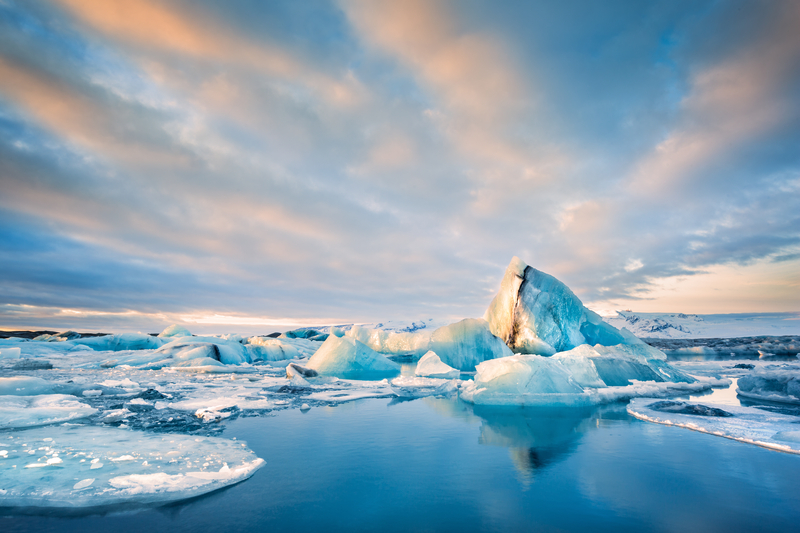
Icebergs float on Jökulsárlón glacier lagoon in Iceland.
Blue Lagoon
The Blue Lagoon, located on the Reykjanes Peninsula, is Iceland’s most famous geothermal spa, known for its milky-blue, mineral-rich waters set amid dramatic black lava fields. Visitors can enjoy in-water bars, saunas, and therapeutic silica mud masks that leave the skin feeling rejuvenated. The water is naturally heated to around 37–40°C, making it especially restorative after a long flight or a day of driving across Iceland’s landscapes. Entry packages start at around €70–€100, depending on the experience, and pre-booking is essential, as this volcanic-powered attraction is almost always fully booked. While the Blue Lagoon is iconic, it’s worth noting that Iceland has many other geothermal pools which are often smaller, quieter, and more authentic that offer a similar warm-water experience without the crowds.
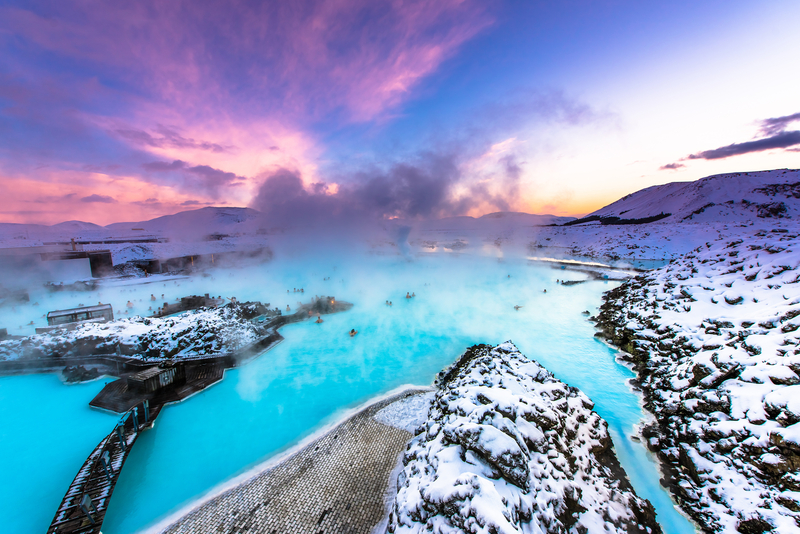
The famous Blue Lagoon near Reykjavik in Iceland.
Learn more: 25 top places to visit in Iceland
Cool things to do in Iceland
This is where Iceland often gets better. These are not necessarily secret places. But they are the ones that tend to surprise people, the places and experiences that feel less processed, less crowded, and more connected to how the country actually works. Let’s take a look at what you should definitely consider putting
Visit a local geothermal pool
If you only do one “less obvious” thing in Iceland, make it this. Iceland’s public geothermal pools, known as sundlaugar, are part of daily life. They are where people go after work, where families gather, where older locals sit and talk in hot pots, and where the weather barely matters. They are practical, social, affordable, and are so Icelandic in a way that many visitors completely miss. These pools are everywhere. One of the most beautiful is Hofsós Swimming Pool in the north, set above the water with a view straight over Skagafjörður fjord. It’s not flashy. It just happens to be in an extraordinary setting.
If you want something more designed but still quieter than the Blue Lagoon, Hvammsvík Hot Springs is another excellent option. It's a natural, serene, and less crowded alternative to Iceland's larger, more commercial spas. Its pools sit directly on the shoreline, where the temperature and atmosphere shift with the weather and the tide. This is the side of Iceland that many people don’t plan for and then end up loving most.
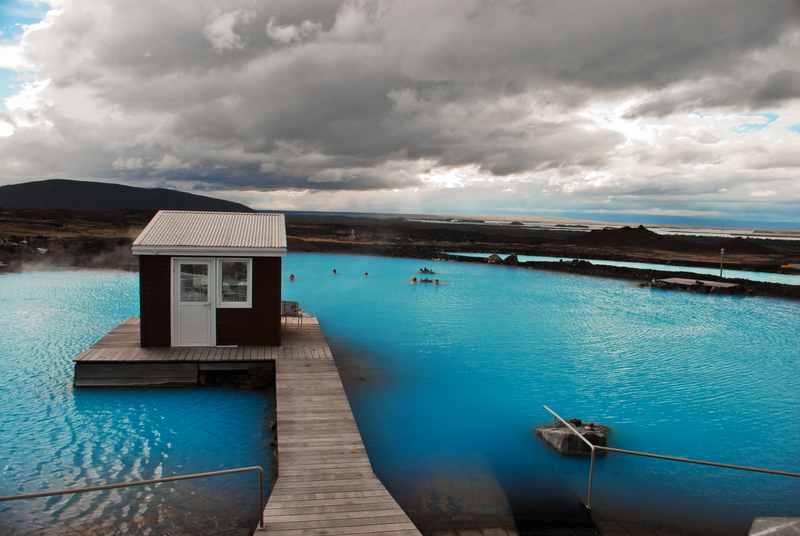
The small local spa in the north of Iceland.
Detour to the Snæfellsnes Peninsula
If your trip is too short for a full ring road, Snæfellsnes is one of the best ways to see a wider cross-section of Iceland without committing to a long circuit. People often call it “Iceland in miniature”, which sounds like tourism-board language until you actually go there. The peninsula packs in a surprising amount of lava fields, fishing villages, black churches, sea cliffs, beaches, basalt formations, and the glacier-capped Snæfellsjökull volcano at its western edge. It’s also where Iceland begins to feel a little quieter. You’re still seeing spectacular scenery, but with fewer buses and less pressure to move quickly. Suppose you can, stay overnight rather than treating it as a long day trip from Reykjavík. It deserves more than a rushed loop.
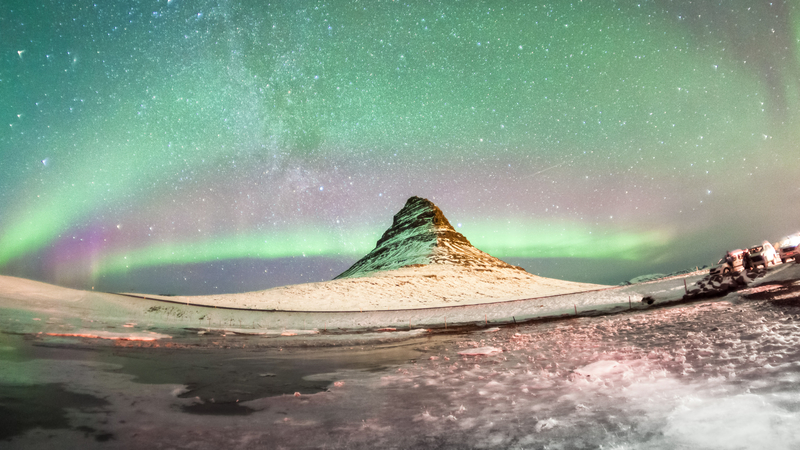
Kirkjufell which is a high mountain on the north coast of Iceland's Snaefellsnes peninsula, near the town of Grundarfjordur.
Go to Stuðlagil Canyon before everyone else does
A decade ago, Stuðlagil Canyon barely appeared in mainstream Iceland itineraries. Now it’s gaining attention, but it still feels more rewarding than many of the country’s better-known stops.
What makes it remarkable is the basalt. The canyon walls are lined with dense vertical columns, geometric and severe, framing a river that can appear an unreal shade of blue-green under the right conditions. It’s one of those places that feels slightly improbable when you first see it. The walk to the best viewpoint helps keep it from feeling overly convenient, which in Iceland is often a good thing. The effort is still manageable, but enough to filter out the more casual roadside crowd.
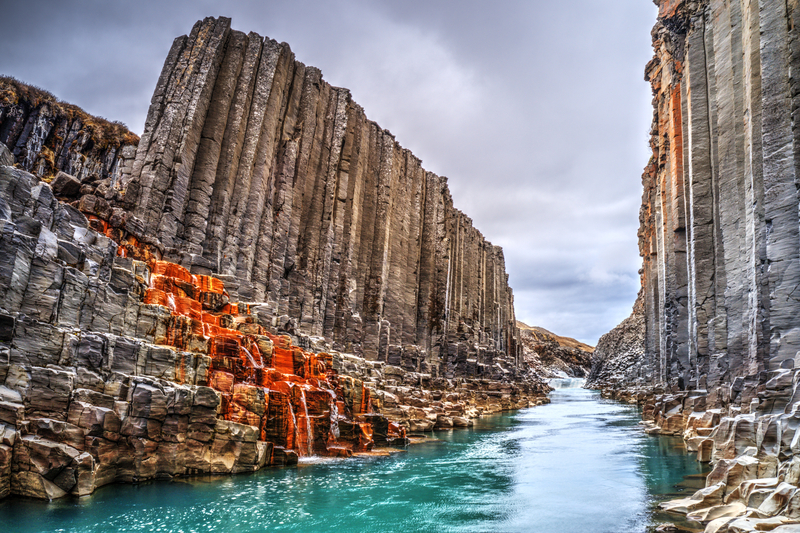
Stuðlagil Canyon, Iceland, is one of the country’s most stunning natural wonders.
Add Fjaðrárgljúfur Canyon to your south coast drive
This is one of the easiest “hidden highlight” additions if you’re already travelling the south coast. Fjaðrárgljúfur, often referred to as "Feather River Canyon, is widely considered one of Iceland's most beautiful and "fairy-tale-like" locations. It is a winding canyon cut through palagonite rock, with a narrow river running below and a walking path tracing the upper rim. It’s not huge by Icelandic standards, but it’s unexpectedly elegant with greener, softer, and more sculpted than many first-time visitors expect. It works particularly well as a counterpoint to the bigger south coast icons. After black beaches, waterfalls, and glacier views, this feels quieter and more enclosed. It’s also exactly the kind of stop people regret skipping once they realise how close it was.
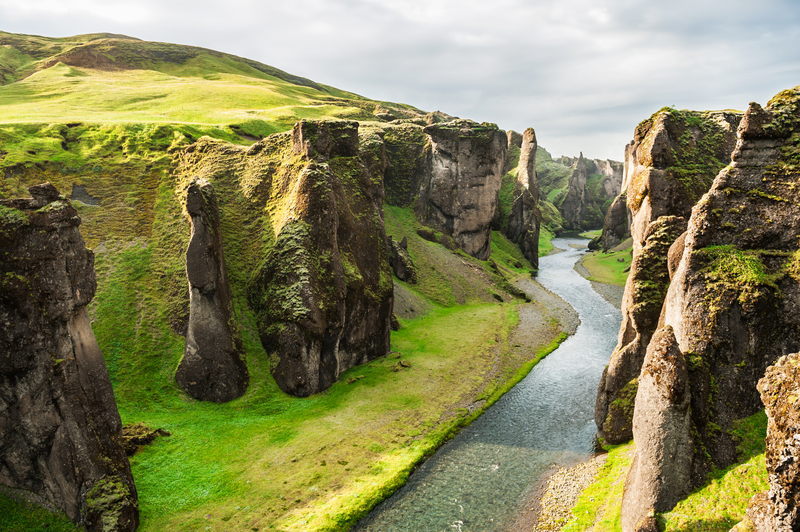
Beautiful Fjadrargljufur canyon with river and big rocks.
Take the ferry to the Westman Islands
If you have an extra day and want one place that feels noticeably different from the rest of the south coast, make it Vestmannaeyjar, the Westman Islands.
The crossing from the mainland is short, but the atmosphere shifts quickly. On Heimaey, the only inhabited island, the landscape still carries the story of the 1973 volcanic eruption that reshaped the town. You can see where lava moved through neighbourhoods, visit the excellent eruption museum, and walk through a place where geology feels recent rather than ancient.
In summer, the island is also known for puffins nesting in the cliffs. But even outside puffin season, it’s worth the detour for the sense of isolation alone. This is one of the few places in Iceland that can still feel slightly overlooked without being difficult to reach.

A puffin sitting on a cliff edge overlooking the sea in western Iceland.
Don’t underestimate the Eastfjords
The Eastfjords are where Iceland often starts to feel slower and more authentic. The roads are narrow, and you will see the traffic drop. The scenery becomes less theatrical and more lived-in. Small fishing towns sit beneath steep mountain walls, and the pace of travel changes naturally because there’s less pressure to “do” things all day.
Places like Seyðisfjörður and Djúpivogur are often treated as overnight stops on a ring road itinerary, but they deserve more attention than that. These East Iceland villages offer deep fjord scenery, unique local culture, and art. It's also a good region for wandering, staying somewhere small, and accepting that not every part of Iceland has to announce itself loudly. If the south coast gives you Iceland’s headline moments, the Eastfjords often give you Iceland's rawest form.
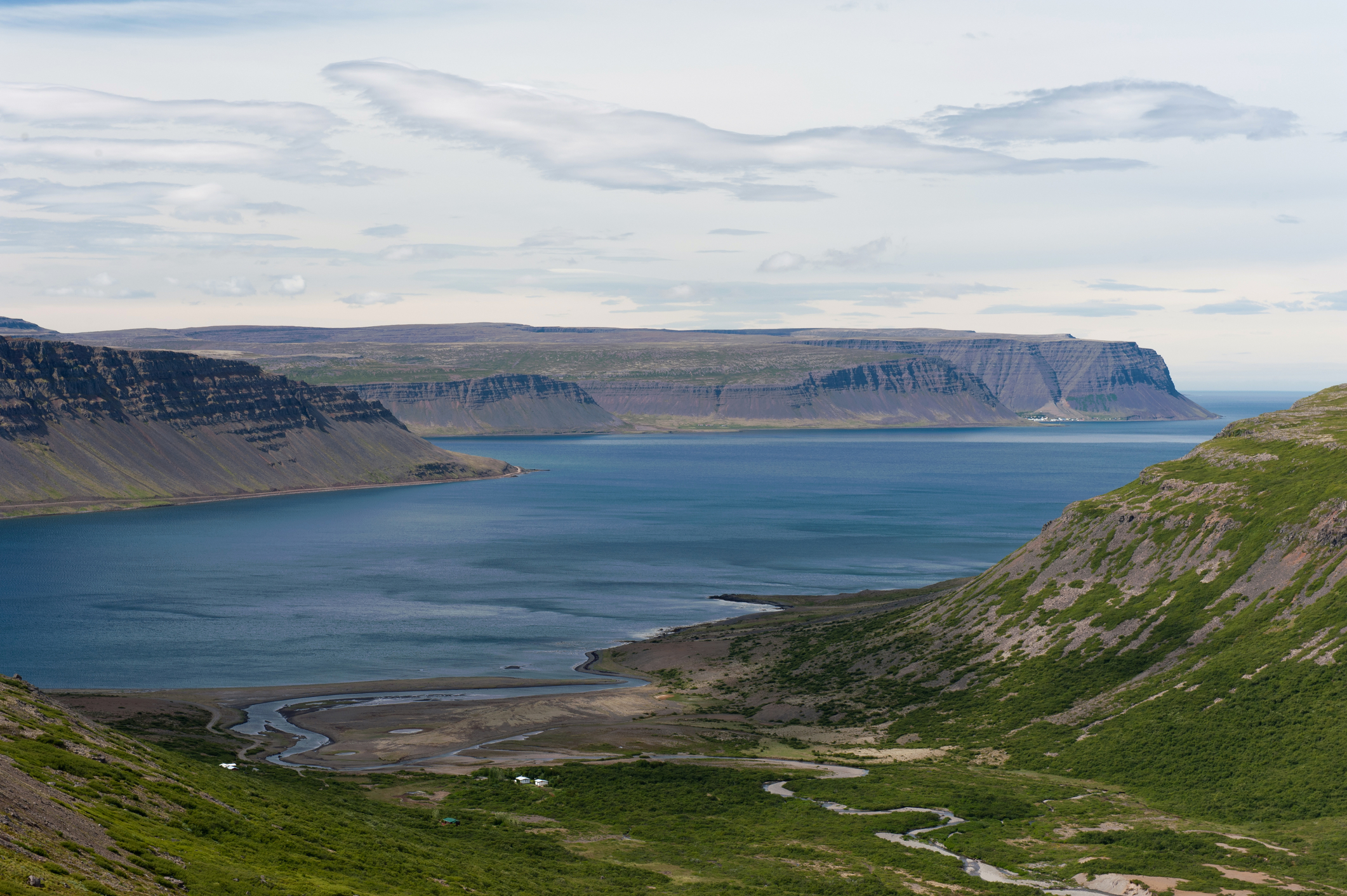
The breathtaking Westfjords of Iceland.
Do a lava tunnel tour near Reykjavík
One of the most worthwhile half-day trips from Reykjavík is a lava tunnel tour, especially if the weather turns or you want to understand Iceland’s volcanic landscape from the inside rather than just the surface. At Raufarhólshellir, one of the country’s better-known lava tubes, you can walk through the hollowed interior of an ancient lava flow and see the textures, mineral staining, and scale of the tunnel up close. It’s simple, strange, and more interesting than many people expect. It gives you a side of Iceland you won’t get from the Ring Road alone.
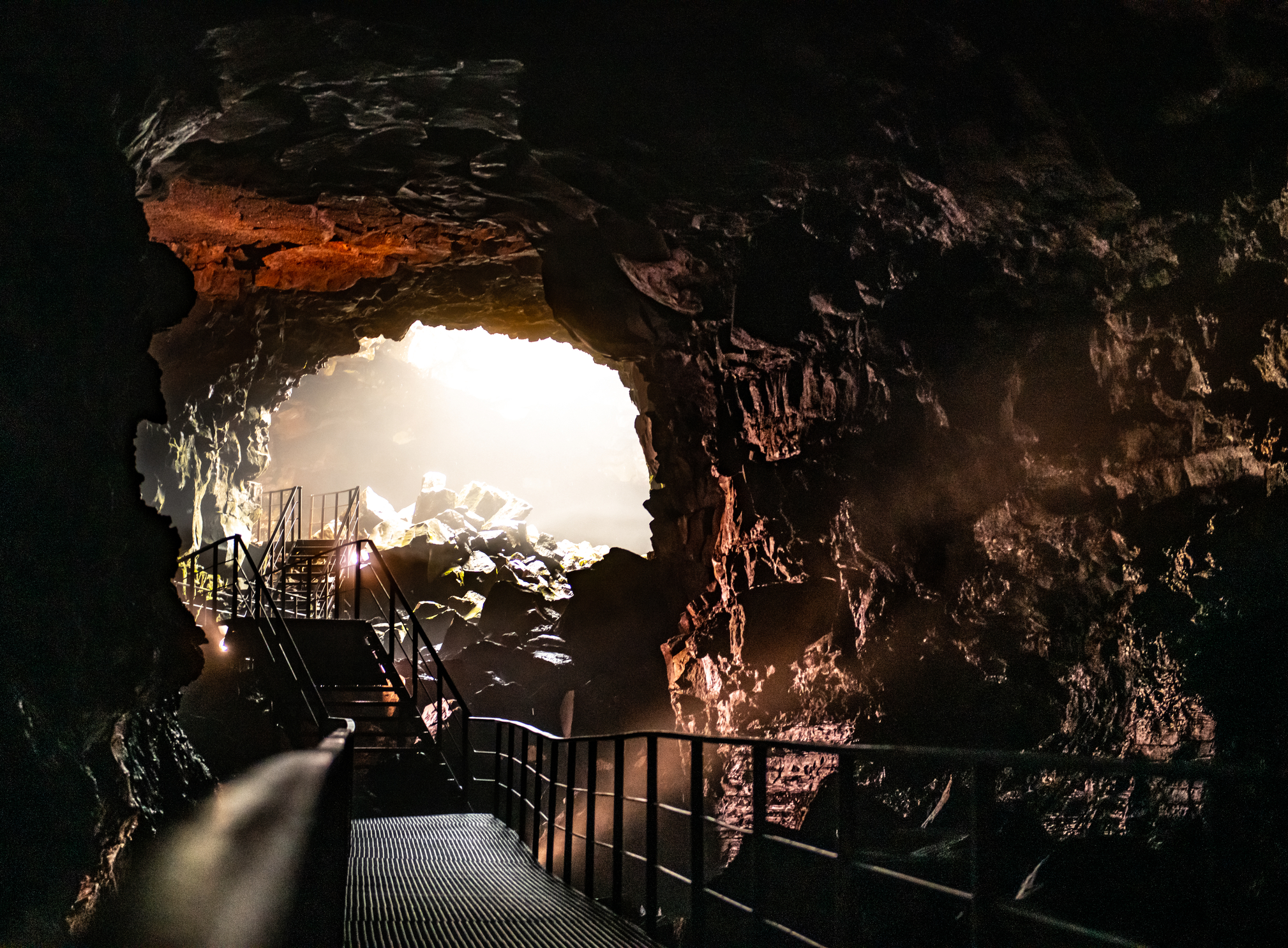
Icelandic Lava Tunnel as a tourist attraction.
Learn more: Is Adventure Travel Safe Right Now? How the US–Israel–Iran War Affects Travellers
The food experiences in Iceland
Food is rarely the main reason people go to Iceland. This doesn’t mean it should be an afterthought. In fact, some of the most memorable meals here are the ones that feel tied to the landscape.
1. Eat at least one really good bakery in Reykjavík
Reykjavík’s bakery scene is stronger than many visitors expect, and it’s one of the easiest ways to make the city feel warmer and more lived-in. A stop at Brauð & Co is still worth it, even though it’s no longer a local secret. The cinnamon buns are excellent, the cardamom is generous, and on a cold morning, it’s exactly the kind of small pleasure that lands well in Iceland.
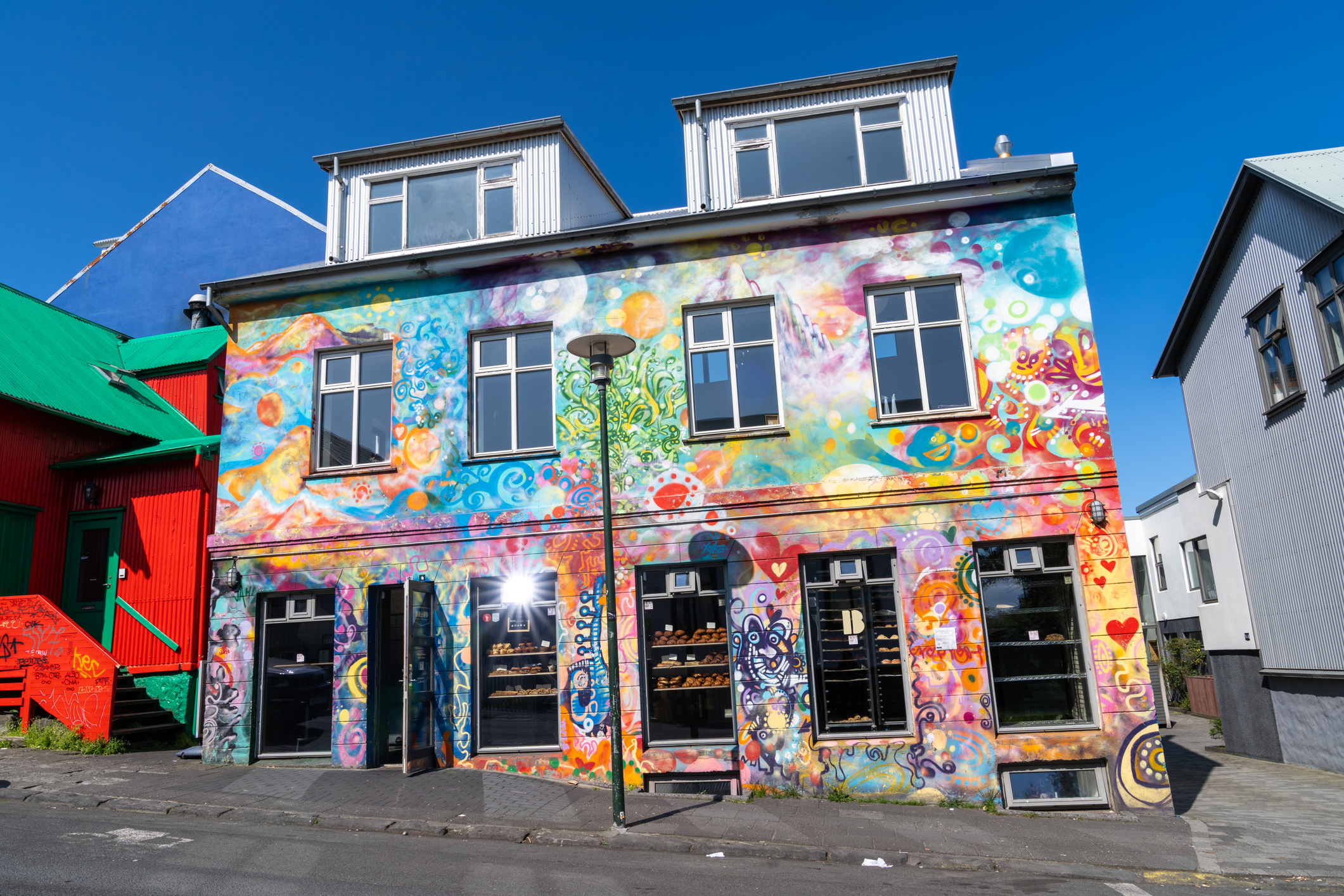
Outside the brightly painted Braud and Company bread bakery in the downtown area.
2. Try geothermally baked rye bread
Near geothermal areas such as Laugarvatn or parts of the Mývatn region, you’ll find Icelandic rye bread baked slowly using underground heat. The process is quite simple, with the dough being placed in a sealed container, often a metal pot, though milk cartons were traditionally used, and buried in warm volcanic sand near a hot spring. It then bakes slowly for around 24 hours, using the earth’s natural heat like an underground slow cooker. The bread is dense, dark, slightly sweet, and usually served warm with butter. It’s more than just something to try once. It’s a food that really feels tied to Iceland.
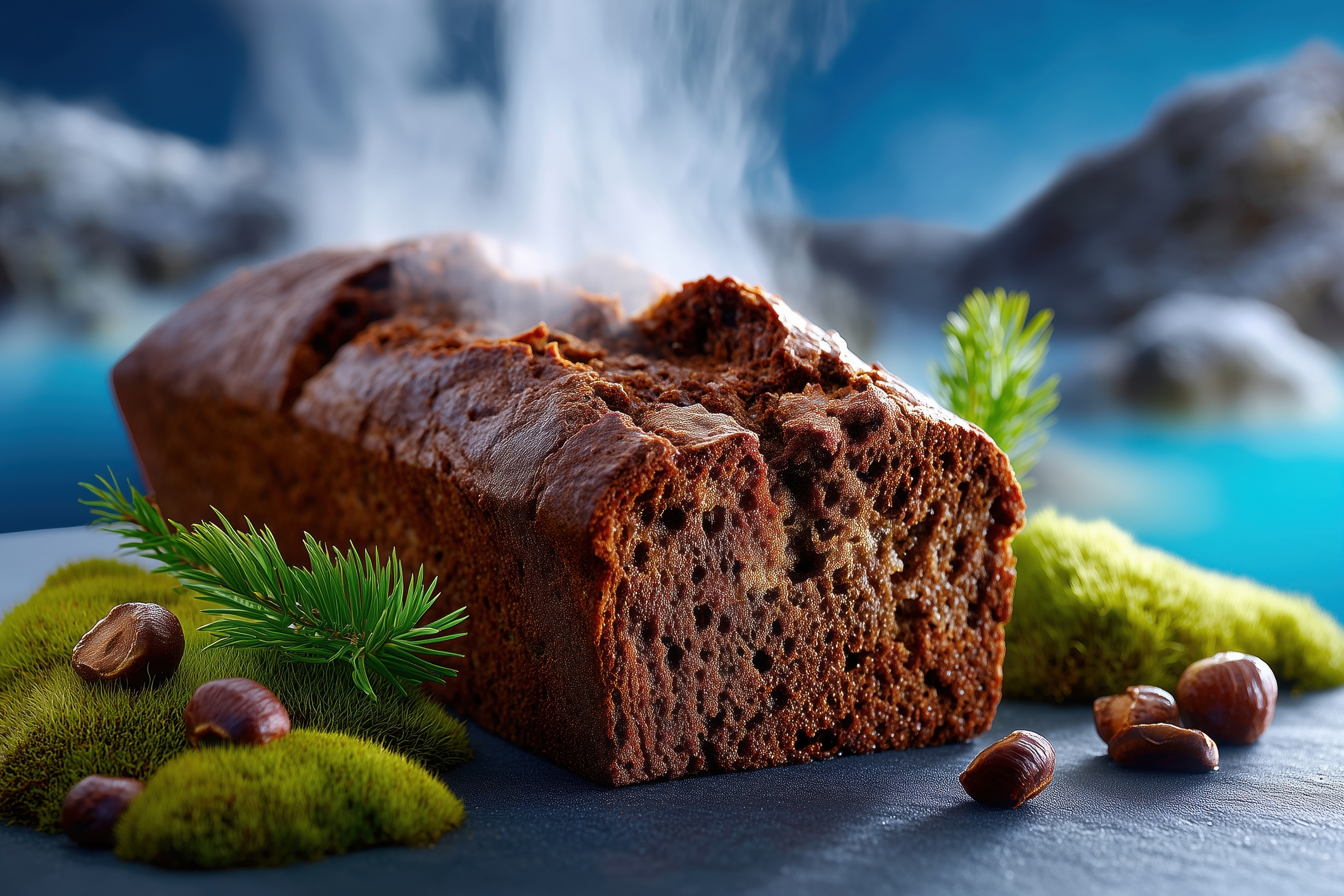
Sliced Icelandic hot spring rye bread loaf.
3. Eat langoustine or lobster if you pass through Höfn
If your route takes you through Höfn, this is the place to order langoustine. It's known as the lobster capital of Iceland. The town has long been associated with it, and a proper langoustine soup or bisque here is one of the more reliable “regional food stop” experiences in Iceland. It’s simple, rich, and exactly the kind of meal that works after a cold, windy day outside.
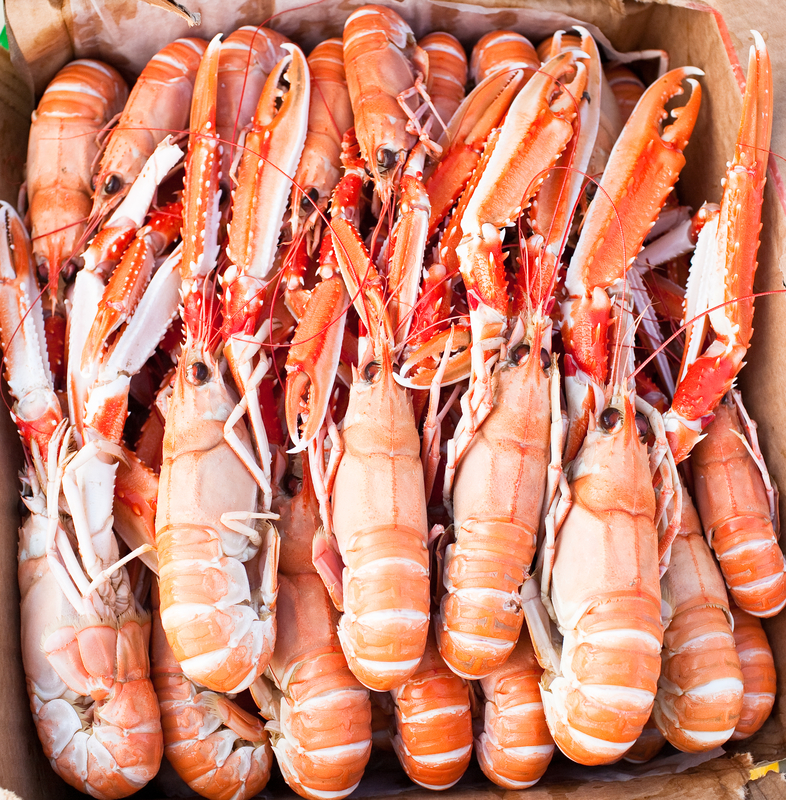
Langoustine, sometimes called Norway lobster, is a true delicacy.
4. Book Friðheimar if it appeals to you
A tomato greenhouse restaurant in the middle of a sightseeing route sounds like it could be gimmicky. Friðheimar is better than that. Set inside a working greenhouse, it serves tomato-based lunches surrounded by the plants themselves, and while it is very much on the tourist radar now, it still feels pleasant rather than cynical. The main thing to know is that, practically, you have to book ahead. It fills up fast.
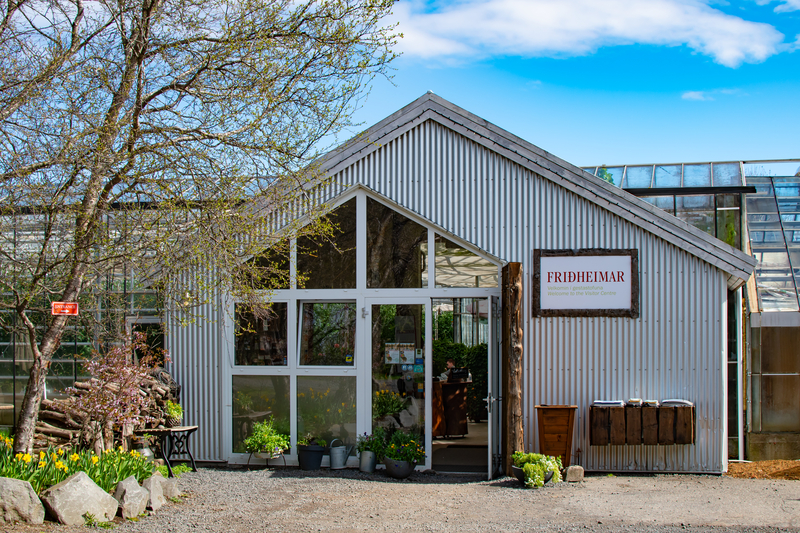
Inside the greenhouse tomato farm and restaurant known as Friðheimar.
5. Don’t dismiss Icelandic petrol station food
We kid you not, but stop at a petrol station and buy some food there. A lot of Iceland road-tripping happens between bigger meals, and service stations are part of that experience. Hot dogs, soup, sandwiches, coffee, pastries, these stops are useful, often decent, and occasionally exactly what you want. No one is saying this type of food is a culinary revelation. But they are part of how people actually travel the country.
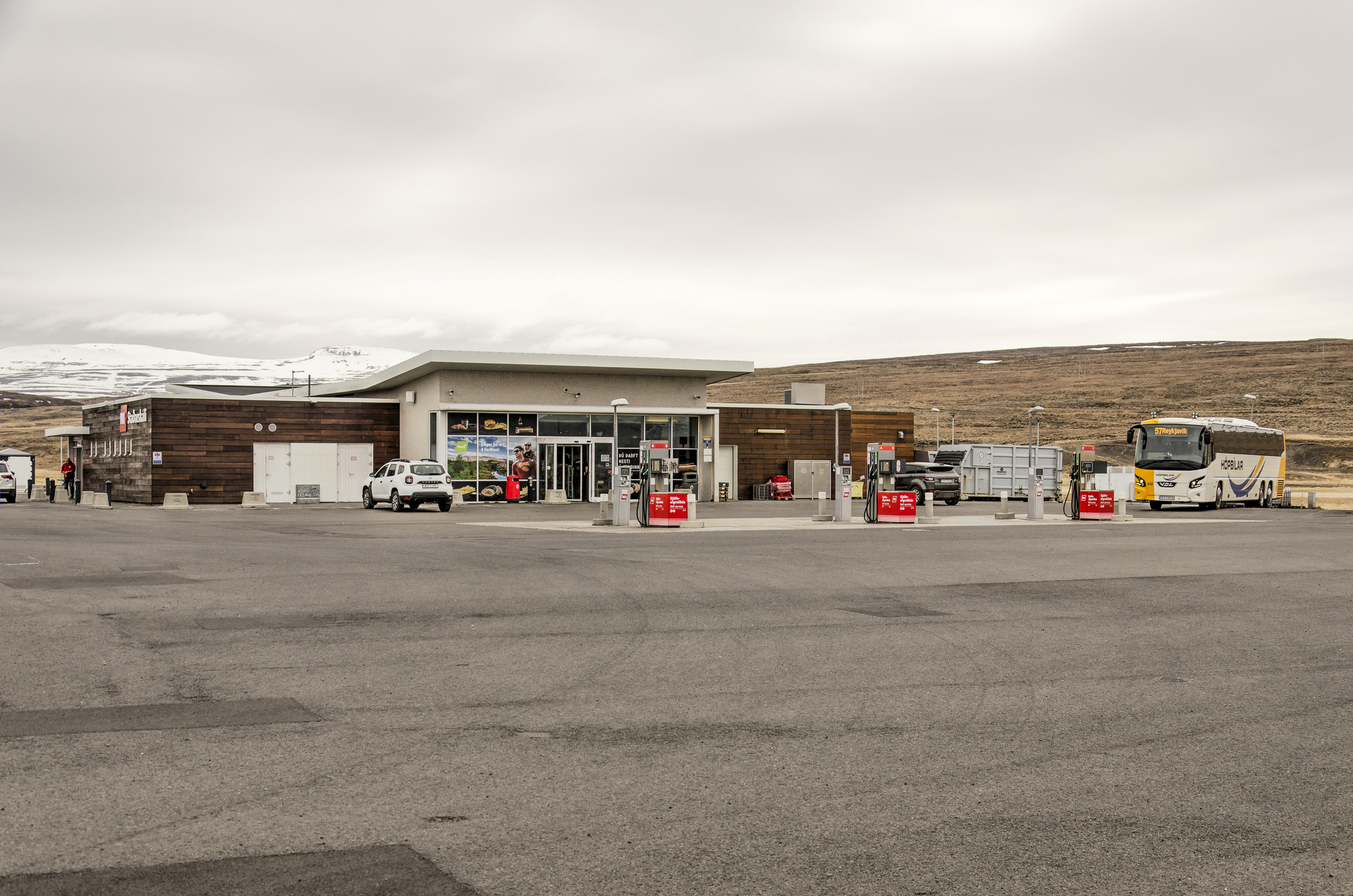
Icelandic service station.
Learn more: The Best Time to Visit Iceland Based on What You Actually Want to Do
What to skip and what to do instead in Iceland
This is where Iceland planning usually gets better. A lot of disappointment in Iceland comes from trying to do too much, too quickly, or too similarly to everyone else. If you want some tips, try doing this instead:
Skip this:
- Treating the south coast as a single exhausting day trip.
- Only booking commercial spa experiences.
- Staying in Reykjavík the entire time.
- Joining a Northern Lights bus tour without understanding the conditions.
- Visiting the Golden Circle at midday in peak season.
Do this instead:
- Spend two or three days on the south coast if you can.
- Mix one big-name site with one quieter stop each day.
- Visit at least one local geothermal pool.
- Check cloud cover and aurora forecasts before chasing the Northern Lights.
- Build in room for unplanned stops.
That last one matters more than it sounds. Iceland is often best in the gaps between the named attractions, like on the side road, a dramatic patch of weather, a small village pool, a roadside horse field, an unplanned waterfall you hadn’t marked on your map. Those moments are not accidental. They usually happen because your itinerary wasn’t packed too tightly.
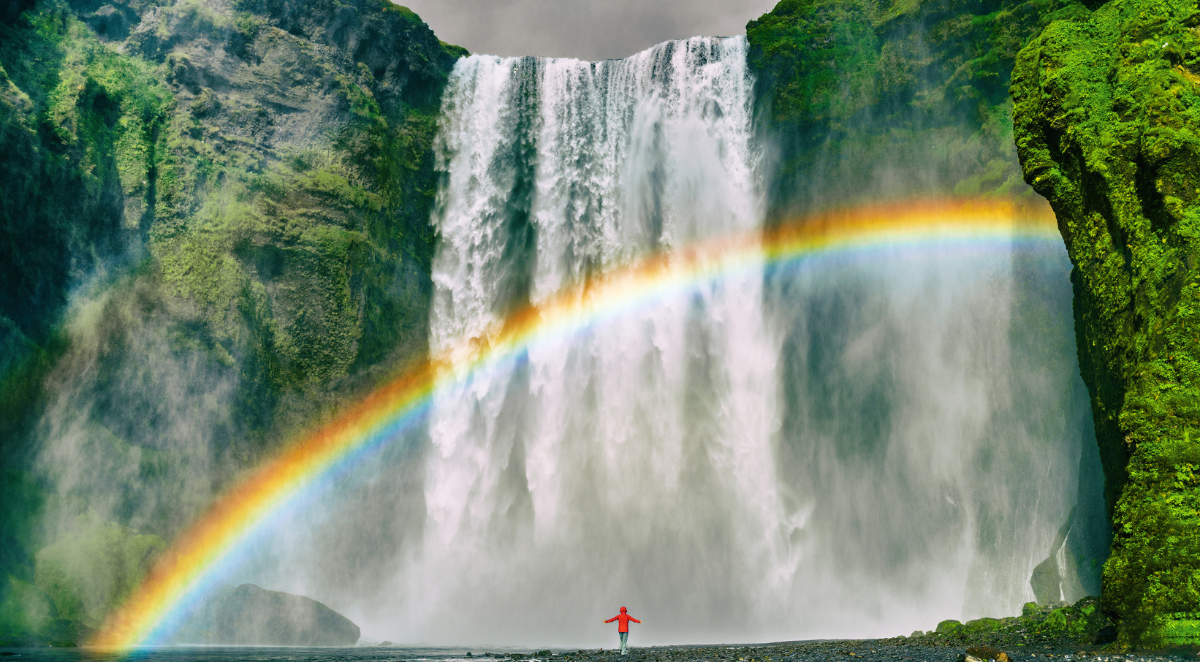
A rainbow waterfall in Iceland.
Learn more: Planning a Trip to Iceland: Everything You Need to Know
How to experience Iceland properly
You can’t see the best of Iceland if you’re in a hurry. Its landscapes are too varied, the weather changes too fast, and the roads are too scenic for a trip built entirely around “seeing as much as possible”. The best itineraries are usually not the ones with the most stops. They’re the ones with the best pacing.
The Ring Road (Route 1), which loops around the island, is roughly 1,300 kilometres long and connects most of the country’s major regions. It’s entirely possible to drive sections of it quickly, but that doesn’t mean you should. A week gives you enough time for a very good South Coast trip with the Golden Circle and perhaps Snæfellsnes. Around 10 to 14 days opens up a much more satisfying circuit that includes the north and east as well. That’s usually when Iceland starts to feel more than just a list of highlights.

A trekker taking on the Icelandic interior hills and mountains in the summer.
Learn more: A step-by-step guide for planning adventure travel
Practical planning tips for Iceland in 2026
A few realities are worth knowing before you go. Iceland’s weather can change quickly, roads may be rough or closed, and popular sights can get crowded. Planning your time carefully makes all the difference.
How long do you need?
- 5–7 days: Reykjavík, Golden Circle, and south coast.
- 8–10 days: Add Snæfellsnes or the north.
- 10–14 days: Full Ring Road at a comfortable pace.
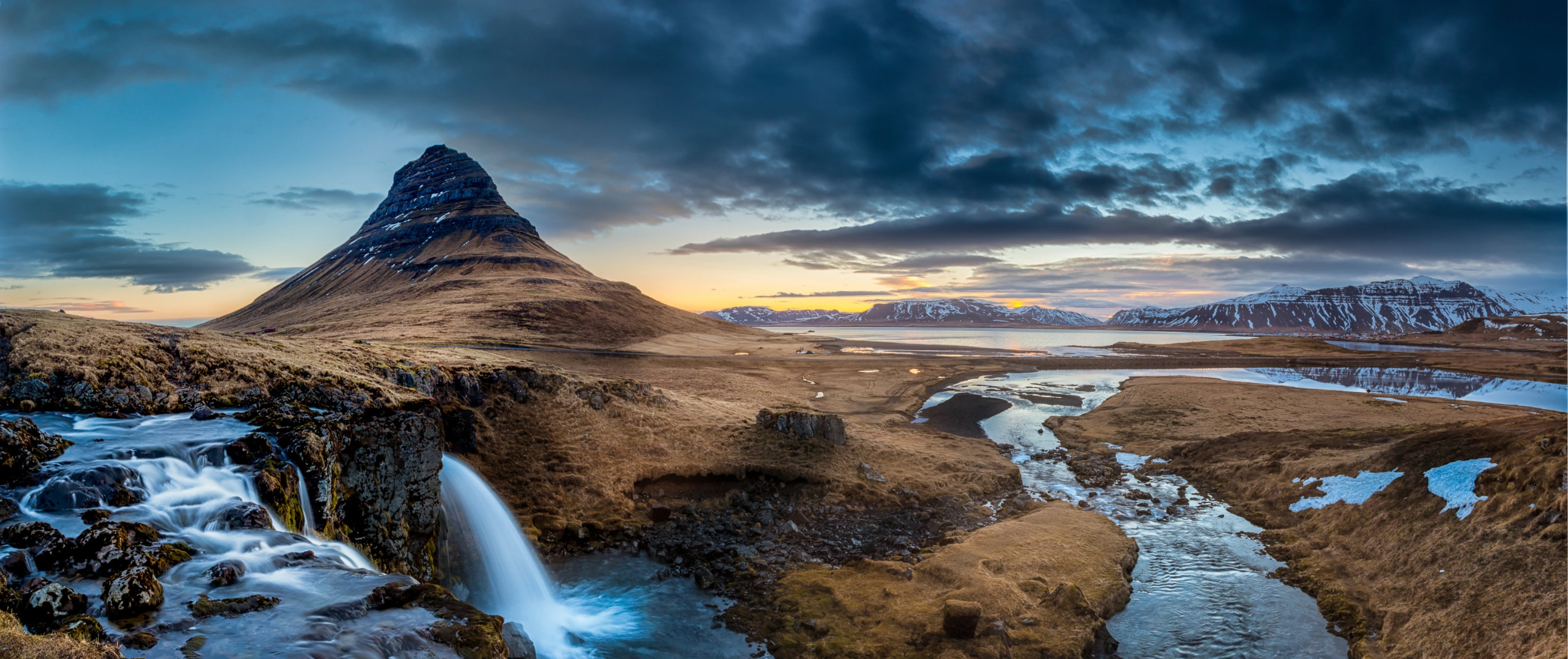
The beauty of Iceland.
Learn more: How to stay healthy when you travel – 13 solid strategies
When is the best time to visit Iceland?
- June to August: Long daylight hours, easier driving, best for hiking and fuller access.
- September to October: Fewer crowds, autumn colour, better shoulder-season value.
- November to February: Best chance for Northern Lights, but the weather is less predictable.
- March to May: Good compromise for lower crowds and improving road conditions.
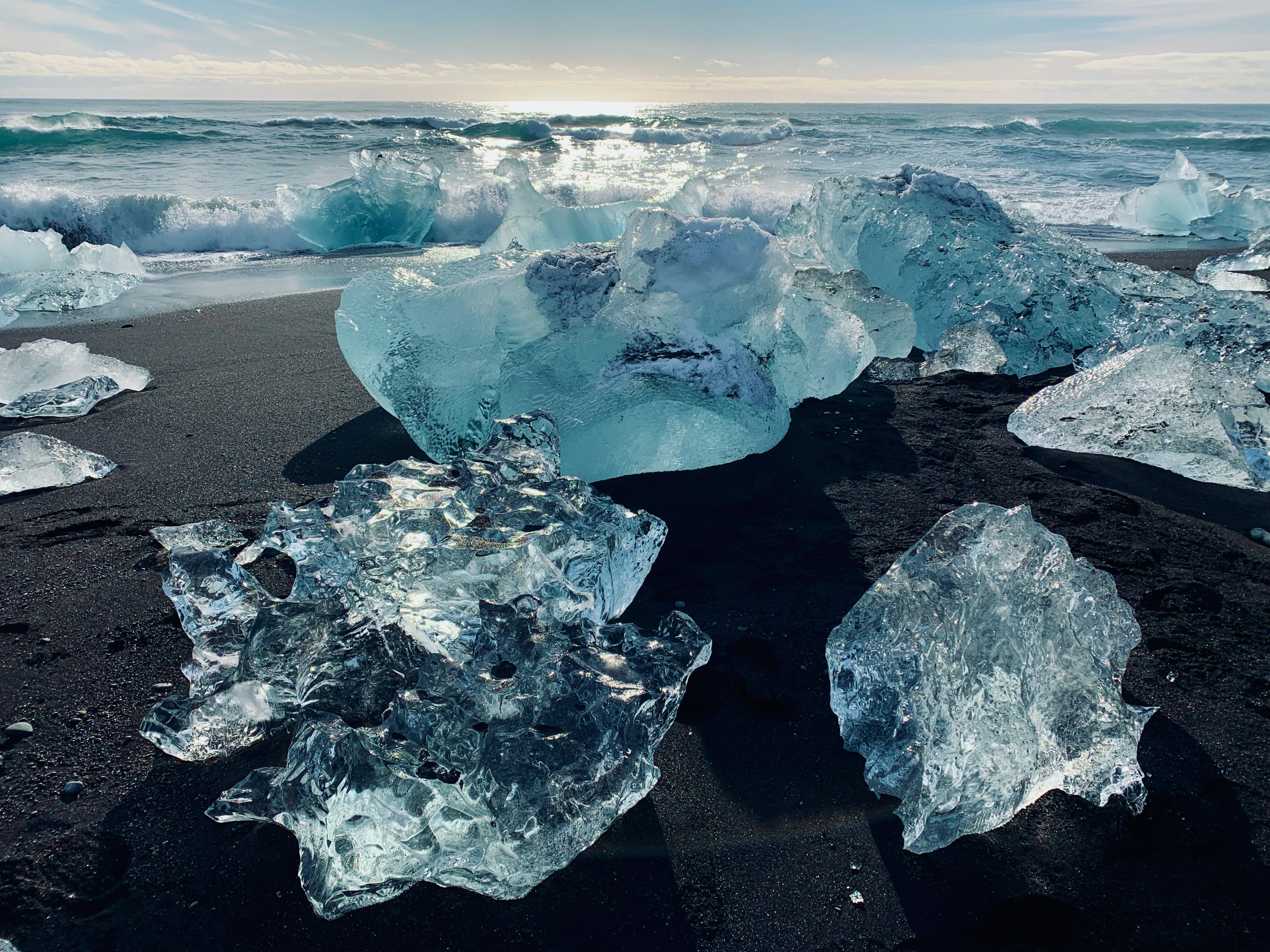
Iceland Diamond Beach.
Learn more: 12 reasons why good tour guides are so important
Do you need a rental car?
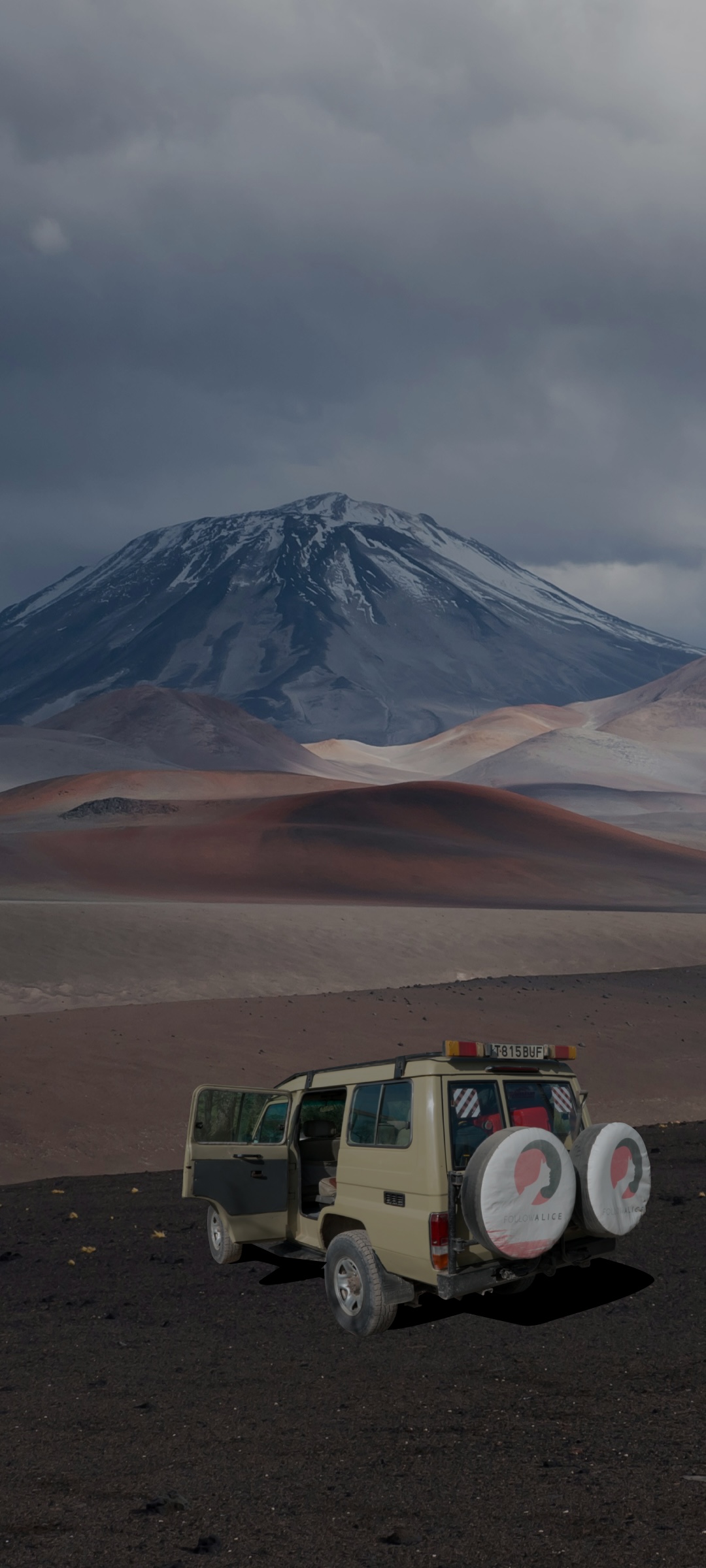
Yes, in most cases. Outside Reykjavík and a few organised day tours, Iceland is easiest to explore by self-drive. In summer, a standard car is usually fine on the main roads. In winter, or if you’re heading into the Highlands, you’ll need a 4x4 and a lot more caution.

A jeep drives through a river in the barren Landmannalaugar landscape of inner Iceland.
Learn more: Follow Alice Impact Report: Adventures with Purpose
How expensive is Iceland really?
Still expensive. Even with tourism adjusting and redistributing a bit in 2025, Iceland remains one of the pricier destinations in Europe. That said, the cost difference between a badly planned trip and a smartly planned one is important.
You can save a lot by:
- Mixing guesthouses and self-catering stays.
- Buying groceries for breakfast or lunch.
- Using local pools instead of only premium spas.
- Travelling a little slower rather than constantly paying for convenience.
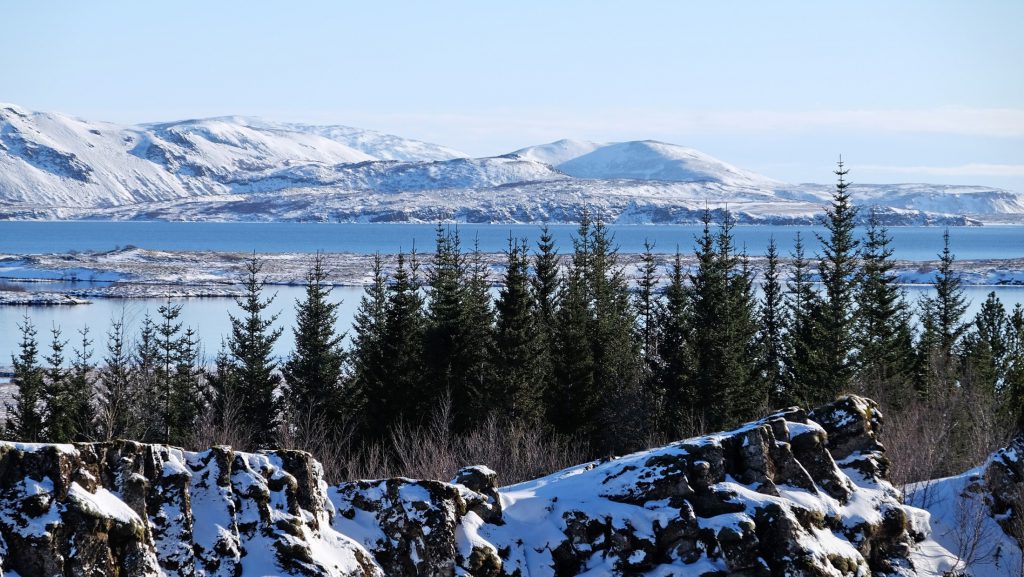
Wintry landscape scene of Thingvellir National Park in southern Iceland.
Learn more: What we care about at Follow Alice – besides our clients!
What’s the weather actually like?
Unstable, often beautiful, and worth respecting, Icelandic weather can change quickly. Waterproofs, layers and flexibility aren’t optional; they’re part of the trip. The weather doesn’t ruin Iceland; it gives it character.
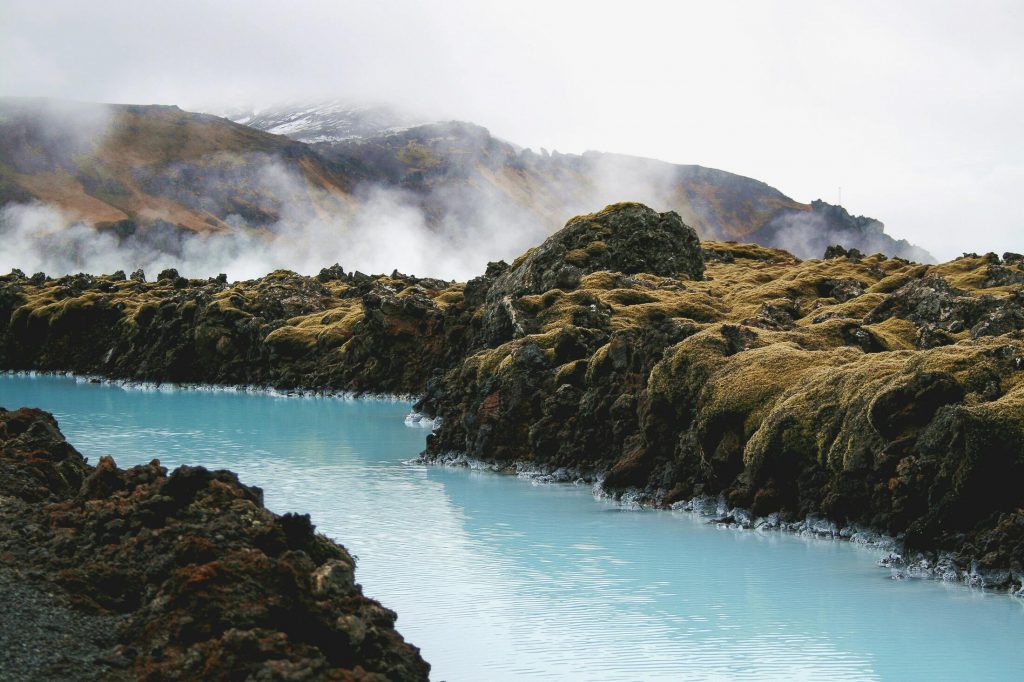
Blue Lagoon near Reykjavík in Iceland.
Learn more: Eco-Friendly Travel Destinations You Should Visit in 2026
Best things to do in Iceland
The famous sights matter, and for good reason. The trips people remember most often have a second layer, like the hot pool they almost skipped, the quiet side road they took on a whim, the small fishing village where they lingered longer than planned, the bakery stop they still think about months later. This is the magic of Iceland. It delivers the big moments while also rewarding curiosity, patience, and a willingness to stray a little from the usual route. That’s often where the trip becomes truly unforgettable. Are you ready to discover Iceland beyond the highlights? Follow Alice can help you plan a journey that balances the must-see sights with the hidden gems that make the country feel alive.