.jpg)



I live in Wicklow, often called the Garden of Ireland. With mountains, forests, and a beautiful coastline literally at my doorstep, it's no surprise that most of my free time was spent outdoors. As I got older, life became busier. Work, routines, and everyday responsibilities took centre stage, and I found myself spending less time outside than I did when I was younger.
I think, for many of us, the COVID-19 pandemic forced a pause and a chance to reassess what we wanted from life. For me, in 2020, it was the catalyst that finally broke the 9-to-5 cycle. I wanted to rethink my priorities, and when I became self-employed, I was able to do so. I started creating content to share those adventures online and wanted to inspire more people to reconnect with nature and discover the joy of exploring on foot. Walking had become my favourite way to experience a place, and I found myself constantly looking for the next challenge. Then a friend of mine suggested I should climb Mount Kilimanjaro.
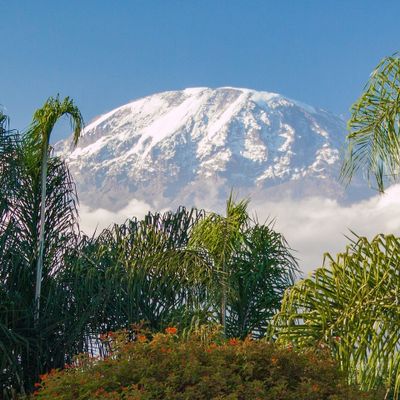
From the minute I started researching it, I was completely hooked. I knew I wanted to say I had climbed one of the 7 Summits of the world. It opened up a whole new world of travel and adventure for me. As soon as I realised how many incredible multi-day treks there were around the world, I found myself wanting to experience them too. Having stood on the Roof of Africa, those adventures no longer feel out of reach. They feel like real possibilities.
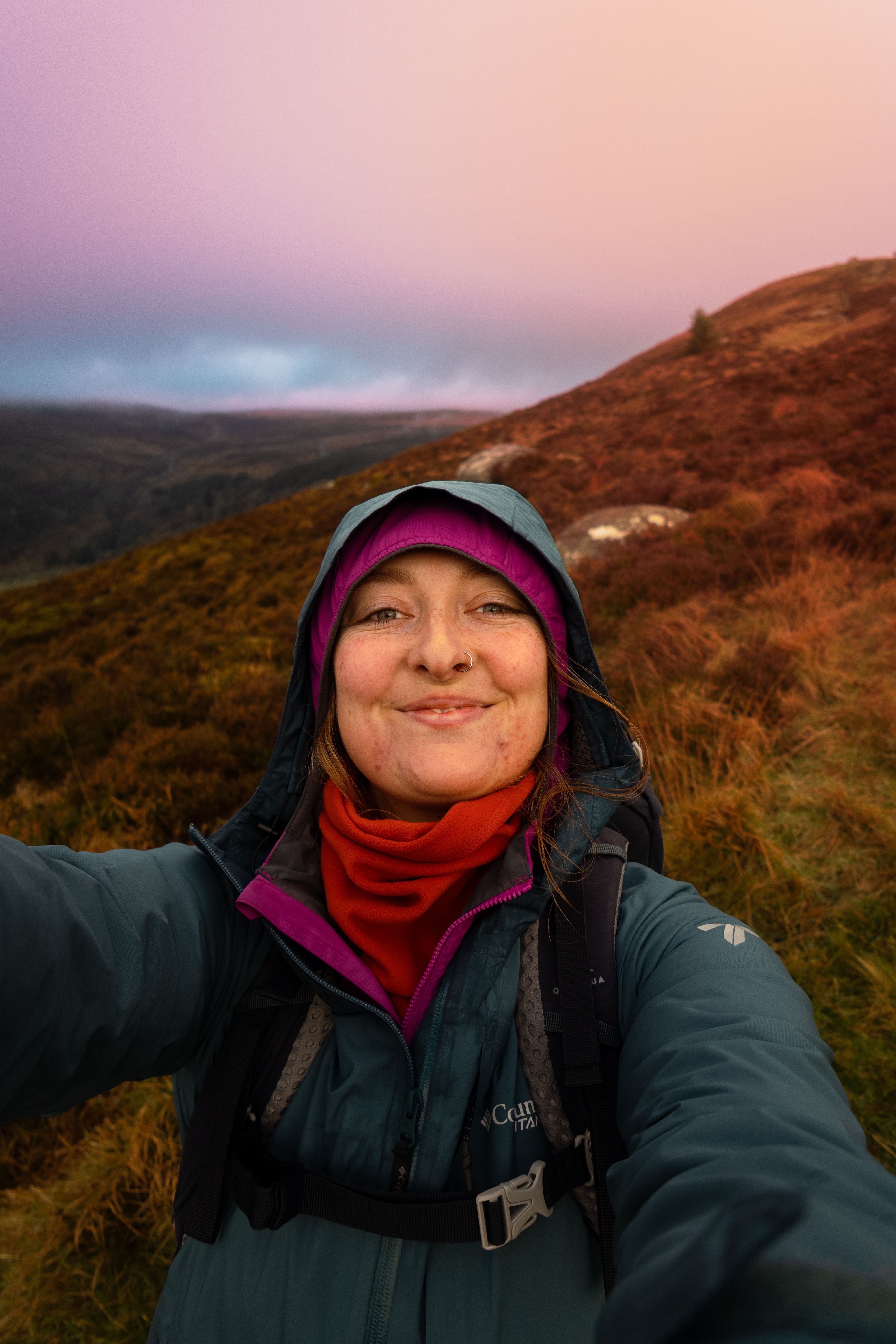
Kilimanjaro changed everything
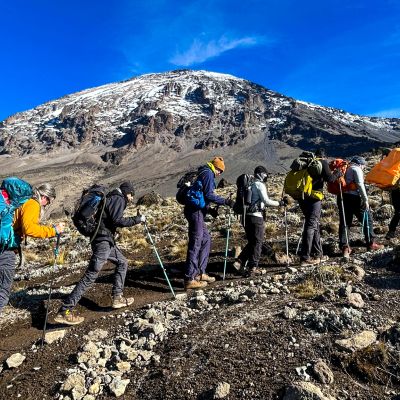
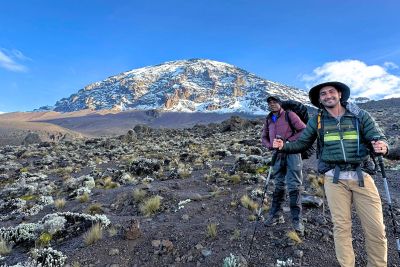
I will be honest with you, I did not see myself as a hiker before I started training for Kilimanjaro. I had not done anything that would have earned that title. Not that there's any set definition you have to hit to call yourself that, but it was a real turning point for me. A few walks here and there, yes. But multi-day trekking? A mountain in Tanzania? This felt like something other people did. Preparing for Africa's highest peak is where the shift began for me. You can’t train for a Kilimanjaro trek while still unsure about who you are. At some point, you decide you’re the kind of person who does this. You buy the boots, and you break them in. You have to read about the best route for you. For me, it was the Lemosho Route, understanding what the 5 climate zones actually mean in practice, and thinking seriously about how your body will respond to sustained effort at altitude. The process of researching, training, and packing became its own transformation. The more I learned, the more I wanted to know. What once felt ambitious began to feel possible for me.
Why walking is the best way to explore
Since Kilimanjaro, I’ve taken on more solo adventures, and that time alone has taught me a lot about myself. In 2025, I walked my first Camino de Santiago alone as a personal challenge, and it was harder than I expected. The following year, I returned to walk another section with my partner and loved how different the experience felt depending on who you’re with. I’m still a big fan of solo adventure, especially as a woman. I’ve learned there are moments when an experience becomes even better when you share it with people who are just as in it as you are. Looking back at my twenties, every trip I took was really a walking holiday in disguise. I would arrive somewhere and immediately start exploring on foot, through cities, along coastlines, and into neighbourhoods I probably had no business wandering through. The most memorable moments always happened at a walking pace, well, at least for me.
In recent years, I’ve really leaned into that way of travelling. I’ve spent two separate weeks walking the Camino de Santiago in Spain and Portugal, hiked through parts of the Slovenian Alps, and spent six days in a nature reserve in Sweden. It’s become my favourite way to experience a country. It slows everything down and lets you see and feel the detail of a place in a way nothing else quite does. Walking through quiet villages or spending hours in conversation with strangers you keep crossing paths with makes for a rewarding way to learn about people and places.
What I remember most about Kilimanjaro
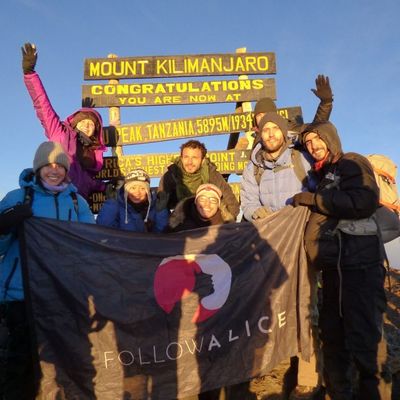
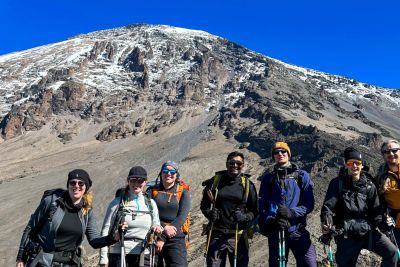
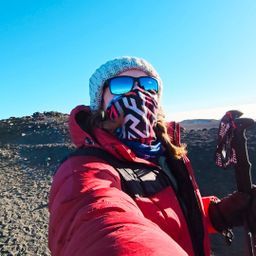
I made it to the summit and stood on the Roof of Africa at 5,895 metres, looking out across the continent. Standing on the summit gave me a level of confidence I hadn't had before. Challenges that once felt intimidating suddenly seemed far more achievable, and I started looking at future adventures with a very different mindset. For me, though, what stands out most in my memory is the people. The group I trekked with were all wonderful, and it was a privilege to spend time with people I would otherwise never have met.
Even more than that, the guides and porters who made it all possible were extraordinary. From waking up to a cup of coffee handed into the tent each morning, to the meals prepared every day, to the summit porters who carried my backpack to help make the ascent possible. I could go on about how incredible the whole crew was. As I prepare for my second time on Kilimanjaro, I find myself looking forward to going back for many reasons, especially the chance of seeing some of those same faces again.
Thinking about your first long-distance trek?
Most of the fears that stop people from attempting a first long-distance hike are more manageable than they look from the outside. The first question to ask yourself is, what is actually holding you back? If it’s the logistics, planning, or accommodation that feels overwhelming, there are plenty of amazing companies and operators who can take care of it for you. You could even join a group of like-minded travellers to share the experience with.
Another option, if you want to do it by yourself, is to research and plan as much as you possibly can. I love a spontaneous adventure as much as the next person, but I still find myself planning the details, watching YouTube videos, and making packing lists so I can feel fully prepared and comfortable enough to enjoy the experience itself. YouTube, blogs, and social media are all great resources for this kind of research, but I would always recommend not relying on just one person’s advice. Everyone’s experience is different, so it’s better to take in a range of opinions and form your own view.
Why hiking feels like meditation
What makes hiking different from other forms of exercise is that the experience is yours to shape. Some people find clarity, others find exhaustion, which can be its own kind of rest. Some find community, others find solitude. The mountain does not prescribe; it offers the conditions and lets you decide what to do with them.
For me, hiking is one of the best ways to stay present. It’s easy to get caught up in the busyness of daily life, with your mind constantly on overdrive. When I’m out on a trail somewhere where all I can hear are the birds and the wind through the trees, it’s one of the few times my brain feels quiet. It feels like a form of meditation. I think one of the best things about it is that everyone can have their own experience in the outdoors and get their own slightly different experience from it, depending on what it is they’re craving.
.jpg)
Responsible travel
At its simplest, responsible travel means leaving no trace every time you step into the outdoors. For as long as I can remember, I’ve felt really deeply about taking care of nature, wildlife, and our planet as a whole (probably since the very first nature documentary I ever watched). I want to inspire other people to care just as strongly about the outdoors that they enjoy, by not just following the principles of Leave No Trace, but by actively trying to make the outdoor spaces that they spend their time in even better than how they found them. I haven’t fully figured out exactly how I fit into this as an outdoor influencer, but I don’t take the responsibility I hold lightly.
The biggest myth about hiking
I think a lot of people feel intimidated by the gear they think they need before they can start. In reality, as long as you have a comfortable, weather-appropriate outfit, you can get going. My advice is always to start small and gradually build your confidence, expanding your comfort zone one hike at a time. When you do want to add new gear, there are plenty of great second-hand options available that make it much easier to get high-quality equipment on a smaller budget.
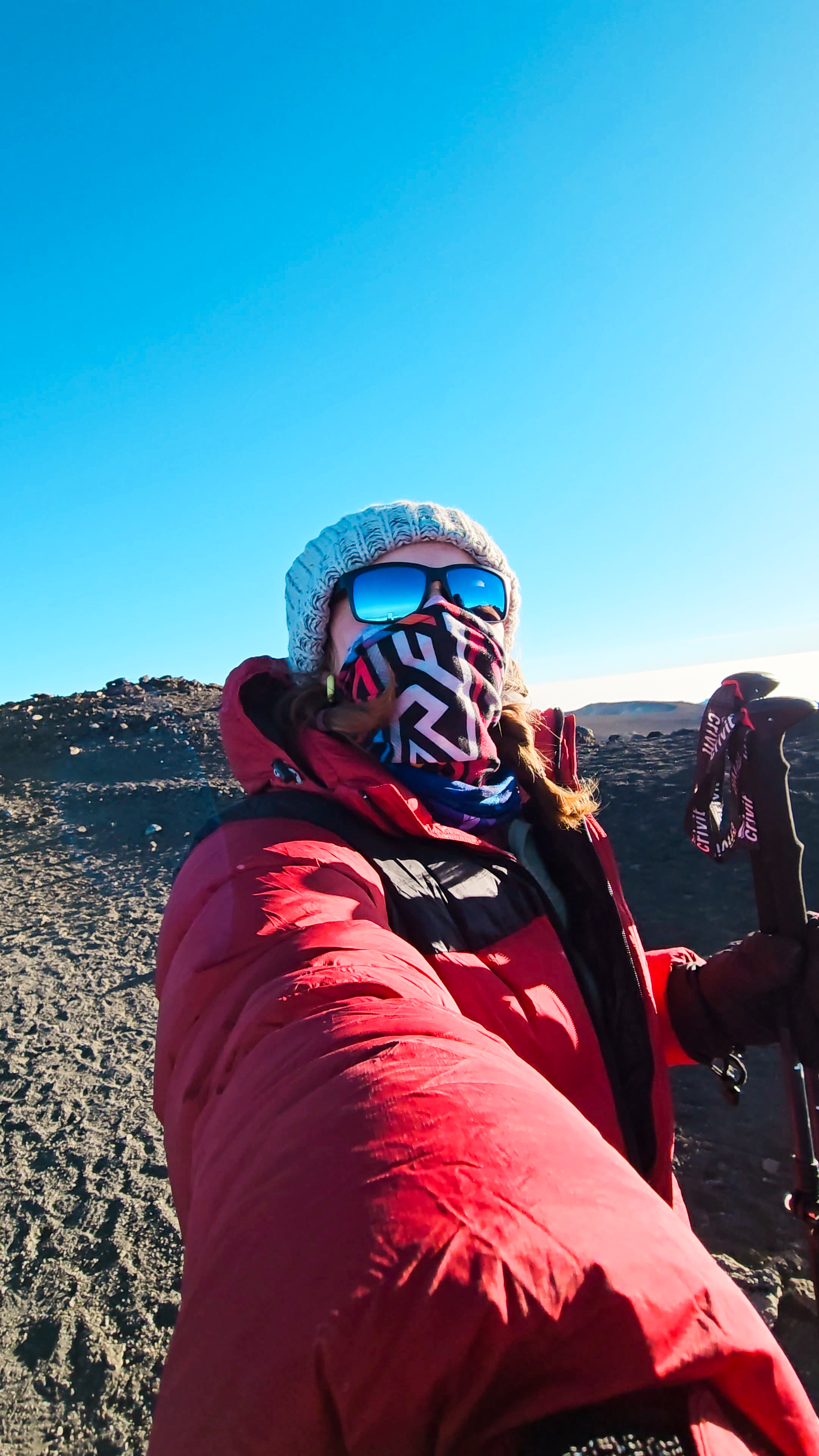
The outdoors is for everyone
The outdoors is for everyone; you earn your right to it by taking care of it. The trails are not reserved for the experienced, the fit, the well-equipped, or the people who grew up with easy access to wild places. They are open. Anyone can walk into them. The learning curve is real, but it is not steep, and the return on the investment in wellbeing, confidence, and the particular satisfaction of being tired at the end of a long day outdoors is immediate.
With access comes responsibility. The places we love can only absorb so much. The more people who use them, the more deliberately we all need to behave. I grew up in Ireland with hills at the end of the road, lost touch with them for a long time, and found my way back through a chance suggestion and a mountain in Tanzania. I have walked the Camino twice, explored the Slovenian Alps, moved through Swedish forests, and stood on the Roof of Africa. I still do not think of myself as a particular type of person. Just someone who goes outside, tries to leave it better than she found it, and wants other people to feel that they can do the same. The hills are still there, the trails are open, and the version of yourself that has always known it is waiting.
In 2027, I’ll be taking on this mountain again with Follow Alice. I’m really looking forward to it, and if you’d like to join, get in touch, and I’ll be happy to share more about how you can get involved.
{{leadmagnet-one}}