.png)




Most people treat Lima as the thing standing between them and Cusco: a layover, sometimes not even an overnight one. I think that's a genuine mistake, and not just because I'm biased toward the places we work in. Lima is one of the best food cities on the planet, full stop, and it has coastline, colonial architecture, and pre-Inca ruins that most visitors never see because they're racing to the mountains. It also sits at sea level, which makes it a good place to land and settle in before Cusco's altitude starts asking anything of you.
Give it three days if you can. Here's where I'd send you.
Miraflores: where to actually stay
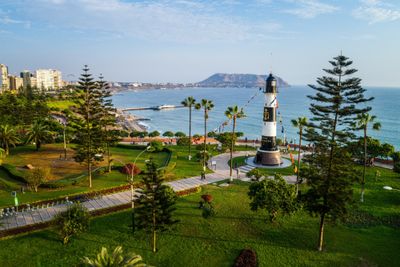
Miraflores is the neighbourhood most visitors base themselves in, and for good reason. It sits right on the coastal cliffs, has real walkability, and puts you close to most of what's below. The Malecón, the clifftop walkway running the length of the district, is worth an evening walk on its own, especially toward sunset when the paragliders are out over the water. Parque del Amor sits along that same stretch, and LarcoMar, the shopping centre built directly into the cliff face below street level, is worth a look even if you're not there to shop, mostly for how strange it is to be standing in a mall with the Pacific right underneath you.
The food, which is the actual reason to come
Lima's food scene isn't hype. Ceviche is the obvious entry point: fresh fish cured in citrus, usually with onion, chili, and sweet potato on the side, and it's worth trying it somewhere unpretentious as much as somewhere fancy. A proper cevichería lunch, eaten the way locals eat it, early afternoon rather than evening, tells you more about the dish than a tasting menu will.
Beyond ceviche, look for anticuchos (grilled beef heart skewers, better than that description makes them sound), causa (a layered potato dish that's more interesting than it looks on a menu), and a pisco sour to drink with any of it, which is Peru's national cocktail and worth having at least once from somewhere that makes its own syrup rather than pouring from a bottle. If your schedule allows a proper dinner out, restaurants like Central and Maido have put Lima on the map internationally over the last decade, and either is worth booking well ahead if a tasting menu evening appeals.
Barranco: the neighbourhood with the personality
If Miraflores is where you sleep, Barranco is where you spend an evening. It's Lima's arts and nightlife district, all street art and colonial mansions and a bridge, the Puente de los Suspiros, with a small local superstition attached to it worth asking your guide about (the version I've heard is that if you can cross it in one breath while making a wish, it comes true). It's a shorter, quieter neighbourhood than Miraflores, and it rewards just walking without much of a plan. The Bajada de Baños, a set of stairs winding down toward the water, is a nice way to end up back at the coast without retracing your steps.
Huaca Pucllana: ruins in the middle of the city
This one surprises people every time. Huaca Pucllana is a pre-Inca adobe pyramid complex, right in the middle of Miraflores, built by the Lima culture roughly 1,500 years ago, predating the Inca empire by about a thousand years. It's a strange thing to walk past a modern apartment building and then find yourself standing in front of a structure this old, and the site has a genuinely good on-site restaurant if you want dinner with the ruins lit up after dark.
The historic centre: colonial Lima
Worth a separate half-day from the coast entirely. Lima's historic centre has the Plaza Mayor, the cathedral, and the changing of the guard at the government palace, but the part that tends to stay with people is the San Francisco Monastery, whose catacombs hold the bones of an estimated 25,000 people, arranged in patterns rather than simply stacked. We've written a longer guide to the historic centre if you want to plan that half-day properly, since it's easy to underestimate how much is packed into a relatively small area.
Museums worth an afternoon
If you have the time, Museo Larco is the one I'd point people toward first: pre-Columbian art and pottery in a beautiful colonial building with gardens, open into the evening, and home to a gallery of erotic pottery that tends to catch first-time visitors off guard in the best way. MALI, the Museo de Arte de Lima, covers a broader sweep of Peruvian art history if you want a second stop. We've gone into more detail on both in our guide to Lima's best museums.
The coast, if you have the extra day
San Bartolo and the beaches south of the city are a legitimate half-day or full-day trip if surfing or just sitting near the water appeals, particularly outside Lima's grey coastal winter months (roughly June to September) when the sun actually shows up.
Fitting it into your wider Peru trip
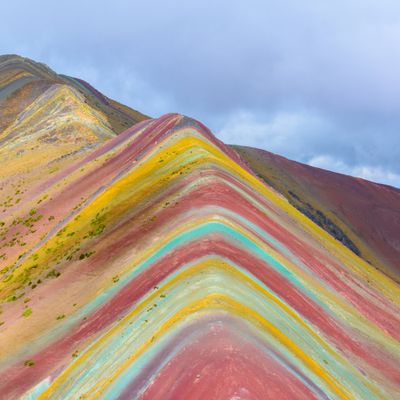
If you're heading on to Machu Picchu after Lima, it's worth reading up on the best time to visit before you lock your dates, since Lima's climate and the Andes climate don't move together. And if Rainbow Mountain is on your list further into the trip, that's a separate altitude adjustment worth planning around rather than squeezing in on day one after a long flight.
Three days in Lima isn't padding your itinerary. It's arguably the best-value three days of the entire trip, and it's the part almost everyone skips.
Keen to find out more? Book a short video call with one of the team here: https://calendly.com/d/cqzd-54q-skn/follow-alice-peru-call