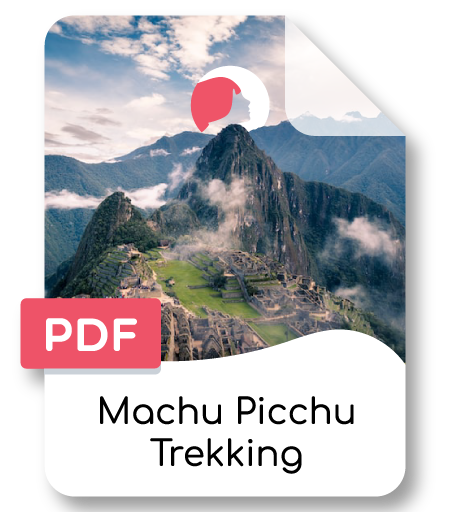



The honest answer to "when should I go" depends more on what you're trying to avoid, crowds or rain, than on any single perfect month. Machu Picchu sits at just under 2,500 metres in a cloud forest, which means it has real weather, not the gentle two-season split people sometimes expect from a postcard ruin. Whether you're arriving on foot via the Classic Inca Trail or by train from Ollantaytambo, the month you pick changes more about your trip than almost any other decision you'll make.
The dry season: May to September
This is peak season for a reason. June through August in particular gives you the clearest skies and the lowest chance of a washed-out morning, which matters because the classic Machu Picchu photo needs visibility, not just good weather. It's also cold at night, colder than most people pack for, so bring proper layers even though you're headed somewhere associated with jungle.
June has an extra wrinkle worth knowing about: Inti Raymi, Cusco's biggest festival, lands on the 24th and turns the city into a genuine spectacle. Hotel rooms and trains through that week get booked out well ahead, so it's a great thing to build a trip around on purpose, and a problem if you land on those dates by accident.
The trade-off for the whole season is crowds. July and August overlap with Northern Hemisphere summer holidays, and Inca Trail permits specifically sell out months in advance during this window. If you want the trail itself, not just the ruins, book early or plan around it entirely. The site also caps how many people it lets in each day, and that cap sits lower than most visitors expect, so even train-and-bus visitors should have their entry ticket locked to a specific time slot well before they land in Cusco.
The wet season: November to March
Afternoon rain becomes a near-daily feature, and February is the one month the Inca Trail closes completely for maintenance, so it's worth ruling out if that route matters to you. But the site itself stays open, the crowds thin out noticeably, and the surrounding hillsides turn a noticeably different shade of green that you don't see in dry-season photos.
I'd never talk someone out of a December or January trip if that's when their schedule allows it. Entry runs in timed slots from early morning, so book the earliest one you can get. A clear window at sunrise with almost nobody else on the terraces is arguably a better photo than the same view crowded in July. Pack a real rain layer, not just a shower-proof jacket, and you'll still have a trip worth having.
The shoulder months: April and October
If you ask me directly, these are the two months I'd point most people toward. The crowds haven't built to peak-season levels, the rain hasn't fully settled in, and you get a genuine mix of clear mornings and dramatic cloud formations rolling through the ruins, which honestly photographs better than a flat blue sky most of the time. April in particular, right after the wet season, gives you green hillsides without the daily downpours. It's also the easier window to add on a Huayna Picchu or Machu Picchu Mountain climb without booking a year out, since those sell out fastest in June through August.
What actually changes by month, at a glance
- May-September (dry, busy): best visibility, coldest nights, book Inca Trail permits early, Inti Raymi week (late June) needs extra lead time
- October-November (shoulder into wet): good balance, fewer crowds, some afternoon rain by November
- December-March (wet, quiet): rain most afternoons, February closes the Inca Trail entirely, lowest crowds
- April (shoulder out of wet): green landscape, improving weather, easier permits for the mountain hikes, my personal pick alongside October
How this connects to the rest of your Peru trip
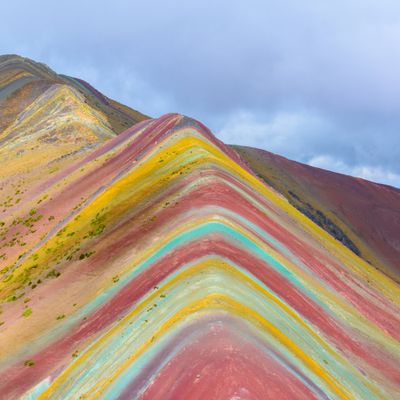
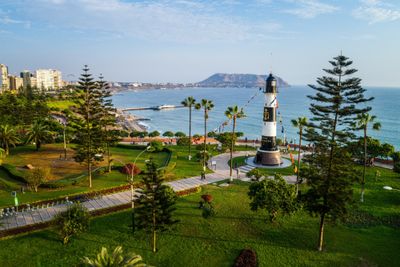
Most people don't fly in just for Machu Picchu. If you're building out the wider trip, it's worth reading up on things to do in Lima before you head up to altitude, since Peru's capital deserves more than the usual overnight layover treatment. And if your dates and fitness allow it, our Rainbow Mountain guide covers a well worthwhile add-on elsewhere in the Cusco region, though it demands its own altitude planning separate from Machu Picchu itself.
Whatever month you land on, build in at least one buffer day around the Machu Picchu portion of your trip. Weather here doesn't always cooperate with a tight schedule, and this isn't the site you want to see through a rushed, rain-soaked hour because your train was booked too close to your flight home.
Keen to find out more? Book a short video call with one of the team here: https://calendly.com/d/cqzd-54q-skn/follow-alice-peru-call