



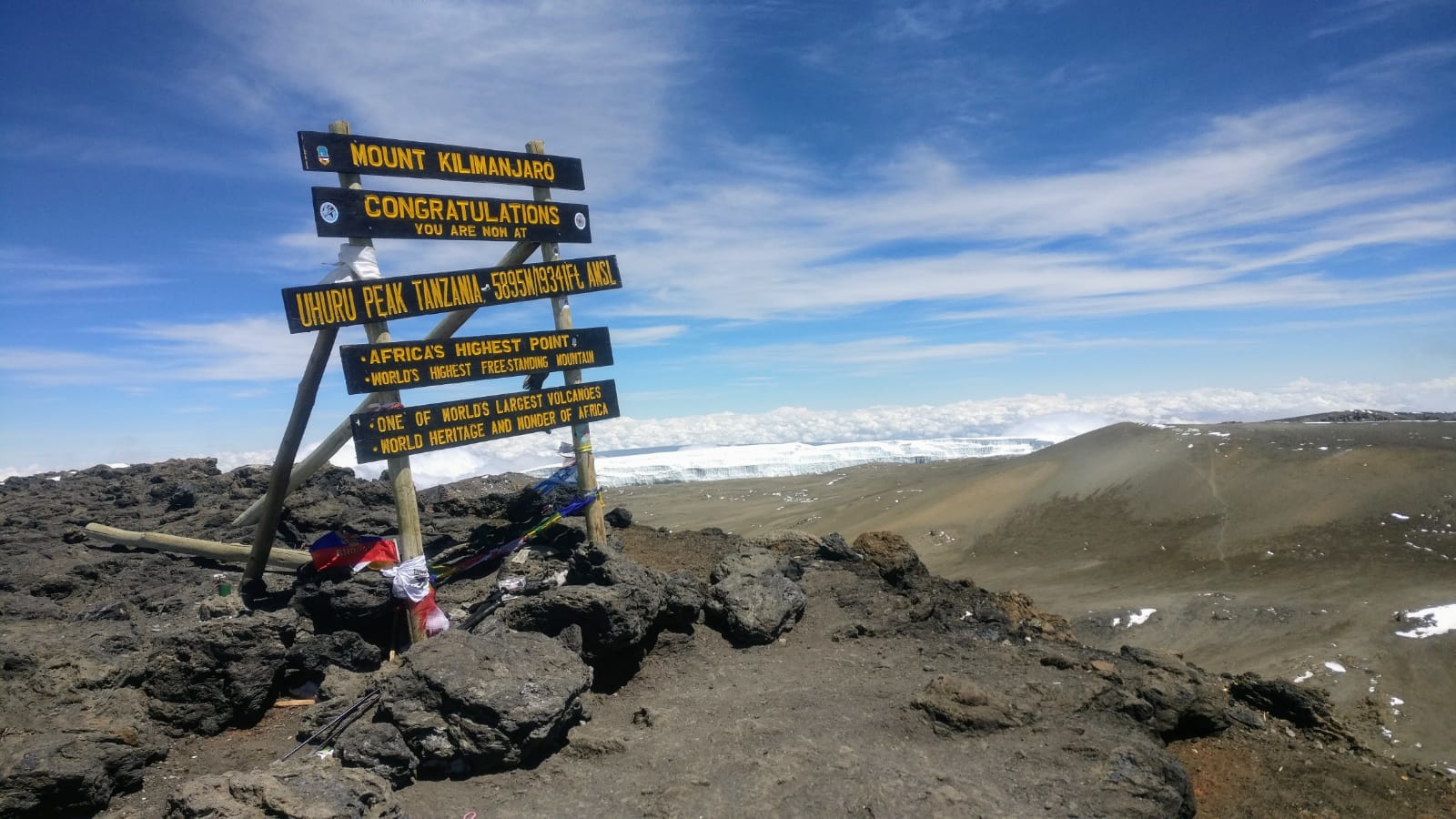
If you've ever stood on a mountain summit, you'll probably remember this feeling. You're exhausted, your legs ache, your lungs have been working overtime, and you've spent hours wondering how much further there is to go to the summit. Then, suddenly, you're there. All the hard work pays off when you see the stunning view and achieve something only a few people do in their lifetime.
For many people, it's an unexpectedly emotional moment. Some laugh, some cry, and some simply stand in silence, trying to take the moment all in. The physical challenge is over, but what replaces it can be surprisingly powerful. It's that feeling of relief, pride, gratitude, and a sense of perspective that's difficult to put into words. It turns out there's a reason for that.
Reaching a summit after days of effort creates a unique combination of physical, mental, and emotional responses. Scientists have studied everything from the effects of altitude on the brain to the psychology of achieving a long-term goal. Together, they help explain why standing on top of a mountain can feel like so much more than just reaching a destination.
1. Altitude may give your brain's reward system a boost
Part of that summit high may come from the altitude itself. As you climb higher, the reduced oxygen levels in the air trigger changes in the brain. Researchers have found that mild hypoxia can increase dopamine activity, a chemical linked to motivation, pleasure, and feelings of reward. In simple terms, your brain may become more responsive to achievement at altitude. Combine that with days of effort, anticipation, and finally reaching your goal, and it's easy to see why summiting can feel so intensely satisfying. While altitude isn't the only reason for the emotional rush, it may help explain why the feeling can be stronger than many other achievements.
2. Your body rewards you for the effort
Most people have heard of a runner's high. It's that feeling of exhilaration that can follow sustained physical effort. But unlike a quick workout, summit day on a trek like Kilimanjaro or the Inca Trail can involve six to ten hours of continuous climbing.
Over that time, your body releases endorphins, natural chemicals that help reduce pain and boost your mood. They don't make the challenge disappear, but they can help explain why many trekkers feel a surge of positivity, relief, and even euphoria when they finally reach the top. By the time you're standing on the summit, your body has been preparing for that moment for hours.
3. The pressure finally lifts
By the time you reach a summit, you've been carrying more than just a backpack. For days, your body has been adapting to altitude, managing physical exertion, coping with disrupted sleep, and focusing on the challenge ahead. Then, suddenly, it's over.
The goal you've been working towards is finally achieved, and the pressure that has been building for days begins to ease. Researchers have found that this release from prolonged stress can create a powerful sense of relief and reward. In many ways, the bigger the challenge, the greater the emotional payoff when it's complete. That's one reason why standing on a summit can feel so different from finishing an ordinary workout. The journey to get there asks much more of you, both physically and mentally.
4. Mountain views help quiet the noise
Many trekkers describe a strange sense of clarity when they reach a summit. The worries, deadlines, and mental to-do lists that normally occupy their attention seem to fade into the background.
Scientists have found that spending time in natural environments can change how the brain processes attention and self-focus. When you're standing above the clouds or looking across an endless mountain range, your attention naturally shifts away from your everyday concerns and towards what's happening right in front of you.
The result is a feeling of presence that can be difficult to find in daily life. For a few moments, you're not thinking about emails, errands, or tomorrow's plans. You're simply there, taking in the view and the achievement of reaching it.
5. A summit changes you
Standing on a mountain summit can shift how everything else in your life feels. Psychologist Dacher Keltner describes this as the “small self” effect, the feeling that you are small in relation to something much larger. At a high point in the landscape, your perspective quite literally changes. The mountains, valleys, and sky around you stretch far beyond anything you normally experience in daily life. That sense of vastness can make your own worries feel less immediate for a while.
Researchers suggest that experiences like this can change how we mentally organise our problems and priorities. It doesn't mean your challenges disappear, but they often feel less overwhelming when seen from a different scale. In that moment, it’s not that your life has changed. It’s your perspective of it that has.
6. Nature helps quiet overthinking
Research has also shown that spending time in nature can reduce rumination, which is the mental loop of overthinking and self-focus. One well-known Stanford study found that people who walked in nature showed lower activity in brain regions linked to negative, repetitive thinking compared to those walking in urban settings.
At a summit, this effect is amplified. You’re not just in nature; you’ve been surrounded by it for days on end. Wind, light, altitude, and vast open views demand your attention in a gentle but constant way. Psychologists sometimes call this “soft fascination”, which means your mind is engaged, but not strained. Over time, this shift in attention gives your brain space to rest from its usual patterns of worry and mental noise.
7. Movement supports better mood and mental clarity
Sustained aerobic activity, like multi-day trekking, is strongly linked to increased production of brain-derived neurotrophic factor (BDNF). This is a protein that supports brain health, including areas involved in memory and emotional regulation. In simple terms, regular endurance exercise helps the brain adapt and stay resilient. On a long trek, this effect builds over several days rather than happening in a single moment. Many trekkers report feeling mentally clearer and emotionally more balanced after days in the mountains. This is a response that likely reflects both physical exertion and the brain’s natural adaptation to sustained effort.
8. Shared challenge strengthens connection
There’s a reason people bond so quickly on treks. Sharing physical challenges over multiple days creates a strong sense of connection between people. Research shows that shared stress can actually increase feelings of trust and closeness. When people go through something demanding together, the experience becomes more emotionally significant than everyday social interaction. Reaching a summit as a group, alongside the team that helped carry you to the top, often deepens that feeling even further. It’s not just about arriving at the destination; it’s about everything you overcame together to get there.
9. The brain values uncertain outcomes
The brain’s reward system is especially responsive when success is uncertain. When you’re not sure you’ll succeed, and then you do, the sense of reward is stronger than when an outcome feels guaranteed.
That’s one reason summit moments feel so powerful. On a long climb, especially at altitude, doubt is part of the experience. When you finally reach the top, the brain responds more strongly because the result wasn’t certain along the way. In simple terms, the harder the climb feels, the more meaningful the outcome becomes.
10. The experience stays with you
The effects of a summit don’t end when you start your descent. Challenging, emotionally charged experiences are strongly encoded in the brain, and processes linked to learning and adaptation continue for days afterwards.
Research suggests that meaningful physical achievement combined with intense focus and emotion can support neuroplasticity, which is the brain’s ability to form and strengthen new connections. In parallel, studies on natural environments have shown longer-term shifts in how people relate to themselves and the world around them. This often includes a greater sense of perspective and connectedness.
On a more practical level, completing something genuinely difficult updates your internal sense of what you are capable of. It becomes lived evidence, not just belief. For many trekkers, this is why the impact of a summit lasts long after they’ve returned home. It's not abstract confidence, but an experience-based understanding of their own resilience.
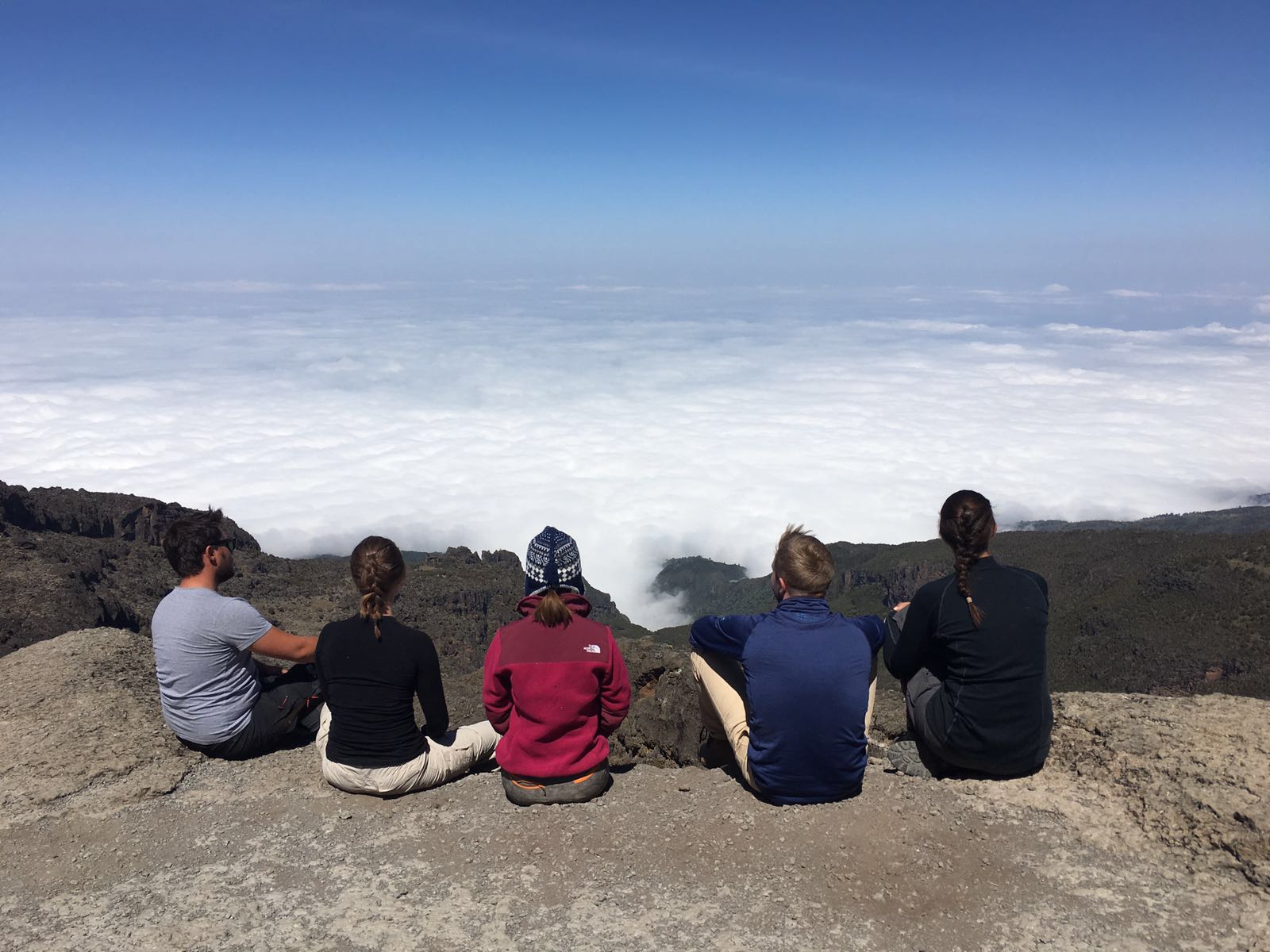
Why a summit is different from everything else
The outdoor wellness space often treats nature and exercise as if they produce the same effect. A walk in a park and a summit on Kilimanjaro are both described as “good for you”. That is partly true, but it misses an important distinction.
A high-altitude summit brings together several powerful factors at once. Sustained physical effort, low oxygen levels, multi-day exertion, emotional build-up, and the experience of reaching a genuinely difficult goal all interact in ways that are hard to replicate in everyday exercise.
The result is not just relief at the top. It is a magical experience shaped by both body and brain, and it tends to be remembered long after the descent. If you have stood on a summit before, you will likely recognise that feeling. If you have not yet, it is something worth experiencing for yourself. Explore Follow Alice’s guided climbs to see how we make that journey safe, supported, and unforgettable.
{{leadmagnet-one}}