

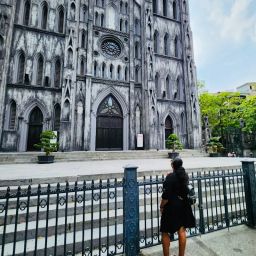

After a long day on the mountain, exhaustion takes over almost instantly. You fall asleep quickly, then sometime around 2 am, you wake suddenly, short of breath and wide awake. It feels alarming the first time it happens, but in most cases, it is neither illness nor panic. This is altitude insomnia, and for many trekkers above 4,000 metres, it becomes part of the night-time rhythm of high altitude.
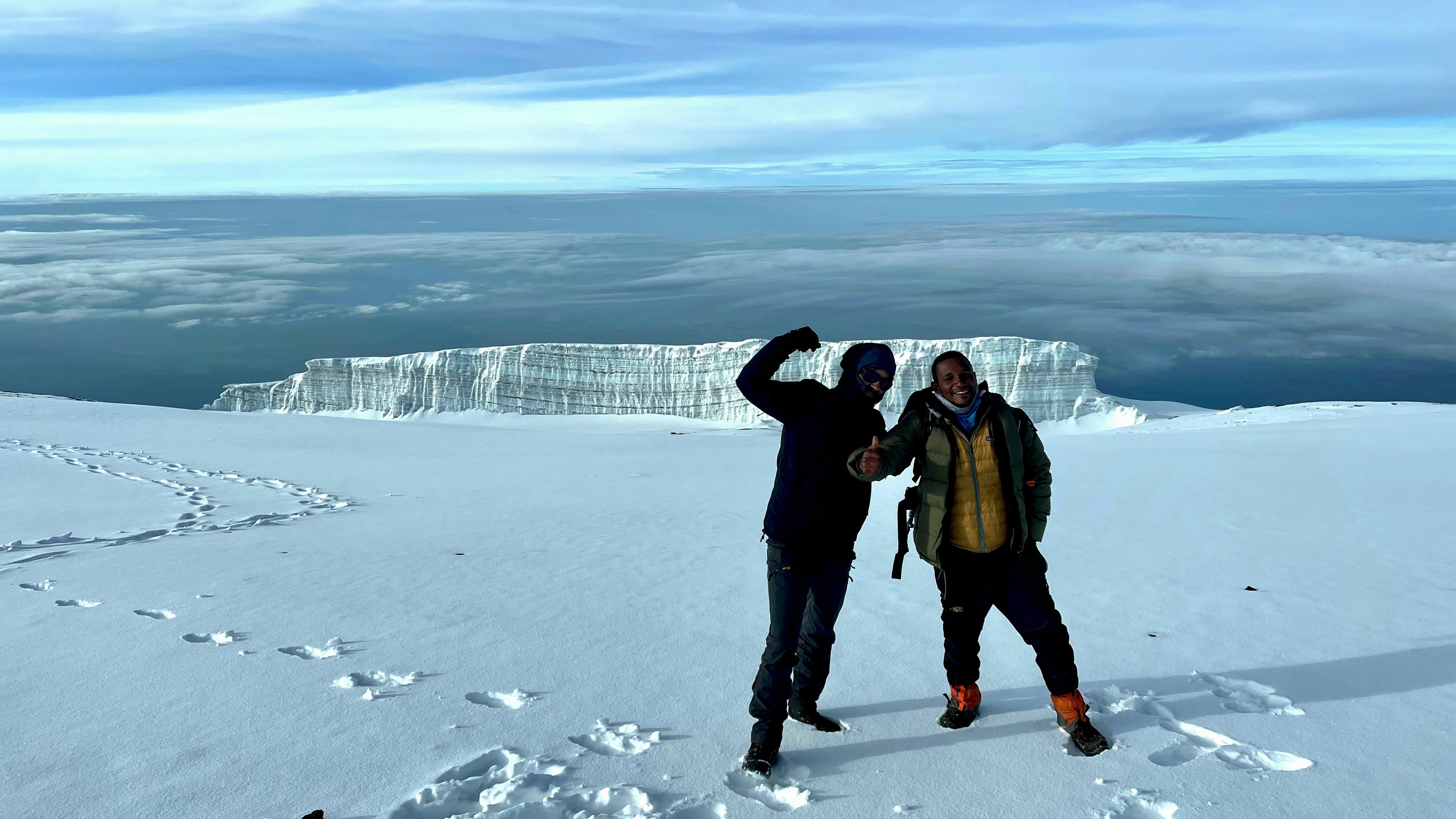
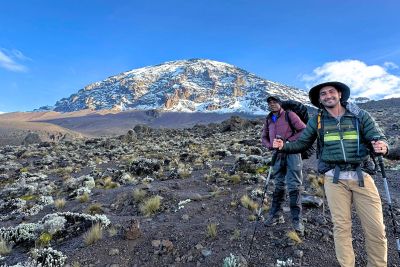
Trekkers are embracing the cold weather on Mount Kilimanjaro.
What's actually happening in your body?
At altitude, the air contains less oxygen per breath. Your body compensates by breathing faster and deeper its a process called hyperventilation. This drives down your carbon dioxide (CO₂) levels, and CO₂ is what your brain uses as its primary trigger to breathe.
When CO₂ drops too low, your brain briefly stops sending the signal to breathe. You experience a pause, an apnea lasting roughly 15–20 seconds, followed by a sudden resumption of breathing. Your heart rate spikes, and it's at this point that you wake up.
This cycle is called high-altitude periodic breathing, and it is the direct cause of the 2 am bolt upright, the pounding heart, the gasping that trekkers on Kilimanjaro, Everest Base Camp, and the Annapurna Circuit describe almost universally. It is not a sign that something is wrong with you. It is your brain reacting to a genuinely unfamiliar environment, doing exactly what it is supposed to do.
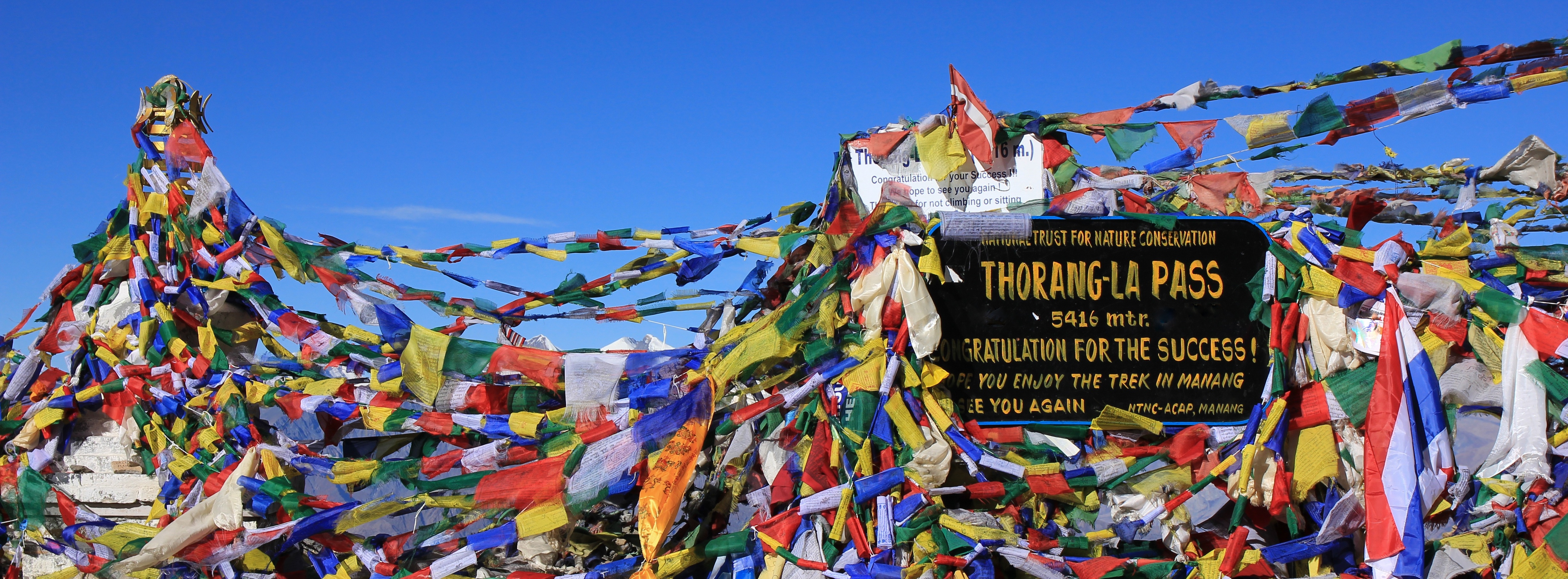
Some of the highest points on the Annapurna Circuit include the approach to Thorong La Pass, one of the trek’s most demanding and iconic crossings.
Learn more: How to prepare for high altitude: Tips for a safe and successful trip
How long does altitude insomnia last?
This is one of the most searched questions about altitude, and the honest answer is more specific than "a few days." On the Lemosho Route up Kilimanjaro, nights 3–5 (roughly 3,800–4,800m) tend to be the worst. By nights 6–7, most trekkers report noticeably better sleep as acclimatisation takes hold, provided the ascent hasn't been pushed too fast.
On the Everest Base Camp trek, many trekkers report the worst nights at Namche Bazaar (3,440m, nights 2–3) and again at Dingboche (4,410m) as the altitude jumps. The body catches up, but it needs time at each elevation band to do it.
The pattern climbing up matters as altitude insomnia is worse when you're ascending into new altitude territory. Each time you sleep significantly higher than you've slept before, expect disruption. Each time you spend a rest day at the same altitude, expect improvement.

View back down to Namche Bazaar from the start of the hike to Thame.
Learn more: What is altitude sickness? And can I prevent it?
The Diamox problem nobody mentions
Acetazolamide, sold under the brand name Diamox, is commonly prescribed to help prevent acute mountain sickness (AMS) and to stabilise breathing at altitude. Most guides recommend it on routes like Kilimanjaro and EBC, and the evidence for it is solid. Here's what you also need to know: Diamox itself disrupts sleep. It increases urination frequency significantly. You will likely be up two or three times in the night. It causes tingling in the hands and feet. It also produces vivid, sometimes strange dreams that can be genuinely disorienting at 4 am in a tent.
This does not mean you shouldn't take it. On balance, it reduces the risks that matter most: AMS, cerebral oedema, pulmonary oedema, and most trekkers who have done these routes multiple times recommend it. It's just very important to go in knowing the side effects so that waking up at 3 am needing the toilet feels expected, not alarming. Speak to your doctor first before taking these types of medications.

Consult with a doctor first before attempting to take any new medication.
Tips for sleeping at high altitude
These are not generic sleep tips designed for comfortable hotel rooms at sea level. They are practical adjustments for the conditions most trekkers actually face at altitude: cold nights, thin air, basic huts or tents, and a body working harder than usual simply to breathe and recover. Let’s take a look at what you can do to make your experience better:
- Elevate your head slightly. Sleeping with your upper body at a slight incline can reduce the severity of periodic breathing episodes. In a tent without extra pillows, use a stuff sack packed with a spare layer. It does not need to be steep. Even a slight incline can help you breathe and sleep more comfortably at altitude.
- Eat light in the evenings. Digestion competes directly with your respiratory system for resources when both are under stress. A heavy meal at altitude means your body is diverting effort to digestion overnight, which compounds the breathing disruption. Keep evening meals light.
- Do not drink alcohol at altitude. Alcohol suppresses your respiratory drive, the very mechanism your body is relying on to compensate for lower oxygen. Even a single drink at altitude worsens periodic breathing, deepens apnea events, and significantly degrades sleep quality. There is no safe amount at altitude.
- Do not take sleeping pills. This is important and consistently underemphasised. Many trekkers pack antihistamine-based sleep aids, common brands like Nytol or Benadryl, without knowing that they suppress the ventilatory drive your body needs at altitude. Sedating that drive at 4,500m is not a neutral risk. The same applies to benzodiazepines. If you are struggling with altitude insomnia, this is not the solution.
- Stay consistently hydrated throughout the day. Dehydration worsens almost every altitude symptom. Drink water steadily throughout the day rather than catching up in the evening. A large fluid intake close to bedtime will compound any urination issues, particularly if you are on Diamox.
- Understand that the bad nights are finite. This is not a small thing. Knowing that nights 3–5 are typically the worst, and that your body is actively adapting, makes the 2 am awakenings easier to tolerate. You are not getting worse but are acclimatising. Most trekkers who have completed these routes will tell you the same thing: the climb on the mountain does not get easier, but the nights do.
Sleeping better at high altitude is rarely about one solution. More often, it comes down to giving your body time to adapt and creating the best possible conditions for rest. The disrupted breathing usually settles, the sudden wake-ups become less frequent, and after several nights, many trekkers find themselves finally sleeping more normally again.
The important thing to remember is that poor sleep at altitude is common, especially above 4,000 metres. A difficult night does not automatically mean something is wrong or that you are failing to acclimatise. Understanding what is happening in your body, pacing your ascent properly, and managing your expectations can make the experience far less stressful and help you focus on why you came to the mountains in the first place.