



If you’ve been researching your Kilimanjaro adventure, you’ve probably come across mentions of Diamox. While we’re not medical professionals, we want to share what we’ve observed and learned about its use on the mountain, including benefits and potential side effects you might experience. However, we strongly advise consulting your doctor before taking any medication for altitude sickness.
Climbing Mount Kilimanjaro means gaining more than 5,895 metres (19,341 feet) in just a few days, a pace that gives your body very little time to adjust. That rapid ascent places real stress on the body and increases the risk of altitude sickness, which is why many climbers research preventative options like Diamox in the first place. Understanding how it works, when it’s typically taken, and what dosage climbers discuss with their doctors can make a huge difference to your trekking experience.
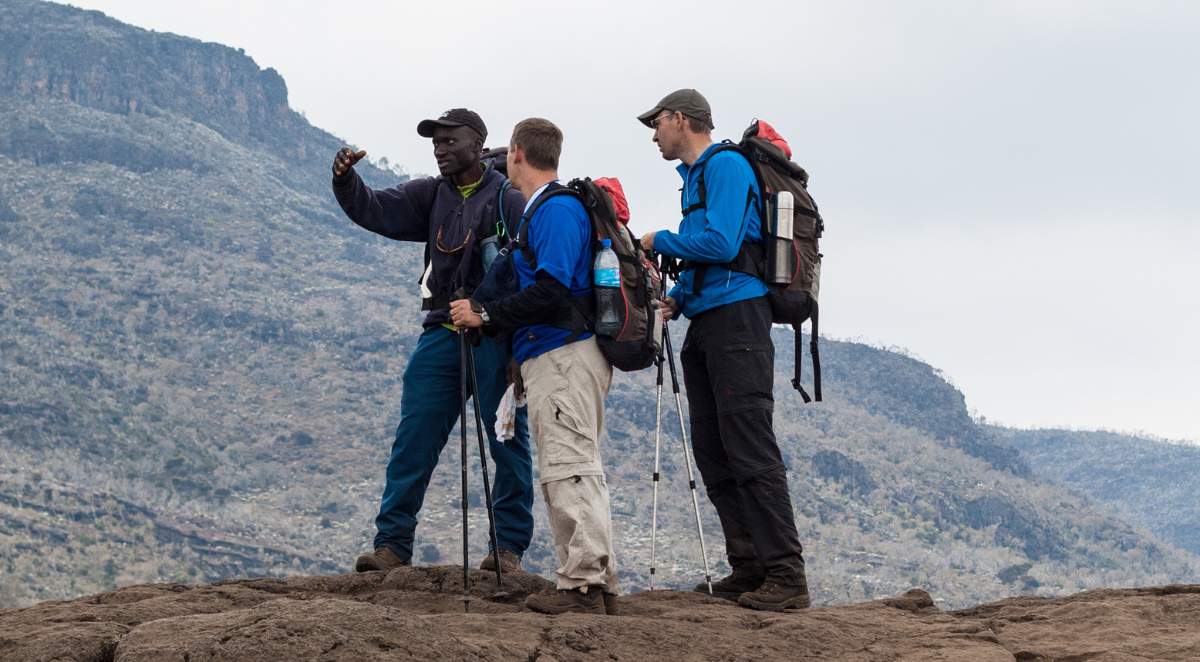
Follow Alice's guide with trekkers on Mount Kilimanjaro.
Learn more: Kilimanjaro altitude sickness – a comprehensive guide
What is Diamox?
Diamox, also known as acetazolamide, is a prescription medication designed to prevent and treat altitude sickness. It is most useful for climbers attempting rapid ascents or those with a history of Acute Mountain Sickness (AMS). Please remember that Diamox isn’t a substitute for proper acclimatisation, but it can support your body as it adjusts to higher altitude and thinner air. This medication helps ease some of the common symptoms of altitude sickness, which are:
- Headaches
- Nausea or vomiting
- Loss of appetite
- Dizziness and fatigue
- Difficulty sleeping
Severe AMS can escalate into life-threatening conditions such as High Altitude Pulmonary Edema (HAPE) or High Altitude Cerebral Edema (HACE). These conditions require immediate descent and medical attention. HAPE can present as breathlessness, persistent cough, or frothy sputum, while HACE includes confusion, irrational behaviour, or lethargy. Diamox is not a cure for these emergencies; descending is the only effective treatment.
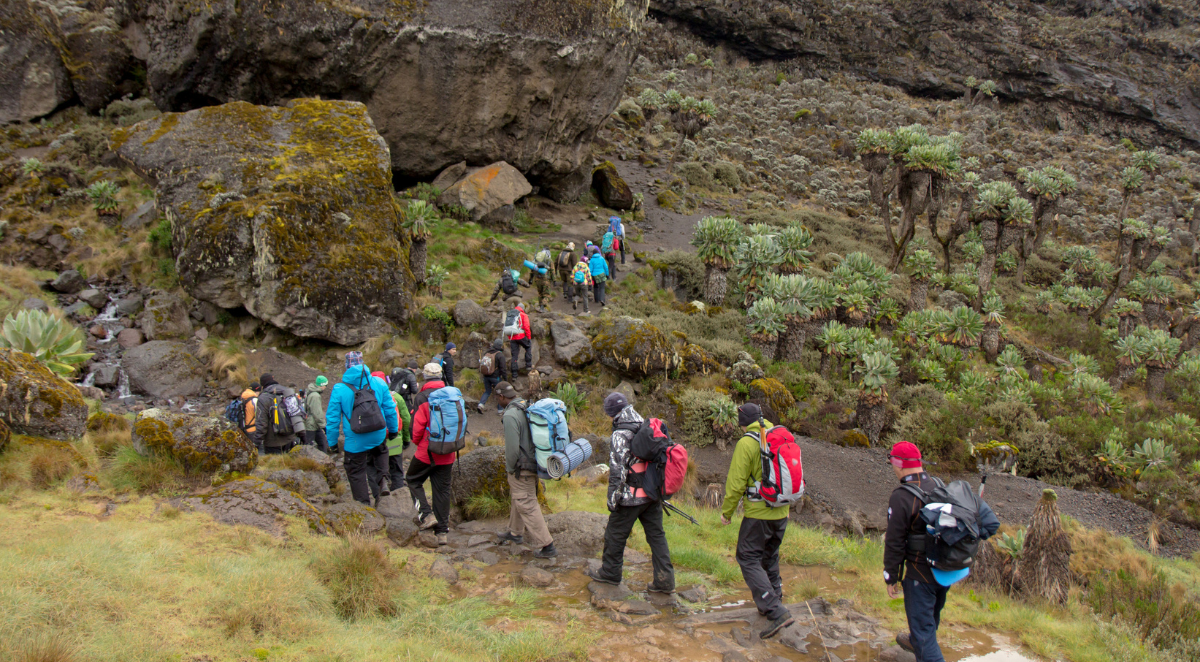
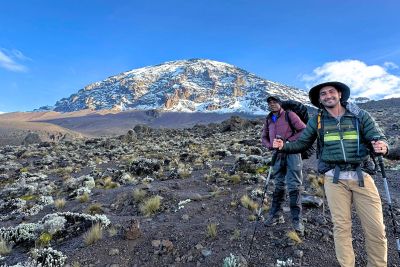
Trekkers making their way up Mount Kilimanjaro.
{{leadmagnet-one}}
How does Diamox work for altitude sickness?
Now that you know what Diamox does its important to understand how it works for altitude sickness, which can help climbers make smarter, more informed choices on the mountain. Rather than replacing careful pacing or acclimatisation, it supports the body as it adjusts to higher altitudes in several ways:
- Firstly, it helps with encouraging deeper breathing. Diamox prompts your body to breathe a little faster and more fully, helping you take in more oxygen as the air thins.
- It also supports fluid balance, gently reducing retention and lowering the risk of complications such as fluid buildup in the lungs or brain, which can occur in severe altitude sickness.
- At the same time, these effects support natural acclimatisation, helping your body adjust more smoothly to lower oxygen levels and making mild symptoms of altitude sickness less likely to disrupt your climb.
Even with these benefits, Diamox is just one part of the picture. Gradual acclimatisation, smart pacing, hydration, and listening to your body remain the most important tools for reaching the summit safely.
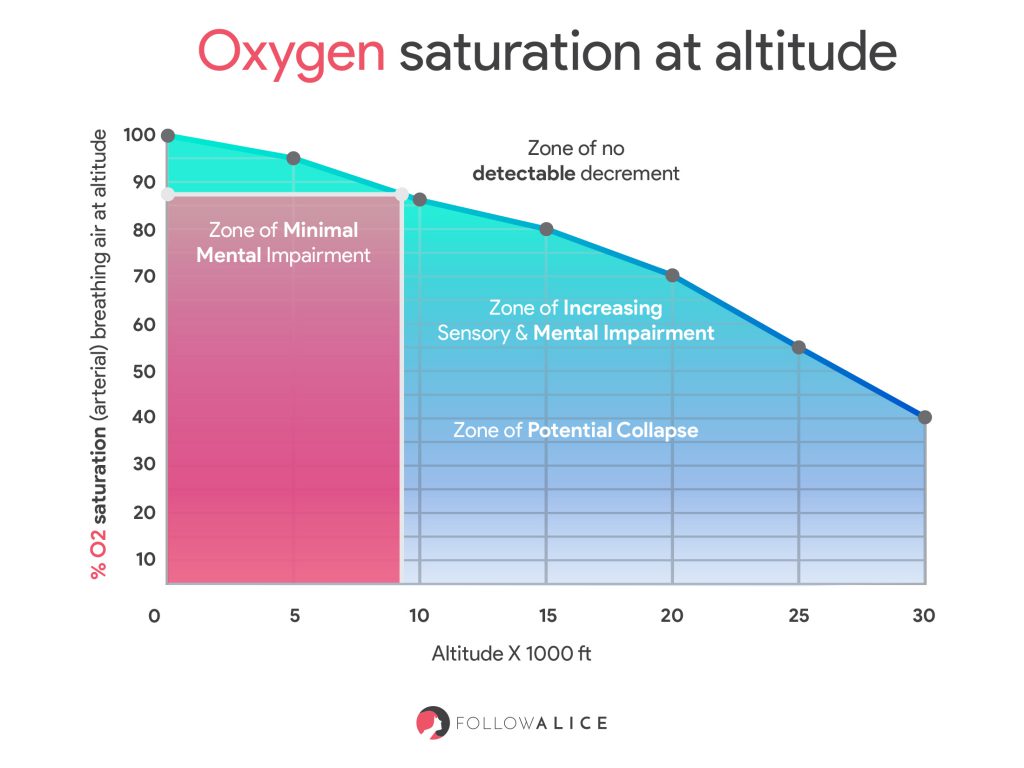
Graph indicating oxygen saturation at altitude.
Diamox dose for altitude sickness
For climbers who choose to use Diamox (acetazolamide), understanding common dosing patterns can help guide discussions with your doctor. If taken preventively or at the first signs of mild symptoms, it can help the body adjust more smoothly, keeping breathing steadier and energy levels manageable as you gain height. According to the Centres for Disease Control and Prevention (CDC), climbers often follow dosing patterns that aim to be effective while minimising side effects.
Here’s a look at the typical doses recommended for different situations:
- 125 mg twice daily: Often recommended for first-time climbers or those sensitive to side effects. Typically started the day before ascent and continued for the first two days at higher altitudes.
- 250 mg twice daily: Sometimes used for climbers with a history of severe AMS or those ascending more quickly.
Diamox is taken orally as a tablet, but the exact dose should always be tailored to individual needs. Your doctor will consider factors such as medical history, rate of ascent, and any conditions like kidney or liver issues, sulfa allergies, diabetes, or glaucoma. For children, doses are usually calculated by weight, typically 2.5–5 mg/kg/day in divided doses, up to 125 mg twice daily. It’s important to remember that Diamox is just one piece of the puzzle.
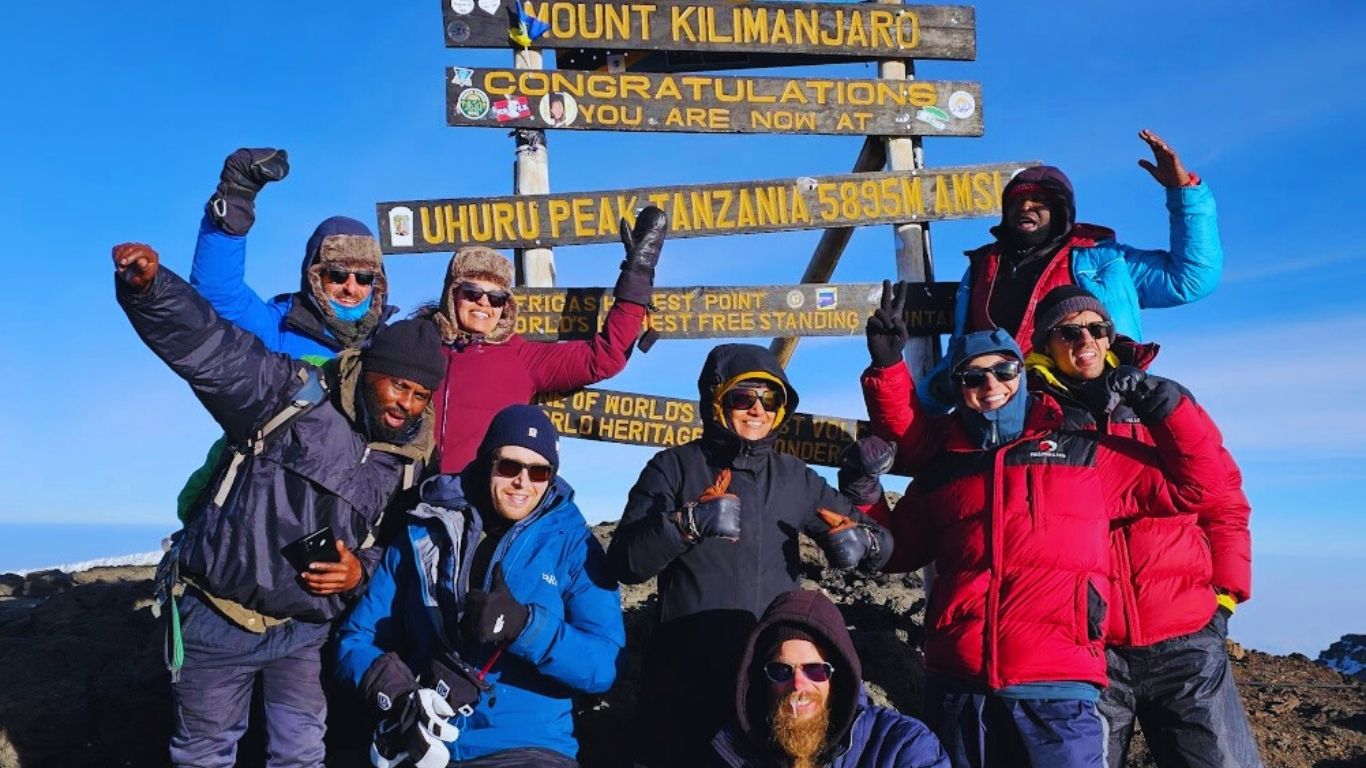
A group poses at Kilimanjaro’s summit sign.
Learn more: Is climbing Mount Kilimanjaro dangerous?
When to take Diamox for altitude sickness
As mentioned throughout this article, on Kilimanjaro, every step takes you higher into thinner air, and how your body adapts can make or break the experience. For many climbers, the question isn’t just how much Diamox to take, but when getting the timing right can help your body adjust and make those first challenging nights above 3,000 metres far more manageable. Let's have a look:
- Prevention: Starting Diamox 24–48 hours before you begin ascending gives your body a head start on acclimatisation and can help reduce the severity of early AMS symptoms.
- During ascent: Continue taking it for the first two to three days at higher elevations. On most Kilimanjaro routes, this covers the critical first nights above 3,000 metres (9,800 ft), when your body is most sensitive to altitude changes.
- Treatment: If mild AMS symptoms appear during the climb, Diamox can help ease discomfort. But if symptoms worsen, descent remains the safest option. Please alert your guide about how you are feeling. Medication should never replace listening to your body.
Routes that allow gradual acclimatisation, like the Northern Circuit or Lemosho, remain the safest routes. This is because the longer days help the body adapt.
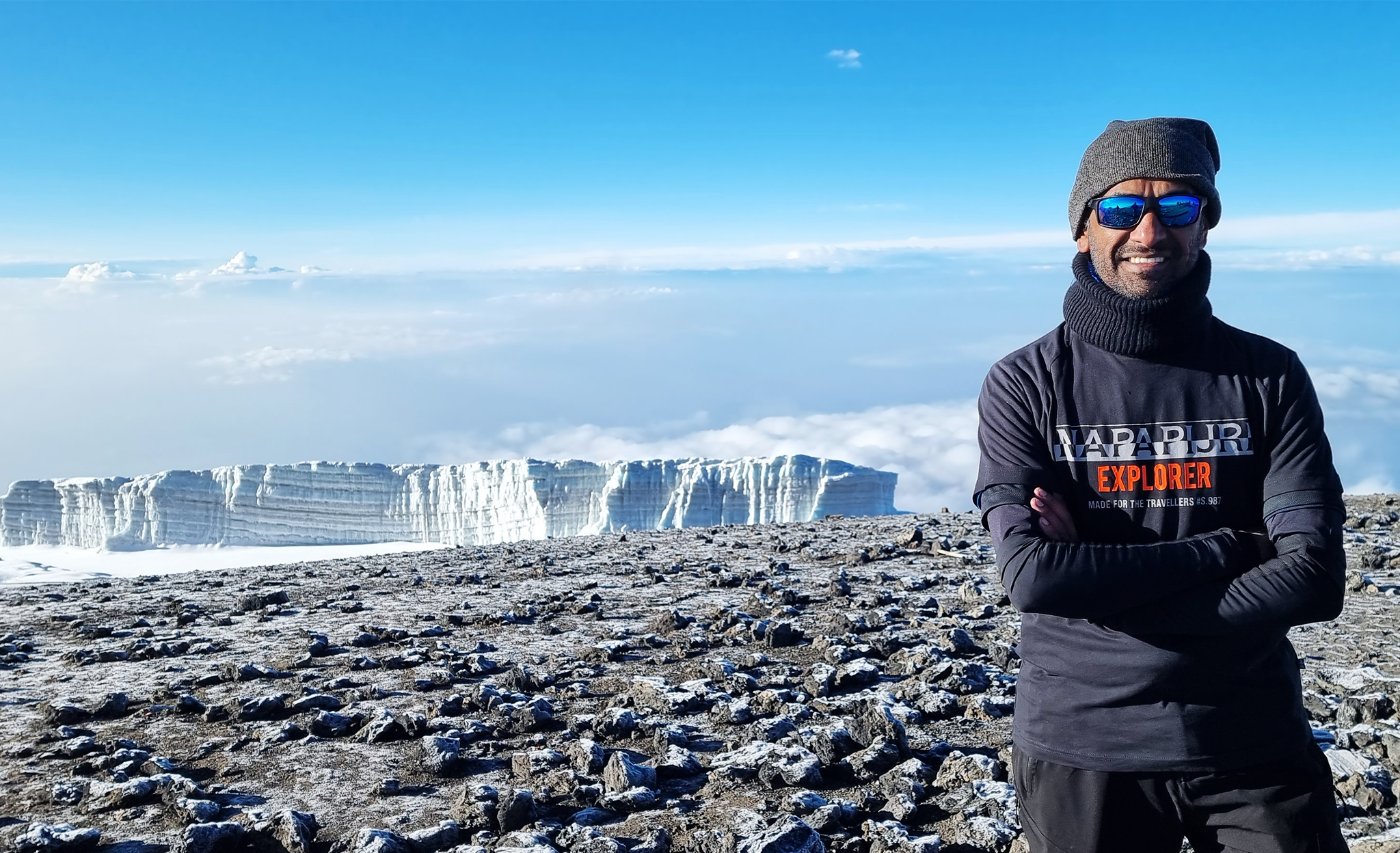
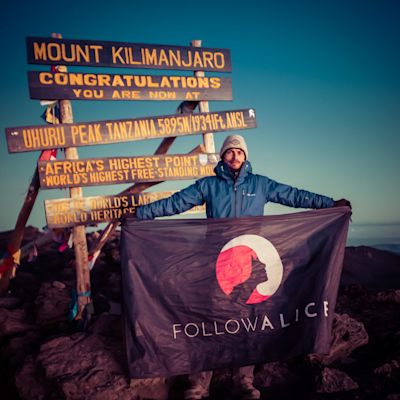
Trekker poses on the Lemosho Route.
{{leadmagnet-two}}
How to use Diamox safely on Kilimanjaro
To get the most benefit from Diamox, climbers should follow some practical tips:
- Consult your doctor first: Share your complete medical history, including allergies, chronic conditions, and current medications.
- Start early: Begin the medication before you start ascending to high altitudes.
- Stay hydrated: Diamox increases urination, so extra fluids are necessary to prevent dehydration.
- Monitor symptoms: Keep track of AMS symptoms and be willing to descend if they worsen.
- Store carefully: Keep tablets in a closed container at room temperature, away from heat, moisture, and light. Dispose of unused medicine safely.
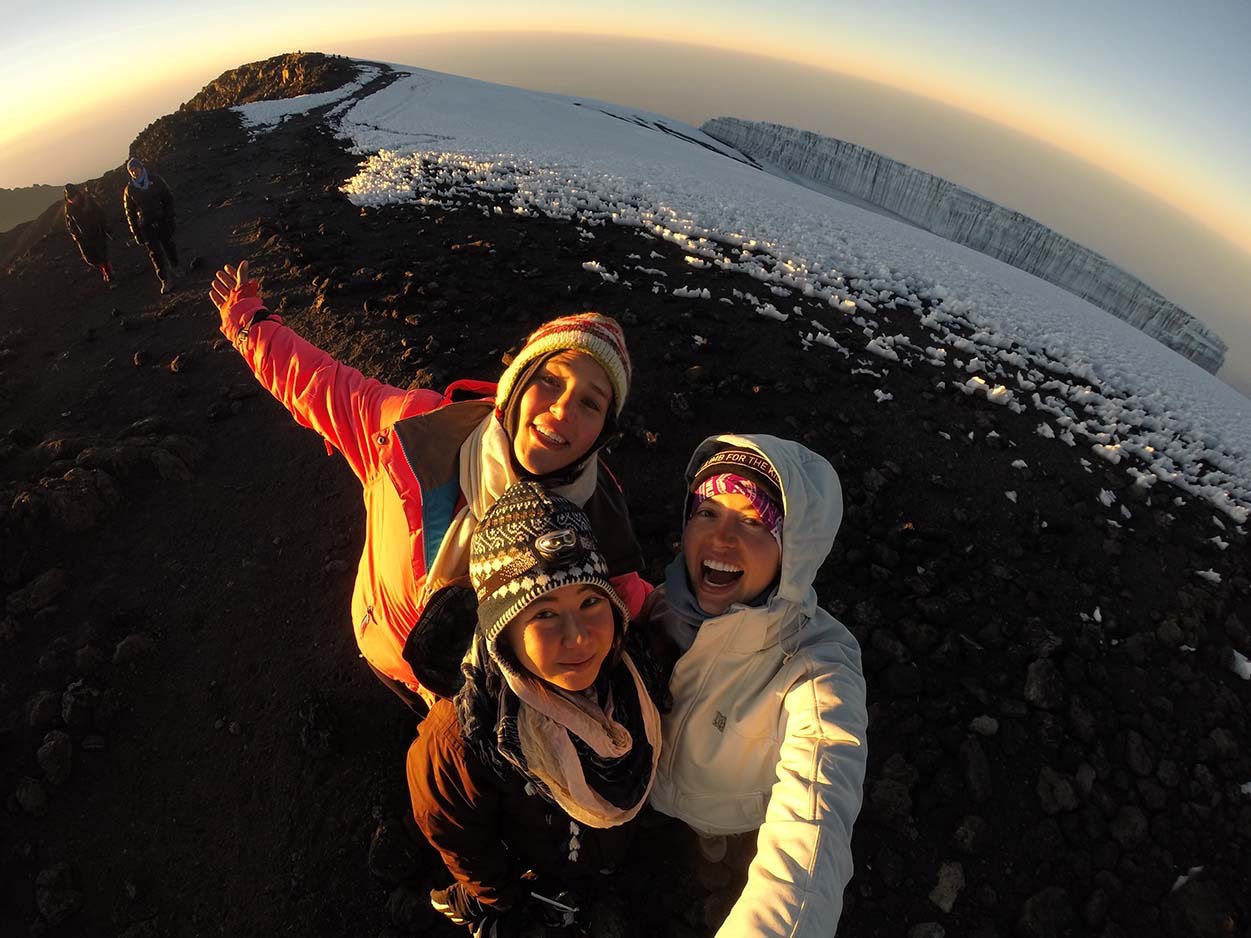
A group of friends make it to the top of the summit.
Learn more: Our Kilimanjaro porters receive first aid training
Pros of using Diamox on Kilimanjaro
With timing and dosage in mind, many climbers wonder whether Diamox is worth including in their Kilimanjaro plan. For those who use it thoughtfully, the medication can make the climb more manageable. Many climbers have found Diamox helpful during their Kilimanjaro treks.
The benefits include:
- Reduced AMS symptoms: Headaches, nausea, and fatigue are often milder, allowing climbers to enjoy the trek more fully.
- Faster acclimatisation: Supports the body’s natural adaptation to reduced oxygen levels.
- Better summit chances: Especially on shorter or faster routes, Diamox can help first-time climbers maintain energy for critical sections of the climb.
- Peace of mind: Some climbers feel more confident knowing they have a preventive measure against AMS.
These advantages, combined with proper planning and route choice, can make a significant difference in comfort and safety.
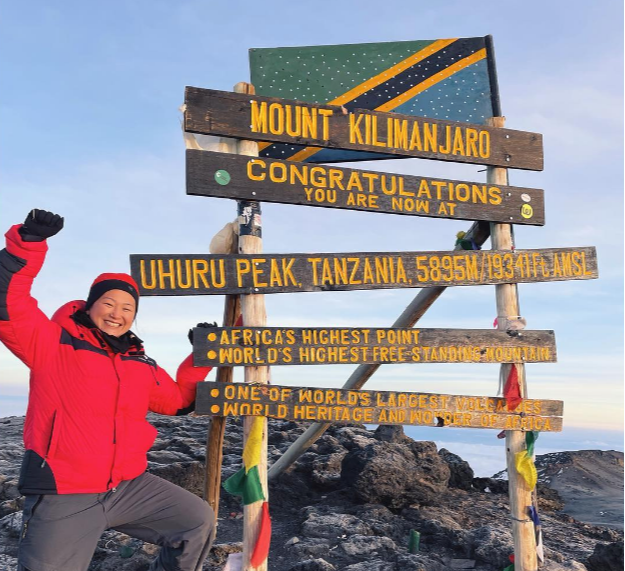
Climber celebrates at Kilimanjaro’s summit.
Learn more:Why Follow Alice Has High Kilimanjaro Success Rates and How We Compare to Other Operators
Cons of Using Diamox on Kilimanjaro
Diamox isn’t without its trade-offs. Like any medication, its effects depend on how your body responds. Here’s what climbers should be aware of:
- Frequent urination: Can lead to dehydration if water intake isn’t sufficient.
- Tingling sensations: Hands, feet, or face may feel numb or tingly.
- Altered taste: Carbonated drinks may taste unusual.
- Mild nausea or dizziness: Usually temporary but may be uncomfortable.
- Allergic reactions: Diamox contains sulfonamides, so those with sulfa allergies should avoid it.
- Digestive discomfort: Some climbers notice nausea or stomach irritation while taking Diamox.
Certain medical conditions, such as kidney or liver issues, lung conditions, or specific medications, may mean Diamox isn’t suitable for everyone. It’s always best to discuss your full medical history with your doctor before use.
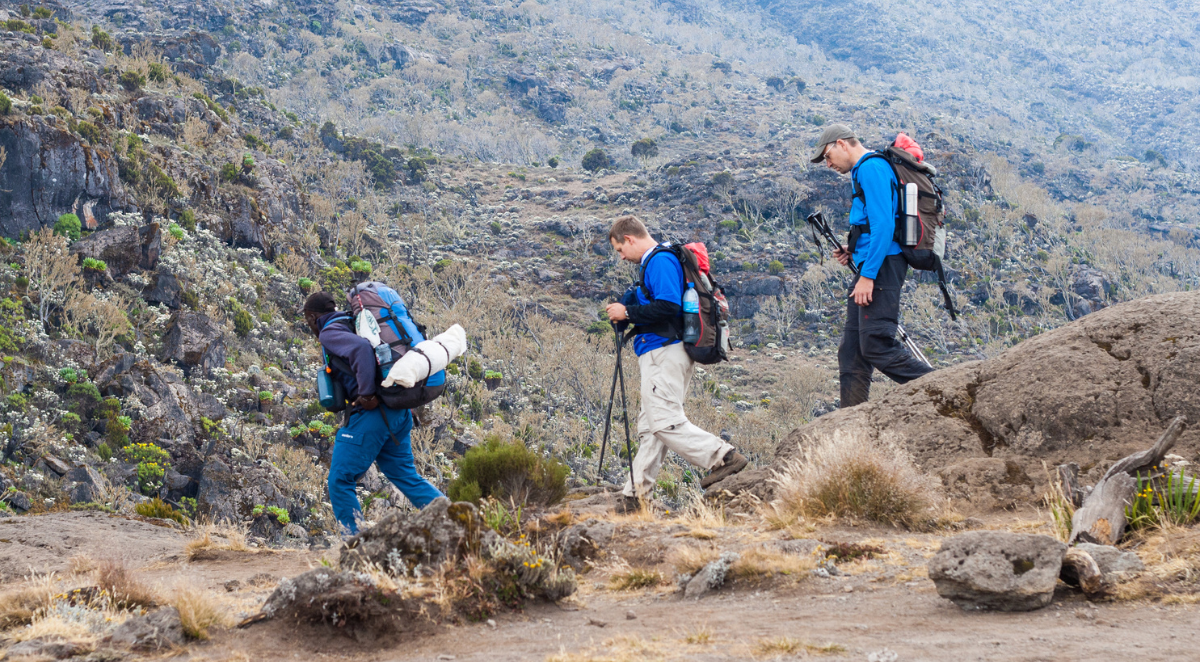
Guide leading the way up Mount Kilimanjaro.
{{leadmagnet-three}}
Other strategies to avoid AMS on Kilimanjaro
While Diamox can be a helpful tool, it works best as part of a broader strategy for staying safe and comfortable at high altitude. Climbers can support their bodies in other ways as well:
- Gradual ascent: Choosing routes that allow more days for acclimatisation gives your body time to adjust to thinner air and reduces the risk of altitude sickness.
- High-carbohydrate diet: Eating foods rich in carbohydrates helps meet your energy needs as your body works harder at higher elevations.
- Reduced exertion: Limiting strenuous activity in the early stages of your climb helps prevent overexertion while your body adapts.
- Hydration: Drinking plenty of water is crucial, especially when taking Diamox, which can increase fluid loss.
In addition to these practical measures, there are three main rules every Kilimanjaro climber should follow:
- Recognise early symptoms: Learn to identify the signs of altitude sickness, such as headaches, nausea, or dizziness, and take them seriously.
- Avoid sleeping higher if unwell: If symptoms appear, stay at your current altitude until you feel better. Pushing higher too soon can worsen your condition.
- Descend if symptoms worsen: Severe altitude sickness, including HAPE (high-altitude pulmonary edema) or HACE (high-altitude cerebral edema), requires immediate descent. Safety should always take priority over reaching the summit.
By doing this, you can reduce the risk of AMS and make your Kilimanjaro climb more enjoyable.
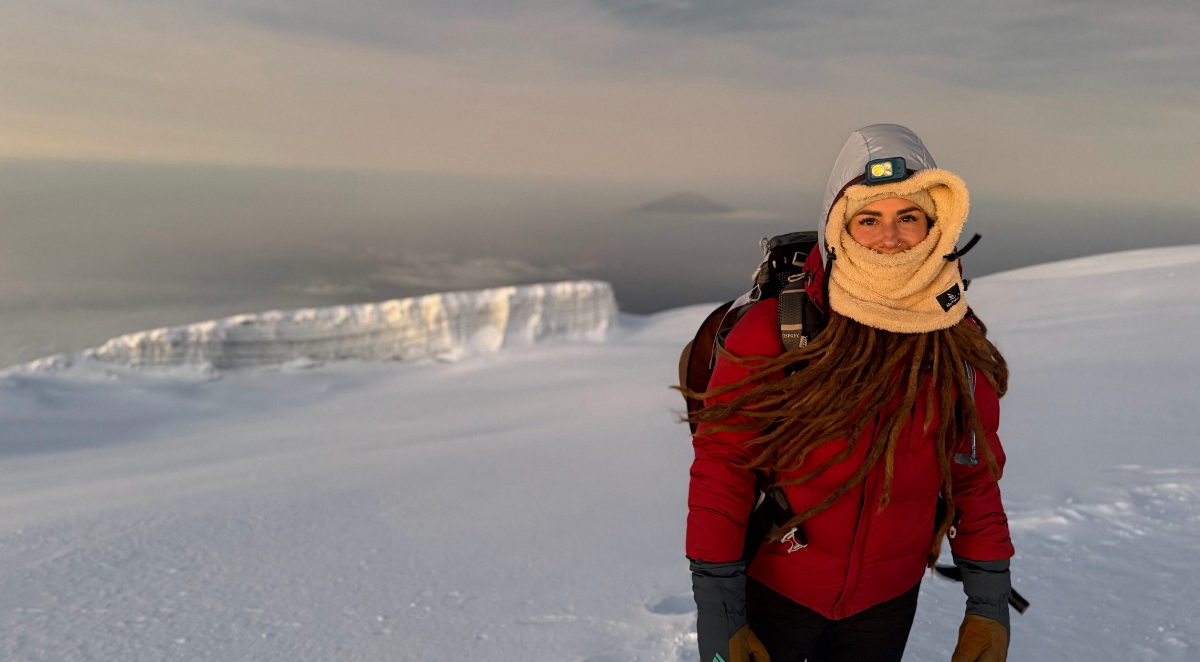
Mount Kilimanjaro is known to have five ecological zones that you will pass through.
Learn more: The ultimate Kilimanjaro packing list (+ free PDF)
Diamox on Kilimanjaro
Diamox can be a useful tool for Kilimanjaro climbers, especially those on faster routes, first-time high-altitude trekkers, or anyone who has experienced mild AMS before. It may help ease early symptoms and support your body as it adjusts to thinner air, making the climb more comfortable. But medication is just one part of the journey.
Careful planning, a gradual ascent, proper hydration, and listening to your body remain the most important factors for a safe and enjoyable summit. Always check with your healthcare provider before taking Diamox, discuss the right dosage and timing, and share your full medical history. With thoughtful preparation and attention to your body’s signals, you can give yourself the best chance to reach the top of Kilimanjaro safely and fully enjoy the experience. If you have any questions, feel free to contact our team, and we will be happy to answer any questions you might have.