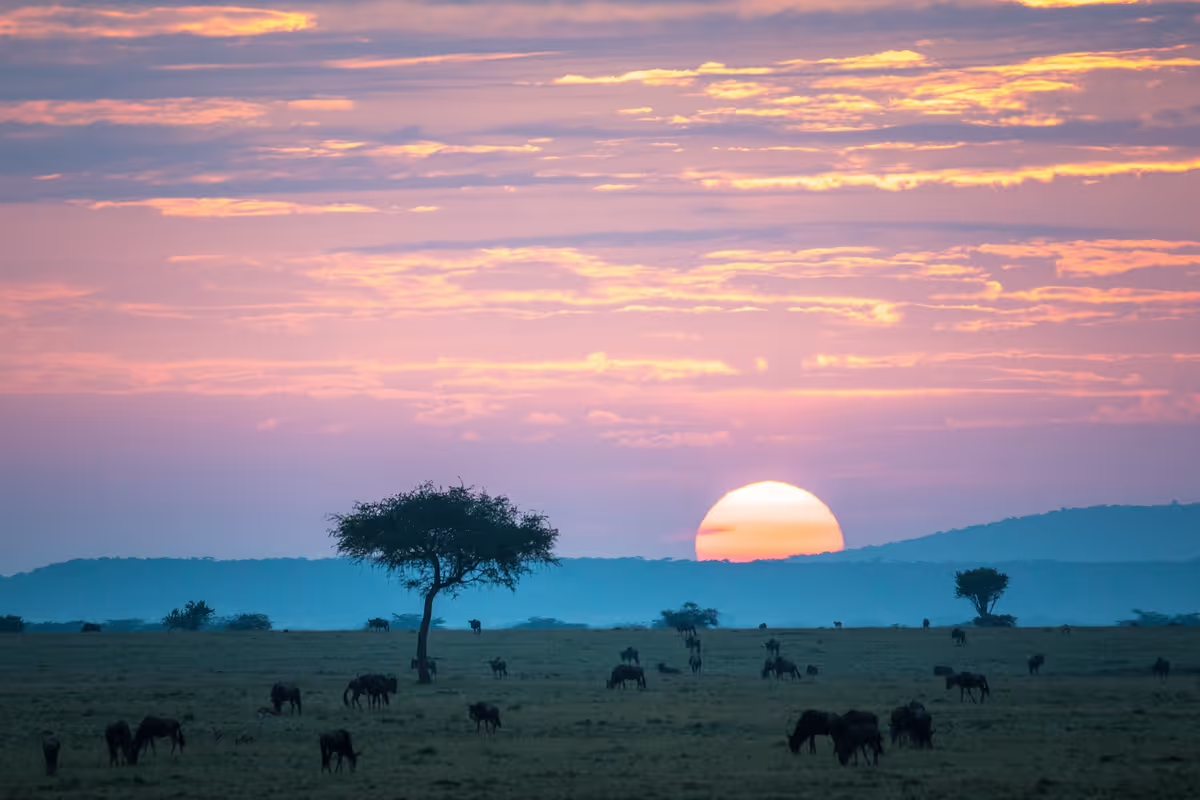




Akagera National Park, in north-eastern Rwanda along the border with Tanzania, is often overlooked, but it’s one of the country’s most magical places. Surrounded by swamps, lakes, and the winding Kagera River, which cuts through open plains, dotted with forests and tall Euphorbia plants, creating beautiful scenery as you pass through. With fewer tourists, each wildlife encounter feels special, from a lion moving across the plains to a hippo resting in the water.
Since the Rwandan civil war that devastated the region, seeing the restoration of Akagera’s habitat over the past few decades is nothing short of amazing. Poaching has been eliminated from the area, and species such as lions and black and white rhinos have been reintroduced, allowing wildlife numbers to grow dramatically. Today, the park is Africa’s largest protected wetland and the last remaining home in Rwanda for many savanna species.
Rolling hills and open plains around the park give visitors a real sense of Rwanda’s landscapes. Boat rides on Lake Ihema or game drives across the plains reveal birds and large mammals, each sighting a reminder of the park’s conservation success. Follow Alice can guarantee you that Akagera might be a bit smaller than the Serengeti, but it is full of surprises, and anyone who takes the time to look closely will leave with more than memories; they’ll leave with a real sense of a landscape coming back to life. In this article, we’ll explore what the Akagera National Park has to offer, the incredible wildlife brought back through conservation, and the best ways to experience it all, from game drives to boat safaris.
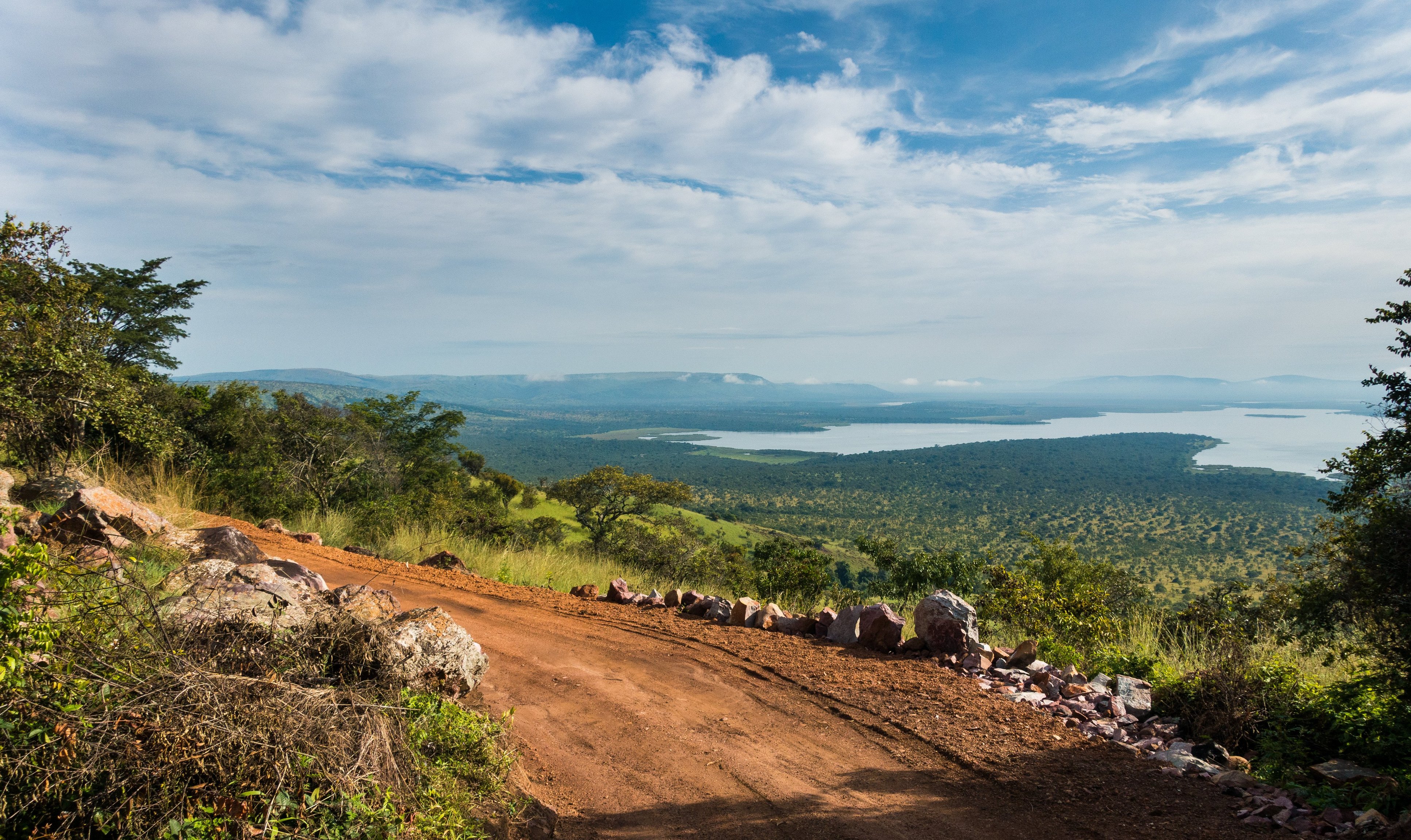
Landscape with road in the Akagera National Park.
Learn more: Rwanda tour packages: Explore wildlife, culture & scenic landscapes
Is Akagera National Park worth visiting?
When asked this question at Follow Alice, the answer will always be yes. Akagera National Park has come a long way, and visiting it today will be nothing short of a revelation. Established in 1934, it’s one of Central Africa’s largest protected wetlands and Rwanda’s last refuge for savanna-adapted wildlife. Over the past two decades, the park has been transformed. In 2010, the Rwandan government partnered with African Parks and the Rwanda Development Board to strengthen conservation and use tourism to benefit local communities. Since then, wildlife has returned in incredible numbers, and the park has become a model for how conservation and community development can go hand in hand.
Lions were reintroduced in 2015 to restore the ecosystem after a 20-year absence due to poaching. Eastern black rhinos in 2017 and 2019, and southern white rhinos in 2021. This was to restore lost biodiversity, boost eco-tourism, and create a secure, new breeding stronghold for species facing high poaching risks elsewhere. Just in June 2025, 70 more southern white rhinos were added through the Rhino Rewild Initiative. Alongside these iconic species, ongoing research has uncovered new reptiles and amphibians, 179 butterfly species have been recorded and nearly 500 bird species, making the park a hotspot for wildlife lovers and birdwatchers alike.
But Akagera isn’t just about animals, it’s about people too. The park works closely with local communities, supporting over 2,000 schoolchildren and 3,000 community members who visit Akagera National Park each year, as part of the environmental education programme. Tourism now generates 97 per cent of the park’s revenue, with almost half of the visitors coming from Rwanda itself. These funds go straight back into the park and local economy, creating jobs, supporting schools, healthcare, and cooperatives, and funding Rwanda’s revenue-sharing scheme.
So, is Akagera National Park worth visiting? Absolutely. It offers a chance to experience a park with stunning landscapes and wildlife that has returned thanks to incredible conservation efforts. With fewer crowds than other African safari destinations like the Serengeti, every sighting feels more intimate. Beyond the wildlife, visiting Akagera means witnessing a conservation success story in action, while supporting local communities and the continued revival of Rwanda’s biodiversity.
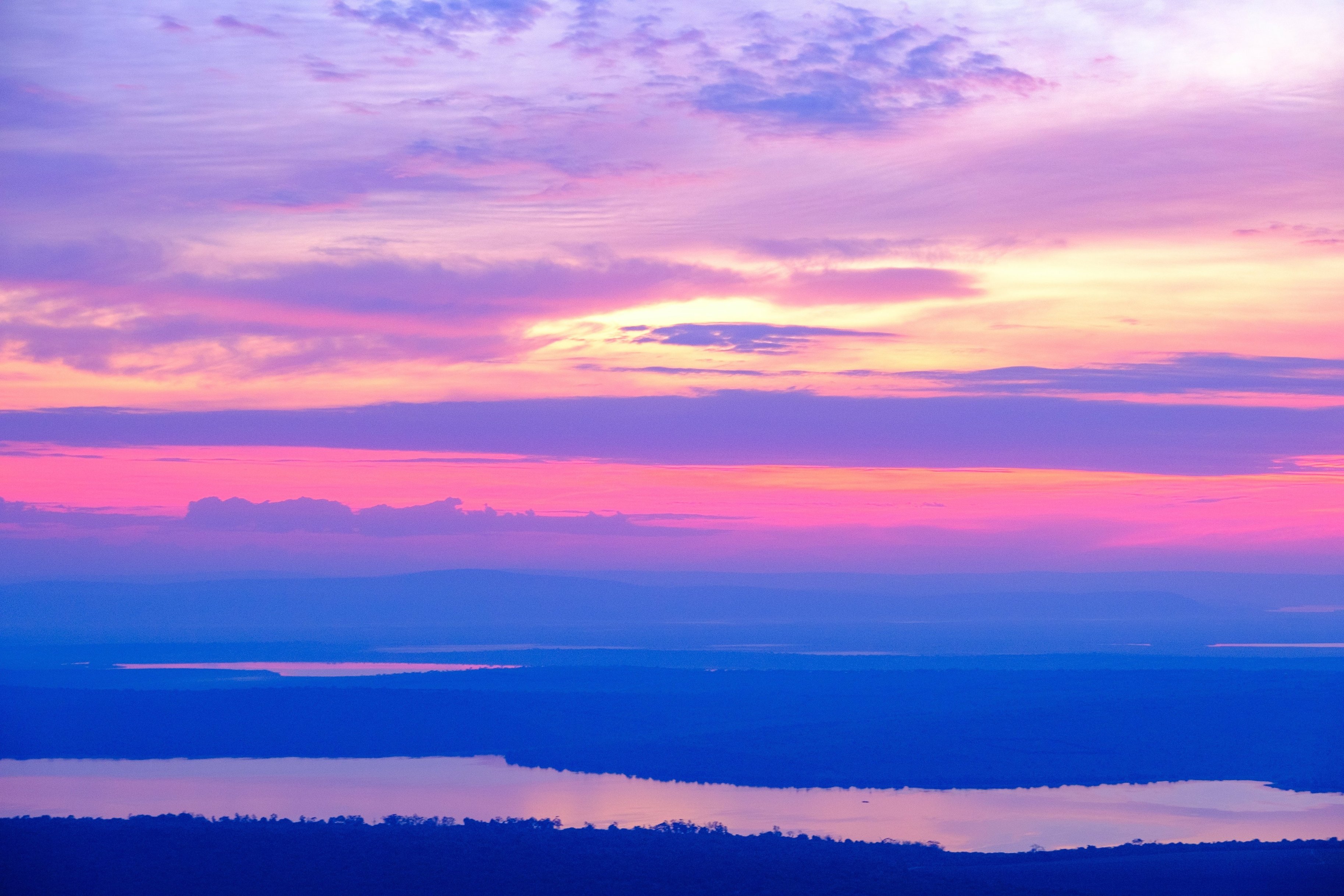
Sunrise over Lake Ihema in Akagera National Park.
Learn more: Is gorilla trekking hard?
What animals can you see at the Akagera National Park?
Akagera National Park is home to an impressive roster of African wildlife, including all of the Big Five. Each species has its own story here, and the park’s restoration efforts mean visitors can witness animals returning to landscapes that were once nearly devastated by the Rwandan civil war.
Let’s have a look at what you can see there:
- Lions
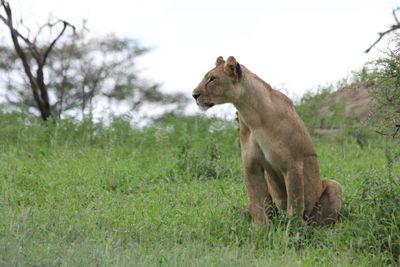
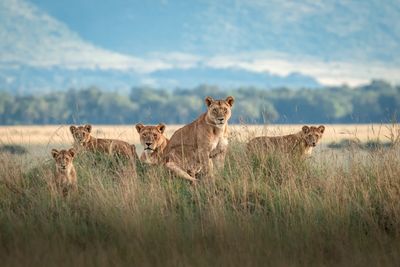
Lions have made a triumphant return to Akagera National Park. Seven lions were brought from South Africa in 2015, and the pride has grown steadily since. While sightings aren’t guaranteed, patient visitors on morning or late afternoon game drives have a good chance of spotting these majestic predators, especially in the northern savanna areas. Seeing a lion in its restored home is a great reminder of the park’s conservation success.
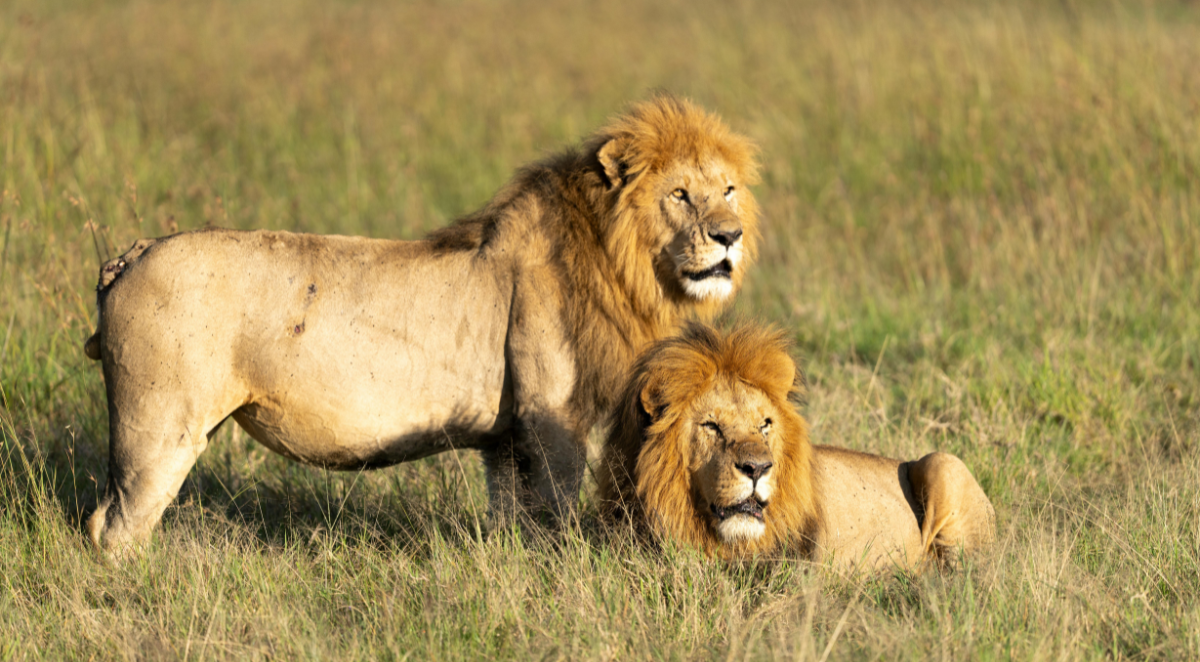
Lions resting in their natural habitat.
- Rhinos
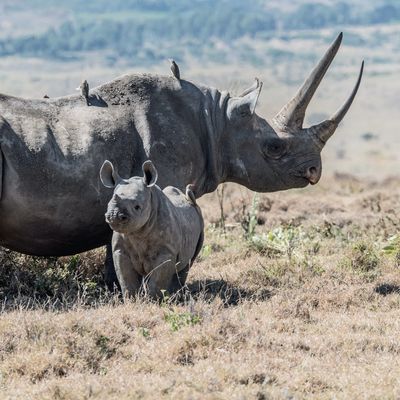
Rhinos are one of Akagera’s most celebrated conservation achievements. Eastern black rhinos were reintroduced into the ecosystem, together with the southern white rhinos. These critically endangered animals are now breeding successfully in the park. Your guide will know their territories and can help maximise your chances of seeing these rare giants.
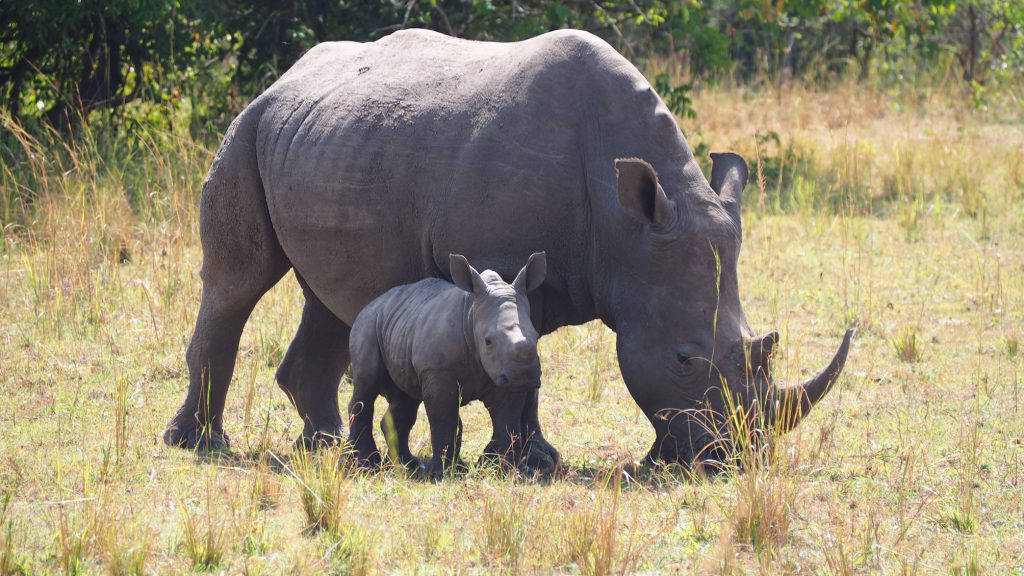
Black rhinos grazing in the open plains.
- Elephants
Akagera’s elephants roam the plains in herds of 20–50, often gathering near water sources such as Lake Rwanyakizinga and the Mutumba Hills. Once under severe pressure, the population has grown steadily to over 100 individuals. Watching these gentle giants move across the savanna or gather at the lakes is one of the park’s most unforgettable sights.

Elephants crossing a river.
- Buffalo
Buffalo are abundant across Akagera, often grazing in herds of hundreds on the open plains. They’re among the easiest of the Big Five to spot during game drives and add a dramatic presence to the savanna landscape.
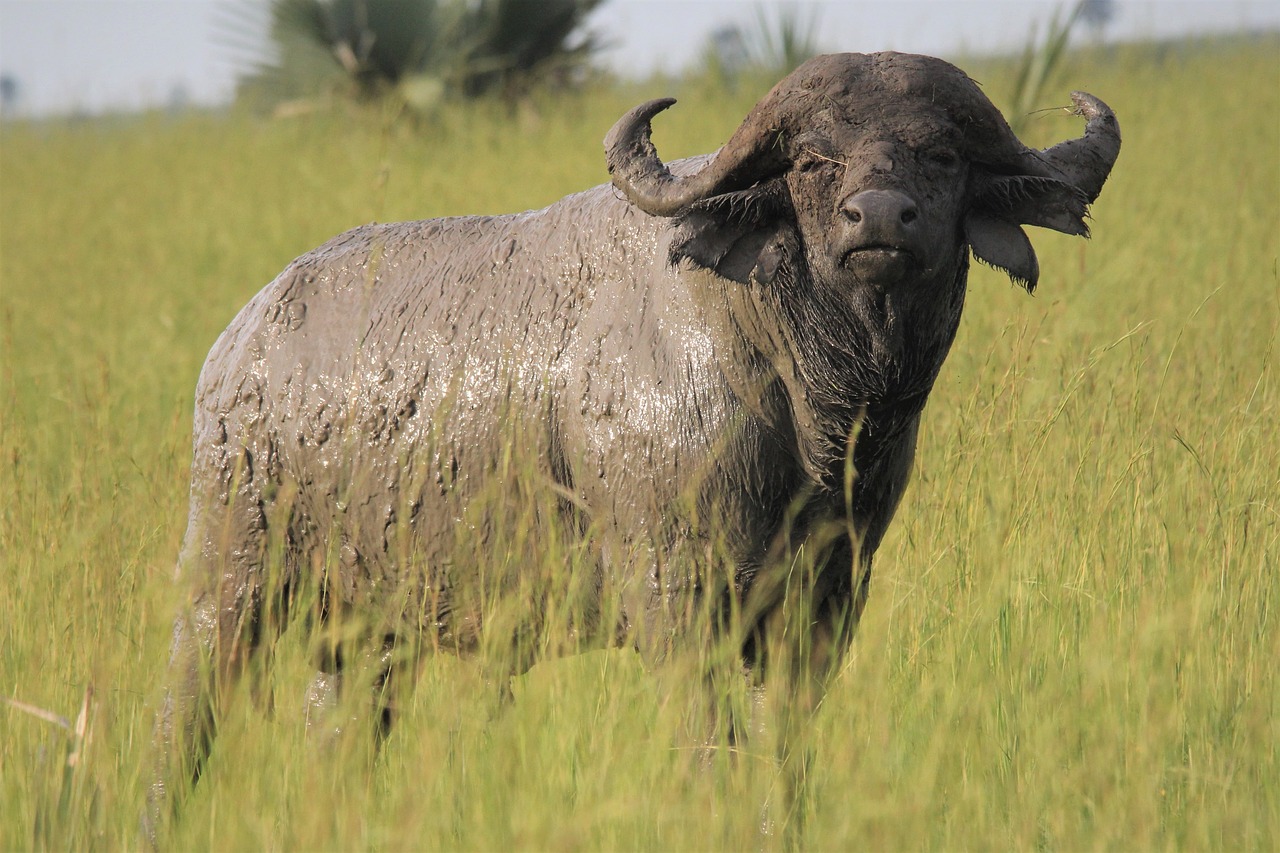
An adult African buffalo is completely covered in mud, standing in tall grass and looking at the camera.
- Leopards
Leopards are elusive but present, with an estimated 15–20 individuals roaming the park. They’re most often tracked around the Magashi Camp area, and early morning or late afternoon drives offer the best chance of catching a glimpse of these stealthy hunters.

A leopard lying in a thorny tree.
Beyond the Big Five, Akagera hosts zebras, giraffes, topi, impala, waterbuck, and the elusive sitatunga antelope in wetland areas. Hippos are abundant in the lakes, while Nile crocodiles bask along the shores. The park also shelters olive baboons, vervet monkeys, and, if you’re lucky, spotted hyenas on night drives.
With around 500 recorded bird species, Akagera is a paradise for birdwatchers. Lakes attract shoebills, papyrus gonoleks, African fish eagles, and countless waterfowl, while the savanna is home to secretary birds, grey crowned cranes, and a variety of raptors. To explore the different habitats fully, dedicated birdwatchers should plan at least three days in the park.
Covering 433 square miles, Akagera is an adventurer’s Garden of Eden, where grasslands, wetlands, woodlands, and lakes are alive with wildlife. From elephants and rhinos to lions, zebras, and nearly 500 bird species, every corner offers a chance for discovery.

Wildlife, zebras and elands, in Akagera National Park in Rwanda.
Learn more: Is Rwanda safe? Uncovering the truth behind travel myths
How do game drives work at the Akagera National Park?
Game drives are the heart of any safari at Akagera National Park; they’re the best way to explore the park and experience its wildlife up close. Akagera offers options for both guided safaris and self-drives, so you can choose the style that suits you, though we at Follow Alice say having a guide is the better choice to make the most of your visit. We do offer flexible options for experiencing Akagera. Feel free to contact us if you have any other questions, and we will be happy to help.
Let's have a look at the options you have for game drives:
Guided game drives
For a hassle-free and rewarding experience, you can join a guided safari with a professional driver and guide. These are usually half-day or full-day trips, with early morning (around 5:00 am) or late afternoon starts when wildlife is most active. Guides know the park’s best routes, animal hotspots, and can share fascinating insights about Akagera’s wildlife and conservation story. Most guided drives operate from the southern part of the park, and pickup and drop-off can be arranged from your lodge or the park reception. Evening game drives run from about 5:30 pm to 8:30 pm, offering a chance to spot nocturnal wildlife like leopards and hyenas using powerful spotlights and professional guidance. These drives also offer a sense of safety as these guides are trained to handle any situation they are faced with, like an elephant charging the vehicle.
Self-drive safaris
Akagera also allows self-drive safaris, giving you the freedom to explore at your own pace between 6 am and 6 pm. However, there are a few important points to keep in mind, like the park’s roads are mostly dirt tracks, so a 4×4 vehicle is what you will need, and you should start early to increase your chances of seeing wildlife. Even on a self-drive, you can hire a park guide to join your vehicle, helping you locate animals, navigate safely, and add insight about the park’s ecosystems, which adds an extra cost. Guides can be arranged at the park reception before you set out. Also, you have to arrange your own transport to get to the park.
Park entry and vehicle fees
Entry to Akagera requires a visitor fee plus a vehicle fee, which varies by nationality and registration. Please check the official website to have a look at the latest costs, as they vary and go up year by year. East African or Rwandan-registered cars pay a lower rate, while foreign-registered vehicles are charged higher fees. These fees cover your self-drive permit for the day, or are included if you join a guided safari.
Remember that wildlife is most active in the early morning or late afternoon, which also provides the best light for photography. Evening drives with guides give a chance to spot nocturnal animals and experience a completely different side of the park.
Here’s a 2026 price overview for game drive and entry options at Akagera National Park based on the latest published rates:
Please note that park entry fees include self-drive access with your own qualified 4×4, but having a guide on a guided safari or joining your vehicle will definitely improve wildlife spotting and navigation. Fees are usually structured for 1‑ to 3‑night visits (for example, USD 150 for a 2-day stay for international visitors), and children under 5 enter free.

A tourist in a safari vehicle, game spotting.
Learn more: Wild animals in Rwanda and where to find them
Exploring Akagera National Park
Game drives are just one way to experience Akagera. Boat safaris on the Akagera River and Lake Ihema provide a different perspective, bringing you close to hippos, Nile crocodiles, and a wide variety of waterbirds. Rather than being an optional extra, we see boat trips as a natural complement to game drives, giving a fuller picture of the park’s diverse ecosystems and revealing wildlife often missed on land.
At Follow Alice, you can combine a boat safari with a behind-the-scenes conservation tour, learning how the park has revived habitats, reintroduced lions and rhinos, and grown wildlife populations while supporting local communities. Together, these activities offer a more immersive safari experience and provide an understanding of why Akagera is one of Rwanda’s most remarkable conservation success stories. Akagera offers something for every wildlife lover and sets the stage for a seamless transition to other Rwandan highlights, like gorilla trekking in Volcanoes National Park.
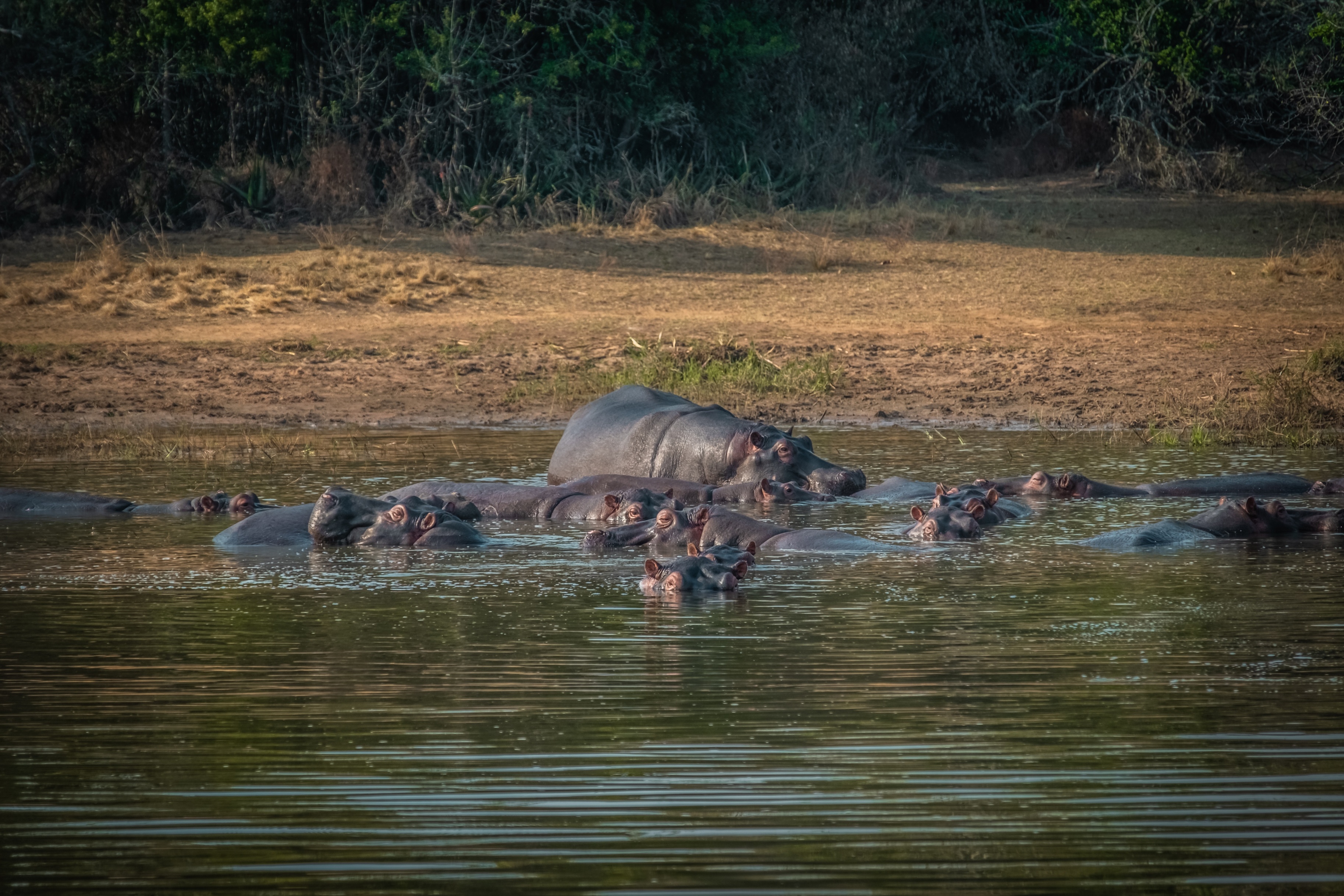
A bloat of hippos in Lake Ihema at the Akagera National Park in Rwanda.
Learn more: All you need to know about gorilla trekking tours
How far is Akagera National Park from Kigali?
Akagera National Park lies about a two-hour drive, which is 110 km (68 miles) from Kigali, in Rwanda’s Eastern Province, right along the border with Tanzania. At roughly 1,122 km (433 miles), it’s a vast and varied landscape, stretching from open savanna plains to wetlands, lakes, and patches of woodland.
Despite its size, the park is compact enough to explore on a day trip or overnight safari, yet expansive enough to feel like a true wilderness. Its location on the eastern edge of Rwanda means you can combine a visit with other adventures, like gorilla trekking in the southwest or exploring the scenic hills near Lake Ihema. Driving through Akagera gives a real sense of the park’s scale and ecological diversity. This combination of accessibility, size, and variety is part of what makes Akagera such a unique and rewarding safari destination.

View through trees of modern office buildings on a hill in Kigali city in Rwanda.
Learn more: Gorilla trekking in Uganda vs Rwanda – which is better?
South vs. North in Akagera National Park
Akagera is easiest to appreciate when you think of it as two distinct zones, south and north, and plan your visit in that order. This south-to-north flow helps you see the full range of Akagera’s landscapes and wildlife in a logical, immersive way.
Let’s have a look at the difference:
- The southern section is dominated by lakes, rivers, and wetlands, including Lake Ihema and the Akagera River. This area is perfect for boat safaris and birdwatching, with hippos, Nile crocodiles, papyrus wetlands, and countless waterbirds like shoebill storks and papyrus gonoleks. Primates such as vervet and colobus monkeys are also easier to spot here. Early morning or afternoon drives in the south reveal animals gathering near water, creating a quieter, more intimate safari experience.
- The northern section consists of open savanna and rolling plains, where predators and large herbivores dominate. Lions, elephants, rhinos, buffalo, giraffes, and zebras roam these plains, often in herds, making this the prime area for classic game drives. Late afternoon is particularly good for spotting predators as they become more active.
Following the south-to-north approach helps you experience the full range of Akagera’s ecosystems, so start with wetlands and boat trips in the south, then move north for open plains, herds, and predators.

African Fish Eagle sitting in the trees in Akagera National Park, Rwanda.
Learn more: Do a beautiful forest hike to see endangered golden monkeys
Can you combine Akagera National Park with gorilla trekking?
Yes, you can! Akagera National Park in the northeast and Volcanoes National Park in the northwest, which offer two very different wildlife experiences, and it’s possible to combine them on a single trip. Akagera gives you open savanna, wetlands, and lakes, where you can see lions, rhinos, elephants, giraffes, and hundreds of bird species, while Volcanoes lets you trek through misty forests to observe habituated mountain gorillas and golden monkeys up close. Together, they provide a full spectrum of Rwanda’s wildlife, from Big Five savanna species to iconic primates.
The two parks are roughly 213 km to 236 km (about 132–147 miles) apart, and the drive between them, usually through Kigali, typically takes about 5 to 5.5 hours. This route carries you from the volcanic mountains of the northwest across rolling hills and farming country to the savanna in the northeast, a journey that really illustrates Rwanda’s nickname, the Land of a Thousand Hills.
With Follow Alice, there are two options for combining these experiences. On the Ultimate Rwanda itinerary, you drive east from Kigali to Akagera for afternoon and morning game drives, optional boat cruises on Lake Ihema, and behind-the-scenes conservation tours. Afterwards, you head to Volcanoes National Park for gorilla trekking, golden monkey hikes, and cultural experiences such as visits to local villages and traditional Intore dance performances.
The Wildlife of Rwanda itinerary follows a similar path in a slightly shorter format, giving you a taste of both Akagera’s savanna safari and Volcanoes’ mountain adventure. Both trips let you experience Rwanda’s diverse ecosystems, rich wildlife, and conservation success stories in one seamless journey, making it easy to see why combining these parks is one of the most rewarding ways to explore the country.
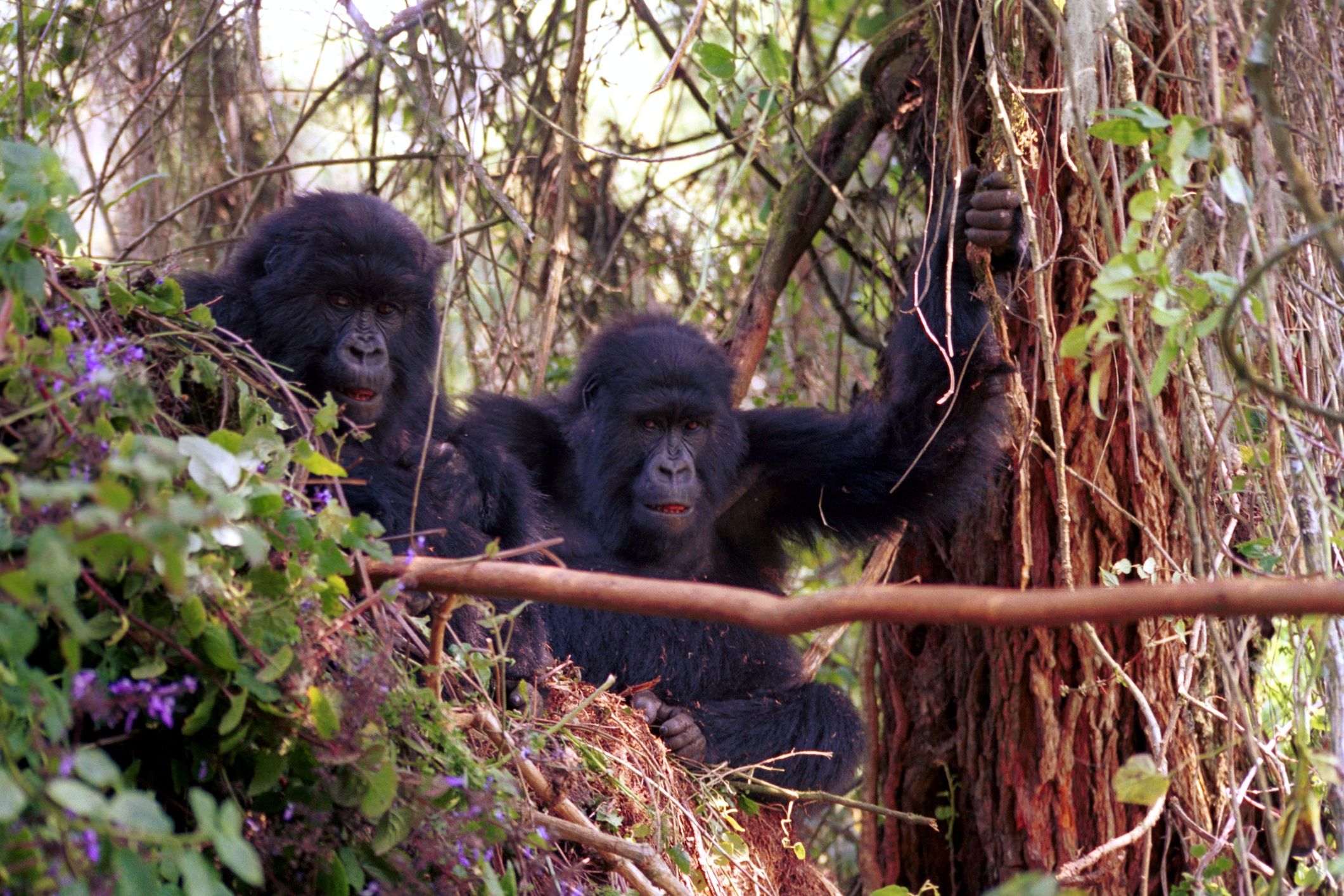
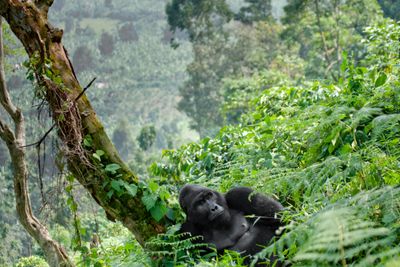
Mountain gorillas in Volcano National Park in Rwanda.
When is the best time to go to Akagera National Park?
With the change in weather recently, it's hard to say, as climate change is real. However, if we have to share advice, we would say the best time to visit Akagera National Park depends on what you want from your safari, but overall, the dry seasons are ideal for game viewing. In Rwanda, these are typically mid-December to early February and June to September. During these months, the grass is shorter, water sources are concentrated, and animals gather around lakes and rivers, making wildlife sightings easier and more frequent.
The wet seasons, which are March to May and October to November, bring lush green landscapes, dramatic skies, and vibrant birdlife, but some roads can become muddy, and animals may be more dispersed. If you enjoy birdwatching, the wet season is excellent, as many species are nesting or more active near the lakes and swamps.
Mornings and late afternoons are the best times for game drives, no matter the season. Animals are most active during these cooler hours, and the light is perfect for photography. Boat safaris on Lake Ihema are also recommended any time of year, offering a different perspective on Akagera’s wildlife, including hippos, crocodiles, and a wide variety of waterbirds. Overall, for a mix of reliable wildlife sightings, comfortable drives, and beautiful scenery, plan your visit during the dry months, but don’t overlook the wet season if you want a quieter park and spectacular birdlife.
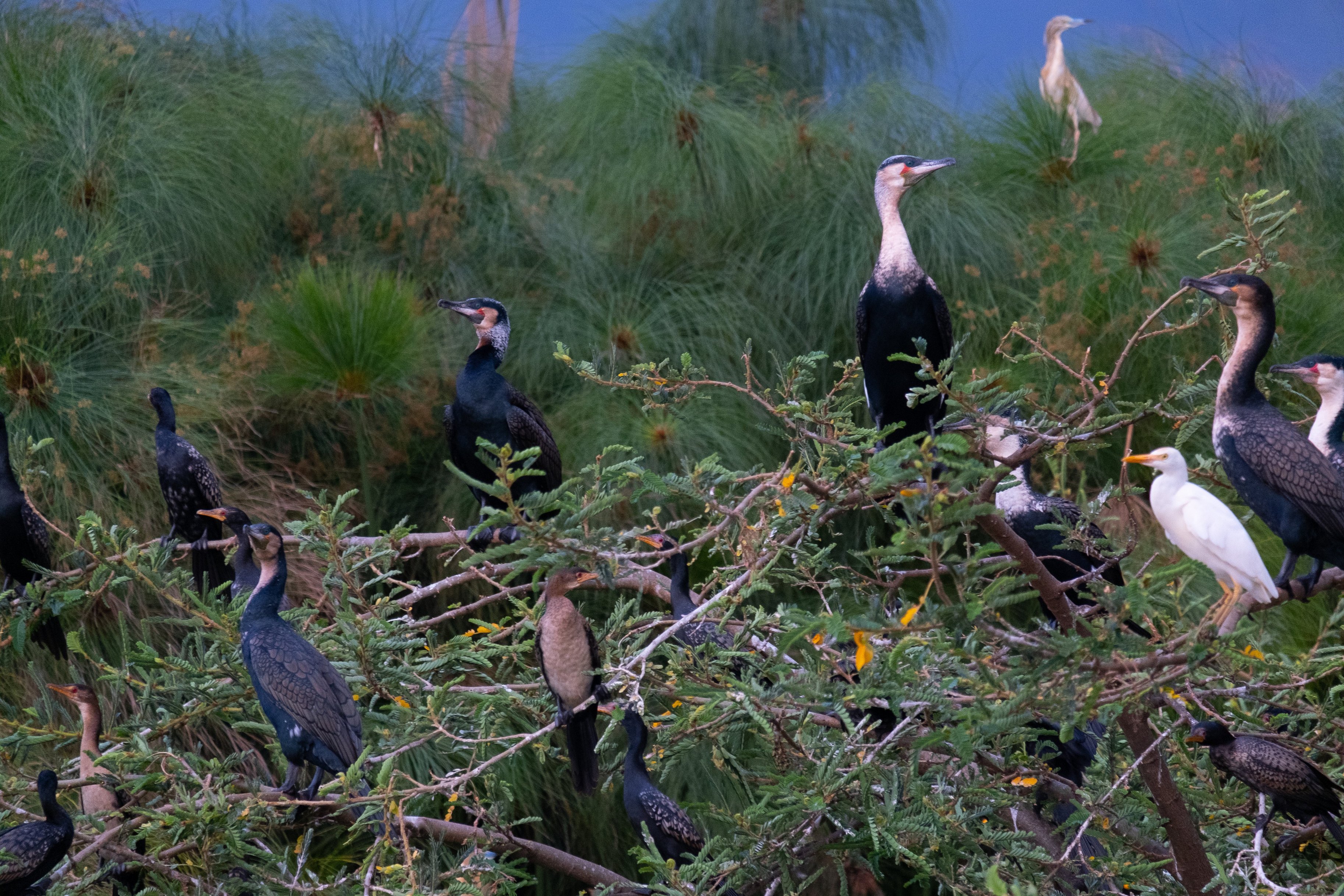
Various birds by water in Akagera National Park in Rwanda.
Learn more: 20 things to know about mountain gorilla trekking
Explore Akagera National Park with Follow Alice
Akagera National Park is a place of contrasts and discoveries. From the tranquil wetlands and lakes in the south, teeming with hippos, crocodiles, and vibrant birdlife, to the open northern savanna, home to lions, elephants, rhinos, buffalo, and giraffes, the park showcases the full range of Rwanda’s wildlife and landscapes. By combining game drives, boat safaris, and conservation tours, visitors will understand the park’s success with its restoration efforts, the variety of ecosystems, and the delicate balance between wildlife and people. Akagera offers experiences that stay with you long after the safari ends, and it's a true testament to Rwanda’s conservation success and natural beauty. So if you want to experience the magic of Akagera and discover how it can be combined with Rwanda’s mountain gorillas for an unforgettable journey, contact Follow Alice today and start planning your adventure