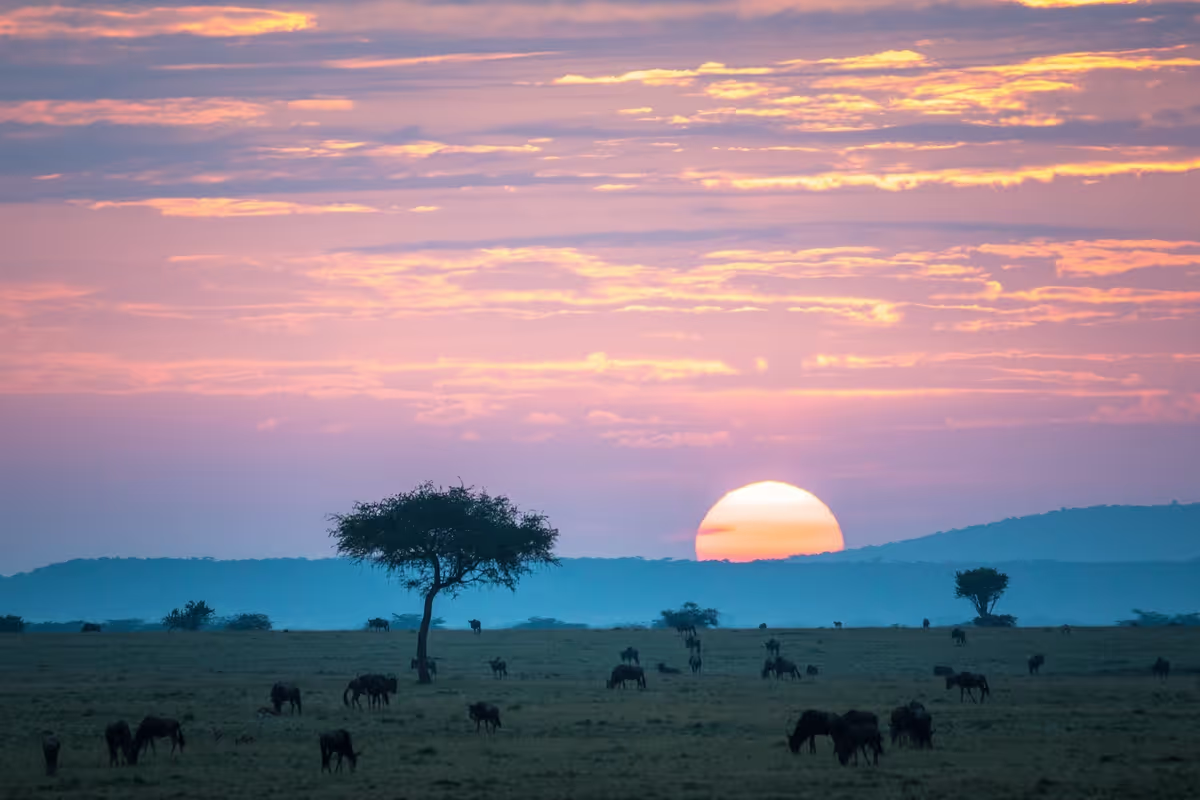




In the heart of Kenya’s central plateau, Laikipia stretches wide and wild with plains that roll into riverine forests, ridges untouched by time, and wildlife that moves freely across the land. Here, communities and nature exist side by side, protecting a landscape that feels kilometres away from the crowds. From black and white rhinos to the rare black leopard, every step reveals a story of biodiversity and conservation in action.
The best way to experience it is definitely on foot. Walking safaris slow the world down, letting you track predators, listen to rare bird calls, and get a glimpse of local life in a way no vehicle can match. For those who crave space, silence, and a connection to the wilderness, Laikipia is Kenya’s most rewarding destination for an intimate, immersive safari. If you would like to find out more, book a call with the Follow Alice team, and we will be happy to answer any questions you might have.
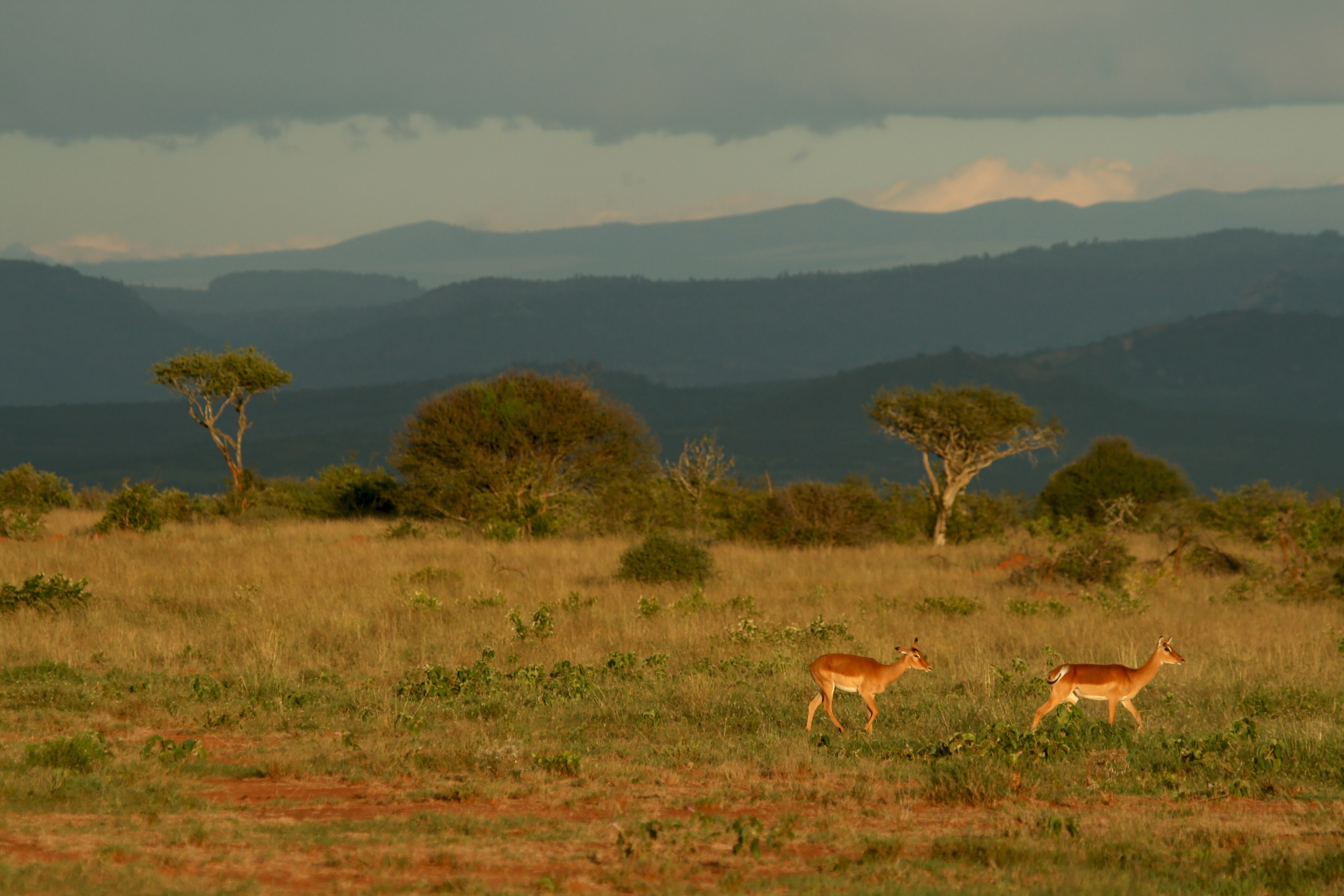
At Mpala Research Centre in Laikipia, Kenya, savannahs come alive with impala.
Learn more: When can I see the Great Migration in the Maasai Mara, Kenya?
Where is Laikipia?
Laikipia lies in the semi-arid region of the Rift Valley, about 220 km north of Nairobi at the foothills of Mount Kenya. The landscape is a mix of low-lying dry areas suited to pastoralism and higher, wetter zones ideal for farming. Covering roughly 9,700 km, the Laikipia plateau straddles the equator between latitudes 0°17′ S and 0°45′ N and longitudes 36°15′ E and 37°20′ E. It shares borders with Baringo, Samburu, Isiolo, and other neighbouring counties, forming a unique ecological and cultural corridor in central Kenya.
Laikipia stretches across hundreds of thousands of hectares of private ranches, community conservancies, and protected wildlife corridors. Here, animals roam freely across open plains while local communities retain their land and benefit from conservation-led tourism. From above, the landscape unfolds like a patchwork quilt, with rolling grasslands dotted with acacia trees, forested river courses, and scattered homesteads, revealing a delicate balance between wildlife, livestock, and human life. For travellers, this blend of wilderness and working land offers a safari that feels expansive, uncrowded, and deeply connected to nature, with every step bringing you closer to once-in-a-lifetime wild encounters.
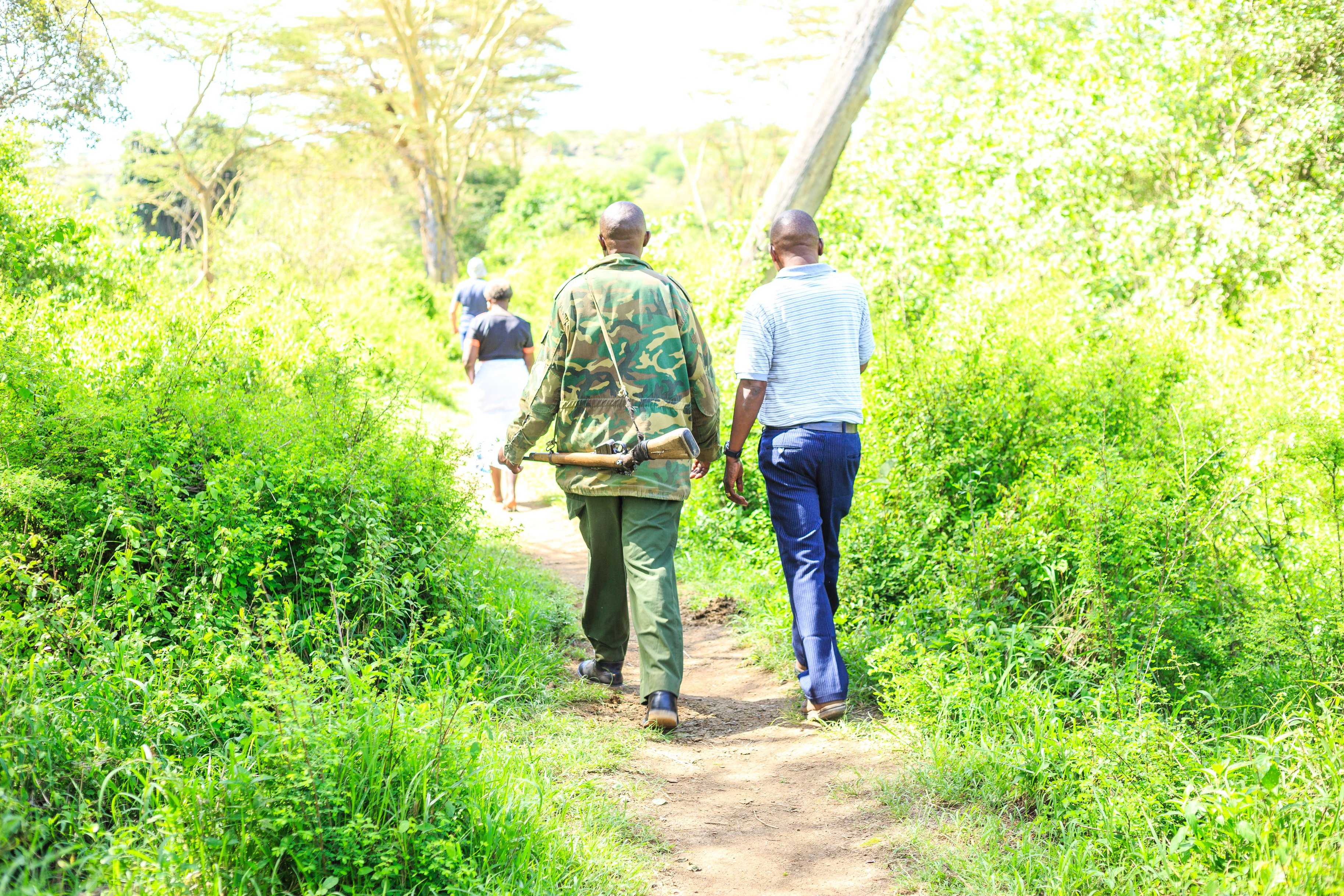
A ranger walking with tourists in a national park in Kenya.
Why Laikipia is a must-visit safari destination
Laikipia is a sanctuary for some of Kenya’s rarest wildlife, from black and white rhinos to Grevy’s zebras and the elusive black leopard. Unlike the Maasai Mara or Amboseli, it sees far fewer visitors, allowing safaris to feel private, intimate, and so authentic. Here, the plains stretch uninterrupted, giving travellers a front-row view of wildlife as it moves and hunts without distraction.
On foot, the experience will make it so much better. Walking safaris showcase things you wouldn't normally see on a vehicle safari, like the fresh tracks, distant calls, and tiny signs of life that are easily missed from a vehicle. Guided by experts, visitors gain insight into the delicate balance of the ecosystem and witness conservation firsthand, from ranger patrols and GPS tracking to community-led wildlife monitoring programs.
Laikipia is also a model for community-based conservation. Traditional ranches have evolved into great conservancies, providing sustainable income for Samburu, Ilaikipiak, and Mokogodo Maasai communities. Tourism helps protect main habitats while allowing communities to retain their land-use rights. The result is a living landscape where wildlife corridors remain open, and animals roam freely, creating a safari experience that is as meaningful as it is memorable.

Maasai warriors on a Kenyan safari, one sounding the traditional antelope horn.
Learn more: Black Leopards in Kenya: Everything You Need to Know About Them
The climate and landscape of Laikipia
Laikipia’s high-altitude plateau gives it a mild and generally dry climate, ideal for walking and exploration throughout the year. During the summer months from November to March, temperatures range from 20°C in the early mornings to 34°C at the height of the day. Winter, from June to August, brings cooler mornings and evenings, with temperatures between 11°C and 25°C, creating perfect conditions for early-morning or late-afternoon walks.
The landscape itself is incredibly varied. Rolling grasslands, dense riverine forests, bushy scrublands, and volcanic outcrops combine to create an environment that is both visually stunning and ecologically diverse. Wildlife can be found across all of these habitats, giving each walking safari an unpredictable quality.
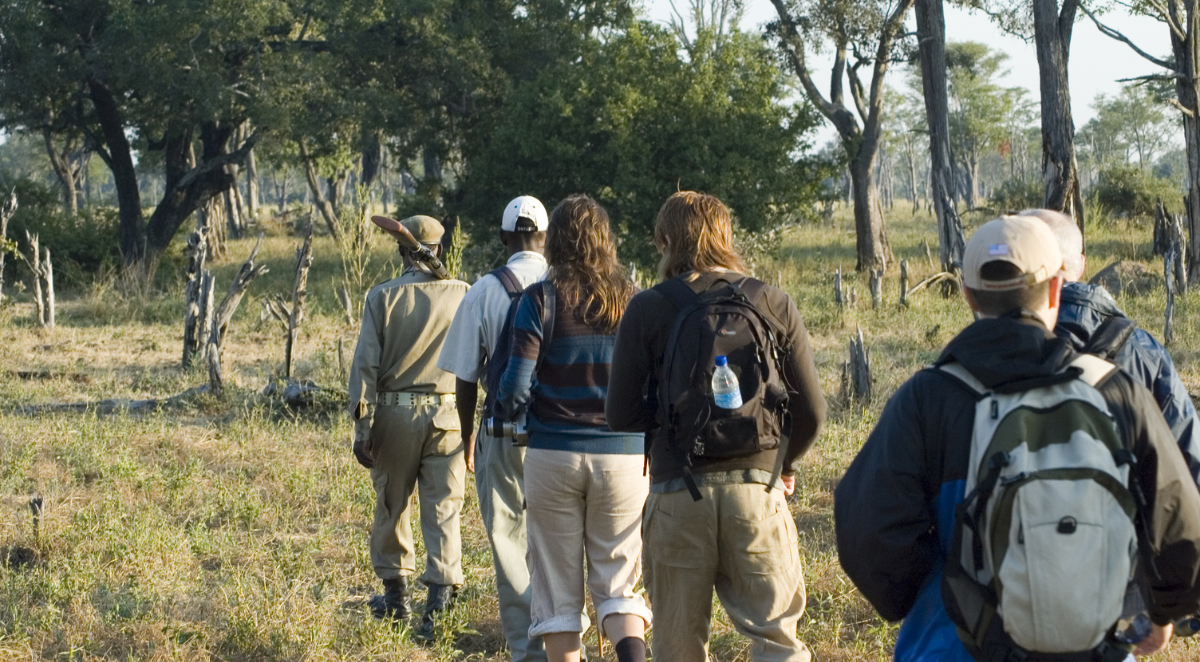
Travellers tread quietly behind their guide, discovering the secrets of the bush on a walking safari.
{{leadmagnet-one}}
Walking safaris versus traditional game drives
A walking safari offers an entirely different way to experience the African bush. While game drives cover large areas quickly, they can never match the intimacy of moving on foot. Walking allows guests to sense the scale of the landscape, notice subtle signs of life like tracks, droppings, feathers, and behavioural cues and truly feel the way of life in the wilderness.
Laikipia’s conservancies are particularly well-suited to walking safaris. The terrain is carefully managed for visitor safety while preserving ecological integrity, and small groups move quietly under the guidance of expert trackers and rangers. Guides interpret the environment, revealing the relationships between predators and prey, the medicinal uses of local plants, and the subtle cues that signal animal behaviour. Walking alongside conservation staff also allows travellers to see wildlife protection in action, from GPS-tracked rhinos to community monitoring initiatives.
There are multi-day walking safaris across an expanded 70,000-acre safari area, opening up unparalleled opportunities to explore on foot. Each walk is led by a skilled walking guide and a local Samburu tracker—experts who flourish on tracking leopards and lions, yet also know the art of slowing down to simply sit and absorb the atmosphere. Walking is possible year-round, though the long rains in April and May are best avoided. Availability can be limited during peak seasons such as Christmas and the summer holidays, so it’s worth checking with the Follow Alice team to secure your spot. These safaris give you the chance to experience Laikipia’s wilderness up close, noticing wildlife and the land in a way vehicles simply can’t.


Wildlife encounters on foot
Laikipia is a haven for wildlife, where every step brings a new encounter. Elephant herds move gracefully along river corridors, giraffes stretch across open plains, and zebras, elands, and gazelles roam freely. Predators, including lions, cheetahs, and leopards, patrol the landscape, while sightings on foot are carefully managed to ensure safety. Birdlife is abundant, with raptors circling overhead, rollers flashing bright colours, and a chorus of passerines filling the air.
The region is also a stronghold for Kenya’s most endangered species. Black and white rhinos roam protected conservancies, alongside Grevy’s zebras, reticulated giraffes, and the elusive black leopard known as Giza. First photographed by wildlife photographer Will Burrard-Lucas in 2019, Giza has become a symbol of Laikipia’s great biodiversity. Though encounters are rare, the presence of these species reflects the success of community-led conservation and the careful management of wildlife corridors that allow animals to move naturally across the land.

Giza, the infamous black leopard looking for her next meal.

Conservation in Laikipia
Conservation in Laikipia is woven into the very fabric of the landscape. Large ranches, private and not-for-profit conservancies, and community-managed lands operate side by side, linked by open corridors that allow wildlife to roam freely. Local communities benefit directly from tourism revenue, supporting education, healthcare, and employment, creating powerful incentives to protect both wildlife and habitat.
Unlike national parks or game reserves, most of Laikipia’s wildlife areas, apart from Mukogodo and Rumuruti Forest Reserves, have no formal protected status. Instead, the Kenyan conservancy model has created a practical and sustainable system where people and wildlife coexist. Several group ranches, run by community-owned companies, dedicate vast tracts of land to conservation while integrating livestock farming. The Laikipia Conservancies Association alone brings together 24 member conservancies covering 3,500 km. The plateau’s gradual transition from ranching to wildlife haven demonstrates the success of this inclusive, progressive approach.
The county is home to some of Kenya’s most endangered and iconic species. Elephants migrate across the plains and river corridors, lions, cheetahs, and leopards patrol the savannah, and nearly half of Kenya’s black rhinos live here. Professional conservation practices are central to Laikipia’s success. Many conservancies employ GPS tracking collars for predators, monitor rhinos 24/7, and run anti-poaching patrols. Guests often witness these programmes firsthand, accompanying rangers on monitoring walks or observing projects in action. This combination of community involvement, responsible tourism, and continuous monitoring has made Laikipia a global model for conservation, where the fortunes of people and wildlife are inextricably linked.
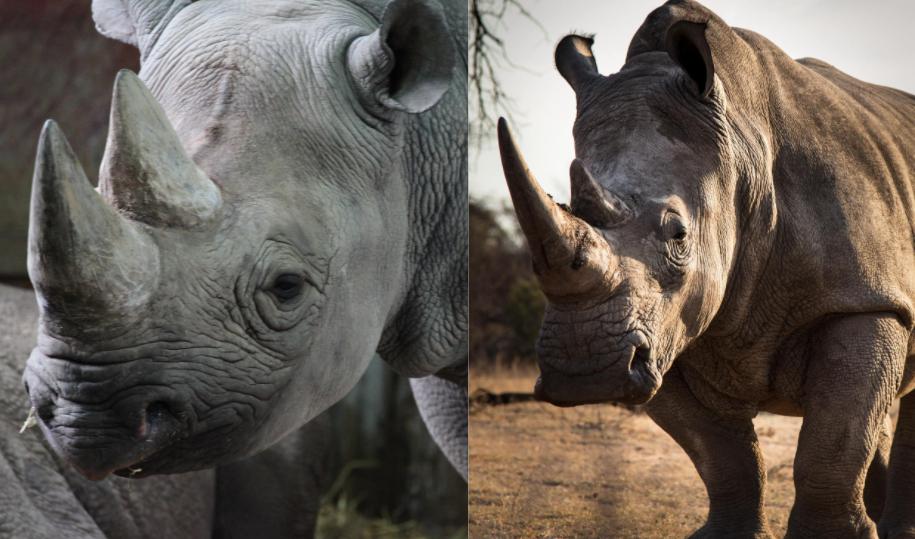
The white rhino is larger with a broad lip for grazing, while the black rhino is smaller with a pointed lip for browsing shrubs.
Learn more: Kenya's Reteti Elephant Sanctuary is saving calves and paving a new path for wildlife conservation
Top Conservancies for walking safaris
Laikipia is home to several world-class conservancies that offer walking safaris, each with its own distinctive landscapes, wildlife, and conservation focus. Community-managed areas, such as Karisia, run multi-day walking camps that focus on tracking and natural history. These experiences allow visitors to move quietly through the wilderness while observing wildlife and learning about conservation efforts.
Let's have a look at some of the top conversation spots for walking safaris:
1. Lewa Wildlife Conservancy
Lewa Wildlife Conservancy, covering over 62,000 acres, is one of Laikipia’s flagship conservation areas. It is renowned for its flourishing populations of black and white rhinos, over 350 Grevy’s zebras, and a rare population of sitatunga, a semi-aquatic antelope. Elephants, lions, cheetahs, and leopards also roam across its varied habitats. The conservancy’s rolling grasslands, riverine forests, and scrub bushveld provide ideal conditions for walking safaris, game drives, and horseback safaris. Every visit contributes directly to ongoing conservation work, supporting wildlife protection, habitat restoration, and community initiatives.

Herd of Grevy's zebras in Laikipia, Kenya.
2. Ol Pejeta Conservancy
Ol Pejeta needs little introduction. One of Laikipia’s most famous conservancies, it is home to the last two northern white rhinos on Earth, Najin and Fatu and one of East Africa’s largest black rhino populations. Beyond its rhino sanctuaries, Ol Pejeta supports chimpanzee rescue at Sweetwaters Sanctuary and offers superb Big Five viewing. This sanctuary is the only place in Kenya to see chimpanzees outside their natural range. Even rarer species, such as the melanistic black leopard Giza, highlight the effectiveness of these conservation efforts. Walking safaris here allow guests to track wildlife at close range and learn about anti‑poaching efforts and species monitoring from expert guides.

A white rhino mother with her calf roaming the dry lands of Kenya.
3. Loisaba Conservancy
Covering about 57,000 acres, Loisaba blends traditional safari experiences with innovative conservation approaches. Walking here reveals untouched landscapes, from open plains to shaded riverine belts, and allows you to learn about wildlife protection first‑hand. The conservancy’s dog unit helps counter poaching, and sightings of elephants, buffalo, cheetah and Grevy’s zebra are common.
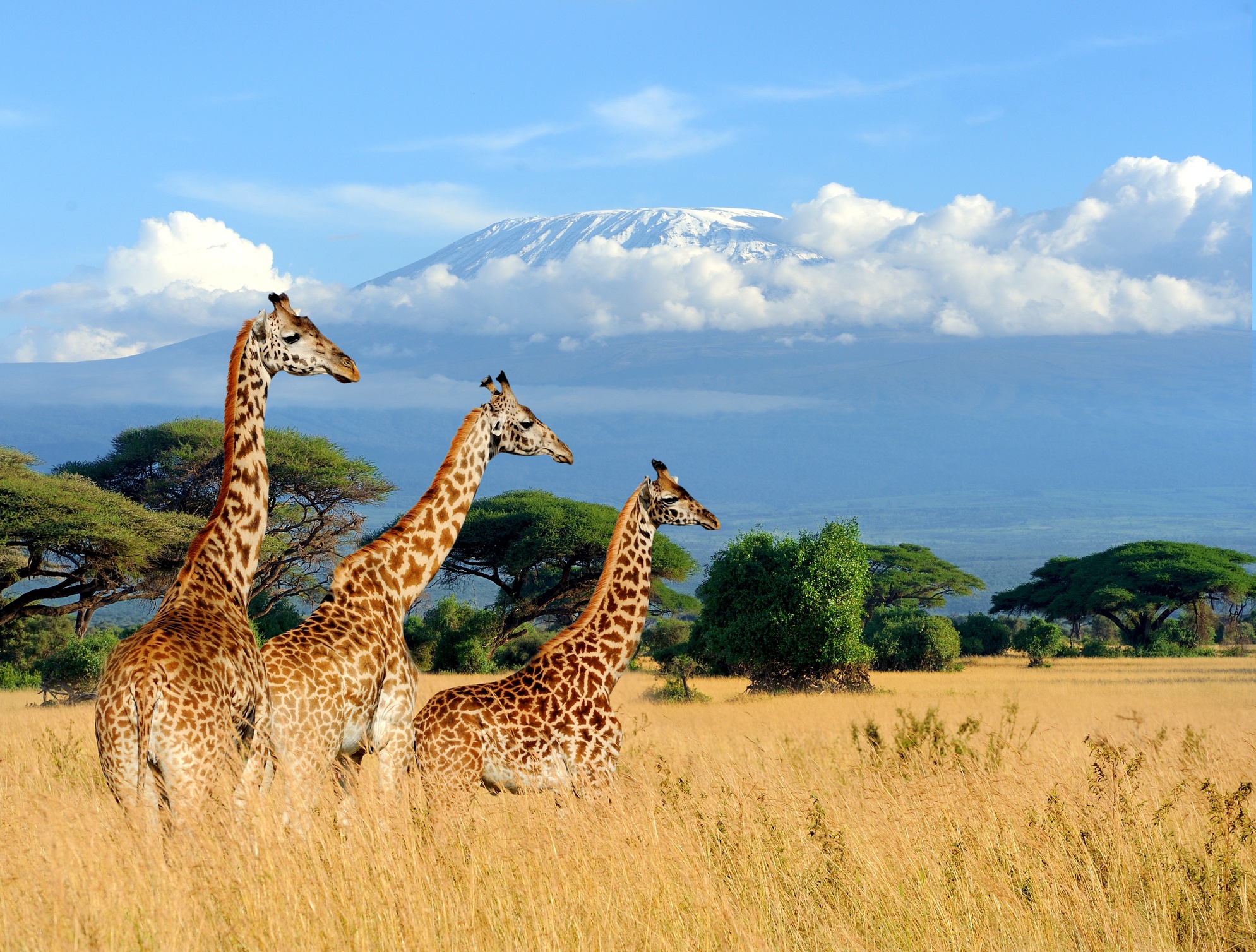
Giraffes roam freely in Kenya.
4. Borana Conservancy
Borana sits adjacent to Lewa, forming a wide, unfenced landscape where wildlife moves freely across the plains. The conservancy offers walking safaris that immerse you in sweeping views and close encounters with rhino, giraffe, zebra and large carnivores. Its quieter atmosphere means fewer crowds and more personal moments in the wild.

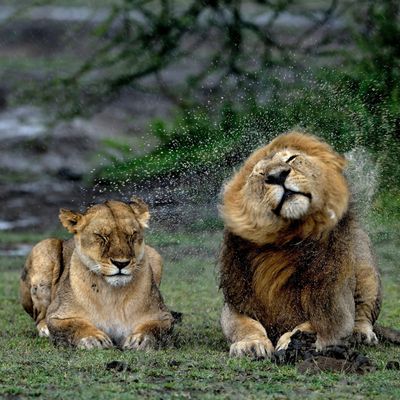
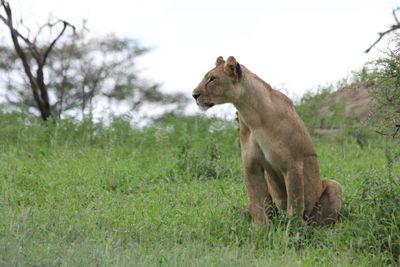
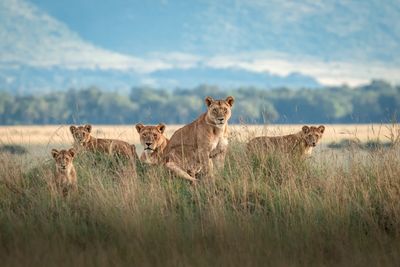
Lions relaxing in the open plains in Laikipia.
5. Il Ngwesi Conservancy
Owned and managed by the Maasai community, Il Ngwesi is a standout example of community‑driven conservation. Walking here invites cultural insight alongside wildlife discovery, with the chance to explore dry riverbeds and bushland with local guides and rangers, while supporting sustainable tourism that directly benefits local livelihoods.
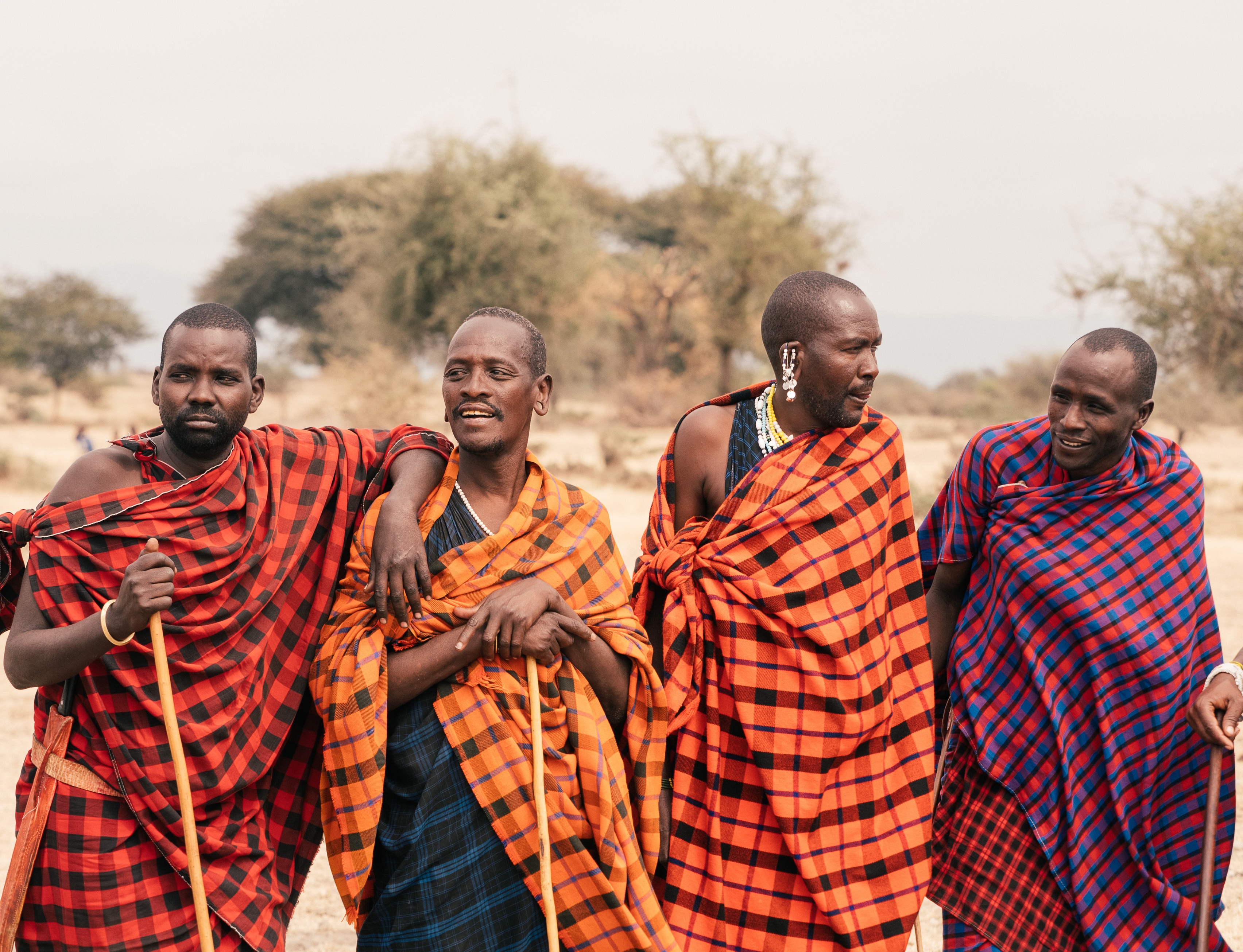
Four Maasai men in traditional robes standing together.
It's important to note Laikipia’s walking safaris are not something you simply book off a shelf. Routes shift with wildlife movement, seasons, and conservation needs. Follow Alice designs these journeys in collaboration with local conservancies, handling logistics, guiding, and permissions while shaping a safari that balances adventure, comfort, and meaningful conservation impact.
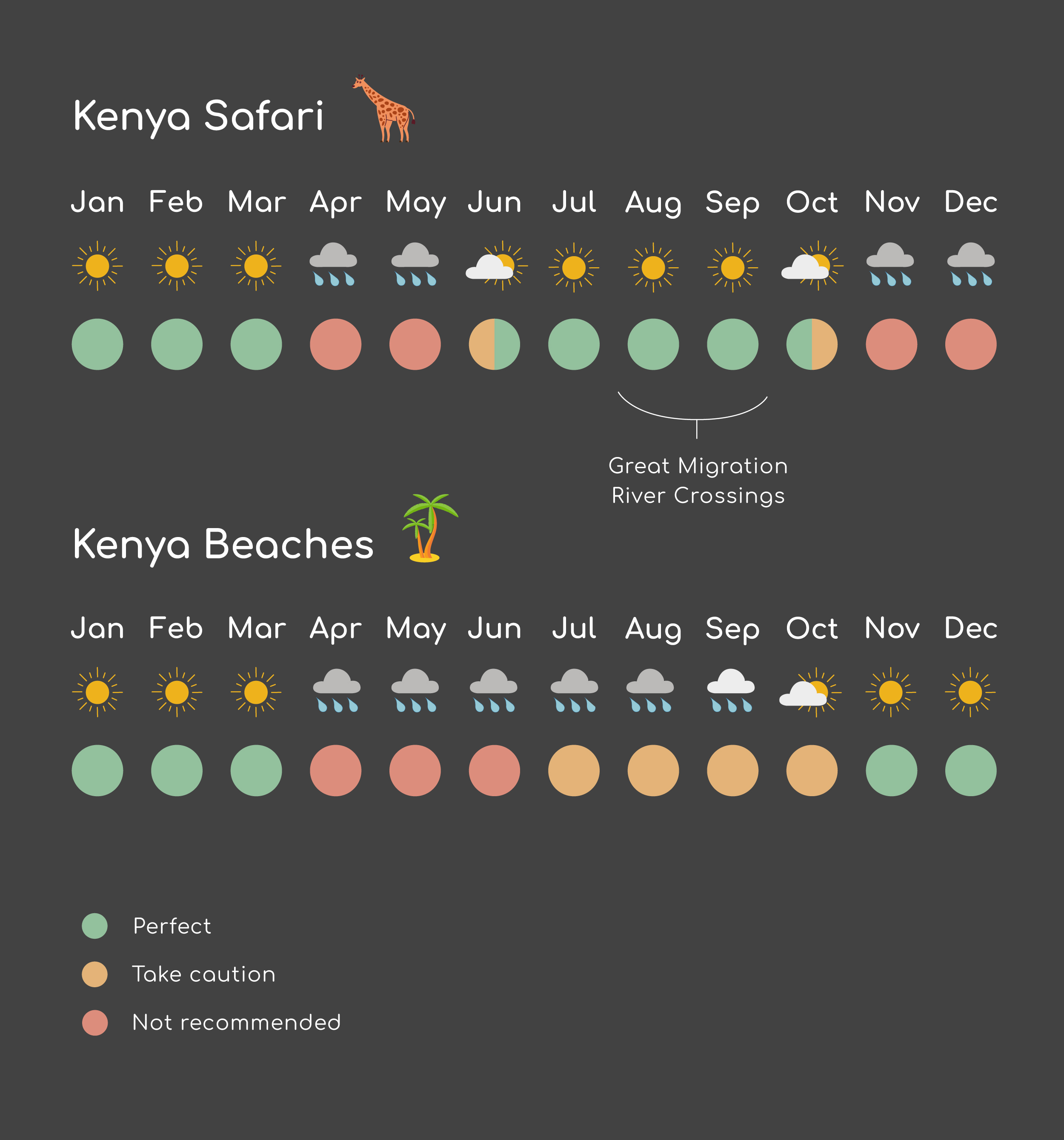
Here is an infographic highlighting the best seasons to visit for a Kenyan safari.
Learn more: How to get a Kenyan tourist visa
How do you get to Laikipia?
Though it feels remote and untouched, Laikipia is surprisingly easy to reach. Nanyuki Airstrip serves as the main gateway, with daily flights from Nairobi’s Wilson Airport. Smaller airstrips like Lewa Downs and Loisaba provide direct access to conservancies, while private charters can reach the most secluded lodges. Transfers from the airstrips to camps take under an hour, offering scenic journeys into the heart of the wilderness. For those seeking walking safari adventures, a combination of air and road travel makes it simple to reach trailheads while retaining the region’s sense of remoteness and exclusivity. Laikipia is accessible, and every step will still feel like a true escape into the wild.
Learn more: Who are the Samburu people? An insight into their culture and traditions
Why Laikipia should be on your safari list
Laikipia offers a safari experience unlike any other. Its combination of rare wildlife, open landscapes, conservation-led tourism, and community partnerships creates an environment where travellers can connect meaningfully with nature. Walking safaris allow for a close, immersive experience, while remaining respectful of the animals and the ecosystem. For those seeking a better understanding of Kenya’s wildlife and conservation, Laikipia is unmatched. If you wish to see rhinos in their natural habitat, track elusive leopards, or walk among herds of zebras and elephants, the region provides a safari that is intimate, educational, and so rewarding. Here, conservation is not just an idea; you will see it is a living, breathing practice that you can witness and support with every step you take on foot.

Travellers enjoying the wildlife in Kenya.
Practical tips for a Laikipia walking safari
There’s nothing quite like moving through Laikipia on foot. Walking safaris slow the world down, letting you notice tracks, calls, and tiny details that a vehicle ride would miss. To make the most of this intimate wildlife experience, a little preparation goes a long way. Let's look at a few tips for you:
1. Travel light
A small daypack with water, sunscreen, insect repellent, and a camera is all you need—your main luggage stays at camp.
2. Dress for the bush
Neutral colours, breathable layers, long sleeves, and trousers protect you from the sun, thorns, and insects. Sturdy walking shoes or lightweight boots are essential.
3. Follow the experts
Guides and local trackers know the land, wildlife patterns, and safe routes. Stay close, move quietly, and let them lead the way.
4. Time it right
Early mornings and late afternoons are when wildlife is most active. Walk slowly, pause often, and let the bush reveal itself.
5. Respect the wild
Keep a safe distance from animals, do not litter, and follow your guide’s instructions in sensitive areas.
With these tips, a walking safari in Laikipia becomes more than just a game drive; it’s a journey into the heart of the wilderness, where every step brings you closer to the rhythm of life on the savannah.
{{leadmagnet-two}}
Step into Laikipia
Laikipia offers a safari experience that is both intimate and expansive, where conservation, wildlife, and community coexist in remarkable balance. Walking through its open plains, riverine forests, and rolling ridges, visitors gain a sense of the landscape that cannot be captured from a vehicle. From tracking endangered rhinos to glimpsing the elusive black leopard, every step reveals a better understanding of the ecosystems and people who protect them. The region’s low-density tourism, diverse wildlife, and strong conservation model make Laikipia not just a destination, but an education in how wilderness can flourish alongside humans.
For travellers seeking more than just a checklist of animals, Laikipia invites you to slow down, explore on foot, and witness conservation in action. Its combination of rare wildlife, open spaces, and immersive walking safaris offers a safari in Kenya that is as rewarding for the mind as it is for the eyes. Let Follow Alice guide your walking safari from rare wildlife encounters to immersive experiences with local communitie so you can explore Kenya’s untamed heart with purpose and ease.