


At Follow Alice, we measure success by the smiles at the summit, the stories shared around the campsites, and, yes, by the percentage of climbers who make it to the top safely. Unlike other operators who may treat success as a statistic, we see it as the result of careful planning, expert guidance, and we focus on people first, your safety, your pace, and your experience on the mountain.
Our local leaders and their teams know the mountain inside out, not just the trails, but how the weather and terrain change, and how to help each climber handle the altitude. They watch, adjust, and encourage, making sure every step you take is safe and achievable. We only do itineraries that give your body time to acclimatise properly, because we know the difference between a rushed climb and a summit reached with multiple issues along the way.
Take the Lemosho route, for example. It’s one of the longer and most beautiful ways up Kilimanjaro, winding through lush forests and alpine deserts. Many operators choose shorter paths to save time, but we’ve learned that giving trekkers those extra days dramatically increases summit success and makes the journey more memorable.
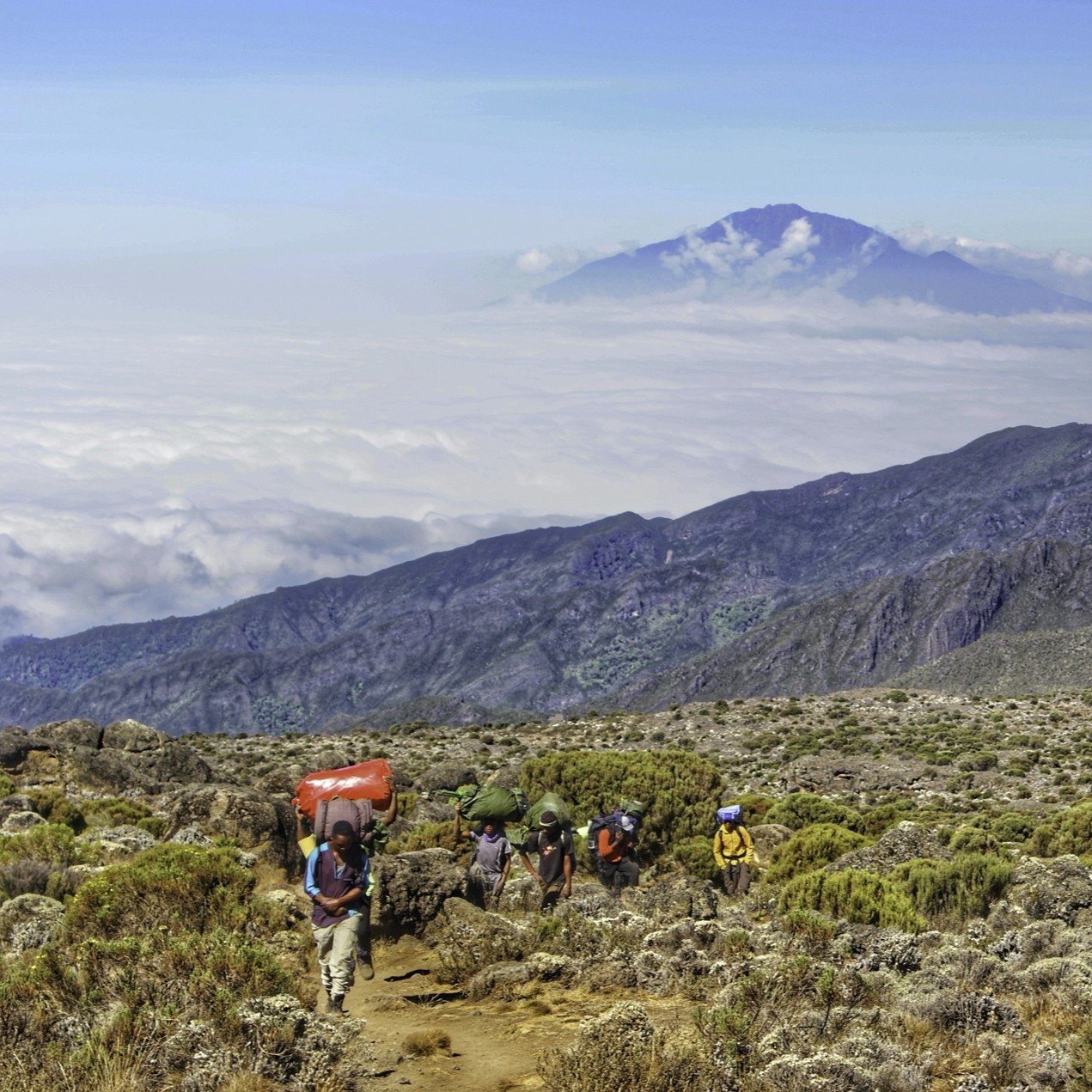
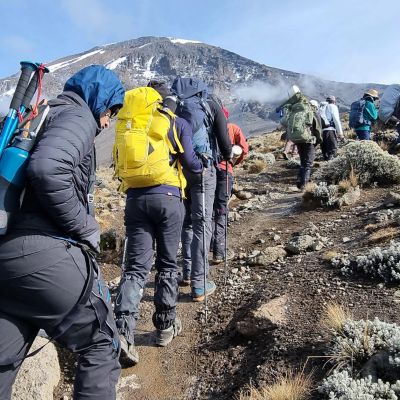
Hikers climb Mount Kilimanjaro.
Why do Follow Alice climbers summit more often?
Climbers with Follow Alice tend to reach the summit more often because we focus on people first. Our approach comes from years of experience on the mountain, careful planning, and genuine attention to how each climber responds to the altitude and the challenges along the way. This perspective grew from our founders’ own experiences, noticing where guided tours often fell short.
{{leadmagnet-one}}
What is the success rate of climbing Kilimanjaro?
Mount Kilimanjaro stands tall at 5,895 metres (19,341 ft), and it’s not an easy challenge to tackle. One of the most frequently asked questions among prospective climbers is, “What is the success rate of climbing Kilimanjaro?” While the answer varies, the overall success rate ranges from around 65 per cent to 85 per cent. A major reason for this variance is how quickly altitude is gained.
Climbers who ascend too fast are far more susceptible to acute mountain sickness (AMS), which is the largest single reason trekkers abandon a summit attempt. Each year sees between 30,000 and 50,000 climbers attempting the summit. This stark difference highlights the importance of planning and choosing the right route. Statistics show that the longer the trek and the more gradual the ascent, the greater the success rate of climbing Mount Kilimanjaro.
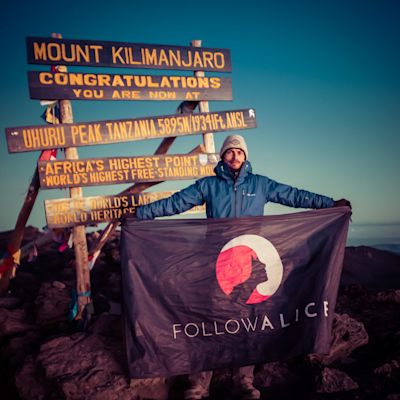
Factors influencing the success rate of climbing Kilimanjaro
Climbing Mount Kilimanjaro is no small feat, and your success in reaching the summit depends on a mix of key factors that can shape your adventure. The route you choose plays a huge role; longer treks give you more time to adjust to the altitude, boosting your chances of making it to the top. But it’s not just about the path; your fitness, pacing, hydration, and the guidance of seasoned operators are just as important.
With the right planning and support, reaching the summit of Uhuru Peak is more than just an athletic achievement; it's a moment of triumph, a culmination of months of preparation and mental fortitude. For many, it’s a journey that transcends the physical challenge, leaving lasting memories and a profound sense of accomplishment.
As one successful climber, Jenny put it,
All of a sudden I knew: if it was only for this moment, it was already worth it.
Such stories highlight that, despite the statistics, with the right preparation, climbing Mount Kilimanjaro is achievable.
Let's break it down for you:
1. Climbing routes
Choosing the right route is a game-changer when it comes to reaching the summit of Kilimanjaro. Longer routes like Lemosho and the Northern Circuit give your body the chance to properly acclimatise, with more time to adjust to the altitude and lessening the risk of altitude sickness. These paths also offer beautiful views and a more gradual climb, making the journey as rewarding as the summit itself. Shorter routes, while quicker, demand more from your body, as they don’t provide as much time for acclimatisation. The terrain varies dramatically depending on the route: Machame and Lemosho push you with steep ascents and longer days on the trail, while Marangu offers a gentler slope but fewer chances to adjust. No matter which route you choose, expect to encounter rocky paths, thick forests, and volcanic scree near the top, all of which require steady footing and determination.
Learn more: The best routes for climbing Mount Kilimanjaro
2. Duration of the climb
One of the most common questions trekkers ask is, "What’s the duration for climbing Kilimanjaro?" The length of your climb is a major factor in how challenging the journey will be. Shorter routes, like the 5-6 day treks, don’t leave much time for your body to adjust to the altitude, making the climb tougher and increasing the risk of altitude sickness. On the flip side, longer treks, lasting seven to nine days, give you the time you need to acclimatise properly, boosting your chances of reaching the summit. With a well-paced route and gradual elevation, your body can adapt more easily, making the climb not only safer but also more rewarding.
3. Acclimatisation
One of the most significant factors affecting the success rate of a Kilimanjaro climb is acclimatisation. This is the process by which the body gradually adapts to lower oxygen levels at higher altitudes. As climbers ascend, the air becomes thinner, and oxygen levels decrease, making each step more physically taxing. Without proper acclimatisation, the body struggles to adjust, increasing the risk of altitude sickness. This occurs when the body cannot adapt quickly to high altitudes. Symptoms range from mild to severe, including headaches, dizziness, nausea, shortness of breath, and extreme fatigue.
In severe cases, it can escalate to life-threatening conditions such as High Altitude Pulmonary Edema (HAPE) or High Altitude Cerebral Edema (HACE), both of which require immediate descent. The best way to mitigate these risks is to take it slow, stay hydrated, and monitor for symptoms. Even those in great physical condition are not immune to its effects, making preparation crucial. Proper acclimatisation minimises the risk of altitude sickness, allowing climbers to better handle the physical demands of the ascent when climbing Kilimanjaro.
4. Physical and mental fitness
Successfully climbing Mount Kilimanjaro doesn’t require you to be an athlete, but it does demand good physical fitness and mental resilience. The trek is not just physically challenging due to the altitude but also mentally demanding, as you’ll need to push through fatigue and discomfort. Being well-prepared increases your chances of a successful summit while allowing you to better enjoy the journey. The key is consistent physical training in the months leading up to your trip. Aim to get physically active at least twice a week for about 30 minutes each time. Focus on a combination of endurance training and strength exercises. For endurance, go jogging, rowing, or use a cross-trainer or stepper. Occasionally, push yourself to your limits; hiking is especially useful, as it simulates the Kilimanjaro experience.
Ideally, plan a few half-day hikes on varied terrain with uphill and downhill sections. Use these hikes to test your gear, including your backpack, water bottle, and hiking boots, to ensure everything is comfortable and practical. Strength training is also important, particularly for your legs, lower back, and core muscles. Incorporate exercises like squats, lunges, deadlifts, and planks. Your goal is to build stamina for walking 6-7 days in a row for at least four hours each day, usually on a gradual incline. Mental resilience is as crucial as physical fitness. The climb involves long days of walking, changing weather, and the effects of high altitude, which can challenge your determination. Picture yourself dealing with the altitude by taking deep breaths as the air thins, adjusting to the cold nights, and keeping a steady pace. Watch videos, read accounts from other climbers, and get insights into what the journey is really like. Sharing your plans with family and friends can also reinforce your commitment and encourage.
Learn more: How to train for Mount Kilimanjaro
5. Weather conditions
This is one of the factors that can make climbing Kilimanjaro difficult. The weather on Mount Kilimanjaro can vary from very hot to extremely cold within the same day, although it does not experience wide temperature changes from season to season. Instead, the temperatures on Mount Kilimanjaro are determined more by the altitude and time of day. The mountain doesn’t experience wide temperature changes from season to season due to its proximity to the equator. It has five distinct climate zones, each presenting unique weather conditions. At the base, temperatures are warm and tropical, but as you ascend, the climate changes dramatically, reaching Arctic-like cold at the summit. Extreme temperatures can challenge climbers, making proper layering of clothing essential for maintaining body warmth. Kilimanjaro’s weather is unpredictable, with sudden shifts in rain, wind, and snow that can impact trail conditions and visibility.
However, knowing the best time to climb can help you plan accordingly. The best time to climb Kilimanjaro is during the dry seasons when weather conditions are most favourable. The short dry season runs from mid-December to March, offering mild temperatures and generally clear skies. The long dry season, from June to mid-October, is also popular due to stable weather and pleasant conditions. These periods provide the most reliable weather for a successful ascent. Prepare for these conditions by packing waterproof gear, insulated clothing, and high-quality hiking boots, which will make a significant difference in ensuring a successful climb.
6. Proper gear and support
Having the right gear for changing weather conditions and hiring experienced guides and porters greatly influences the chances of reaching the summit. Guides not only assist with carrying supplies but also monitor climbers for symptoms of altitude sickness, ensuring a safer ascent. By carefully considering these factors: acclimatisation, managing altitude sickness, physical and mental preparation, choosing the right route, and ensuring proper gear and support, climbers can significantly increase their chances of successfully reaching Kilimanjaro’s summit.
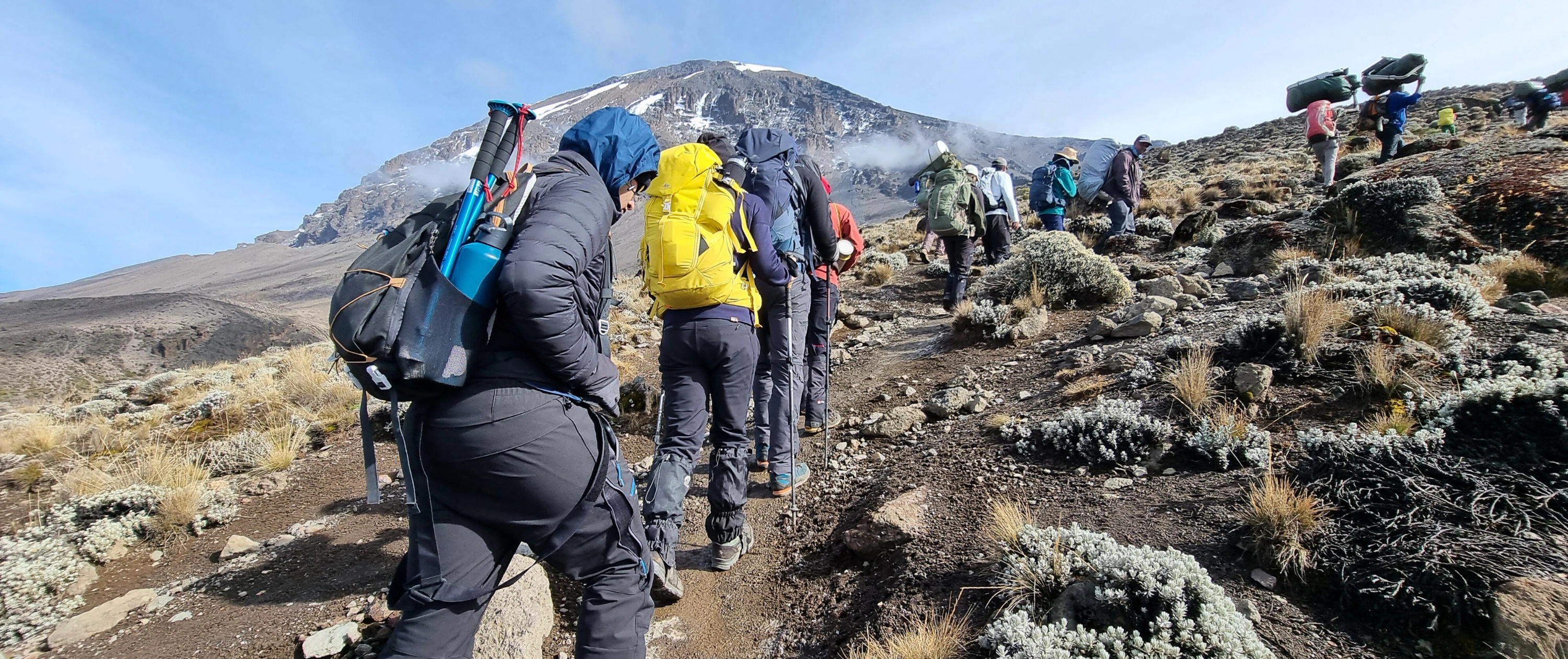
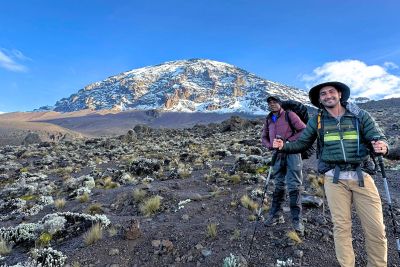
Hikers trek Mount Kilimanjaro.
Which Kilimanjaro route has the highest success rate?
Africa’s tallest mountain offers several routes to the summit. Choosing the right route is crucial for increasing your chances of success. We will compare the success rates of the five most popular routes: Machame, Lemosho, Marangu, Rongai, and Northern Circuit.
Machame Route (success rate: 85%)
Known as the "Whiskey Route" due to its challenging nature, the Machame route is one of the most popular. Trekkers usually complete it in 6-7 days. Its popularity stems from the scenic diversity and good acclimatisation profile, which contributes to its high success rate of around 85%.
Pros:
- Great acclimatisation due to the "climb high, sleep low" approach
- Scenic diversity, passing through rainforests, moorlands, and alpine deserts
Cons:
- Physically demanding with steep sections
- Often crowded during peak seasons
Lemosho Route (success rate: 90%)
The Lemosho route is known for its high success rate and beautiful, varied landscapes. Typically done in 7-8 days, it allows for gradual acclimatisation, contributing to its impressive 90% success rate when trekkers choose an 8-day itinerary.
Pros:
- Excellent acclimatisation opportunities
- Less crowded than Machame in the initial stages
Cons:
- Longer and more expensive due to extra days
Marangu Route (success rate: 50%)
Dubbed the "Coca-Cola Route" due to its popularity, Marangu is the only route with hut accommodation. However, its rapid ascent makes it less favourable for acclimatisation, resulting in a lower success rate of around 50%.
Pros:
- Hut accommodation for more comfort
- Shorter duration (5-6 days), making it cheaper
Cons:
- Poor acclimatisation profile
- Crowded and less scenic
Rongai Route (success rate: 70%)
Approaching from the north, the Rongai route offers a different perspective of the mountain. It’s generally less crowded but has a moderate success rate of around 70% due to its relatively quick ascent.
Pros:
- Quieter and drier, especially during the rainy season
- Scenic wilderness experience
Cons:
- Gradual ascent with fewer acclimatisation opportunities
Northern Circuit Route (success rate: 95%)
The longest and most scenic route, the Northern Circuit, takes 8-9 days to complete. This ample time for acclimatisation results in the highest success rate of all Kilimanjaro routes, approximately 95%.
Pros:
- Maximum acclimatisation
- Remote and less crowded
Cons:
- Longest route, making it more expensive
Choosing the best route for the Kilimanjaro climb
Your choice of route should consider your fitness level, experience with altitude, and available time. While longer routes like Lemosho and Northern Circuit have the highest success rates, shorter ones like Marangu can be riskier due to limited acclimatisation. For the best chance of reaching the summit, choose a route that aligns with your trekking experience and allows for the maximum number of days on the mountain.
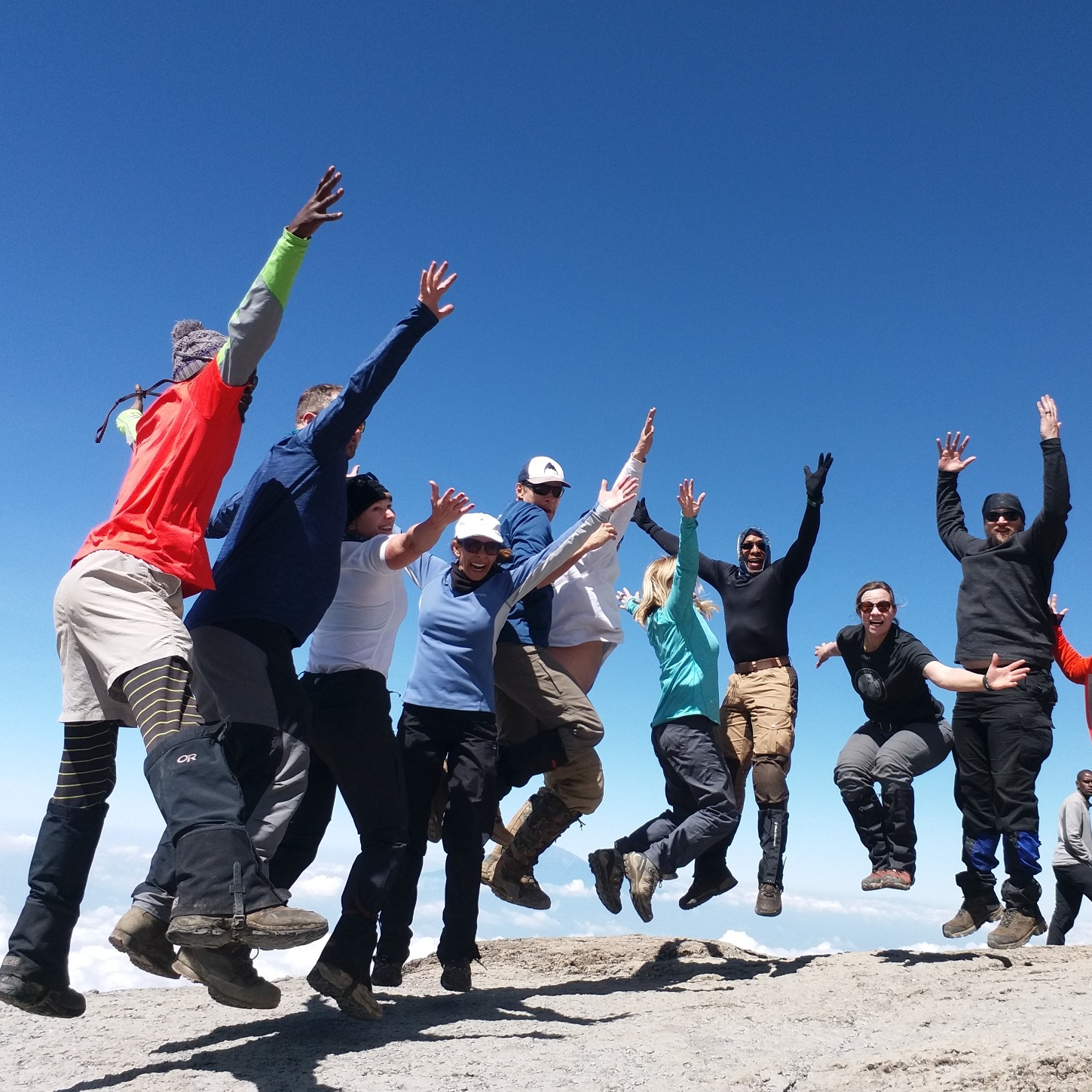
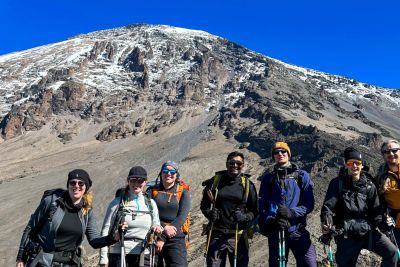
A group of hikers show excitement as they trek Mount Kilimanjaro
Why the Lemosho route often delivers the best success odds
Now that we covered all the routes, our personal preference is the Lemosho route. Among all Kilimanjaro pathways, the Lemosho route's success rate has become a favourite among operators wanting to maximise summit probability. The gradual altitude gain, stunning scenery, and quieter trails make it perfect for climbers who want both a memorable experience and a good chance of reaching the summit.
When planned as an 8‑day expedition, as Follow Alice often structures it, Lemosho provides multiple days of gradual altitude gain before reaching the summit push. This pacing allows trekkers’ bodies to produce the necessary physiological adjustments, raising success rates to 90–95 per cent, especially with professional guide support.
Climbers who go with shorter versions of this route often describe the difference vividly in internet forums, that they experienced increased fatigue, reduced acclimatisation, and a sense of being rushed compared to longer versions. Integrating extra rest and “climb high, sleep low” days makes Lemosho one of the best statistical routes for success with the right guidance.
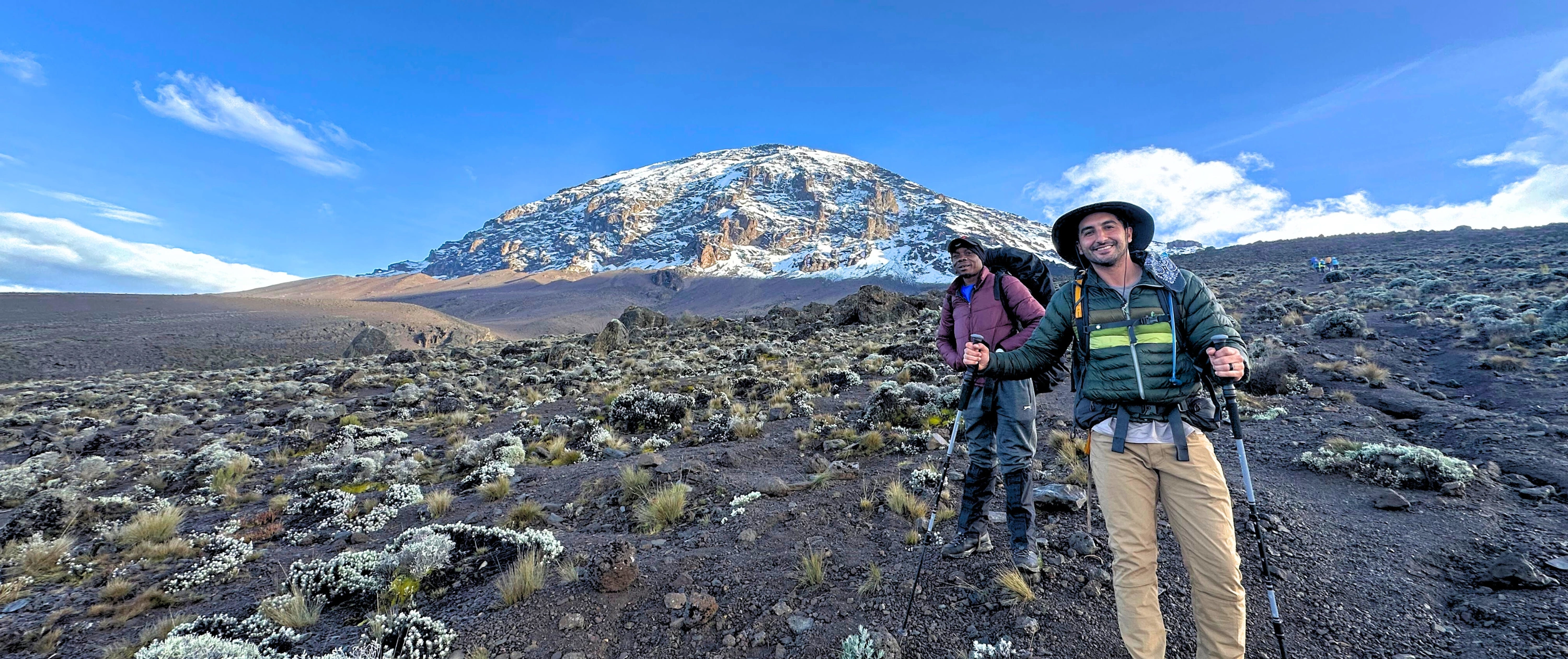
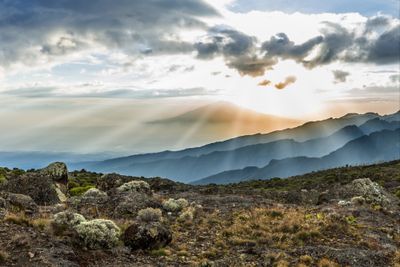
Trekkers posing on the Lemosho route.
Strategies to improve your success rate
Reaching the summit of Kilimanjaro is an incredible achievement, but it requires careful planning and preparation. While the trek is challenging, some strategies can significantly increase your chances of success when climbing Kilimanjaro. From physical training to acclimatisation techniques, being well-prepared makes a difference.
Here are some key strategies to help you reach the top:
1. Proper training and preparation
Climbing Mount Kilimanjaro is a serious undertaking. Just because you exercise regularly (four to six times per week) does not mean you have the conditioning needed to reach the summit of Kilimanjaro (19,340 ft.). Many people with the endurance to run a marathon fail to summit high-altitude peaks. Pure cardiovascular fitness is simply not enough. You need to ascend several thousand feet of elevation on successive days, carrying a day pack (15–25 lbs.) on your back.
Prioritise your training efforts in the following way, assuming that you are in good health and injury-free:
- Climbing Kilimanjaro conditioning – pack-loaded uphill hiking, walking, and stair-climbing
- Strength training for the lower body and core
- Cardiovascular training, including both aerobic and anaerobic workouts, without pack weight
- Flexibility training
Most people will need to train specifically for climbing Mount Kilimanjaro for at least three to four months. During your training, you will need to progressively ramp up your hike time, distance, and elevation gain (at roughly 10% per week) to carefully and effectively build your trekking-specific conditioning. Trying to rush this will increase the risk of experiencing some sort of training injury and not being ready for your trip. Mental preparation, including visualising the summit and acknowledging the challenges, is also key.
2. Importance of choosing the right route
As we said throughout this article, depending on your choice of climbing route, the trek takes between five and seven nights from base to summit. Choosing the right climbing route is arguably the single most important part of planning to climb Mount Kilimanjaro. There are seven routes up Kilimanjaro, and each promises a unique experience of the mountain and varying costs to climb. These include the Machame, Marangu, Shira, Lemosho, Umbwe, Rongai, and the Northern Circuit routes. One might be a slow slog to the summit over seven nights. Another could be a quick five-day romp from base to summit that requires pre-acclimatisation and plenty of training to climb Kili on this route. Each trek crosses a different part of the peak on the way to the summit, so you’ll see different things as you climb Kilimanjaro – cloud forest, montane jungle, scree, depending on which you choose. However, most converge on the upper Saddle Plateau where you prep for the final push to Uhuru Peak. Opt for longer routes, even if they appear more taxing. The additional days not only help your body adjust to the altitude but also increase your overall chance of summiting.
3. Health and nutrition considerations
When attempting any mountain climb, it is really important to eat well and meet your nutritional needs. You should eat enough calories to provide energy for the climb and also eat a variety of foods, paying attention to good protein, good carbohydrates, plenty of antioxidant-rich fruit and vegetables and enjoy fibre-rich wholegrains. Fluid is essential, and you should drink 2 litres a day before climbing, raising it to 3 to 4 litres daily during the climb. Start your diet as soon as you know you’re going to climb the mountain, the earlier the better, and you should begin your fitness regime at the same time, as the two go hand-in-hand for good hiking health. Eating a balanced diet rich in carbohydrates and staying hydrated are crucial. Altitude can suppress appetite, but maintaining energy levels is important for peak performance.
Learn more: The best foods and drinks for acclimatising to high altitude
4. Experienced guides and crew
One of the most crucial aspects of a successful Kilimanjaro climb is the experience and expertise of the guides and crew members. These are the people who will lead and support the climbers throughout their journey. Climbing Kilimanjaro has well-trained and knowledgeable guides who are familiar with the mountain and its challenges. Experienced guides not only help you pace yourself but also monitor your health for signs of altitude sickness, boosting both safety and success rates. At Follow Alice, our guides can also provide valuable advice on pacing, altitude sickness, and equipment, which can greatly increase the chances of a successful summit.
Follow Alice’s approach to high success rates
While route choice sets the stage, what really makes a difference is how a company executes a climb. Follow Alice has built a reputation evidenced by consistent rave reviews for deliberately structuring climbs to prioritise summit success, health and overall experience.
1. Smart, evidence‑based itineraries
Follow Alice offers a suite of Kilimanjaro itineraries, with a clear emphasis on longer, acclimatised routes. Climbs include 8‑day Lemosho, 9‑day Northern Circuit and Machame and Rongai variants. By favouring routes with built‑in acclimatisation days, we give climbers the physiological time their bodies need to adjust to altitude without undue stress, a foundational reason for elevated success rates.
2. Highly experienced local guides
The quality and experience of guides are among the most decisive variables in summit outcomes. Follow Alice’s Kilimanjaro directors, such as Chris and Robert Sichalwe, who bring decades of accumulated mountain experience, with hundreds of summits under their belts. Their knowledge allows them to assess not just route progression, but the subtle physiological cues that can signal early altitude stress.
TripAdvisor reviews reinforce this point repeatedly:
- Roger wrote:
The entire crew’s contagious energy and constant encouragement … from passing the porters on the trail to our time at camp … we cannot recommend them enough to anyone.
- Another review from ala02150 highlighted how one of our guides stayed with a struggling climber through summit night and guided them all the way:
Our lead guide Robert was THE REASON I was able to summit.
Guides who can balance technical decision‑making with emotional support make a huge difference in success outcomes, especially on summit night when climbers are most fatigued and vulnerable.
3. Safety and health protocols
Follow Alice implements structured health-monitoring and risk-mitigation systems, including daily altitude health checks, carefully managed pacing, and prepared responses to signs of AMS.
This focus has been noted in reviews, for example:
- A group review written by David praised how guides monitored health and morale:
Regular health checks were provided, along with frequent check-ins with us, conversations, and monitoring for early signs of issues.
Little things like hot water bottles at night, personalised pacing tips, and careful hydration might seem minor, but together they make a big difference in helping climbers reach the summit safely and comfortably.
4. Logistics and support that reduce stress
Climbing Kilimanjaro is not just physically demanding, but the logistics alone can overwhelm less organised operators. Follow Alice handles trip logistics from airport transfers to campsite set‑up, meals and daily briefings. Many climbers note how this “background reliability” contributes to mental and emotional well‑being during the climb, freeing them to focus solely on acclimatisation and pacing.
A TripAdvisor reviewer, Eric L, said it plainly:
From the airport pickups, lodging and the various permits, the Follow Alice team took care of everything and the entire trip was seamless.
What climbers are saying about Follow Alice
Hearing from our clients really shows how Follow Alice’s approach works on the mountain. TripAdvisor reviews often highlight the team’s professionalism, clear communication, and constant encouragement, the very things that help climbers need to reach the summit. We also got 5 star rating, which we are very proud of. Let's have a look at some:
Wander55267253542 wrote about their 8‑day Lemosho experience:
Our experience with Follow Alice on the 8-Day Lemosho Route was absolutely extraordinary. The guides were world-class—deeply experienced, compassionate, and fully devoted to our safety and success.
Another user ala02150 wrote:
It can be very overwhelming to choose the company that you will climb with, but look no further. Follow Alice has everything you could ask for in a trekking company. One of the most important aspects when choosing a trekking company is that they are KPAP certified.
Another client, Beau M, praised our team for how we handled ourselves with professionalism:
I thoroughly recommend choosing Follow Alice to climb Mt Kilimanjaro. From the outset my experience felt very personalised with every planning detail taken care of by Meera who was also able to answer any questions I had. Planning meetings were conducted via WhatsApp well in advance, I was unable to attend due to other commitments however the details were provided by Meera shortly after the meetings via email.
These stories aren’t one-off experiences, but they reflect the consistent support and results our clients see again and again.
Comparing Follow Alice to other operators
When looking at Mount Kilimanjaro success rates, raw percentages don’t tell the full story, but context will always matter. Many operators offer short 5‑ or 6‑day itineraries at attractive prices, but these compressed schedules leave little time for proper acclimatisation, which can lead to lower summit rates. Industry data suggests success on these quick climbs often falls well below 70 per cent. Longer routes that allow for gradual altitude gain give climbers a better chance to adjust, improving both summit success and safety.
What sets Follow Alice apart from many competitors is:
- Use of longer, acclimatisation‑based itineraries that match proven high success profiles.
- Expert local guides with years of Kilimanjaro experience.
- Vigorous health monitoring protocols.
- Personalised attention to group dynamics and morale.
Every itinerary is shaped by years of local experience, and every route has been personally trekked by our team. Our aim is really simple, and that is to help you feel confident, prepared, and ready for the climb ahead. We focus on the details that make a real difference, so you can concentrate on the experience and the views, not the logistics.
Your path to a successful Kilimanjaro climb
When discussing the Kilimanjaro success rate in 2026, the numbers alone don’t tell the full story. They must be understood in the context of why some climbers succeed, and others don’t. Route choice, acclimatisation, guide expertise, health protocols, logistical reliability and emotional support all factor into whether someone stands on Uhuru Peak.
Follow Alice’s approach will always be rooted in long‑proven guide experience, meticulous planning, acclimatisation‑centred itineraries, and positive climber support consistently delivers above‑average summit success rates. For those aiming to climb Kilimanjaro and reach the summit safely, working with an experienced operator who knows the routes and how to support climbers can make the journey smoother and more achievable. Contact us today to find out more.
Still undecided, watch this video below: