


Few mountains capture the imagination like Mount Kilimanjaro. Rising alone from the African plains, snow-capped and striking, it dominates the horizon with quiet authority. Seeing it in person inspires and excites, while the unknown can naturally make you nervous. I’ve watched countless videos, read and even written articles about it, and spoken to people who have made the climb. Everyone talks about how life-changing the experience can be. I haven’t climbed Mount Kilimanjaro yet, but it’s definitely on my bucket list.
What makes this dream feel within reach is that Kilimanjaro is a non-technical climb meaning no ropes or pikes. Ordinary people like myself, a journalist, teachers, retirees, office workers, and first-time trekkers see the mountain and wonder, just as I do, if they could actually make it to the summit. Many do, once they prepare, pace themselves, and rely on the guidance of experienced teams. Mount Kilimanjaro trekking is achievable, but it is far from easy. It asks for endurance, patience, and trust in those who know the mountain intimately.
Did you know Follow Alice was born on the slopes of Kilimanjaro, not in a boardroom? The company’s roots are tied directly to the mountain itself, shaped by lived experience rather than theory. Our founders fell in love with the mountain and wanted to create tours that support the local economy while giving travellers an unforgettable experience. That perspective shapes every climb we plan. Routes are designed with acclimatisation and enjoyment in mind, support teams are chosen for both skill and care, and every decision puts the climber’s experience at the heart of the journey. Before you decide lets put into context what Mount Kilimanjaro trekking is all about.
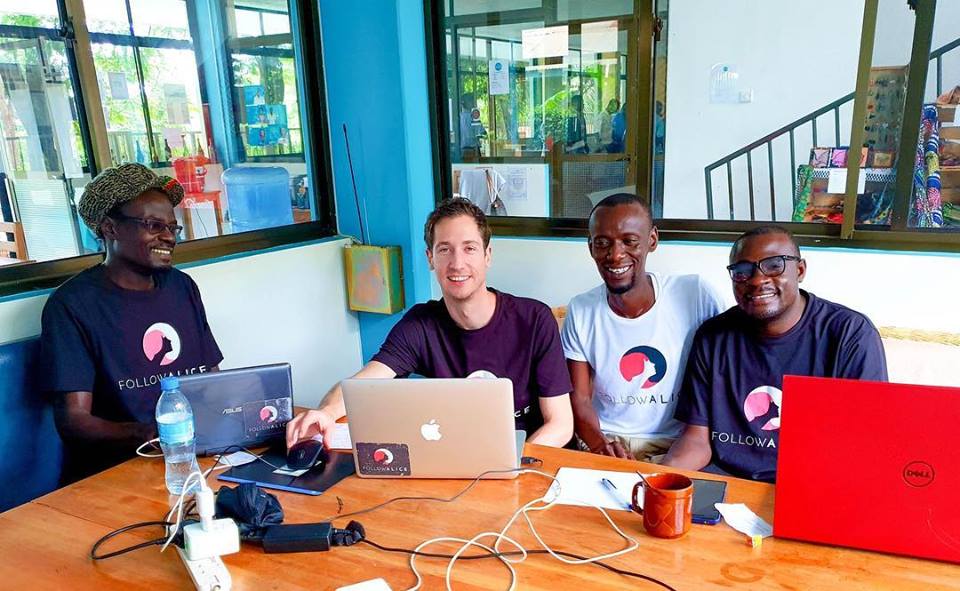
Co-founder Reto with local guides in Tanzania, discussing plans to ensure every climb runs smoothly and safely.
{{leadmagnet-one}}
Kilimanjaro trekking routes
Life on Kilimanjaro is deliberately simple. Days are built around walking, eating, resting, and sleeping. Evenings are spent over dinner, checking gear, and preparing for the next day. This stripped-back routine sharpens awareness of both body and mind, helping trekkers tune into their energy, endurance, and pacing. It also helps the body to acclimatise, which means adjusting to lower oxygen levels.
The challenge is demanding, but it is not isolating. Each route offers its own rhythm and scenery, and all are designed with acclimatisation in mind. Whether following the steep and scenic Machame, the gradual and panoramic Lemosho, the classic Marangu, the remote Rongai, the ridge-hugging Shira, the Northern Circuit that loops around the mountain, or the challenging Umbwe, trekkers move step by step through varied landscapes, from rainforest and moorland to alpine desert and the arctic summit zone. Every route gives climbers the chance to absorb the mountain’s beauty while gradually building confidence and stamina. Whatever route you choose, research it carefully.
For us, longer routes like Lemosho or the Northern Circuit give you the best chance of reaching the summit, as they allow your body time to adjust to the altitude. Shorter routes are not impossible, but they can be much harder on the body as the air gets thinner. Longer days let your body acclimatise gradually, making the climb more manageable and enjoyable.
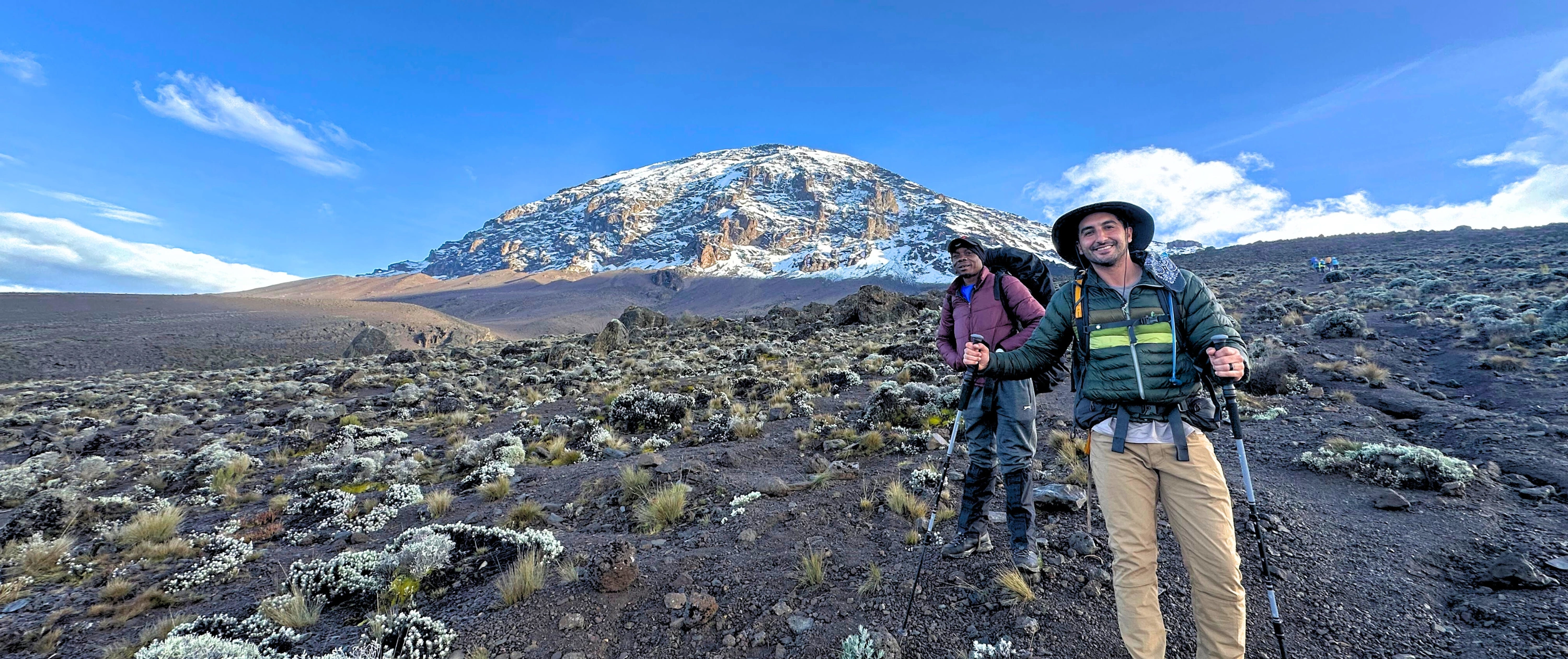
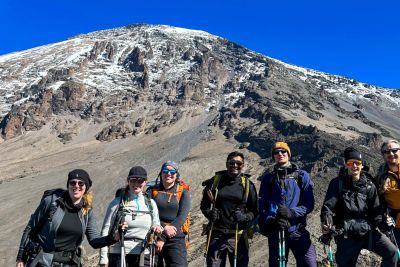
Trekkers posing on the Lemosho route.
Learn more: Which is the best Kilimanjaro route?
Mount Kilimanjaro's five ecological zones
One of Kilimanjaro’s most striking features is how the landscape literally changes beneath your feet. Trekkers start in lush rainforest, warm and damp, with soft ground that makes walking easy. Birds call from the trees, streams cross the trail, and the first days feel gentle.
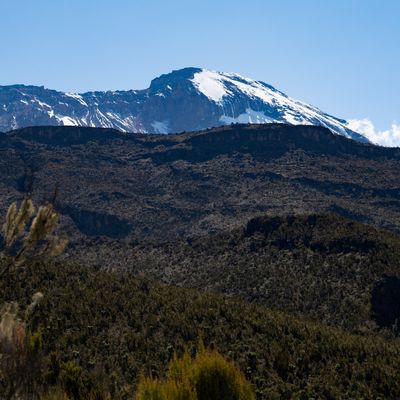
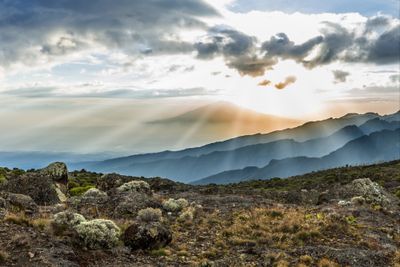
As the trek continues, the rainforest gives way to heath and moorland, dotted with giant lobelias and groundsels beneath wide open skies. Higher up, the alpine desert is rocky, dry, and exposed, which will require focus and stamina. The final arctic zone is cold and stark, with volcanic rock and ice underfoot and the plains far below. Few mountains offer such a quick journey through five ecological zones. Well-planned routes let climbers experience each zone fully, making every day of the trek visually and emotionally distinct.
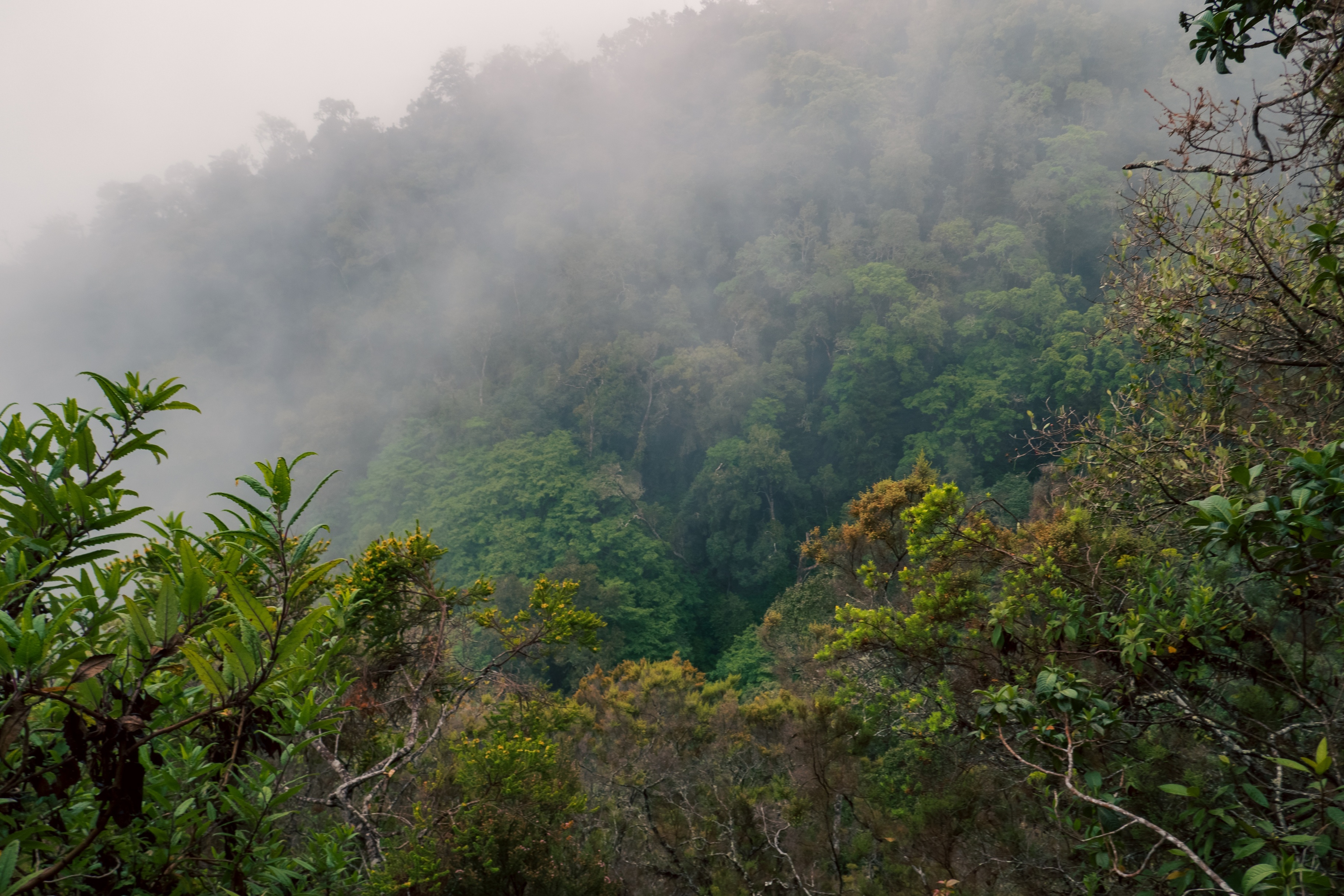
Montane Forest on Kilimanjaro is full of tall trees, ferns, and misty trails.
{{leadmagnet-two}}
Altitude on Mount Kilimanjaro
Remember, altitude on Mount Kilimanjaro touches everyone, regardless of fitness level. At 5,895 meters (19,341 feet) at its highest point, Uhuru Peak stands as the tallest free-standing mountain in the world. Headaches, fatigue, disrupted sleep, and reduced appetite are common, and how trekkers respond differs. That’s why a slow, deliberate ascent and careful monitoring by experienced guides are so important to help climbers adjust safely and make the summit achievable.
Follow Alice designs treks with acclimatisation built in. Longer itineraries and steady pacing maximise comfort and summit success. One climber named Myles reflected on his six-day Rongai Route trek with us:
From the point of enquiry to full execution, the Follow Alice team were amazing. Tents, food, water, toilets — everything ran like clockwork.
Another trekker, Kev, praised our mountain crew:
I climbed Mount Kilimanjaro with Follow Alice and I can not express how helpful they where in helping me climb Kilimanjaro the guides we had were Robert and Paul and they made it enjoyable and helpful for the climb. Follow Alice is a very good to work with from pre-briefing for climb. During the climb you are supported by a great team of porters, cooks and waiters. The whole experience was amazing.
With the right route and experienced guides, anyone can take on Kilimanjaro. Careful preparation, steady pacing, and support along the way give trekkers the confidence to reach the summit and enjoy the journey every step of the way.
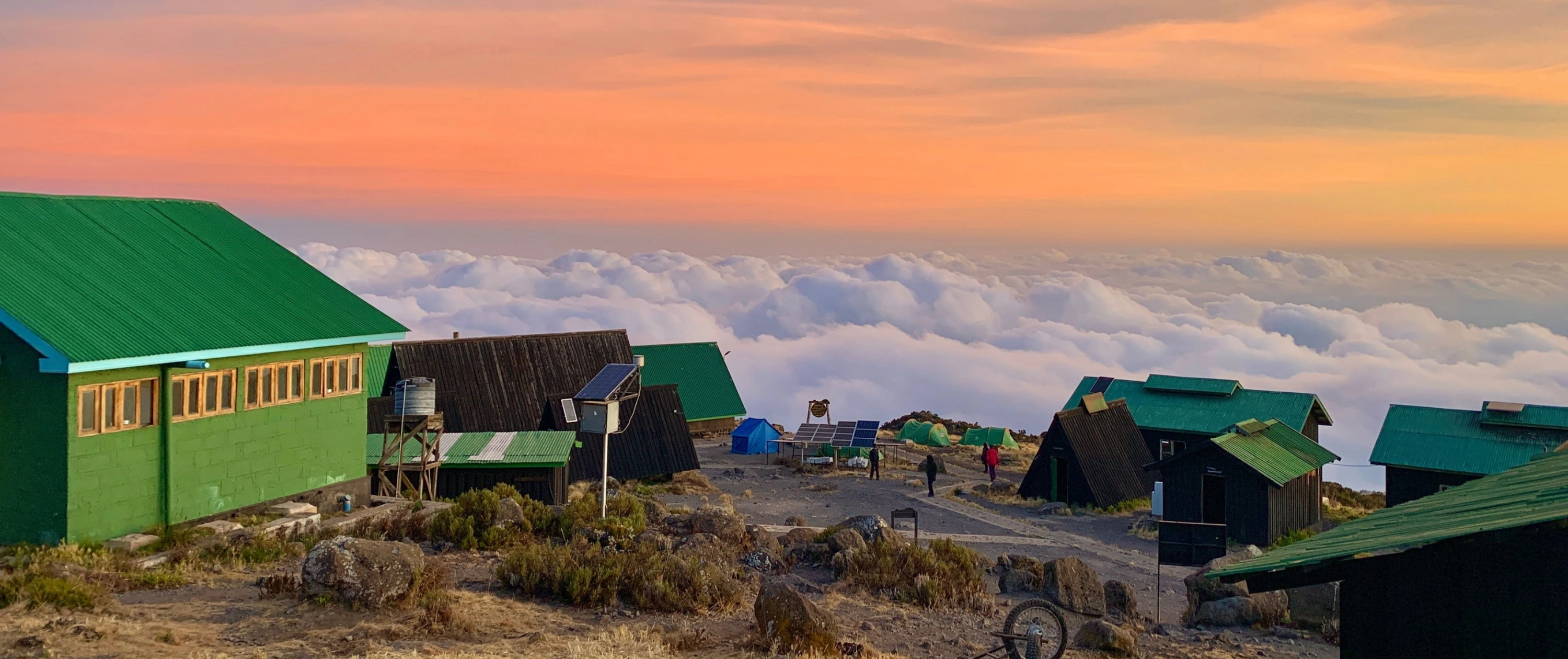
The Horombo Huts on Mount Kilimanjaro with a sea of fluffy clouds around them under a colourful sky.
Learn more: What is the best way to acclimatise when climbing Kilimanjaro?
Kilimanjaro Trek preparation
With all of this said, with any trip, you still have to prepare. Preparation is not about extreme fitness, but about consistency and realism. Regular walking, hill training, strengthening knees and ankles, and building cardiovascular endurance all help. What matters most is learning to move steadily for hours at a time.
Equipment should be practical, reliable, and familiar. Warm layers, waterproofs, sturdy boots, a good sleeping bag, and a headlamp are essentials. Smaller details like trekking poles, sun protection, and hydration systems often make the biggest difference over long days. Follow Alice provides detailed gear guidance and pre-departure briefings so climbers arrive confident and prepared.
Mental preparation matters just as much. Accepting discomfort, trusting the process, and allowing the mountain to dictate the pace transforms the experience. As one climber put it:
The guides made it possible to focus entirely on walking and breathing. Everything else was handled.
Mount Kilimanjaro summit night
I'm sure while doing your research, you came across summit night on Kilimanjaro and what it's all about. Well, after days of trekking through forests, moorland, and alpine desert, everything comes together on summit night. Climbers wake around midnight, layer up against the cold, and set off into darkness lit only by headlamps. Every step is careful, every breath deliberate. Conversation fades as focus takes over.
The climb is steep, and the air is thin, but step by step, the summit draws closer. Guides encourage the group, helping everyone pace themselves and stay safe. Even ordinary hikers can keep going with preparation, determination, and support. By sunrise, Uhuru Peak emerges, 5,895 meters (19,341 feet) above sea level. The plains stretch far below, glaciers glow in the first light, and climbers feel a mix of relief, wonder, and quiet satisfaction. It is more than a physical achievement; it is the result of preparation, perseverance, and trust in your guides. It’s a moment that stays with you long after the climb is over.
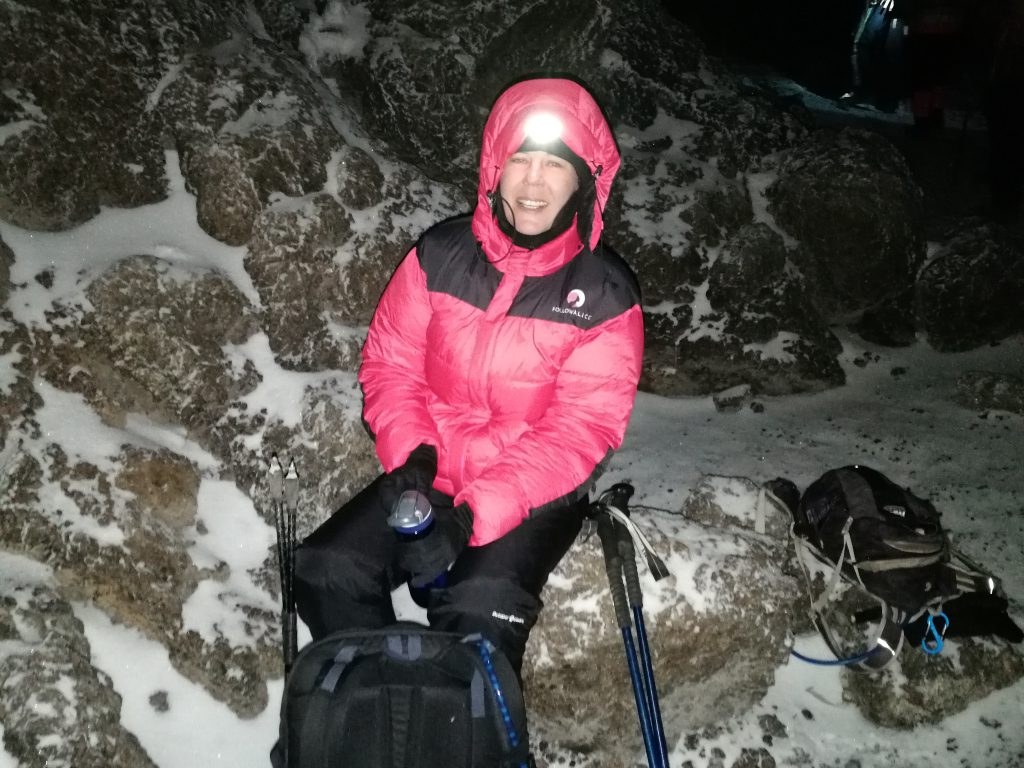
Trekker is ready to embark on the last push before reaching the summit.
Learn more: Why summit Kilimanjaro at night?
The Kilimanjaro descent
After the summit, the journey back down the mountain begins. The descent is often faster and dustier than the climb up, but it can be harder on the knees and legs. Even so, spirits lift as the air feels fuller, energy returns, and the exhaustion of the climb slowly turns into pride. For many climbers, the memories that linger are not only of the view from the top but of the teamwork, routine, and perseverance that carried them there.
One climber, Kevin, reflected:
Even after reaching the summit, the guides, porters, and cooks supported me every step of the way. The experience was unforgettable.
It is these small, meaningful moments, the encouragement from guides, shared laughter on the trail, and the sheer determination that turn the climb into more than just a physical achievement. They become memories that stay with you long after the mountain has faded from your view. It pushes you mentally and physically - really pushes you out of your comfort zone and let's be honest, how many people can say that they climbed Mount Kilimanjaro?
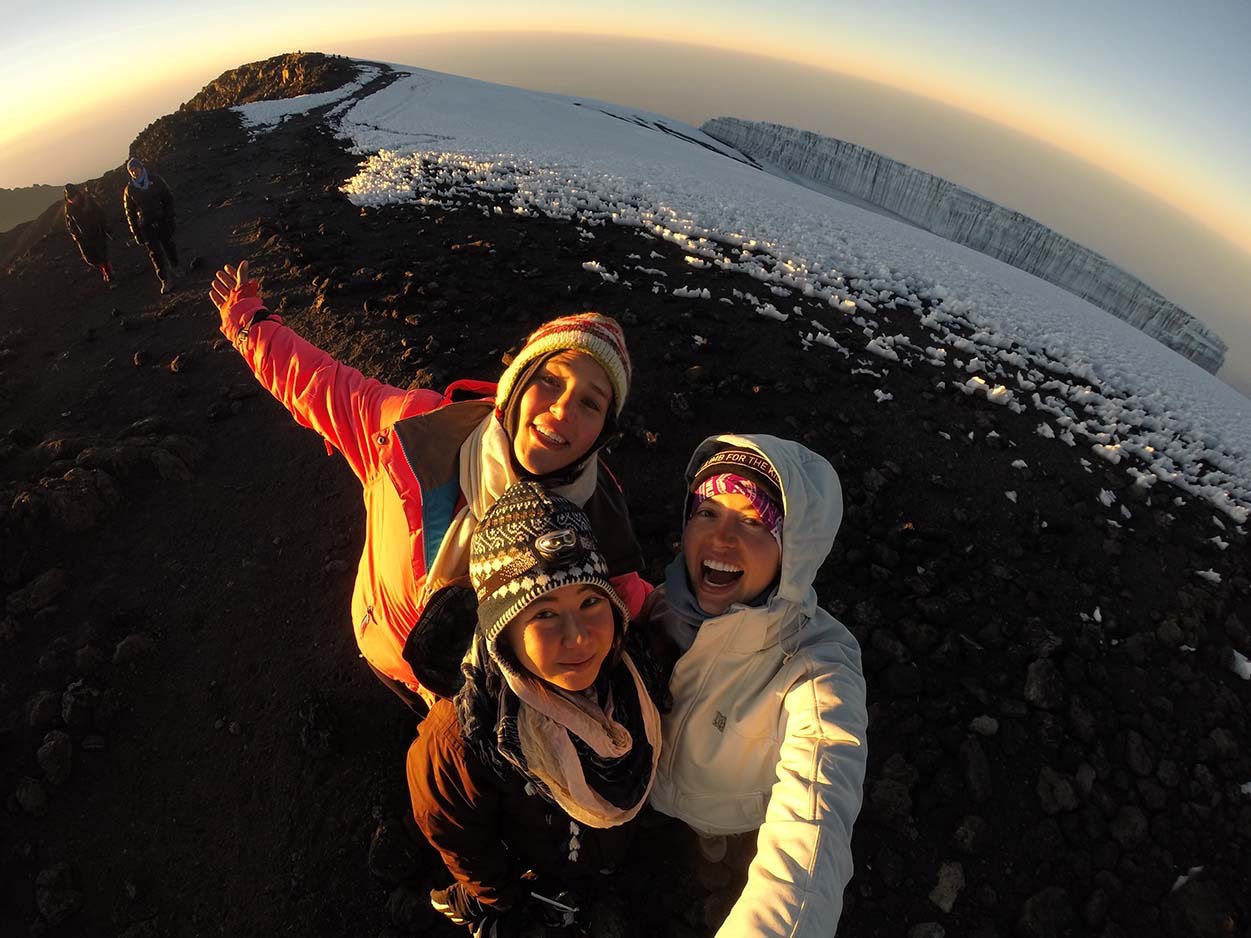
Three friends take a selfie on the day of their summit on Mount Kilimanjaro.
{{leadmagnet-three}}
Why who you climb with matters
Kilimanjaro is a mountain that rewards preparation, pacing, and teamwork. Who you climb with can make all the difference between a daunting challenge and an amazing adventure. Follow Alice has been doing these trips for more than a decade, and our Trustpilot score has a 5-star rating. Teams are selected for skill, judgment, and care. Every detail, from pre-climb briefings to summit day, is considered.
Travellers have repeatedly praised our approach. For people like me who have no mountain trekking skills, Kilimanjaro offers an experience that is simultaneously challenging, immersive, and achievable. With preparation, support, and trust, it becomes a journey that stays with you for a lifetime. For many in the Follow Alice family who have climbed Kilimanjaro, the journey matters as much as the summit itself.