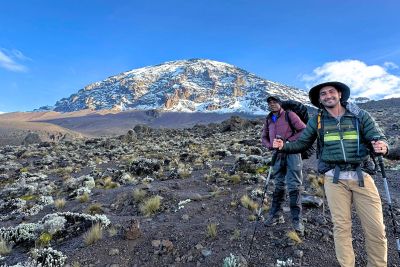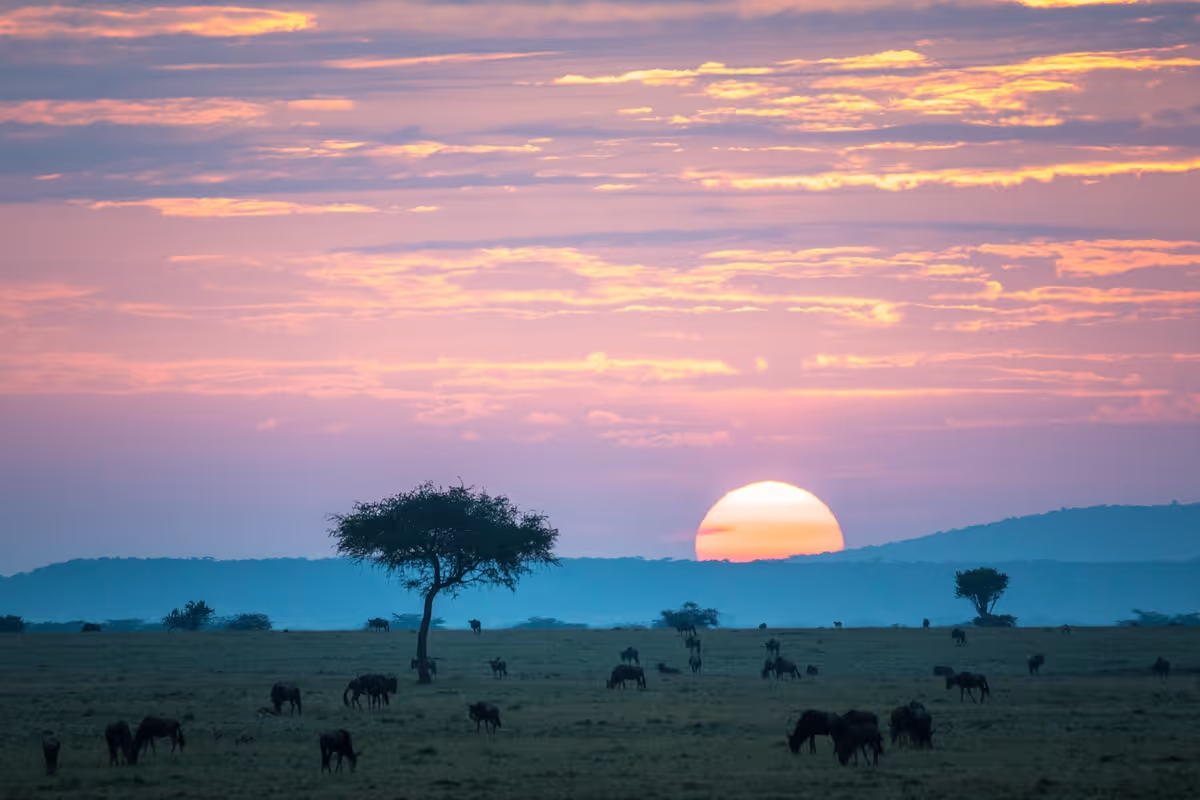




Sustainable travel stopped being a niche idea years ago. In 2026, it’s shaping where people go, how they move through a place, and what they expect from an adventure. Travellers are paying closer attention to what their money supports, who benefits, and whether the landscapes they came for will still look the same in ten years. That mindset is pushing people towards unique travel destinations that have protected what makes them special.
Eco-friendly travel destinations fit this moment. They’re places that protect ecosystems, limit pressure where needed, and keep more tourism value in local hands. The best part is that they’re rarely dull. Responsible travel tends to come with quieter trails, better guiding, and the kind of cultural depth you don’t get when a destination is built for volume.

This guide focuses on eco-friendly travel destinations that are worth prioritising in 2026. You’ll also see what qualifies a place as genuinely eco-friendly, how carbon-negative claims should be understood, and which choices travellers can make to reduce their impact without losing the buzz that makes an adventure worth booking.
Why eco-friendly travel matters more in 2026
Tourism can protect a place, or it can wear it down. Both outcomes happen every day, sometimes in neighbouring valleys. In 2026, travellers can see everything from trail access rules to over-tourism caps before they ever book, which means expectations are higher.
Eco-friendly travel destinations matter because they show what ethical management looks like in practice. These places usually share a few traits.
• Visitor numbers are managed rather than maximised. • Natural resources are protected through law and enforcement. • Local communities see real economic benefit. • Infrastructure is designed for the long term, not a quick boom.
Done well, this approach keeps experiences wild, not worn out. It also protects what makes outstanding travel destinations feel special in the first place. It’s one reason many travellers are prioritising unique travel destinations that still feel like authentic experiences.

What makes a destination eco-friendly?
“Sustainable” gets used loosely in travel marketing, so it helps to pin down what actually counts. A genuinely eco-friendly destination tends to do three things at once.
First, it limits environmental damage through rules, protected areas, and practical infrastructure. Second, it ensures that the benefits of tourism remain within the local community by promoting fair employment, local ownership, and community involvement. Third, it manages visitor pressure, which can mean caps, permits, seasonal planning, or pricing tools that discourage mass tourism.
Bhutan’s Sustainable Development Fee is a useful example of a pricing tool that funds national priorities and helps manage impact. Visitors pay an SDF as part of the visa process, and that fee isn’t a gimmick. It's part of how Bhutan chooses high-value, low-volume travel over crowd-driven growth, while keeping conservation and culture properly funded.
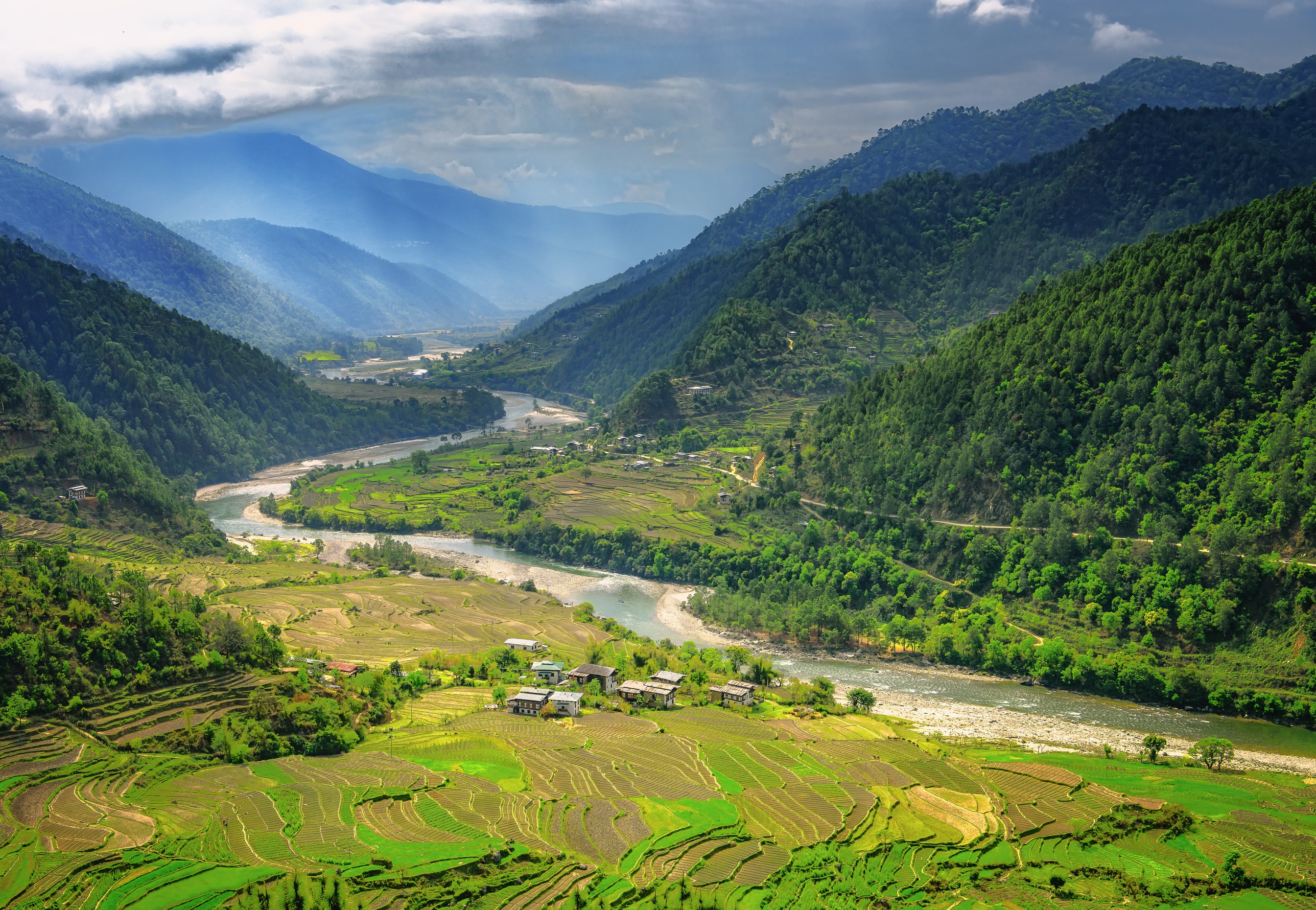
Valley in Bhutan near Punakha with rice fields and typical houses.
Eco-friendly vs non-eco destinations
Below is a simple comparison to evaluate whether your dream destination is moving forward into a more sustainable future or staying in the present.
True eco-friendly travel destinations usually feel better, too. There are fewer crowds, the place's story is more evident, and the adventures are less reminiscent of a production line.
Top eco-friendly travel destinations for 2026
Consistently touted as great travel destinations, these five locations also boast robust sustainability systems. Each one offers a serious nature, real culture, and adventure that doesn’t rely on chewing up the very thing people came to see.
1. Costa Rica
Costa Rica has been building a conservation-led tourism model for decades. A big reason it works is scale. Conservation laws actually have teeth, and a significant portion of the country remains protected.
For travellers, Costa Rica is one of those eco-friendly travel destinations where it’s simple to choose well. Rainforest hikes, canopy walks, wildlife watching, and coastal kayaking can all sit inside protected-area rules rather than competing with them.
Sustainable adventure ideas for 2026 include guided wildlife tracking, volcano and cloud forest trekking, and community-based stays that keep money in local hands.
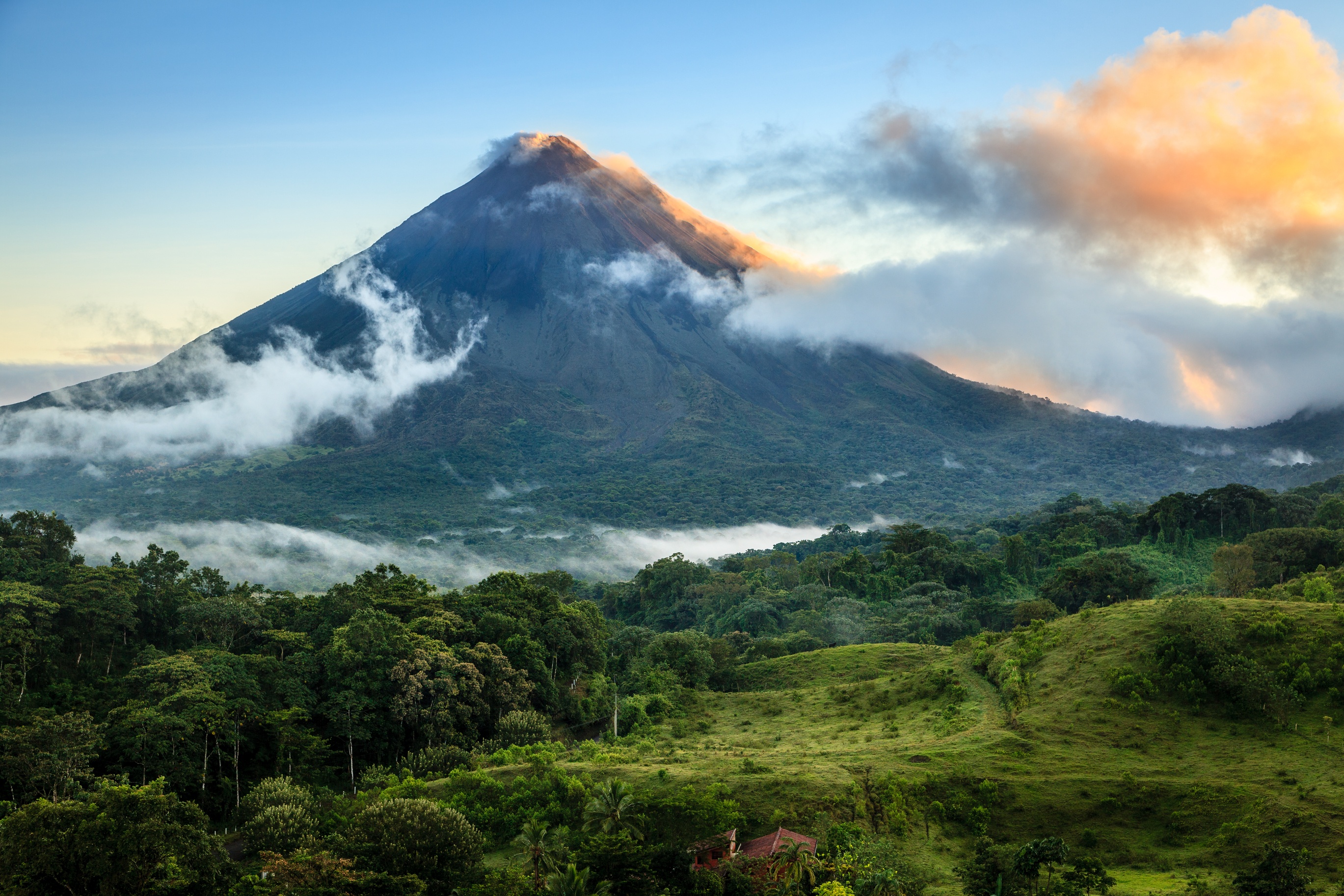
Scenic view of Arenal Volcano in central Costa Rica at sunrise.
2. Bhutan
Bhutan sits in a category of its own. It’s one of the very few countries widely described as carbon negative, and it has built its tourism model around protecting culture, nature, and the top places to visit, rather than maximising arrivals. Visitor numbers are limited, and the Sustainable Development Fee plays a central role in managing tourism pressure while funding national priorities.
The goal isn’t to make travel expensive for the sake of it. The goal is to protect valleys, monasteries, and communities from becoming crowded backdrops for mass tourism. With that in mind, many travellers find that the best time to visit Bhutan isn’t about avoiding people altogether, but about travelling when the country can absorb visitors without losing what makes it special.
Bhutan’s also one of the most unique travel destinations for trekkers who want culture and wilderness in the same week.

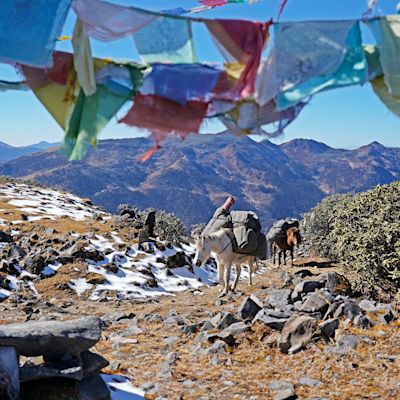
Taktsang Monastery, famously known as Tiger's Nest in Bhutan, is located in the Paro district.
3. New Zealand
New Zealand’s best nature experiences aren’t left to chance. Booking systems for huts, campsites, and major trails help manage pressure and protect fragile ecosystems.
For travellers chasing the best sustainable adventure travel, New Zealand proves that adventure tourism and conservation don't have to compete. Multi-day hikes, sea kayaking, and alpine routes all benefit from careful regulation and strong visitor ethics (Department of Conservation).
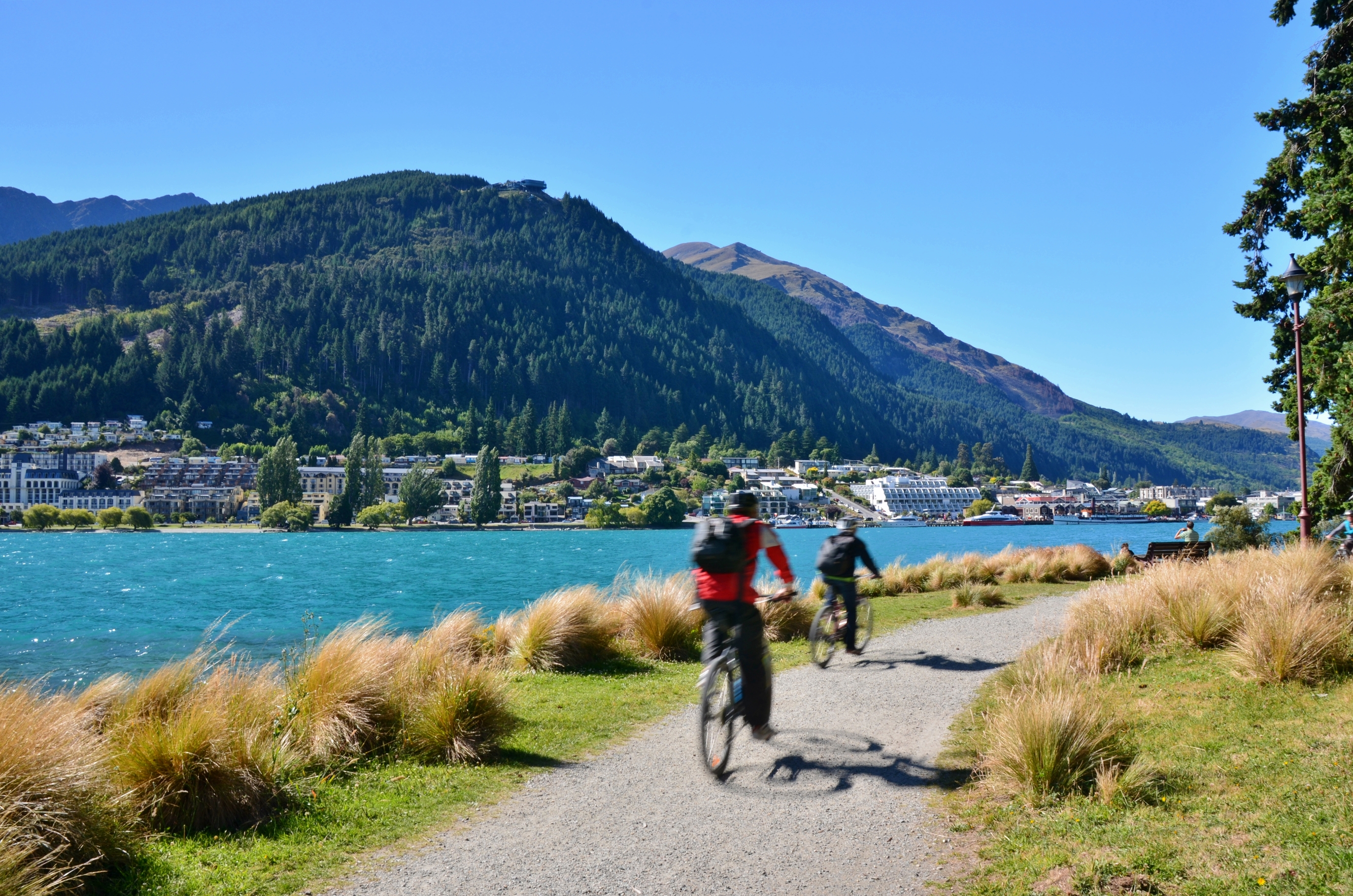
Walking and cycling track in the Botanic Gardens in Queenstown, New Zealand.
4. Slovenia
Slovenia’s quietly one of Europe’s most impressive eco-friendly travel destinations. It runs a national sustainability framework that pulls destinations and providers into shared standards rather than leaving “green” to marketing copy.
It’s also one of those unique travel destinations that makes you wonder why it isn’t busier. You can hike alpine routes, cycle through wine regions, and swim in clear rivers without constant crowds.
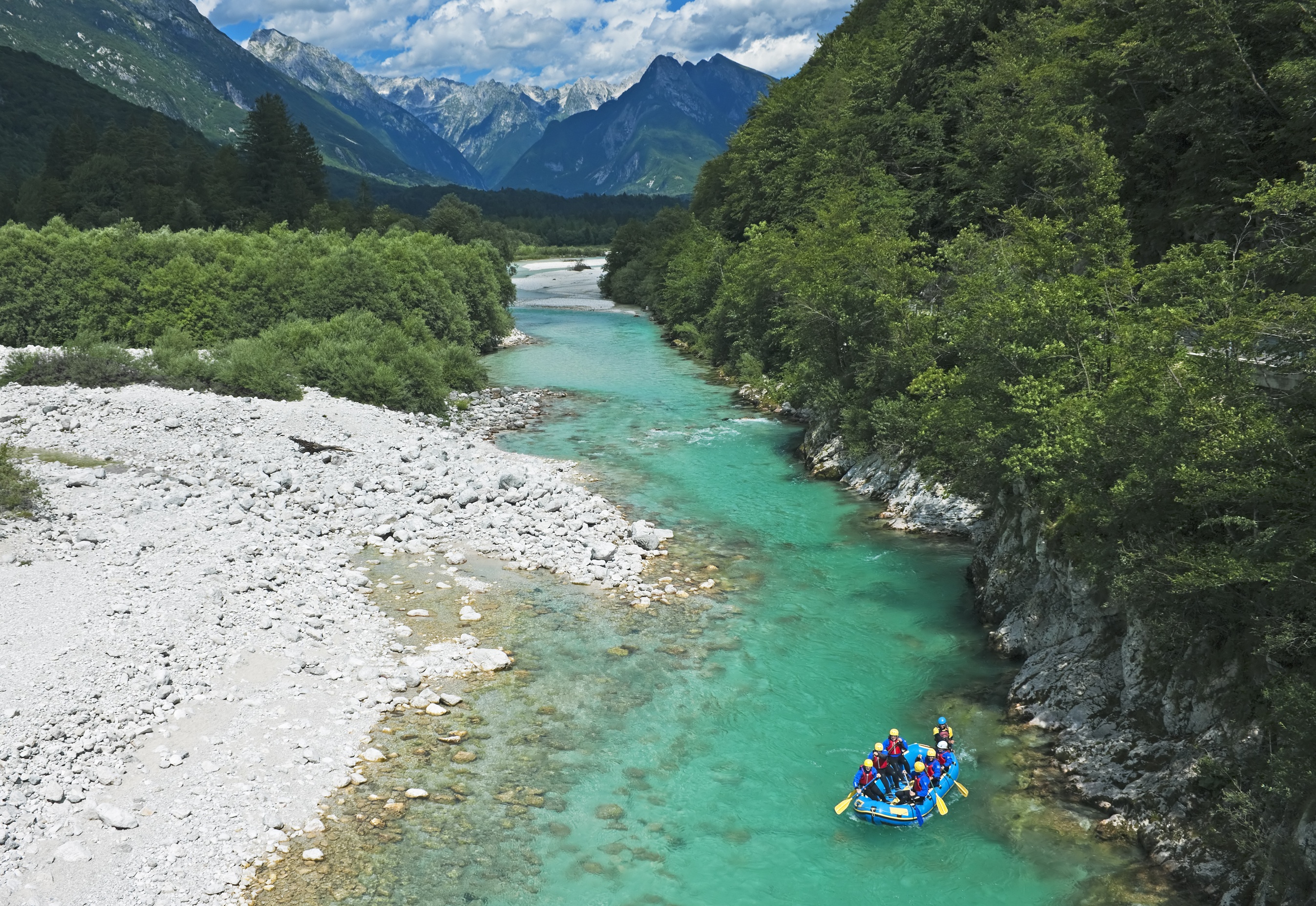
Rafting on the Soca River in the Julian Alps, Slovenia.
5. Iceland
Iceland had to get serious about sustainability quickly. Its landscapes are resilient in one way and incredibly fragile in another. Off-trail walking and careless driving cause damage that lasts for years.
Visitor education, trail protection, and infrastructure upgrades are now at the centre of Icelandic tourism. According to Responsible Travel, that's how Iceland stays one of the best travel destinations without letting pressure spiral out of control.

Aurora Borealis over the famous Skogafoss waterfall on the Skoga river, Iceland.
Best sustainable adventure travel experiences
Sustainable doesn’t mean passive. Some of the most exciting trips in 2026 will be built around smaller groups, stronger local guiding, and routes that protect the landscapes that make the journey possible.
The best sustainable adventure travel usually has guardrails, not guesswork.
Examples include:
• Trekking routes with permits or booking systems • Wildlife experiences led by trained local guides • Community-led cultural experiences • Low-impact water adventures with strict codes of conduct • Multi-day journeys that reward slower travel
The best sustainable adventure travel often feels calmer, more personal, and more memorable. It also tends to age better in your memory.

Carbon-negative destinations
“Carbon negative” gets thrown around a lot, so it’s worth being precise. At a national level, a carbon-negative destination removes more carbon from the atmosphere than it emits overall, usually through a combination of low emissions and extensive forest or land-use carbon absorption.
Bhutan’s the headline example. Extensive forest coverage and firm policy choices keep emissions low, while the Sustainable Development Fee, currently set under a government incentive period through August 2027, helps fund conservation and development without pushing visitor numbers higher. That structure is a big reason Bhutan’s carbon-negative status holds weight.
Carbon-negative models matter because they show what happens when limits come first, not last.
{{leadmagnet-one}}
How travellers can reduce their own impact
Even in eco-friendly travel destinations, individual choices still matter. The goal isn’t perfection. It’s making better decisions more often.
Practical ways to reduce impact include:
• Staying longer in one region • Choosing locally owned operators • Following track rules and wildlife guidelines • Cutting single-use waste • Travelling off-peak where possible.
Thoughtful choices also protect what makes unique travel destinations feel rare rather than overrun.

A couple opt for eco-friendly tourism.
Why these destinations stand out in 2026
Costa Rica, Bhutan, New Zealand, Slovenia, and Iceland aren’t perfect. What sets them apart is governance. Each destination has systems that manage visitor pressure, protect landscapes, and keep benefits closer to local communities.
That’s why they keep appearing as eco-friendly travel destinations and great travel destinations at the same time.
Travelling mindfully into the future
In 2026, eco-friendly travel destinations don’t require giving anything up. For many travellers, they offer deeper experiences, quieter landscapes, and adventures that don’t come at the expense of the places they’re visiting.
Bhutan is a strong example of how this can work in practice, using its carbon-negative position and tourism policies to fund national priorities while protecting culture and nature. To gain a deeper understanding of the country’s character, it is important to consider why Bhutan still feels so unique and how it’s a great example for other countries.
Iceland shows the same lesson from a different angle. Limits protect beauty.
If you want help choosing between these great travel destinations and shaping a sustainable adventure that fits your pace and priorities, you can discover Bhutan with Follow Alice. Book a call with our team and we’ll help you plan a trip that feels exciting, responsible, and genuinely worth the journey.