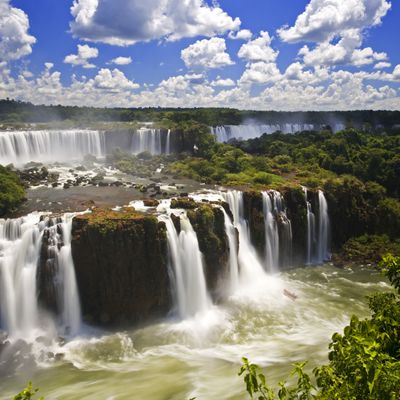




There’s something magical about travelling after 60, or 70, or even older, which is completly dependant on you, your fitness level and health. You carry the freedom that comes from years of life experience, a mind still curious, and a confidence that allows you to enjoy adventure without the pressure of rushing or proving anything.
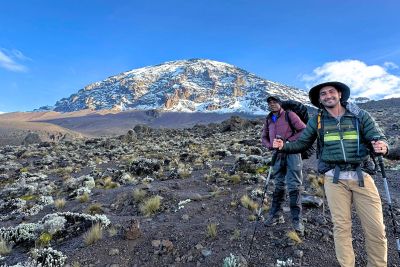
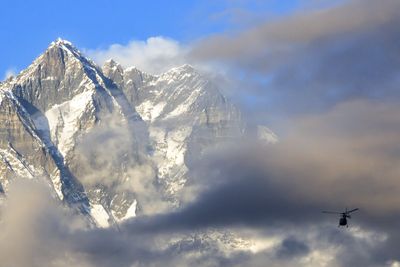
Money, obligations, and career stress are no longer barriers; instead, they’ve been replaced by the luxury of choice, where to go, how to travel, and how long to stay in a place that calls to you. At this stage, adventure isn’t about climbing mountains for the sake of it. It’s about really being there, breathing in the crisp air on a Himalayan trail, watching mist drift across Africa's highest peak, or stopping mid-hike to simply take in a view you might have rushed past in your younger years. Today, senior adventure travel is designed around this way of experiencing the world. Age, in this sense, isn’t a limitation; it’s a lens. So, if you’re planning to trek in some of the world’s most iconic destinations, here’s a practical guide to help you prepare for these types of destinations in your golden years.
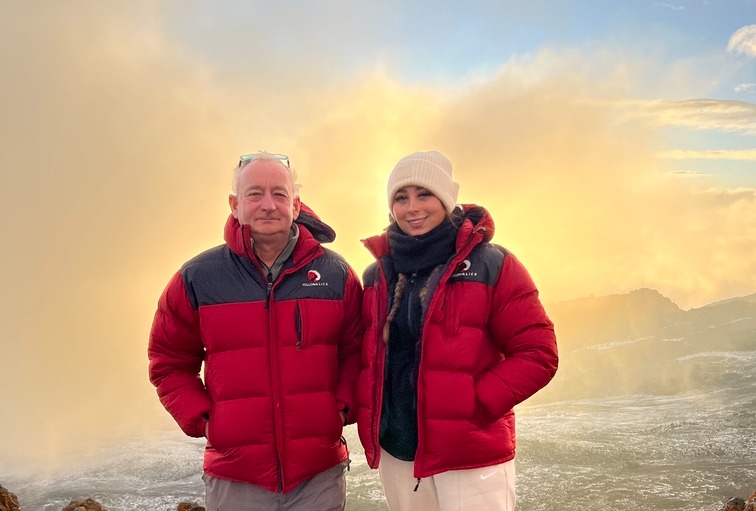
Climbers of different ages pause at Uhuru Peak, Kilimanjaro, wearing Follow Alice jackets and sharing the excitement of the summit.
Learn: Climbing Kilimanjaro when you're over 50: tips and advice
Outdoor adventure travel
Outdoor adventure travel for seniors is now a growing movement, with operators designing treks specifically for those in their golden years. From the five ecological zones you will experience in Kilimanjaro to the Himalayan peaks of Nepal, adventure travel destinations offer experiences that can not really be explained in words. You have to experience it to truly understand its magic. With that said, this is what you need to do to make sure your trek will be worth it:
1. Choosing the right adventure travel destinations
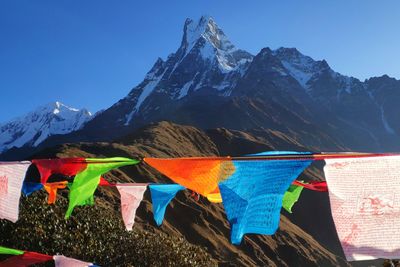
The key to enjoying senior adventure tours is selecting the right trail. Moderate treks with well-marked paths, reliable guides, and access to medical support are ideal. Nepal’s Ghorepani, Poon Hill and Mardi Himal Trek provide high-altitude views without extreme exertion, while the Inca Trail in Peru combines history with manageable daily distances. Other destinations, like the Northern Route on Kilimanjaro or trips to Bhutan, offer spectacular scenery, wildlife, and accessible treks.
When looking for a destination, consider climate, altitude, trail difficulty, and the pace of the tour. Senior travellers benefit from itineraries that balance activity and rest, allowing the body to recover and adapt. Tours with smaller groups often provide a personalised experience and flexibility to adjust daily plans.
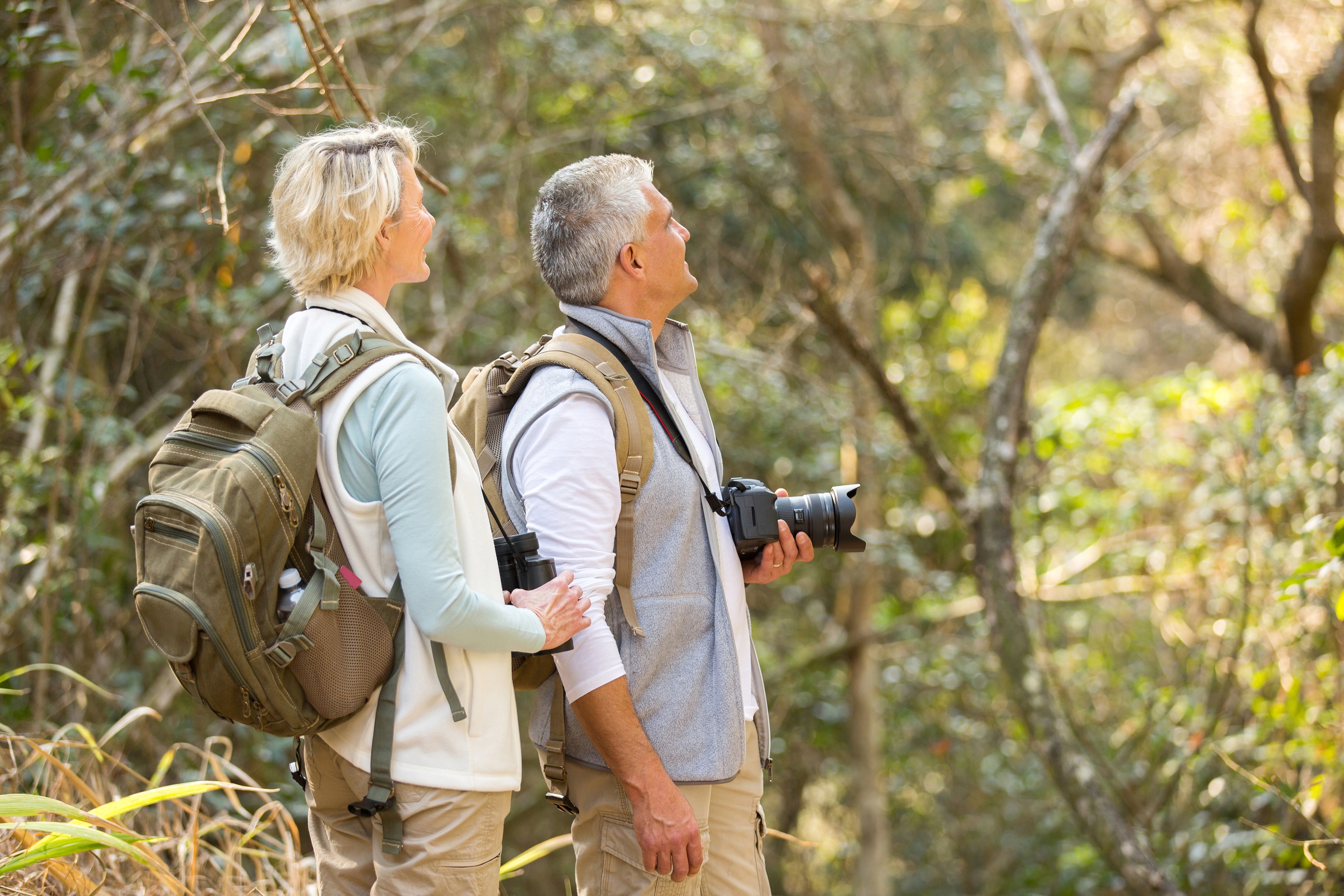
An elderly couple hiking and enjoying the scenery.
2. Physical and mental preparation
Preparation is really important to enjoying a trek safely and comfortably. Start by building your fitness gradually. Walking regularly, going on easy walks, and adding simple strength and stretching exercises can improve your stamina and help prevent injuries. Practising with day hikes or short multi-day walks gives you a sense of what your chosen trek will feel like.
It’s important to check in with your doctor before you go, especially if you have any ongoing health conditions. They can advise on what level of activity is safe for you and suggest any precautions. Packing and planning also make a big difference. Comfortable footwear, layered clothing for changing weather, and a well-fitted daypack can make the journey easier. Familiarising yourself with the route, daily distances, and accommodation along the way helps to set realistic expectations.
Mental preparation matters just as much as physical fitness. Travelling at this stage of life is about curiosity, enjoyment, and discovery, not pushing yourself to exhaustion. Knowing what to expect, keeping a flexible mindset, and celebrating small achievements along the trail will make your trek a memorable and rewarding experience. Even a short warm-up hike before the main trek can boost confidence and make the real adventure feel more manageable.
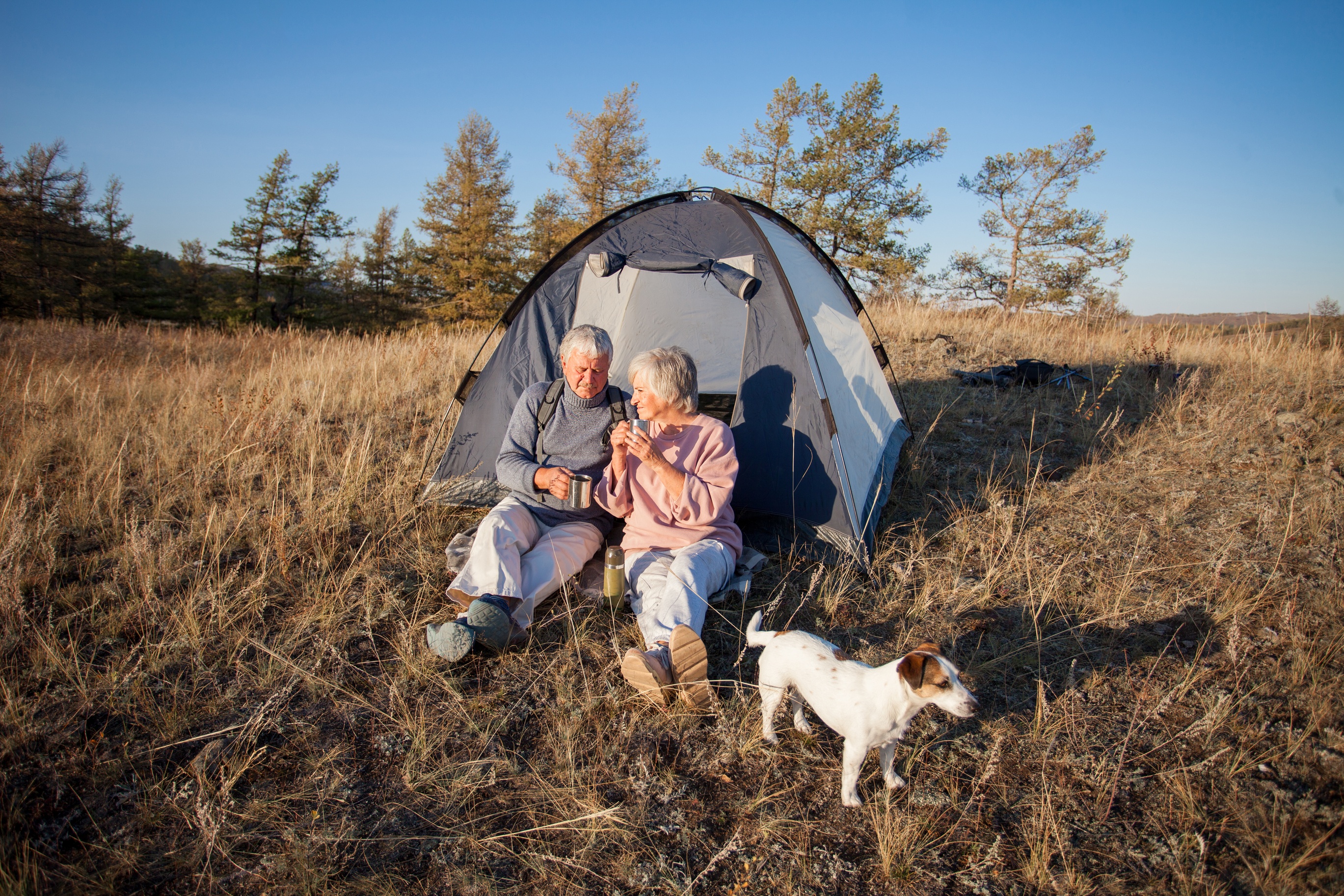
An elderly couple camping outdoors.
3. Essential gear and planning
Having the right equipment makes your trek much more comfortable and enjoyable. Supportive boots that have been broken in, a well-fitting backpack, and lightweight trekking poles can make long walks easier. Wearing layered clothing and moisture-wicking fabrics helps you stay comfortable in changing weather. Carrying water and small snacks throughout the day keeps your energy up. Careful packing also helps avoid unnecessary strain on your back and shoulders. It’s also important to be prepared for emergencies. Travel insurance that covers adventure activities and medical evacuation gives peace of mind. Many senior adventure tours include access to on-call medical support, so you can feel safe even in remote locations.
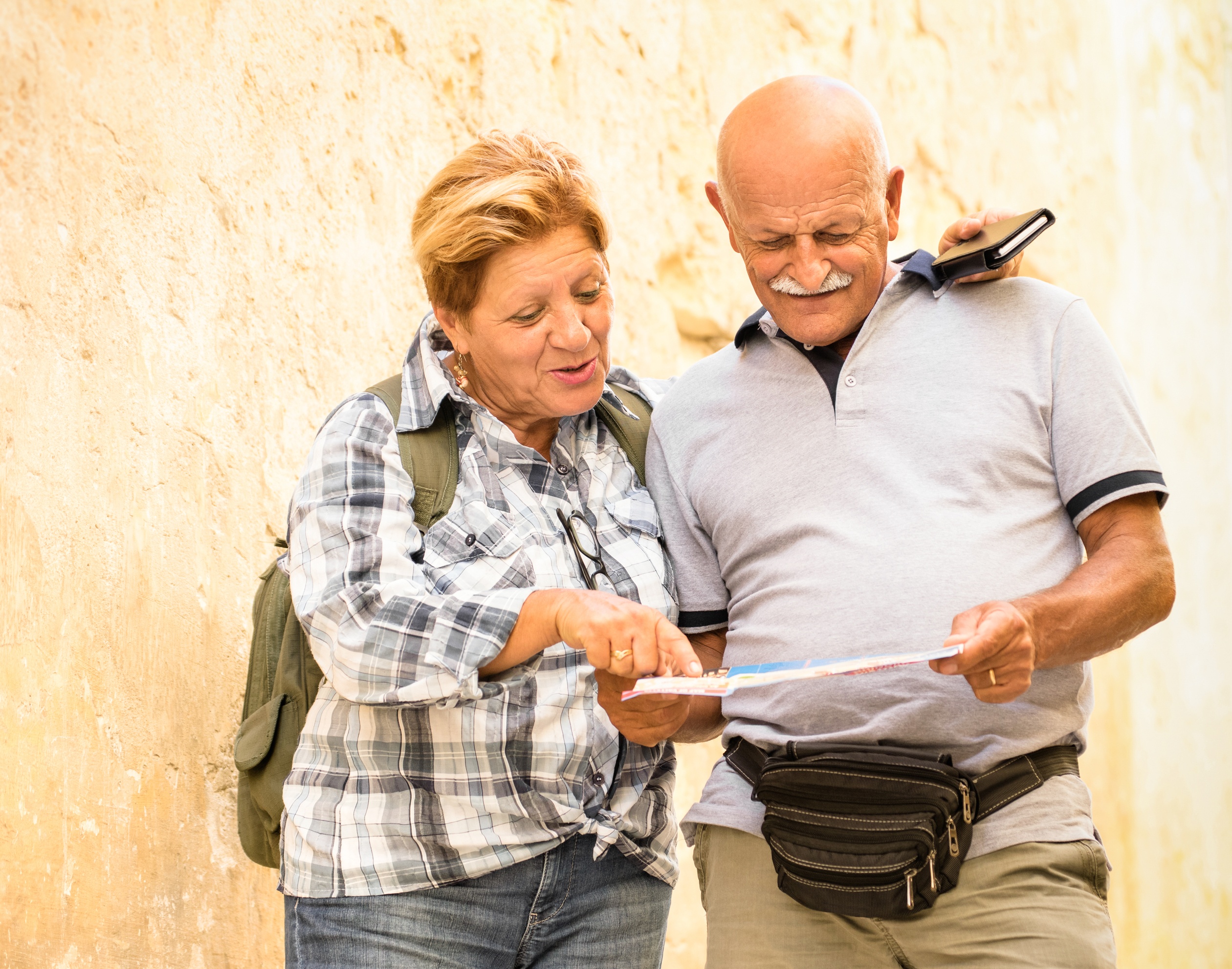
An active senior couple exploring
4. Guided tours vs independent travel
Guided tours give you a set plan, local guides who know the area, and help with things like transport and accommodation. This takes the stress out of planning and finding your way. Independent travel gives you more freedom to explore at your own pace, but it needs extra preparation and backup plans. Many older travellers find a balance with joining guided tours for harder parts of a trip, and travelling independently to enjoy local culture and take their time.
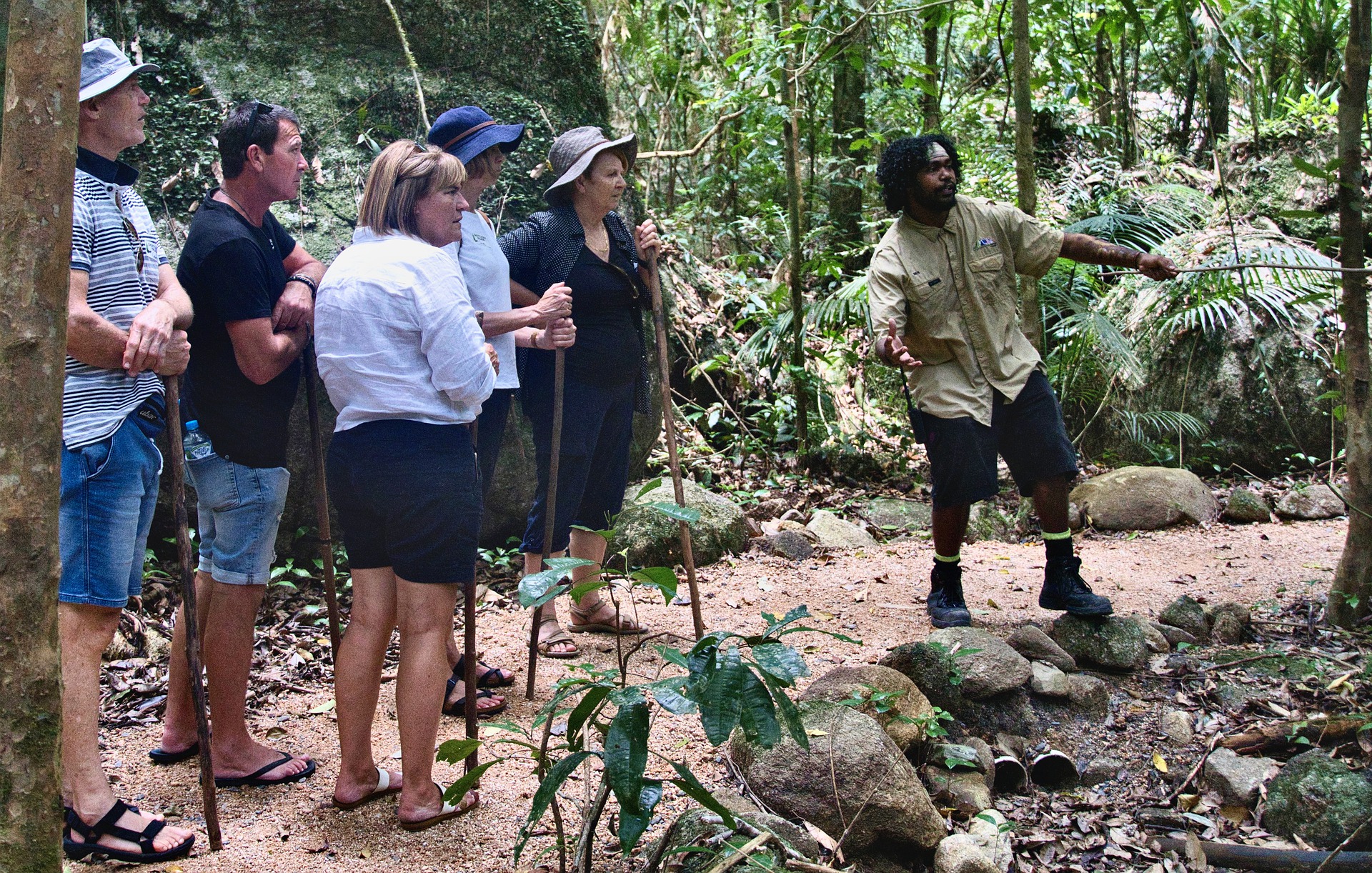
Tour guide and group in bush walk.
{{leadmagnet-one}}
5. Health and medication tips
If you take regular medication, make sure you have enough for your entire trip and get your prescriptions filled well in advance. It’s important to check if your medicines are allowed in the country you’ll be visiting. Bring copies of your prescriptions along with a note from your doctor explaining why you need them, and keep all medication in its original packaging. These simple steps can help avoid problems at customs and give you peace of mind while travelling.
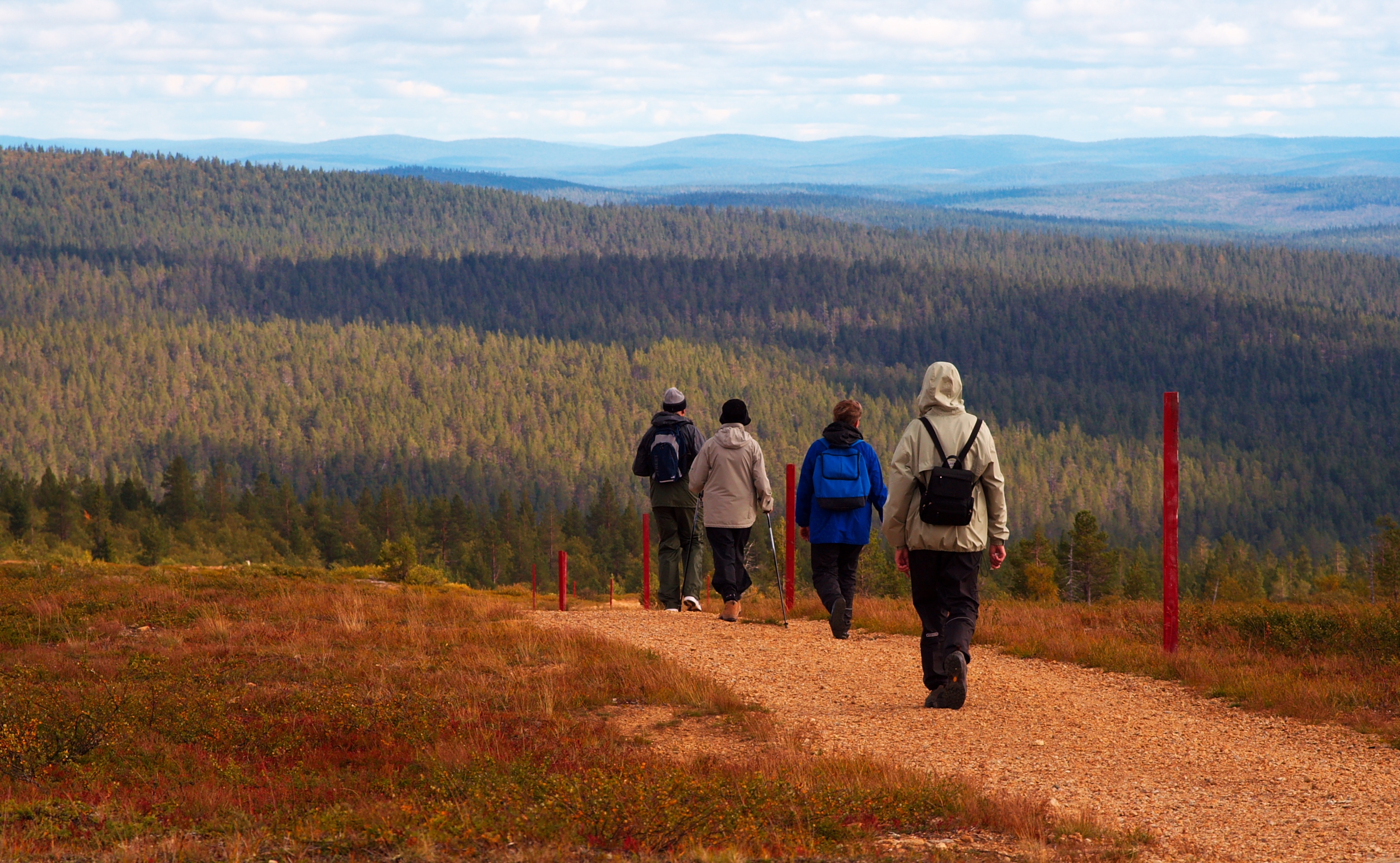
A group of senior hikers walking in the scenic landscape.
6. Use your senior discounts
Many airlines, trains, and bus companies offer discounts for senior travellers, so it’s always worth asking when you book. The same goes for attractions like museums, parks, and other tourist sites, which often have reduced rates for seniors. A quick online search before your trip can help you find these savings and make your adventure more affordable.

Airline tickets.
7. Plan for comfort and movement
When choosing accommodations, look for rooms that are easy to access and include helpful features such as grab bars, walk-in showers, and elevators. If you use a cane, walker, or wheelchair, let your airline and hotel know in advance. Many providers can arrange wheelchair assistance at airports and accessible transport, making your journey smoother.
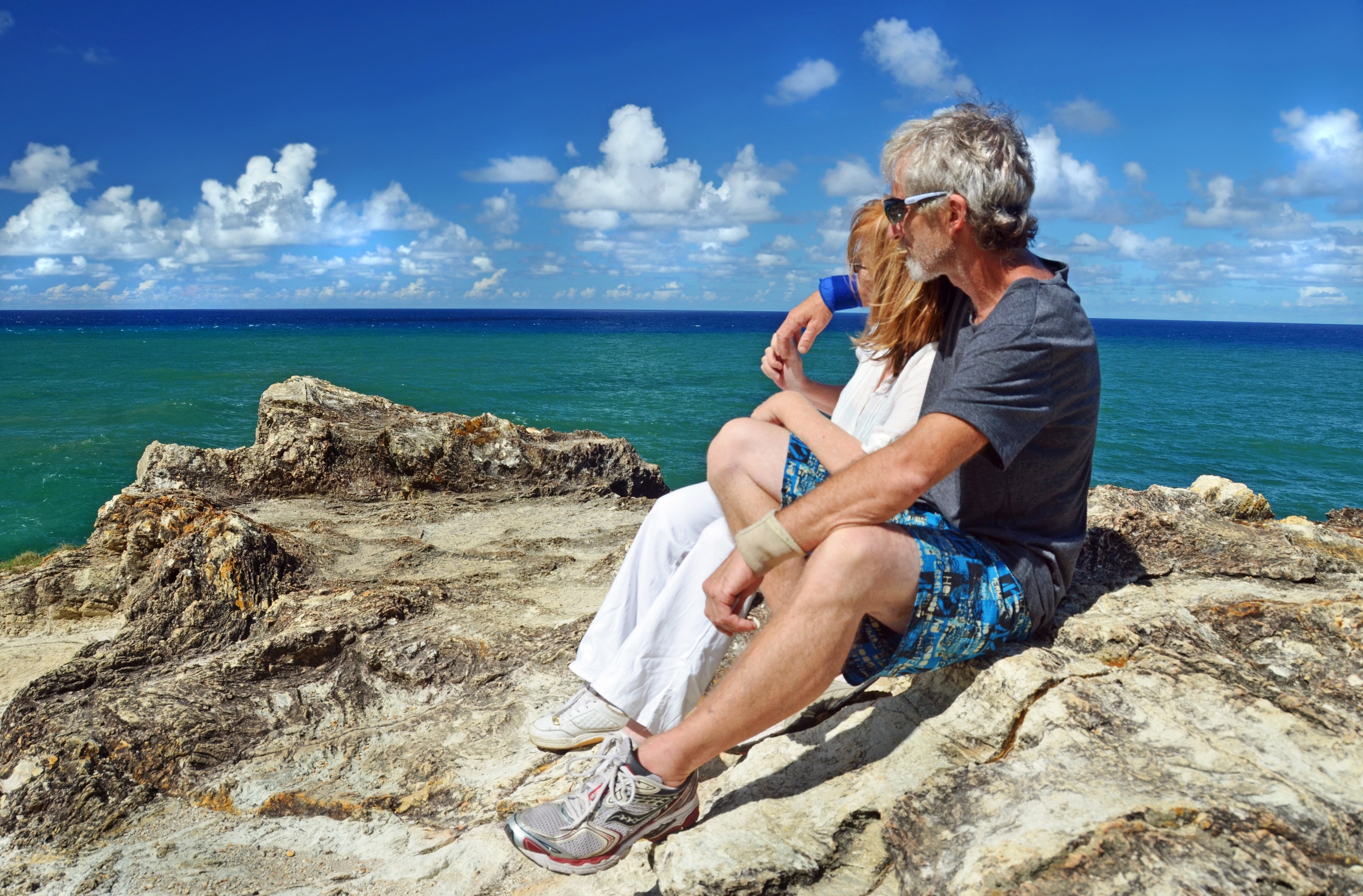
A senior couple resting after hiking to the cliff-top tropical island.
8. Stay connected
Make sure your mobile phone works for international travel if needed, and consider downloading apps for maps, translation, and finding local services. Keep in touch with family or friends by sharing your itinerary and updating them regularly, especially if you are travelling alone. Having emergency contacts easily accessible adds extra peace of mind.

Staying connected is important.
9. Use airport facilities
Airports often offer helpful services for senior travellers, including priority boarding, wheelchair assistance, and electric carts for long distances when walking to your departure gate. Don’t feel shy to request these services if you need them. During long waits, an airport lounge can be a good place to sit comfortably and take a break from the busy terminal and let's not forget the nice food you can also get.

Crowded airport terminal.
11. Stay healthy and hydrated
Maintaining your health while travelling makes a real difference to how you feel on the road. Try to eat balanced meals and keep to your usual meal times where possible. Drink plenty of water, especially when flying, and go easy on caffeine and alcohol, as both can leave you feeling dehydrated. Small habits like these help you stay comfortable and energised throughout your trip. Giving yourself extra time also matters. Allow a little breathing room at each stage of the journey, from getting to the airport to moving between destinations. Building in rest days or quiet moments helps your body recover and lets you enjoy the experience without feeling rushed. Travelling at a slower pace reduces fatigue and makes the journey far more enjoyable.
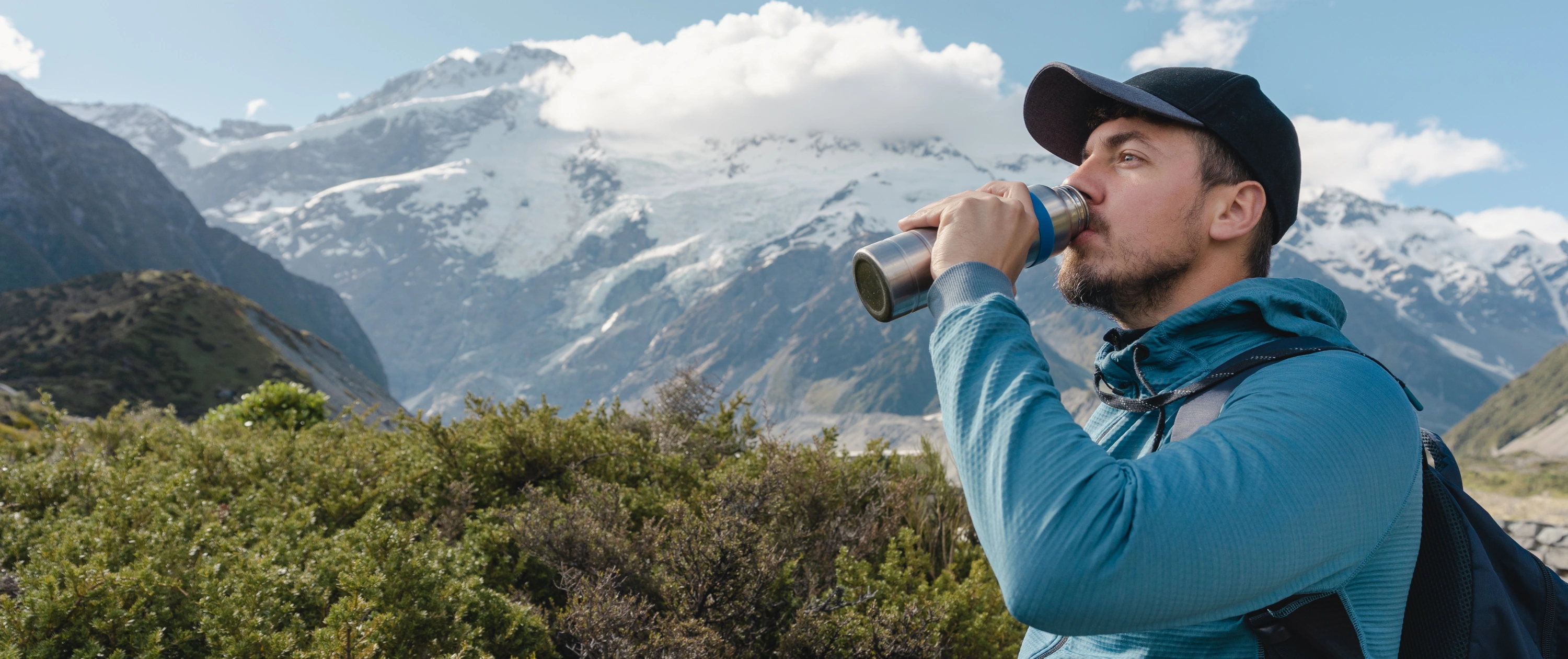
Always stay hydrated while travelling.
Maximising the experience in your 60s
Adventure at 60+ proves that the world’s great treks are not off-limits with age. With thoughtful preparation, practical gear, and a focus on pacing and recovery, seniors can embrace outdoor adventure travel with confidence. The goal is not to conquer the trail but to enjoy it and return with experiences that last a lifetime.
{{leadmagnet-two}}