



Listening usually means voices, music, and the soft rhythm of everyday life. But in the icy fjords of Greenland, Alaska, and Antarctica, the Earth has a voice of its own. Through hydroacoustics, the study of underwater sound, scientists and curious travellers are discovering that glaciers don’t just sit in silence. They crack, sigh, fizz and thunder. It’s a haunting, mesmerising soundtrack of ice breaking and melting, a scary reminder of change that most of us will probably never have the chance to hear. It’s in this moment that we realise climate change is not a distant headline at all. It's happening now, and glaciers are retreating faster than ever.
As more people become aware of this phenomenon, a new kind of science tourism is emerging. Travellers are using hydrophones, underwater microphones, to hear glaciers move. It’s an experience that makes the changes to our planet real. Unlike most climate travel, which focuses on what we can see, hydroacoustics lets us listen. For anyone interested in climate change travel or last chance tourism, it is a new way to understand our world. So let's have a look at why all this is being done and what exactly glacier calving means.
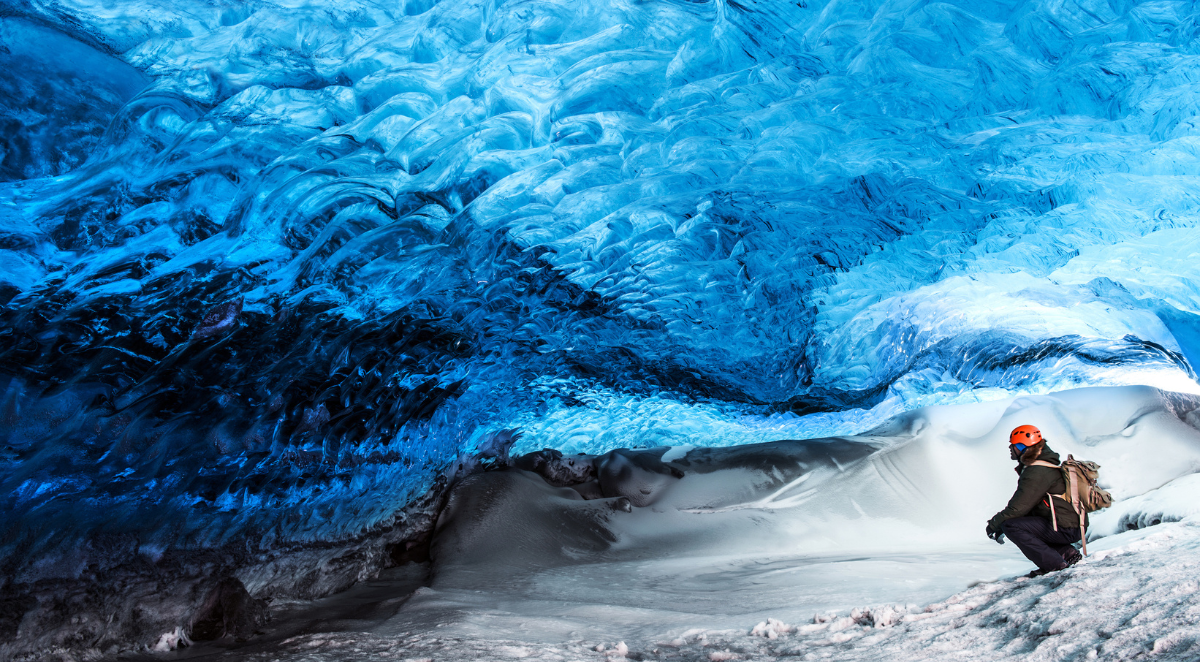
Science tourism is becoming a bucket list item for many.
{{leadmagnet-one}}
What is glacier calving?
Glacier calving is when big pieces of ice break off the edge of a glacier and fall into the ocean or a lake. When a massive chunk of ice breaks away during a glacier calving event, it crashes into the ocean with a thunderous crack that echoes across the fjord. According to NASA, before a calving event, smaller cracks and fractures grow into larger crevasses. These fractures divide the glacier into blocks that eventually fall from the snout into the lakes or the ocean, forming icebergs. Where and how the ice breaks determines the size of the icebergs, the frequency of calving events, and even how the glacier behaves over time. Every crack, pop, and rumble tells a story about the glacier’s health and the impact of rising temperatures.
So when the glaciers melt, they don’t disappear quietly. Tiny bubbles of air trapped in the ice escape as it warms, creating a fizzing sound. You could compare it to sparkling drinks or bacon sizzling in a frying pan. Scientists call this sound “Bergy Seltzer", a reminder that the glacier is alive and changing. The only way they could hear this was through hydrophones, which allow scientists to listen to these sounds from a safe distance. By recording the acoustic signals, researchers can track melting rates, map hidden undersea ice tunnels, and monitor glacier stability. Some signals are subtle shifts invisible to the naked eye, while others are dramatic calving events, revealing the power of these frozen giants.
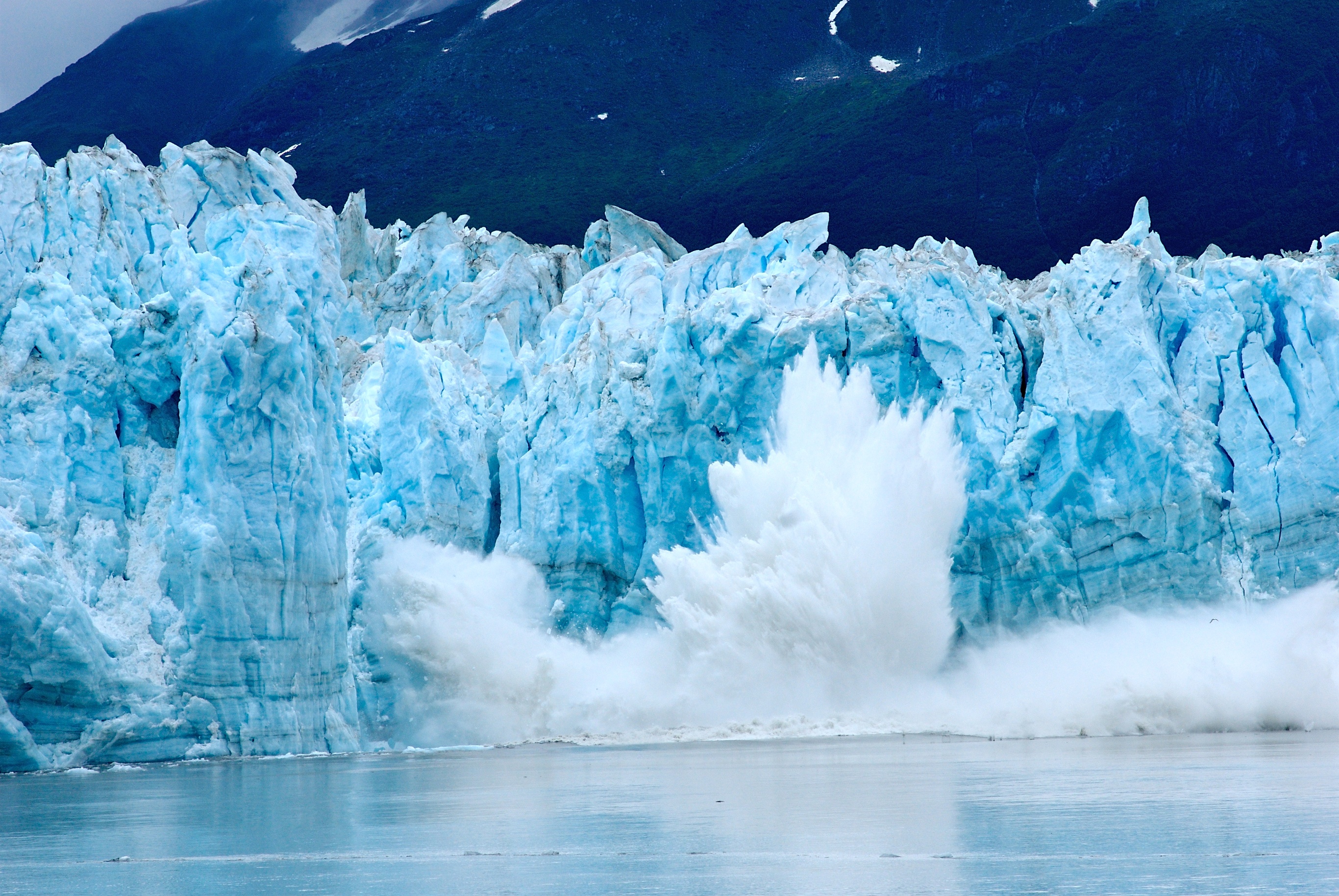
A glacier in Alaska is calving into the ocean with a big splash.
Learn more: Eco-Friendly Travel Destinations You Should Visit in 2026
How hydroacoustics works
Hydrophones bring this hidden world to life. These special microphones pick up sounds we cannot hear, from tiny ice bubbles fizzing in the water to the deep rumble when a glacier calves. Scientists place them in fjords, lakes, and near glacier edges to record ice movements continuously. The data they gather helps them:
- Track how fast glaciers are melting
- Map hidden tunnels under the ice
- Monitor glacier stability
- Understand how glaciers respond to rising temperatures
Even if you cannot see the glaciers, the sounds give a close-up sense of their size, shape, and health. It is a high-tech and immersive way to experience climate change, making it real in a way few other methods can.
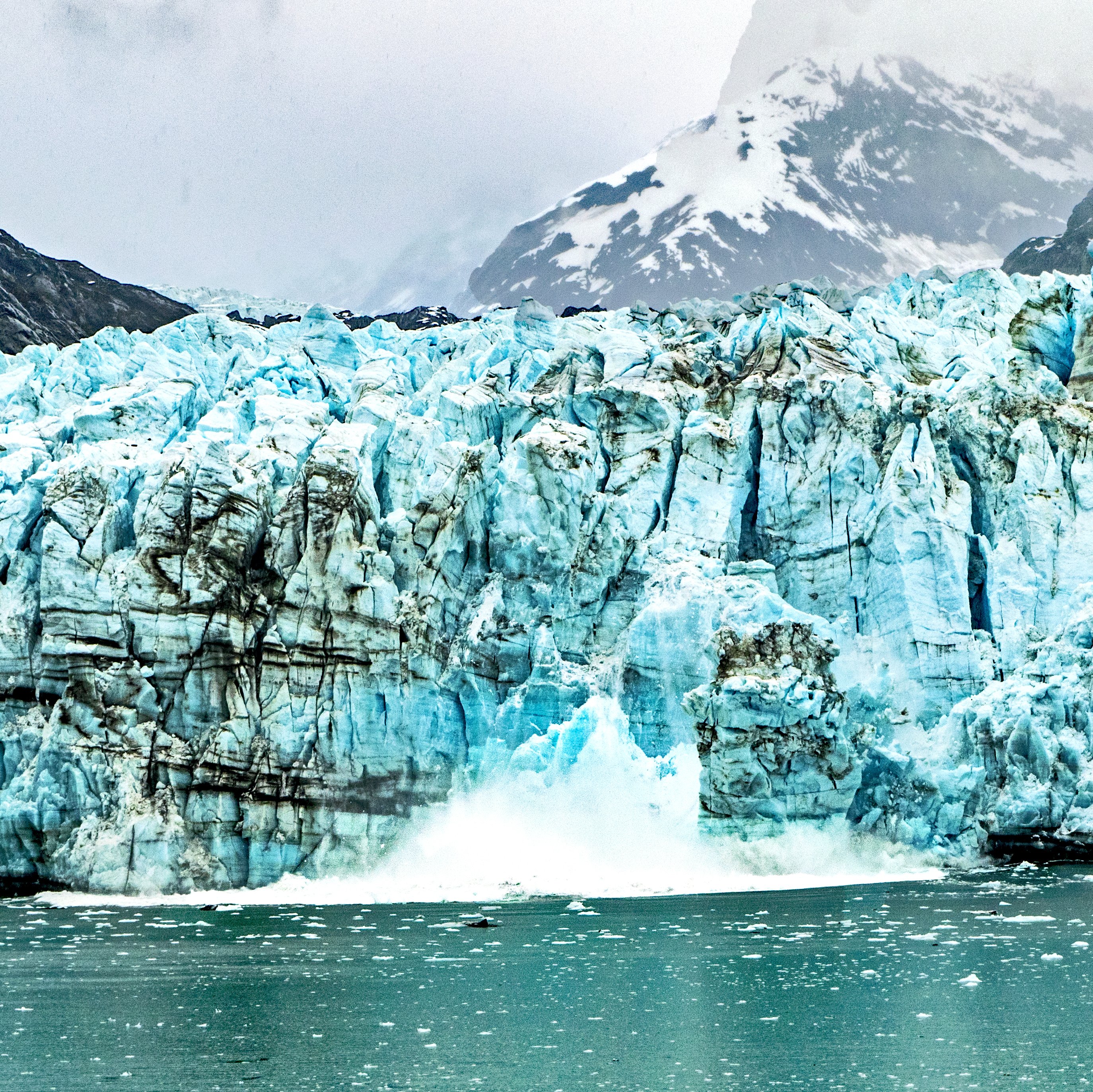
Ice calving is the breaking of chunks of ice from the edge of a glacier, like those seen in Glacier Bay National Park
Learn more: Adventure Senior Travel: How to Prepare for Major Treks
Why hydroacoustics matters
Hydroacoustic monitoring is more than just high-tech science; it’s key to understanding our planet. When glaciers melt under the water, it raises sea levels and changes ocean currents. By listening to the ice, scientists collect important data that helps predict how glaciers behave and what impacts they have on the environment. These sounds reveal how fast climate change is happening and how glaciers interact with the oceans.
Traditional methods, like ice and ocean modelling or sonar scans, give useful information but need heavy equipment and long field campaigns. Hydrophones, on the other hand, record ice activity in real time, capturing subtle pops, hisses, and rumbles that show how glaciers really move. For travellers, it's a form of climate change travel, a chance to experience the hidden life of glaciers and even help with research.
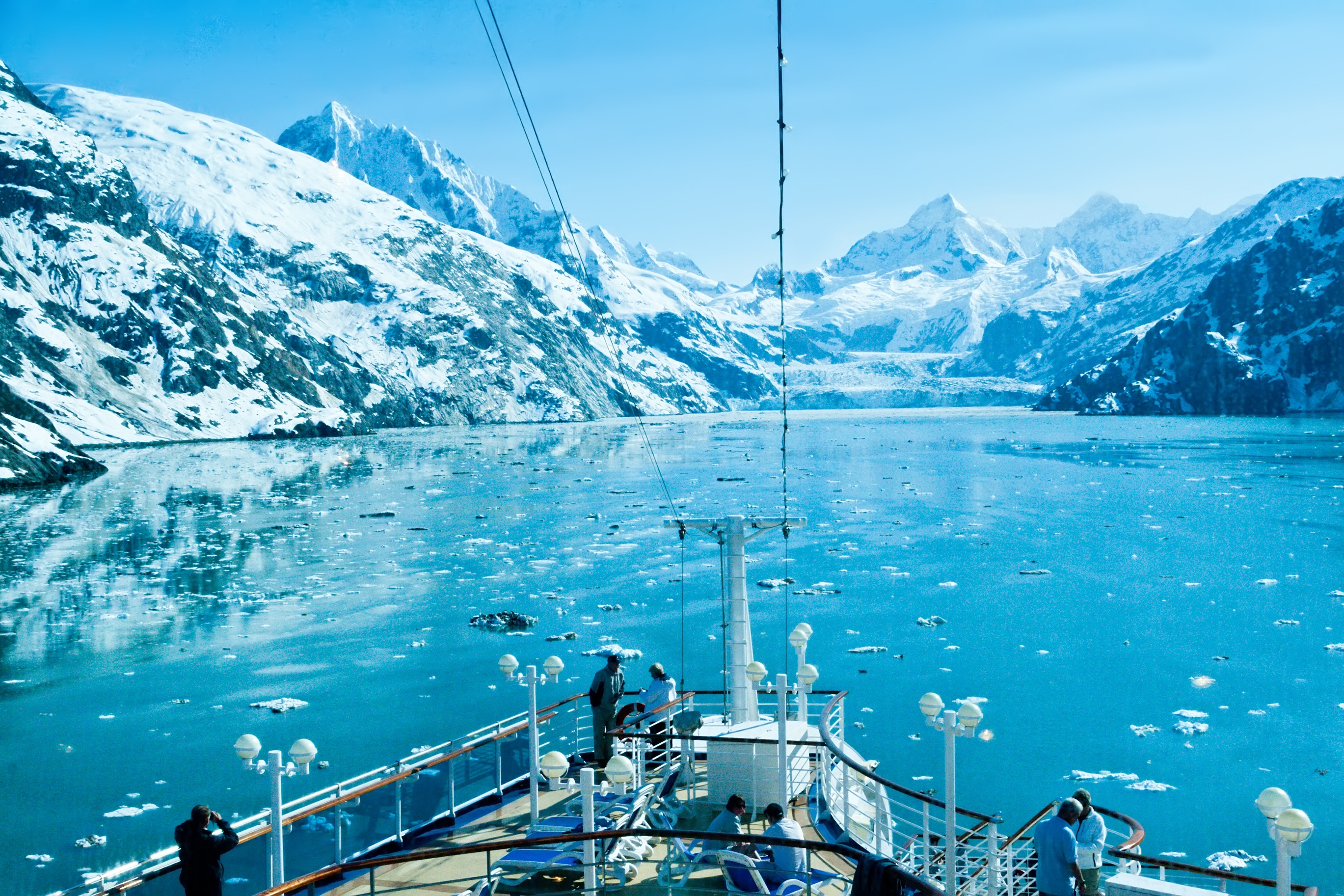
Passengers aboard a ship enjoy the majestic view of one of Alaska's many beautiful glaciers.
Learn more: Nüshu: A Journey Through China’s Secret Women’s Script
Last-chance tourism and climate change
One way travellers can connect directly with these fragile environments is through hydroacoustics. Most of us experience climate change through screens or news headlines, but listening to glaciers changes that. When you hear ice crack and fall into the water, you feel its size, weight, and power. The sounds are dramatic and unforgettable, each crack a reminder that these ice giants are melting faster than ever, reshaping oceans, coastlines, and ecosystems. For scientists and travellers alike, it’s a rare chance to experience the planet directly.
This is part of what is called last-chance tourism. More people are taking trips not just to see the world, but to see it before it disappears. That brings a challenge, though, as visiting fragile places can sometimes harm them. But experts say that if done carefully, this type of travel can actually help protect these landscapes. Travelling to remote locations has an environmental impact, yet visiting responsibly can also encourage people to care for the landscapes and cultures they encounter.
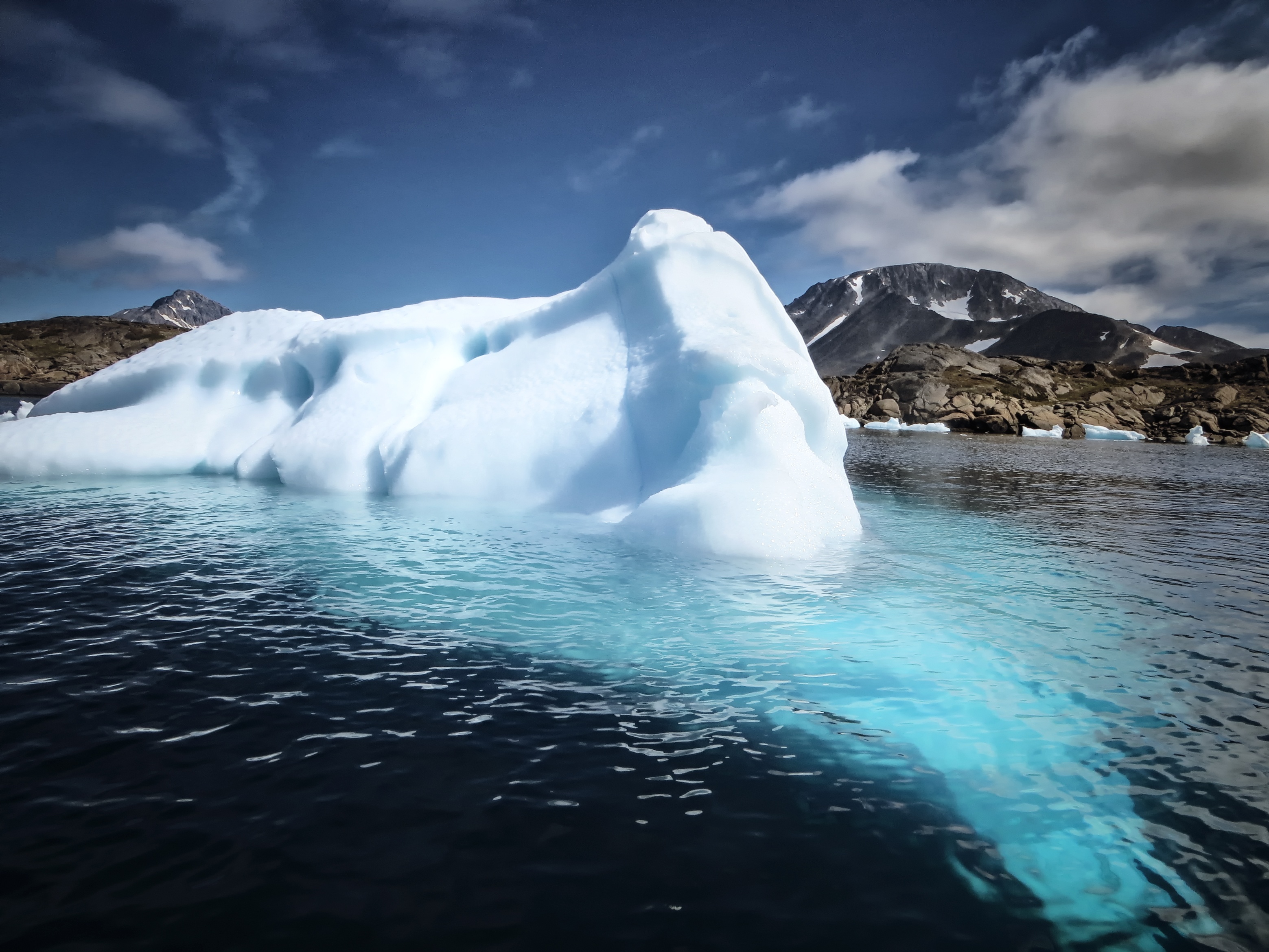
Ice melt near the North Pole due to climate change.
Learn more: Overturn a midlife crisis with adventure travel. Seriously!
Hydroacoustic expeditions
What makes hydroacoustic expeditions unique is how they engage your senses. Most climate-change trips focus on photography, like massive ice walls, glacial lakes, or dramatic landscapes. Hydroacoustics lets you hear and feel the ice as it moves. You are not just observing; you become part of the research. Every hiss, pop, and rumble tells a story of ice reacting to a warming planet, making climate change real in a way you can experience firsthand.
The sounds are more than fascinating. They provide critical scientific information, as mentioned before. Acoustic monitoring can detect subtle changes in melting rates, track glacier calving, capture underwater ice tunnels, and measure overall glacier loss over time. These recordings help scientists understand a world that is otherwise nearly impossible to study up close. For travellers, hydroacoustic trips offer a rare chance to experience the hidden drama of the polar regions.
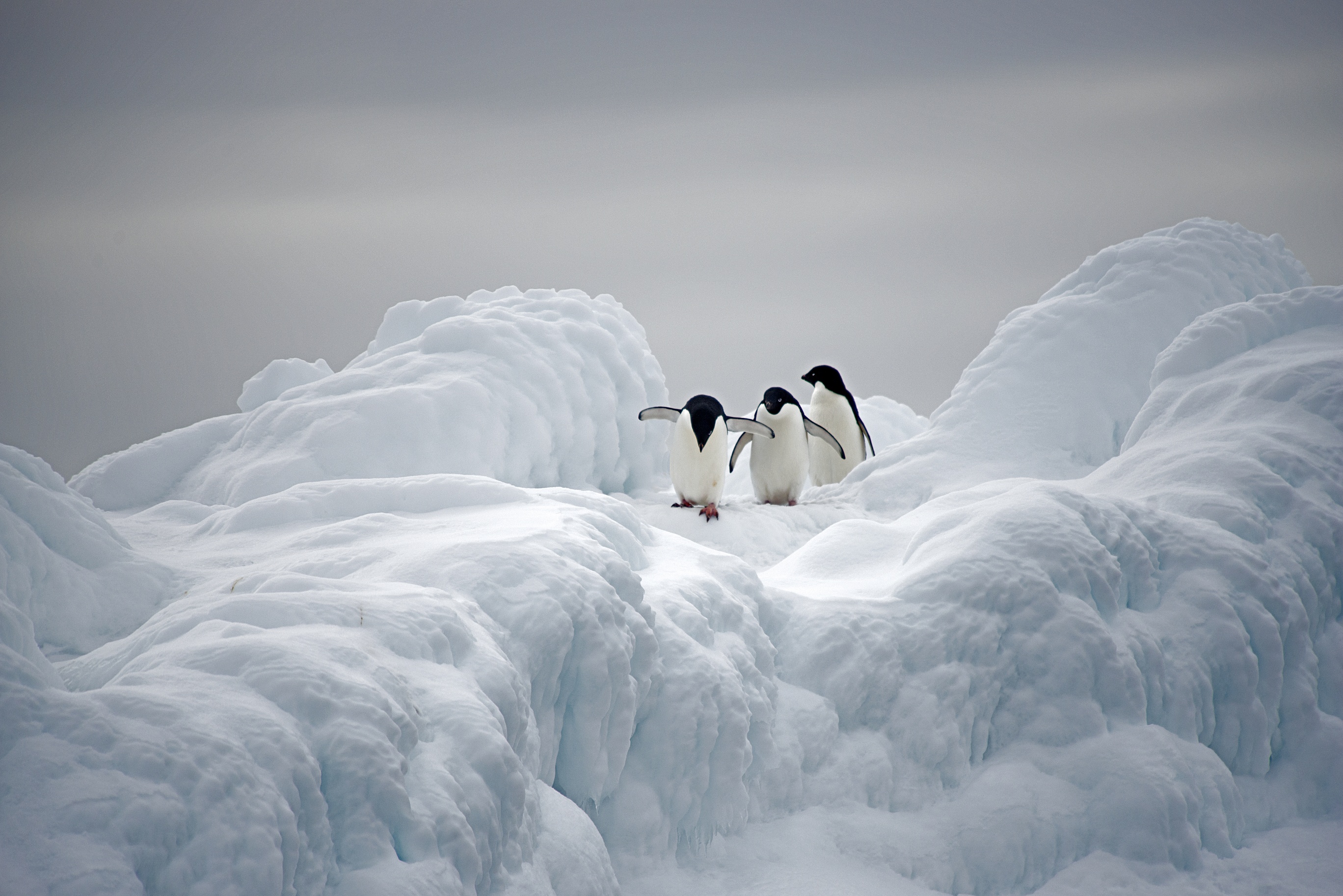
Adélie penguins are true Antarctic penguins, spending their entire lives on and around the ice, a habitat that is now increasingly under threat.
Learn more: A step-by-step guide for planning adventure travel
Climate change travel
No matter how much we try to look away, climate change is no longer a distant warning. It’s here, unfolding in real time, written into melting ice and rising seas. Through hydroacoustics, we can literally hear the planet shifting beneath us. The noises and thunder of glaciers are not just fascinating science. They are signals. A reminder that the Earth is speaking clearly about what’s happening.
We still have a choice in how this story continues. Protecting the planet is no longer abstract or optional. It’s personal. The hope is that one day we won’t need hydroacoustics to measure how fast the ice is disappearing, because we chose to change course while we still could.
{{leadmagnet-two}}