


Most travellers leave Nairobi with a list that looks roughly the same, go check out the Maasai Mara, Amboseli, and perhaps Samburu if they have an extra day. What many travellers overlook is Lake Baringo, a destination that rarely makes the itinerary, but it truly deserves a place on it.
Sitting in the heart of Kenya's Great Rift Valley, roughly 285 kilometres north of Nairobi, Baringo is one of only two freshwater lakes in the entire Rift Valley system, the other being Lake Naivasha, far to the south. It is a place where you can drift within a few metres of hippos in an open motorboat, where more than 470 bird species have been recorded, and where the Ilchamus people, also known as the Njemps, continue to fish a lake that has been steadily rising around them. It is one of the great underappreciated destinations in Kenyan travel, and the travellers who find their way here tend to fall in love with this place. If you have any questions, feel free to contact our team.
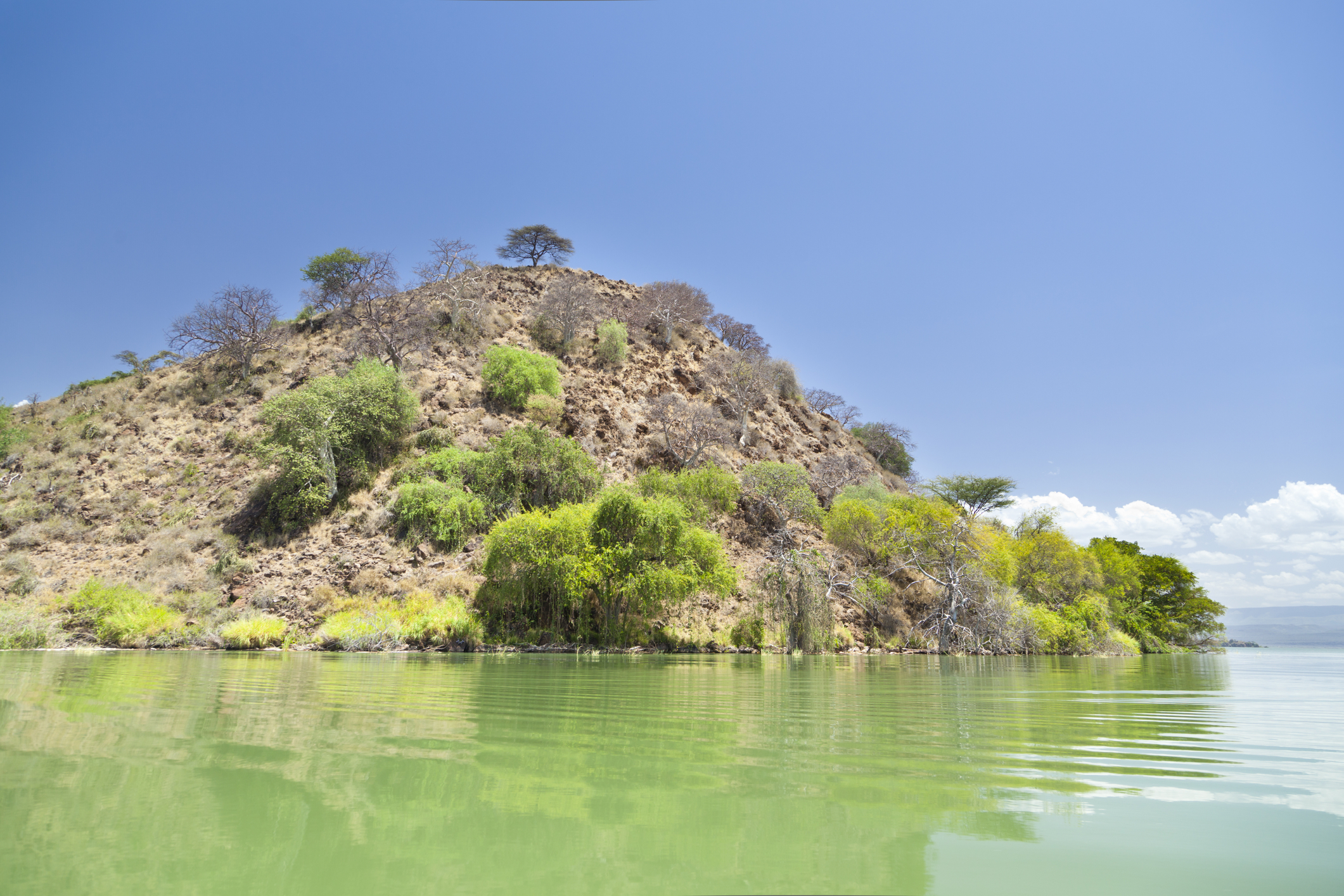
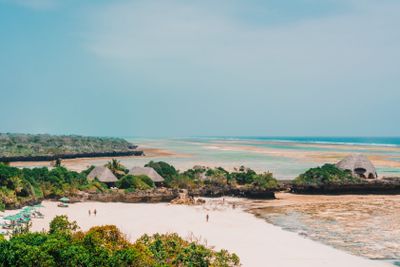
An island in Lake Baringo in Kenya.
Learn more: When can I see the Great Migration in the Maasai Mara, Kenya?
What makes Lake Baringo different
Baringo is a freshwater lake, a distinction that matters more than it might seem. The soda lakes that line much of the Rift Valley, like Nakuru and Bogoria, are highly alkaline, which limits what can live in them and creates the conditions that flamingos love. Baringo's freshwater supports an entirely different and far more diverse ecosystem, like hippos, Nile crocodiles, seven fish species, including the endemic Nile tilapia, and a bird community that includes species found nowhere else on the Rift Valley circuit.
The lake sits at around 970+ metres (3,180 ft) above sea level, framed by the Tugen Hills to the west and the Laikipia Escarpment to the east. The surrounding landscape is semi-arid acacia woodland and lava ridges, which creates a huge contrast between the wide blue water and the dry, volcanic terrain around it. The lake has seven motorboat-accessible islands, the largest of which is Ol Kokwe, and the whole body of water feels close in a way that the bigger Rift Valley lakes simply do not.
One important thing to understand before you arrive is that Lake Baringo’s water levels have risen significantly in recent years, in some accounts by more than ten metres, due to heavy flooding across northern Kenya. Roads, buildings, and farmland have been swallowed by the expanding shoreline. Lake Baringo has become larger over time as water levels have risen, so the shoreline today sits further out than it did a few decades ago. When you go there, you can still see the impact of this change in the surrounding landscape.
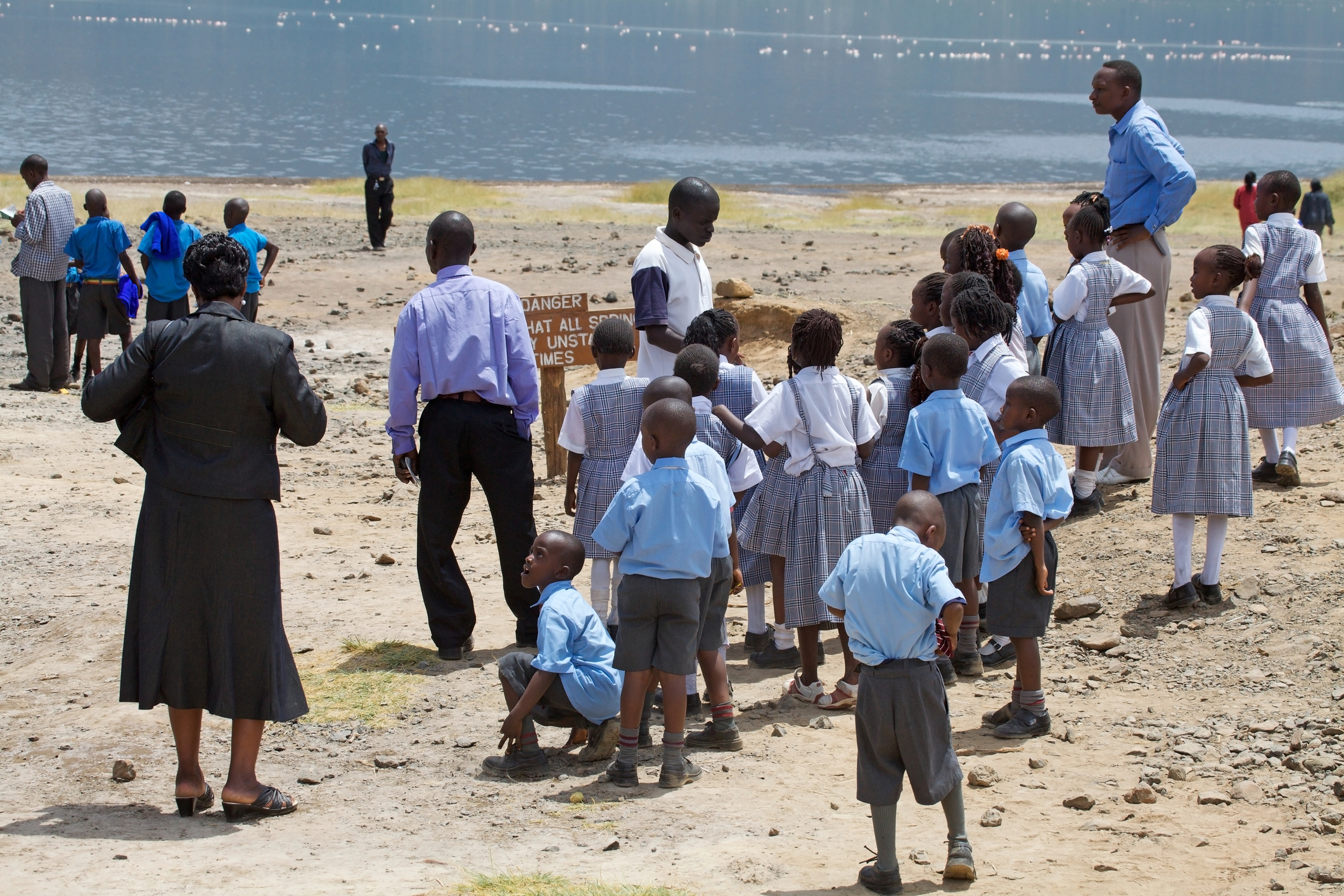
Local young students and teachers at Lake Baringo.
Learn more: Book a Kenya Safari: Your Complete Guide to Costs, Seasons, and Packages
Birdwatching at Lake Baringo
For dedicated birders, Lake Baringo will definitely not be a detour but rather a destination in its own right. The 470-plus species recorded here make it one of the richest birding sites in Kenya, and the diversity of habitats around the lake means that a single day's birding can produce a remarkable range. The acacia woodland fringing the shoreline holds species that do not appear anywhere else on the standard Rift Valley circuit. The open water and island habitats are home to waterbirds in numbers and variety that consistently surprise first-time visitors.
The signature species are the ones you are most likely to see first and most often. The African fish eagle is practically omnipresent, calling from overhanging trees with that extraordinary cry that most people associate with "Africa" long before they can name the bird that makes it. The Goliath heron, the world's tallest heron, stands motionless in the shallows. Pink-backed pelicans float in loose groups offshore. Marabou storks occupy the higher branches of the lakeshore trees with an austere, slightly prehistoric presence. The reed cormorant and the long-tailed cormorant both breed here.
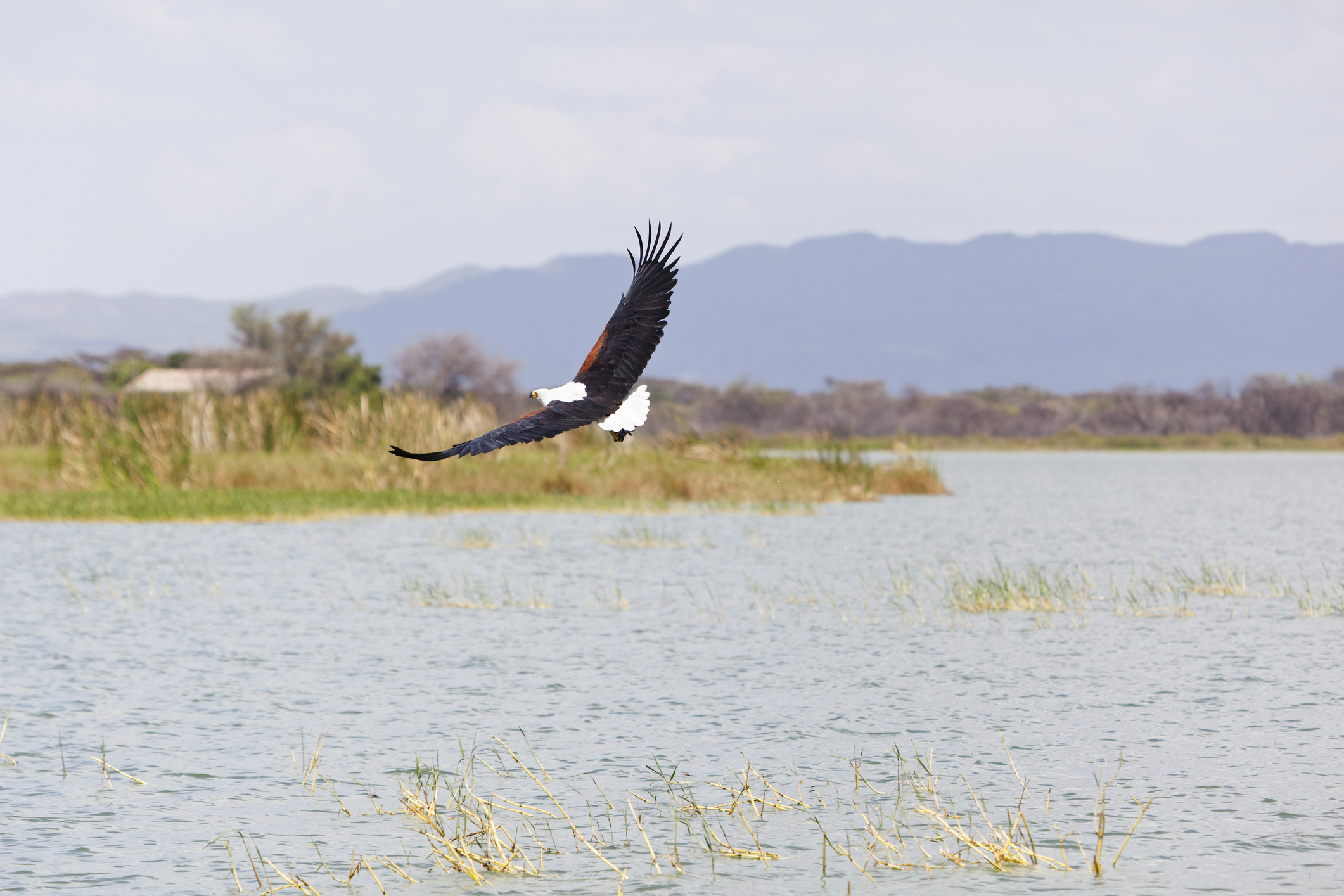
African Fish Eagle flying at Lake Baringo in Kenya.
Getting the most from Baringo's birding
At Lake Baringo, what you see depends on where you are and what time of day it is, so it is not just about turning up and looking around. Early morning on the water, before 8 am, feels very different from walking along the shore at midday. The open lake and nearby islands attract all kinds of birds from the acacia woodland. Going out by boat lets you float quietly and get close to the water’s edge, which often leads to better wildlife sightings than watching from the shore.
The eastern shoreline and Ol Kokwe Island function as distinct birding environments and are worth treating as separate sessions rather than combining into a single circuit. The best approach is to hire a specialist local bird guide rather than a general safari guide; local expertise here is the difference between 40 species in a morning and 100. It is the kind of trip where arriving for two nights rather than one pays back several times over in species diversity.
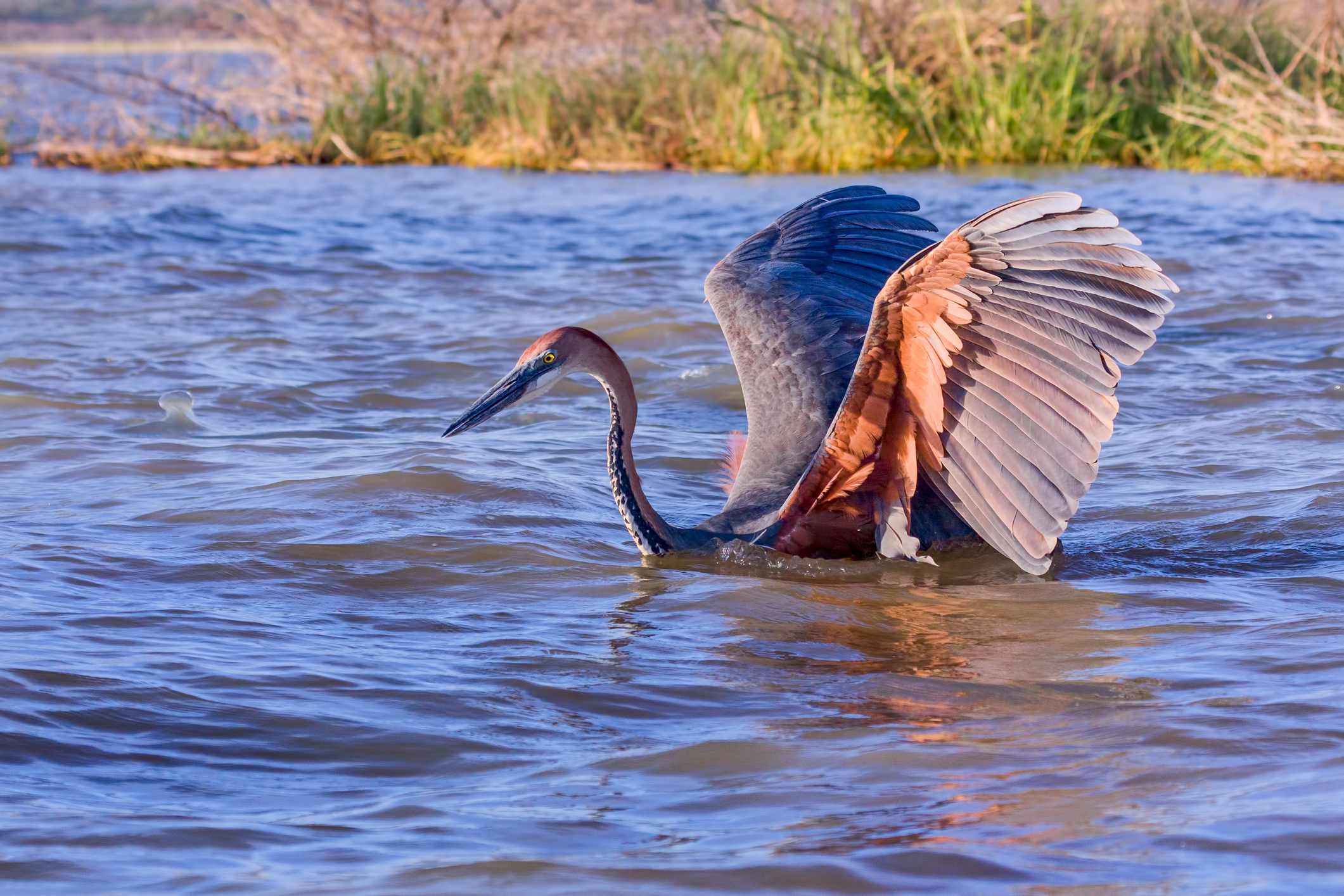
A Goliath or Giant Heron, wading out for a fish in Lake Baringo in Kenya.
{{leadmagnet-one}}
The Lake Baringo boat tour
If this is an option on your agenda, then you need to know about the Lake Baringo boat tour. The standard motorboat tour takes you out onto open water and towards the islands and hippo pods that gather in the shallow bays. The boats are open, small, and low to the water. When you pull up alongside a pod of hippos, you are not looking at them through glass or from a raised game drive vehicle. You are sitting at the waterline, perhaps two or three metres away, watching ears flicker, and eyes track your boat. It is an exposure to large wildlife that has no parallel in a conventional game drive, and the stillness of the boat makes the encounter feel very unmediated.
It is important to remember that while the local guides are experts at navigating these waters, hippos remain fundamentally unpredictable and dangerous. The encounter is inherently risky, particularly as the recent rising water levels have compressed their habitat, pushing these pods into shallower reaches and much closer to the shoreline than in years past.
The crocodiles are equally present. The Nile crocodile population at Baringo is healthy, and the boat will take you along stretches of shoreline where they bask on rocks and mud banks in numbers. Again, the scale of the encounter from open water is different from anything you experience on land.
The African fish eagle, which you hear constantly on the shore, reveals a different dimension on the water. Local boatmen carry fish and will call the eagles down to the surface to feed, producing close-up views that wildlife photographers specifically travel to Baringo to capture.
The boat also serves as the primary way to reach Ol Kokwe Island, the largest of the lake's seven islands, which has hot springs and fumaroles on its volcanic interior, as well as some of the lake's best birding. The crossing takes around twenty minutes from the main shoreline near Kampi ya Samaki, the nearest town to the lake.
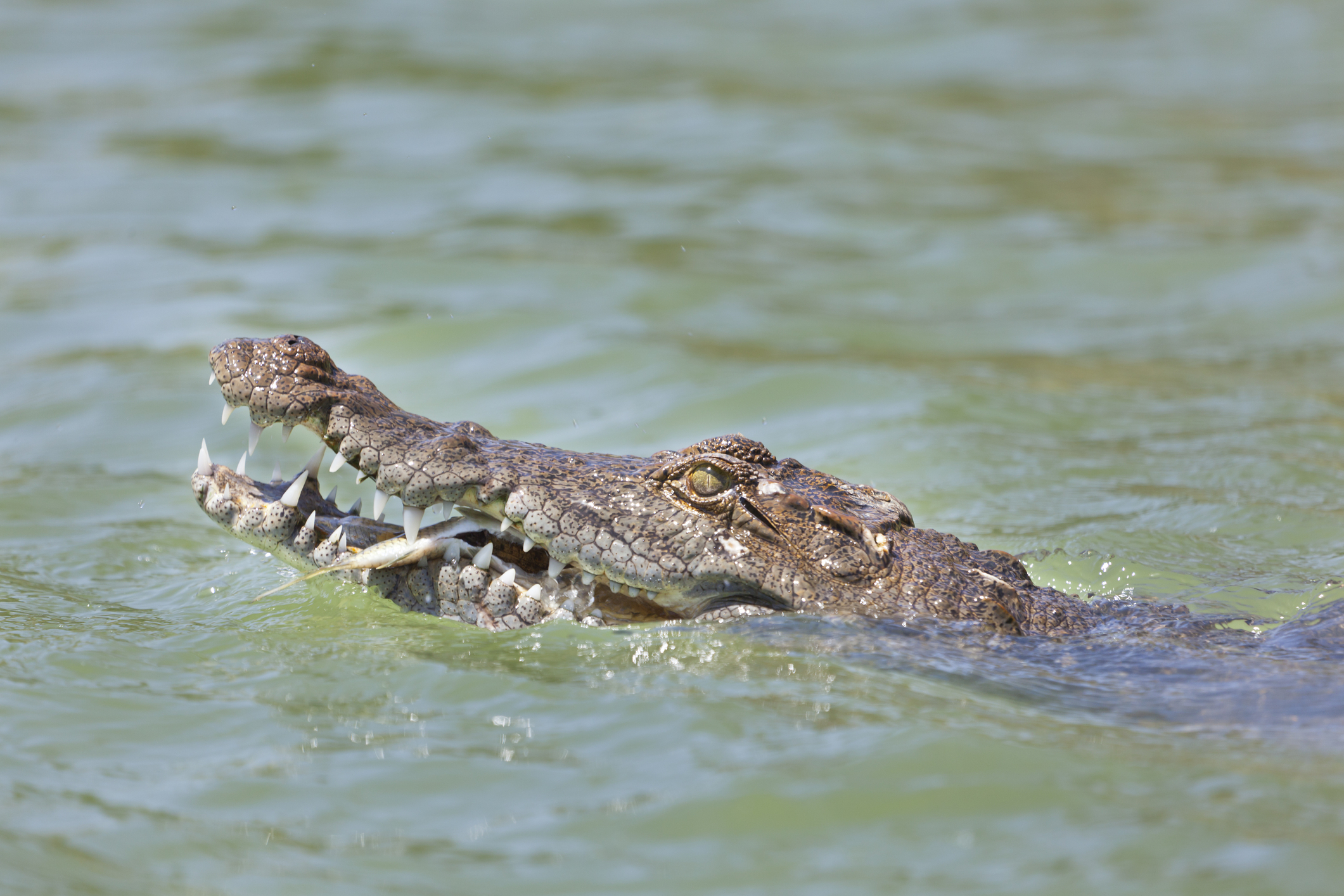
Crocodile swimming in Lake Baringo.
The Ruko Community Wildlife Conservancy
On the eastern shore of Lake Baringo, the Ruko Community Wildlife Conservancy is one of Kenya's quieter conservation success stories. Ruko is community-owned and managed, established by the Il Chamus and Pokot communities to protect wildlife on the eastern shoreline. Its most remarkable resident is the Rothschild's giraffe, one of the most endangered giraffe subspecies in the world.
Ruko hosts a breeding population that was painstakingly reintroduced and has grown under community leadership. Outside of Nairobi's Giraffe Centre, populations of Rothschild's giraffes in Kenya are extremely limited, which makes Ruko genuinely significant from a conservation perspective rather than simply a pleasing addition to a safari itinerary. The conservancy also supports kudu, zebra, and various antelope species, and at Ruko, it brings together large terrestrial mammals with the lake’s rich waterbird community, creating one of the more complete wildlife experiences in this part of the Rift Valley. The community-ownership model means that the entrance fees and guided tour costs contribute directly to the families who have chosen to live alongside and protect these animals rather than farming the land. It is worth spending half a day here rather than passing through quickly.
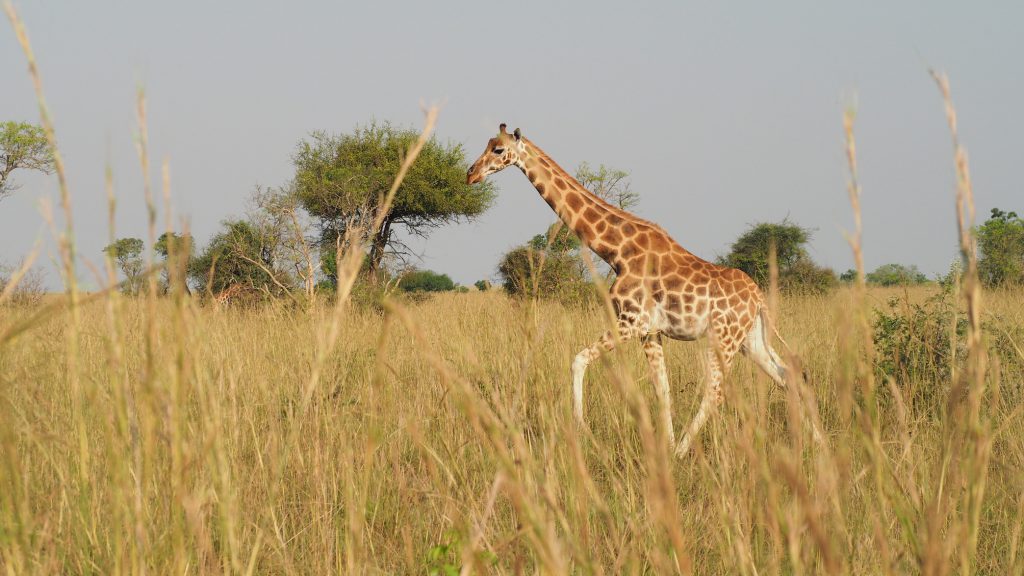
Rothschild's giraffe walking in the long grass.
Learn more: Kenya's Reteti Elephant Sanctuary is saving calves and paving a new path for wildlife conservation
The llchamus community
The llchamus people, also known as the Njemps, are one of the few communities in Kenya whose traditional way of life is oriented primarily around a lake rather than land. They are fishermen rather than pastoralists, which makes them unusual among the Nilotic communities of the Rift Valley. Their relationship with Lake Baringo is deep-rooted, practical, and increasingly complicated.
The lake that has risen around them is not an abstraction. Roads that once connected llchamus villages now lie underwater, and buildings have been swallowed by the expanding shoreline. Communities have had to adapt in real time to a landscape that is physically changing. The Ilchamus people remain closely defined by their relationship with Lake Baringo. Today, their way of life blends pastoralism and tradition, with goats, sheep, and cattle alongside a continuing fishing heritage. Fishing still takes place using traditional methods on water that is both a source of disruption and an enduring livelihood for centuries.
Local food culture reflects this connection. Water lily seeds, ground to make a distinctive ugali, are one of the less widely known culinary traditions here. The vibandas are small roadside food stalls around Kampi ya Samaki that serve fried kamongo, the African lungfish, a species that can survive droughts by burying itself in mud and that has been caught in Baringo for generations.
A visit to an llchamus fishing community, arranged through a responsible local operator like Follow Alice, offers a genuine encounter with a way of life that has no equivalent elsewhere in Kenya. The cultural story here is not about tradition frozen in time; it is about a community actively navigating change, with the lake itself as both anchor and agent.
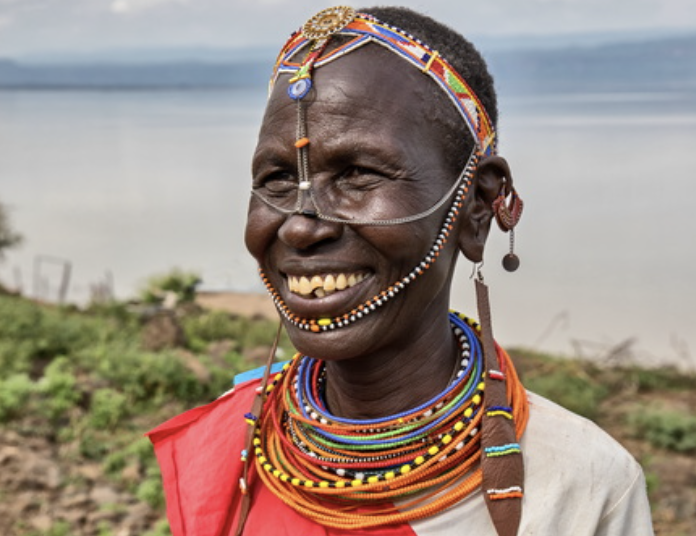
The Ilchamus (also known as Njemps or Iltiamus) are a Maa-speaking community living south and south-east of Lake Baringo in Kenya. Photo credit: Mikakuplanet.com Badalona.
Learn more: The Maasai Shuka: The Story Behind East Africa's Most Iconic Cloth
Combining Baringo with Lake Bogoria
About 45 minutes south of Lake Baringo lies Lake Bogoria, a soda lake set against a dramatic escarpment, with geothermal hot springs and steaming fumaroles along its shoreline. It is one of East Africa’s main gathering sites for lesser and greater flamingos, and when conditions are right, the lake turns pink with thousands of birds.
Together, these two lakes make one of Kenya’s most overlooked two-day itineraries. Lake Baringo offers freshwater wildlife, hippos, crocodiles, excellent birding, and meaningful community encounters. Lake Bogoria shows off with its flamingos, hot springs, and a dreamlike Rift Valley landscape. The contrast between them, both in ecology and atmosphere, creates a far richer experience than spending the same time in just one place. This circuit also fits easily into a wider northern Kenya route, including Samburu or the Laikipia Plateau, and can be reached from Nairobi in a single day’s drive.

Lesser Flamingos in the beautiful landscape of Lake Bogoria, Kenya.
Learn more: Kenya vs Tanzania – which offers the better African safari?
Where to stay at Lake Baringo
The accommodation options around Lake Baringo are deliberately limited, which is part of what keeps the destination feeling unhurried and personal.
Island Camp on Ol Kokwe Island is the standout choice for travellers who want to be fully immersed in the lake experience rather than simply staying alongside it. Reached by boat, it offers tented accommodation with direct access to the water and a rare sense of stillness at night, with hippos calling across open water and fish eagles at first light, a scene you rarely find in lodges on the mainland shore.
On the western shoreline near Kampi ya Samaki, a small selection of lodges and camps offers more accessible stays with proximity to the town, the boat launch points, and the road south to Lake Bogoria. These suit travellers combining Baringo with a wider Rift Valley circuit who want operational flexibility alongside the lake experience.
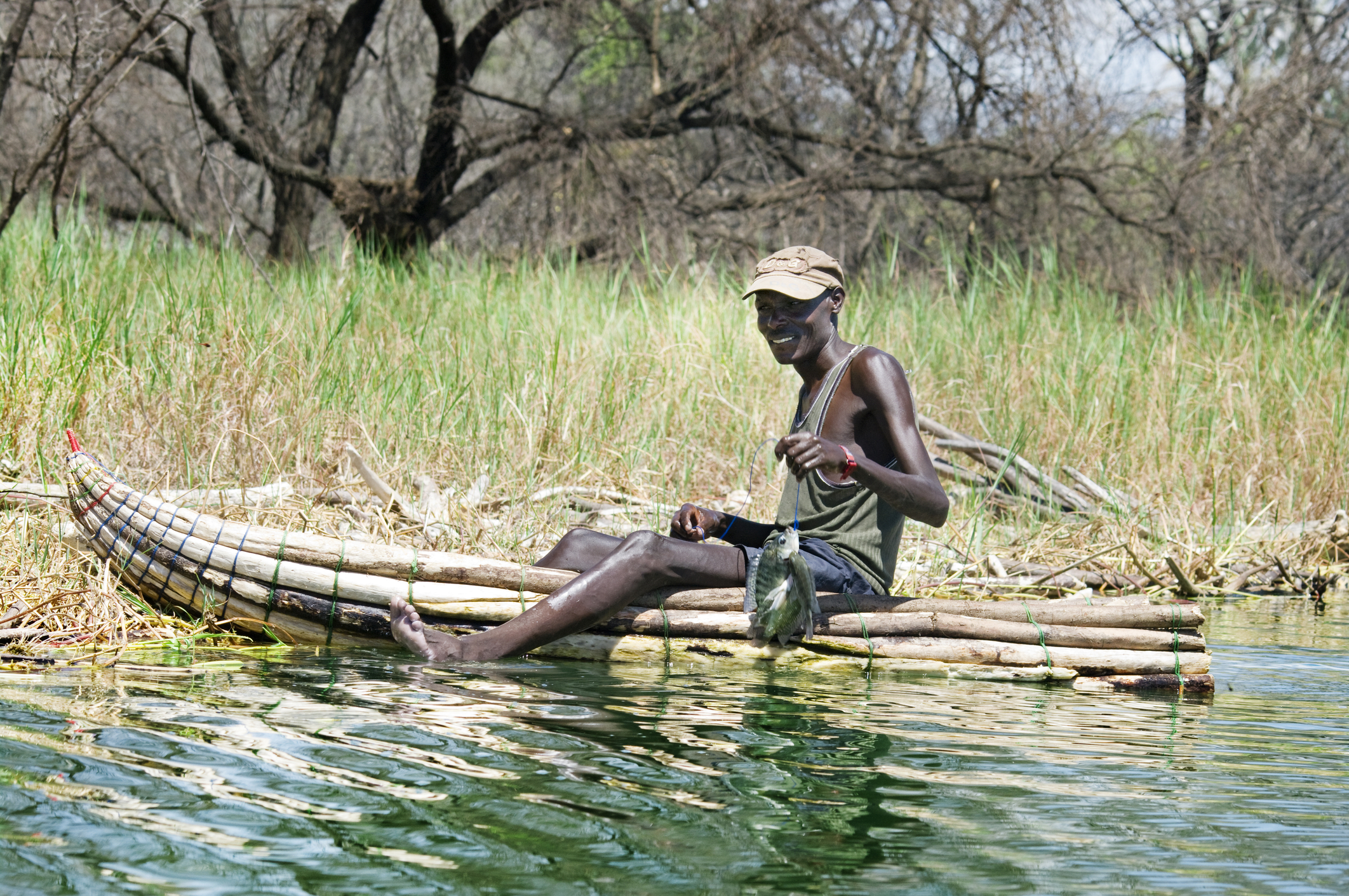
A fisherman catches a fish at Lake Baringo in Kenya.
Learn more: How to get a Kenyan tourist visa
Getting to Lake Baringo
Lake Baringo is approximately 285 kilometres from Nairobi by road, a journey that takes around four to five hours depending on traffic leaving the city. The main access route runs north from Nakuru through Marigat, with Kampi ya Samaki as the gateway town on the western shore.
The drive itself passes through the Rift Valley floor and offers views of the escarpment and the semi-arid landscape that deepens as you travel north. A 4x4 vehicle is not strictly necessary on the main tarmac routes but is strongly recommended if you plan to visit Ruko Conservancy on the eastern shore or explore the lakeshore tracks.
There is no commercial flight service to Baringo, but there are small charters available at a higher cost. The lake is a road destination, which makes it a natural fit for an overland circuit through the northern Rift Valley rather than a standalone fly-in safari.

A view from a safari vehicle.
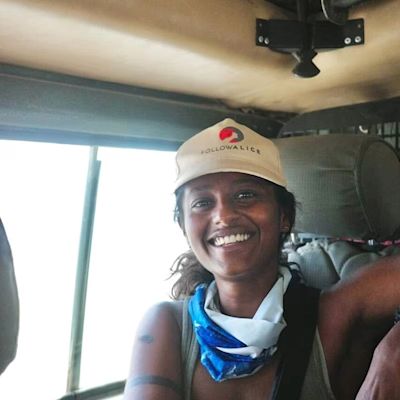
Plan your Lake Baringo trip with Follow Alice
Lake Baringo works best as part of a broader Kenya itinerary rather than in isolation, and the logistics of combining it well with Bogoria to the south, with Samburu or Laikipia to the north, benefit from local knowledge and a guide who understands the birding environment as well as the community context. If you are at the stage of planning a northern Kenya circuit that goes beyond the standard route, we would be glad to help you build an itinerary around Baringo's particular qualities.
Get in touch with the Follow Alice team, and we can talk through what the best version of this trip looks like for you. You can also read our guides toLake Turkana andSamburu's Special Five for more on what northern Kenya has to offer.