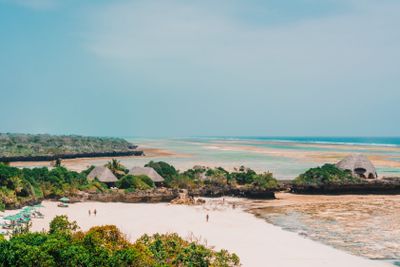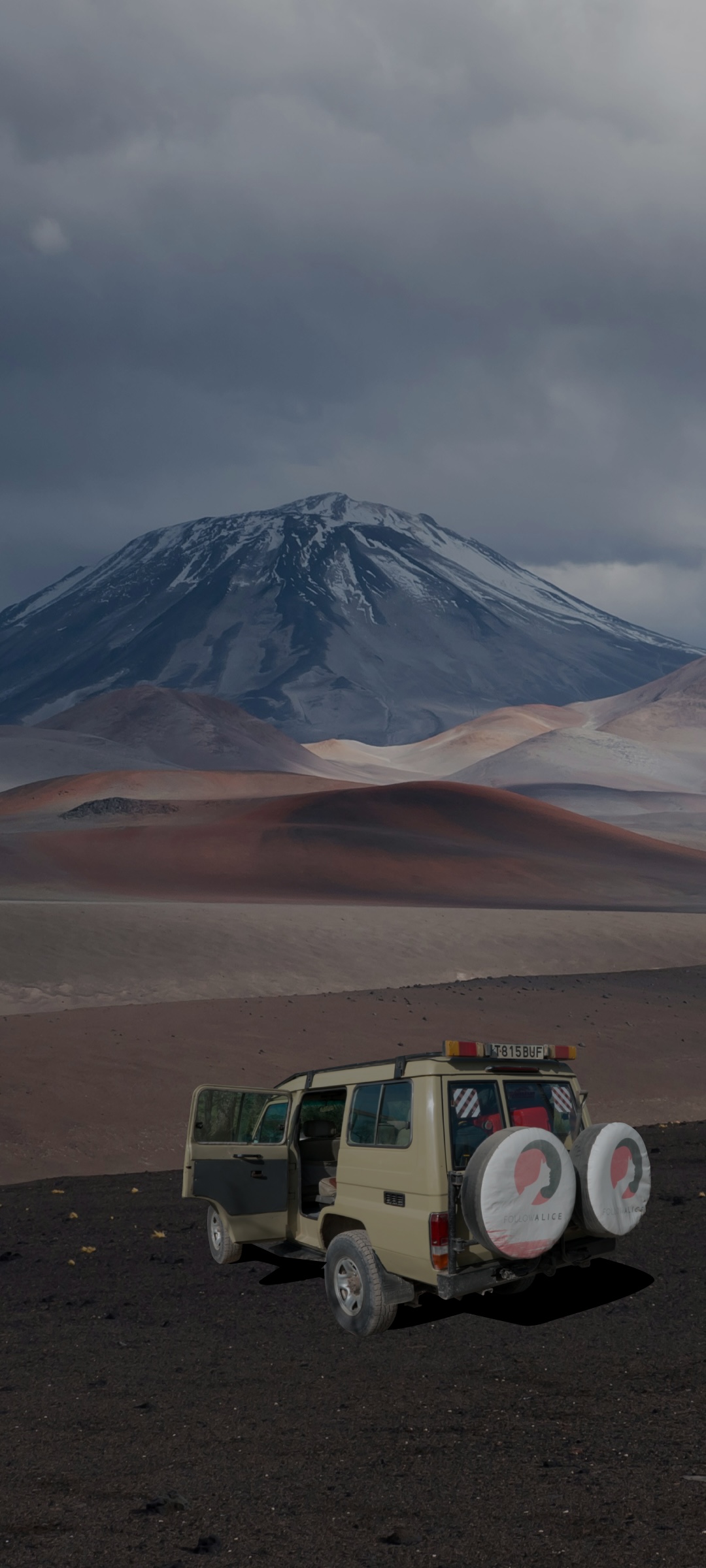




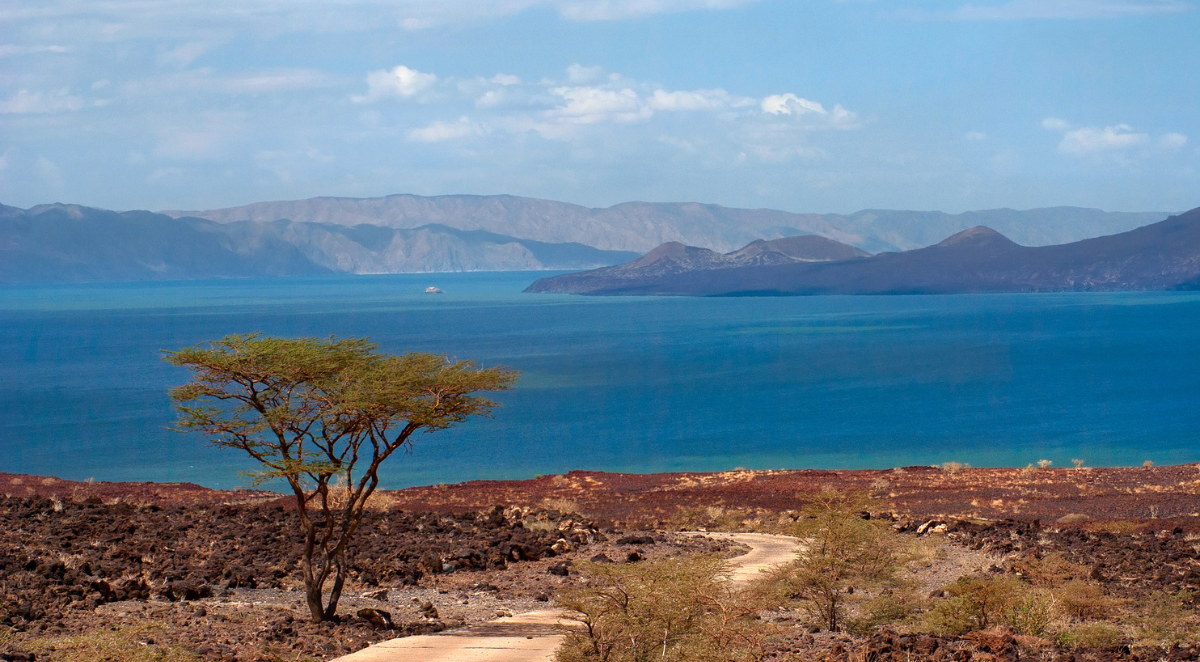
In far northern Kenya, close to the Ethiopian border, Lake Turkana stretches across a landscape of heat, wind, and volcanic rock. It’s the largest lake in Kenya and the world’s largest permanent desert lake, known for its alkaline waters and striking green surface. The surrounding terrain is dry and open, shaped by lava fields and long desert plains where vegetation is sparse for much of the year.
Lake Turkana Kenya lies within the Great Rift Valley and relies heavily on the Omo River for its water. When the light hits just right, the surface turns shades of deep green and turquoise, which is how the lake earned the name “Jade Sea.”
On the southeastern shore near Loiyangalani lives the El Molo community. For generations, the El Molo have relied on fishing in Lake Turkana, and daily life continues to follow the rhythm of the lake itself.
Why Lake Turkana is called the “Jade Sea”
The nickname comes from colour, not marketing.
Under strong Rift Valley light, Lake Turkana shifts between deep jade and turquoise. The effect comes from algae and suspended minerals in the alkaline water. Because the lake has no outlet and relies heavily on inflow from the Omo River in Ethiopia, evaporation concentrates salts and creates its distinctive tone.
On windy afternoons, whitecaps ripple across the surface. Standing on shore, Lake Turkana can feel almost oceanic, even though you’re surrounded by desert.
Geography and natural features of Lake Turkana
Lake Turkana, Kenya, stretches roughly 250-290 kilometres from north to south. Its average depth is about 30 metres, though some areas exceed 100 metres. It lies in a closed basin within the eastern branch of the Great Rift Valley.
Three volcanic islands rise from the water:
- Central Island
- South Island
- North Island
Central Island is known for crater lakes and significant Nile crocodile breeding sites.
The lake and its islands form part of the Lake Turkana National Parks, recognised as a UNESCO World Heritage Site. You can explore the official designation through the UNESCO World Heritage listing.
On the eastern shore, Koobi Fora has produced crucial fossil discoveries that shaped our understanding of human evolution. The National Museums of Kenya provides detailed context on the archaeological significance of the region.
Lake Turkana isn’t only visually dramatic. It’s scientifically important.
History and cultural significance
People have lived around Lake Turkana for a very long time. Excavations along the eastern side of Lake Turkana have uncovered tools, settlement traces, and burial sites linked to early fishing groups and later herding communities.
In the late nineteenth century, European explorers reached the lake and named it Lake Rudolf. The name remained for decades before being changed to Lake Turkana, reflecting the Turkana people who live across much of the surrounding region today.
At the same time, Lake Turkana, Kenya, has long been home to the El Molo. Unlike their pastoral neighbours, the El Molo built their way of life around fishing and direct dependence on the lake itself. Their history runs parallel to the larger Turkana community, but it’s distinct in both livelihood and identity.
Visiting the El Molo community
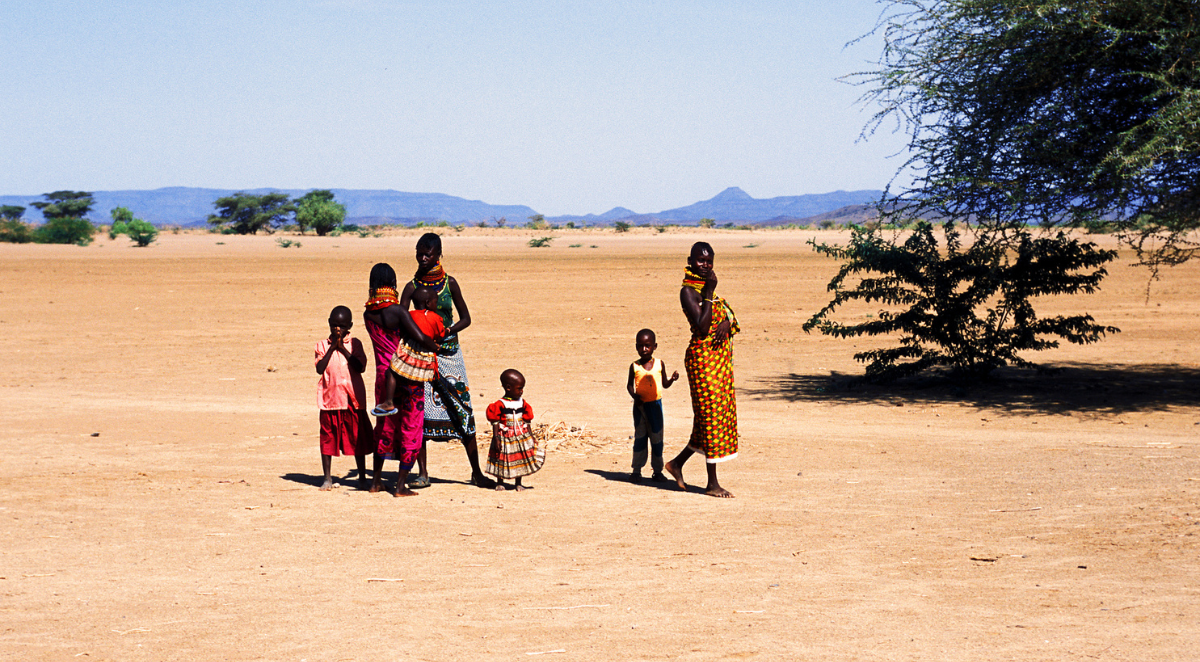
The El Molo community lives near Loiyangalani along the southeastern shore of Lake Turkana. Visits should be arranged respectfully with local guides who understand community expectations.
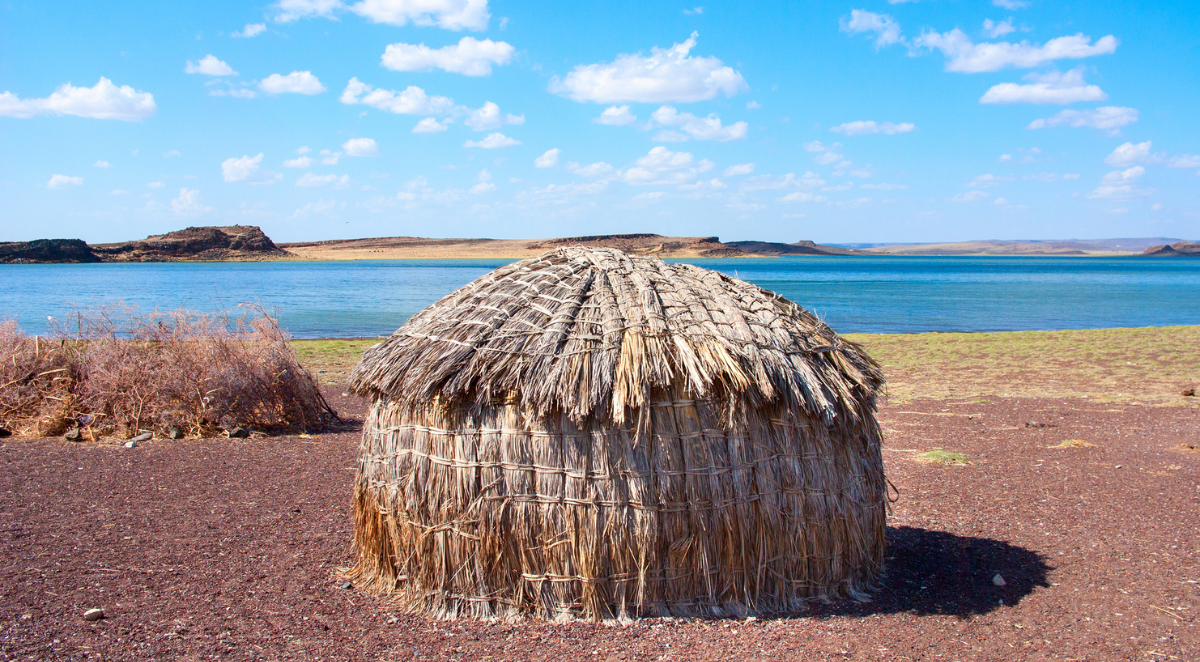
Historically, the El Molo depended almost entirely on fishing. Unlike neighbouring pastoralist groups, their survival centred on the lake itself. Fishing and small-scale trade shaped daily life.
Population estimates vary, but the El Molo tribe is often described as one of Kenya’s smallest ethnic groups. Intermarriage with neighbouring communities has been common over the years. Even so, many people in the settlement continue to identify as El Molo, and fishing on Lake Turkana remains part of daily life.
Visits to the El Molo village are usually arranged through local guides. On community-approved visits, fees are typically agreed in advance and paid directly within the community around Lake Turkana, Kenya, supporting boat operators, guides, and households involved in hosting visitors.
Wildlife and birdlife around Lake Turkana
Despite its desert setting, Lake Turkana supports impressive biodiversity.
Central Island is a major Nile crocodile breeding ground. Flamingos and pelicans gather seasonally along the shoreline.
Fish species such as Nile perch and tilapia have adapted to the alkaline environment.
Northern Kenya as a whole is known for species not commonly seen in southern safari circuits. If you’re interested in rare wildlife, our guide to seeing the Samburu Special Five in northern Kenya explains what makes this region distinct.
Conservation plays a growing role here. Projects such as the Reteti Elephant Sanctuary in northern Kenya are run in partnership with local communities. The sanctuary employs local staff and works with surrounding conservancies, linking wildlife care with jobs and long-term income in the region.
Best time to visit Lake Turkana, Kenya
Lake Turkana, Kenya, is hot throughout the year. Daytime temperatures often exceed 35 degrees Celsius.
The driest and most accessible months are generally June through September and December through February. Heavy rains can make remote roads difficult.
Planning matters here more than in mainstream safari destinations.
Travel tips and how to get there
Reaching Lake Turkana, Kenya, takes planning. The region sits far north, and infrastructure is limited compared to mainstream safari areas.
Most visitors either fly into Loiyangalani on a small scheduled or charter flight or travel overland from Nairobi through Isiolo and Marsabit. The overland route can take two to three days depending on road conditions and weather, and a reliable 4×4 vehicle is essential.
Since nearly all journeys begin in the capital, it helps to understand how Nairobi functions as a gateway for northern circuits. Our guide to Nairobi as the best safari city in Africa outlines how most Kenya itineraries are structured before heading further north.
Fuel stops, supplies, and mobile signal become less predictable the closer you get to Lake Turkana, so advance preparation is part of the experience.
Many visitors combine Lake Turkana, Kenya, with other northern experiences. Samburu offers excellent wildlife viewing, which we explore in our article on why Samburu safaris are Kenya’s best-kept secret. Laikipia adds a conservation-focused dimension, covered in our Laikipia walking safari guide.
For a broader itinerary perspective, our complete Kenya safari tours guide shows how Lake Turkana fits into a longer northern circuit.
Activities and experiences on Lake Turkana
Experiences here are immersive and understated.
Visitors can:
- Take boat trips to Central Island
- Explore volcanic landscapes
- Visit the El Molo village
- Photograph Rift Valley scenery
Lake Turkana does not compete with luxury safari destinations. It offers scale, solitude, and cultural depth.
Responsible tourism and supporting local communities
Visiting Lake Turkana, Kenya, requires planning. The region is remote, and communities such as the El Molo tribe live in small, tightly connected settlements along the shore.
If you travel to Lake Turkana, use operators who hire guides from the area and coordinate visits directly with local leadership. That keeps access structured and avoids unannounced village drop-ins, which aren’t appropriate here.
It also helps to understand where you’re going before you arrive. Encyclopaedia Britannica’s Lake Turkana overview gives a straightforward explanation of the lake’s geography and history.
Life around Lake Turkana Kenya depends heavily on fishing and small-scale trade. Lake levels shift. Fish stocks change. Conditions are harsh. Tourism is a small part of the local economy, but when organised properly, it supports guides, boat operators, and families in places like the El Molo settlement near Loiyangalani.
The key is simple: arrive informed, move respectfully, and leave the place as you found it.
Explore northern Kenya with purpose
Lake Turkana doesn’t try to impress you. It doesn’t compete with headline safari destinations or postcard landscapes. It sits in the heat of northern Kenya, wide and wind-beaten, shaping the lives of the communities along its shore.
On one side, volcanic islands rise from green water. On another, the El Molo tribe continue to fish as they have for generations, adjusting to shifting lake levels and changing seasons. Lake Turkana, Kenya, carries history in its shoreline and movement in its wind. It’s quiet, but it’s not empty.
If you’re planning a journey through northern Kenya, Lake Turkana can be part of a wider circuit that explores places many travelers overlook. Our collection of Kenya safari trips offers routes through the north that combine wildlife, conservation, and community encounters across the Rift Valley and beyond.
Some destinations are famous for spectacle.
Lake Turkana stays with you because it feels real.