



Meru National Park is one of Kenya’s most quietly compelling safari destinations. It doesn’t rely on spectacle or volume to make its point. Instead, it offers space, strong wildlife populations, and a conservation story that genuinely shaped how the world thinks about animals in the wild.
Meru National Park Kenya is best known as the home of Elsa the lioness and the birthplace of the Born Free story. That legacy still matters, but Meru, Kenya, today isn’t defined by the past alone. Rivers run year-round, ecosystems remain diverse and functional, and safaris feel unhurried and personal.
The result is a park for travellers who want substance, not noise.
Where is Meru National Park located in Kenya?
Meru National Park is located in eastern Kenya, east of Meru town, and covers roughly eight hundred and seventy square kilometres (870 km²). It sits within a wider protected landscape that connects national park land with surrounding conservancies and community areas.
That connection matters. Wildlife in Meru is spread across a wider landscape that changes with the seasons. Movement is guided by river systems, vegetation cycles, and access to grazing, which results in animals circulating through different parts of the park rather than gathering in one place.
Water shapes almost everything here. Thirteen rivers run through Meru National Park, supporting wildlife year-round and keeping the ecosystem productive even during drier periods.
As you explore the park, you’ll move through several distinct environments:
- Open savannah with long sight-lines
- Riverine forest with dense shade and birdlife
- Palm-lined waterways that attract predators
Meru National Park Kenya is further from Nairobi than many of the country’s better-known safari parks. That extra distance often keeps visitor numbers lower and helps preserve the park’s calm, unhurried feel.
Elsa the lioness and the Born Free story
Meru National Park is inseparable from Elsa the lioness.
Orphaned as a cub in the nineteen fifties (1950s), Elsa was raised by Joy and George Adamson and later released back into the wild. At the time, this idea was deeply controversial. Many believed a human-raised lion could never survive independently.
Elsa proved them wrong.
She learned to hunt and lived independently after her release. Joy Adamson recorded the process in Born Free, which was later adapted into a film.
Elsa lived and hunted in what is now Meru National Park, Kenya. Her grave lies quietly in the area, marked simply and without fanfare. It’s not a tourist attraction. It serves as a poignant reminder of the intimate connection between this landscape and contemporary conservation principles.
The Born Free Foundation explains her life and legacy clearly in its account of Elsa the lioness and the origins of Born Free.
Wildlife in Meru National Park, Kenya
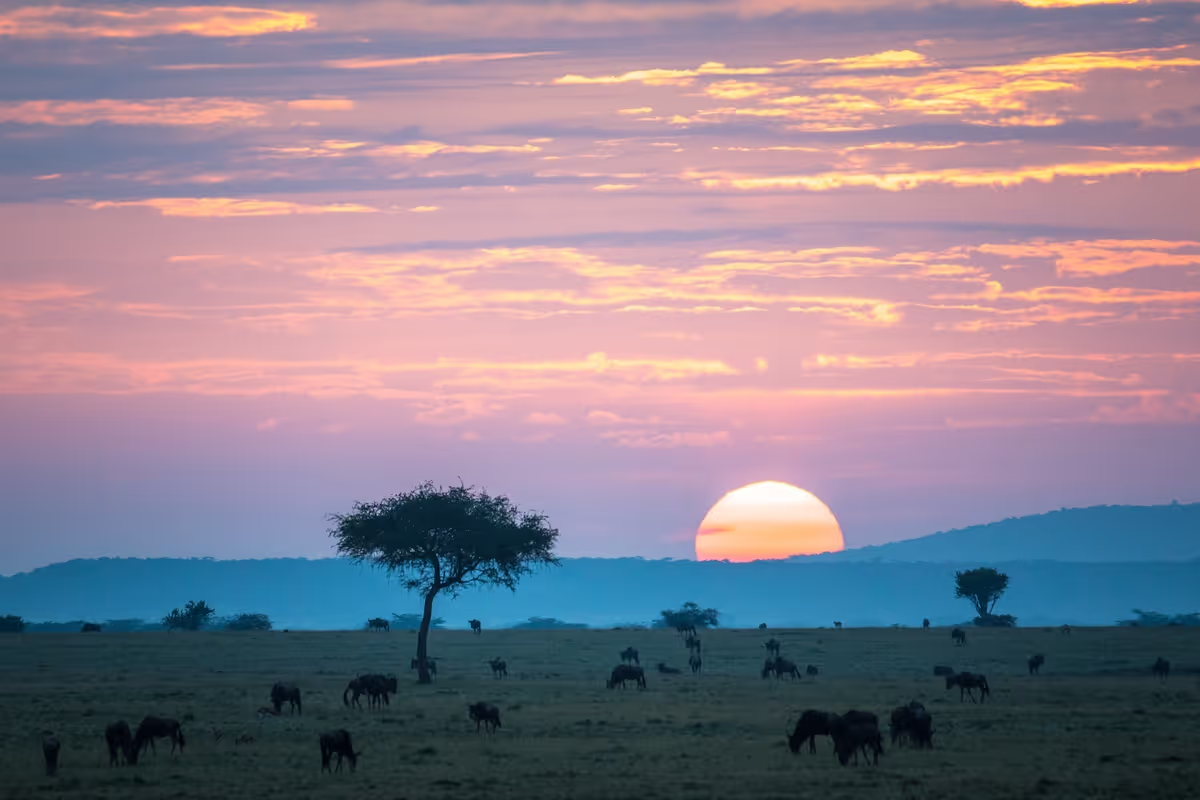
Wildlife in Meru National Park, Kenya, is spread across the landscape rather than concentrated in a few predictable hotspots. Sightings depend on water, cover, and time of day, which makes game drives feel exploratory rather than scripted.
You’re likely to encounter:
- Elephants travelling between riverbanks in groups
- Buffalo grazing across the broad plains
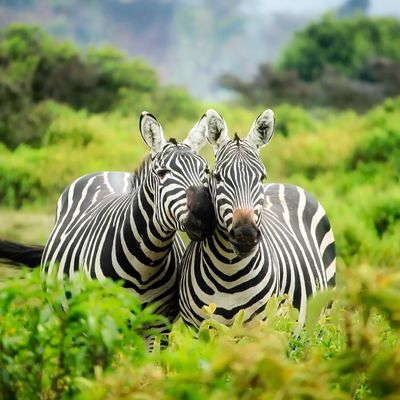
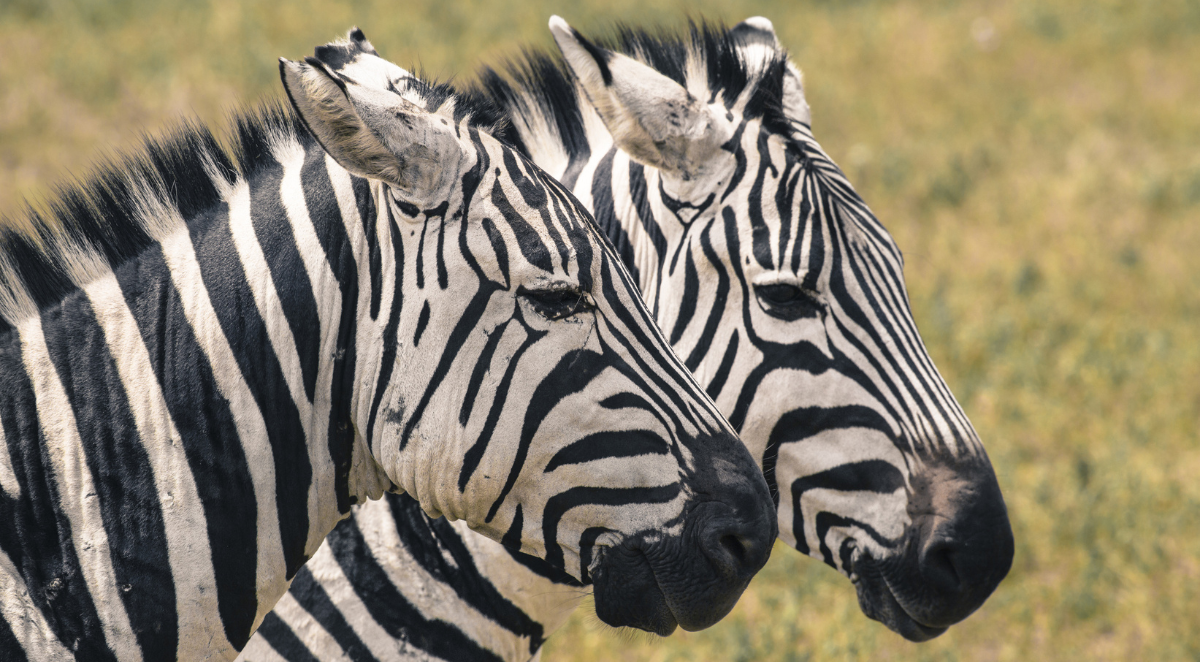
- Giraffe, zebra, and a range of antelope species
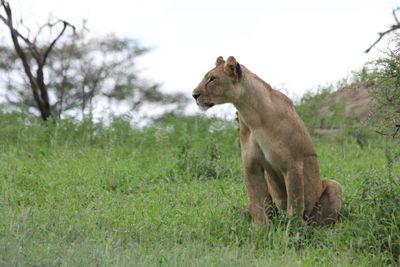
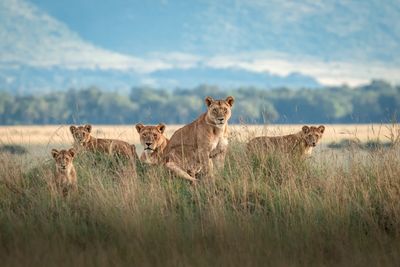
- Lions resting or moving without the pressure of multiple vehicles
- Leopards using thicker vegetation for cover
- Cheetahs favouring open grassland
Rhino conservation is a major focus in Meru. A protected sanctuary within the park supports both black and white rhino under close supervision, making sightings possible while prioritising long-term protection.
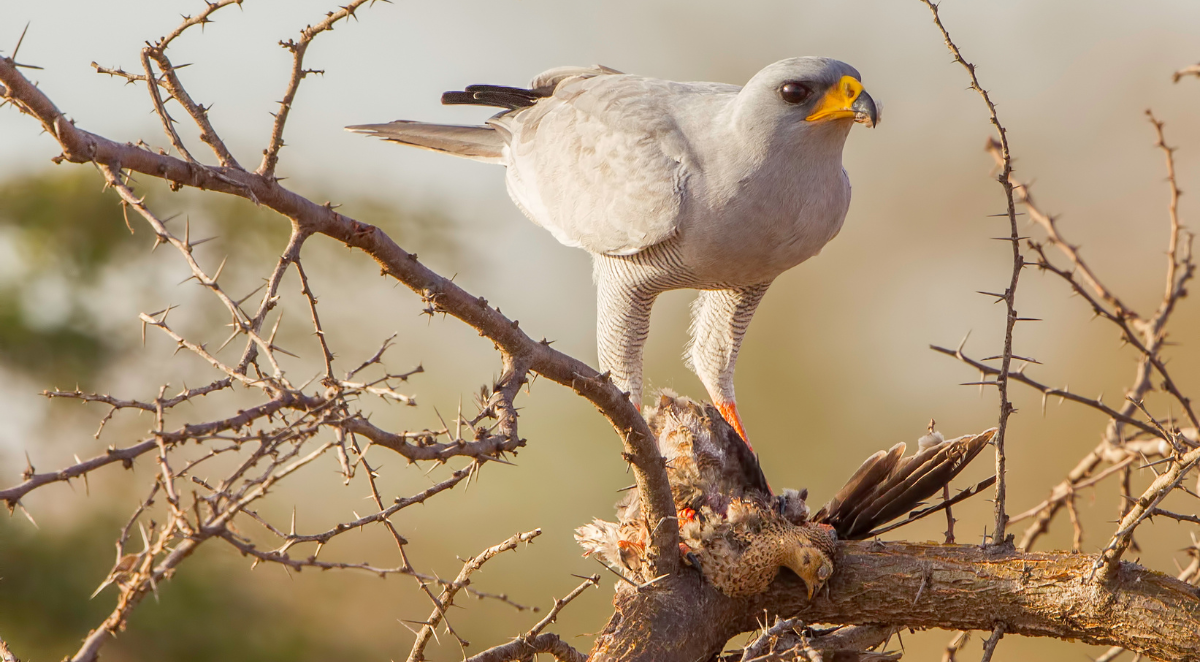
Birdlife is equally strong, particularly along the rivers. Kingfishers, herons, and bee-eaters are common, and bird activity often shapes the pace of a drive as much as larger mammals do.
Landscapes and ecosystems that define Meru, Kenya
Meru National Park includes a range of different landscapes rather than one dominant environment. As you move through the park, the terrain changes regularly, which helps support wildlife across Meru, Kenya.
Within the park, you’ll find:
- Grassland plains used by grazing animals
- Palm-lined waterways where prey species gather, which can draw predators
- Woodland edges that provide shade and shelter
These ecosystems help animals in different ways all year long. Animals move from one place to another depending on the weather, the plants, and the amount of water available. This variety of habitats helps keep the park's wildlife populations stable.
Earth.org examines how these ecosystems contribute to conservation efforts in its coverage of Meru National Park in Kenya.
Safari experiences in Meru National Park
A safari in Meru National Park feels calm by design. Game drives aren’t competitive, and sightings rarely come with a crowd.
Early morning and late afternoon drives are standard, when wildlife activity is highest and the light is softer. Routes often follow river systems, especially during drier months, since water anchors animal movement.
In Meru, Kenya, safari conditions tend to include:
- Fewer vehicles around wildlife
- Longer stretches spent watching animal behaviour
- A pace shaped by what’s happening, not by the clock
Many travellers combine Meru National Park with other Kenyan safari destinations as part of a longer trip, and this guide on how to book a Kenya safari offers practical help with planning routes and logistics.
Conservation history and modern protection
Meru National Park hasn’t always been stable. Poaching during the late twentieth century caused serious wildlife declines, and the park faded from public focus for years.
Recovery came through sustained effort rather than quick fixes. Better security, infrastructure, and long-term protection plans helped stabilise animal populations, especially rhinos.
Today, Meru National Park Kenya stands as a strong example of conservation recovery done properly.
Africa Geographic explores Meru National Park’s landscapes, wildlife recovery, and conservation challenges, offering valuable context for how the park functions today as a safari destination.
Why Meru National Park is less crowded
Meru National Park remains one of Kenya’s quieter safari parks for clear reasons.
- It lies outside the most popular safari circuits
- Reaching Meru National Park from Nairobi takes longer than reaching other popular safari parks
- It doesn’t promise constant spectacle
The result is space. Roads stay calm. Sightings feel personal. Wildlife behaves naturally.
For travellers who want Kenya without crowds, Meru, Kenya, delivers.
Best time to visit Meru National Park
The best time to visit Meru National Park depends on what you value most.
Drier months generally make wildlife easier to spot as vegetation thins and animals gather near rivers. Greener months bring fewer visitors, dramatic skies, and excellent birding.
Meru’s permanent rivers help the ecosystem remain productive across much of the year.
Travellers planning a Kenya safari often consider seasonal conditions when shaping their itineraries. This guide to the best time to visit Kenya helps align regional expectations.
Meru National Park compared to other Kenya safari parks
Meru National Park isn’t a replacement for the Masai Mara. It offers a different experience.
- The Mara focuses on density and drama
- Meru focuses on variety and space
- Amboseli delivers iconic views
- Meru, Kenya, delivers layered ecosystems
Travellers who care about conservation history and quieter drives often find Meru National Park more rewarding than higher-profile parks.
Lonely Planet’s Kenya travel guide provides helpful high-level context when comparing safari regions.
Why Meru National Park offers one of Kenya’s most meaningful safaris
Meru National Park is one of Kenya’s most quietly rewarding safari destinations. Rivers cut through palms, open plains meet forest edges, and Big Five wildlife moves through a landscape shaped by real conservation effort.
Meru National Park tells a different safari story. It’s a place where conservation history still shapes how wildlife lives today, where rivers rather than vehicles dictate movement, and where space hasn’t been traded for spectacle. For travellers who want to understand a landscape rather than rush through it, Meru, Kenya, offers something rare and quietly powerful.