



Climbing Kilimanjaro is a once-in-a-lifetime adventure that requires careful planning. Yet one of the most underrated considerations is keeping your feet comfortable on the trek. After all, they carry you every step of the way; up rocky trails, through mud, and across paths dusted in volcanic ash while the weather swings from sun to icy cold temperatures. If your feet aren’t taken care of, even the most amazing views will feel like a hard stretch.
To make the most of your climb, it helps to follow practical tips for hiking Kilimanjaro that protect your feet, keep you comfortable, and preserve your energy from the first step to Uhuru Peak. With the right preparation, you’ll be free to take on the alpine deserts, glaciers, and that beautiful sunrise on the summit without worrying about blisters or sore toes slowing you down. If you have any questions, feel free to schedule a call with us.

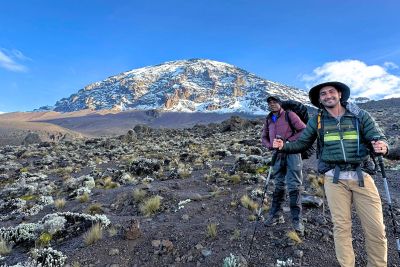
Trekker kitted up with the proper boots for his climb.
Tips for hiking Kilimanjaro
Your feet will definitely do the heavy lifting on Kilimanjaro as you make your way toward the summit. Keeping them comfortable is often overlooked, but it can make or break your trek. Trekkers on Kilimanjaro commonly face issues such as blisters, swelling, cold feet, bruised toenails, and general chafing; all caused by long days on uneven terrain and constant friction inside boots.
Blisters are usually the first troublemakers, forming when moisture and rubbing combine. While swelling (especially above 3,000 m) is also normal. Cold feet are most noticeable on summit night, when temperatures drop well below freezing; wearing dry, warm socks and keeping boots moisture-free goes a long way. Toenail bruising is also common often caused by toes repeatedly hitting the front of the boot during descents. Don't worry, Follow Alice will share practical tips for hiking Kilimanjaro to keep your feet on Kilimanjaro in top shape, helping you move more comfortably and enjoy every step of the climb.
Let's take a look:
1. Invest in the right boots
Your choice of boots is arguably the single most important decision for foot comfort on Kilimanjaro. Boots need to provide ankle support for uneven terrain, a rigid sole for rocky ascents and descents, and enough room for toes to wiggle. This is especially important during the long summit night.
Breaking in your boots is just as important. Wearing them on short walks won’t cut it. Take them on multi-hour hikes with similar elevation gain and terrain to what you’ll experience on Kilimanjaro. The goal is to allow your boots to conform to your feet, preventing hotspots and rubbing. Even high-quality boots can cause blisters if not tried out, so plan at least a few practice hikes before your departure. If your boots are slightly stiff at first, use thick socks and take short walks to soften them gradually. Avoid waterproofing sprays during the break-in phase, it can make them too rigid.
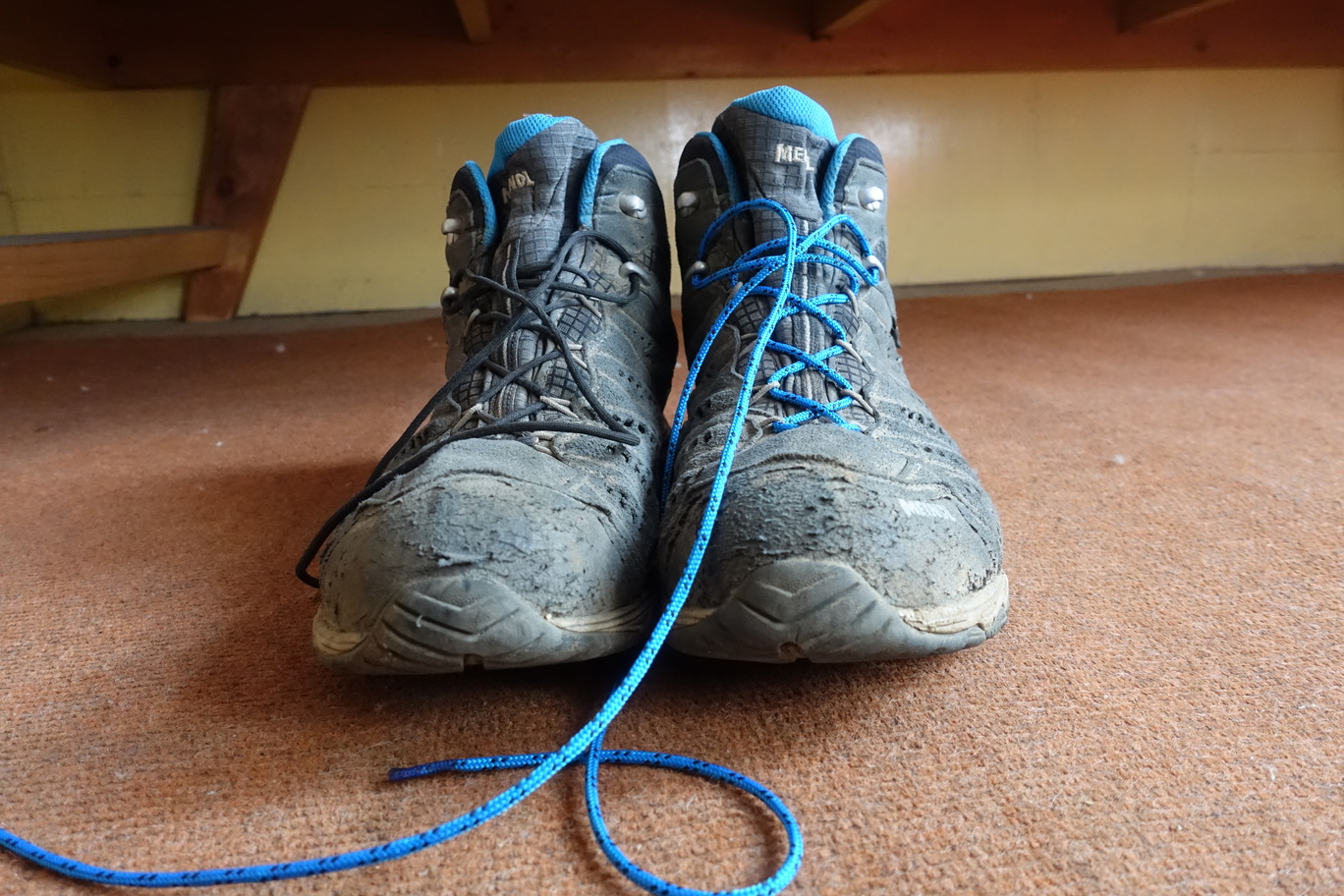
Hiking boots that are properly broken in.
Learn more: The best hiking boots for Kilimanjaro
2. Wear high-quality hiking socks
Socks are often underestimated, but they play a major role in foot comfort. On Kilimanjaro, sweat, friction, and changing temperatures can wreak havoc on your feet. Merino wool or synthetic-blend hiking socks wick moisture, cushion your feet, and regulate temperature in both hot and cold conditions.
Some trekkers prefer liner socks beneath thicker socks to further reduce friction. This is helpful if your feet are prone to blisters. Rotate your socks daily to ensure your feet stay dry and fresh. Avoid cotton socks at all costs. Cotton absorbs moisture, traps heat, and increases friction, which is the perfect environment for blisters.
We cannot stress this enough, please bring a few extra pairs than you think you’ll need. Even one wet or sweaty pair can create hotspots and affect your comfort for the entire day.
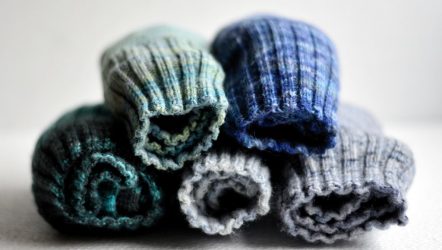
Extra socks will always be needed on a long trek.
Learn more: The 3 kinds of socks you need for Kilimanjaro
3. Keep your feet dry at all times
Moisture is one of the biggest enemies of happy feet. Hiking through rain, crossing muddy trails, or sweating heavily at high altitudes can leave feet wet and vulnerable. Wet feet increase friction, which can lead to blisters, fungal infections, and cold spots. To prevent this from happening, do the following:
- Change socks at every rest stop if they become damp.
- Use foot powder or anti-friction balm to reduce sweat accumulation.
- Remove boots during breaks to let feet breathe and air dry.
Even a few minutes of ventilation for your feet can prevent long-term problems. Many trekkers find that simply airing out their feet during lunch or tea breaks significantly reduces hotspots.
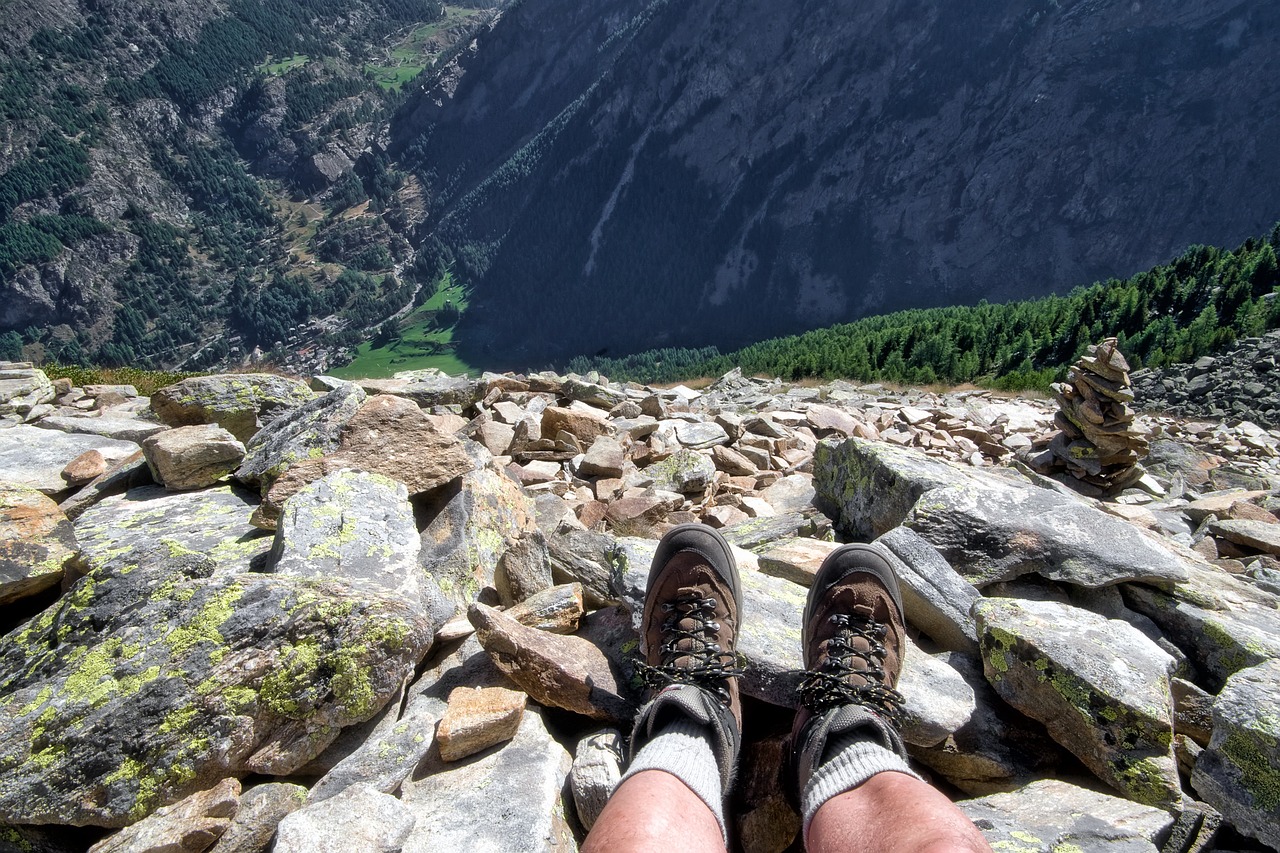
A trekker resting during his climb.
{{leadmagnet-one}}
4. Tape hotspots early
Blisters are the number-one foot problem on Kilimanjaro. The key to prevention is addressing friction the moment you feel it. Tape, moleskin, or hydrocolloid patches applied early can prevent a small irritation from becoming a bigger blister. Here is some practical advice on how to prevent this:
- Check your feet every morning and evening for red spots or pressure points.
- Apply tape to toes, heels, or sides of feet that rub against boots.
- Consider preventive taping before long summit-day hikes, even if your feet feel fine.
Guides often say a blister prevented is worth a whole day of comfort. Treat minor issues early, don’t wait until pain slows you down.
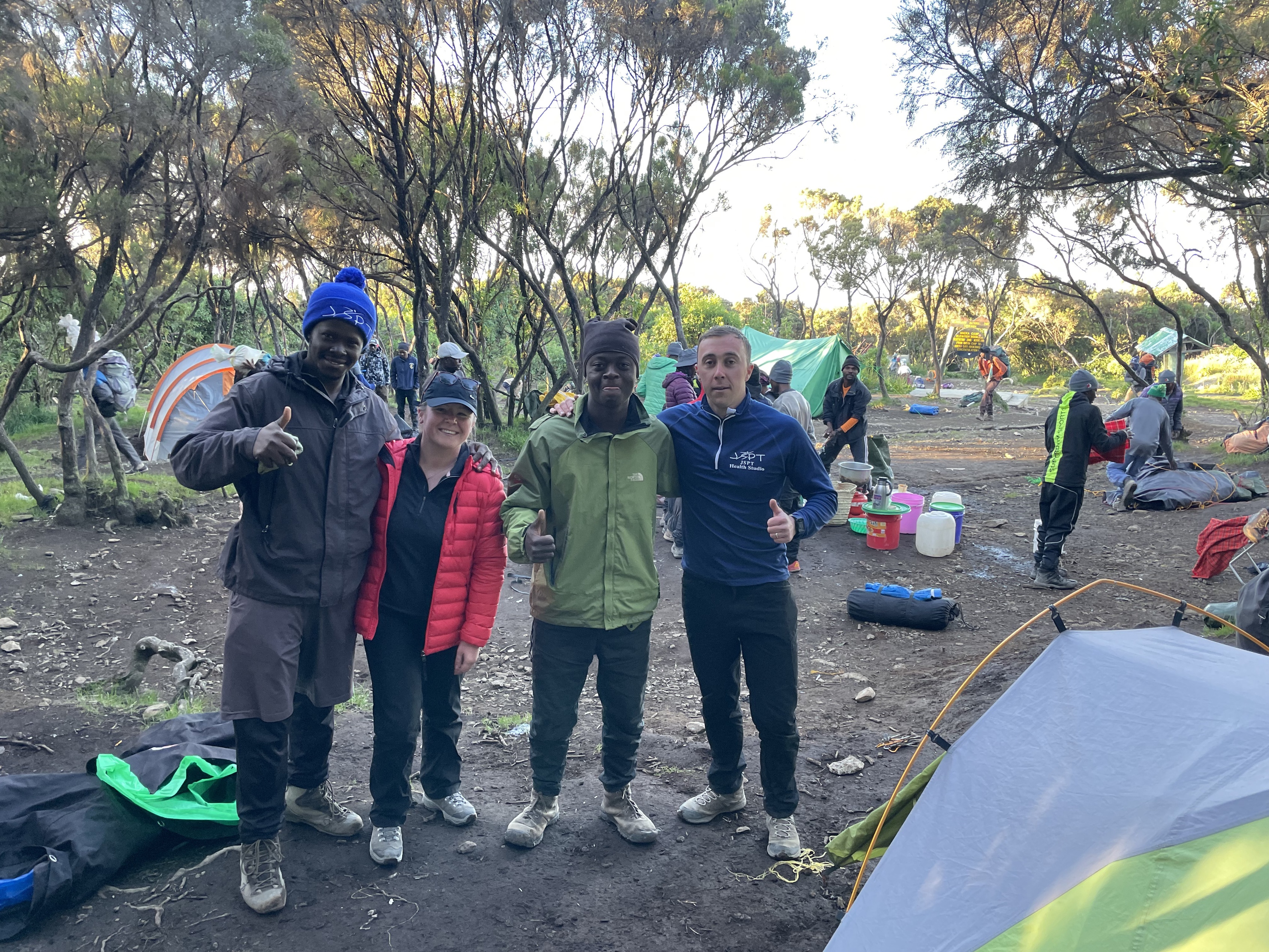
Sneakers make camp life more comfortable.
Learn more: Kilimanjaro now has internet! A good or bad thing?
5. Wear gaiters
Gaiters aren’t mandatory, but they’re highly recommended. Our lead guide, Chris Sichalwe, never hikes Kilimanjaro without them. They provide multiple benefits:
- Keep calves and feet dry from rain, snow, and mud.
- Stop gravel, dust, and stones from entering boots, which can cause irritation.
- Protect against ticks, thorn scratches, and occasional snakes.
- Reduce friction-related blisters by preventing debris from constantly rubbing inside your boots.
Gaiters are lightweight, easy to put on, and surprisingly comfortable. On routes like Lemosho and Machame, where loose volcanic rocks and mud are common, they make a huge difference when it comes to keeping your feet comfy.
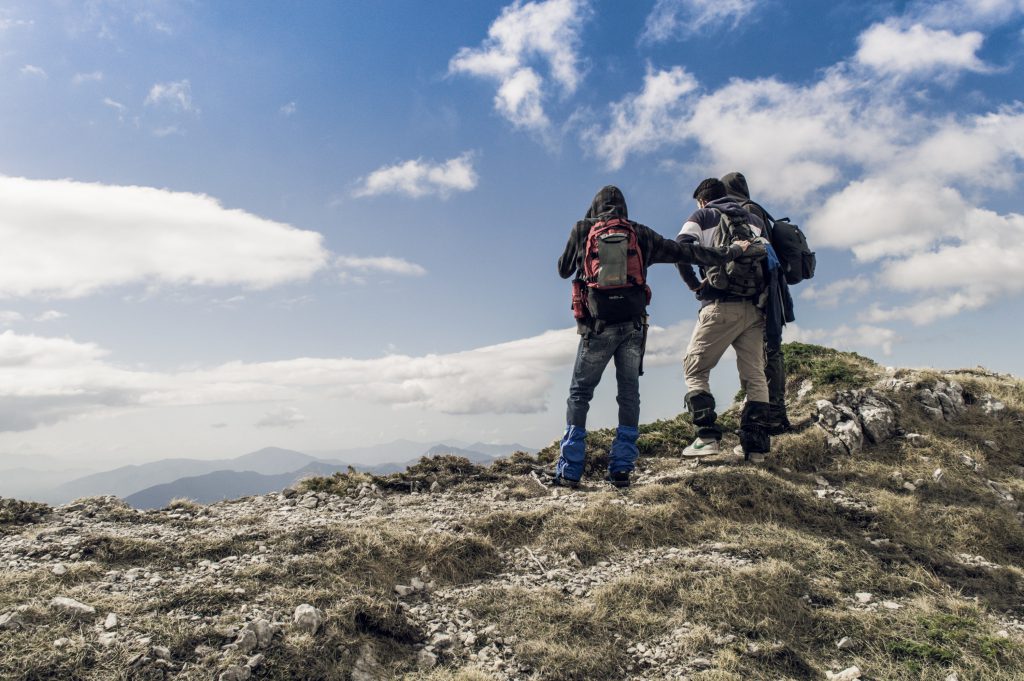
Trekkers are seen wearing gaiters, which keep their feet dry.
{{leadmagnet-two}}
6. Take care of your feet each day
A simple daily foot routine can prevent blisters, bruised toenails, and general fatigue. Each night, wipe away sweat and dirt, apply a thin layer of moisturiser, slip into clean socks, and check your toenails, trimming straight across if needed. During the day, adjust your boot laces for comfort, like loosening the forefoot on ascents to reduce pressure, and tightening the midfoot and ankle areas on descents to prevent sliding. These small steps keep your feet happy and comfortable on long, challenging days when climbing Kilimanjaro.
Foot care isn’t just about the right gear; it’s also about how you move. Using efficient hiking techniques can reduce strain and keep your feet comfortable. Walk steadily and slowly, or “pole pole,” to conserve energy and minimise impact, take shorter steps to ease pressure on your toes and soles, and stay upright and balanced on descents to avoid slipping or overloading your foot joints. Combined with proper gear and preventive care, these movement strategies help keep your feet happy and your energy levels high throughout the climb.
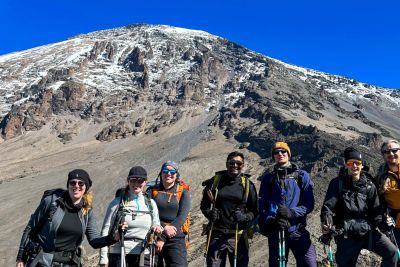
Trekkers posing for a picture on their trek.
Learn more: Hygiene advice for women climbing Mount Kilimanjaro
Feet on Kilimanjaro
Your feet work harder than any piece of gear on Kilimanjaro. They absorb every step through rainforest mud, loose scree, switchbacks, and the lunar-like desert near the summit. Giving them the attention they deserve isn’t a minor detail, it’s what keeps you moving comfortably day after day. A bit of preparation, from choosing boots that genuinely fit to building simple habits like checking hotspots early or keeping socks dry, can be the difference between an enjoyable trek and a painful trek.
Protecting your feet means protecting your entire experience on the mountain. If you want help choosing the right gear or have questions about foot care for your route, our team is always here to guide you, reach out and we’ll walk you through exactly what you need for a smoother, happier climb.