

The news coming out of eastern Democratic Republic of Congo and, more recently, Kampala, Uganda, has been unsettling. We at Follow Alice understand that. When headlines declare a Public Health Emergency of International Concern, it is natural to open a new browser tab and start wondering whether to call your airline.
But headlines compress complexity into alarming shorthand. The reality on the ground in Uganda is more nuanced, more managed, and frankly more hopeful than the news cycle suggests. Much of the information addressed below is based on the latest guidance and figures released by the World Health Organization, the Uganda Ministry of Health, the Uganda Tourism Board, the Association of Uganda Tour Operators, and the US Centres for Disease Control and Prevention. While the situation is being taken seriously and continues to be monitored closely, current guidance does not indicate a need to cancel travel to Uganda at this stage. Here is why.
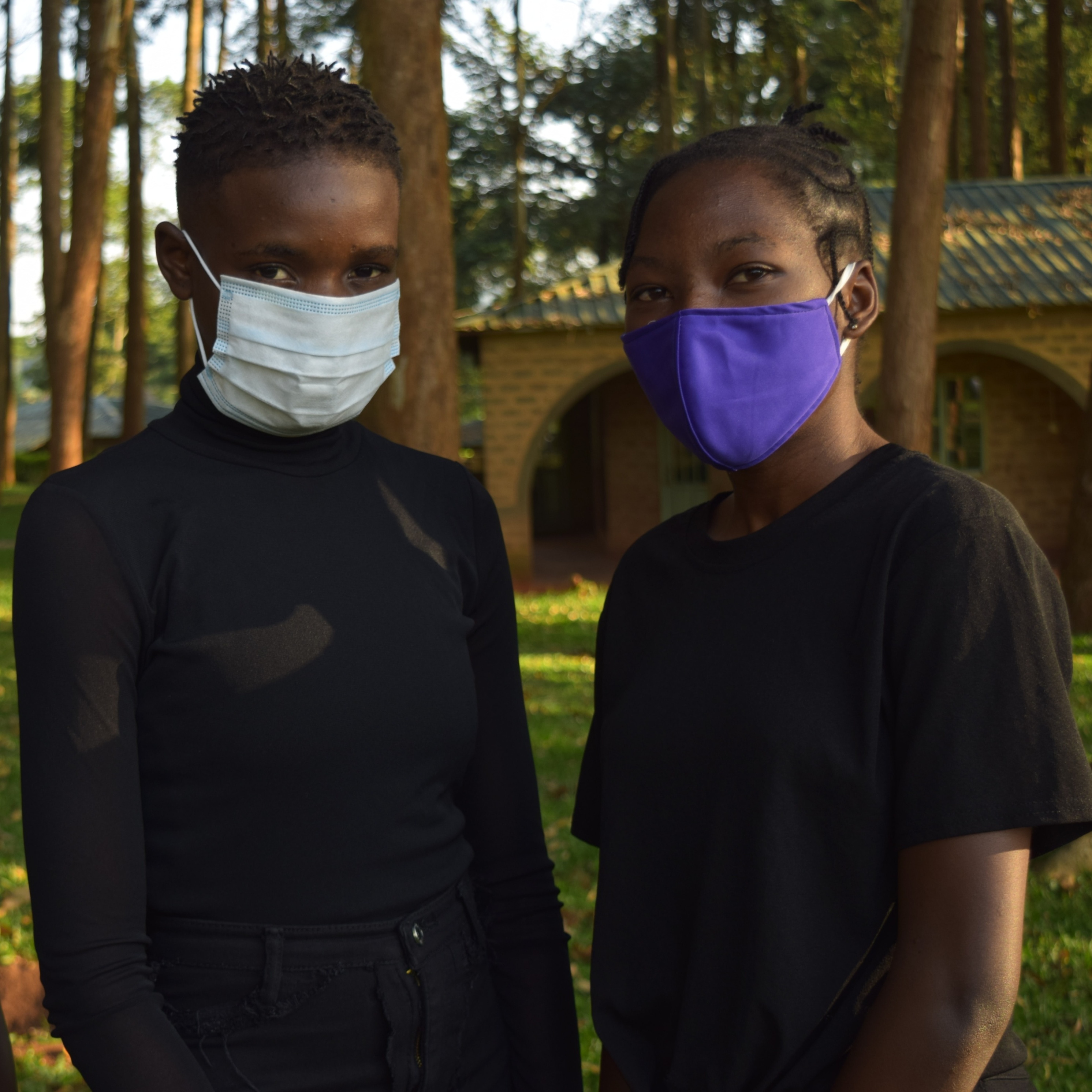
Ugandans wearing a mask.
Learn more: What a Uganda gorilla trekking trip costs in 2026
What is the Ebola Outbreak in Uganda and DRC?
The current outbreak involves the Bundibugyo strain of Ebola virus, also called Bundibugyo Virus Disease (BVD). It was first detected in Mongbwalu Health Zone in Ituri Province, eastern DRC, in early May and confirmed by laboratory analysis on 15 May 2026. One day later, the WHO Director-General declared the outbreak a Public Health Emergency of International Concern (PHEIC).
As of 19 May 2026, the WHO and US CDC have reported 10 laboratory-confirmed cases and 336 suspected cases, with 88 suspected deaths in DRC. In Uganda, two laboratory-confirmed cases have been identified in Kampala, both involving individuals who had travelled from the DRC, including one death. There is currently no confirmed evidence of sustained local transmission within Uganda beyond these imported cases.
This is the 17th Ebola outbreak in DRC since 1976, and only the third documented outbreak involving the Bundibugyo strain worldwide. Critically, unlike Ebola-Zaire strains, there is currently no licensed vaccine or specific treatment for the Bundibugyo virus, which is why international health bodies have responded with urgency.
WHO advice issued to member states has been clear that neither Uganda nor DRC recommends a general travel ban at this stage. The guidance focuses on enhanced screening, contact tracing, and cross-border health surveillance, but not on halting travel.
A doctor showing a signboard with the word Ebola written on it.
Learn more: Your complete list of what to pack for gorilla trekking
How is the Ebola outbreak affecting Uganda tourism and safari operations right now?
We put this question to a Uganda-based tourism stakeholder familiar with the current situation. Their response reflected the cautious but measured approach currently being taken by tourism and public health authorities. These statements were issued by the Uganda Tourism Board on 19 May, which confirmed that the two Kampala cases involved Congolese nationals who entered Uganda from the DRC, and that Uganda had not recorded widespread uncontrolled transmission across its tourism regions.
Many international travellers are becoming cautious about gorilla trekking safaris and other cross-border itineraries involving the DRC and Uganda. At this stage, however, there has not been a significant number of travellers postponing or cancelling trips entirely. Some concerns have been raised, but the outbreak is not currently widespread across Uganda’s main tourism regions. Authorities are working to strengthen health surveillance measures while avoiding unnecessary panic.
Flights are operating, parks and lodges remain open and are receiving guests. Travel companies are making route adjustments where necessary and implementing additional precautionary measures. Border movement controls and enhanced health screening are in place at affected crossing points. Uganda is not currently under a tourism shutdown, according to the latest assessments from the local health authorities and international public health organisations.

Scenic view of Mount Sabyinyo, Mount Gahinga and Mount Muhabura in the Mgahinga Gorilla National Park, Uganda.
Learn more: Sipi Falls Trail: From Coffee Farms to the Clouds of Mount Elgon
Are Uganda's national parks and safari destinations safe for visitors in 2026?
This is the question at the heart of what most travellers want to know. The answer is: yes, with context. The confirmed and suspected Ebola cases are concentrated in Ituri Province in eastern DRC, a region that has been logistically isolated and is not a tourism corridor. The two Kampala cases in Uganda have been individually traced to cross-border travel from the affected DRC zone. At the time of writing, the WHO has confirmed there is no indication of ongoing local transmission within Uganda.
Uganda's most-visited safari and gorilla trekking destinations lie in the south and southwest of the country:
• Bwindi Impenetrable National Park (mountain gorilla trekking)
• Queen Elizabeth National Park (big game and chimpanzees)
• Murchison Falls National Park (Nile safaris and wildlife)
• Mgahinga Gorilla National Park
• Kibale National Park (chimpanzee tracking)
These regions are geographically distant from Ituri Province. According to Agnes, tourism activities at all these destinations continue under enhanced health and safety protocols, and park authorities, together with tourism stakeholders, have strengthened preventive measures in response to the current situation.
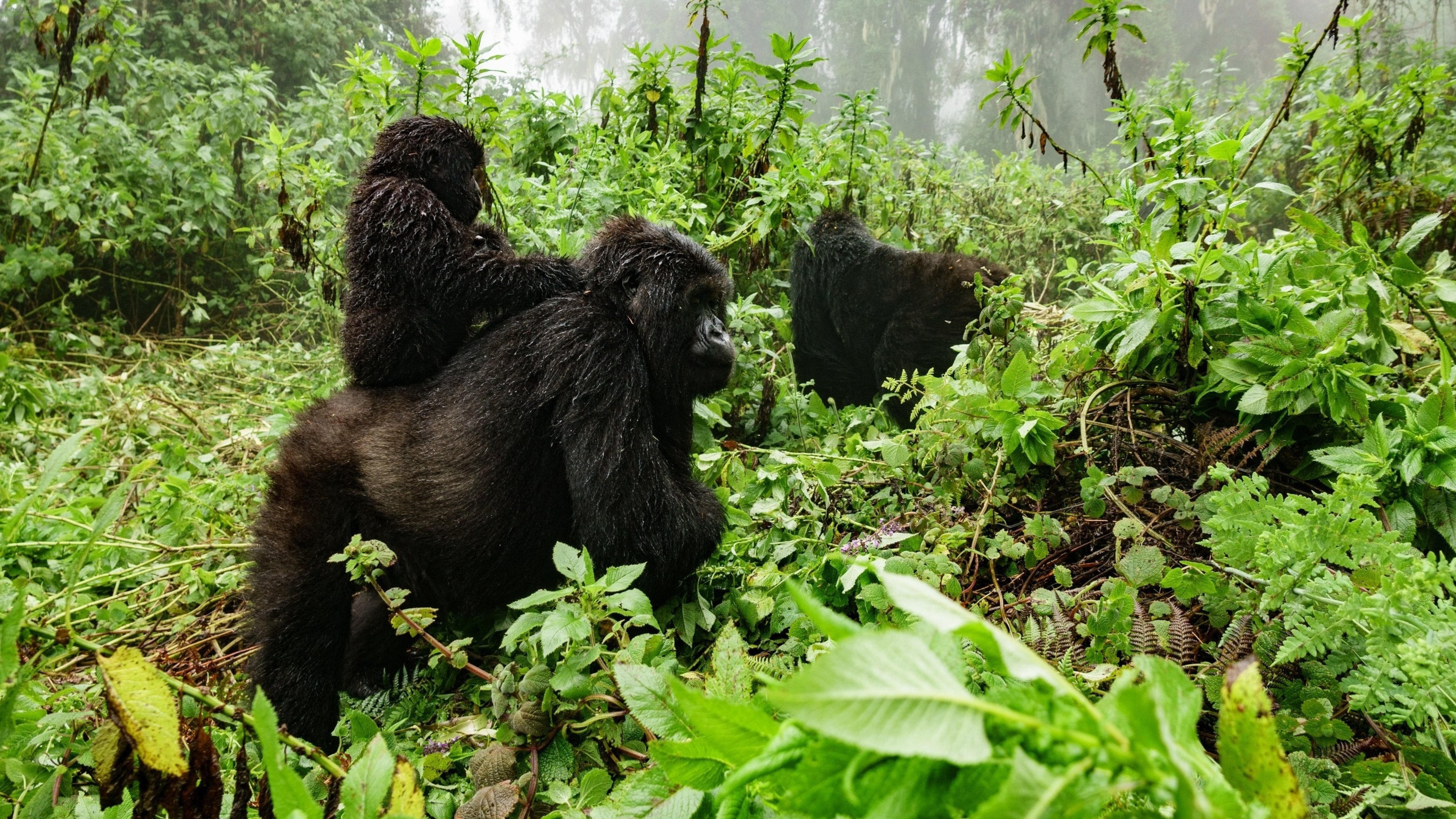
The Uganda Wildlife Authority (UWA) already enforces strict protocols for gorilla trekking under its 2024–2026 Conservation Tariff: a mandatory 10-metre minimum distance from gorilla families, no trekking if you are unwell, boot disinfection, and face coverings. These are not emergency measures, but they are the baseline for every trek, now supplemented by additional precautions.

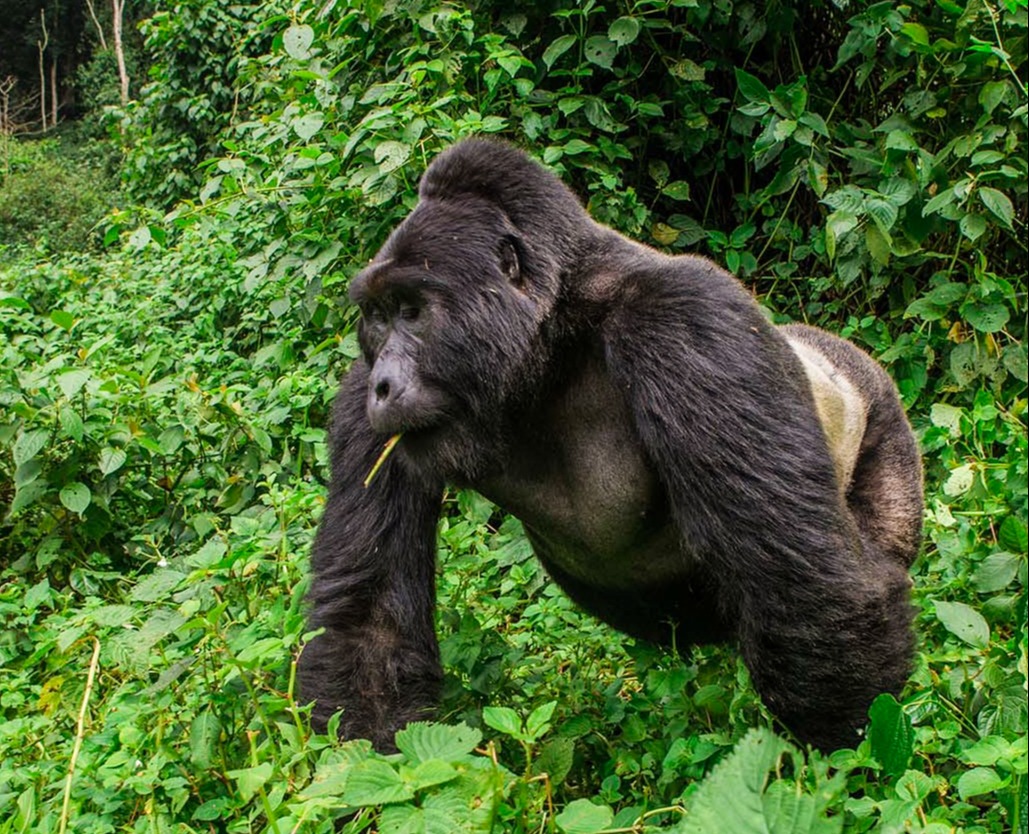
Silverback mountain gorilla seen at Bwindi Impenetrable National Park in Uganda.
Learn more: Uganda is calling all adventure-lovers
What safety and health screening measures are in place for Uganda safari travellers?
The Uganda Tourism Board outlined the practical measures travellers should expect to encounter:
- Enhanced health screening at airports, border points, hotels, and tourism entry areas, including temperature checks and health monitoring questionnaires.
- Increased sanitation and hygiene protocols in safari vehicles, lodges, airports, and public tourism facilities, including handwashing stations and sanitiser.
- Travellers are being briefed with factual, up-to-date information on the situation before and during their trips, so they can make informed decisions.
- Route adjustments where itineraries involve cross-border travel, particularly any movement near or into the DRC.
The US CDC has also deployed response resources from its country offices in Uganda and DRC to bolster containment efforts, reinforcing local surveillance and laboratory diagnostic capacity. Uganda’s own Ministry of Health has activated emergency Ebola response mechanisms, particularly in high-risk border regions and urban centres like Kampala.
What to know about Ebola transmission before you travel: Ebola does not spread through casual contact or the air. The WHO is explicit on this as the virus transmits through direct contact with the bodily fluids of a person who is infected and symptomatic. As a safari traveller visiting national parks, lodges, and wildlife sites, the risk profile is categorically different from that of a healthcare worker or family member of an infected individual.
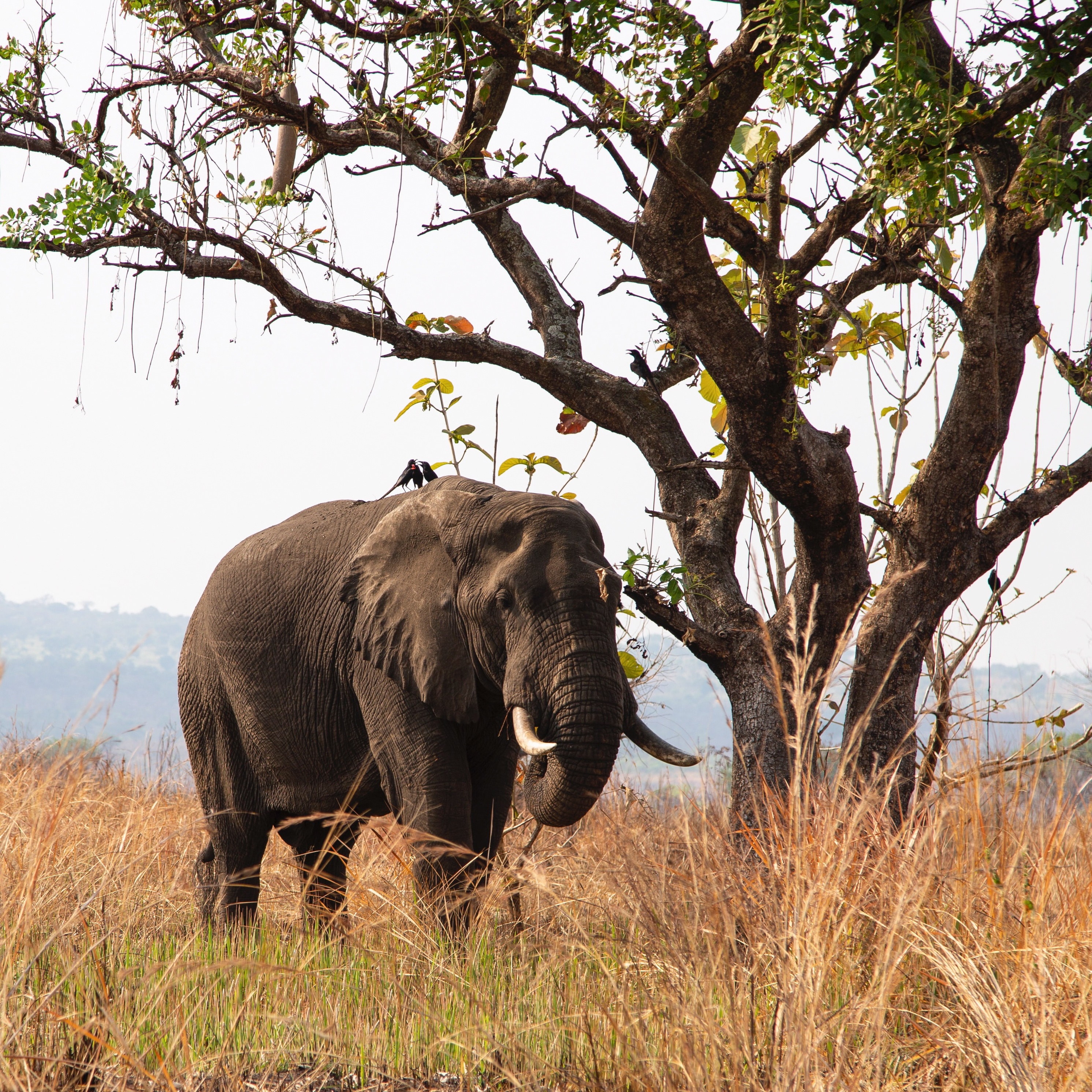
An elephant standing by a tree in Uganda.
Learn more: Gorilla trekking in Uganda vs Rwanda – which is better?
Should you cancel or postpone your Uganda safari?
According to guidance shared by the Uganda Tourism Board, this is the advice currently being given to travellers who may be concerned after seeing recent news coverage while holding an existing booking:
The safety, well-being, and comfort of travellers remain the top priority for everyone involved in the tourism industry. That is why we are confident that Uganda will manage the Ebola situation as well as they have in the past. The authorities here have significant experience in handling outbreaks of this nature. Uganda has successfully contained previous Ebola events through surveillance measures and rapid response systems, and we trust they will do so again.
Uganda has managed five previous Ebola outbreaks, and the Bundibugyo strain itself was first identified and contained in Uganda in 2007–2008. The country’s outbreak response infrastructure, contact tracing, isolation protocols, and healthcare worker training have been stress-tested repeatedly.
The situation is indeed unfortunate, and it is right to take it seriously. It is also equally right to note that the Uganda Ministry of Health, and international partners, including WHO and the US CDC, are responding with the seriousness this moment demands. Uganda and DRC’s willingness to act transparently and swiftly was noted in the WHO Director-General’s statement when declaring the PHEIC.
"The Director-General of WHO expresses his gratitude to the leadership of the Democratic Republic of the Congo and Uganda for their commitment to take necessary and vigorous actions to bring the event under control, as well as for their frankness in assessing the risk." — WHO Director-General Dr Tedros Adhanom Ghebreyesus.
Logo of the World Health Organization.
Learn more: Uganda's incredible, diverse wildlife in pictures
Practical guidance for Uganda travellers
If you have a trip booked or are considering one, here is what we recommend:
- Monitor official sources: Check the WHO Disease Outbreak News, the Uganda Ministry of Health, and your own government’s travel advisory page regularly in the weeks before departure.
- Check your travel insurance: Ensure your policy covers medical evacuation and trip disruption related to public health events. This is good practice for any international travel.
- Contact your tour operator: Ask directly for the latest on-the-ground assessment. A good operator will give you honest information, not reassurance designed to protect a booking.
- Register with your embassy: Before departure, register with your country’s embassy or consulate in Uganda so they can reach you in the event of any escalation.
- Follow all health screening protocols: Comply with temperature checks, health questionnaires, and sanitisation procedures at airports, lodges, and park entry points.
- Do not travel if unwell: The CDC advises monitoring yourself for symptoms for 21 days after visiting any affected area. If you feel unwell before travel, postpone.
- Avoid cross-border DRC itineraries: At this time, itineraries that involve entering DRC, particularly eastern Ituri Province, are not recommended.
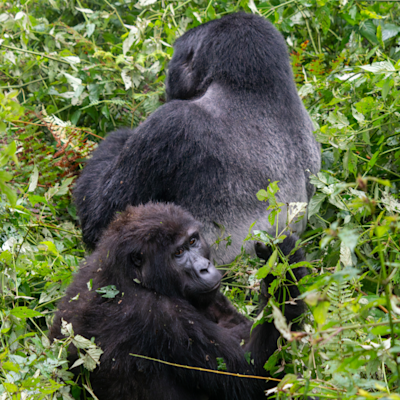
Uganda remains one of Africa’s most remarkable safari destinations
The Pearl of Africa does not disappear behind a headline. Bwindi’s mountain gorillas are still there, moving through the mist at first light. The Nile still crashes through Murchison Falls. The tree-climbing lions of Queen Elizabeth are still doing exactly what they have always done. We remain hopeful and confident that the Ugandan government and relevant health authorities are handling this situation with both the urgency and the experience it requires. We will continue to monitor developments closely and update our travellers with the same factual, honest information Agnes has shared here. If you have a booking with us, we are in contact and will reach out directly if anything changes. If you have questions, reach out to our team. We would rather answer a hundred careful questions than have a single traveller make a decision based on incomplete information.