


If you’re dreaming of seeing mountain gorillas in the wild, Uganda should be near the top of your travel list. Home to some of the world’s most incredible primate encounters, the "Pearl of Africa" offers visitors the chance to trek into green rainforests and come face‑to‑face with endangered mountain gorillas, which has been described as a truly life‑changing experience.
You have to remember that gorilla trekking isn’t a low‑budget activity, and understanding the costs involved is important before you lock in your trip. This detailed article will break down all the key costs for gorilla trekking in Uganda in 2026, including permit fees, habituation experiences, permit availability, cancellation rules, and other expenses you should factor into your budget. If you have any questions, please feel free to contact our team, and we will be happy to answer any questions you might have.

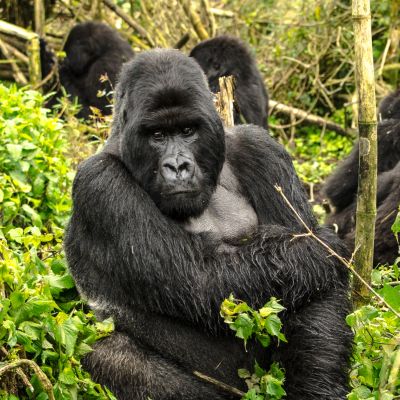
A mountain gorilla roaming around in its natural habitat.
Learn more: 5 common gorilla trekking mistakes
Uganda gorilla trekking permit costs in 2026
The most important cost for any gorilla trek is your gorilla trekking permit, and in Uganda, all rates for 2026 are set by the Uganda Wildlife Authority (UWA) and are valid through 30 June 2026. These fees help fund conservation, anti‑poaching efforts, ranger training, and community support around the parks.
Here’s how the permit pricing breaks down:
Standard gorilla trekking permit (1 hour with gorillas)
- Foreign Non‑Residents: $800 USD per person
- Foreign Residents: $700 USD per person
- Rest of Africa Residents (non‑EAC): $500 USD per person
- East African Citizens: UGX 300,000 (~US$80) per person
This permit allows you to access the park, includes a trained ranger guide and trackers, and grants up to one hour with a habituated gorilla family in either Bwindi Impenetrable National Park or Mgahinga Gorilla National Park. Unlike other safaris, you don’t purchase your permit at the park; you have to book it well in advance through Uganda Wildlife Authority or your tour operator.
It's important to remember permits are limited and strictly controlled; they often sell out months ahead, especially in peak seasons. For many travellers, securing the permit early becomes the linchpin of their entire trip. This makes gorilla permit cost the single biggest factor when budgeting for a Uganda gorilla safari.
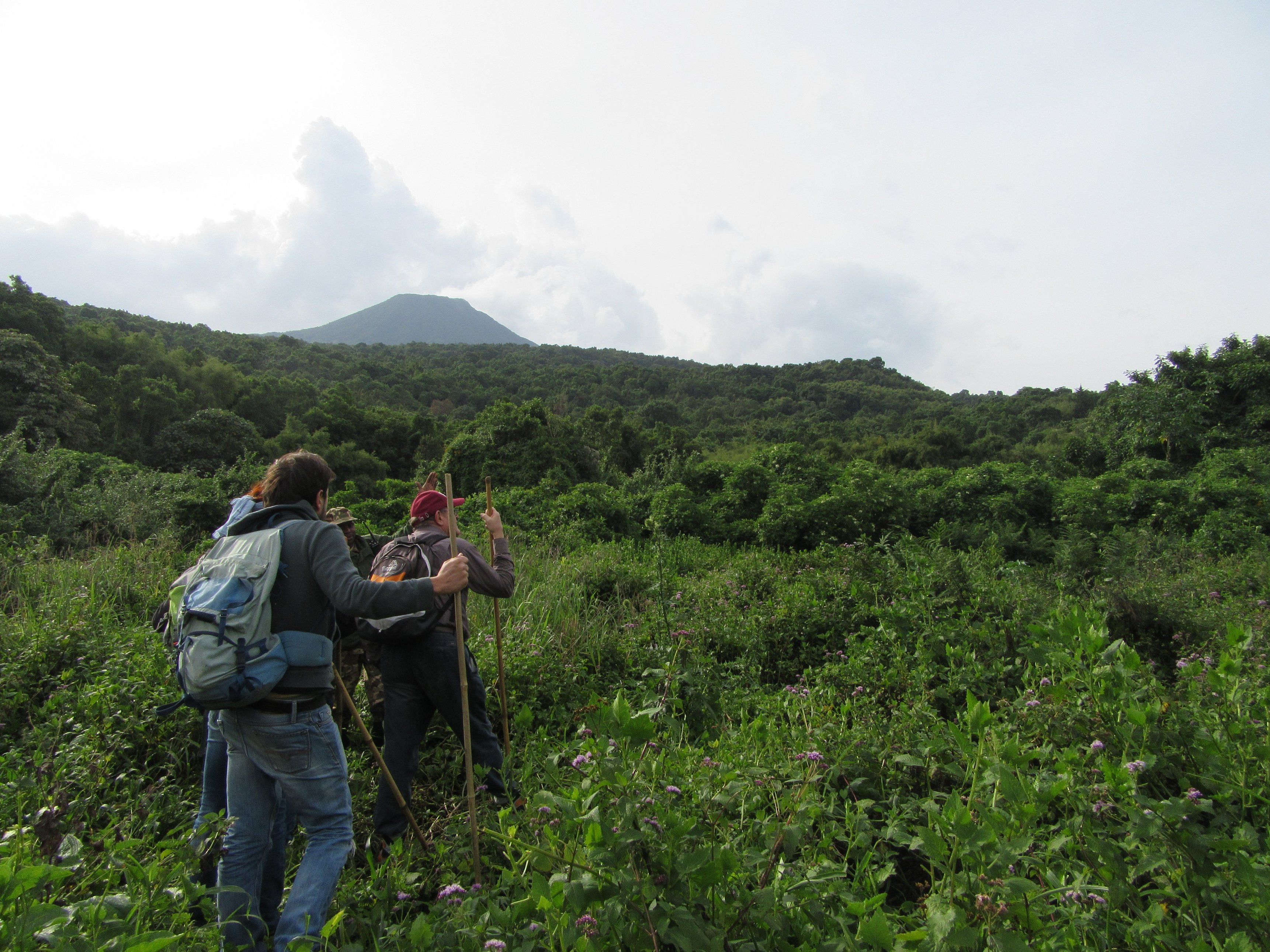
Gorilla trekkers walking through open vegetation towards the forest in Mgahinga NP, Uganda.
What is a gorilla habituation permit?
A gorilla habituation permit allows you to spend up to four hours with a group that is still getting used to human presence, offering a rarer and more immersive experience than the standard one‑hour trek with fully habituated gorillas. These experiences are mostly available in Bwindi’s Rushaga sector and must be booked through specialised operators due to limited availability. They include time with researchers and trackers in a more scientific setting and are priced significantly higher than standard permits.
- Foreign Non‑Residents: $1,500 USD
- Foreign Residents: $1,000 USD
- Rest of Africa Residents: $1,000 USD
- East African Citizens: UGX 750,000 (~US$200)
This is a rare and unforgettable option, but habituation permits are extremely limited, with often only a handful available per day, so you’ll need to book very early. Have a look at this video to provide you with more context if you are still not sure of booking a trip to see this magestic creatures:
What your gorilla trek permit fee includes
Your gorilla trekking permit is more than just a ticket into the forest; it’s your entry into one of the most carefully protected ecosystems on the planet, and it supports both wildlife and local communities.
Here’s what it usually includes:
- Park entry: This gives you access to Uganda’s famous gorilla habitats, such as Bwindi Impenetrable National Park or Mgahinga Gorilla National Park, both UNESCO World Heritage Sites. Without it, you simply can’t enter the park.
- Ranger guides and trackers: Your permit fees cover the services of trained rangers and local trackers. These experts are important; they know the forest well, can locate gorilla families, and ensure your safety while navigating sometimes steep or muddy terrain. They’re also the people who help make your experience truly magical by spotting gorillas’ behaviour you might otherwise miss.
- Conservation contributions: A portion of your permit goes directly to gorilla conservation efforts. This supports anti-poaching patrols, forest protection programmes, and initiatives that help local communities coexist with wildlife. Essentially, your permit is an investment in the survival of these incredible animals for generations to come.
- Security during the trek: Trekking in the rainforest isn’t without its challenges. Your permit ensures that trained staff are on hand to manage emergencies and keep the trek safe, so you can focus on enjoying the experience.
Most travellers find that booking with a trusted tour operator like Follow Alice is the easiest way to cover these extras. Packages often bundle permits, transport, accommodation, meals, and porter services, which will help make your gorilla trek smoother, more cost-effective, and far less stressful than handling each piece separately.
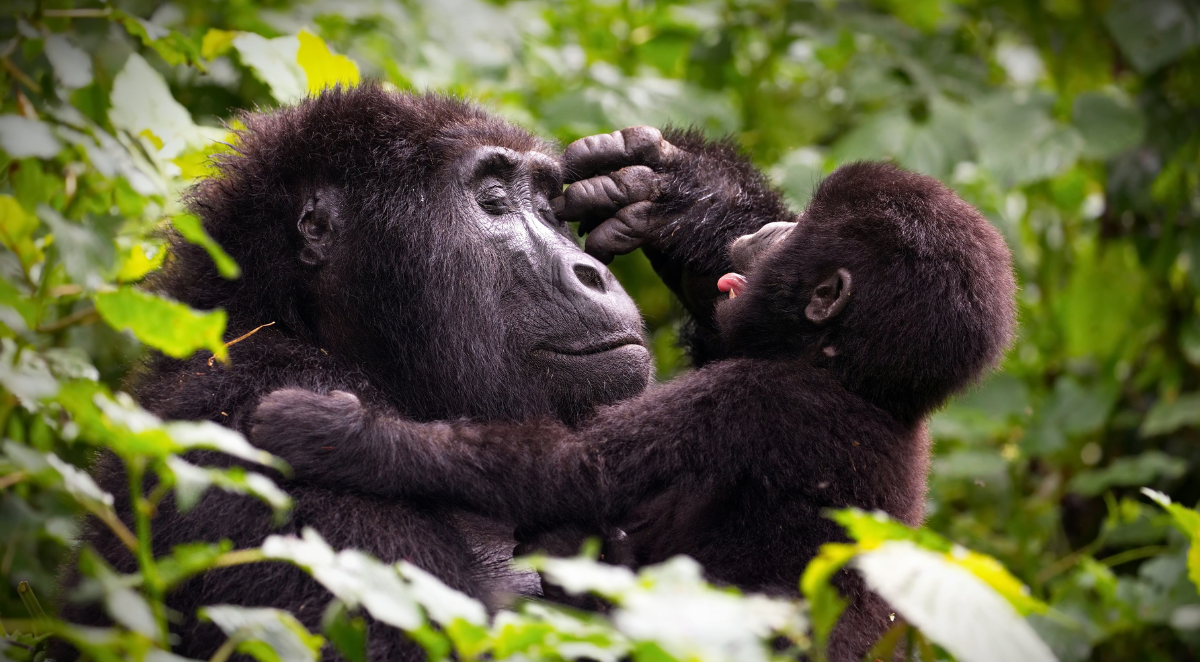
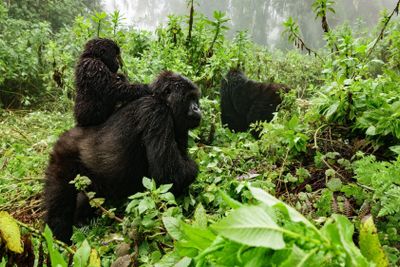
A mother gorilla playing with her baby in a forest in Uganda.
{{leadmagnet-one}}
What your gorilla trek permit doesn’t cover
While your gorilla trekking permit is important for entering the park and supporting conservation, there are several costs it doesn’t include, and it’s important to plan for them so your trip goes smoothly.
- Transport to the park: Getting to the start of your trek isn’t included in the permit fee. Most travellers arrange ground transfers from Kampala or Entebbe, either with their tour operator or by private vehicle. Some operators also offer domestic flights to reach more remote areas like Kisoro, which can save time but comes with an additional cost of USD $200–$400 per person each way, subject to change.
- Accommodation and meals: Lodging before, during, and after your trek isn’t part of the permit. Options range from budget lodges (USD $80–150 per night) to luxury safari camps (USD $500–1,000+ per night), and most operators bundle meals with your accommodation to make your experience as smooth as possible.
- Optional porter services: Carrying backpacks and gear through the rainforest can be physically demanding. Many travellers hire porters to lighten their load, usually around USD $15–$20 per day. It’s optional, but highly recommended for comfort and safety, and it supports local employment in the region.
- Tips for guides and rangers: While the rangers and trackers are already covered by your permit fee, tipping them is customary and much appreciated. Common practice is USD $20–30 per guide per day, USD $10–15 per tracker per day, and USD $5–10 per porter per day. These tips recognise their skill, effort, and dedication to making your encounter with the gorillas unforgettable.
Planning for these extra costs in advance ensures that your gorilla trek isn’t just memorable, but also smooth, stress-free, and ethically responsible. Many travellers find that booking a full-service package with a trusted operator like Follow Alice covers most of these extras, making budgeting simpler and leaving you free to enjoy the rainforest experience.

Hikers on the wooden ladders are dwarfed by the mountain landscapes at Mount Sabyinyo in the Mgahinga Gorilla National Park, Uganda.
Learn more: Is gorilla trekking hard?
How many gorilla permits are available each day?
Gorilla permits are limited to protect the animals and minimise disturbance. While Uganda doesn’t publish exact daily quotas for every park, estimates based on park sectors show:
- Bwindi Impenetrable National Park, across its sectors, issues over 100 permits per day, specifically around 152 to 184+ gorilla trekking permits daily across its four sectors.
- Mgahinga Gorilla National Park typically issues around 8 permits daily for its sole habituated group.
This is due to permits being issued on a first‑come, first‑served basis; they can sell out months in advance, especially during peak travel seasons (June–September and December–February). Booking six to 12 months ahead increases your chances of securing permits on your preferred dates.
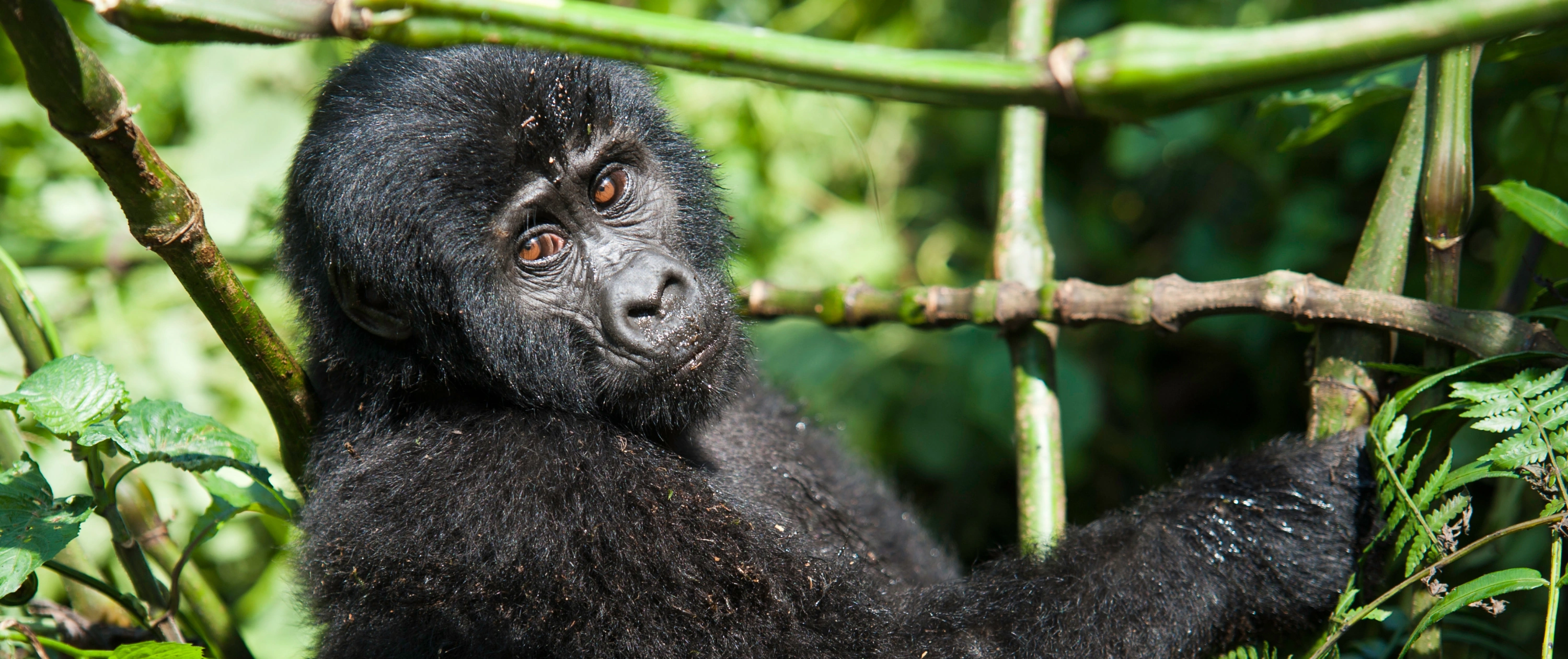
A young mountain gorilla is seen in Uganda.
Can gorilla permits be cancelled or refunded?
The good news is that the Uganda Wildlife Authority (UWA), which is the body responsible for gorilla permits, does offer refunds in certain situations. How much you get back depends on how far in advance you cancel and the circumstances that prevent you from trekking. If illness prevents you from tracking, UWA can refund at least 50 per cent of your permit fee, provided a park warden confirms your condition. This applies to tourists trekking in Bwindi Impenetrable National Park and Mgahinga National Park.
For Mgahinga National Park, there’s a special case as the park has only one habituated gorilla family, the Nyakagezi group. If this family moves into neighbouring Rwanda or the DRC before your trek, you’re entitled to a full 100 per cent refund from UWA. Even on rare occasions when you trek all day but cannot locate the habituated gorilla group, UWA will refund at least 75 per cent of your permit fee, processed through their headquarters in Kampala.
Here’s a simple breakdown of UWA’s standard cancellation policy:
- 0–8 days before your trek: No refund
- 4–45 days before your trek: UWA retains 75 per cent, refunds 25 per cent
- 46–90 days before your trek: 50 per cent refund, UWA retains 50 per cent
- 91+ days before your trek: 75 per cent refund, UWA retains 25 per cent
It’s important to note that this applies only to full payments, as deposits are non-refundable. Even then, refund policies can vary, and some operators add service fees that are not refundable themselves. Booking through a tour operator can also help here, as many companies have more flexible cancellation policies with an additional cost or will help you reschedule your permit date without losing your entire fee. Gorilla trekking remains a highly sought-after activity, and even as demand grows, the number of permits sold per day has not increased.
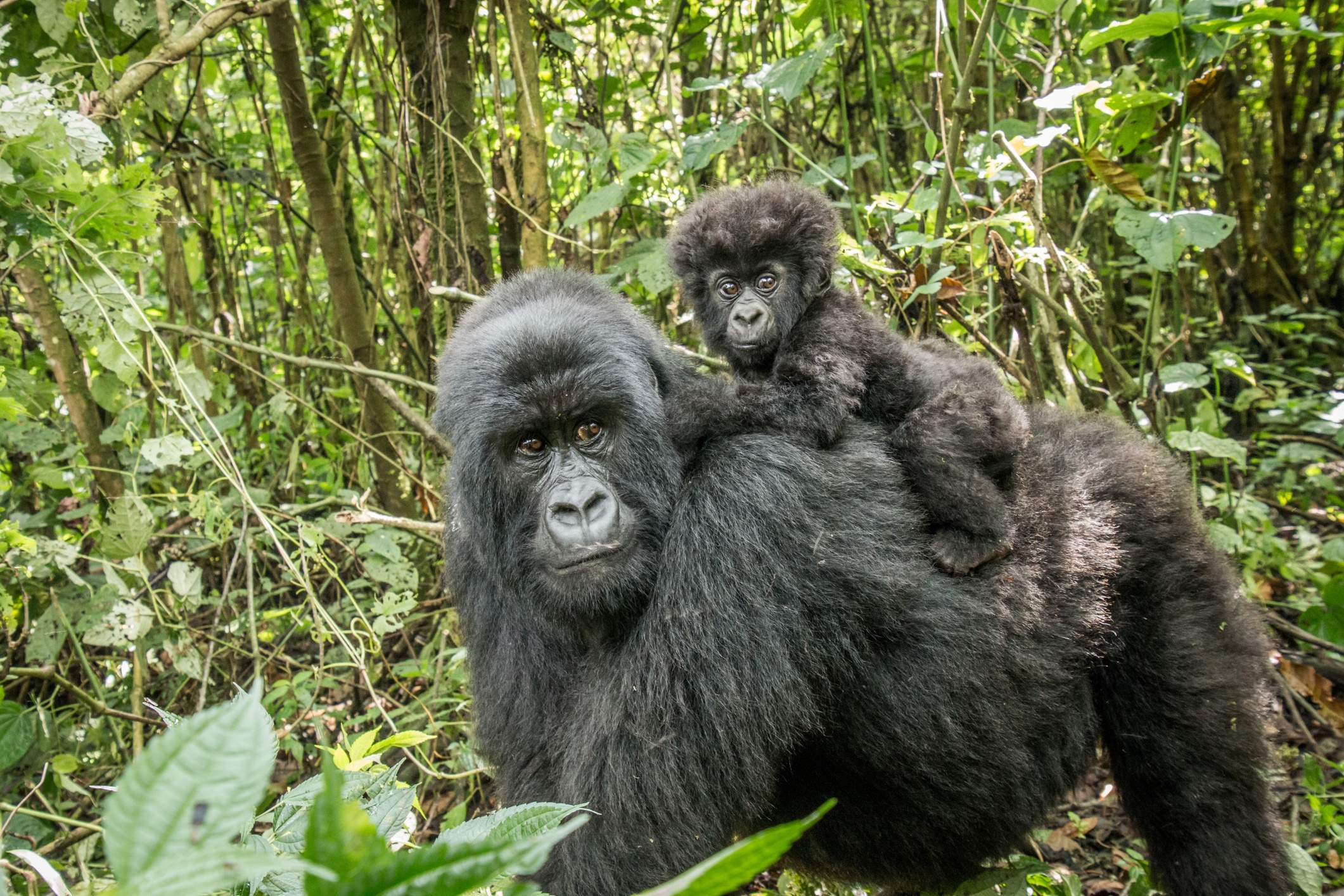
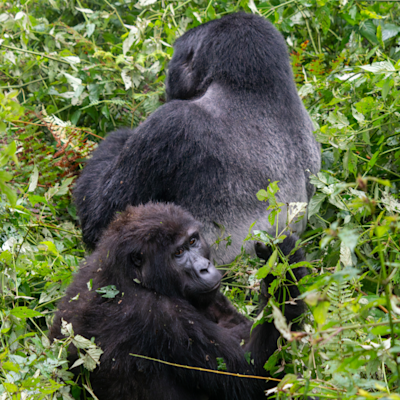
A mother and her infant are just gazing at their surroundings.
{{leadmagnet-two}}
Tips for budgeting and saving on your gorilla trek
Planning can save both money and stress. Here’s how to make the most of your 2026 gorilla trekking budget:
- Book permits as early as possible: Gorilla permits are fixed by the Uganda Wildlife Authority (UWA) but sell out fast. Early booking ensures you secure your spot and avoids last-minute premium or rushed fees.
- Travel in the low season: March–May and October–November offer better permit availability and smaller crowds. You may also find lower accommodation rates during these quieter months.
- Combine activities: Pair your gorilla trek with other safaris or national park visits. Coordinating transport and logistics can reduce overall costs and make your trip more efficient.
- Join a small group tour: If you don’t require a private package, joining a small group can lower per-person costs while still offering an intimate experience with guides and trackers.
- Consider operators that work locally: Trusted local tour companies like Follow Alice can often offer better value packages, including transport, accommodation, meals, and porter support, compared with booking everything separately.

An adult female wild mountain gorilla with a young gorilla holding onto her stomach while two others look on.
Learn more:Best time of year for gorilla trekking in Uganda
Why gorilla trekking in Uganda is truly worth it
Uganda offers some of the most accessible and authentic gorilla trekking experiences in the world, and at a fraction of the cost compared to neighbouring Rwanda, where permits start at around USD $1,500. With standard permits at roughly USD $800, Uganda provides exceptional value without compromising the quality, safety, or intimacy of the encounter.
The forests of Bwindi Impenetrable and Mgahinga Gorilla National Parks are not only stunningly beautiful but also incredibly biodiverse. Trekking through these misty rainforests, you’ll see more than just gorillas but rare birds, colourful butterflies, and unique plant life, making every step of the hike a discovery.
Perhaps the most meaningful part of the experience is how your permit fees contribute directly to gorilla conservation and community development. Every dollar helps protect these endangered primates, support anti-poaching efforts, and sustain local communities living around the parks. Your trek is not just a wildlife encounter, but a contribution to the survival of an entire ecosystem.
And then, of course, there’s the gorillas themselves. Spending an hour observing a family of these gentle giants in their natural habitat is transformative. The moments of quiet curiosity, playful interactions, and the sheer intelligence of the silverbacks create a connection that goes far beyond any traditional safari. If you want to find ot more, feel free to schedule a call with our team.