


Almost everyone who reaches the roof of Africa says some version of the same thing: "That was the hardest thing I've ever done and the most worth it." But that's not the full story. And you deserve the full story. Kilimanjaro is not a technical climb. You don't need ropes, crampons, or mountaineering experience. What it does require, though, relentlessly, is time, patience, and the ability to put one foot in front of the other when every part of you wants to stop. At 5,895 metres above sea level, Mount Kilimanjaro is the highest freestanding mountain in the world. The question you have to ask yourself is whether it's worth climbing, which depends almost entirely on what you're looking for. If you still have questions after this, feel free to contact our team.
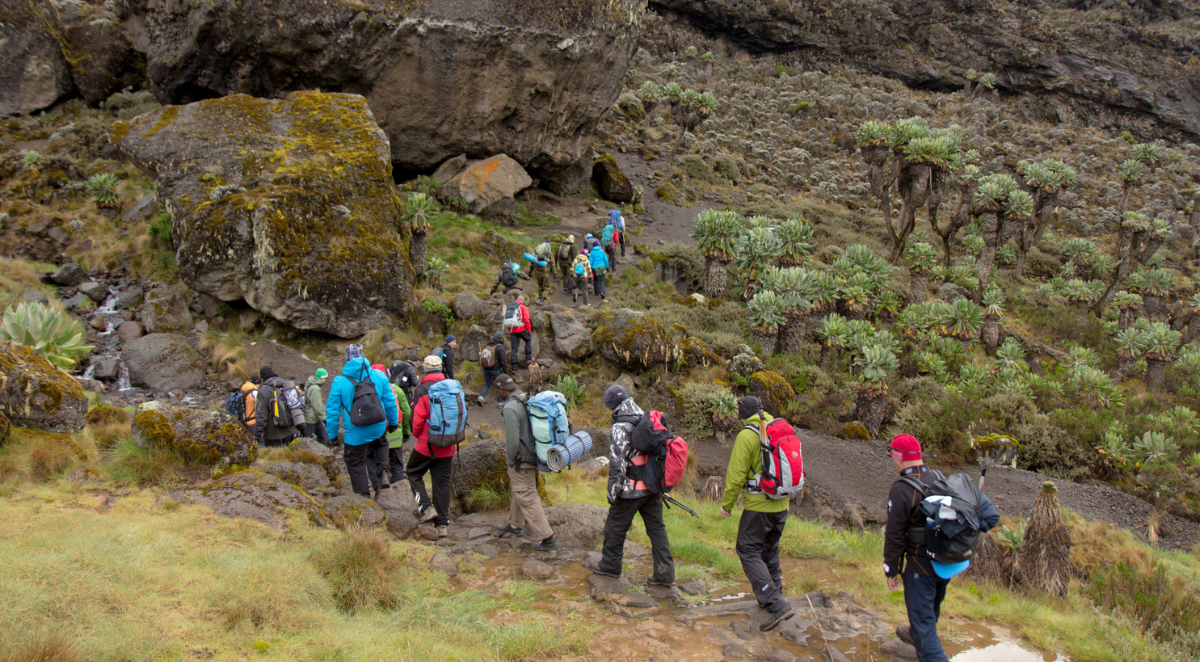
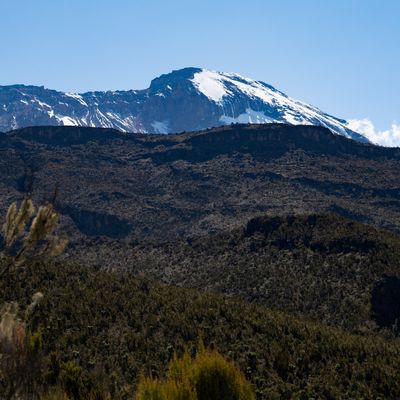
Trekkers making their way to the top of Mount Kilimanjaro.
{{leadmagnet-one}}
What does climbing Kilimanjaro actually feel like?
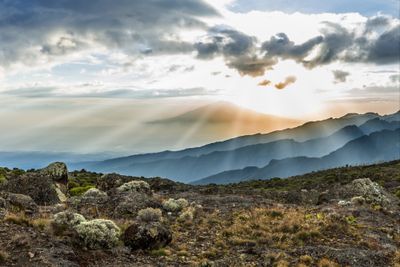
The first two days when you're climbing Kilimanjaro, it will feel almost too easy. You will walk through the rainforest, then moorland, watching the summit appear and disappear through the clouds. Your guide will set a pace called pole pole, which in Swahili means "slowly, slowly", and it will feel absurdly slow. You have to trust the process. You see, this isn’t just a suggestion or a cultural quirk; it’s a deliberate strategy built around how your body adapts to altitude.
At higher elevations, there’s less oxygen available with every breath. Moving too quickly puts your body under stress before it has time to adjust, which increases the risk of altitude sickness and drains your energy far earlier in the day. The slower pace helps regulate your breathing, heart rate, and energy use, allowing your body to acclimatise as you go rather than fall behind.
It will feel frustrating at first. You’ll likely feel strong, especially in the early days, and the instinct is to walk faster. But climbers who push the pace often pay for it later, whether that’s through exhaustion, headaches, or being unable to continue higher.
Walking pole pole is what allows you to keep going day after day. It conserves energy for summit night, which is long, cold, and physically demanding. In practical terms, that slow pace is one of the biggest factors separating those who reach the summit from those who don’t.
It may feel counterintuitive, but it’s one of the most important disciplines on the mountain. By day three or four, the landscape turns lunar. The vegetation thins out completely, replaced by volcanic rock and dust. The air grows noticeably thinner. Headaches are common; sleep can become difficult, and some people may even feel nauseous. This is altitude doing what altitude does, and there is no shortcut through it. If you display these symptoms, it's important to let your guide know, as if you ignore them, it could get worse, and it could be fatal.
Summit night is a chapter unto itself. You leave camp around midnight, in the dark, in the cold, temperatures can drop to -15°C on the crater rim, and you walk for six to eight hours. The final section, from Stella Point to Uhuru Peak, takes another 45 minutes to an hour along the crater rim, and many people describe it as the longest 45 minutes of their lives.
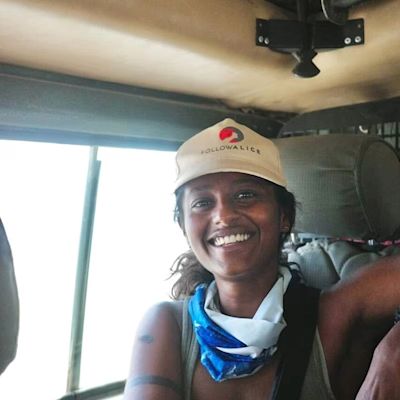
Our very own Bejul Badiani, who is part of the operations team at Follow Alice, shared her experience about climbing Mount Kilimanjaro and what was the hardest part for her:
Summit day, and especially summit night, was the hardest part of the entire climb. You start around midnight after already having trekked for several days, running on very little sleep, and climbing in extreme cold, often around -15°C. At that stage, the altitude is felt much more intensely. Your breathing becomes heavier, every step feels slower and more deliberate, and progress turns into a steady, almost mechanical effort. You have to keep moving even when your body is desperate to stop and rest. The hardest mental battle is resisting the urge to sit down “just for a minute,” because at that altitude and in those conditions, stopping for too long simply isn’t an option. Many people think the summit is the finish line, but it isn’t. After a brief moment to take it in and celebrate at the top, you still have hours of descent ahead. By then, you’re completely exhausted, your legs feel unstable, and your body is drained in a way that’s hard to describe; it genuinely feels like your legs don’t fully belong to you anymore.
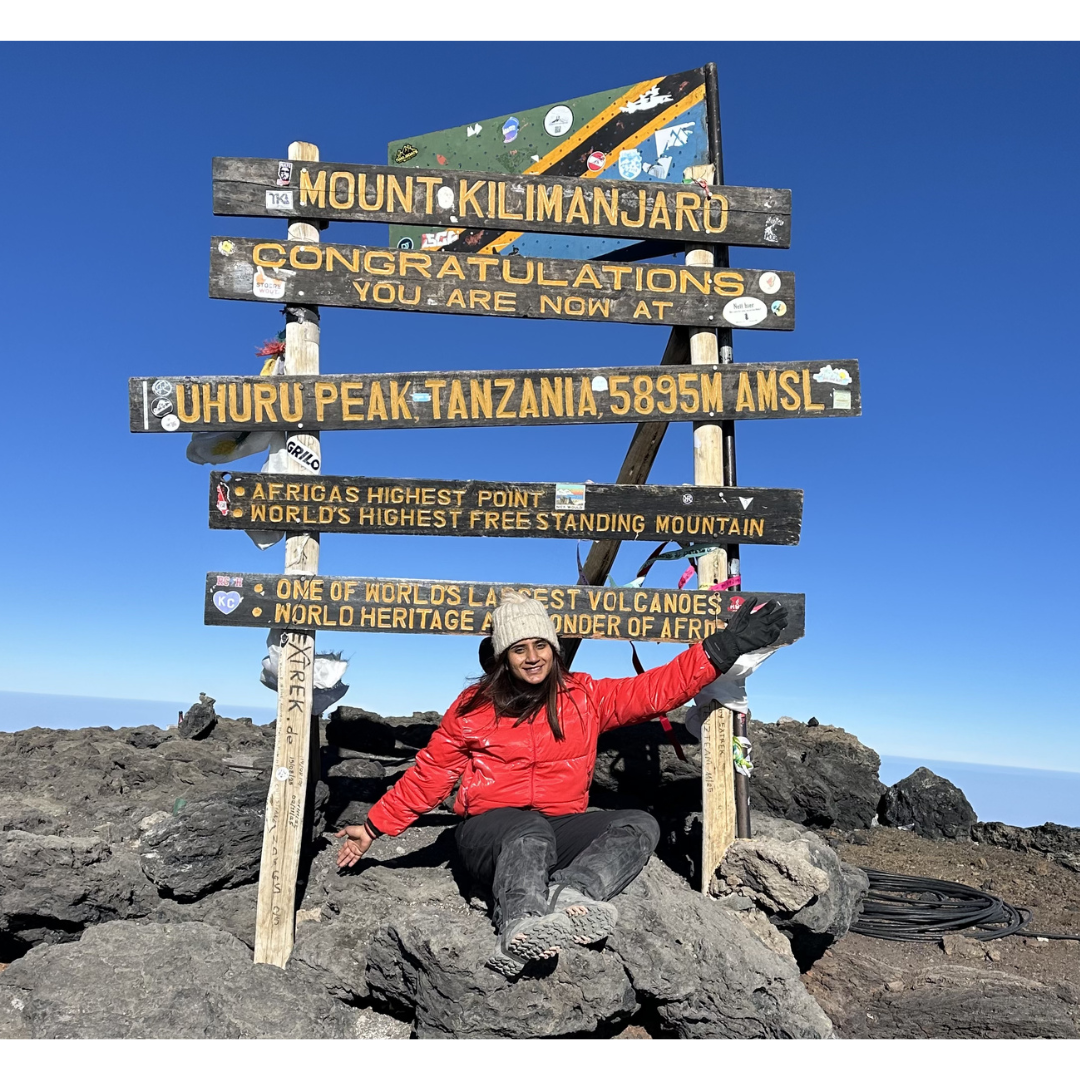
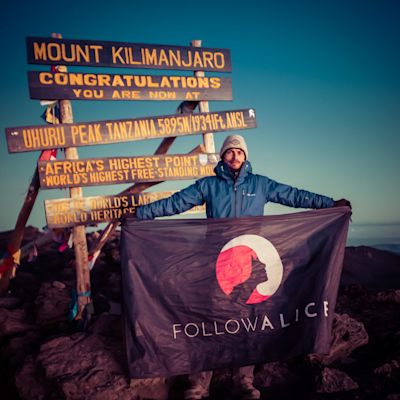
Bejul posing at the summit of Mount Kilimanjaro.
Learn more: Bejul Badiani’s Journey up Kilimanjaro: A Q&A From One of Our Very Own
Kilimanjaro pros and cons
No guide will tell you this often enough, but Kilimanjaro is genuinely difficult and also so incredible. Both can be true. Here's what the people who've travelled with us share:
Should I climb Kilimanjaro?
The question most people are really asking isn't if Kilimanjaro is worth it in the abstract. They're asking if it's worth it for them. That's a better question, and here's how to think about it honestly. You are probably a good candidate if you're reasonably fit (you can hike 15–20km comfortably), you handle discomfort without spiralling, and you're drawn to the experience beyond just ticking a summit. The summit matters, it's extraordinary but the climb itself has to be the point. People who summit Kilimanjaro and feel nothing rarely wanted the journey; they wanted the photo.
You might want to reconsider if you've had serious altitude sickness before, you have certain cardiovascular or respiratory conditions (speak to your doctor), you're expecting a comfortable trek, or your entire sense of success is staked on reaching Uhuru Peak. Altitude is the one variable nobody can control. We've seen Olympic athletes turn back at 5,000 metres and first-time hikers sail to the top.
The best preparation is honest self-knowledge, followed by solid physical training and choosing an operator who takes acclimatisation seriously. This is the single most important factor in your summit success rate, and it's worth spending more to get it right. You should also check whether they follow sustainable trekking practices and align with the Kilimanjaro Porters Assistance Project (KPAP) guidelines, which are widely regarded as the industry benchmark for fair porter treatment.
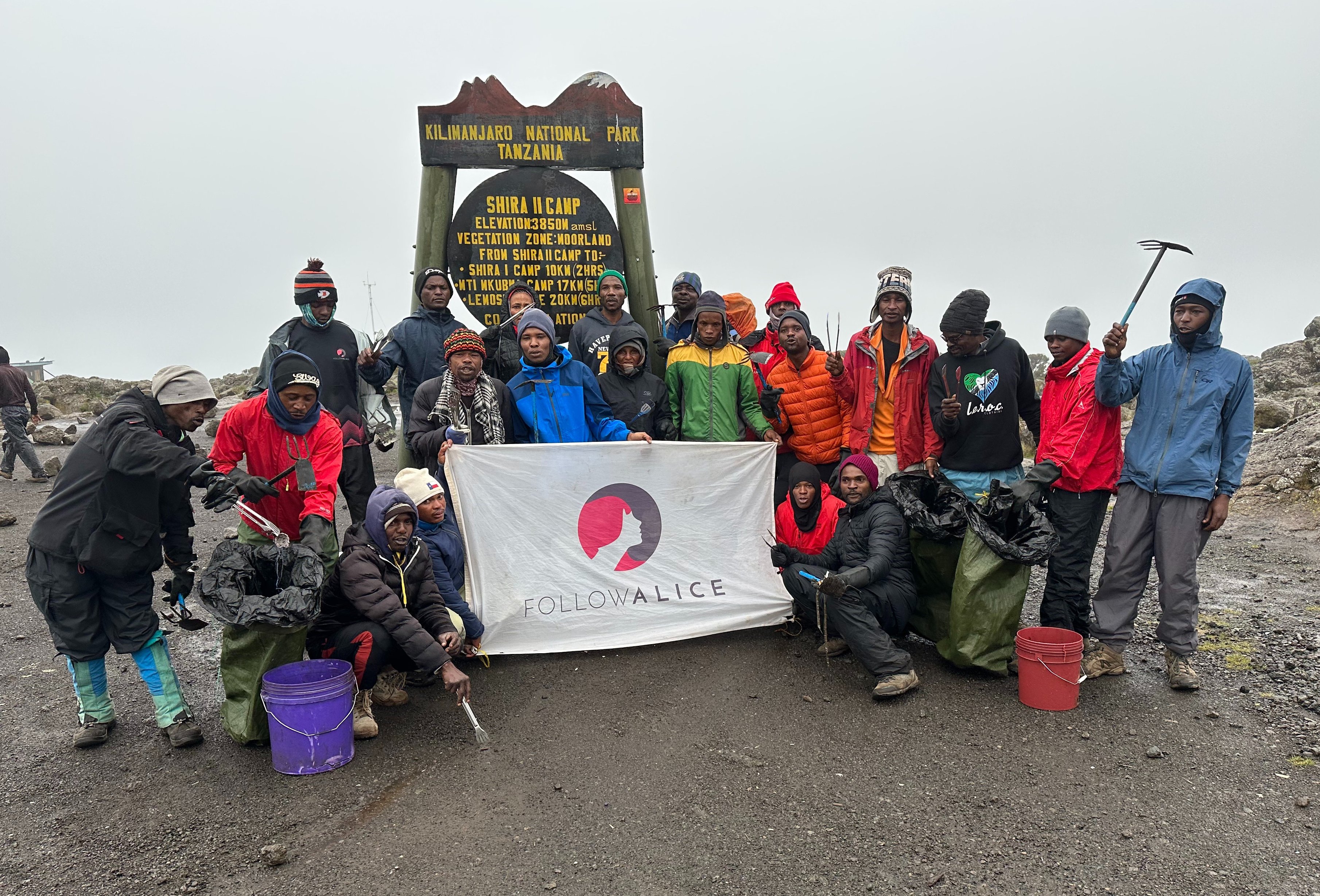
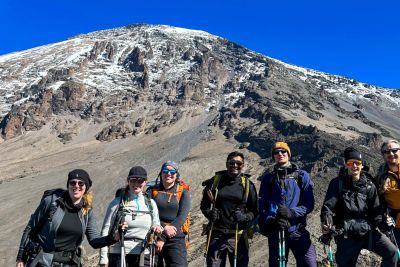
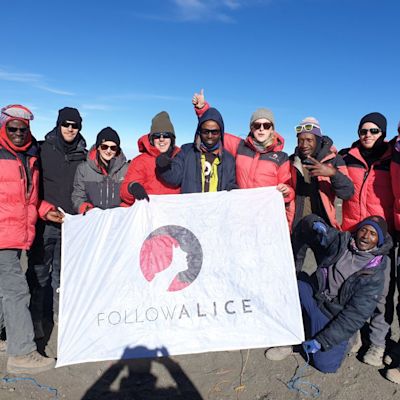
Follow Alice Kilimanjaro team posing on Mount Kilimanjaro.
Kilimanjaro experience
The two most popular routes Follow Alice operates are the Lemosho and the Machame route, both of which reach Uhuru Peak via Barafu Camp, passing through the same spectacular climate zones and sharing some of the mountain's most iconic landmarks. But they start differently, feel differently, and suit different climbers. Understanding the distinction is the first step in deciding if Kilimanjaro is worth it for you.
Our honest recommendation if you're climbing Kilimanjaro for the first time, choose the 8-day Lemosho. The extra acclimatisation day between Shira Plateau and Barranco makes a measurable difference to how you feel on summit night, and to your chances of reaching Uhuru Peak. The Machame is a magnificent route and a shorter commitment, but that shorter timeline comes with a higher toll on your body. We can also recommend the Northern Circuit, which takes nine days on the mountain. For us, the more days you have to let your body adjust to the altitude, the better.
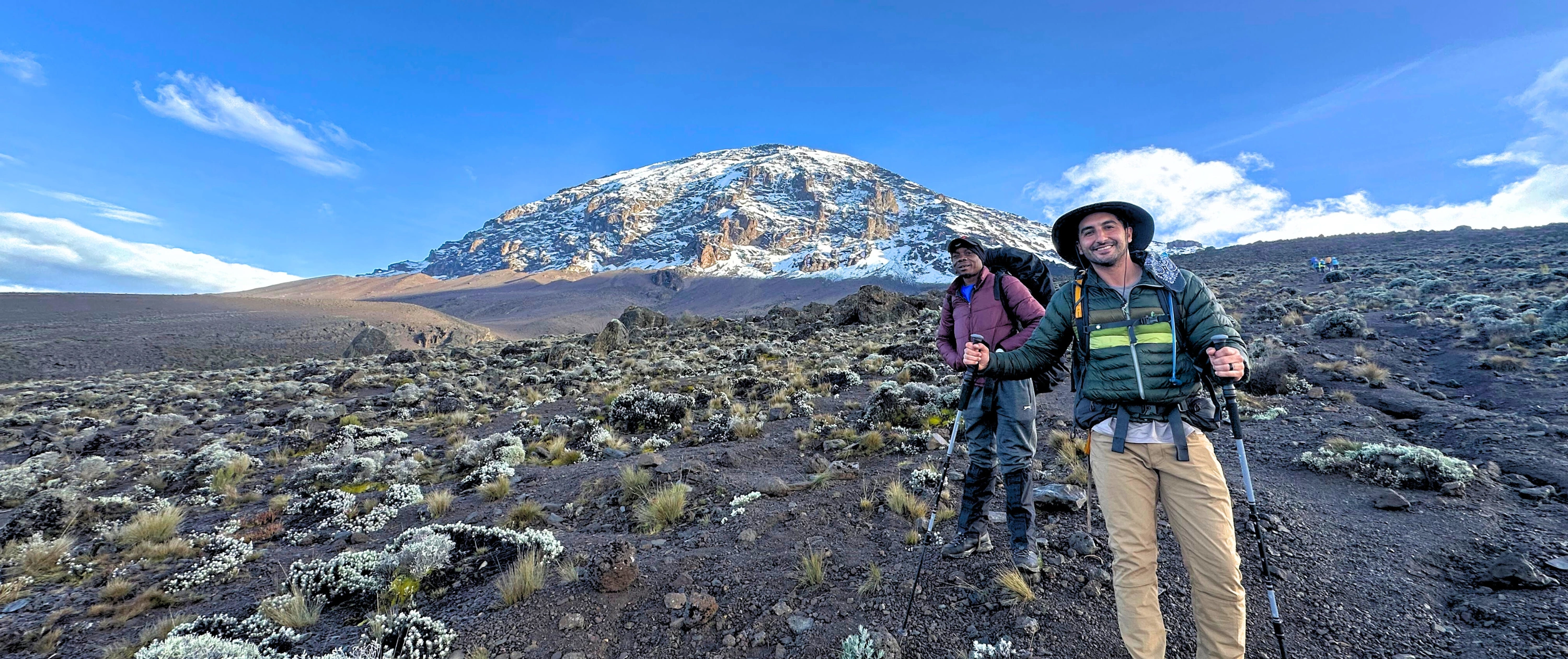
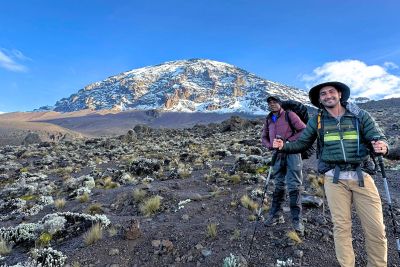
Trekkers posing on the Lemosho Route.
Learn more: The seven different Kilimanjaro routes – pros and cons of each
Is the Kilimanjaro summit worth it even if you don't make it?
This is the question that matters most, and most operators dance around it. We won't. A significant number of people, somewhere between 30 and 50 per cent on shorter routes, do not reach Uhuru Peak. The reasons vary because of altitude sickness, weather, exhaustion, and a guide's judgment call. Sometimes the body just says no. One of our clients experienced this with one of her team mates, Dr Kelly Martin Schuh said:
Our experience with Follow Alice on the 8-Day Lemosho Route was absolutely extraordinary. The guides were world-class, deeply experienced, compassionate, and fully devoted to our safety and success. When one of our teammates developed severe mountain sickness, their team immediately mobilised and descended one of the most difficult routes to get her lifesaving medical care. I will never forget their speed, kindness, and professionalism in that moment.
To be honest, no one can know in advance if they will make it to the summit. Even very fit, well-prepared trekkers sometimes don’t reach the top, and that’s simply part of high-altitude mountaineering. If the worst happens and you don’t succeed this time, you’ll still leave with something valuable, and that is experience. On a second attempt, you’ll know exactly what to expect, how your body responds, and what the challenge really feels like. In reality, very few people can say they’ve even attempted Kilimanjaro, let alone climbed it. That effort alone is something to be proud of, and the experience will still be worth it.
The climbers who struggle most with not summiting are those who defined the entire experience by the peak. The ones who leave whole even without the summit are those who were present for the walk, the mornings, the meals, the conversations with their guides, the sheer improbability of being on the side of an ancient volcano in East Africa.
That said, choose the longer route. The Lemosho (8 days) or Northern Circuit (9–10 days) routes have significantly higher summit rates, often above 90 per cent with a good operator, because they build in proper acclimatisation time. The extra days cost more but are worth every cent.

Climbers sitting in Barranco Camp on Kilimanjaro.
Learn more: How long does it take to climb Mount Kilimanjaro? A detailed breakdown
Is Kilimanjaro worth the cost?
A Kilimanjaro climb is not cheap, and it shouldn't be. Tanzania's park fees alone run into hundreds of dollars per person. But beyond the park authority, what you're really paying for is people: your guides, your porters, your cook. The minimum wage regulations for mountain crew are improving in Tanzania, but enforcement is patchy, and rock-bottom operators often get there by shortchanging the people who are literally carrying your tent up the mountain.
The ethics of this are simple as the crew on Kilimanjaro have one of the most demanding physical jobs on earth. Pay them properly. Choose an operator who pays above the minimum and has a transparent tipping policy. Your experience will be better. Their lives will be measurably better. Both things are true.
Budget at a minimum of $2,950 for a budget climb. A quality, ethical operation on the Lemosho route typically runs $3,500–$5,000 per person, including park fees, equipment, meals, and crew wages. For what it delivers in a week on one of the world's great mountains, with a team of people who will look after you with extraordinary care, it is among the best value experiences in adventure travel.
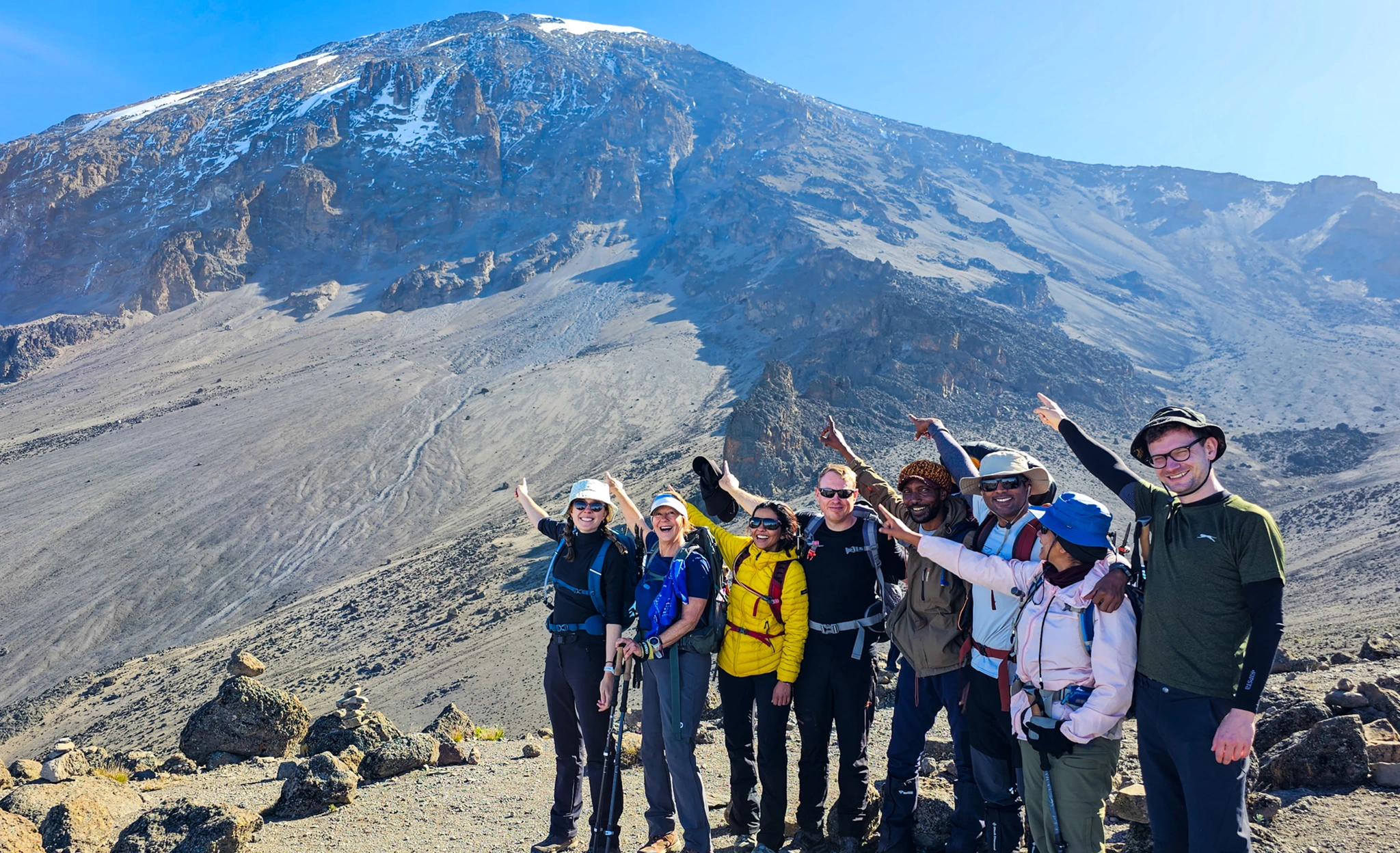
Trekkers posing ahead of there journey to summit Mount Kilimanjaro.
Learn more: Why Follow Alice Has High Kilimanjaro Success Rates and How We Compare to Other Operators
Ready to plan your Kilimanjaro climb
The honest answer to "Is climbing Kilimanjaro worth it?" is this: for most people who go in with open eyes, appropriate preparation, and a quality operator, yes, it is worth it. The mountain will take something from you, and give you back something larger. That exchange is the whole point. The only people who reliably say it wasn't worth it are those who chose the wrong route, the wrong operator, or went in expecting it to be easy. Our advice is to book the longer route and train properly. Choose a company that treats its crew well, and then go. Talk to our team about the right route for you. We will definitely not pressurise you to book with us, but we will share honest advice from people who've done it.