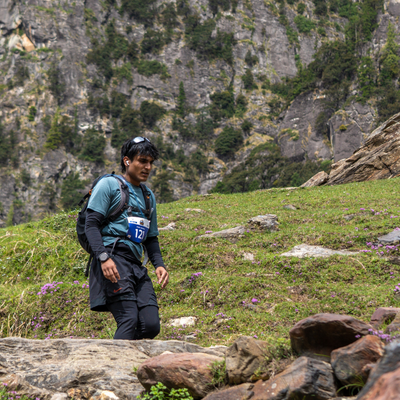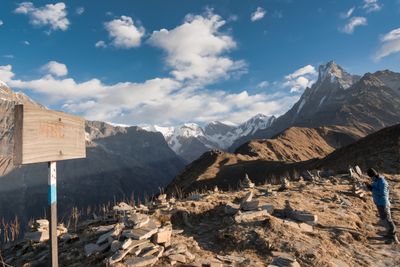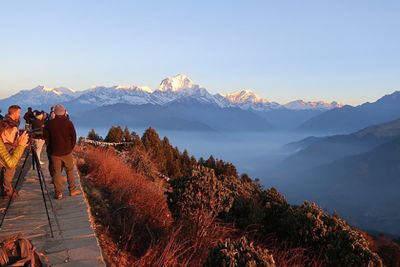




Budget trekking in Nepal isn’t about cutting corners or lowering expectations. It’s about understanding how trekking in the Himalayas works on the ground, then making choices that match that reality. In Nepal, high-altitude trekking isn’t something bolted on for visitors. It’s part of everyday life, and that’s exactly why budget trekking Nepal is both doable and genuinely rewarding.
Villages line long-established routes, teahouses take the place of heavy logistics, and guides and porters often grow up moving through these landscapes long before trekking becomes a job title. Because of that, affordable trekking in Nepal can deliver real access, safety, and depth without inflated infrastructure or unnecessary extras.
This guide breaks down what budget trekking in Nepal really looks like. It explains how costs are structured, where value actually sits, and how to approach Nepal budget trekking in a way that feels deliberate, well paced, and grounded in the realities of the mountains.
What budget trekking in Nepal actually means
Budget trekking in Nepal works because the basics are already in place. These routes aren’t blank spaces where you need to bring everything with you. They’re lived-in trails with villages along the way, so food and a bed aren’t complicated logistics; they’re simply part of how the journey works.
That’s what keeps budget trekking in Nepal realistic. You’re not paying to create an expedition setup. You’re using an existing mountain system that’s been supporting travellers for a long time, which is also why affordable trekking in Nepal can still feel full, comfortable, and well supported.
In practical terms, budget trekking in Nepal usually comes down to a few consistent choices:
- Trekking on established routes where access, accommodation, and food are already in place rather than remote or technical terrain.
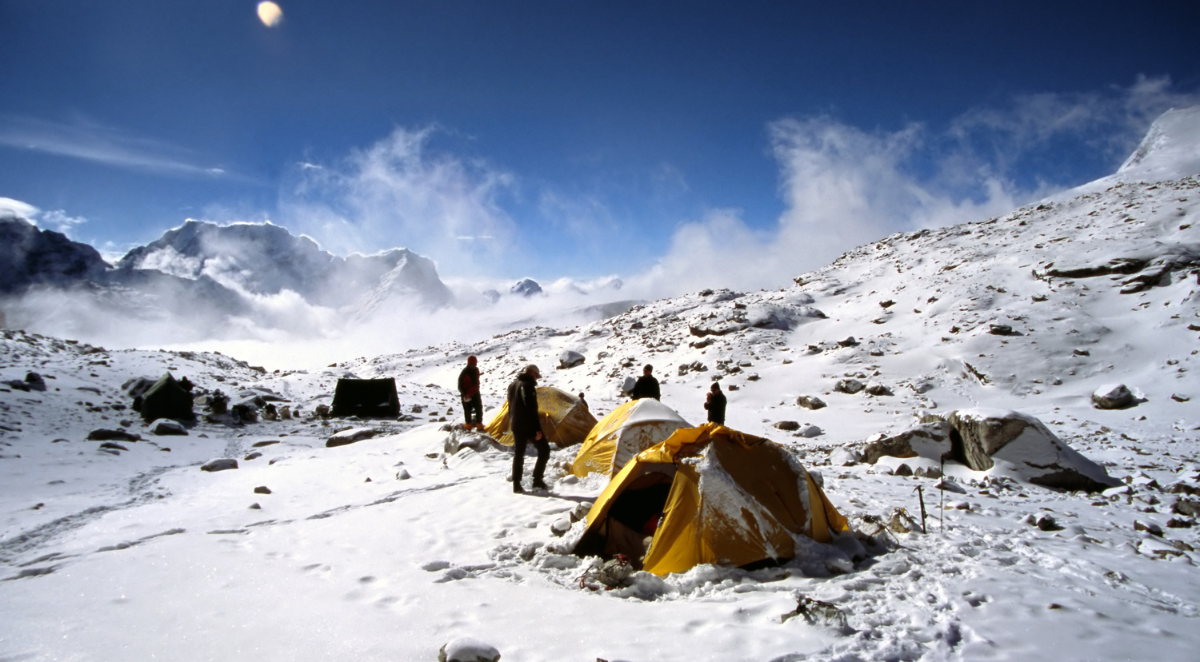
- Staying in teahouses, which means you don’t need to carry tents, fuel, and cooking equipment just to be warm and fed.
- Eating local meals prepared along the trail, built for long walking days and changing weather.
- Travelling with a licensed local guide and often porter support, which keeps logistics simple and adds safety without adding unnecessary extras.
- Keeping itineraries flexible so days can adjust to weather, energy levels, and trail conditions without everything falling apart.
Affordable trekking in Nepal isn’t about doing less. It’s about keeping what matters and dropping what adds cost without improving the experience.
Why Nepal is ideal for affordable trekking
Nepal works for affordable trekking in Nepal because the mountains aren’t separated from real life. The main trekking routes aren’t random paths invented for tourists. They’re old village links used for trade, work, school, and pilgrimage, and trekking happens alongside that everyday rhythm. That’s why Nepal budget trekking can feel rich and real without needing luxury add-ons to make it “worth it”.
That also means affordable trekking Nepal stays affordable for practical reasons, not because anyone’s cutting safety or stripping the experience down.
Several things make it work:
- Villages sit right on the trails, so you’ve got places to sleep and eat without needing camping logistics.
- Teahouses are part of the route, which keeps nights simple and costs predictable.
- Trails are used constantly, so they’re maintained through local travel, not only tourism seasons.
- Guides and porters know the terrain personally, including weather patterns and how altitude tends to hit people on specific stretches.
- Altitude gain is gradual on many classic routes, which supports sensible acclimatisation without complicated planning.
Because of that, affordable trekking in Nepal doesn’t feel like a watered-down version of the real thing. Nepal budget trekking feels grounded, connected, and high value because the whole system already exists and works.
What’s typically included in budget trekking packages?
Most budget trekking in Nepal packages focus on essentials. These are the pieces that make trekking safe, workable, and enjoyable, without layering on extras many trekkers don’t need.
Typical inclusions usually cover the practical core:
- A licensed local trekking guide who handles the on-trail logistics, pacing, and route decisions so you can focus on walking and acclimatising well.
- Porter support depending on group size and route.
- Teahouse accommodation during the trek.
- Meals while trekking.
- Required trekking permits and conservation fees.
- Transfers directly connected to the trek.
These inclusions remove friction. You’re not negotiating beds at altitude or trying to untangle permits mid-route. Nepal budget trekking works best when logistics stay quietly in the background.
What’s not included and why that matters
Affordable trekking in Nepal stays affordable because the package price usually covers the core trek, not every personal expense that can vary wildly from one traveller to the next. That keeps the upfront cost cleaner and lets you decide what’s worth paying for, based on your own habits and priorities.
Common exclusions usually include:
- International flights.
- Travel insurance that covers trekking at altitude.
- Personal trekking gear.
- Snacks, drinks, and charging fees on the trail.
- Tips for guides and porters.
This setup keeps costs transparent instead of quietly padding the package with things you might not even use. Permits are the one area you should still understand early, because they’re non-negotiable and they change depending on the region and route. This breakdown of Nepal trekking permits and fees makes it easier to see what applies before you commit.
Choosing the right trek for a budget adventure
Not every trek gives you the same return on your money. At a budget level, some routes quietly get expensive because of extra transport, higher permit costs, or logistics that add complexity without adding much to the experience.
Budget trekking in Nepal tends to work best on routes with reliable teahouses, sensible day-to-day distances, and enough flexibility to slow down or speed up without derailing the whole trek.
Treks that often offer strong value include:
- Annapurna region routes, where teahouses are plentiful and you can flex your itinerary without it becoming a headache.
- Langtang Valley and nearby trails, where costs tend to stay lower and the trekking feels straightforward without feeling “less than”.
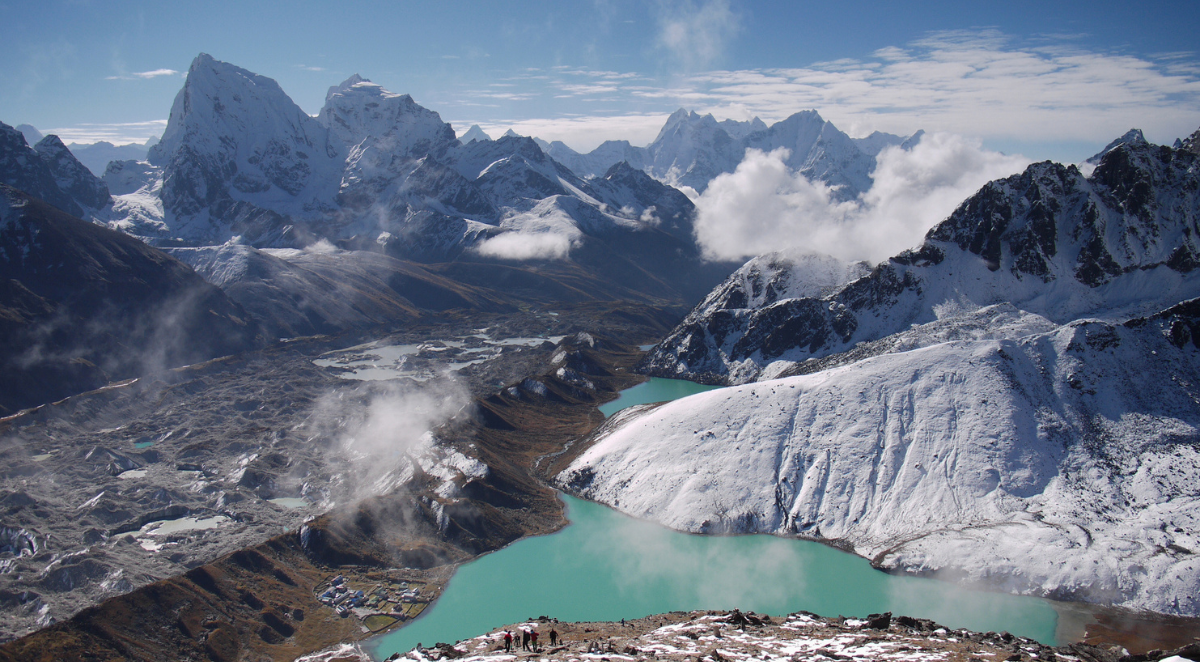
- Lower Everest region treks, which give you the scale and atmosphere of the Khumbu without drifting into expedition-style spending.
- Less-visited routes with established teahouses, where you still have reliable basics, just with fewer people competing for them.
Choosing a trek based on fit rather than reputation usually leads to a better Nepal budget trekking experience. If you want a simple way to compare regions without turning it into a checklist, Where to Trek on Your Nepal Trip helps you see what each area is actually like on the ground.
Guided vs independent budget trekking
When people start planning budget trekking in Nepal, the question often comes up whether it’s better to trek independently or with a guide. On paper, trekking solo can look cheaper. In practice, the cost difference is usually smaller than expected once permits, transport, route decisions, and on-trail inefficiencies are factored in.
In recent years, Nepal has also shifted how trekking is managed. Since 2023, changes to the trekking permit system mean that many classic trekking routes are now commonly accessed through licensed guides arranged via registered agencies, particularly within national parks and conservation areas. Enforcement can vary by region and checkpoint, but the overall direction has been toward guided travel for safety, coordination, and environmental oversight. That shift is a big reason why independent trekking in Nepal is no longer as straightforward as it once was, especially for budget-focused travellers trying to keep logistics simple.
Once you’re actually on the trail, guided Nepal budget trekking tends to show its value quickly:
- Support with pacing and acclimatisation, which helps reduce rushed days and altitude-related issues.
- Local insight into weather patterns and trail conditions that don’t always match forecasts.
- Assistance with permits, checkpoints, and route logistics, so admin doesn’t cut into trekking time.
- A cultural bridge between trekkers and local communities, adding context rather than treating villages as service stops.
For many travellers, affordable trekking in Nepal works better with a guide because it lowers risk and decision fatigue without meaningfully increasing overall costs. That balance becomes even clearer when you look at how local expertise supports both safety and long-term value in Guided Expeditions in Nepal: A Gateway to High-Altitude Adventures.
Safety, altitude, and where real value sits
Safety is where value shows most clearly. Responsible budget trekking in Nepal doesn’t rush altitude gain or remove rest days to save money, because that’s where problems start.
A sound approach prioritises the basics that keep people well at altitude:
- Gradual ascents and acclimatisation days.
- Guides trained to recognise altitude-related issues early.
- Flexible itineraries that adapt to conditions.
- Clear communication around daily distances.
If you want a high-authority reference point for altitude illness basics, the CDC’s travel guidance on altitude illness is a solid grounding, and it backs the same principle every good guide follows: go steady, and respect the mountain.
Common budget trekking mistakes to avoid
Most budget trekking problems come from assumptions rather than bad intentions. Avoiding the common mistakes protects both the experience and your wellbeing.
Frequent issues include:
- Compressing itineraries to save time or money.
- Underestimating daily distances at altitude.
- Ignoring weather forecasts.
- Bringing inadequate layers or footwear.
- Treating teahouse trekking as effortless.
Preparation still matters, even on established routes. Gear choices have consequences when the weather shifts or a day runs long, which is why a detailed packing list for peak climbing in Nepal overlaps closely with what’s needed for high-altitude trekking.
Best time for budget trekking in Nepal
Timing affects both cost and experience. Budget trekking in Nepal tends to go best when you choose a season on purpose, rather than locking dates in first and hoping conditions play nice.
A few seasonal patterns shape what affordable trekking in Nepal feels like:
- Spring and autumn usually bring the most settled weather and the clearest mountain views.
- Shoulder seasons can mean fewer crowds and better prices, but you’ll need a bit more flexibility.
- Monsoon months often come with lower costs, but visibility can be hit or miss, and trails can feel wetter and slower.
Those trade-offs are exactly why the best time to visit Nepal is worth checking before you lock anything in. If you want a quick reality check on typical conditions by month, the UK Met Office climate guide for Nepal is also a solid reference point.
Budget trekking beyond classic routes
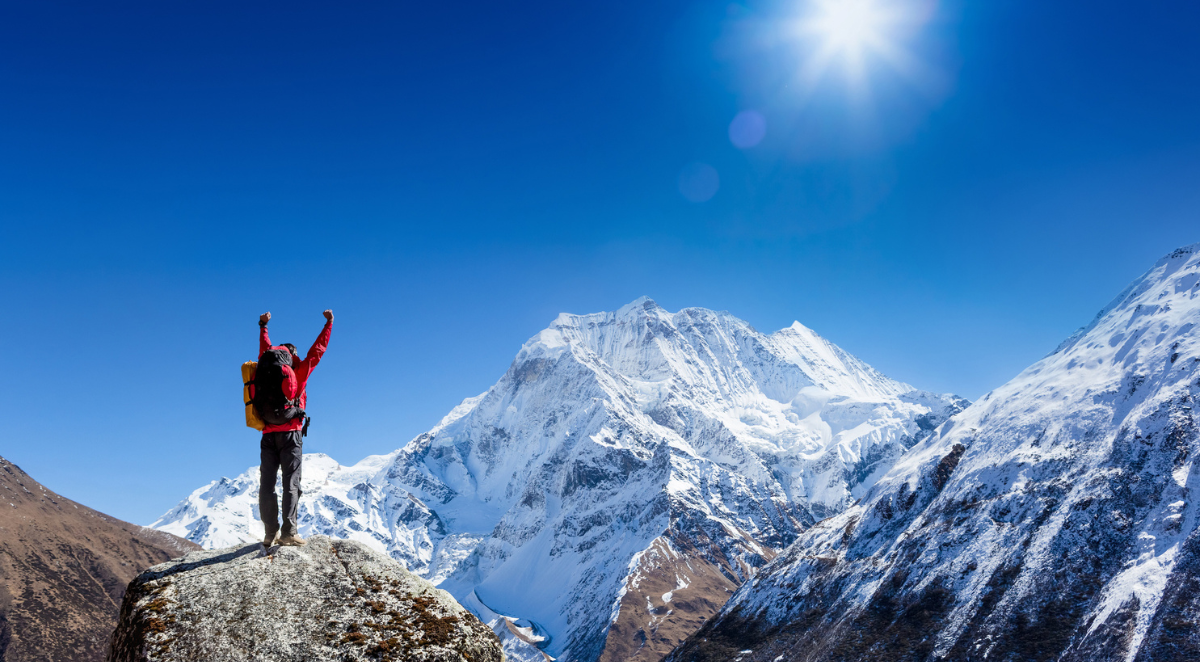
Nepal budget trekking isn’t limited to the headline trails everyone talks about. There’s a middle ground in Nepal where you can go a bit further, feel a bit more remote, and still keep costs sensible because you’re not stepping into full expedition logistics.
One of the simplest ways to see what that can look like is through lesser-known peaks near Everest, where the value often comes from the route itself rather than the brag factor. It also helps to know what you’re actually signing up for, since the cost jump can be steep once a trip crosses from trekking into expedition territory. That’s why trekking peaks vs expedition peaks in Nepal is useful when you’re budgeting and setting expectations.
Why budget trekking in Nepal works when done right
Budget trekking Nepal succeeds when spending aligns with experience. You’re not paying for luxury, but you’re not cutting corners where it matters.
Affordable trekking in Nepal works because:
- Trekking infrastructure is deeply established.
- Costs are transparent.
- Local expertise is widely available.
- The landscape delivers value without excess.
Nepal budget trekking rewards preparation, patience, and respect far more than spending power.
A smarter way to book a Nepal budget trek
Budget trekking Nepal isn’t about chasing the cheapest option. It’s about putting your money where it actually matters, so the trek feels safe, well paced, and worth the effort. When costs, logistics, and expectations line up, affordable trekking in Nepal stops feeling like a compromise and starts feeling like the smartest way into the Himalayas.
If you want Nepal budget trekking that’s organised properly, built around real trail experience, and priced for value rather than flash, budget Nepal adventures are the easiest way to lock in a high-quality trek without wasting time, money, or energy.
The mountains don’t care how good your spreadsheet looks. They reward preparation, patience, and doing it right.