


Nepal has a way of making time feel different. Sunrise hits the Himalayas, and even the busiest moments seem to quiet down. A few hours later, you’re back in the noise of Kathmandu with incense in the air, scooters everywhere, and a very strong coffee keeping you upright after a night flight.
Timing decides which version of Nepal you get. Pick the right window, and the mountains feel sharp and close, trails usually stay dry underfoot, and the days have that bright, crisp energy trekkers dream about. Turn up at the wrong moment and your views vanish into clouds, rain turns paths into skating rinks, and the journey becomes more about patience than panoramas.
This guide breaks down the best time to visit Nepal by season, region, and travel style, with practical trekking tips that match real conditions on the ground. It covers Nepal trekking in peak months, what winter and monsoon actually feel like, and how to plan your trek in Nepal if you care about visibility, comfort, and safety.
Overview of Nepal’s climate
Nepal’s weather isn’t one simple forecast. Altitude, geography, and monsoon patterns create huge variation across the country, sometimes within a single day of driving.
Nepal’s year is usually explained through four main seasons.
- Spring (March to May): warming days, blooming hillsides, and busy trails
- Summer and monsoon (June to September): rain, cloud, humidity, and fewer trekkers
- Autumn (late September to November): clear skies, stable conditions, peak trekking
- Winter (December to February): cold nights, dry air, quieter routes, some high passes closed
For a quick external reality check, Lonely Planet’s breakdown of seasonal travel and trekking windows aligns with this pattern and is a useful reference point when you’re comparing dates. Lonely Planet’s guide to the best time to visit Nepal
Monsoon timing can shift year to year, but Nepal’s Department of Hydrology and Meteorology publishes onset and withdrawal information that shows the normal rhythm and how it varies.
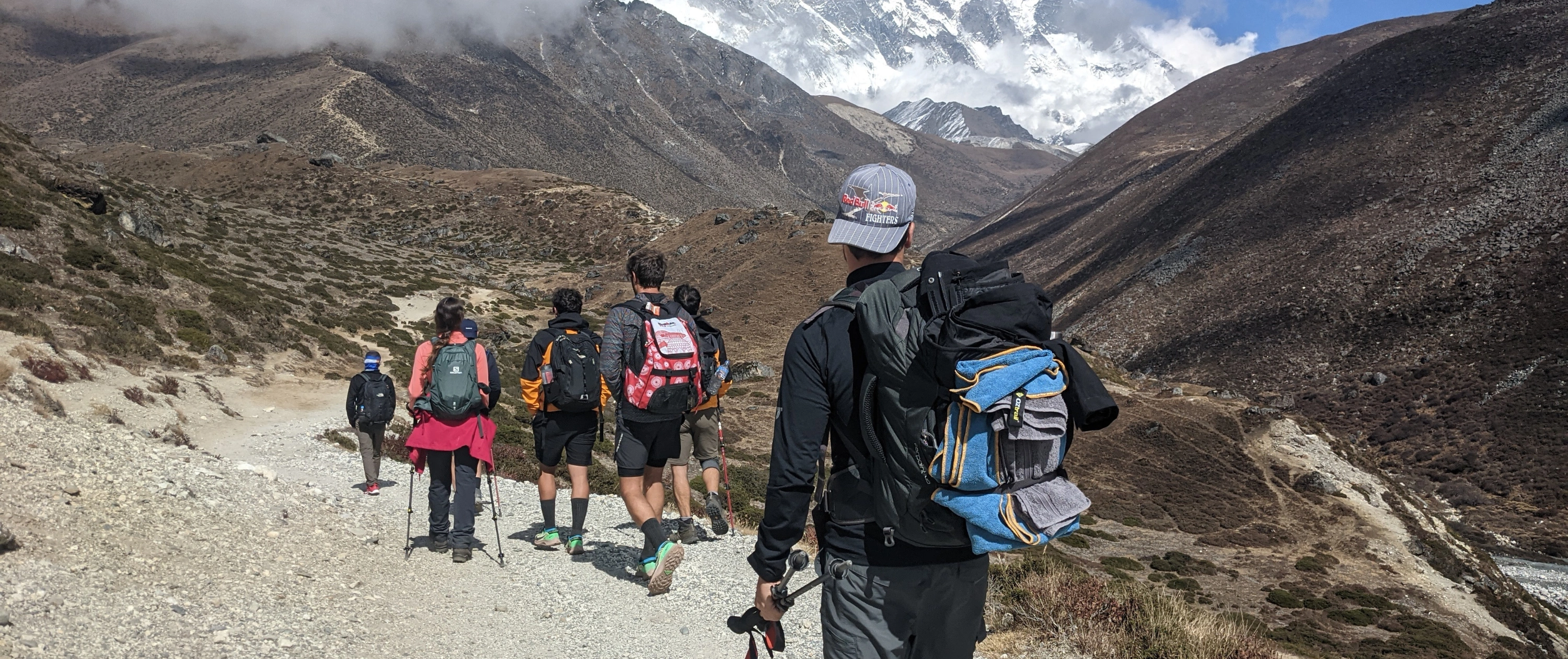
Trekkers on the EBC route.
Peak trekking seasons: autumn and spring
If you’re planning a Nepal trek and want the classic mountain experience, autumn and spring are your best bets. These are the months when trails are most reliable, views are usually strongest, and the trekking infrastructure is running at full speed.
Autumn: late September to November
Autumn is the season people are talking about when they say “the best time to visit Nepal”. The monsoon has usually washed dust and haze out of the air, skies settle into a clearer pattern, and temperatures on popular routes are comfortable for long walking days.
Autumn is also when Nepal feels most alive. Trekkers arrive in waves, teahouses are busy, and logistics are easy. It’s a great season for a first Nepal trek if you want predictable conditions and a sociable trail feel.
Expect:
- Crisp mornings and clear mountain visibility on many days
- Comfortable daytime temperatures at mid elevations
- Cold nights higher up, especially above 3,500 metres (11,500 feet)
- Busy trails on Everest and Annapurna classics
Spring: March to May
Spring is the other big favourite for trekking in Nepal, especially if you want warmer temperatures and colour on the hillsides. Rhododendrons bloom across many regions, and the days feel longer and softer than autumn.
Visibility is often good, although late spring can bring a bit more haze in some areas compared to post-monsoon clarity. Spring is still widely considered the best time to visit Nepal for many popular routes, especially if you prefer a slightly warmer feel during the day.
Spring tends to suit:
- Trekkers who like warmer walking conditions
- People chasing the flower season in the hills
- Anyone planning a Nepal trek that includes a climbing objective
If you’re starting to look beyond trekking and into beginner-friendly climbing objectives, this is a good moment to read a practical overview like the beginner’s guide to peak climbing in Nepal before you lock in dates and training plans.
Off-peak seasons: winter and monsoon
Off-peak doesn’t mean “bad”. It means fewer people, different conditions, and a trip that needs a little more thought.
Winter: December to February
Winter in Nepal is often dry, with clearer skies in many regions, but the cold is real at altitude. Nights can be brutally cold on higher routes, and heavy snowfall can close passes and disrupt plans in the Himalayas.
A winter trek in Nepal can be fantastic if you choose lower elevations and pack properly. It can also be the wrong choice if you’re expecting classic high passes or if cold affects your comfort and sleep.
Winter works well for:
- Lower-altitude Nepal trekking routes
- Kathmandu Valley day hikes with crisp weather
- The Terai, where temperatures are mild to warm compared to the mountains
Before you assume winter means “easy packing”, it’s worth looking at gear in a detailed way. Cold nights and unpredictable weather changes are exactly why a resource like your packing list for peak climbing in Nepal is useful even for trekkers, not just climbers.
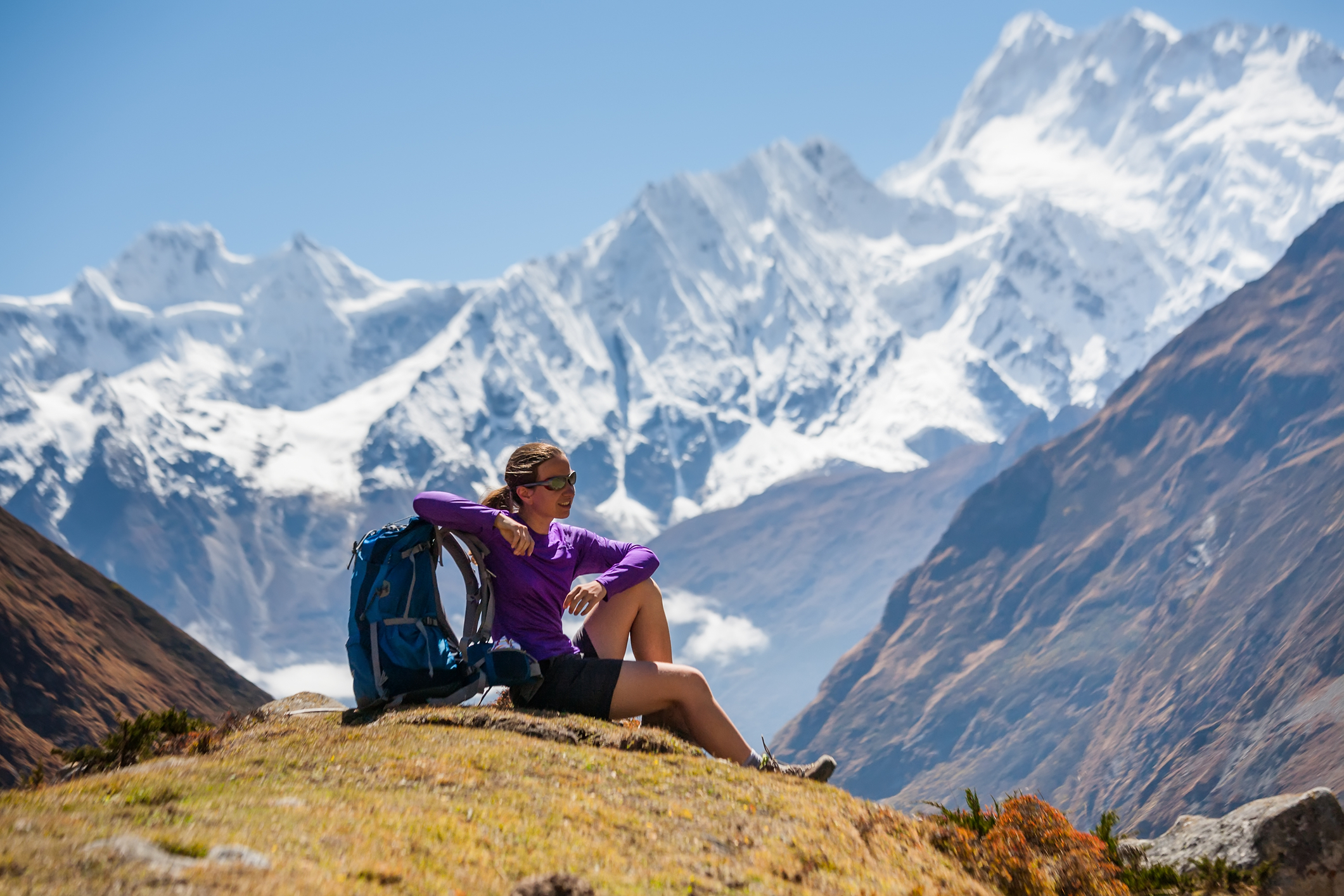
Trekker sits and rests among mountains on the Manaslu Circuit trek, Nepal.
Monsoon: June to September (sometimes into early October)
Monsoon season brings heavy rain to many parts of Nepal, plus clouds that can wipe out mountain views for days at a time. Leeches appear on some lower routes, trails can be muddy or washed out, and domestic travel delays are more common.
Monsoon isn’t automatically a no-go. Some regions, especially in the rain shadow, can still be viable for a trek in Nepal. The upside is greener landscapes, quieter trails, and a slower, more local feel in many places.
Monsoon tends to suit:
- Travellers who prioritise culture and food over views
- People are happy to accept flexibility in routes and timing
- Certain trekking options in Nepal's drier regions
For travellers who value atmosphere over perfect conditions, the monsoon can still be a rewarding time for trekking in Nepal, as long as routes are chosen carefully and plans allow room to adapt.
Weather by region: Himalayas, Kathmandu Valley, and the Terai
Nepal’s regions behave differently, so the “best time” depends on where you’re going.
Himalayas and high trekking regions
High trekking regions are defined by altitude. Conditions change fast, nights are colder than people expect, and snow can shift routes in a matter of hours.
In general:
- Autumn offers the clearest visibility and the most stable days.
- Spring offers warmer daytime temperatures and good access
- Winter can be clear but cold, with a higher closure risk.
- Monsoon often brings clouds and wet trails, except in some rain-shadow areas.
National Geographic’s practical Himalayas hiking guide sums this up neatly, including the clearest hiking windows in Nepal and how the monsoon affects views.
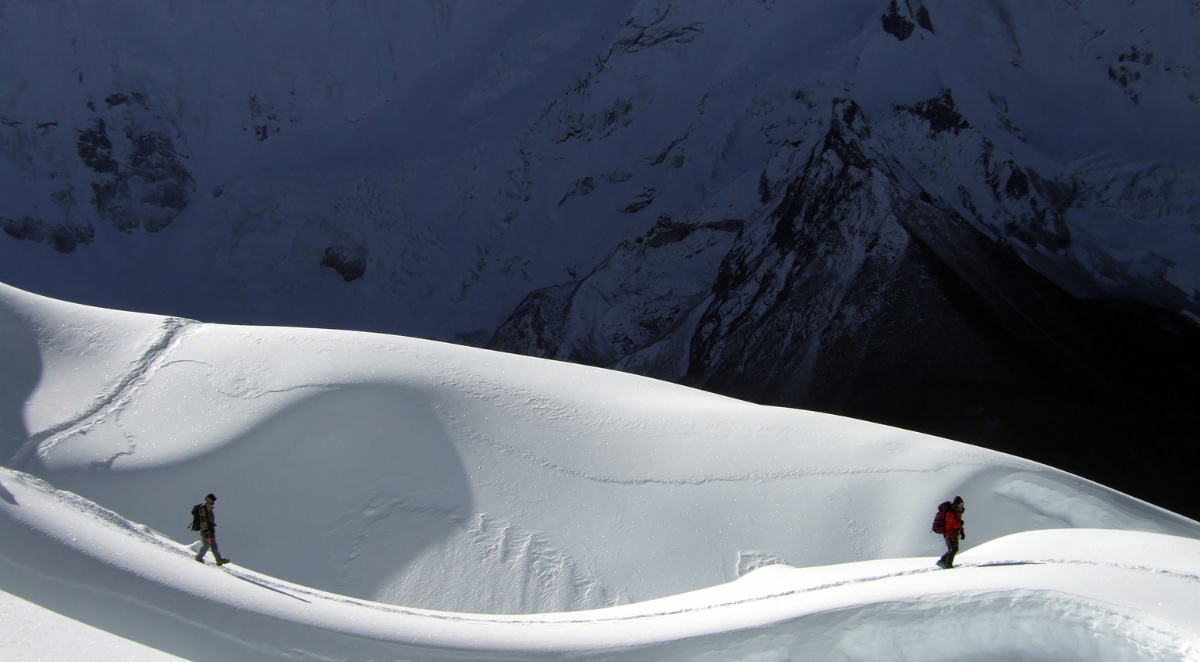
Trekkers walking through the Himalayas.
Kathmandu Valley and the mid-hills
Kathmandu and the surrounding hills are workable in almost every season, but the experience shifts.
- Autumn and spring give you the clearest days for viewpoints and comfortable walking.
- Winter is crisp and dry, but evenings get cold.
- Monsoon is lush and atmospheric, but expect rain and clouds.
If your trip blends city time with a short Nepal trek, Kathmandu can act as a flexible buffer. It’s often where plans adjust without the trip feeling like it’s falling apart.
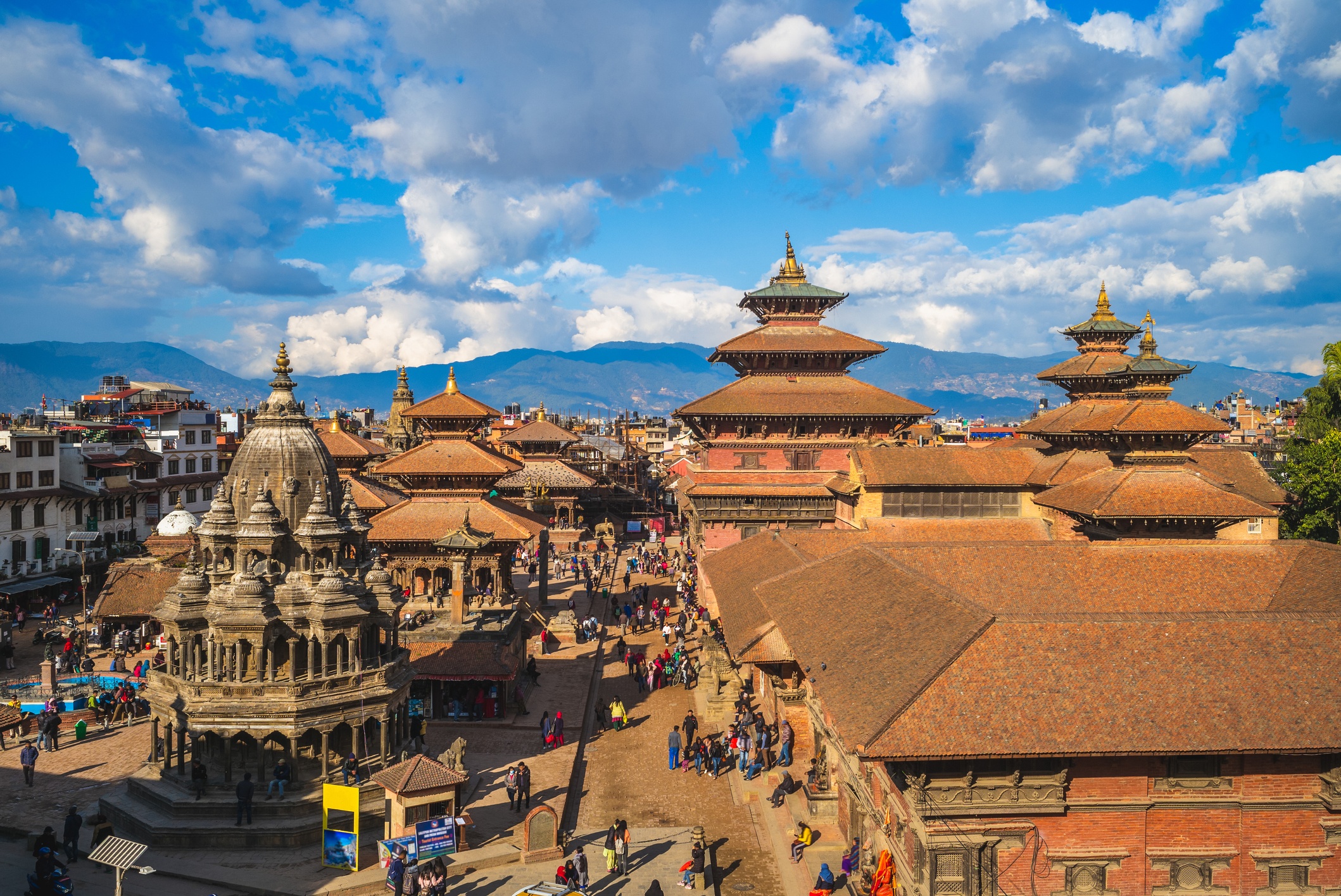
Scenery of Patan Durbar Square at Kathmandu.
The Terai lowlands
The Terai is warmer and more humid than the hills and Himalayas. Wildlife and jungle experiences are a major reason to visit, but timing matters.
- Winter and early spring are popular for jungle trips due to cooler temperatures.
- Monsoon can bring heavy rain, humidity, and flooding risk in some areas.
- Late spring can be very hot.
Conditions in the Terai change quickly throughout the year, and comfort levels tend to matter more here than elsewhere in Nepal.

Asian elephant herd against a backdrop of flowering trees in Terai Forest, Nepal, during the spring season.
Best time for Nepal trekking
If you want the simple answer, the best time to visit Nepal for Nepal trekking is usually autumn (late September to November), followed closely by spring (March to May).
For a useful answer, choose your season based on what you want most.
If mountain views are the priority, aim for autumn. If warmer walking temperatures and colour are the priority, spring is a strong option. If you want quieter trails and can handle cold, winter at lower elevations can be brilliant. If you wish to see green landscapes and don’t mind unpredictability, the monsoon can still deliver a memorable trek in Nepal, but you need the right route.
It also helps to match your season to your ambition. A relaxed Nepal trek on mid-elevation trails has a wider seasonal window than a high pass route. The more technical your plan becomes, the more important timing gets.
That’s also why permits and route rules matter more than people expect. If you’re building towards a climbing objective, read something like permits for peak climbing in Nepal early, since dates and access can shape your whole itinerary.
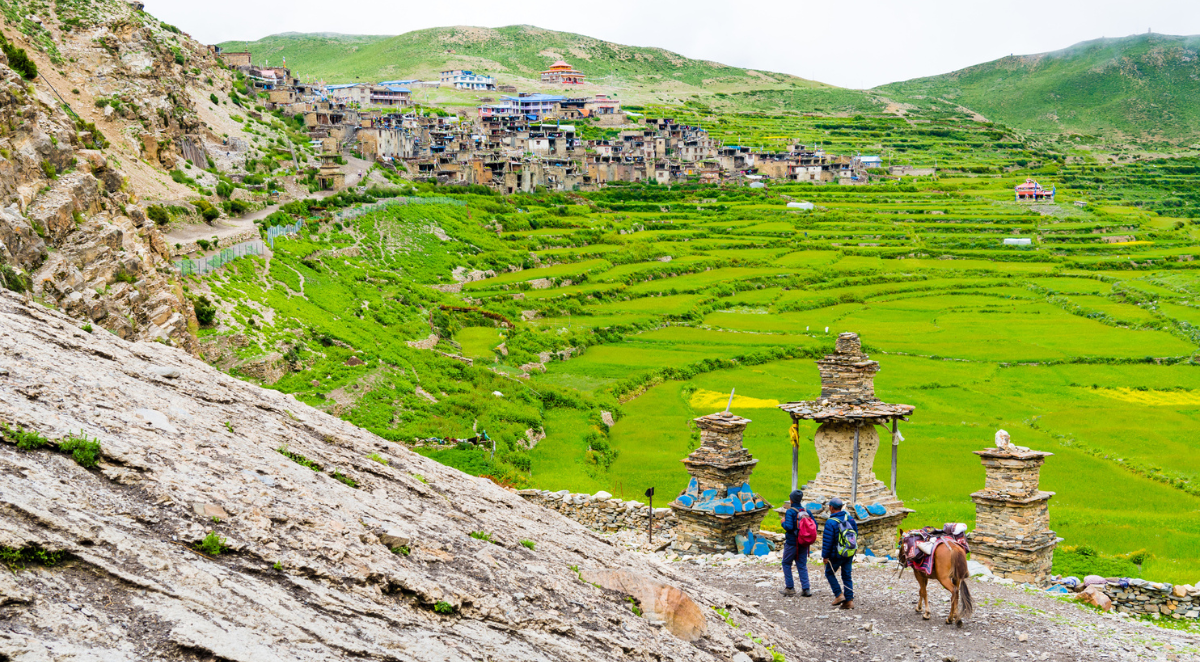
Best time for cultural travel and city visits
Nepal isn’t only a trekking destination. City time can be the highlight if you treat it like a real part of the trip, not just a layover between hikes.
For culture-focused travel, the best time to visit Nepal is often:
- October to November for clear days and festival energy
- March to April for comfortable weather and lively streets
- December to February for crisp days, if you don’t mind cold evenings
Monsoon can still work for cultural travel if you’re flexible. Rain usually falls in patterns, not nonstop, and Kathmandu has a cosy rhythm during the wet season. The trade-off is visibility from viewpoints and smoother transport days.
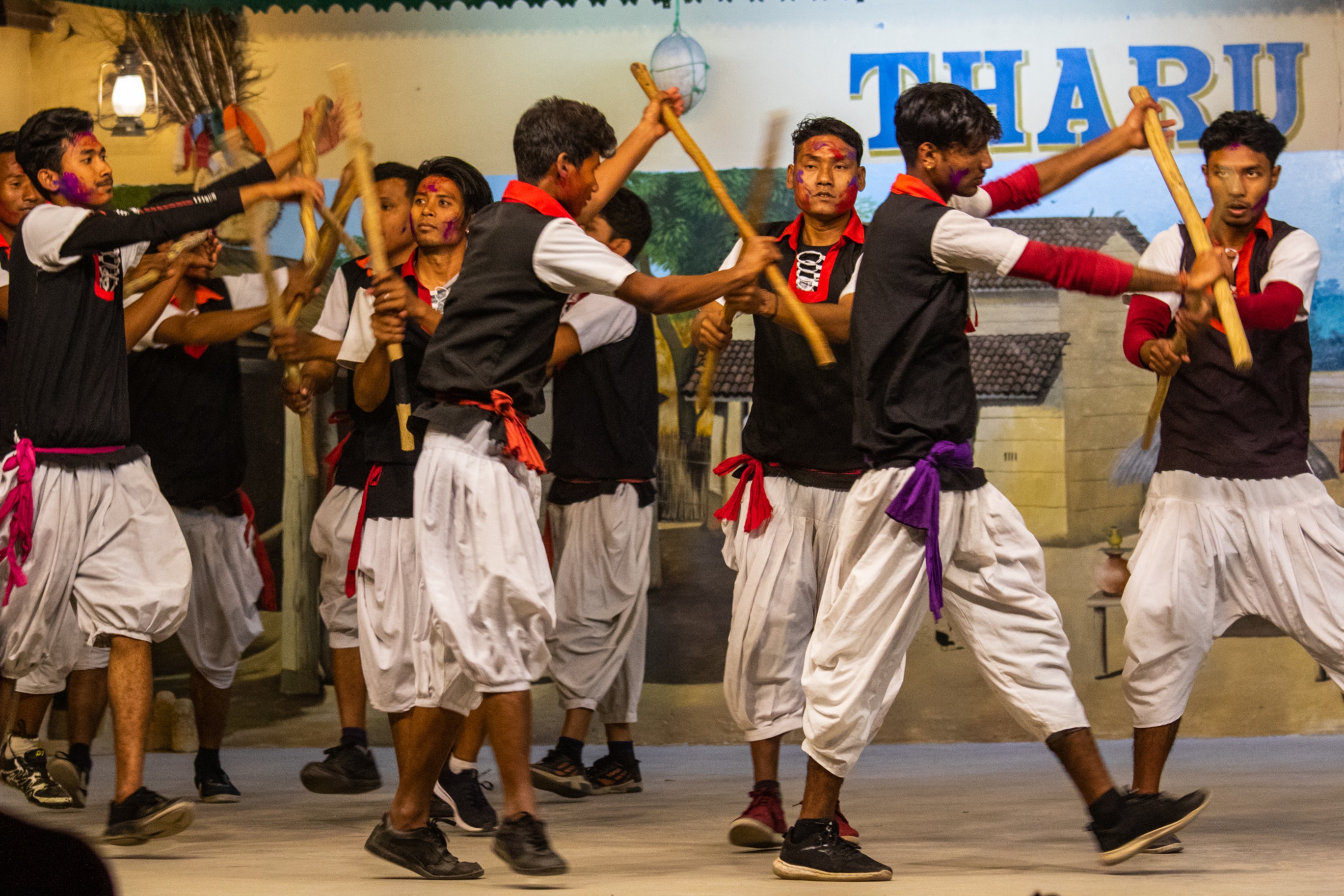
The Tharu stick dance performance.
Best time for wildlife and jungle experiences
For the Terai and jungle parks, the best time to visit Nepal is usually winter through early spring. Cooler temperatures make safaris more comfortable, and animals are often easier to spot when vegetation is less dense.
Aiming for:
- November to March is a strong general window.
- April can still work, but the heat rises fast.
- Monsoon months can be challenging due to rain and access issues.
If your trip mixes Nepal trekking with jungle time, it’s common to trek in Nepal during autumn or spring and add a Terai extension on either side, depending on your tolerance for heat and humidity.
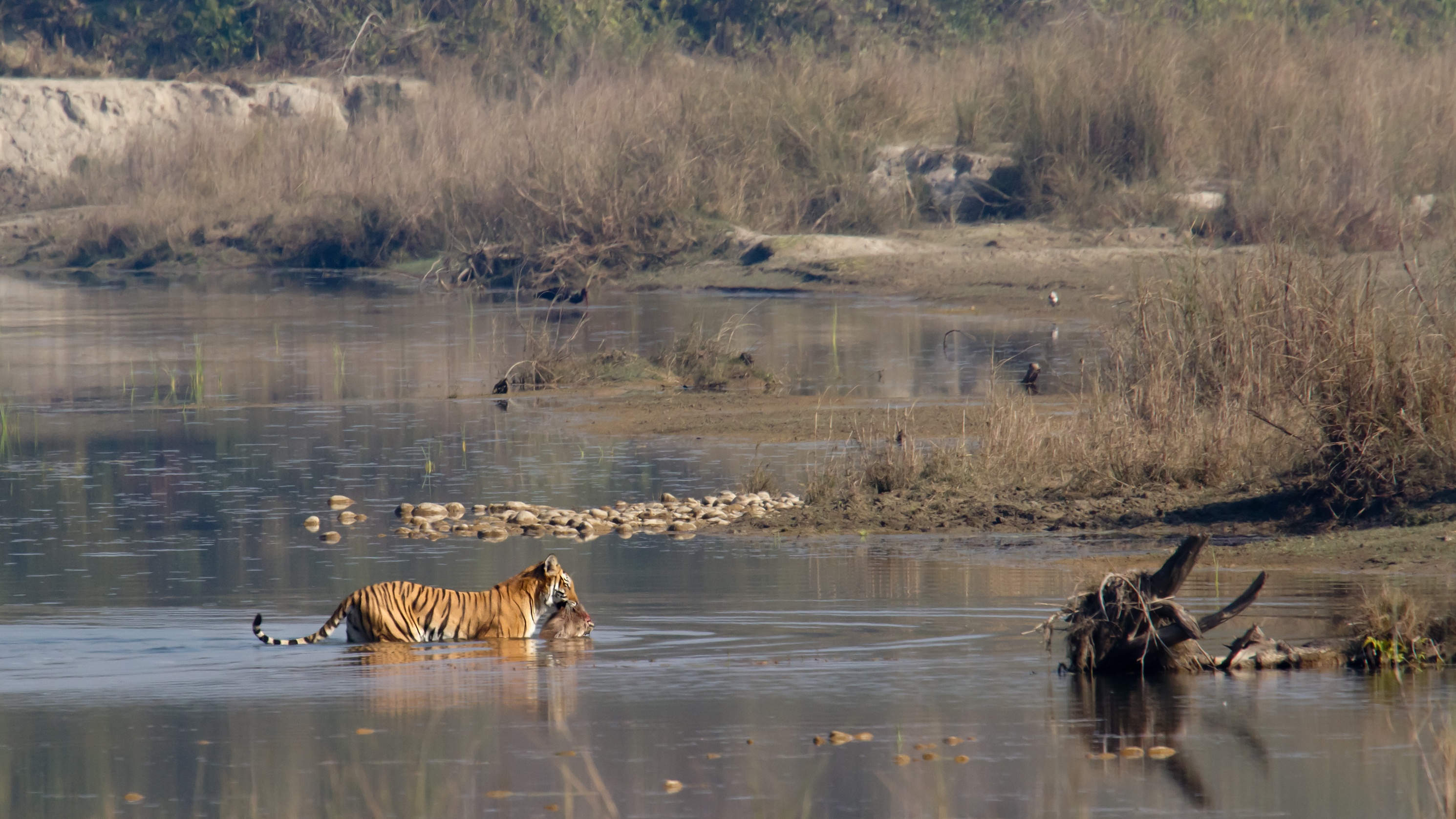
A tiger was spotted in the Chitwan National Park.
Festival seasons in Nepal
Festivals can be a bonus or a logistical puzzle, depending on how you travel. Accommodation fills faster, transport gets busy, and some services slow down. The atmosphere, though, is unmatched.
Two big festival periods often align with peak travel windows:
- Dashain and Tihar usually fall in September to November.
- Holi usually falls around March.
Festival timing changes each year, so it’s worth checking dates when you book flights and accommodation. Even if you miss the major days, the build-up and afterglow can shape the whole mood of a trip.
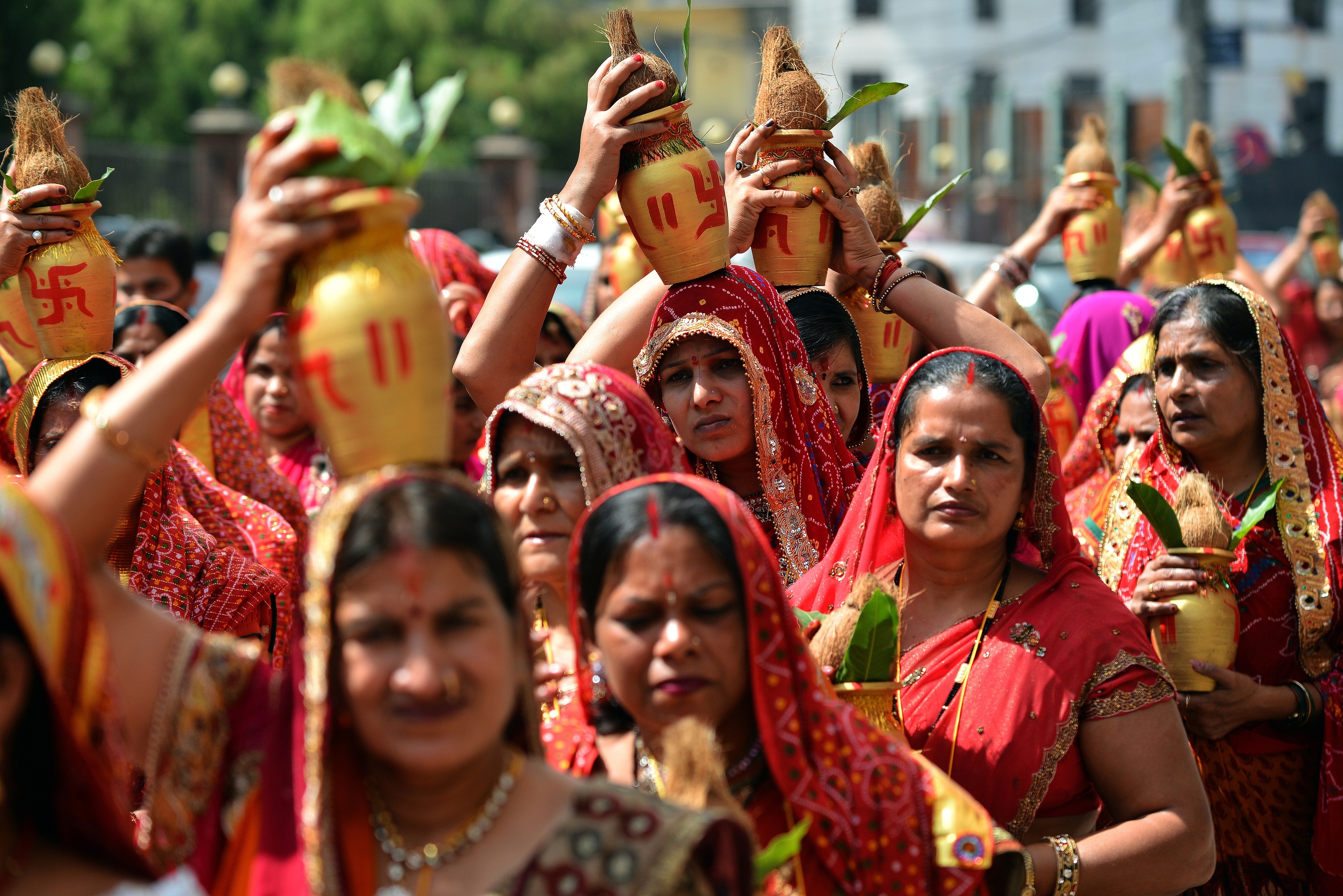
Nepali people celebrate the Dashain festival.
Tips for choosing the right season
There isn’t one best time to visit Nepal that suits everyone. The better question is: what do you want Nepal to feel like?
Here are a few practical ways to decide.
Start by choosing your priority, then let the season follow:
- Clear mountain views and classic trekking days
- Warmer temperatures and spring landscapes
- Quiet trails and a slower pace
- A trip that blends culture, food, and day hikes
- A more ambitious plan that includes a climbing objective
It also helps to be honest about your comfort levels. Cold nights can make a Nepal trek feel harder than the distance suggests. Rain can turn a short day into a long one. Heat in the Terai can drain energy fast.
If you’re thinking about stepping up into more demanding objectives, it’s worth browsing the most challenging trekking peaks in Nepal to get a realistic sense of what different seasons ask of your body and your kit.

Scenic Himalayan mountain trail along the Mera Peak trekking route in Nepal.
Choosing the right season for your Nepal adventure
The best time to visit Nepal depends on what you want most from the trip, but patterns are clear once you match season to goal.
Autumn is the standout for Nepal trekking thanks to stable weather and sharp mountain visibility. Spring is a close second, with warmer days and vibrant landscapes that make trekking Nepal feel colourful and energised. Winter suits travellers happy to choose lower routes and pack for cold nights. Monsoon can still work for the right kind of trip, especially if you care more about atmosphere than perfect views and you build flexibility into your plan.
Weather changes by region, too. The Himalayas demand timing, the Kathmandu Valley stays workable across more months, and the Terai shines in cooler seasons for wildlife and jungle travel.
If you’re ready to plan a Nepal trek that fits your pace, season, and ambition, including routes that blend trekking with a first climbing goal, explore Nepal peak climbing with Follow Alice and book a call with our team. We’ll help you choose dates that make sense for the weather you want and the adventure you’re coming for.