


When climbers research the final stage of a Mount Kilimanjaro climb, they usually start with Barafu Camp, which makes the most sense. Barafu Camp is the standard high camp for summit night, situated on Kilimanjaro’s southern routes, so it is usually the camp that climbers search first. Barafu is lower and more widely used, while Kosovo Camp sits higher up and is quieter, with a shorter start to the final ascent. That difference matters because summit night is the hardest part of the climb. Below, we break down Barafu Camp vs Kosovo Camp in a practical way, including elevation, crowd levels, summit timing, logistics, and who each option suits best.

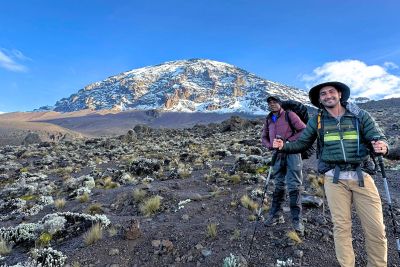
Trekkers walk towards their base camp on Mount Kilimanjaro.
Barafu Camp vs Kosovo Camp
Barafu Camp on Kilimanjaro is the standard summit base on the southern routes, and for many trekkers it is the place where the hardest part of the mountain really begins. But there is another option that gets a lot of attention once people research, and that is the Kosovo Camp on Kilimanjaro. These two camps sit relatively close to each other, high on Kibo’s southern slopes, but they create different summit-night experiences. According to our Tanzania director, Chris Sichalwe:
The two camps are only around an hour apart on foot, so in practical terms, they’re very close to each other.
The difference is not just about altitude. It is also about sleep, crowd levels, timing, pacing, logistics, and how your final ascent feels in practice. That last point matters because summit night is rarely won or lost on motivation alone. It is actually shaped by decisions made earlier in the itinerary, including where you spend your final hours before heading for Stella Point and Uhuru Peak.
At Follow Alice, this is where operator experience matters. Search results often explain the camps in broad terms, but they rarely get into what the difference actually feels like on the ground. Most write-ups say Kosovo is higher and quieter, and Barafu is standard and busier. That is true, but it only tells part of the story. What climbers really want to know is this: What is Barafu Camp? What is Kosovo Camp in contrast? Why does the Barafu Camp elevation matter? And which camp is likely to suit me better on summit night?
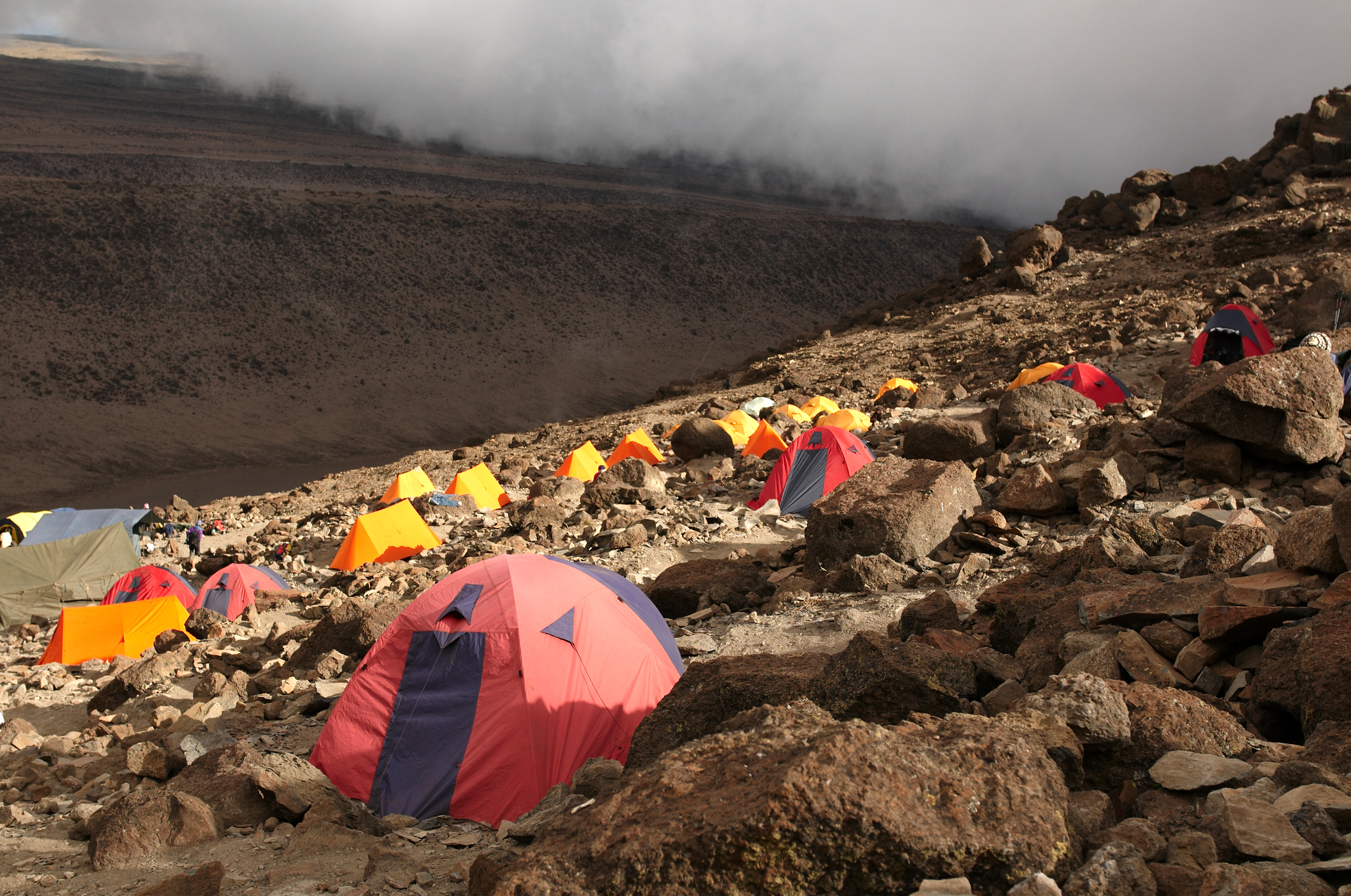
Barafu camp on the Machame route on Kilimanjaro.
Learn more: Kosovo Camp on Kilimanjaro: What’s So Special About It?
What is Barafu Camp?
Barafu Camp is the main high camp used before the summit push on Kilimanjaro’s southern routes, especially Machame, Lemosho, and Umbwe. The Mount Kilimanjaro National Park lists Barafu Hut at 4,673 metres (15,331 feet) above sea level.
Barafu is the mountain’s established southern summit base. It is where most climbers eat an early dinner, try to rest for a few hours, and begin the summit push around midnight. It is practical, proven, and familiar to guides across the industry. It’s also well known for being exposed and often crowded.
This means that the camp sits on a rocky ridge in the alpine desert zone, with little shelter from wind and cold. Tents are pitched across uneven ground, and during peak periods, the site can be crowded with trekkers, guides, cooks, and porters. With that, the busy atmosphere is one of the main things that shapes the Barafu experience. You are at a very high altitude, trying to rest before the toughest stretch of the climb, in a camp that is often active and noisy. For many climbers, that is not a deal-breaker, though. It is simply the standard Kilimanjaro summit setup. But it helps explain why some trekkers begin comparing Barafu Camp vs Kosovo Camp once they realise there is another option.
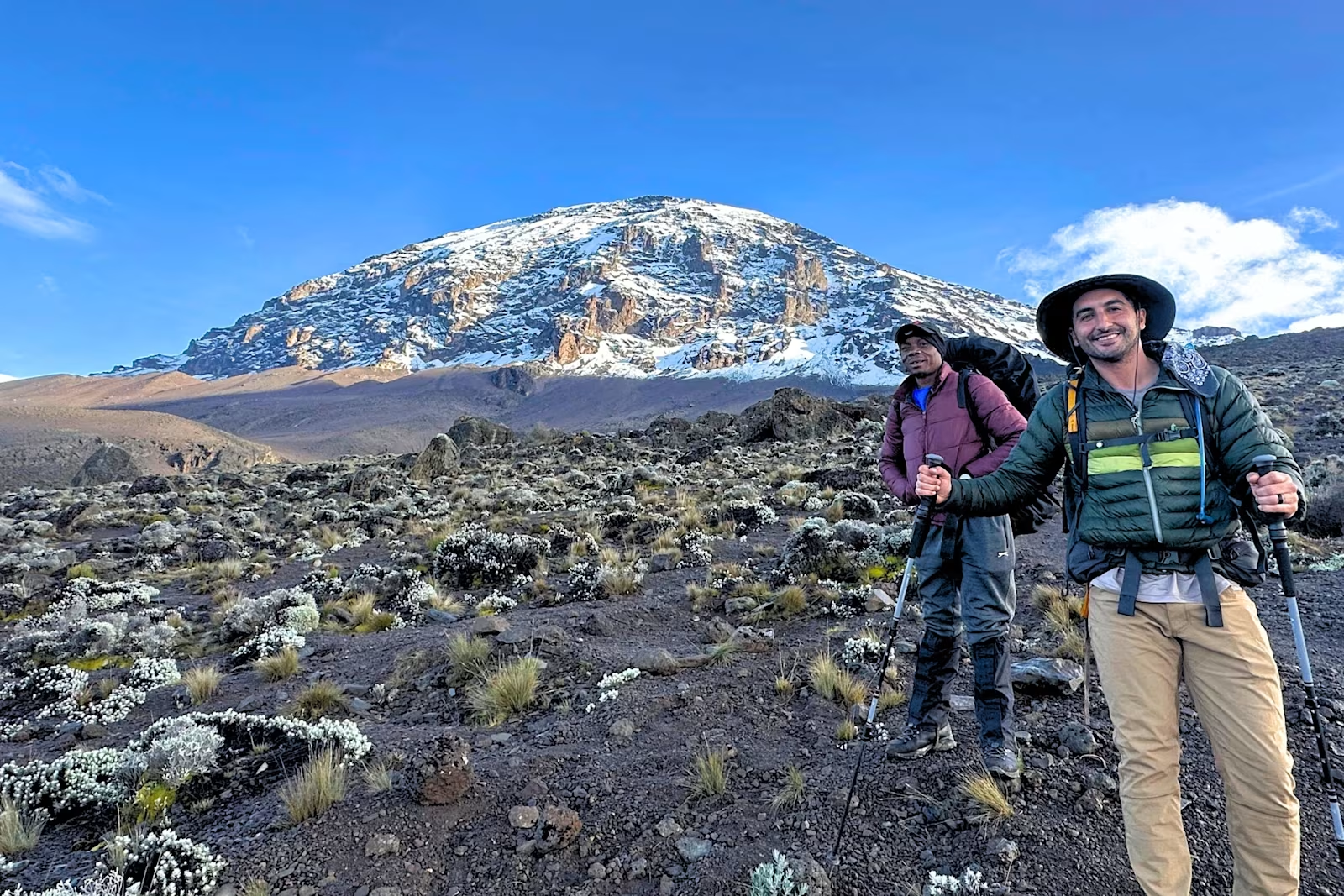
Trekkers pose for a photo on the Lemosho Route.
{{leadmagnet-one}}
What is Kosovo Camp?
Kosovo Camp is a smaller, higher camp above Barafu that some operators use as an alternative summit base on the same southern approach. Recent operator references commonly place Kosovo at roughly 4,800 to 4,900 metres, though exact figures vary by source. That difference in height sounds modest on paper, but on Kilimanjaro it is significant. A few hundred metres higher, at this stage of the mountain, changes both the sleep experience and the summit strategy.
Kosovo is not the standard camp used by most operators. That is part of why it stands out. It is usually quieter, less congested, and closer to the summit route above Barafu. Many climbers are drawn to it because it can shorten summit night and avoid some of the congestion that builds around the main Barafu staging point. Recent route write-ups also note that moving to Kosovo can reduce summit-day distance by about 15 per cent.
At the same time, Kosovo asks more of the climber before the summit night even starts. Sleeping higher means thinner air, and that can lead to poorer rest, lower appetite, and stronger altitude symptoms for some people. So the appeal of Kosovo is real, but so is the trade-off.
At Follow Alice, we do offer the option of an overnight stay at Kosovo Camp. This, however, comes with an extra cost of US$100 per person per night because it requires additional logistics and permits. According to our Tanzania director, Chris Sichalwe:
The $100 is for the government fee that covers official permits at this altitude; any additional porters or private toilets are arranged separately by Follow Alice.
Barafu Camp vs Kosovo Camp comparison table
Let's have a look at the differences between the two base camps in the table below:
Barafu is recognised as the standard summit camp by the park, whereas Kosovo’s higher location and shorter summit plan are recommended in recent travel tour operator guidelines.
Learn more: Follow Alice Always Champions Safe and Successful Climbs
Why climbers should care about the difference
This is not just a technical comparison. It affects one of the most difficult nights on the mountain.
Summit night is long, cold, slow, and mentally demanding. You are climbing in darkness at a very high altitude, often after a poor afternoon of sleep. Small changes in how rested you feel, how long you are exposed to the cold, and how much climbing lies ahead can make a noticeable difference.
When planning a Kilimanjaro summit, the choice between Barafu Camp and Kosovo Camp can have a real impact on your final ascent. While both serve as high-altitude staging points, each offers a different experience in terms of elevation, route strategy, and crowds. Understanding these differences can help climbers make an informed decision and prepare for the climb ahead.

Trekkers admire the view of Mount Kilimanjaro.
{{leadmagnet-two}}
Why the altitude advantage matters
Kosovo Camp’s big draw is starting higher, so climbers have a shorter, easier push to the summit. Recent route guidance notes that climbers leaving from Barafu often begin around midnight, while those leaving Kosovo may set off closer to 1 am because they are already higher up the slope. That later start can help in a few ways. It reduces the time spent standing around in the cold before departure. It removes part of the lower climb above Barafu. It can also make summit day feel more focused, because you start closer to the main line of ascent to Stella Point. But the altitude advantage is not free.
Sleeping at roughly 4,800 to 4,900 metres is harder than sleeping at 4,673 metres. It may be only around 150 to 250 vertical metres higher, but at this altitude, that gap matters. Some trekkers feel distinctly worse once they move above Barafu. Headaches can be stronger. Sleep can be broken. Food can become less appealing. So while Kosovo may shorten the climbing time, it can also make the rest window before the climb less effective.
This is why there is no one-size-fits-all answer. The better camp depends on how well the climber is acclimatising, how they usually sleep at altitude, and what kind of summit strategy suits them best.

A string of headlamps marks climbers’ ascent across Kilimanjaro’s snow-covered slopes.
Learn more: Why prices differ so much between Kilimanjaro operators
What summit night feels like from Barafu Camp
The summit push from Barafu Camp on Kilimanjaro is the classic southern-route experience. You eat early, rest as best you can, wake around midnight, put on every layer you have, and begin climbing in a long ribbon of headlamps above camp. The trail starts steep and loose. It often takes a while before climbers find a rhythm. That early section can feel harsh because you are moving from stillness straight into hard effort in the coldest hours of the night.
Barafu’s biggest strength is also its biggest weakness. It is the standard choice. Guides know it well, itineraries are built around it, and most climbers end up there. But because it is the standard choice, it can feel congested at exactly the moment you want calm, routine, and rest. For some trekkers, that is manageable. For others, especially those who are anxious, light sleepers, or sensitive to stimulation at altitude, it can make the evening feel more draining than it needs to.
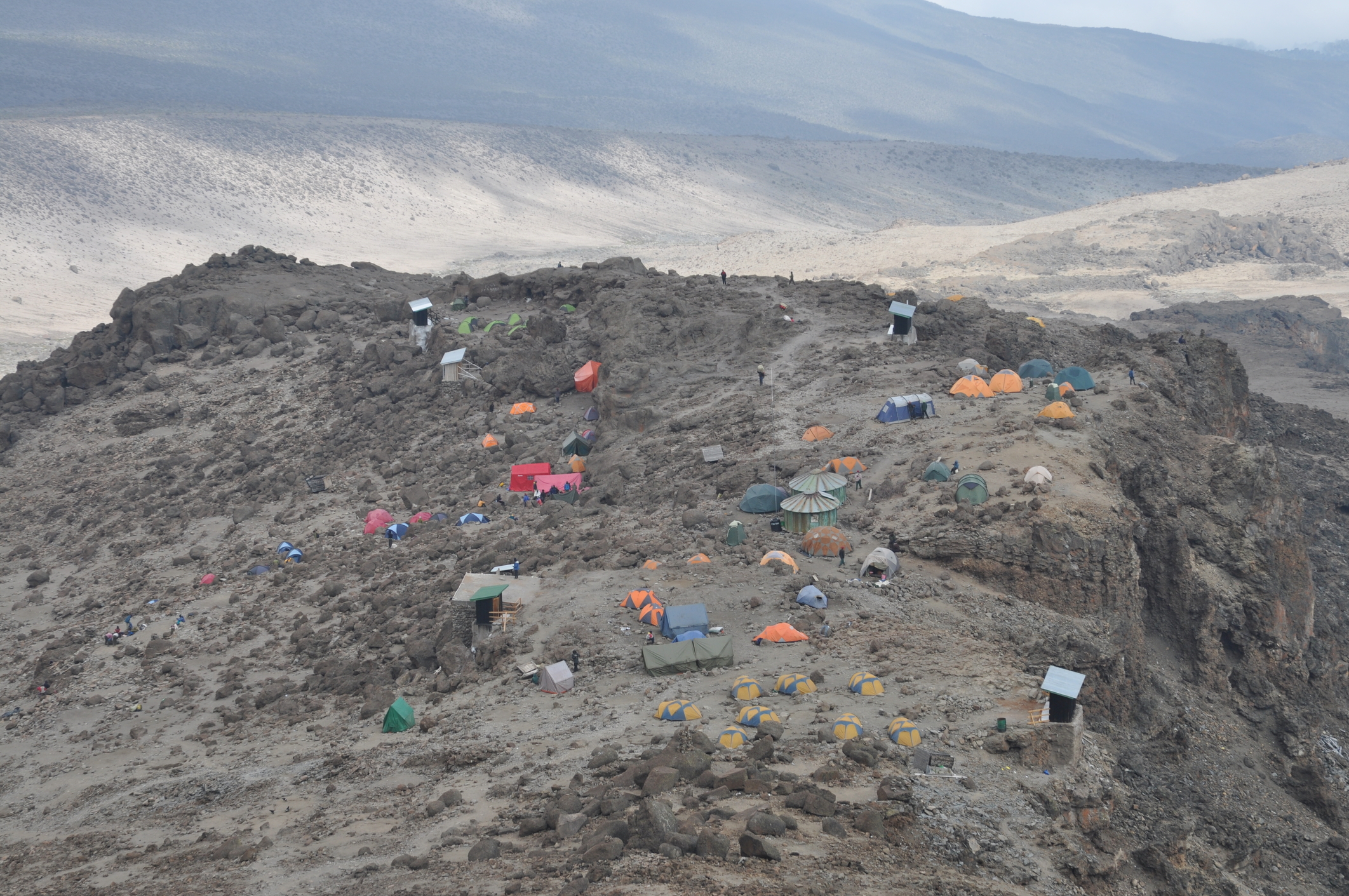
The campsite at Barafu for the final night before the summit attempt on Kilimanjaro.
{{leadmagnet-three}}
What does a summit night feel like from Kosovo Camp?
The summit push from Kosovo Camp Kilimanjaro is usually described as shorter and quieter, and that matches what recent route guidance says. Kosovo cuts out part of the climb that Barafu teams still need to cover, and it usually has fewer people in camp. That can create a very different tone. There may be less movement around camp, fewer teams preparing at once, and a greater sense of space. From a practical point of view, that can help some climbers conserve energy and stay settled before departure. The caution is clear, though. A shorter climb does not always mean an easier experience if the higher camp leaves you feeling rough before you even start. Kosovo can be a smart tactical option, but only for climbers who are coping well with the altitude profile of the trek.
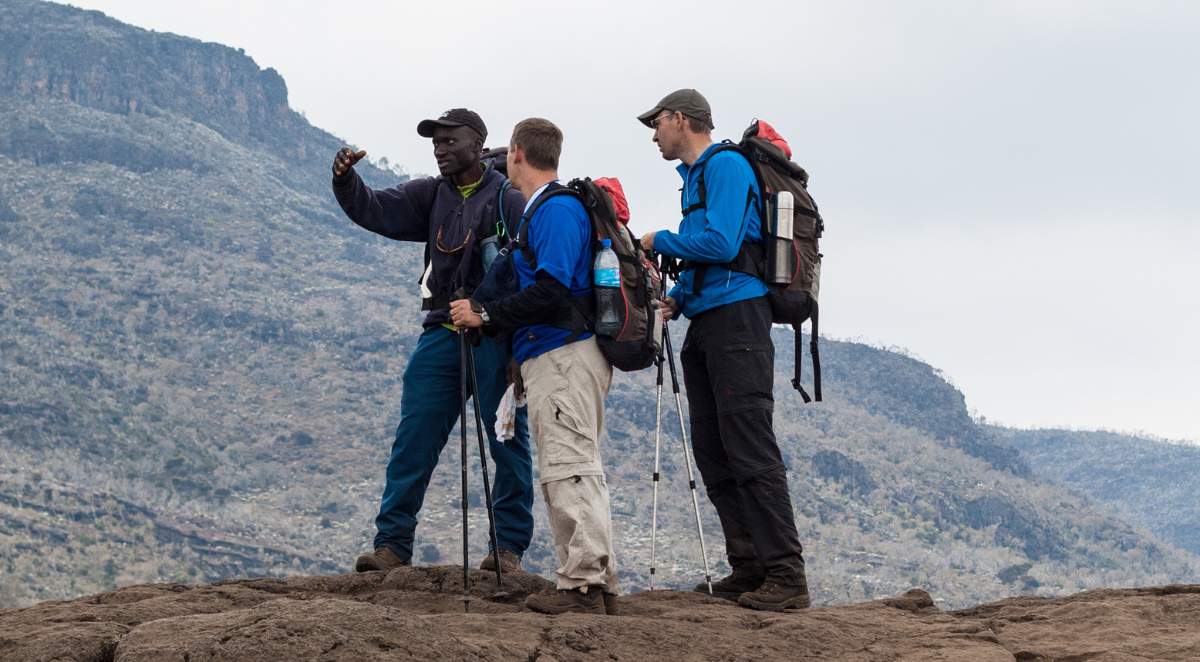
Kilimanjaro local leader chatting with trekkers.
Learn more: Why prices differ so much between Kilimanjaro operators
Why most operators do not offer the Kosovo Camp
Most operators stick with Barafu because it is established, straightforward, and easy to fit into standard itineraries. Kosovo requires a more deliberate operating plan and is not treated as the default by much of the market. Recent fee guidance also shows an additional Upper Barafu Camp charge of US$100 for non-East African citizens, which is commonly linked to the higher Kosovo-style summit camp arrangement. That is one reason Kosovo often appears as a specialist or on-demand option rather than a standard inclusion. At Follow Alice, we can offer the Kosovo Camp on request when it makes sense for the route, the climb structure, and the client’s needs.
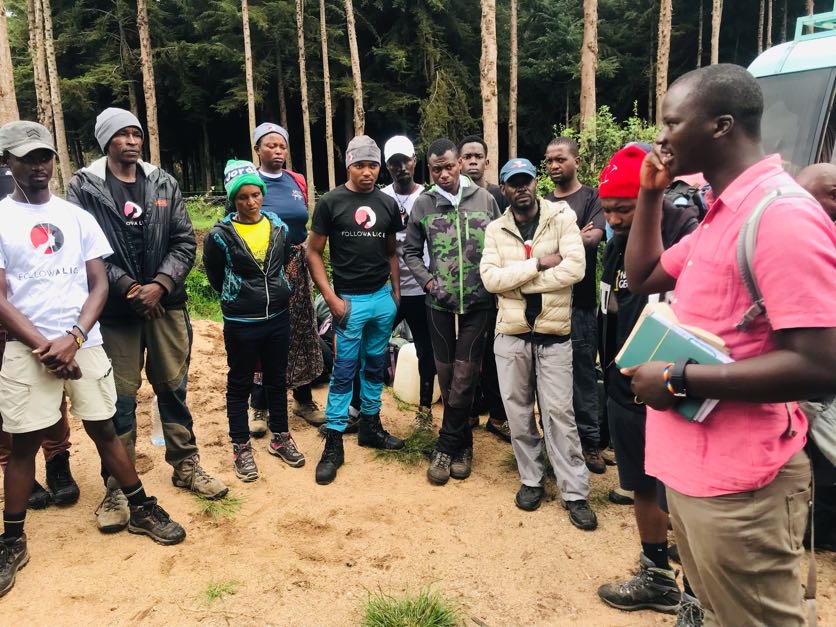
Follow Alice's team debriefing ahead of the Kilimanjaro climb.
Learn more:All Kilimanjaro routes ranked in terms of acclimatisation
Who should choose Barafu Camp?
Barafu is usually the better choice for climbers who want the standard summit setup and prefer not to sleep any higher than necessary before summit night. It tends to suit trekkers who value the conventional itinerary, want the most established route pattern, and would rather accept a longer summit push than add extra sleeping altitude on the final night.
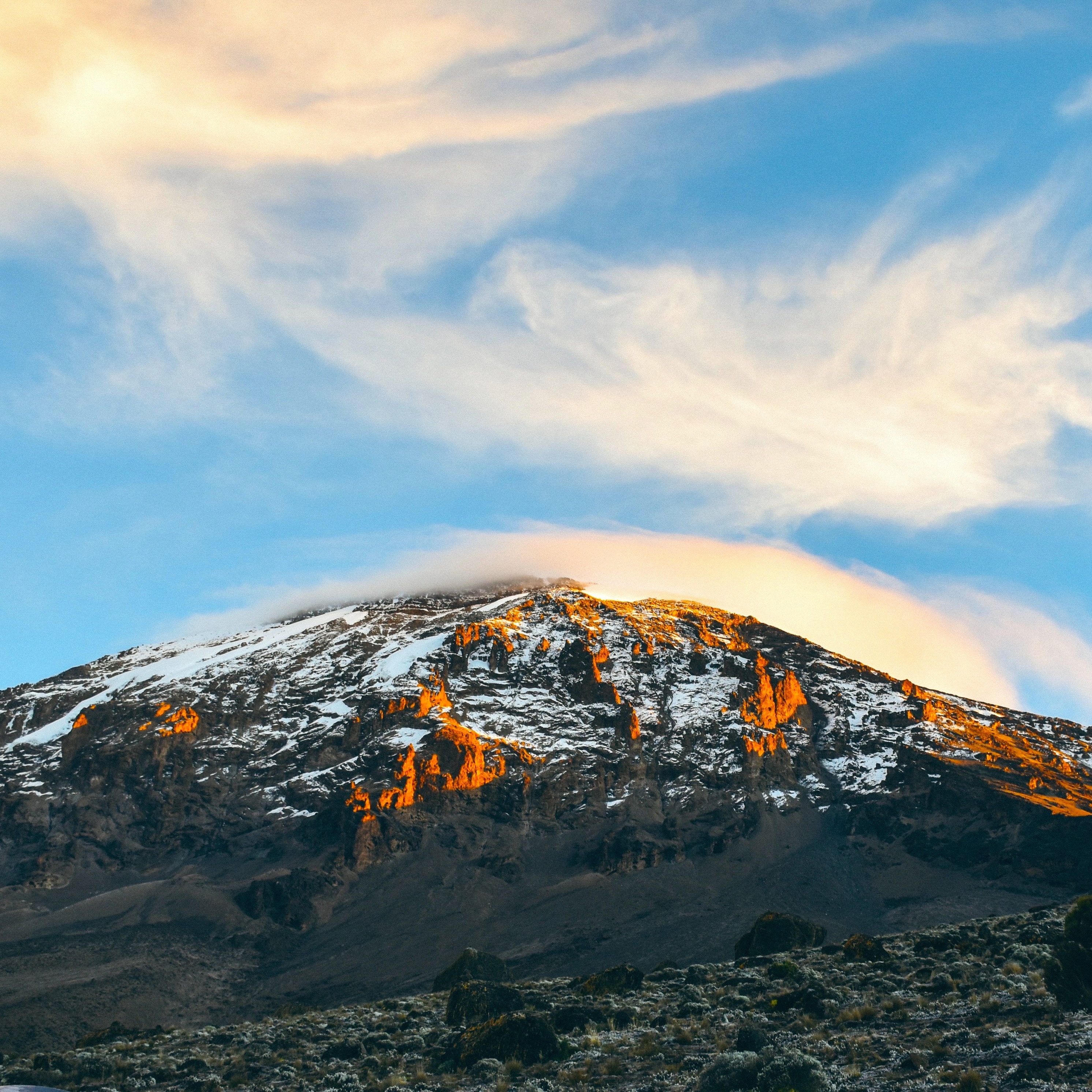
A beautiful view of Mount Kilimanjaro.
Learn more: Is staying at Kilimanjaro Crater Camp a good idea?
Who should choose Kosovo Camp?
Kosovo is usually the better choice for climbers who are acclimatising well, want a quieter high camp, and like the idea of trimming the summit push where possible. It often appeals to more analytical trekkers who are thinking carefully about energy management, crowding, and the structure of summit night, not just the route name on the itinerary.
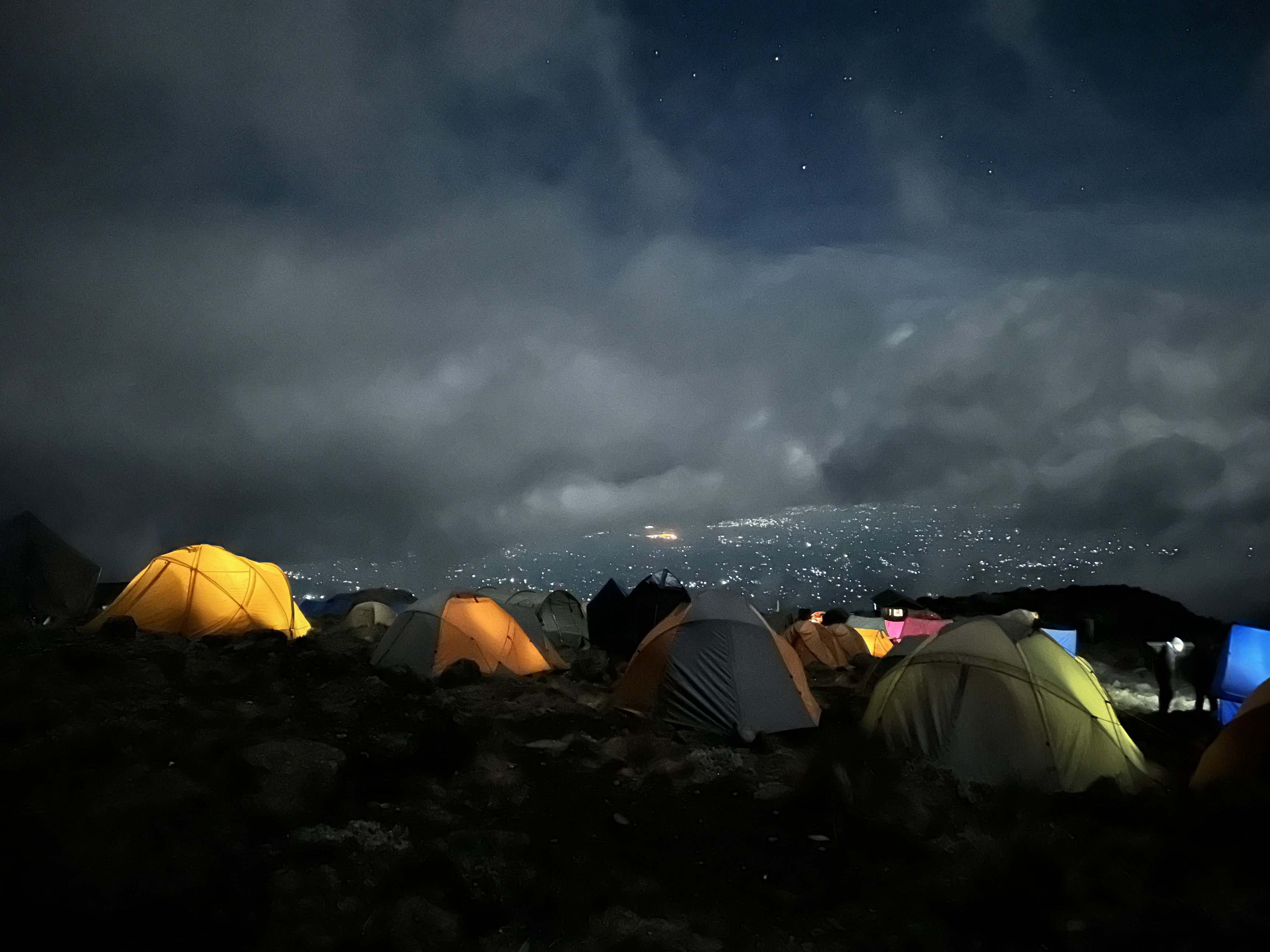
A night scene as trekkers rest on Mount Kilimanjaro.
Learn more: Height and prominence of Kilimanjaro, and altitude gain when climbing it
Barafu Camp vs Kosovo Camp: which should you choose?
If your priority is the standard, proven, lower summit base, choose Barafu Camp. If your priority is a quieter camp and a shorter summit-night push, and you are comfortable with the higher sleeping altitude, choose Kosovo Camp. That is the real difference between Barafu Camp vs Kosovo Camp. They are close together on the mountain, but they serve different climber preferences. One is the established default. The other is a more selective tactical option. For many trekkers, Barafu Camp Kilimanjaro remains the right fit. It is standard for good reason. But Kosovo Camp Kilimanjaro is not just a niche talking point. In the right circumstances, it can offer a genuine practical advantage. The best choice comes down to the climber, their acclimatisation, and the kind of summit night they want to have. If you are still not sure, please feel free to contact us today, and we will be happy to answer any questions you might have.