


When people research a climb of Mount Kilimanjaro, most attention goes to the routes, the summit itself, or the challenge of high altitude. The choice of where you spend the final night before summit day can also shape the experience.
Most climbers sleep at Barafu Camp, the standard high camp used on southern routes. However, a smaller number of expeditions use Kosovo Camp, a quieter site located slightly higher on the mountain.
Kosovo Camp has gained attention among climbers who want a different summit-night approach. Some see it as a practical way to reduce congestion and shorten the summit push. Others view it simply as a quieter alternative to a busy staging point.
This article explores where Kosovo Camp sits on the mountain, how it’s used on routes such as the Machame Route, and why some operators, including Follow Alice, occasionally choose it. If you still have any questions, feel free to schedule a call with us.
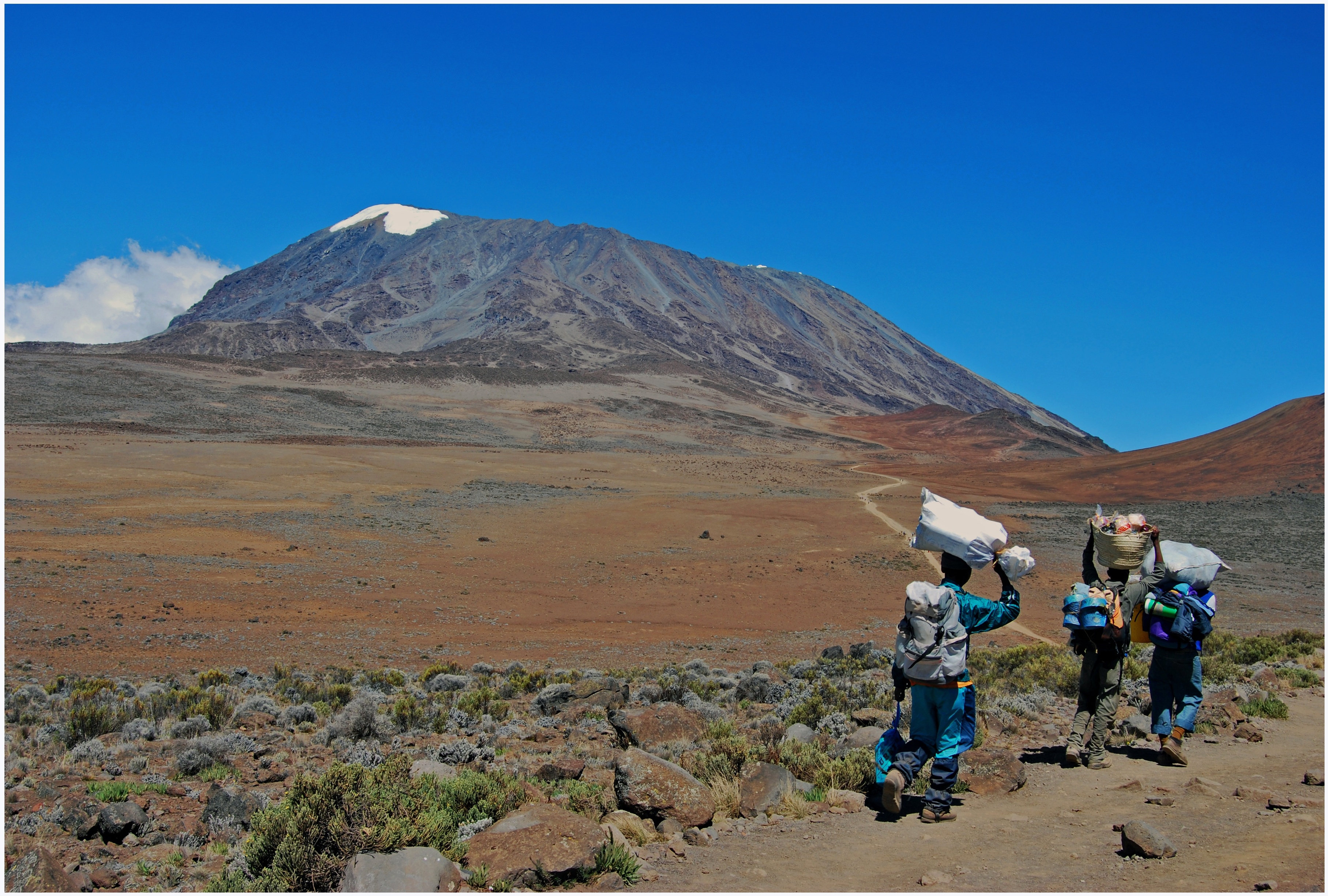
Porters on an open path in alpine desert of the Marangu route, Kilimanjaro.
Where Kosovo Camp sits on Kilimanjaro
Kosovo Camp is located on the southern slopes of Kilimanjaro, above Barafu Camp and below the summit cone of Kibo Peak. In practical terms, it’s about an hour’s walk from each.
The campsite sits at roughly 4,870–4,900 metres (15,978–16,076 feet) above sea level. At this altitude, the environment falls within Kilimanjaro’s arctic zone, where vegetation disappears, and the terrain becomes volcanic rock, scree and glacial features.
Two other camps are nearby:
- Karanga Camp, which lies lower on the approach routes.
- Barafu Camp, the primary high camp used by most climbers.
Kosovo is usually reached after Barafu, typically requiring 30 to 45 minutes of additional climbing. This extra ascent is short but noticeable due to the thin air. Due to its position above the standard camp, Kosovo effectively functions as an advanced high camp for summit attempts.
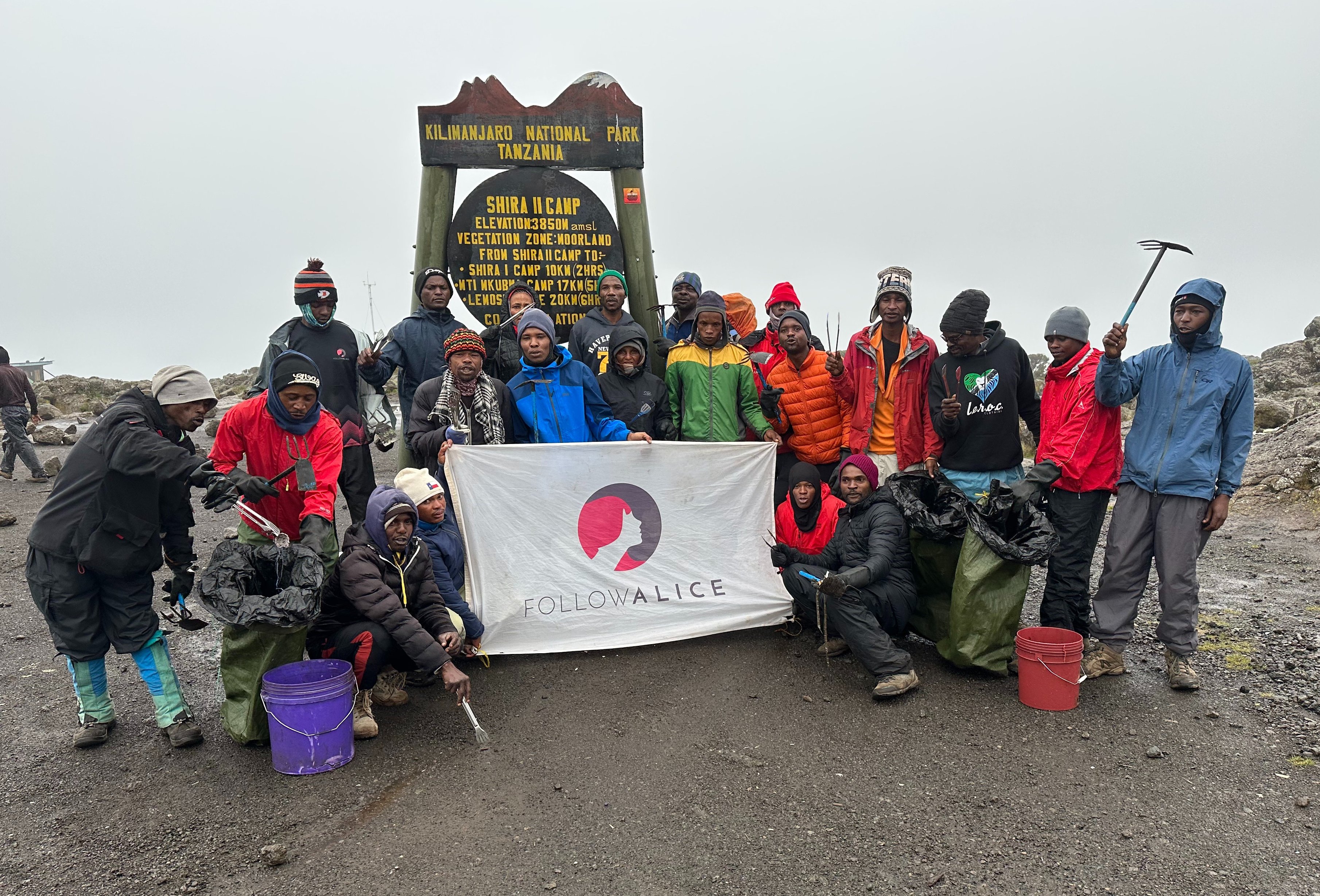
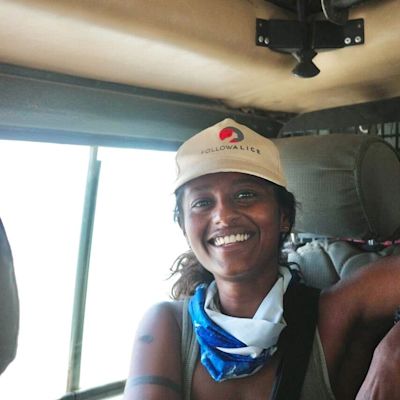
Follow Alice Mount Kilimanjaro crew posing for a selfie.
Learn more: Mount Meru vs Kilimanjaro: Which Trek Should You Choose?
Why Kosovo Camp isn’t used by every expedition
Despite its location, Kosovo Camp is not widely used. The reasons are mostly logistical. Camping here generally requires special permission from park authorities, and not all operators choose to organise the additional arrangements required. The high altitude also means that teams must carefully assess whether climbers are acclimatised enough to spend the night there.
There are also practical considerations. Unlike some larger camps on Kilimanjaro, Kosovo has limited facilities and minimal infrastructure, so expeditions need to be fully self-sufficient. This increases operational complexity and, in some cases, cost.
At Follow Alice, we do offer the option of an overnight stay at Kosovo Camp. The option comes with an extra cost of US$100 per person per night because it requires additional logistics and permits.
According to our Tanzania director, Chris Sichalwe:
The $100 is for the government fee that covers official permits at this altitude; any additional porters or private toilets are arranged separately by Follow Alice.
Sicalwe adds:
The camp is sometimes used strategically because it has less traffic, and you might be the only ones camping there. Also coming down from Kosovo, if climbers aren’t strong, they can stay overnight at the high camp.
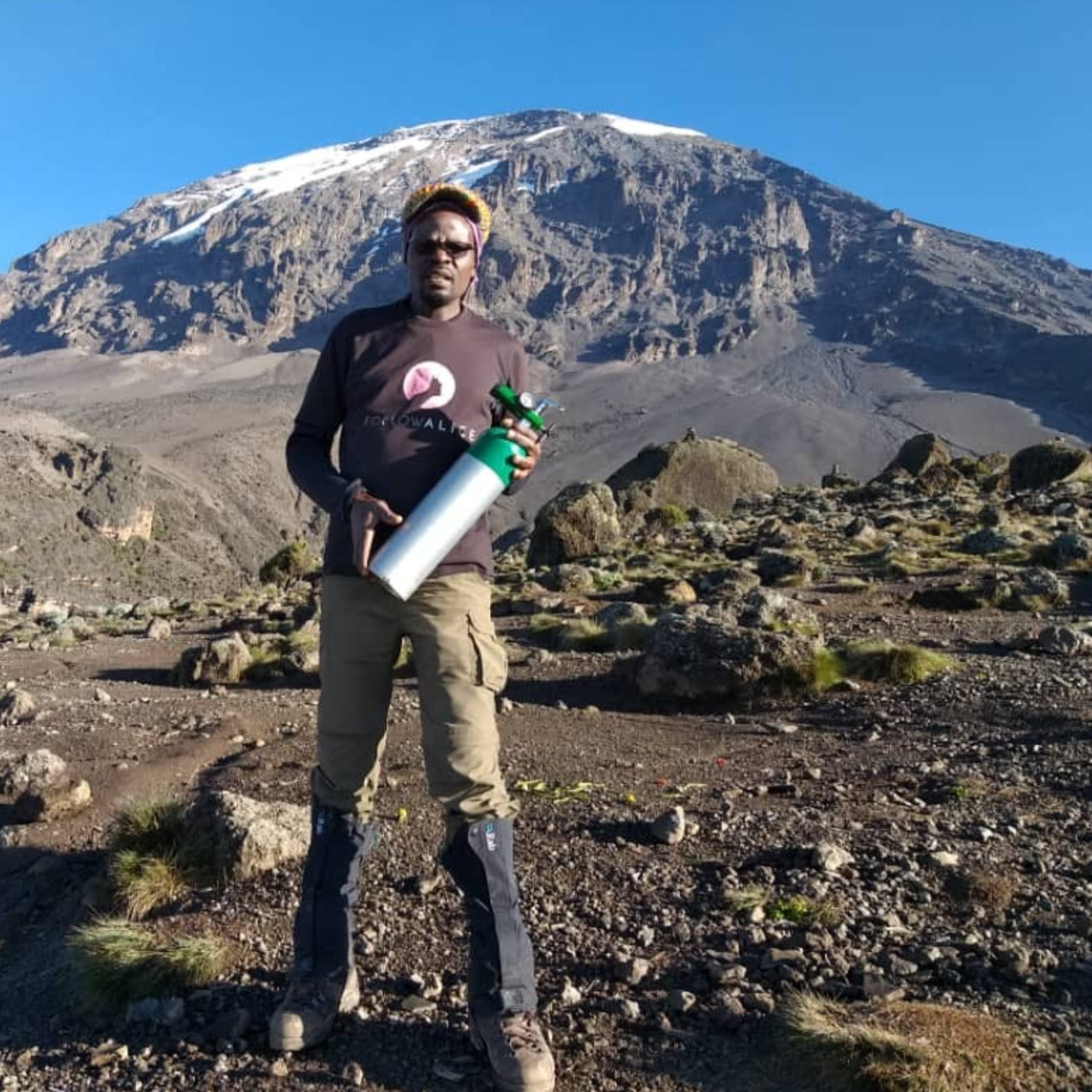
Chris is posing for a photo on Mount Kilimanjaro.
Learn more: Is staying at Kilimanjaro Crater Camp a good idea?
Why do some climbers choose Kosovo Camp?
Although less common, Kosovo Camp appeals to some climbers for a few practical reasons. Let’s have a look:
1. A shorter summit climb
The Kosovo Camp sits higher than Barafu, which means climbers can begin their summit night closer to the top of the mountain.
The difference is about 200–230 metres in elevation, which translates into less vertical distance to climb during the summit push. Some guides estimate that this can reduce the summit distance by roughly 20–25 per cent compared with starting from Barafu. In the thin air above 5,000 metres, even a small reduction in distance can make a noticeable difference to pacing and energy levels.
2. Fewer crowds
One of the most widely discussed aspects of Kosovo Camp is its relative quiet. Barafu Camp can host large numbers of climbers during peak seasons. Dozens of expeditions often prepare for summit night simultaneously, meaning headlamps, guide briefings and movement through camp can continue late into the evening.
Kosovo Camp typically sees far fewer groups. Some nights there may be only a handful of climbers. For many trekkers, the appeal is more appealing because it's less congested before one of the most demanding nights on Mount Kilimanjaro.
3. Summit night in a different tempo
Summit attempts on Kilimanjaro usually begin around midnight. From Barafu, climbers ascend steep scree slopes toward Stella Point, where they reach the crater rim before continuing to Uhuru Peak.
Starting from Kosovo shortens this initial stretch slightly. The summit route itself remains the same, but climbers may reach Stella Point earlier than groups starting below.
This can mean:
- Less time spent waiting behind other teams on steep sections.
- Earlier arrival at the crater rim.
- A slightly more flexible summit schedule.
It’s not a big difference, but some climbers find the climb easier to manage.
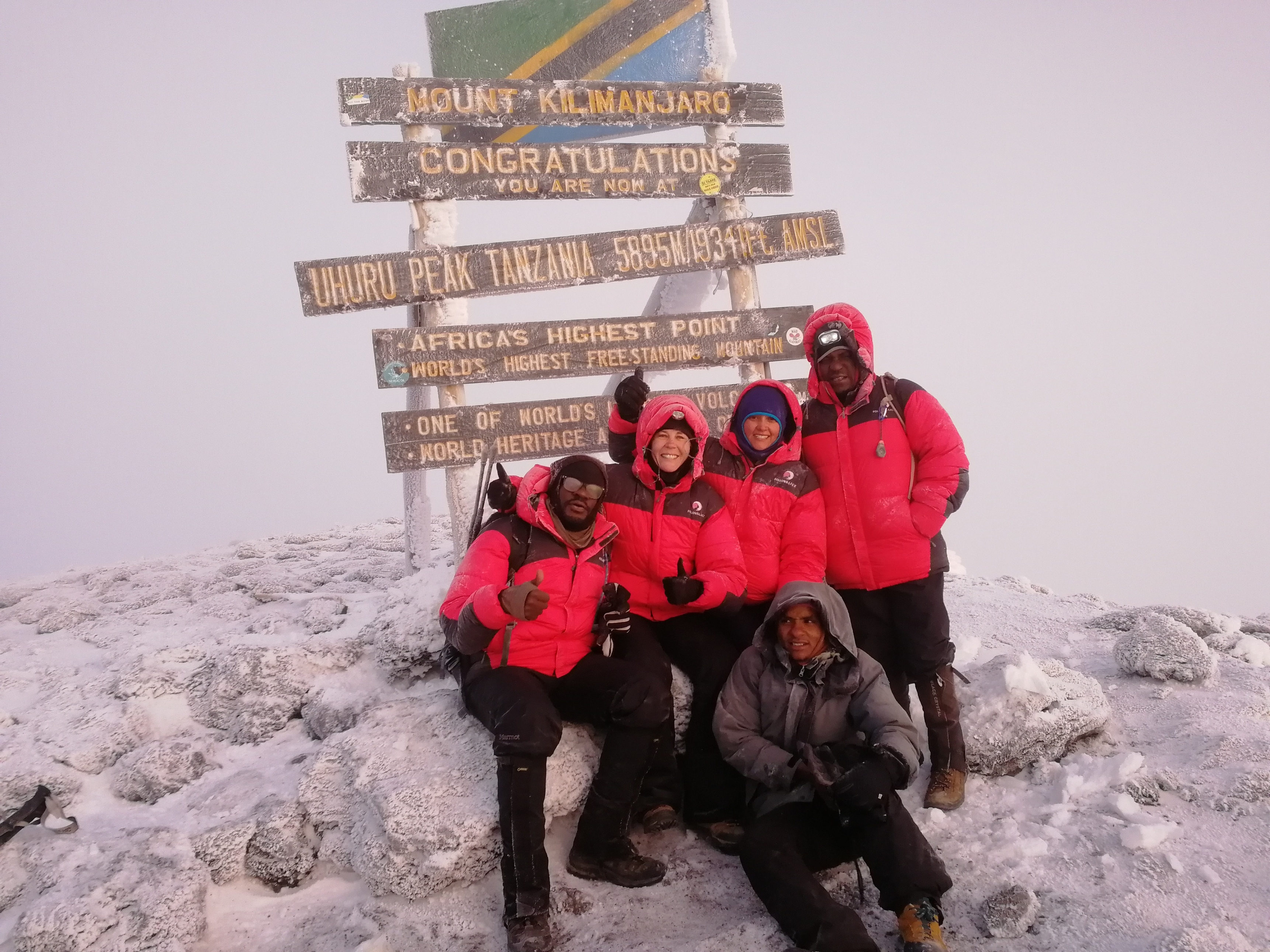
Trekkers pose for a picture as they summit.
{{leadmagnet-one}}
Conditions at Kosovo Camp
At nearly 5,000 metres, conditions at Kosovo Camp are harsh but typical of Kilimanjaro’s upper slopes.
Expect:
- Cold temperatures, often well below freezing, overnight.
- Dry, rocky terrain, with little shelter from the wind.
- Thin air, where even small tasks can feel tiring.
The campsite itself sits among volcanic rock formations with views toward Kilimanjaro’s summit cone. On clear nights, climbers can often see the glaciers of Kibo above and the plains of Tanzania far below.
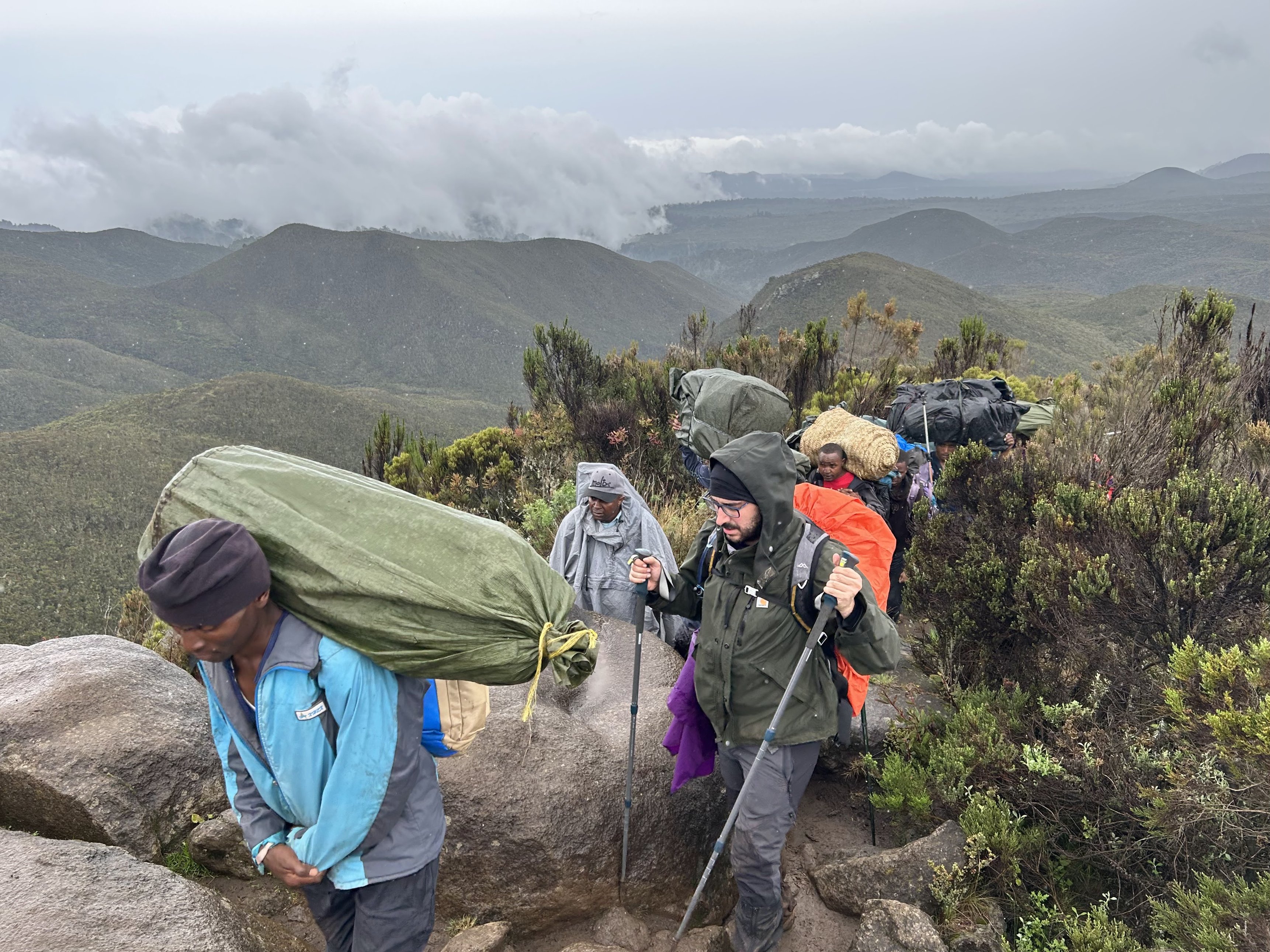
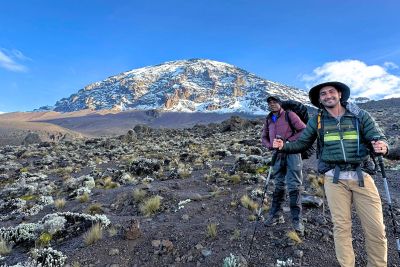
Trekkers making their way up Mount Kilimanjaro.
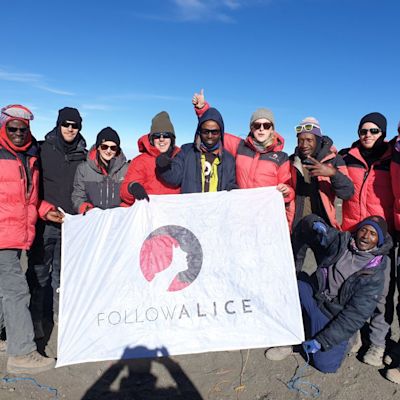
Sleeping before the Kilimanjaro summit night
Sleep is one of the most challenging aspects of high-altitude camps on Kilimanjaro. At nearly 5,000 metres, many climbers experience light or interrupted sleep due to the altitude. However, some guides note that the calmer environment at Kosovo Camp can make it easier to rest compared with busier camps below. Another practical advantage is the schedule because the summit push is shorter from Kosovo; climbers may be able to rest slightly longer before starting the climb, depending on the expedition plan. Even so, summit night remains demanding regardless of where it begins.
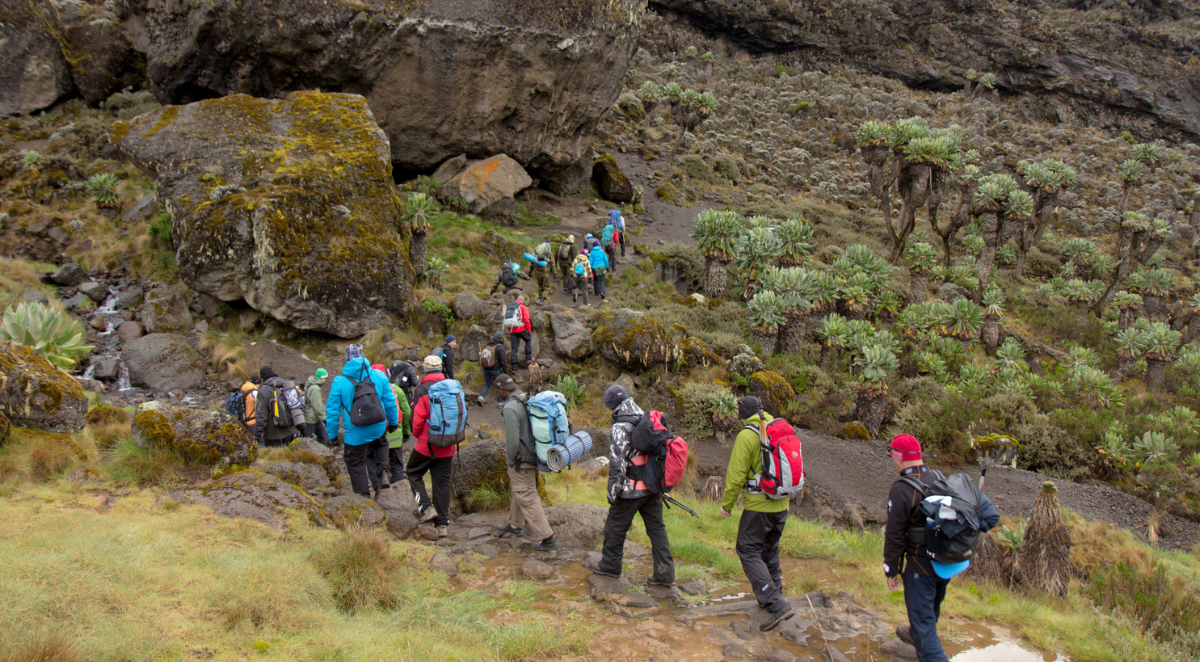
Trekkers make their way up Mount Kilimanjaro.
Learn more: Kilimanjaro vs Everest Base Camp: which is harder?
How Follow Alice uses the Kosovo Camp
Follow Alice can include Kosovo Camp based on clients' requests on certain Kilimanjaro itineraries, particularly when it suits the pace and acclimatisation of the group.
However, it is not used automatically on every climb. Decisions are usually based on several factors:
- The strength and condition of the team
- Weather conditions
- Park regulations and permits
- Guide judgment at altitude
If the camp is included, climbers should expect an additional cost of around US$100 per person per night, as previously mentioned above. In some situations, Kosovo Camp can also serve as a backup high camp. If climbers reach the area late or feel fatigued, the team may rest there overnight before attempting the summit.
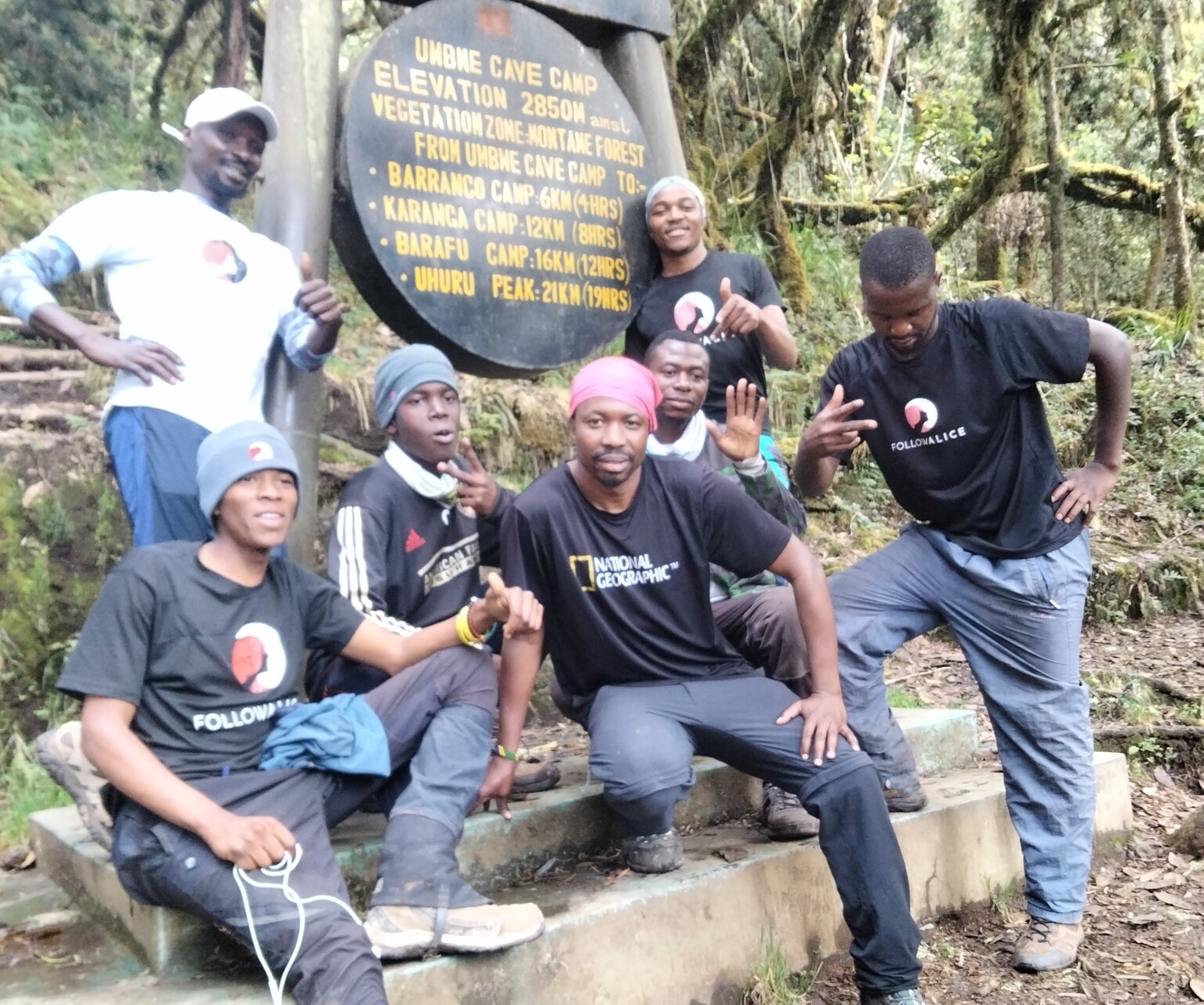
Follow Alice Mount Kilimanjaro team pose for an image.
{{leadmagnet-two}}
The role of high camps on Kilimanjaro
Ultimately, camps like Barafu and Kosovo exist for the same purpose, and that is to position climbers as close as possible to the summit before the final ascent.
From either camp, summit night involves:
- Starting around midnight.
- Climbing slowly through volcanic scree.
- Reaching Stella Point at dawn.
- Continuing along the crater rim to Uhuru Peak
The experience remains physically and mentally demanding regardless of the starting point. Kosovo Camp simply changes the logistics of the final stage, offering a slightly higher and quieter place to begin the climb.
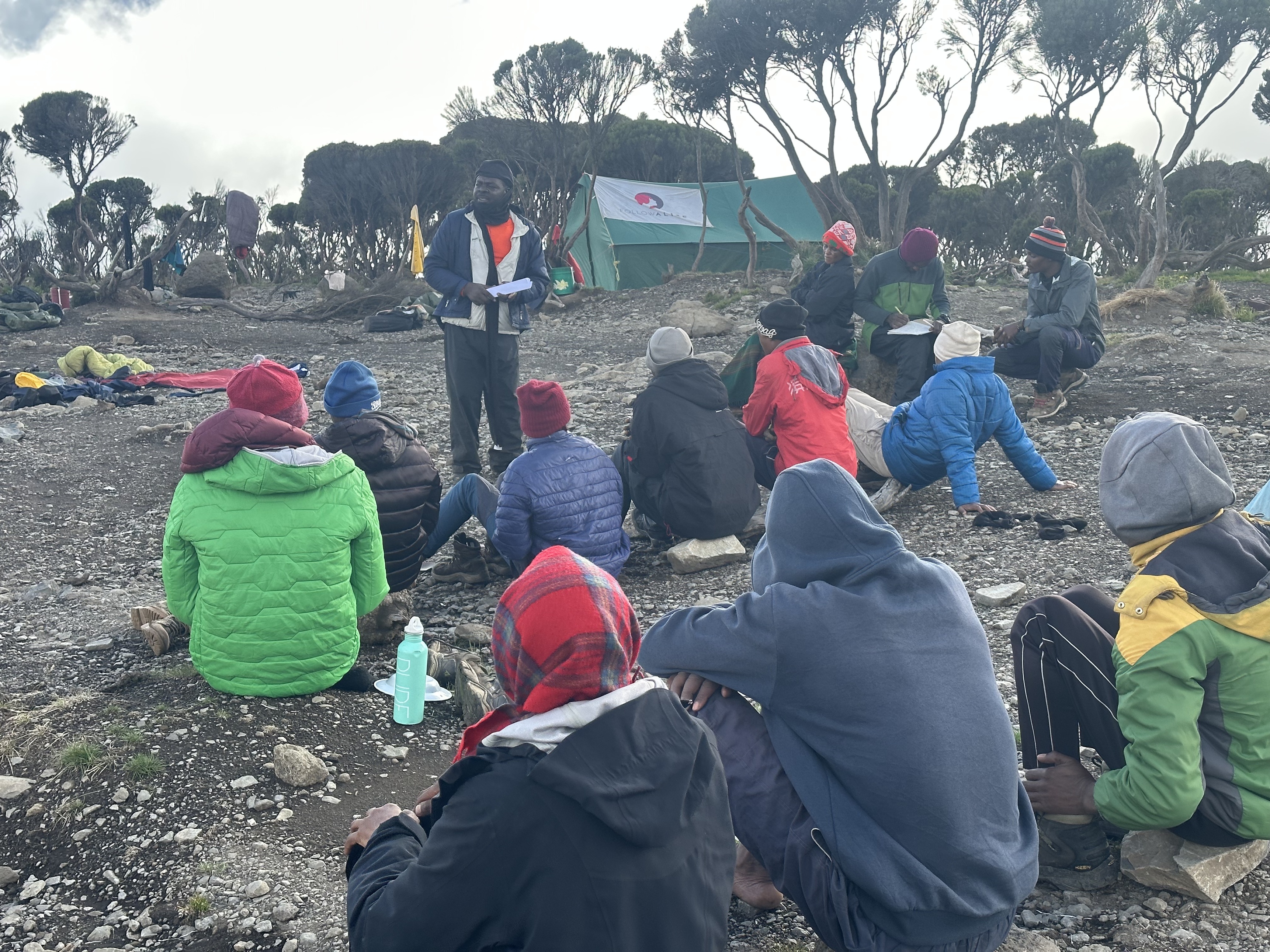
Follow Alice Crew setting up for base camp.
{{leadmagnet-three}}
A small but interesting part of the Kilimanjaro climb
Kosovo Camp may not be the most famous location on Kilimanjaro, but it plays an interesting role in how some expeditions approach summit day. For climbers interested in quieter camps and a slightly different summit strategy, it can offer a useful alternative to the standard itinerary.
For others, Barafu Camp remains the familiar and practical choice. Either way, understanding camps like Kosovo adds another layer to the story of climbing Mount Kilimanjaro, a mountain where even small logistical decisions can shape the experience of reaching Africa’s highest point. If you have any other questions, feel free to contact our team. We will be happy to answer any questions you might have.