


Climbing Kilimanjaro will definitely be an unforgettable adventure, but some aspects of the journey are less glamorous than others, and toilets are usually top of that list. If you’re preparing for the trek, you’ve probably searched “toilets on Kilimanjaro” or wondered “Are there toilets on Kilimanjaro?” The short answer is yes, but they’re very different from what you might be used to at home. With that said, understanding what to expect and how to manage hygiene on the mountain makes your climb far more comfortable and much less stressful.
For many trekkers, knowing about the toilet facilities on Kilimanjaro is a genuine concern and sometimes causes anxiety. After all, you will be spending several days at altitude in a remote national park, far away from flushing loos and running water. The good news is that the system in place does work, it’s well-maintained, and with a few simple hygiene habits, you can stay clean, healthy, and confident throughout your climb
Follow Alice will walk you through what the toilets are like on Kilimanjaro, how to use them comfortably, how we as a team handle toilet facilities, and five important hygiene tricks that make a big difference on the mountain.
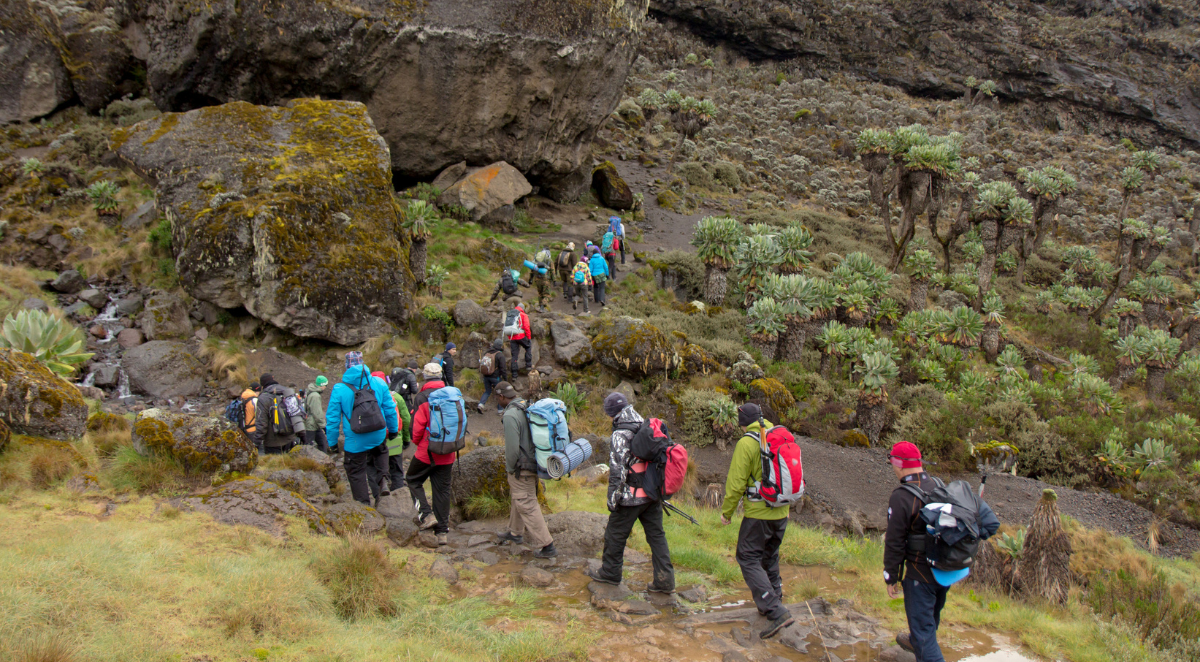
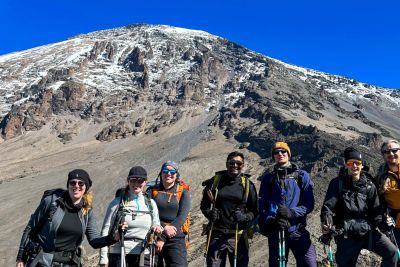
Trekkers preparing to take on Mount Kilimanjaro.
{{leadmagnet-one}}
Are there toilets on Kilimanjaro?
Yes, every official campsite on Mount Kilimanjaro has some form of toilet. They’re basic long-drop structures, usually squat-style, housed inside wooden huts. They don’t have flushing systems, running water, or modern fittings, but they are functional and consistently available at each stop along the route.
Public toilets can become crowded and not very clean during busy trekking seasons. Many trekkers appreciate climbing with an operator that provides upgraded facilities.

A public toilet in the forested section of Mount Kilimanjaro.
Learn more: Discover the majestic combo: Kilimanjaro and safari
What are the toilets like on Kilimanjaro?
The public toilets on Kilimanjaro are simple long drops, basically deep holes in the ground with a squat platform above. Some can be surprisingly clean, while others are not that well-kept. The condition of the toilets can shift depending on the weather, foot traffic, and altitude, so it’s best to keep expectations realistic. These are simple, functional facilities built for practicality, not comfort. Despite their simplicity, they work well enough, and climbers quickly adapt. Still, having access to something cleaner and more private can make a world of difference, especially at night or if you’re dealing with a sensitive stomach.
At Follow Alice, we provide one private toilet for every six trekkers, and two for groups of seven or more. This gives our clients access to a cleaner, more comfortable setup throughout the trek, rather than needing to use the shared long-drop toilets commonly found at camp. While some other operators offer private toilets only as an optional extra, we include them as standard.

Follow Alice campsite with sleeping tents and a toilet tent on Kilimanjaro with Uhuru Peak in the background.
Learn more: Meet Follow Alice's awesome Kilimanjaro mountain crew
Follow Alice’s toilet tents
If you climb Kilimanjaro with Follow Alice, you don’t have to rely solely on the public toilets. We provide a portable chemical toilet inside a small privacy tent at every campsite. This setup offers a cleaner, more hygienic, and far more comfortable alternative to the public long-drop huts.
More specifically, we provide one portable toilet for every eight climbers. So if a group has 10 trekkers, for instance, we carry and set up two separate toilet tents, each with its own portable loo. This helps reduce wait times and ensures that trekkers always have easy access to a clean facility.
We also assign a dedicated porter to service the toilet regularly throughout the climb. This keeps it in good, clean-smelling condition, a real luxury in the middle of a remote mountain environment. For those who want even more privacy, it’s possible to arrange a private toilet tent for yourself or for you and your partner. This requires hiring an extra porter to carry and clean it, so it comes at a higher cost. Still, some trekkers find the added comfort worthwhile.
These upgraded toilet facilities are a small but meaningful part of the Follow Alice experience, helping you stay healthy, comfortable, and at ease throughout the expedition.

Follow Alice's portable toilet.
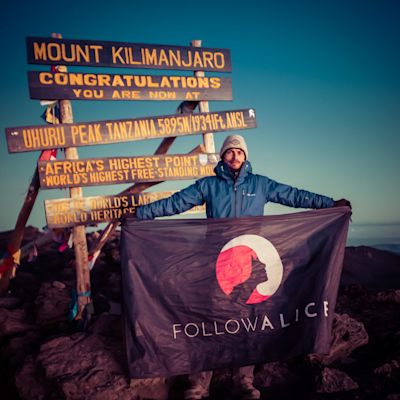
Why hygiene matters so much on the mountain
Right, let’s now talk about needing to go to the toilet when you’re not at camp. Altitude affects digestion, hydration, and appetite. Many trekkers experience some stomach sensitivity at higher elevations, and with limited washing facilities, it’s easy for germs to spread. Most stomach issues on the mountain are caused not by the food, which is carefully prepared, but by touching shared surfaces and then eating without proper hand hygiene. Good toilet habits and simple hygiene tricks are important for staying healthy, comfortable, and focused on the climb.
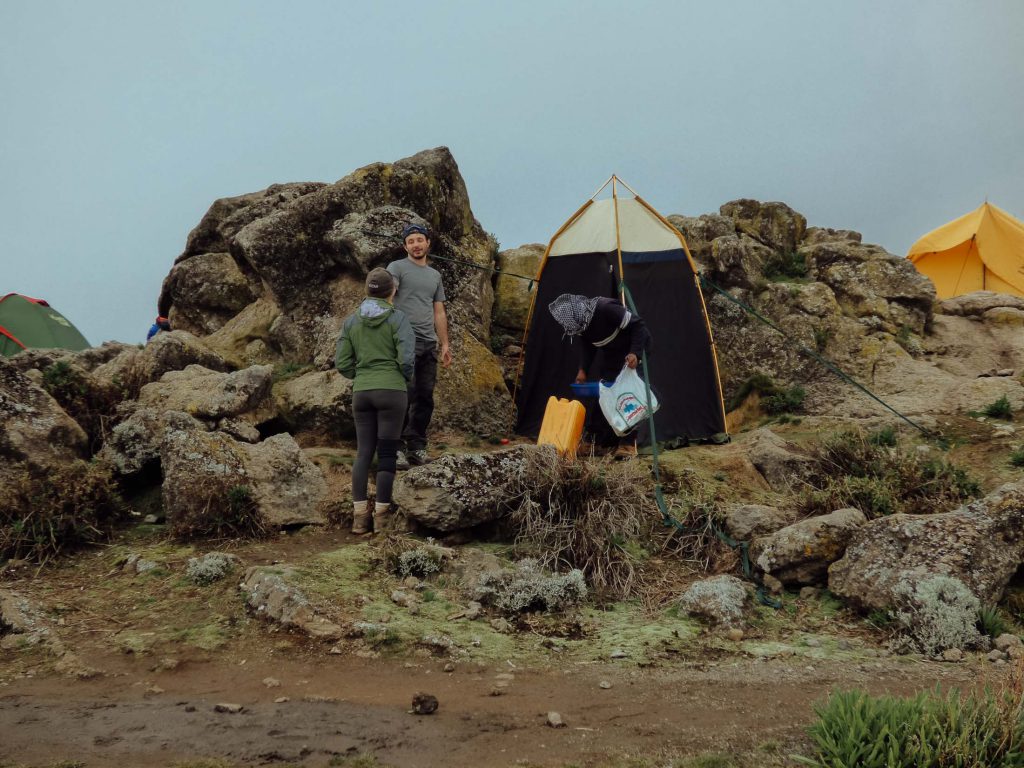
Many tour operators provide private toilets in little tents like the one seen in the photo.
Learn more: Hygiene advice for women climbing Mount Kilimanjaro
5 important hygiene tricks for using toilets on Kilimanjaro
Let’s be honest, Kilimanjaro toilets aren’t like home. A little preparation goes a long way, though. Here are five hygiene tricks that will make your trek a lot more comfortable. Let's have a look:
1. Carry your own toilet paper and keep it dry
Public toilets rarely provide toilet paper. Always carry your own and store it in a waterproof bag. Split your supply across your daypack and duffel so you’re never caught without some, even if one stash gets damp.
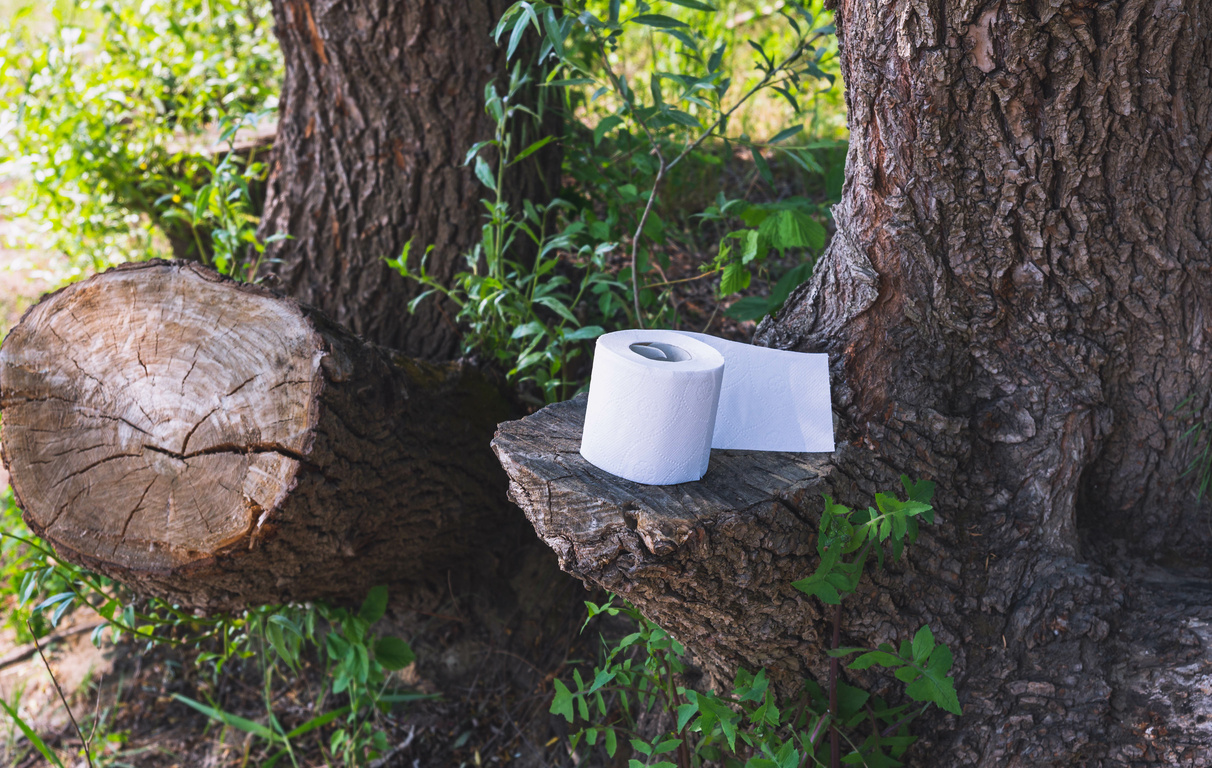
Bring your own toilet paper on the trek.
2. Prioritise hand hygiene
Hand-washing stations are limited, and the water is ice-cold. Always keep hand sanitiser accessible in an outer pocket and use it after the toilet, before meals, and whenever you touch shared surfaces. This simple habit prevents the majority of mountain stomach issues.
3. Use a pee bottle at night if it helps
Night-time toilet trips are a fact of life on Kilimanjaro. The cold, the darkness, and the slope of the campsite can make the short walk to the toilet feel much longer. Many climbers, both men and women, use a pee bottle or a Shewee-type device to make nights easier. It saves time, preserves warmth, and keeps you from stumbling across camp in the dark. Just be sure to label the bottle clearly and empty it in the morning.
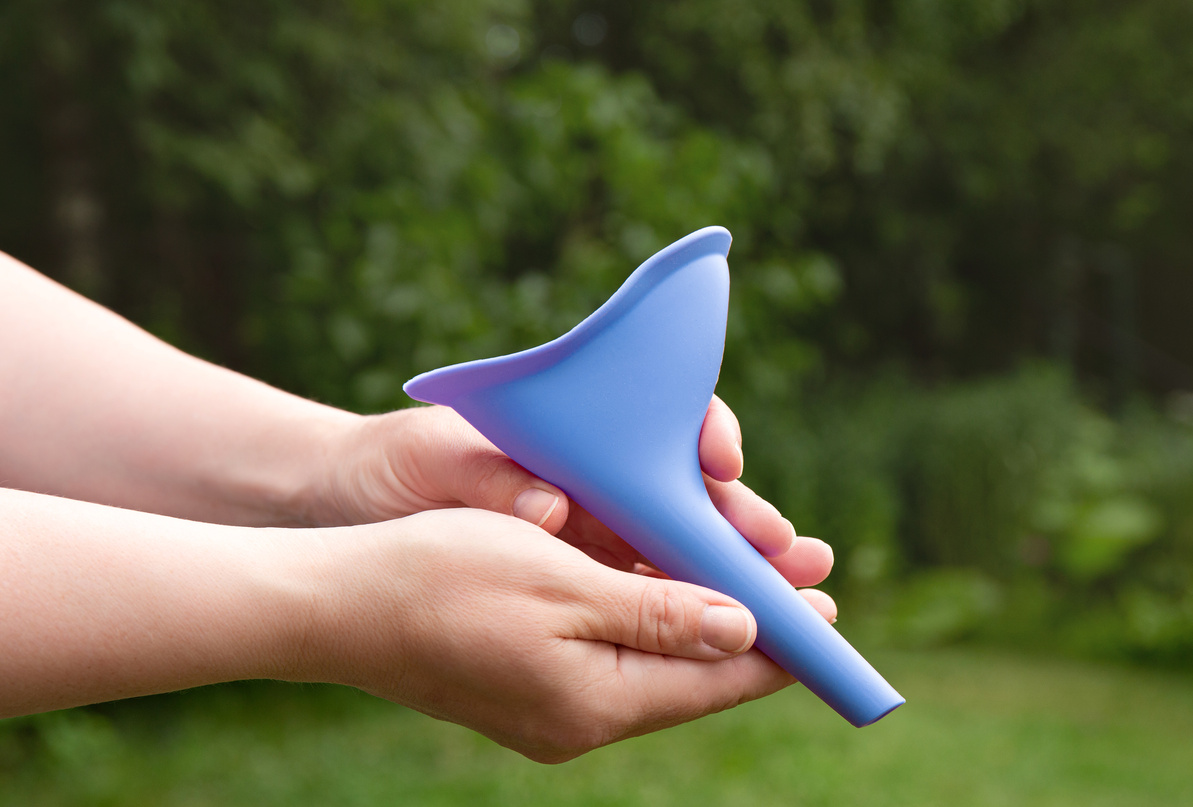
This is what a Shewee device looks like.
4. Master the discreet off-path bathroom break
Even with good planning, nature sometimes calls mid-hike. If this happens, step well off the trail and behind cover. Follow the principle of “leave no trace” by packing out any toilet paper in a sealable bag. The mountain crew prefer trekkers to use campsite toilets whenever possible, but they also understand that emergencies happen.
5. Create your own compact hygiene kit
A simple kit makes a huge difference, like wet wipes (biodegradable if possible), hand sanitiser, tissues, nappy bags or dog-waste bags for packing out used paper, and a small bar of soap for quick washes at camp. Throw in lip balm and moisturiser too, the air gets extremely dry at altitude.
{{leadmagnet-two}}
Kilimanjaro toilet facilities
So, what are the toilets like on Kilimanjaro? Basic but functional. Are there toilets on Kilimanjaro? Yes, and with Follow Alice’s private toilet tents, you’ll have access to cleaner, more comfortable facilities throughout your climb.
Most trekkers discover that the idea of mountain toilets is far worse than the reality. Within a day or two, you settle into how things are run on the expedition life: early starts, long hikes, big meals, and simple facilities. With a bit of preparation and the right hygiene habits, using the toilet becomes just another part of the adventure. Remember, we provide one private toilet for every six trekkers, and two for groups of seven or more.
Climbing Kilimanjaro is about resilience, mindset, and embracing life on the trail. With thoughtful planning and Follow Alice’s support, including upgraded toilet facilities, you can stay healthy, comfortable, and ready to enjoy the journey all the way to Uhuru Peak.
If you have questions about toilets on Kilimanjaro or any other part of the trek, the Follow Alice team is always here to answer any questions.