


The Ghorepani Poon Hill Trek is one of the most rewarding short treks in Nepal’s Annapurna Region. After guiding travellers across the Himalayas for many years, this is the trek I most often recommend when someone wants to capture the magic of Nepal in just a few days. It’s also a route that’s extremely budget-friendly.
In less than a week, you pass through terraced farmland, rhododendron forests, and traditional villages, experiencing the landscapes, culture, and mountain views that make Nepal a world-class trekking destination. The highlight ofcourse is the famous sunrise viewpoint at Poon Hill, where you will be able to experience a sweeping panorama unfolding across the Annapurna and Dhaulagiri ranges.
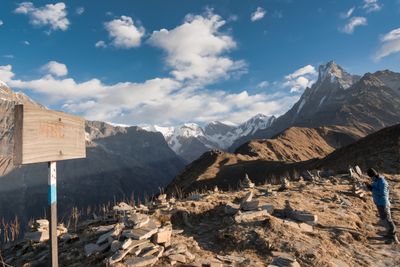
On clear mornings, peaks such as Annapurna South, Machapuchare (also known as the fish tail), and Dhaulagiri glow pink and gold as the sun rises over the Himalayas. I’ve done this trek many times, and I still enjoy watching trekkers experience that moment for the first time.
When the sun touches the Annapurna peaks, people often fall completely silent. It’s one of the most beautiful sunrises in the Himalayas.
As a trip manager for Follow Alice here in Nepal, these hills are my playground. I wanted to share what it’s really like on the trail and give you a first-hand look from someone who has walked these paths many times and knows the villages, forest trails, and sunrises of the Annapurna foothills. So if you’re planning this trek, preparation makes all the difference. If there’s anything you feel I haven’t covered, you’re welcome to book a call with me to ask anything directly.
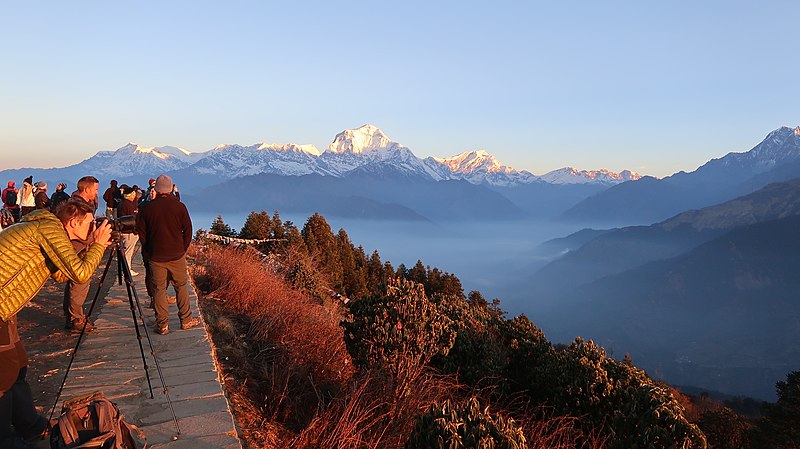
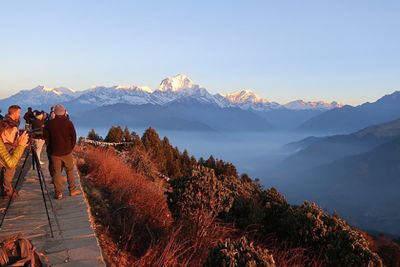
Trekkers enjoying the beautiful Poon Hill sunrise.
{{leadmagnet-one}}
Ghorepani Poon Hill trek near Pokhara
Nepal is famous for its more challenging and long-distance routes, like the Everest Base Camp trek and the Annapurna Circuit. I have done these as well, and while these treks are incredible, they definitely require more time, and you will be exposed to a much higher altitude. This is why I often recommend the Ghorepani Poon Hill trek as it’s a shorter but it still delivers breathtaking Himalayan views and will give you a rich taste of the Nepali culture.
The route for us here at Follow Alice usually starts near Nayapul, and you will gradually climb through the Annapurna foothills to the village of Ghorepani. From there, you will wake up early to hike to Poon Hill for sunrise over the Annapurna and Dhaulagiri ranges.
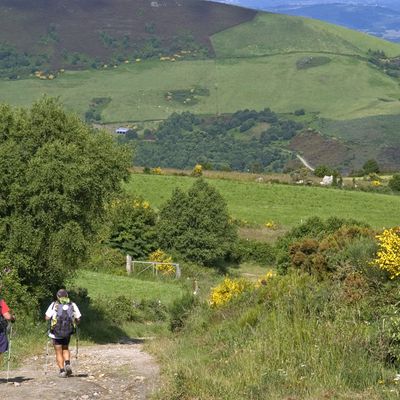
For me, what makes this trek special is the variety of the landscape. You walk through dense rhododendron and oak forests, past terraced hillsides farmed for generations, and through traditional Gurung and Magar villages. The trail follows the Modi Khola River, passing villages like Birethanti, Hille, and Tikhedhunga, where you will stay overnight in teahouses.
One of the tougher days takes you up the famous stone steps of Ulleri, but the climb is worth it, with regular views of Annapurna South and Hiunchuli along the way. After watching the sunrise at Poon Hill and having breakfast in Ghorepani, the trail continues through forested paths toward Tadapani. You’ll pass waterfalls, spot local birdlife, and enjoy stunning views of Machapuchare (Fishtail) and Annapurna South. With its moderate altitude, this trek is perfect for first-time Himalayan hikers.
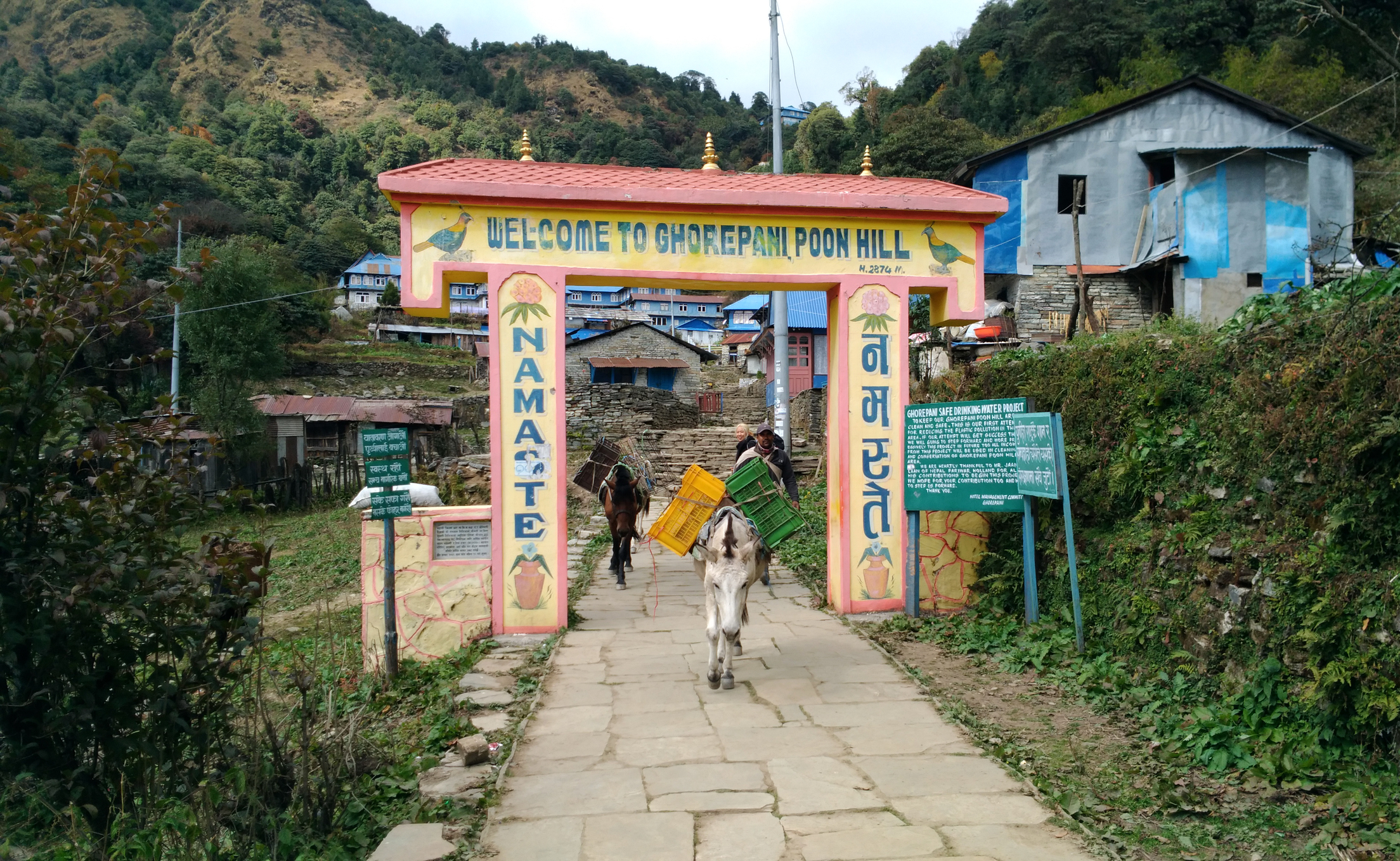
The entrance to Ghorepani village in Nepal.
{{leadmagnet-two}}
Best time to trek Ghorepani Poon Hill
As someone who’s guided countless trekkers across the Himalayas, I can tell you that one of the biggest factors that will affect your experience is when you choose to trek. Each season has its own character, and knowing what to expect makes a huge difference.
- Autumn (October–November) For me, autumn is by far the best time to trek. After the monsoon rains, the skies clear, visibility improves dramatically, and the mountain views are at their sharpest, which is perfect for photography and sunrise at Poon Hill. Temperatures are comfortable too, with warm days and crisp nights. I often tell trekkers that autumn usually offers the clearest views of the Annapurna and Dhaulagiri ranges. It’s the season to aim for perfect sunrises.
Spring (March–April) Spring is another favourite of mine. The rhododendron forests along the trail burst into red, pink, and white as Nepal’s national flower blooms. Walking through these flowering hillsides with the mountains rising above is a truly magical experience. I always say that Spring trekking is special because the forests are alive with colour, and every turn feels like a painting.
Winter (December–February) Winter trekking is quieter, and the skies can be incredibly clear. The trade-off is the cold mornings, especially in higher villages like Ghorepani. I recommend early-start layers and a warm jacket for sunrise hikes.
Monsoon (June–August) The monsoon season is lush and green, but it comes with heavy rain, cloud cover, and muddy trails. Leeches can be found in forested areas, and mountain views are unpredictable. For most travellers, I usually suggest avoiding this season unless you’re after a very quiet, off-season experience.
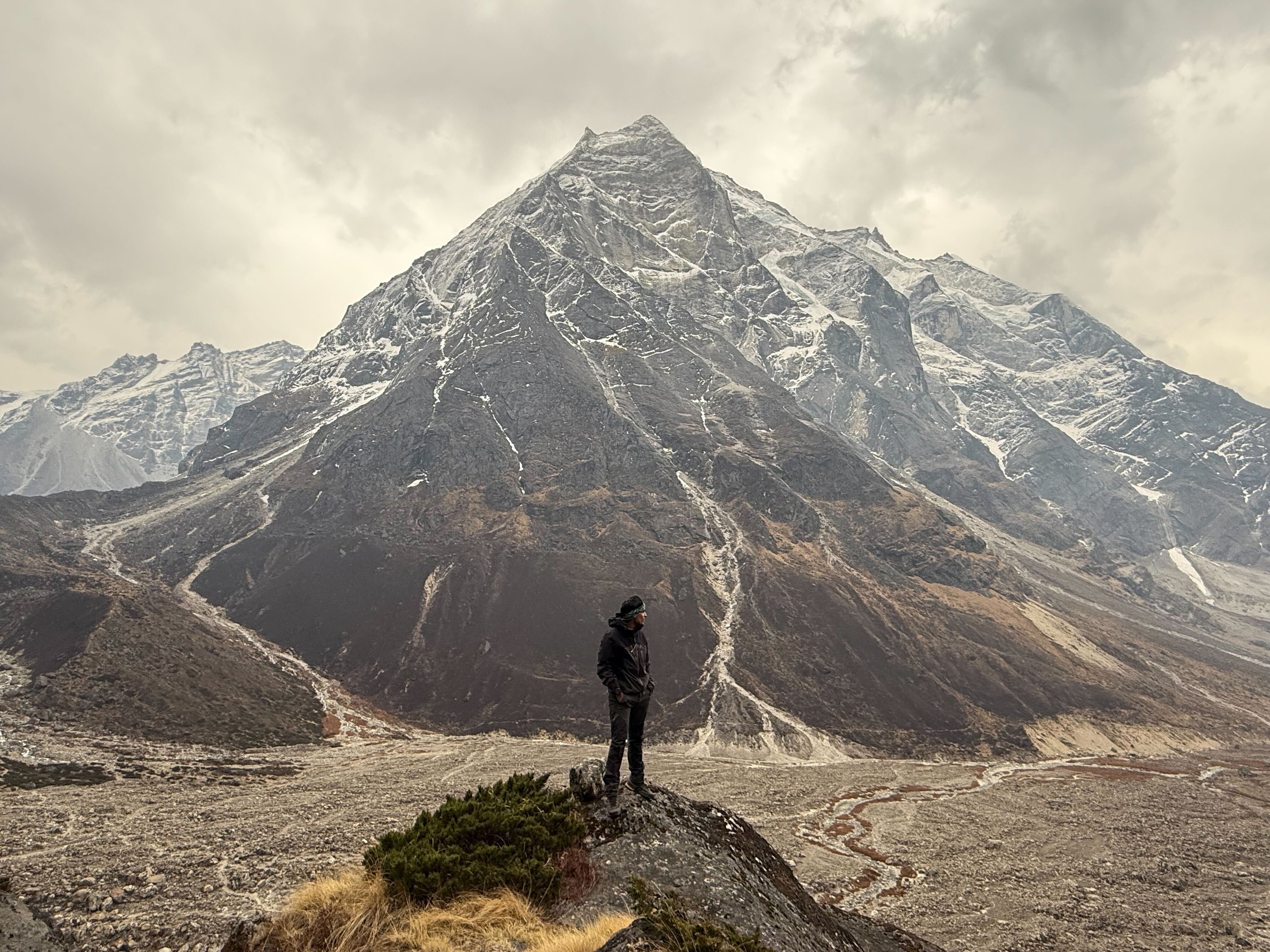
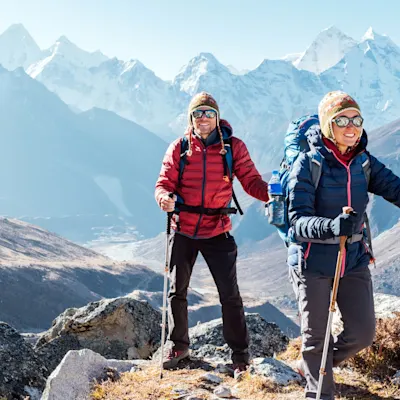
Embracing the beautiful landscapes in Nepal.
Learn more: Trek guides are now compulsory in Nepal
How fit do you need to be for the Poon Hill trek?
From my experience guiding trekkers, the Ghorepani Poon Hill trek is moderate in difficulty, but many people are surprised by just how much climbing is involved. The trail has long sections of stone steps, especially the climb from Tikhedhunga to Ulleri; it basically has thousands of steps that can feel tough if your legs aren’t ready.
In my opinion, you don’t need technical skills or extreme fitness. I often tell trekkers, if you can comfortably walk four to six hours a day and handle steady uphill sections, you’re ready for this trek. With that said, it’s still important to train your body before the trek, so I usually recommend a simple plan of working out at least two or three weeks leading up to your trip.
For me, the best way to get ready is pretty straightforward. I normally suggest climbing stairs to build endurance, add in hill walks or treadmill sessions on an incline to mimic the trail, and get plenty of regular walks or short hikes so your legs get used to walking for a long time. Do this at least two or three weeks before your trip.
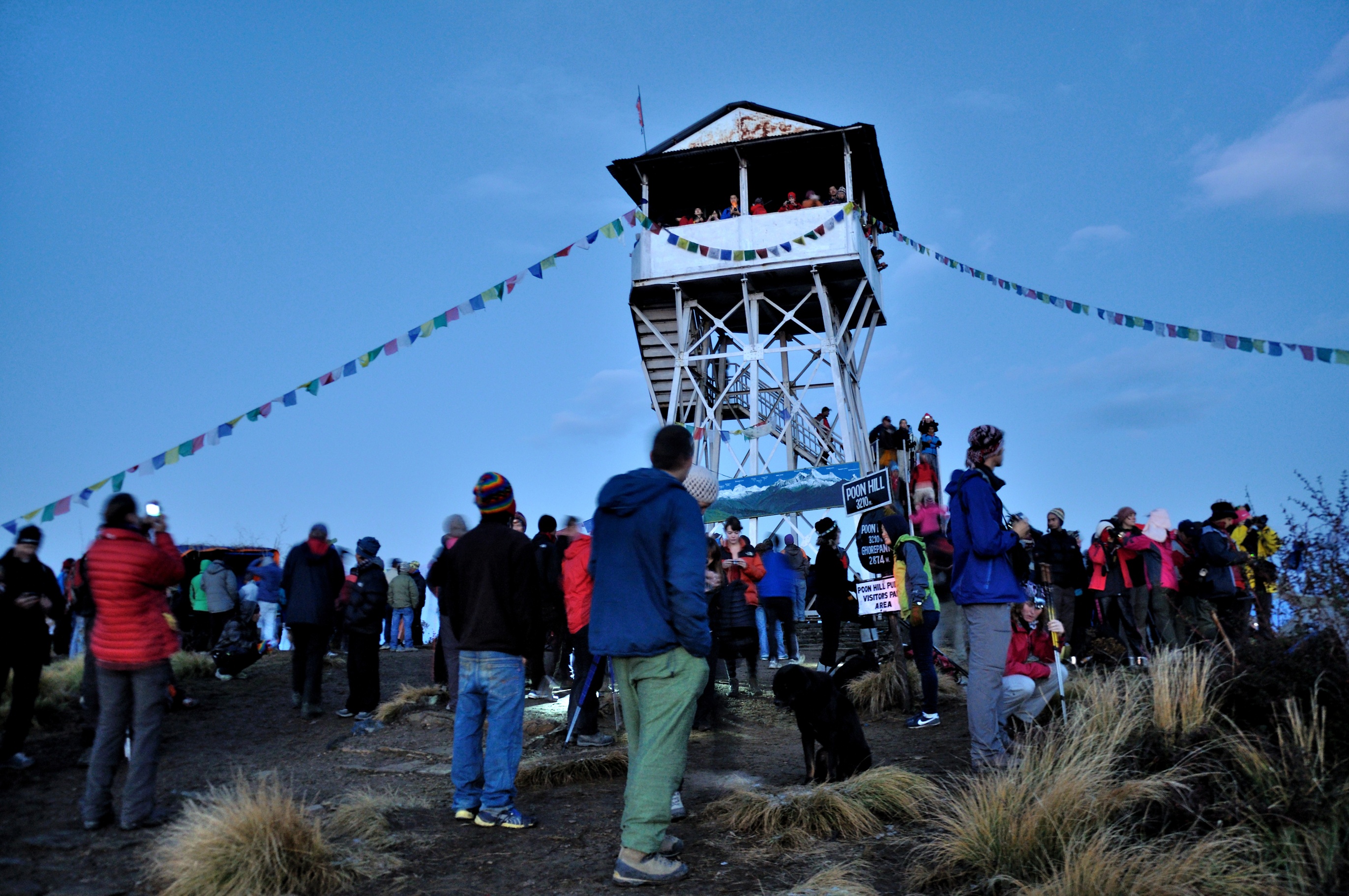
Trekkers standing on the steep incline on Poon Hill.
Learn more: Guided expeditions in Nepal: A gateway to high-altitude adventures
My route and pacing tips for the Ghorepani Poon Hill trek
One of the most important things I tell people is to watch their pace. It’s easy to start full of energy and rush the trail on the first day, but that’s usually a mistake. For me, the biggest mistake trekkers make is going too fast on day one. A steady pace helps prevent fatigue and gives your body time to adjust to the trail. Over the years, I’ve developed three simple rules for pacing:
- Start early in the morning – the air is cooler, and the mountain views are at their best.
- Keep the first day relaxed – even if the trail feels easy, taking it slow pays off later in the trek.
- Take short, regular breaks – stopping briefly every hour keeps your energy up without breaking your rhythm.
If someone starts to struggle, I’ll usually slow the pace rather than push harder. The best solution is slower walking, short breaks, and plenty of water.

Always prepared for a good hike.
Learn more: Nepal’s Boutique Luxury Adventures: A Deep Dive
The sunrise hike to Poon Hill
For me, the highlight of the Ghorepani Poon Hill trek is the sunrise hike. Trekkers usually wake before dawn in Ghorepani and hike uphill for about 45 minutes to reach the viewpoint. It's early and dark, so preparation is very important. You will need to bring a headlamp, wear warm layers, and leave early to secure a good spot. You see, Poon Hill is one of the most popular viewpoints in the Annapurna region, so the earlier the better. Another tip is bring gloves, a warm hat, and keep your water bottle inside your jacket to stay warm, which are small tricks that will also make your experience much more comfortable. Watching the mountains slowly light up one by one is a moment I never get tired of sharing.
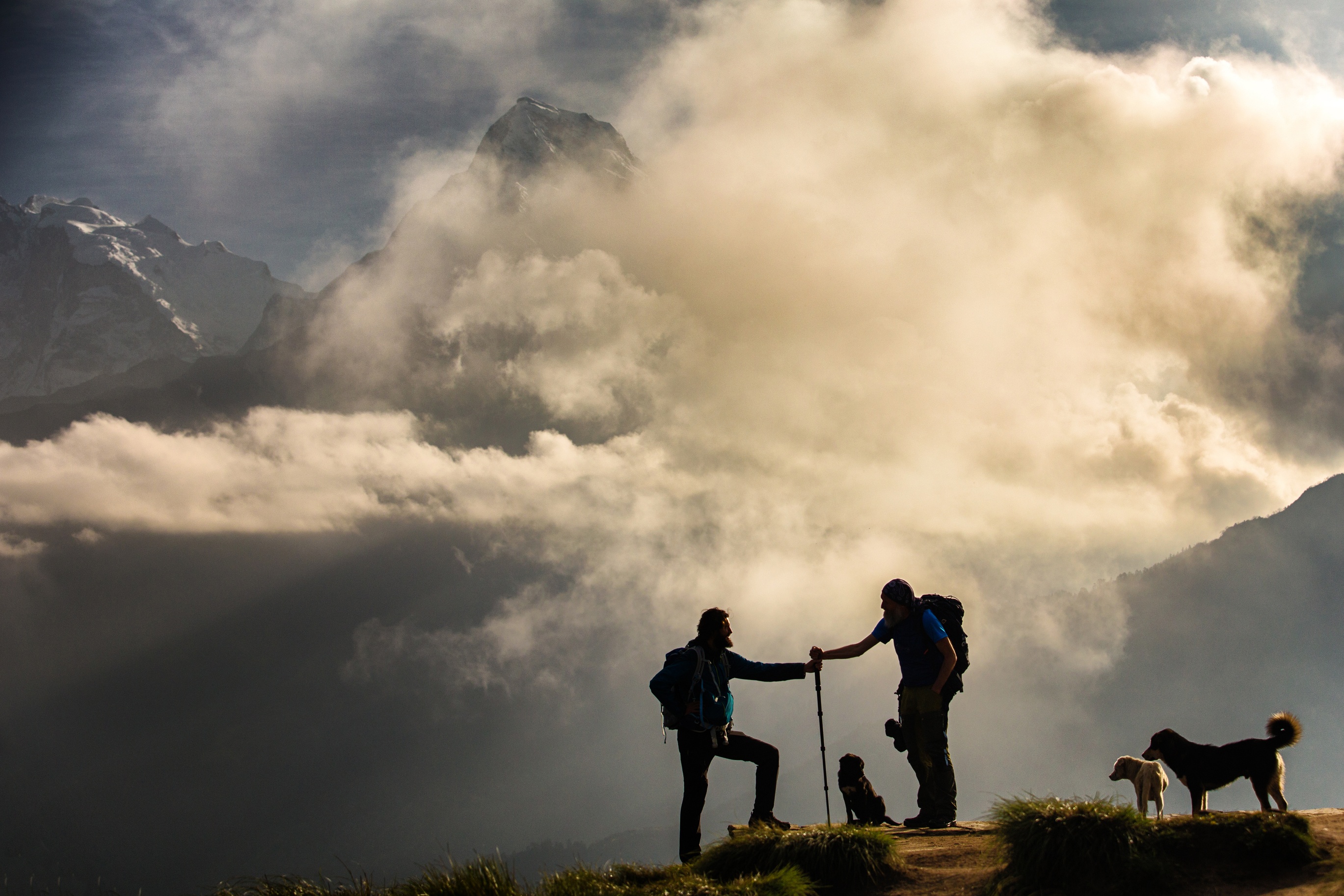
The views are captivating on Poon Hill.
{{leadmagnet-three}}
What to pack for the Ghorepani Poon Hill trek
One of the advantages of this trek is that you don’t need heavy expedition gear. You should focus on a few essentials. A waterproof rain jacket is important even outside the monsoon season, as the weather in the Himalayas can change fast. A warm mid-layer, like a fleece or insulated jacket, is perfect for mornings and evenings. Do not forget your gloves and a beanie to help keep you warm during the sunrise hike. If you want to go a step further, trekking poles will definitely help reduce strain on your knees and make the stone steps easier. I can guarantee you will realise how helpful they are by the second day, and especially on your way down. A headlamp is important for the early-morning hike to Poon Hill. Bring some cash, because ATMs don’t work well in the villages and phone networks can be unreliable. Cash comes in handy for snacks, tea, or small souvenirs along the trail.
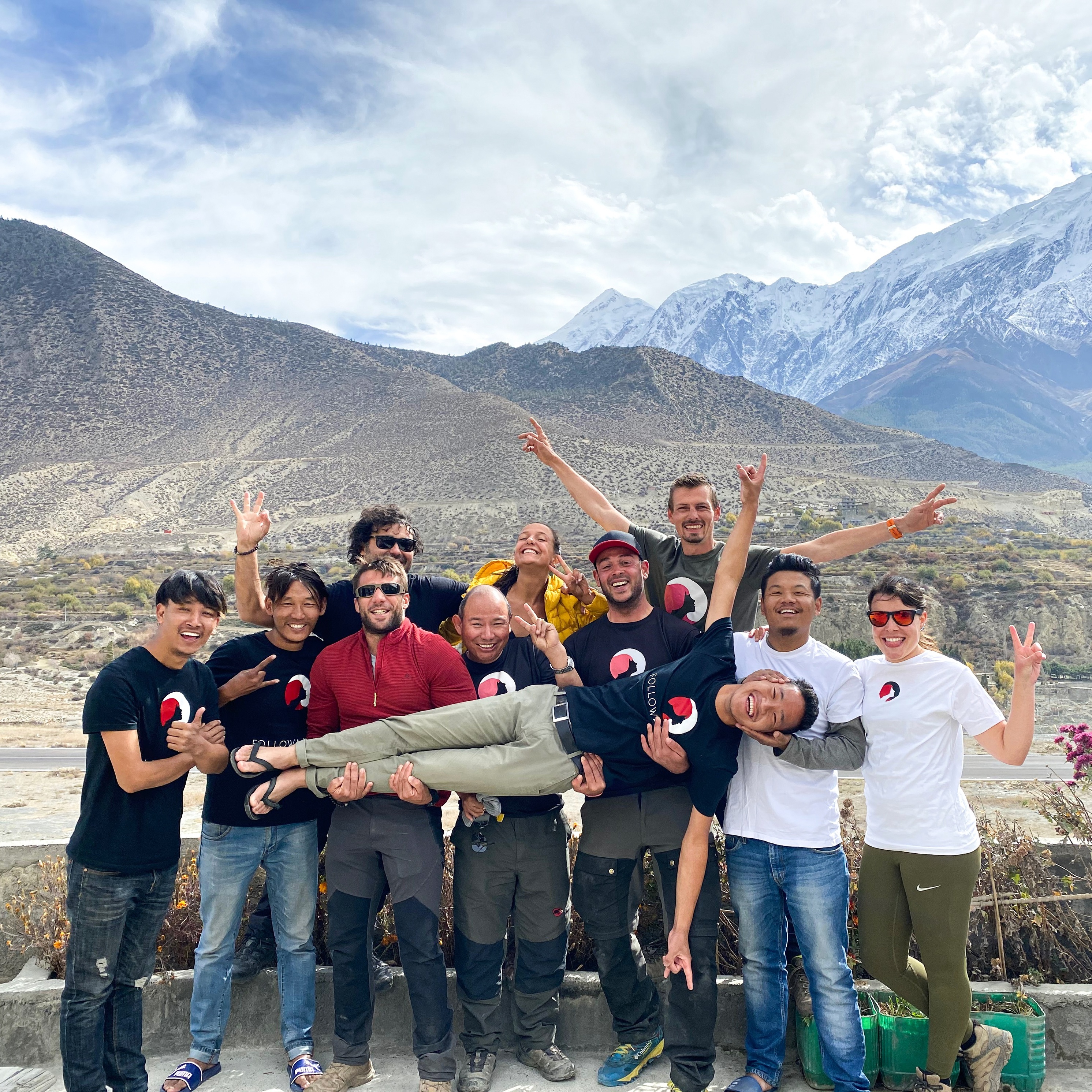
The Nepal team posing for a photo.
Learn more: Annapurna Circuit vs Manaslu Circuit: Which Trek Should You Choose?
Food and hydration on the Ghorepani Poon Hill trek
Along the trek, teahouses serve simple but filling meals. Dal bhat, Nepal’s traditional rice and lentil meal, is the safest and most consistent meal on the trail, and it is great fuel for walking. You should also eat an early dinner if you want an easier morning start. Hydration is even more important than many trekkers expect. From my experience, headaches or fatigue often come from dehydration, not altitude. Always sip water regularly throughout the day rather than trying to drink a lot at once.
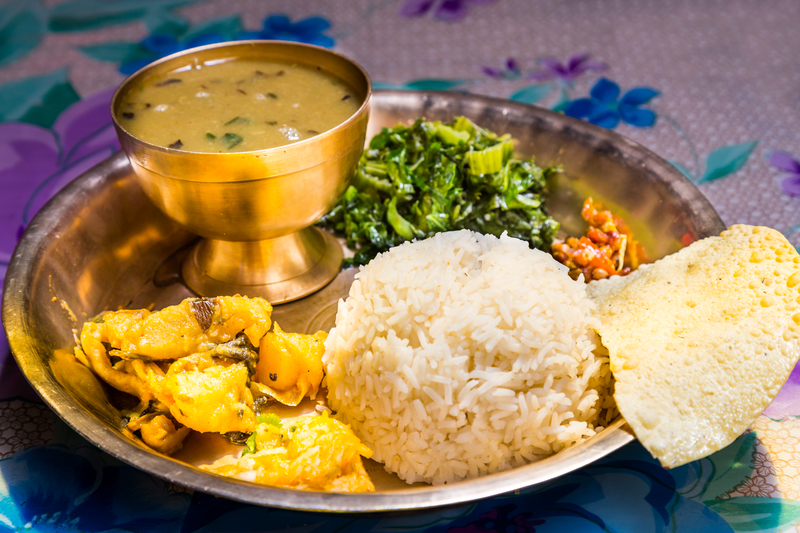
Nepali dal bhat with poppadam served in a metal plate. Learn more: 9 tasty, traditional dishes to try when travelling in Nepal
Altitude and health considerations
At around 3,210 metres (10,531 feet), Poon Hill isn’t extreme, but some trekkers notice mild effects like headaches, fatigue, or dehydration. The best approach is simple, like walking slowly, drinking water regularly, and eating properly. The trek is short, and the altitude is moderate, so it's safe to say that serious altitude sickness is extremely rare. However, it’s always best to speak with your doctor first to make sure this kind of trekking adventure is safe for you.
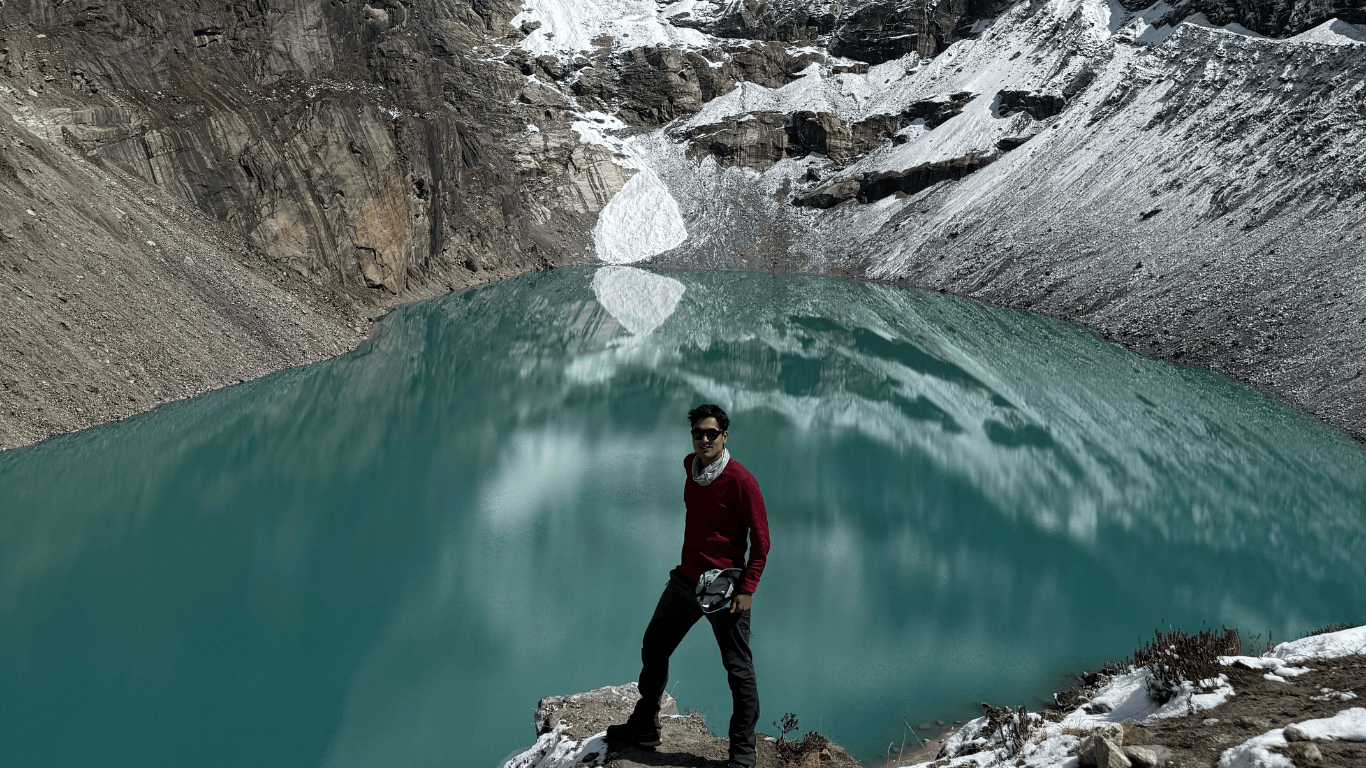
Taking a selfie against a beautiful backdrop in Nepal.
Learn more: What is altitude sickness? And can I prevent it?
Weather and trail conditions
I'm bringing this point up again cause weather up in the mountains can have a mind of its own, and it can change quickly. Mornings are usually clear, but clouds can build up in the afternoon. The trail mostly consists of stone staircases, forest paths, and village tracks. After rain, some areas can get slippery, and winter mornings may bring icy patches. I always emphasise good trekking shoes with a strong grip that have been broekn into can make a big difference.

Misty morning in the Himalayas.
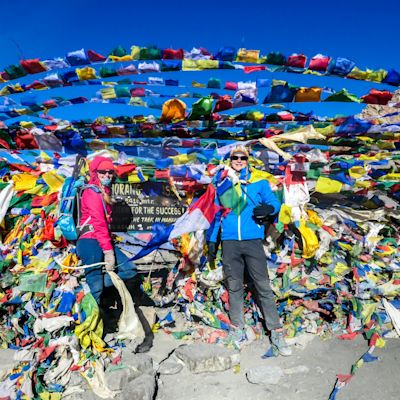
Teahouses and what to expect
As expected, accommodation on this trek is in traditional Himalayan teahouses. Rooms are simple but comfortable, usually with twin beds with blankets and shared bathrooms. It’s cosy and social, and you should always bring a warm sleep layer, budget for electricity or hot showers, and keep valuables in a small daypack. Teahouses are part of the trekking culture its a place to share meals, stories, and laughs with guides and fellow trekkers. It's absolutely an amazing atmosphere and really adds to the experience.
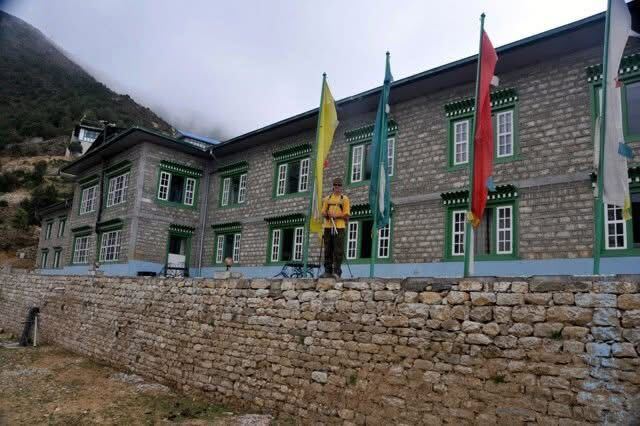
Some of the teahouses you can see along the trails in Nepal.
Cultural etiquette on the Ghorepani Poon Hill trek
The trek passes through villages where locals live, farm, and carry on their daily routines. Along the way, you’ll see children playing, farmers tending their terraced fields, and villagers going about life much as they have for generations. Simple gestures of respect go a long way, like greeting people with a friendly “Namaste”. It's also very important to dress modestly and always follow your guide’s instructions when visiting temples or monasteries.
You have to remember that the communities along the trail are incredibly welcoming. A friendly smile, a bit of patience, and courteous behaviour go a long way. Take the time to stop and chat with a shopkeeper, watch a local farmer at work, or linger if a festival or ceremony is taking place. These moments are small, but they give the trek depth and colour that the mountains alone cannot provide. I always encourage trekkers to approach each village with curiosity and respect. Observe the way people live, notice the terraced fields, the traditional stone houses, and the routines of daily life that have continued for generations.
Ghorepani Poon Hill budget trekking doesn’t mean cutting corners
You might have seen that Ghorepani Poon Hill trek is on our budget itineraries. Many travellers hear the term “budget trekking” and assume it means cutting corners or sacrificing quality. In my experience, nothing could be further from the truth. Budget trekking for us is about keeping things simple, smart, and efficient so you can fully enjoy the mountains without unnecessary stress.
When you trek with Follow Alice, all the details are already taken care of. From planning the route and booking teahouses to arranging experienced local guides, everything is organised in advance. You don’t have to worry about carrying extra cash, negotiating meals, or finding your way along the trail. Your energy can be spent on the walk itself, the views, and the people you meet along the way.
For me, the biggest reward as a trip manager is seeing trekkers relax and immerse themselves in the Himalayas. They can pause to watch the morning mist rise over terraced fields, enjoy a conversation with a local villager, or simply take in the mountains in silence. These are the moments that are far more meaningful than checking items off a list. You can check out our YouTube channel to see me guiding treks in Nepal, or take a peek at some of my favourite adventures across the mountains:
If you’re thinking about the Ghorepani Poon Hill trek and have questions, reach out to me anytime. I’d be glad to help you plan.