



Luxury travel destinations are often defined by what they remove. Noise. Friction. Effort. Nepal doesn’t work like that. Even at its most refined, it asks you to stay present. To notice where you are, how you’re moving, and what the landscape is doing around you.
A Nepal trip has never been simple, and that’s part of its appeal. The terrain is demanding, the culture layered, and the rhythm of daily life shaped by altitude, weather, and ritual. What’s changed is not Nepal itself, but how thoughtfully travel through it can now be designed. Boutique luxury here doesn’t soften the country. It supports your ability to experience it fully.
This isn’t a destination where luxury shouts. It settles in quietly, often only becoming clear in hindsight.
What boutique luxury looks like on the ground in Nepal
In Nepal, boutique luxury is less a category than a way of moving. It shows up in pacing, in decision-making, and in the confidence to leave space in an itinerary.
Rather than compressing experiences, this approach stretches them out. Days are planned with margin. Routes are chosen for flow rather than reputation. A trek in Nepal becomes less about arrival points and more about the hours between them.
That kind of travel usually includes:
- Small groups or private departures that allow plans to shift naturally
- Lodges chosen for warmth, character, and location rather than scale
- Guides who read people as carefully as they read terrain
- Enough structure to feel supported, and enough looseness to feel human
Luxury here doesn’t separate you from Nepal. It gives you the conditions to engage with it properly, without fatigue or constant negotiation.
Why Nepal now sits comfortably among modern luxury travel destinations
Nepal has always drawn people willing to work for their experiences. What’s different now is the growing number of travellers who want depth without depletion.
Across the country, local expertise has matured. Guiding has become more professional. Lodges have found their footing. Infrastructure has improved just enough to support comfort without flattening character. The result is a Nepal trip that feels considered rather than improvised.
Unlike many luxury travel destinations, Nepal hasn’t been over-designed. Cultural life continues at its own pace. Religious practices are lived rather than performed. Even in popular regions, there are still long stretches where the country feels untouched by expectation.
It’s a shift that’s also visible in how Nepal is being written about more widely. Coverage like National Geographic’s reporting on Nepal and Lonely Planet’s longer Nepal guides often spends less time chasing headline moments and more time explaining how places actually work. That approach mirrors how many travellers are now choosing to experience Nepal for themselves.
Cultural immersion as a form of luxury
Culture in Nepal isn’t something you slot between activities. It shapes everything, from how mornings begin to how journeys unfold.
High-end cultural experiences here are rarely theatrical. They’re quiet, often subtle, and deeply tied to place. A walk through an old neighbourhood in the Kathmandu Valley can be more revealing than a checklist of temples. A conversation with a local guide might explain more than a museum label ever could.
These experiences tend to linger because they aren’t designed to impress. They’re designed to be understood. On a longer Nepal trip, they provide balance, grounding time spent in the mountains with context from the valleys below.
Staying well without losing connection
Comfort matters, but it never comes at the expense of place. The lodges that work best feel rooted in their environment rather than imported into it.
A few stand out for getting that balance right:
- Dwarika’s Hotel in Kathmandu, where heritage architecture and traditional craftsmanship shape the experience rather than being used as decoration
- Yeti Mountain Home lodges along key trekking routes, offering warmth, reliability, and rest without breaking the natural rhythm of a trek in Nepal
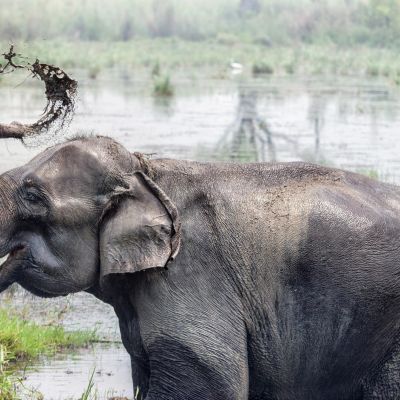
- Tiger Tops Tharu Lodge in the lowlands, where refinement is closely tied to landscape, wildlife, and local community life
What these places share is a sense of restraint. They exist to support the journey, not compete with it, which is why Nepal continues to stand out among luxury travel destinations that prioritise experience over display.
Regions that lend themselves to a more refined journey
Nepal’s geography allows travellers to experience remarkable contrast within a single itinerary. Boutique luxury journeys often take advantage of this by blending regions rather than committing to one narrative.
1. Everest, beyond the headline
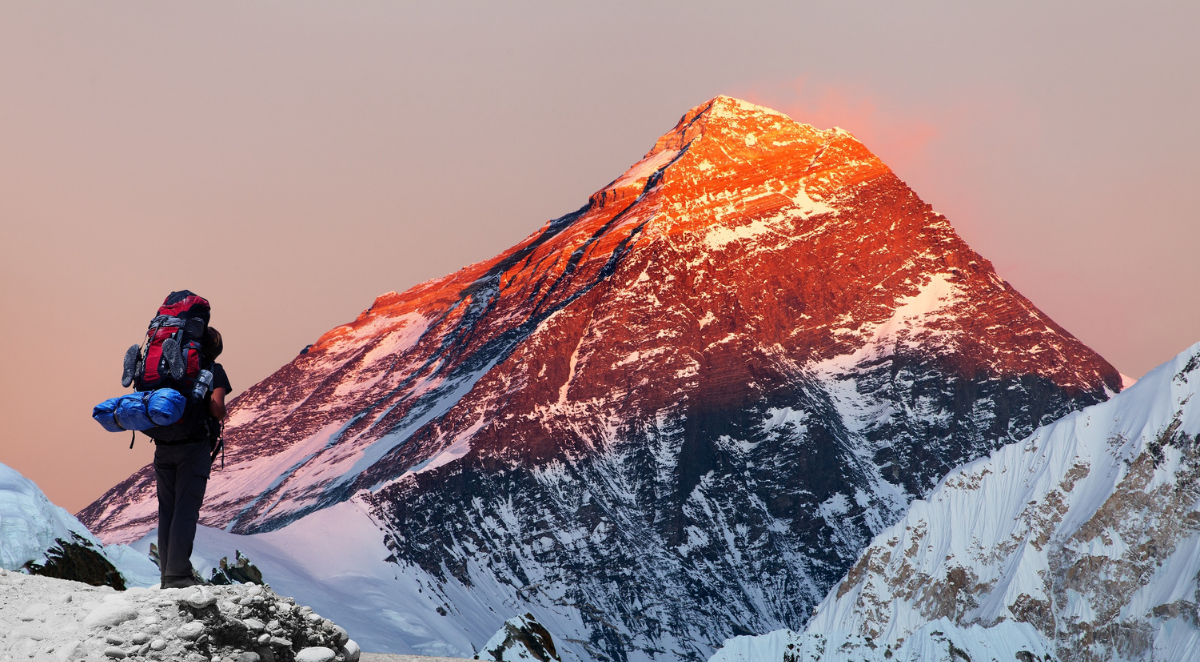
The Everest region is often reduced to a single idea. A summit. A base camp. A box to tick. Approached differently, it becomes something else entirely.
By choosing quieter side valleys, spacing acclimatisation days properly, and prioritising lodge quality over speed, the region regains its depth. Exploring alternative routes and less travelled terrain changes the tone of the experience and allows space for reflection rather than performance.
2. Annapurna and the middle hills
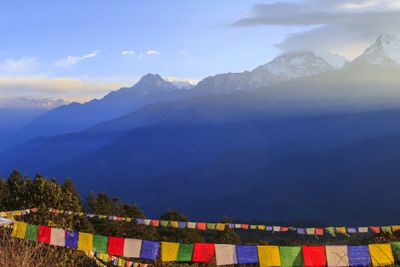
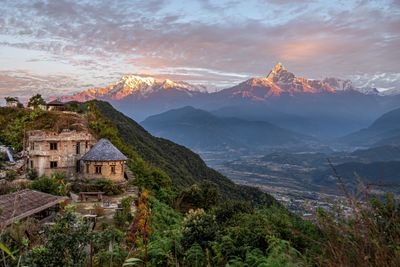
For many travellers, Annapurna suits a Nepal trip that doesn’t feel rushed from one highlight to the next. The terrain sits lower, the scenery changes gradually, and village paths make it easy to stay put for longer instead of constantly moving on.
For anyone considering a trek in Nepal with time for both walking and daily life, this part of the country often strikes a comfortable balance, particularly when paired with time in Pokhara and the Kathmandu Valley.
3. Lesser-known Himalayan landscapes
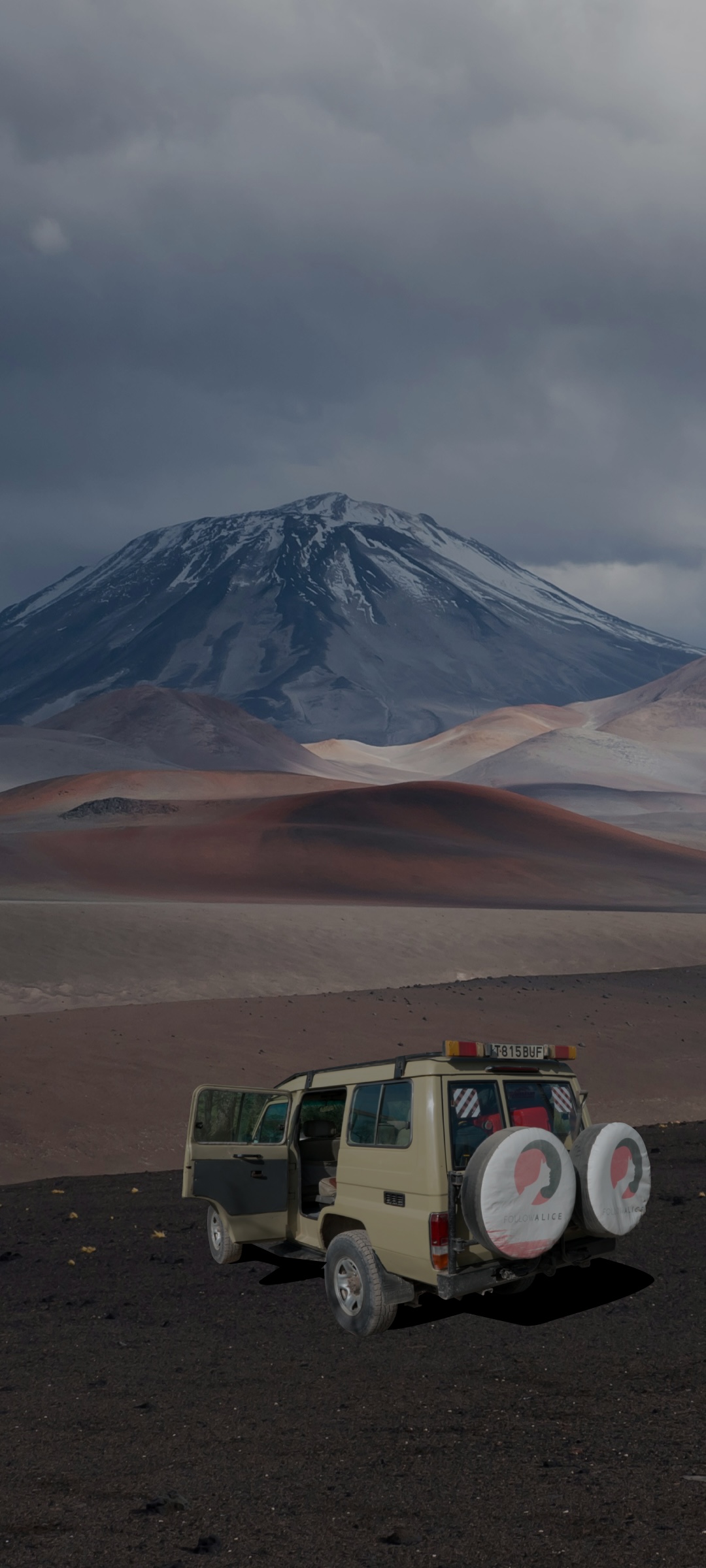
Not every trek in Nepal needs to follow a familiar route. Some travellers are more interested in places that sit quietly beyond the usual trekking conversation, where days unfold at their own pace and recognition matters far less than experience.
These lesser-visited regions often suit a slower Nepal trip, especially for those drawn to long horizons rather than landmarks.
Many of these journeys connect naturally with broader Himalayan goals, as outlined in this Himalayan bucket list overview, and tend to reward patience, curiosity, and a willingness to travel without comparison.
Timing a Nepal trip with intention
Seasonality plays a quiet but important role in how a Nepal trip feels. The best time to travel isn’t only about clear skies or rainfall. It’s also about atmosphere, trail conditions, and how crowded or calm a trek in Nepal is likely to be once you’re on the ground.
Spring and autumn offer clarity and stability, but boutique itineraries often make thoughtful use of shoulder seasons. Trails quieten. Light softens. Lodges feel less transitional. Understanding these patterns allows travellers to shape a Nepal trip that feels considered rather than crowded.
A deeper breakdown of these seasonal nuances is covered in our guide to the best time to visit Nepal.
Luxury trekking as a supported, thoughtful practice
A luxury trek in Nepal isn’t about making the mountains easier. It’s about removing the friction that pulls attention away from the experience itself. When distances are realistic and days are allowed to breathe, walking becomes something you settle into rather than push through.
On a well-planned Nepal trip, the days tend to fall into a workable pattern without much fuss. Walking distances are reasonable, breaks happen when they make sense, and support is there without drawing attention to itself. In that kind of setup, a trek in Nepal feels calm and manageable, rather than rushed or tightly controlled.
Preparation plays a steady role long before boots hit the trail. Knowing how permits for peak climbing in Nepal work helps avoid last-minute pressure, while packing thoughtfully using a dedicated peak climbing packing list keeps daily routines simple once you’re on the ground.
Some travellers also look beyond the usual objectives, finding that exploring lesser-known peaks near Everest brings a quieter sense of focus to the journey.
Above all, the quality of a trek is shaped by the people leading it. Experienced guides read weather, terrain, and group energy instinctively. They know when to adjust plans, when to hold a pace, and when to pause. Their cultural insight often adds as much depth as the landscape itself, which is why the thinking behind why good tour guides are so important sits at the core of any trek that’s meant to feel considered rather than forced.
Planning without over-engineering
The most rewarding luxury travel destinations usually feel settled rather than tightly managed. Nepal works best when a Nepal trip has direction, but not so much structure that it can’t respond to weather, energy, or the small changes that often end up shaping the experience.
Planning in Nepal is less about fixing every detail in advance and more about understanding how things tend to flow. Comfort levels, seasonal shifts, and how regions fit together all play a role.
Our step-by-step guide for planning adventure travel offers a grounded way to think through longer, multi-region journeys, and for travellers who want to talk those decisions through in more detail, it can also help to book a call and shape the route properly before anything is locked in.