



Bhutan being carbon negative isn’t a branding exercise. It’s the outcome of years of decisions about land, energy, and growth that have shaped the country’s direction in very real ways.
Tucked into the eastern Himalayas, Bhutan absorbs more carbon dioxide than it releases. While many nations are still aiming for net zero, Bhutan carbon negative status means it already removes more greenhouse gases from the atmosphere than it emits. Its vast forests act as powerful carbon sinks, and its electricity comes almost entirely from hydropower, keeping domestic fossil fuel use comparatively low.
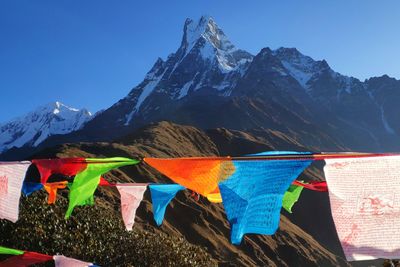
If you’re asking what Bhutan is known for, the answer goes well beyond cliffside monasteries and prayer flags. Bhutan carbon negative status forms part of its national identity, linked closely to Gross National Happiness and a development approach that values long term wellbeing over short term economic gain.
What follows is a clear look at what carbon negative means in practice, how Bhutan reached this position, and why it matters far beyond its borders.
What is Bhutan known for?
Most travellers first ask what Bhutan is known for in cultural terms.
Bhutan is famous for:
- Cliff-hugging monasteries like Tiger’s Nest
- The concept of Gross National Happiness
- Carefully managed, low-volume tourism
- Pristine Himalayan landscapes
- Strong Buddhist traditions
It’s also known for protecting its environment with unusual seriousness.
According to the United Nations Development Programme, Bhutan absorbs significantly more carbon than it emits each year, making it carbon negative at a national level.
That environmental commitment isn’t separate from what Bhutan is known for. It’s woven into daily life, national policy, and even the constitution.
If you’re curious how this environmental ethos shows up on the ground, our Bhutan travel guide with 12 unforgettable places gives you a sense of just how intact the landscapes still are.
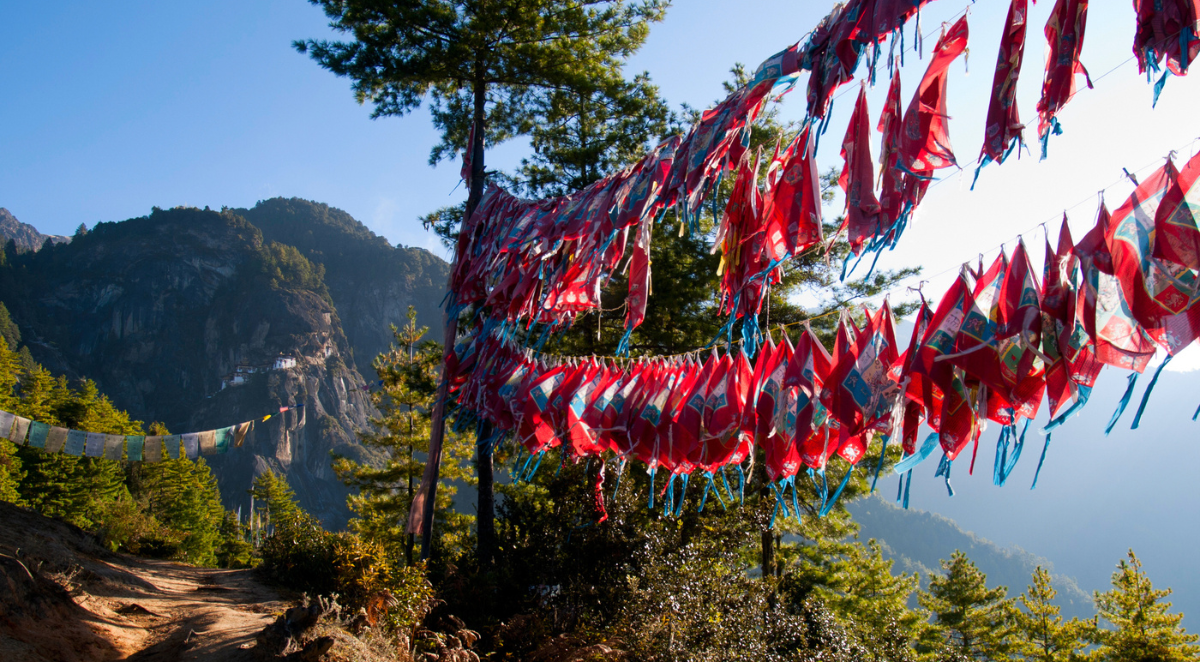
What does 'carbon negative' mean?
A country is carbon negative when it absorbs more carbon dioxide than it releases. Its forests and ecosystems absorb more greenhouse gases each year than the country’s vehicles, farms, homes, and industries release.
That’s different from:
- Carbon neutral, where emissions and removals balance each other
- Net zero, where emissions are cut significantly and the remainder is offset
Carbon negative goes further than either of those. It means the overall impact is restorative rather than simply balanced.
According to the World Economic Forum’s analysis of Bhutan’s climate position, the country emits roughly two to three million tonnes of carbon dioxide annually, but its forests absorb significantly more than that.
Bhutan carbon negative status is largely possible because of its vast forest cover and low industrial output. Still, it isn’t just an accident of geography. It’s a deliberate choice.
How Bhutan became carbon negative
Bhutan becoming carbon negative didn’t happen by chance, and it didn’t happen quickly.
Bhutan carbon negative status is the outcome of decades of deliberate environmental planning, strict legal protection of forests, large-scale investment in renewable energy, and a national philosophy that places long-term wellbeing above rapid industrial expansion.
This combination of law, energy policy, and values explains how Bhutan became carbon negative in measurable, verifiable terms.
To understand it properly, we need to look at the specific decisions that made Bhutan carbon negative possible.
1. Forest protection and constitutional law
Over 70 percent of Bhutan is covered in forest. By law, at least 60 percent of the country must remain forested at all times. That requirement is written directly into the constitution.
This is one of the strongest environmental legal protections in the world.
These forests act as carbon sinks, absorbing millions of tonnes of carbon dioxide every year. According to the Climate Council, Bhutan’s forests absorb far more carbon than the country emits, which is the core reason Bhutan carbon negative status holds.
Forest protection isn’t symbolic. Logging is tightly regulated. Large portions of land are designated as national parks or biological corridors, allowing wildlife to move freely between protected areas.
If you’re interested in the wildlife side of this story, you’ll be surprised by the diversity in such a small country. Here’s a look at Bhutan’s most incredible wild animals.
2. Renewable energy and hydropower
Bhutan’s electricity doesn’t come from coal or gas plants. It comes from rivers.
Hydropower supplies virtually all of the country’s grid electricity, commonly reported at around 99 percent. The same river systems that power homes and businesses also generate surplus electricity that Bhutan exports, mainly to India.
That matters. When most of your electricity comes from water rather than fossil fuels, the power sector’s emissions stay comparatively low. Bhutan still uses imported fuels for transport and other needs, so it isn’t emissions free, but its electricity mix looks very different from countries that rely on coal-fired grids.
National Geographic has written about how this hydropower system supports Bhutan’s economy while reinforcing its low-emissions profile, particularly through clean energy exports.
Bhutan carbon negative status isn’t explained by forests alone. The structure of its electricity system plays a major role too.
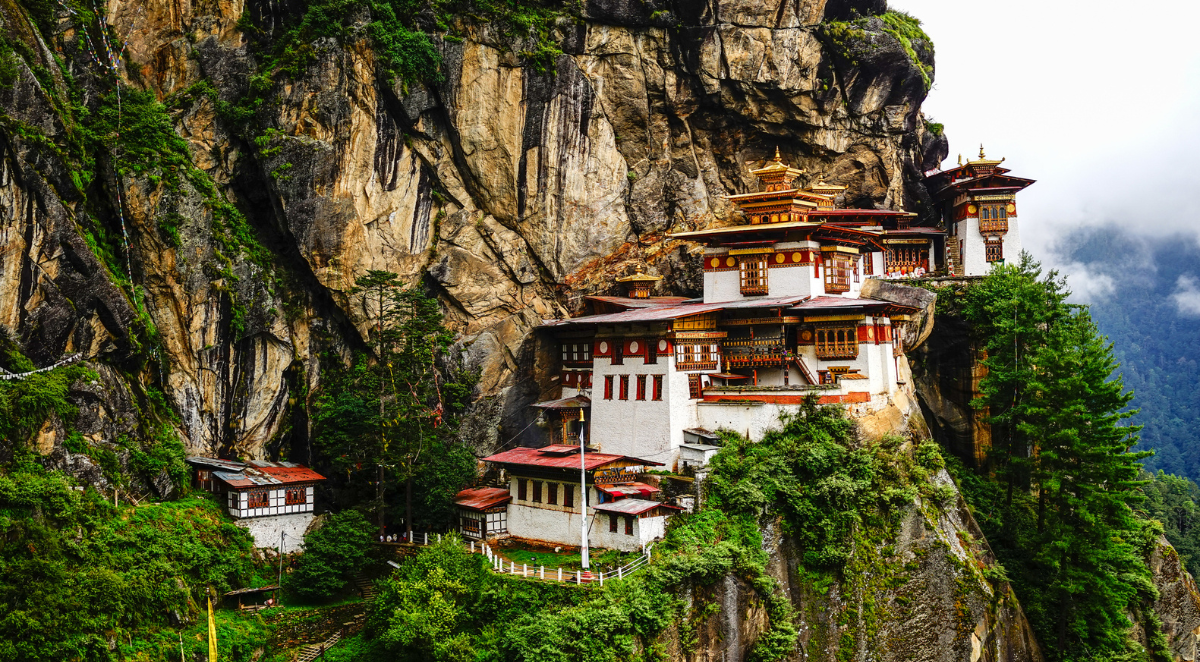
Bhutan compared to other carbon-negative countries
When people search for carbon-negative countries, they often find lists that include nations aiming for carbon neutrality or net zero. However, verified carbon-negative countries at a national scale are extremely rare.
Bhutan is one of the world’s few carbon-negative countries, alongside Suriname and Panama, meaning these nations absorb more carbon dioxide than they emit overall. This is widely noted in climate reporting, including Carbon Brief’s breakdown of the small group of net-negative countries.
Other nations are moving toward net zero targets. Some regions or cities claim carbon-negative achievements. At a national level, Bhutan is part of a very small group of countries that remain net carbon sinks.
Bhutan carbon negative status is helped by:
- A small population of under one million
- Limited heavy industry
- Strong forest protection
- A renewable-dominated energy system
That doesn’t mean it has no emissions. Transport and imported goods still contribute to its carbon footprint. The difference is that its forests absorb more than the country produces.
The role of Gross National Happiness
You can’t really talk about Bhutan carbon negative policy without touching on Gross National Happiness, because the two are tied together at the root.
Gross National Happiness isn’t a slogan people repeat for tourists. It’s the framework that shapes national decisions. Economic growth matters, of course, but it isn’t the only measure of success. Environmental conservation, cultural preservation, good governance, and sustainable development all sit alongside it. That broader lens changes the kinds of trade-offs a country is willing to make.
In practice, it means forests aren’t seen as empty land waiting to be converted into something “more useful.” Rivers aren’t viewed only for extraction. Nature is treated as part of the country’s long term stability, not something to sacrifice for faster returns.
You see the same thinking in tourism. Visitor numbers are managed. Trips are structured. A Sustainable Development Fee supports conservation, infrastructure, healthcare, and education. If you’re wondering how that works on the ground, our guide on how much it costs to travel to Bhutan explains it clearly.
Bhutan carbon negative status doesn’t exist in isolation. It reflects the same values that shape how the country measures progress in the first place.
Challenges and the future of Bhutan’s sustainability
Bhutan being carbon negative does not mean Bhutan is immune to climate change.
Glacial melt in the Himalayas poses serious risks. Changing rainfall patterns affect agriculture. Economic development pressures are growing, especially as young people seek jobs and urbanisation increases.
Hydropower, while renewable, also depends on stable water flows. Climate variability could complicate that in the future.
Bhutan has repeatedly said it intends to keep its carbon neutral position in the years ahead, alongside ongoing work in conservation and renewable energy. The United Nations frequently highlights Bhutan as an example of how environmental protection can align with national development goals.
Still, maintaining carbon-negative status will require constant effort.
Why Bhutan carbon negative status matters globally
Bhutan is small. It can’t solve the climate crisis alone.
However, its example shifts the conversation.
Bhutan carbon negativity shows that:
- National policy can prioritise forests at a constitutional level.
- Renewable energy can dominate a country’s power supply.
- Development doesn’t have to mean unchecked emissions.
It also shows that values shape real-world results. What Bhutan is known for, from Gross National Happiness to firm environmental safeguards, isn’t symbolic. It directly influences how land is managed, how energy is produced, and how development unfolds.
For travellers, that means forests that feel genuinely wild, mountain valleys that haven’t been swallowed by sprawl, and communities whose daily lives are still closely tied to the natural world around them.
If Bhutan has been on your radar for more than just its sustainability credentials, you’ll find inspiration in our piece on why Bhutan still feels out of this world.
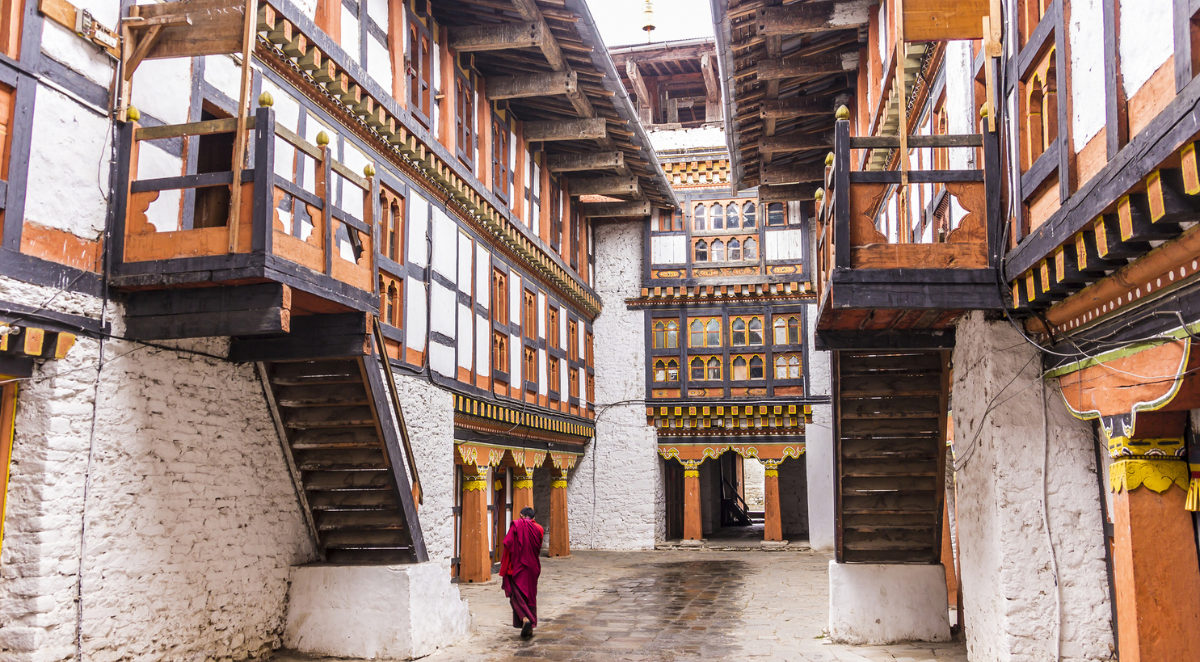
Experiencing Bhutan responsibly
Travel in Bhutan feels different from the moment you start planning, and that difference plays a quiet but important role in protecting Bhutan carbon negative status.
Bhutan has taken a measured approach to tourism for decades. Rather than chasing large visitor numbers, it structures travel around regulation and a national fee system designed to limit pressure on communities and landscapes. The Sustainable Development Fee contributes to public services and conservation work, and certain activities, including multi-day treks, require permits and licensed guides.
That structure isn’t red tape for the sake of it. It’s part of how Bhutan carbon negative commitments hold up in the real world. Forests stay protected. Trails aren’t overcrowded. Cultural sites aren’t turned into theme parks. The experience remains grounded in place rather than volume.
Before you plan your journey, take a moment to get clear on a few practical points that will shape your experience from day one.
- The best seasons for trekking, mountain visibility, and major festivals
- How visas, permits, and licensed guides are organized
- Cultural expectations, including dress codes and temple etiquette
Our guide on the best time to visit Bhutan walks you through how spring and autumn typically offer the clearest Himalayan views, while winter and summer bring fewer visitors and a different pace.
When you’re ready to take the next step, this clear walkthrough on how to book your Bhutan trek lays out exactly how the process works.
If you want to understand why so many travellers leave changed in subtle ways, take a moment to read about why Bhutan isn’t just a place but a feeling.
What Bhutan’s carbon-negative path really teaches us
Bhutan carbon negative status didn’t happen by accident, and it wasn’t driven by one headline policy. It’s the outcome of a mountainous landscape rich in forests, decades of environmental law, widespread use of renewable energy, firm protection of natural ecosystems, and a national mindset that places long-term wellbeing ahead of short-term profit.
It doesn’t mean Bhutan is perfect or that its model can be copied everywhere without adaptation. It does mean one country has chosen a different path and backed it up with law, infrastructure, and cultural commitment.
If you’d like to explore this extraordinary country for yourself, you can learn more about our curated journeys on the Follow Alice Bhutan adventure page.
Bhutan being carbon negative isn’t just a climate statistic. It’s part of what Bhutan is known for, and it shows that sustainable development can be lived out in policy, culture, and everyday decisions rather than reduced to a marketing phrase.