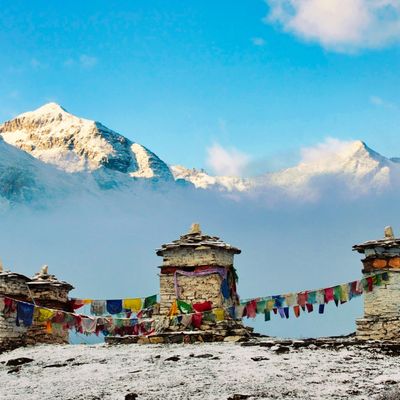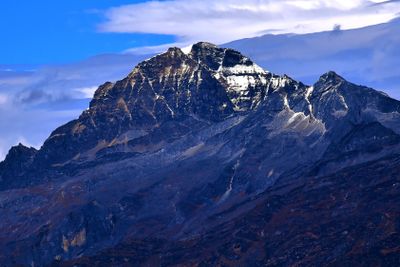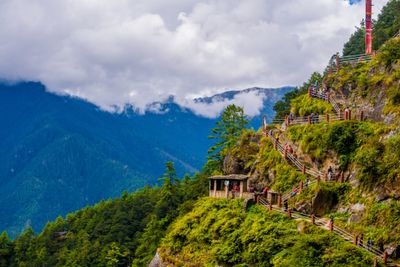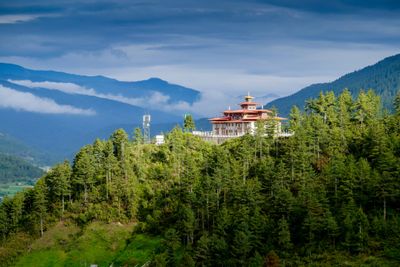




There aren’t many places on Earth where the moment you land, you genuinely feel like the country itself is inviting you to slow down. Bhutan does it effortlessly. When travellers talk about Bhutan tourism, they often mention the mountains and monasteries first, but the truth is, the atmosphere is what stays with you. It’s peaceful without being empty, traditional without feeling staged, and incredibly warm without trying to impress you. That’s intentional. Bhutan’s entire tourism strategy is designed to protect exactly that feeling.
Bhutan could've opened its borders decades ago and leaned into mass tourism, like many of its Himalayan neighbours. Instead, it chose something far more ambitious. It was decided that Bhutan travel would prioritise quality over quantity, sustainability over profit, and cultural protection over rapid growth. And that’s what led to the SDF — Bhutan’s Sustainable Development Fee.
If you’re planning to travel Bhutan soon or are comparing Bhutan tours for the year ahead, understanding this policy isn’t just useful. It helps you see why the country feels the way it does, why the visitor experience is so special, and why Bhutan’s approach is influencing sustainable tourism conversations around the world.
This guide explains exactly why Bhutan limits tourist numbers, how the SDF works, who benefits, and whether Bhutan travel can still be affordable. It also looks at why Bhutan’s strategy matters in a global tourism landscape that’s changing fast.
Why Bhutan Limits Tourist Numbers
Let’s start with one simple truth: Bhutan is tiny. The entire population is smaller than many world cities, and the landscapes, from narrow valleys to high passes, can’t absorb millions of visitors without consequences. The government understood early on that mass tourism would overwhelm communities, weaken traditions, and damage fragile ecosystems.
So when Bhutan tourism officially began in the 1970s, the country adopted a “high value, low volume” approach. In practice, that means:
- fewer tourists
- higher quality experiences
- strong protection for culture and nature
- economic benefits that reach local communities
It’s not tourism designed for quick wins. It’s tourism designed for longevity.
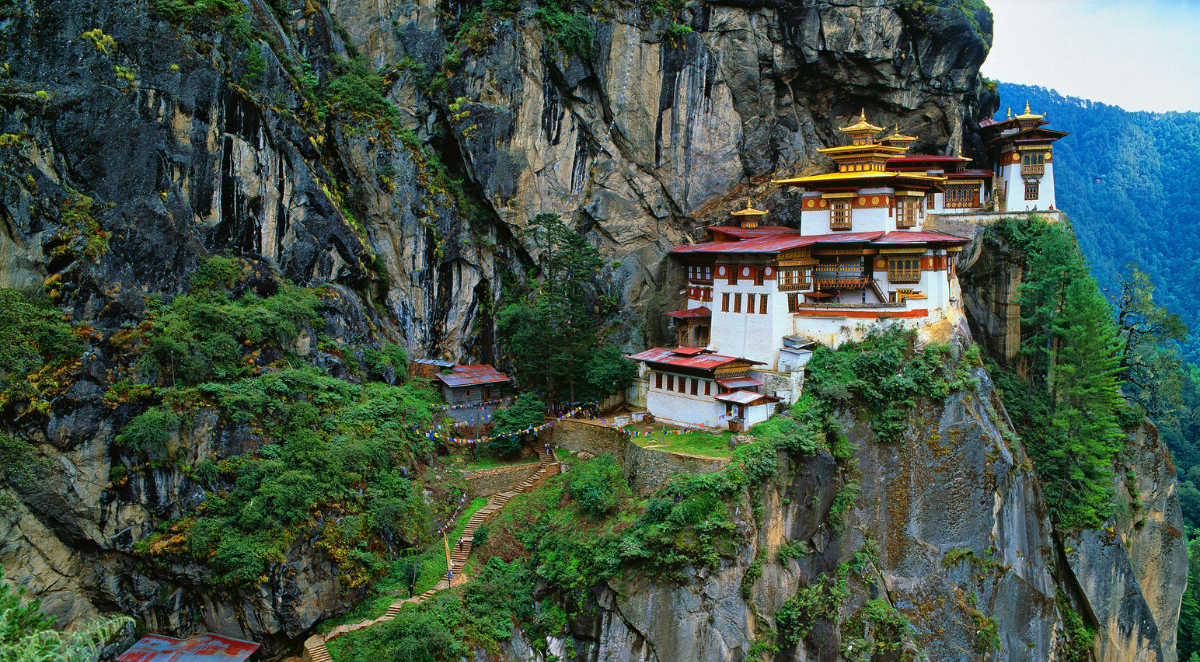
To understand what this looks like in real life, visit any of the places on our Bhutan travel guide to top places to visit. You’ll notice how calm the monasteries are, how respectful the trekking routes feel, and how villages still move at their own pace. That’s precisely what the policy aims to safeguard.
What's the SDF fee?
The Sustainable Development Fee (SDF) is Bhutan’s way of ensuring that tourism directly supports conservation, local well-being, and cultural protection. It’s a daily fee paid by international travellers, and it goes straight into funding:
- free public healthcare
- free education
- environmental protection
- heritage conservation
- carbon neutrality projects.
The point of the SDF isn’t to make Bhutan tourism exclusive. It’s to make sure the country never loses the qualities that make Bhutan travel so meaningful in the first place.
When travellers choose between different Bhutan tours, SDF often feels like an extra cost at first. However, once you’re in the country, the logic becomes obvious. You’re contributing to a system that protects the very culture, landscape, and tranquillity you came to experience.
For more detail on how the government has adjusted the SDF over time, see our article onBhutan’s updated tourist visa and SDF changes.
The Real Impact of the SDF
The SDF isn’t just a financial mechanism. It’s a structural pillar of Bhutan tourism. Here’s what it changes and why it matters.
1. It keeps overtourism out.
When you travel Bhutan, you notice something unusual: silence. Instead of feeling empty, there is a tranquillity that comes from the lack of excessive visitors in any one location. The SDF helps keep numbers at a level that communities can handle.
2. It safeguards cultural integrity.
Bhutan is one of the rare destinations where traditional clothing, festivals, ceremonies, and architecture aren’t just preserved; they’re lived. The SDF funds cultural preservation so traditions don’t become performances.
For a deeper look into Bhutanese culture and why visitors fall in love with it, explore why everyone loves Bhutan.
3. It funds environmental protection.
Bhutan is famous for being carbon negative, and that’s something the country works hard to maintain.
The SDF helps pay for the long-term projects that make this possible, including nationwide forest protection, clean-energy developments, wildlife corridors, and environmental restoration work. When travellers support Bhutan tourism, they’re also helping Bhutan keep its landscapes healthy for the next generation.
4. It strengthens local employment.
A big part of what makes Bhutan tourism feel so grounded is the way it creates work that actually reaches the people who live there. Travellers aren’t funnelled through huge international chains or systems that pull money out of the country. The day-to-day experience depends on Bhutanese guides, drivers, homestay hosts, trekking crews, artisans, growers, and small family businesses.
When someone books a trip, the income spreads through these layers of community life, which means your visit supports real households rather than disappearing into companies based overseas. It’s one of the reasons the country’s approach feels so genuine, because the benefits stay where they’re needed most.
5. It enhances the travellers' experiences.
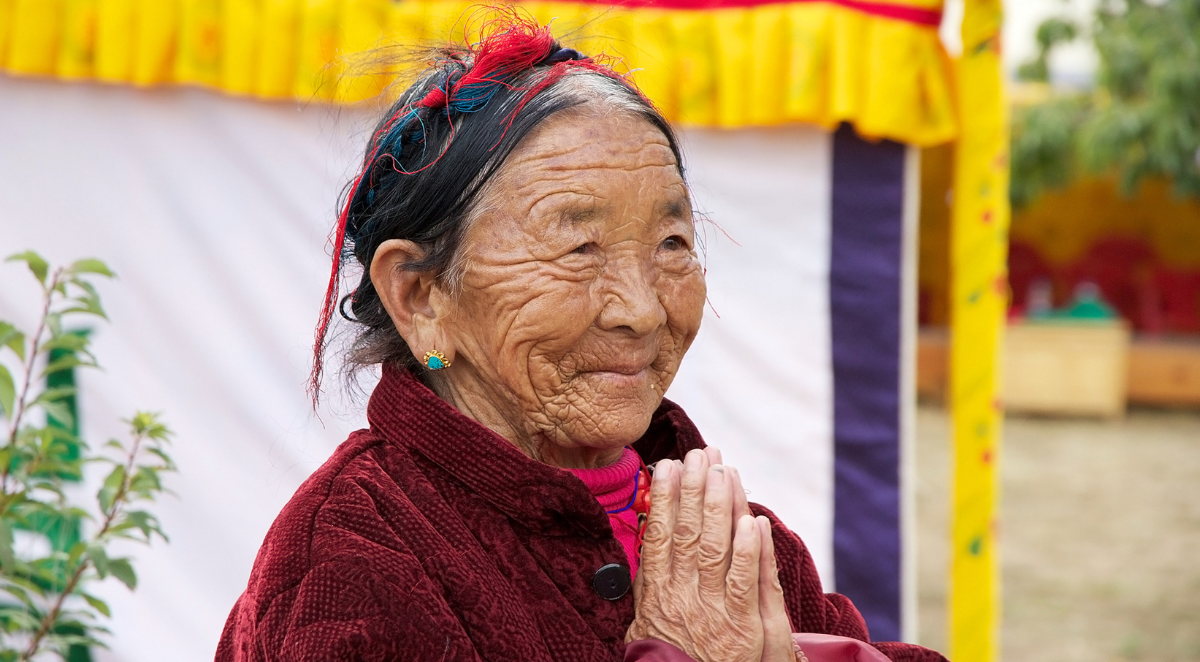
Controlled tourist numbers ensure intimate experiences, with temples feeling peaceful, treks feeling wild, and villages feeling authentic. It’s no surprise that those who travel Bhutan once almost always plan to return.
If you’re considering a trek as part of your itinerary, our guide on how to book your Bhutan trek walks you through the process.
Bhutan vs. Other Countries’ Tourism Models
Comparing Bhutan's strategy to its neighbours shows how unusual it is.
- Nepal welcomes hundreds of thousands of trekkers a year.
- India receives millions of cultural tourists annually.
- Thailand has built an economy partly driven by mass tourism.
Bhutan went in the opposite direction. Instead of developing Bhutan tourism rapidly, it focused on long-term impact. Rather than opening every valley to development, it protected forests and communities. Instead of building giant resorts, it encouraged small lodges and homestays.
This is part of why Bhutan travel feels so different. It’s quieter, cleaner, and shaped by intention rather than volume. Bhutan’s tourism rules grew from watching nearby countries struggle with overcrowding. As National Geographic notes, Bhutan chose to protect its culture and wild spaces from the start, which is why you’ll see things like traditional dress requirements, strong forest protections, and the Sustainable Development Fee in place.
It’s a fantastic comparison if you’re curious how Bhutan stands apart.
Can You Travel Bhutan Affordably?
Short answer: yes, but not in the same way you might backpack Southeast Asia.
The SDF makes Bhutan travel more structured. Costs are transparent, and most itineraries include accommodation, meals, transport, and a guide. That means you know exactly what you’re paying for.
Our guide on how much it costs to travel to Bhutan breaks down typical expenses clearly.
Here are a few ways travellers can manage their expenses:
- Visit during promotional SDF periods.
- Choose shorter itineraries
- Opt for village homestays
- Travel with small groups through curated Bhutan tours
- Focus on fewer destinations rather than covering the whole country.
And despite the SDF, Bhutan remains one of the world’s best-value “meaningful travel” destinations. You get pristine nature, rare cultural access, and a peaceful environment you simply can’t buy anywhere else.
Who Benefits From Bhutan’s Tourism Policy?
Bhutan’s model ensures that tourism doesn’t become extractive. Benefits go to:
- local families, through employment and homestay programmes.
- guides and drivers, whose jobs rely on fair regulation
- village economies, through farming and handicrafts
- schools and hospitals, funded partly by SDF revenue
- national conservation projects, from forest protection to waste management
If you’re curious about what everyday life looks like for locals, have a look at the six things to know before visiting Bhutan. It gives great context.
Bhutan's tourism model also protects the emotional connections many travellers talk about. There’s a reason people describe Bhutan as more of a feeling than a destination, which we explore in Bhutan: not just a place, but a feeling.
Why Bhutan’s Approach Matters for the Future of Travel
Overtourism has already damaged fragile destinations worldwide, from Venice’s canals to Machu Picchu’s ancient pathways. Bhutan recognised this risk early and built a tourism model that didn’t just prevent harm but also actively supported the country’s well-being.
The SDF is a big part of that, and as other countries grapple with balancing tourism and sustainability, Bhutan is increasingly cited as a global benchmark.
In its sustainability discussions, the UNWTO regularly highlights Bhutan as an example of what careful tourism planning can look like in the real world. It’s a reminder that when travel is managed thoughtfully, it can protect nature, uplift culture, and genuinely benefit local communities.
Planning Your Bhutan Adventure
If you’d like to travel Bhutan more deeply, we've put together the best times to visit based on season and festivals, along with guidance on visas, costs, culture, and trekking options.
And if you’re ready to explore proper itineraries, you can browse our curated Best of Bhutan tour or the full range of Bhutan tours to find what suits you.
These trips are crafted around the very principles that guide Bhutan tourism itself: travel slowly, travel respectfully, and support the communities and landscapes that make Bhutan so special.
Bhutan Protects What Makes It Special
Bhutan limits tourist numbers because it refuses to trade long-term well-being for short-term profit. The SDF isn’t a barrier; it’s an investment in preserving the culture, nature, and peace that make Bhutan travel so rare.
It ensures that when you stand beneath a prayer flag on a high ridge, wander through ancient dzongs, or hike quiet forest trails, you’re experiencing a Bhutan that’s genuinely itself, untouched, unhurried, and unbelievably inspiring.
Bhutan's tourism policy makes it one of the world's most rewarding destinations.