



Bhutan rewards travellers who enjoy journeys with depth. It looks small on a map, but it feels much larger once you start moving between its valleys, altitude zones, and cultural pockets. One moment you’re walking past rice paddies wrapped in subtropical forest, and the next you’re standing beneath the sharp white edges of northern snow peaks. Where you choose to go shapes everything, which is why many visitors quietly debate whether to explore Bhutan South or the north first.
Both regions have their own rhythms, landscapes, and communities. The north places the Himalaya right in front of you, with monasteries tucked into cliffs and trekking trails that wind through yak pastures.
Bhutan South offers an entirely different mood. It’s warmer and greener and shaped by multicultural border towns and lowland forests. Choosing between them isn’t about picking the better region. It’s about selecting the one that suits the way you like to travel.
This guide breaks down both regions clearly so you can decide which part of Bhutan matches your sense of adventure and helps you understand the best places to visit in Bhutan, depending on your style.
Understanding Bhutan before choosing your route
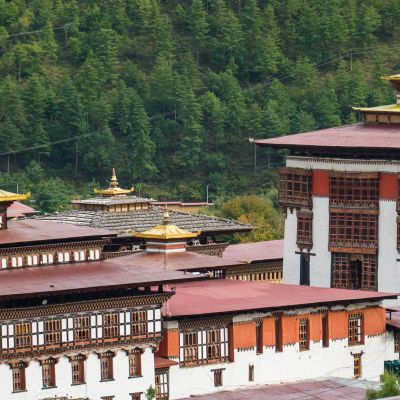
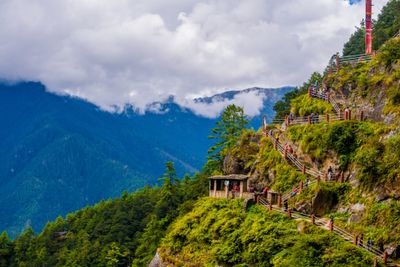
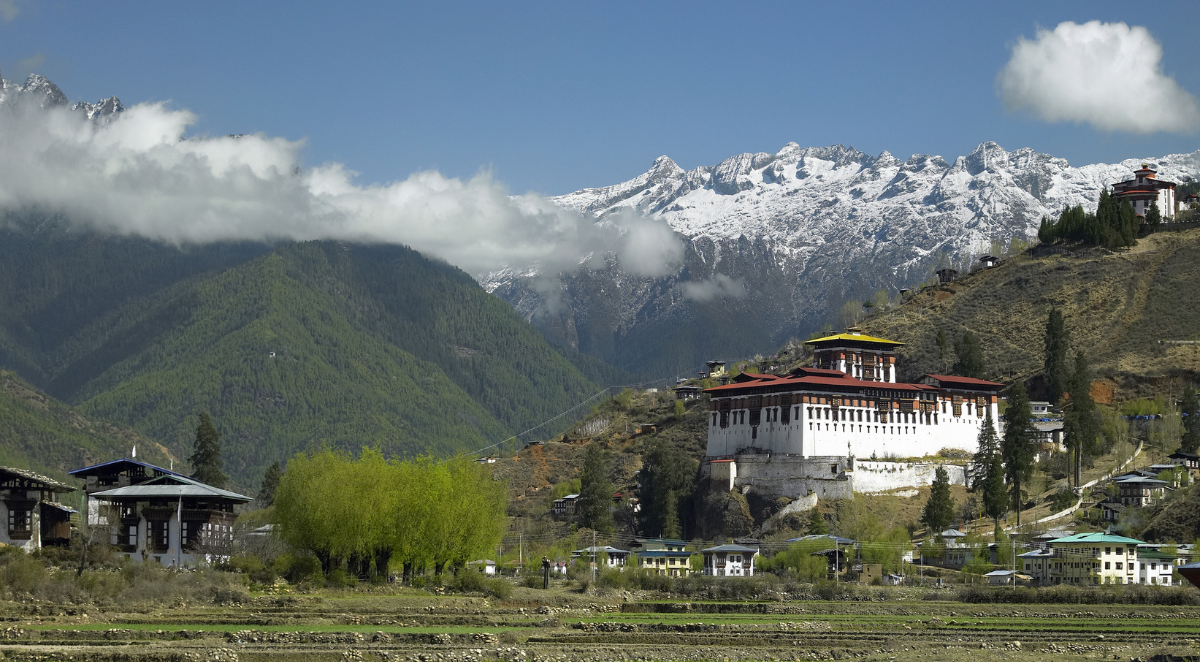
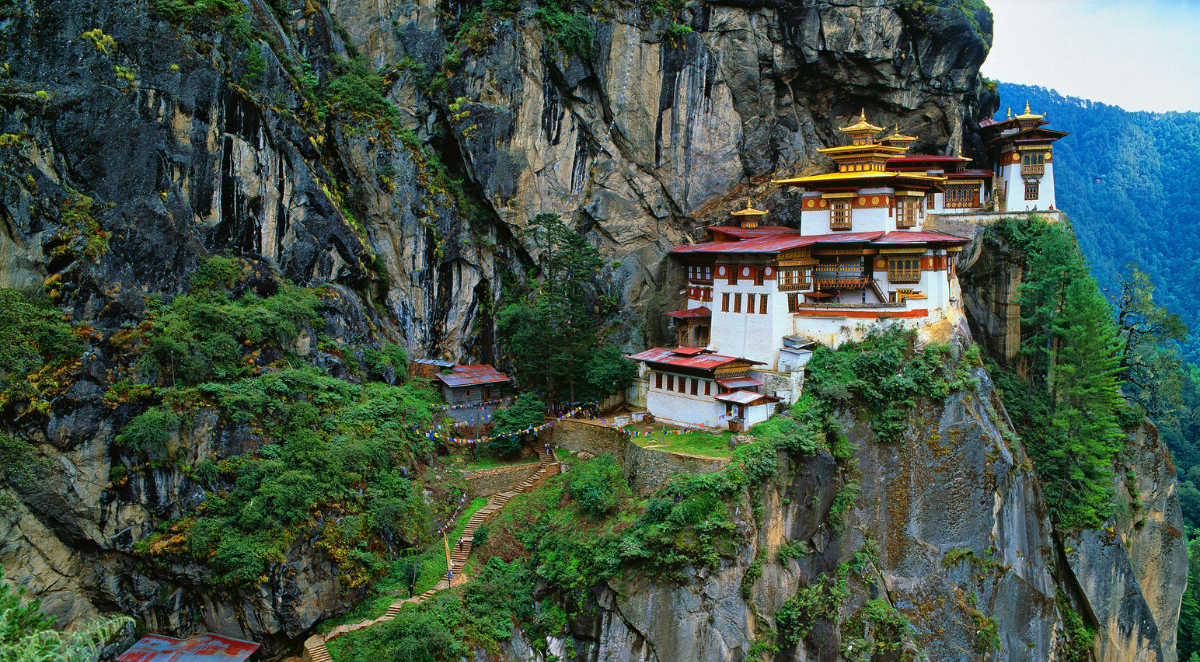
Most visitors arrive in Paro, Bhutan, the best-known gateway into the country and the starting point for many journeys. The valley sits in the west rather than the north or south, but it works beautifully as a base for exploring both directions. Travellers often spend their first days here because the altitude is gentle, Tiger’s Nest Monastery is nearby, and the town is easily linked to Thimphu, the capital of Bhutan.
A little time in Paro, Bhutan, will also introduce you to traditional architecture, quiet village walks, and the calmer pace that Bhutanese people value. It’s one of the easiest places to understand how Bhutanese people balance older traditions with the steady rise of modern life.
And since this region offers several key places to visit in Bhutan, many travellers use Paro, Bhutan, as a reference point before planning longer journeys.
If you want a bigger overview before choosing where to go next, our guide to the top places to visit in Bhutan shows how the valleys, dzongs, and cultural regions connect.
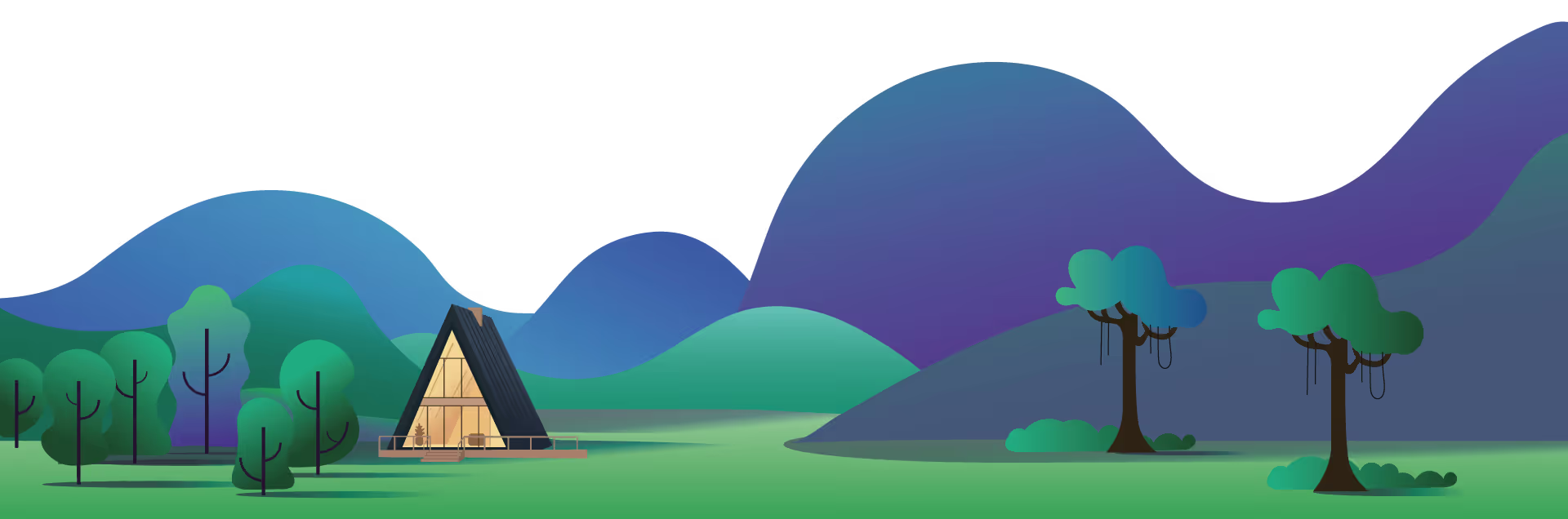
Bhutan South: Warm, subtropical, and culturally layered.
Bhutan South feels entirely different from the images of snowy dzongs and crisp skies that often appear beneath the Bhutan flag. The south becomes even more interesting when you consider how the Bhutan flag symbolises the country’s balance between spiritual heritage and regional diversity. The lush humidity, lower altitude, and busy border areas give travellers a different understanding of what the Bhutanese flag represents across the country.
The south is humid and green, with villages close to the Indian border. This creates a fascinating blend of languages, trade networks, and cultural influences among Bhutanese people and neighbouring communities.
What travellers associate with South Bhutan:
• A warm subtropical climate • Thick forests with exceptional birdlife • Lower altitudes and slower travel days • Multicultural border towns • Important wildlife sanctuaries and conservation zones
Landscapes you’ll see:
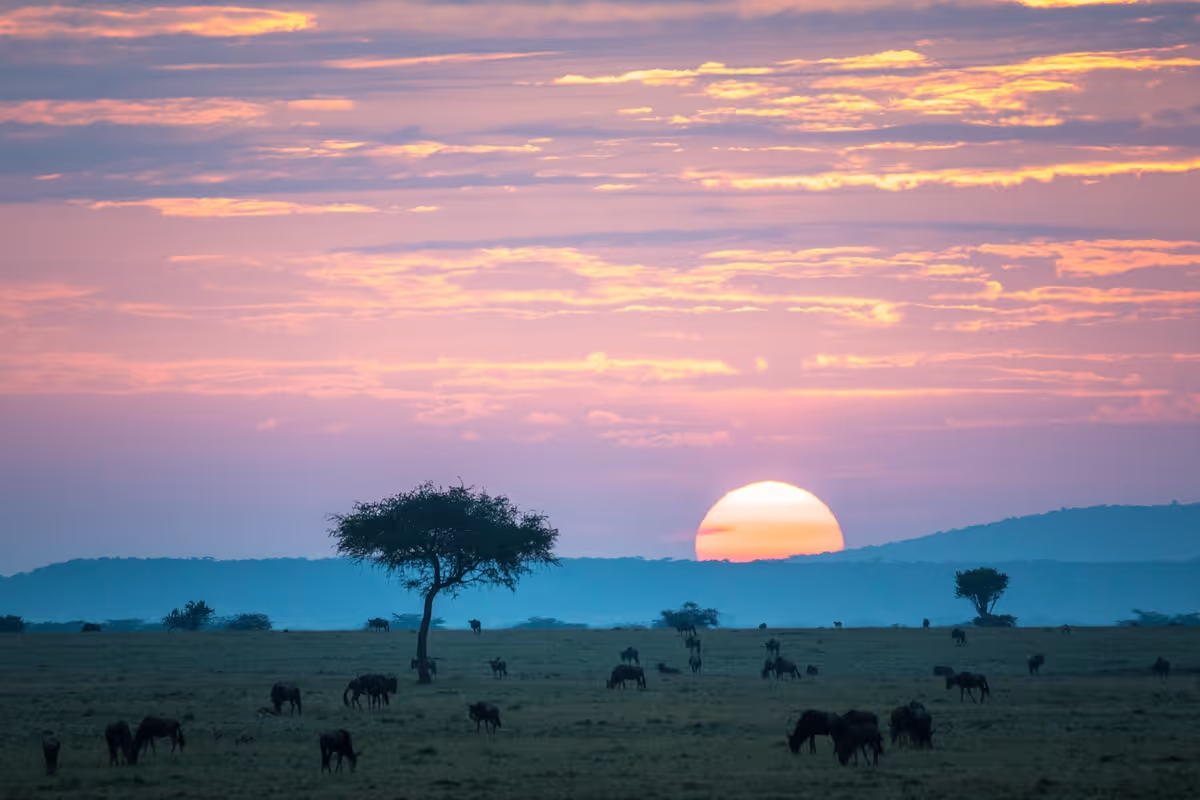
• Rolling green hills lead into river valleys. • Wide plains and long river crossings • Tea gardens in some districts • The jungle is home to elephants, gaur, and bright bird species.
Life moves gently here. Markets feel lively and colourful, and it's easier to meet Bhutanese people in everyday settings than only in temples or trekking lodges. For some travellers, it’s the South that helps them understand that the Bhutan flag isn’t just a national symbol but a reminder of the different identities present across the country.
If this region appeals to you, it helps to read about why Bhutan limits tourist numbers. Conservation plays a major role in how travel is managed, especially in southern biodiversity zones.
Top places to visit in South Bhutan
Travellers usually pass through Phuentsholing or Gelephu if they’re arriving from India or exploring the lowlands. Tourism is lighter here, but that’s precisely what gives the region its charm. It feels unfiltered and grounded.
Highlights include:
• Manas National Park is known for tigers, elephants, and riverine forests. • Sarpang, with its jungle scenery and rural atmosphere • Gelephu, a cultural hub with busy markets • Phuentsholing, a major border gateway
If you want a southern route that still links with the classic places to visit in Bhutan, this region pairs well with the central valleys that connect further north.
Bhutan North: Alpine valleys, monasteries, and the high Himalaya.
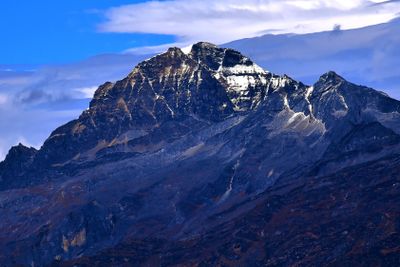
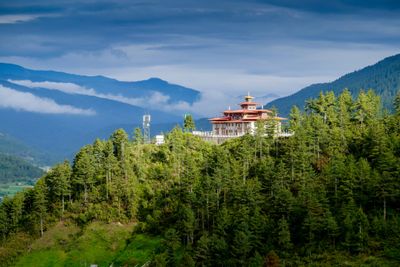
The north is the Bhutan many travellers imagine long before they arrive. Snow peaks rise sharply, glacial rivers change colour with the light, and monasteries cling to cliffs in some of the most striking positions in the country. Trekking culture is stronger here, and multi-day routes feel natural whether you’re heading out for your first Himalayan hike or returning as a seasoned walker.
What defines the north:
• High-altitude valleys and dramatic peaks • Famous monasteries, including Tiger’s Nest above Paro, Bhutan • Colourful tshechu festivals and traditional dances • Rural farms and yak-herding communities • Cool temperatures and clear views
Traveller favourites:
• The Tiger’s Nest Monastery hike• The hike includes Paro Dzong and the surrounding valley trails. • Thimphu, the capital of Bhutan, has craft shops, museums, and cafes. • Scenic drives link temples, villages, and lookouts. • Treks that reach deep in the mountains
If you want to feel confident visiting temples, our guide to Bhutanese travel etiquette is a good place to begin. Anyone heading north to enjoy the most iconic places in Bhutan will find strong cultural introductions in Paro and Thimphu.
Best places to visit in Bhutan North
If dramatic scenery and cultural depth pull you in, the north will feel like the right match.
Popular stops include:
• Paro, Bhutan, the gateway for most international visitors • Thimphu is often the most visited stop because it's the capital of Bhutan. • Punakha, known for its riverside dzong and warm valley climate. • Haa Valley, a quieter rural region ideal for walking • Laya, a remote mountain region for trekkers who want solitude
Travellers who explore the north often point out how the Bhutan flag feels especially meaningful here, especially when fluttering above high passes and monastery courtyards.
Seasonal planning matters more in the north because altitude shapes the conditions. Our guide to the best time to visit Bhutan helps you choose the right month for comfortable travel.
Bhutan South vs North: How to choose
Both regions offer incredible experiences, although they feel like close relatives who grew up in different places.
If you love warm valleys, colourful markets, and long, leafy stretches of subtropical forest, you’ll probably feel at home in Bhutan South. Wildlife, birdsong, and easy-going border towns give the region a relaxed charm that some travellers fall in love with straight away. If your idea of Bhutan revolves around snowy peaks, dramatic monasteries, and cool, clear mornings, then the north is more your style. Mountain scenery, cultural visits, and the opportunity to embark on rewarding hikes define most days.
If you want experiences from both sides of the country, Paro, Bhutan, and Thimphu make convenient hubs.
Quick comparison:
If you want experiences from both sides of the country, Paro Bhutan and Thimphu make easy hubs. For a natural extension into protected wilderness, our post on The 3 national parks in Bhutan everyone should visit is a strong companion reference.
Travel tips for both regions
Certain guidelines make travel smoother across the country:
• You’ll need a licensed guide for most routes. • Pack layers because temperatures change quickly. • Dress respectfully when visiting temples and dzongs. • Carry cash for rural markets and snack stops
If you’re planning your budget, our guide to how much it costs to travel to Bhutan explains the Sustainable Development Fee, accommodation styles, and common itinerary options.
Travellers considering homestays or trekking can read our guide on how to book your Bhutan trek. Our feature on why everyone loves Bhutan is perfect for anyone looking for a mood boost before their trip.
So which should you visit first?
There’s no wrong option. It simply depends on what you want most from your journey.
If you like warmth, forests, wildlife, and everyday border cultures, choose Bhutan South. If you like dramatic mountains, monasteries, and wide-open spaces, go to Bhutan's north.
Many travellers begin in the north because Paro, Bhutan, offers an easy arrival point, and Tiger's Nest Monastery is hard to resist. Others start in the south and enjoy gentle acclimatisation before heading higher.
Whenever you’re ready to shape your itinerary, browse our Bhutan adventure trips or contact our team for help choosing the region that suits your travel style. No matter which journey calls to you, you’ll quickly realise why everyone loves Bhutan.