


Adventuring made easy
Our dedicated travel consultants make adventuring easy for you by taking away all of the admin. Your only jobs are to train for the adventure if necessary and then pack your bags!




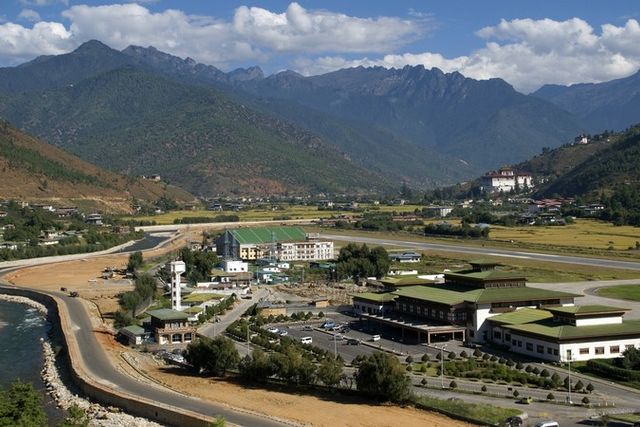
The flight to Paro is one of the most spectacular in the entire Himalayas. Whether flying in along the mountain range from Kathmandu or over the foothills from Kolkata, the journey offers fascinating views and an exciting descent into the Kingdom of the Thunder Dragon. Bhutan’s first gift to you as you disembark from the aircraft will be cool, clean, fresh mountain air. Your local leader will meet and drive you to the hotel.
The Jomolhari trek starts from Drukgyel Dzong (2,580 m) with a short downhill walk on a wide trail. The path then climbs gently through well-maintained rice terraces and fields of millet. Later on we come to apple orchards and forests. Soon the valley widens and we reach the army post of Gunyitsawa (2,810 m). This is the last stop before Tibet. We continue upwards to just beyond Sharma Zampa (2,870 m), where there are several good camping spots in meadows surrounded by trees.
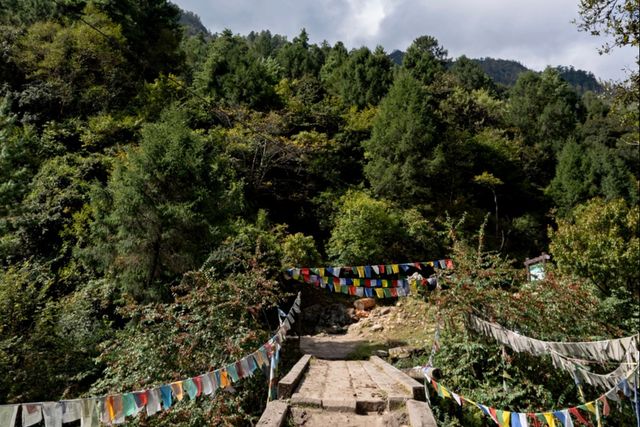
The trail again follows the Pa Chhu (Paro River), ascending and descending through forest of pine, oak and spruce. After crossing a bridge to the left bank of the river, we stop for a hot lunch. Then we continue along the river, climbing upwards through beautiful rhododendron forests and crossing the river once more before reaching our campsite (3,750 m) for the night.
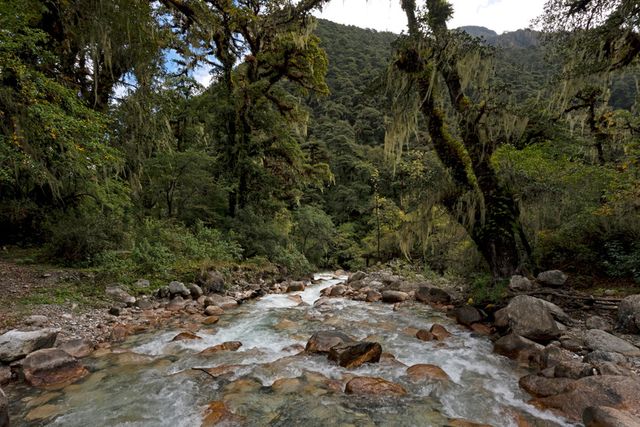
The path today ascends for a while till we reach the army camp. We then follow the river above the tree line, where the reward is stunning views of the surrounding peaks. Hot lunch is served at a yak herder's camp. A short walk from here into the valley takes us to the lively campsite of Jangothang (4,040 m). From here, the views of sacred Mt Jomolhari and Jichu Drake are simply superb! If you've anything left in the tank, there are lovely exploratory walks you can do for further great views.
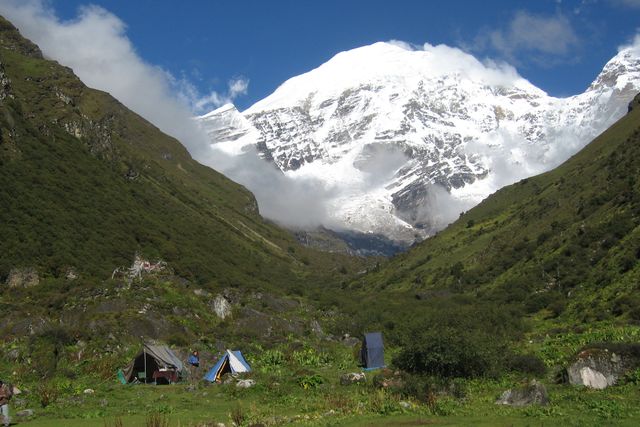
The trail today follows the stream for half an hour and crosses the bridge to the right bank. We now start our climb up to the first ridge, from where we have a breathtaking view of Mt Jomolhari, Jichu Drake and Tserim Khang. The trail then leads across a fairly level valley floor until the climb up the mountain pass known as Nyele La (4,700 m). After crossing the pass and pausing by its battered prayer flags for a glorious, panoramic view, we descend gradually to the campsite at Lingshi (4,000 m).
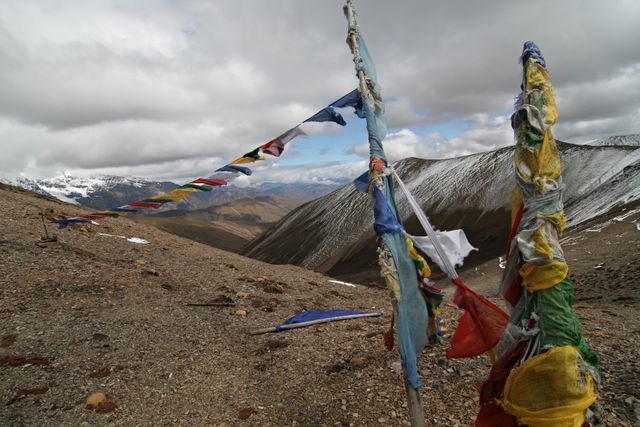
Our trail climbs up towards a small white chorten on a ridge above camp, then turns south up the deep Mo Chu valley. The trail stays on the west side of this largely treeless valley to the top. It then crosses the river, and we climb steeply for two hours to Yeli La (4,820 m). On a clear day, you can see Mt Jomolhari, Gangchhenta, Tserim Khang and Masang Gang from this pass. We then descend alongside a stream to a rock shelter in the cliff face. From here, the trail follows the river downstream till reaching the meadow camp of Shodu (4,100 m).
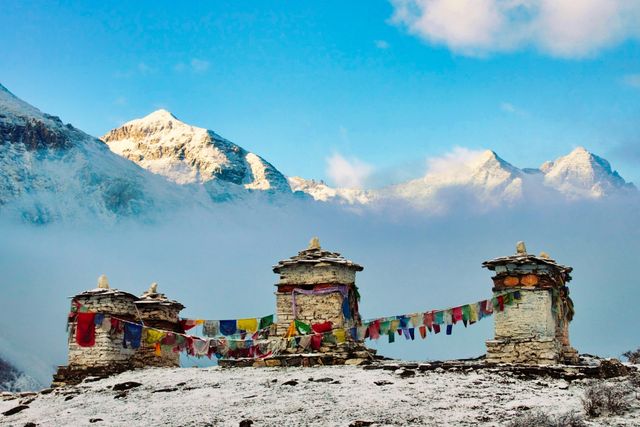
Today we drop down below the tree line, and our path follows the course of the Thimphu Chhu, descending through forests of rhododendron and juniper. There are stunning views of rocky cliff faces as well as beautiful waterfalls along the way. We stop by the riverside for a hot lunch. The trail then leads gradually upwards to the ruins of Barshong Dzong (3,600 m), and we camp nearby for the night.
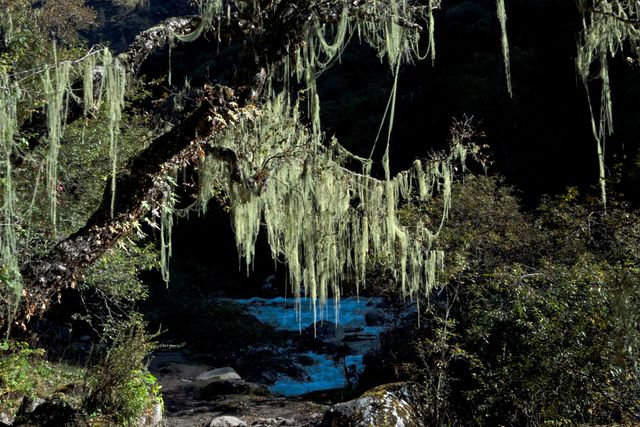
This morning the trail descends gently through a dense forest of rhododendron, birch and conifer, then drops steeply to meet Thimphu Chhu. The path then runs along the left bank, climbing over ridges and descending into gullies where side streams enter the river. The final stage of the trail climbs around a cliff face high above Thimphu Chhu, coming out onto pastureland (3,600 m), where we camp for the night.
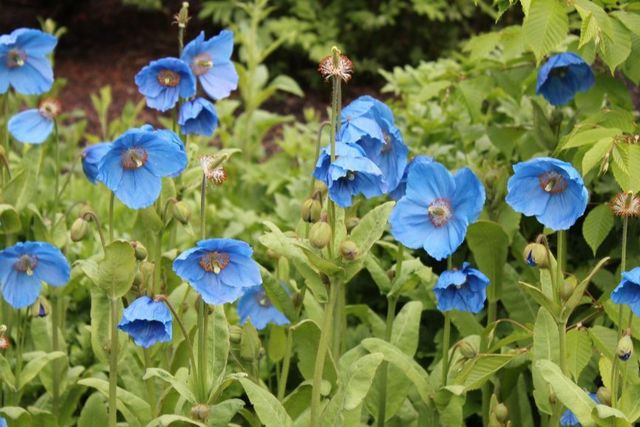
For the final day of the trek, the trail winds in and out of side valleys above Thimphu Chhu, making a long ascent through a forest of conifers and high-altitude broadleaf species to reach a pass at 3,510 m. It then drops steeply to the river and follows it southward to the road head at Dodena (2,600 m). From here we're driven to Thimphu, the pretty capital city (though it feel more like a town).
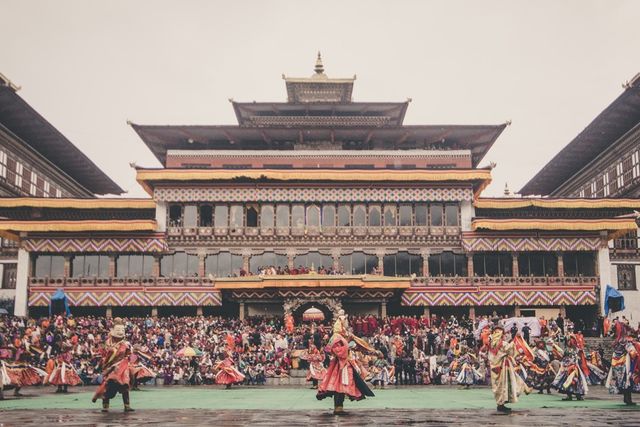
Today we visit Buddha Point, which has the largest statue in the country and offers a great view of Thimphu valley. From here we do an easy two-hour hike along a pretty forested trail that passes villages and thousands of prayer flags. The trail ends at Changangkha Lhakhang, an historic temple and monastic school. After lunch, we take a short drive to Pangri Zampa, one of the oldest monasteries in Bhutan, and then to visit a traditional paper-making factory. In the evening we visit Tashichho Dzong, which houses the king's throne room and various government bodies.
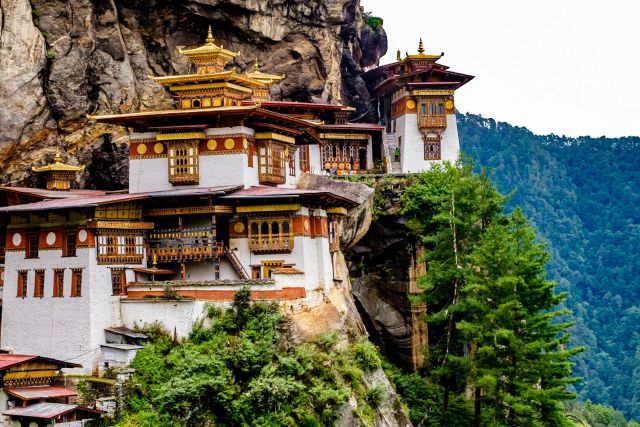
Today we drive to Gangtey (Phobjikha), which takes us over the famous, chorten-dotted mountain pass of Dochu La (3,080 m). On a clear day, you can enjoy a spectacular view of the peaks of the eastern Himalayas. En route we visit the market of Wangdue Phodrang, a town famous for its bamboo products, slate and stone carvings. The valley of Gangtey is one of the most beautiful spots in Bhutan. After lunch, we explore Gangtey village on foot and visit Gangtey Goempa, which is the biggest Nyingmapa monastery in Bhutan.
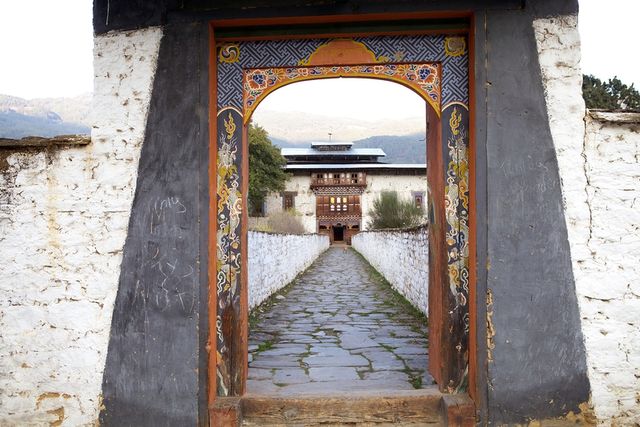
After an early breakfast, enjoy the easy Gangtey Nature Trail, which introduces you to Phobjikha valley. From the small hilltop overlooking Gangtey Goemba, you head downhill through flower meadows to Semchubara village, and from here through beautiful forests and into open valley. Later we head to Tangjey Lhakhang (3,050 m), walking through dwarf bamboo stands, vegetables fields, orchards and the small village of Kilkhorthang. We end up at Tangey Lakhang (temple) – its foundation dates back to the early 1500s. A nice way to end the day is with a little of the locally distilled traditional drink!
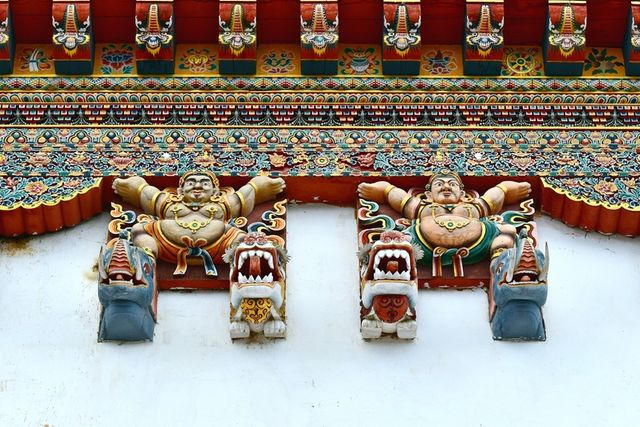
After breakfast we drive to Punakha, the old capital of Bhutan. En route, we stop to do a short hike through rice paddies and traditional villages to Chimi Lhakhang, also known as the Temple of Fertility. The temple is visited by childless couples who believe it will help them to conceive. The trail ends in the tiny settlement of Pana, which offers a glimpse into the daily lives of the villagers. Later we visit Punakha Dzong, a massive fortress that sits at the juncture of two rivers and serves as a winter residence for monks.
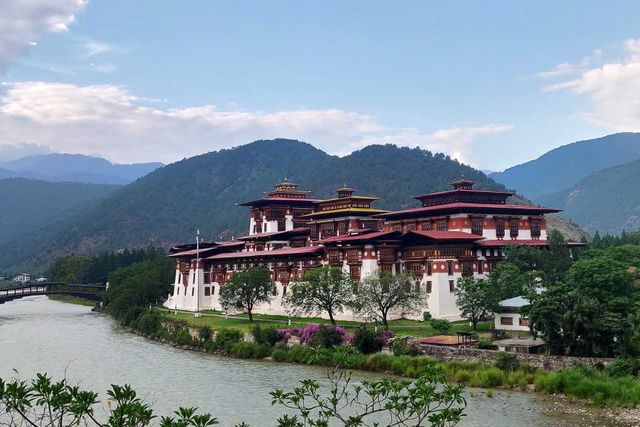
After breakfast, we hike up through fields of chillies, cabbages and rice along the banks of the Mo Chhu to Khamsum Yuelley Namgyal Chorten, a stunning monument built this century by the Queen Mother. Later, we visit Sangchhen Dorji Lhuendrup Lhakhang Nunnery, which is perched on a ridge amid pine trees and overlooks the valleys of Punakha and Wangdue Phodrang. The temple complex is a higher learning and meditation centre for nuns where they can also learn tailoring, embroidery, statue-making and thangka painting.
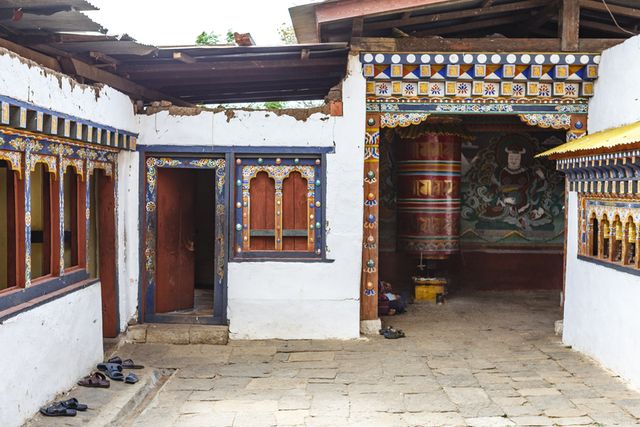
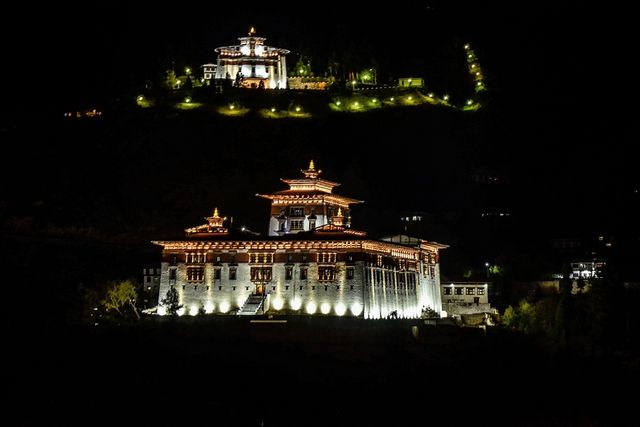
After breakfast, we drive to Paro along a scenic highway. En route, we visit Simtokha Dzong, the country's oldest fortress, built in 1627. Once in Paro, and after lunch, we visit Ta Dzong, originally built as watchtower, which now houses the National Museum. The extensive collection includes antique thangkha paintings, textiles, weapons and armour. We then do a short walk down the trail to visit Rinpung Dzong (or Paro Dzong), which means 'Fortress of the heap of jewels'. Along the wooden galleries lining the inner courtyard are fine wall paintings illustrating Buddhist lore.
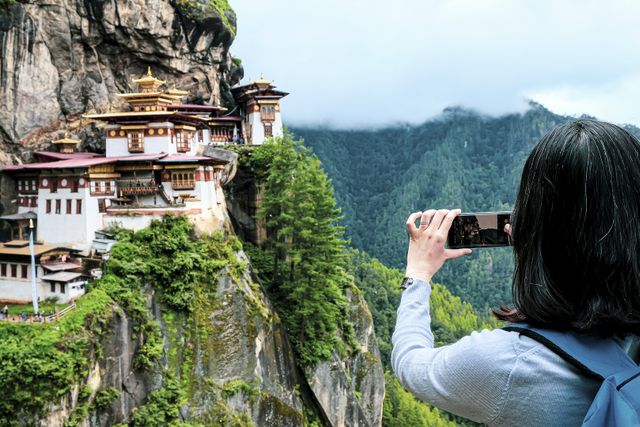
This morning we hike to Taktshang Monastery (or Tiger’s Nest), an improbably placed complex that clings to a cliff 900 m above the floor of Paro Valley. While the winding climb can be taxing, the pristine forest and sweeping views are ample reward! In the afternoon we drive to Drukgyel Dzong, a ruined fortress where Bhutanese warriors fought Tibetan invaders centuries ago. And in the evening, we visit the seventh-century Kyichu Lhakhang, one of 108 temples built in the Himalayas by Tibetan King Songtsen Gampo. The temple's building marked the introduction of Buddhism to Bhutan.
After breakfast at the hotel, your tour guide drives you to the airport and helps you with the exit formalities for your flight home. We feel sure that you're going to be leaving Bhutan with incredible memories that will stay fresh in your mind for years and years to come!
Daily visa (which is a sustainable development fee, or SDF)
All ground transport, including airport transfers
4-star hotel accommodation in Thimphu, Paro and Punakha, 3-star in Gangtey
Breakfasts, lunches and dinners
2 bottled waters per person per day
Experienced and knowledgeable English-speaking tour guide and driver
All activities and entrance fees stipulated in itinerary
Trek guide, cook and porter salaries
Trekking permit
Tent (sleeps two)
International flights
Travel insurance
Drinks and snacks
Tips for tour guide and mountain trekking crew (customary)
Sleeping bag

This resort sits on a mountain high above the Punakha valley, offering incredible views. There's a spa onsite if you feel the need for some pampering.

This beautiful resort is ideally situated for you to explore Paro on foot. Room service is available, and there's range of cuisine on offer in case you're feeling homesick for a familiar meal.

Newly renovated, most of the rooms at this stylish hotel offer a lovely view of the Wangchu (Thimphu River) and the city beyond.

We’re one of the only travel companies worldwide with perfect 5* reviews
Our dedicated travel consultants make adventuring easy for you by taking away all of the admin. Your only jobs are to train for the adventure if necessary and then pack your bags!
Our local guides look after you in every way. Our goal is to give every traveller the feeling you get when a friend is showing you their country.

On average, over 70% of your trip price stays in the local economy. It's important to us that the visited communities benefit the most since they're the ones hosting travellers.



Bhutan is packed with cultural gems and natural wonders, but if you’re short on time, these are the top three must-visit spots:
If you want to find out more, read our article: Bhutan travel guide – Top 12 places to visit in Bhutan

The Sustainable Development Fee, or SDF, is a daily charge paid by all visitors on a tourist visa. Introduced to support Bhutan’s growth and preserve its unique culture and environment, the SDF helps manage visitor numbers to keep tourism sustainable. Bhutan's stance on tourism is defined by its "high-value, low-volume" approach, prioritising sustainability and cultural preservation over mass tourism.

Follow Alice Tours (T) LTD is registered in Tanzania and holds all the necessary licences to run Kilimanjaro climbs and safaris.