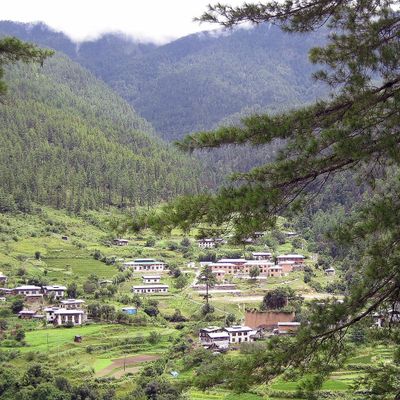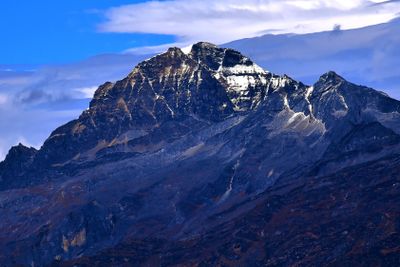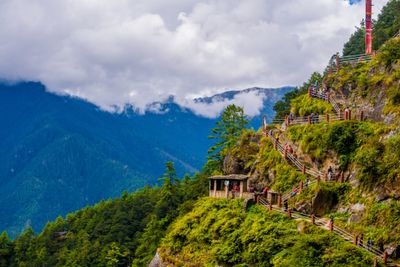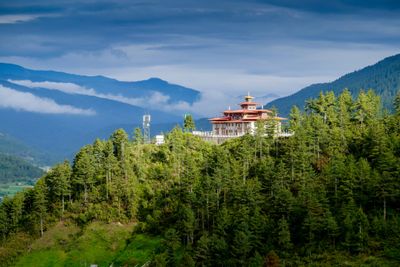




There’s something quietly remarkable about Bhutan that travellers feel long before they can explain it. When you travel to Bhutan, the first thing you notice isn’t a landmark or a viewpoint. It’s the calm. The air feels softer, the rhythm of daily life slows, and people greet you with a sincerity that catches you off guard in the best possible way. You realise almost immediately that Bhutan travel isn’t about ticking off mountain passes or monasteries. It’s about entering a culture where kindness, spirituality, and tradition shape the way people move through the world.
Because the country protects its cultural identity so carefully, good etiquette matters. Knowing a few basics before you arrive helps you feel more at home and shows respect for the people and values that make travel to Bhutan such a meaningful experience.
Here are ten simple etiquette tips every visitor should know before they start their Bhutan travel journey through the Land of the Thunder Dragon.
Understanding Bhutan’s cultural foundations
Bhutan is shaped by Mahayana Buddhism, and you feel that influence everywhere you go. Prayer flags flutter across mountain ridges, monks chant in centuries-old temples. Even the architecture is intentionally symbolic. When you read why visitors fall in love with the place, as described beautifully in why everyone loves Bhutan, you begin to understand how deeply this spiritual heritage shapes the rhythm of life.
Respect is at the core of Bhutanese culture. Respect for elders. Respect for nature. Respect for tradition. This is why Bhutan tourism feels different from other destinations. The country treats visitors as guests rather than consumers. Travel here is a cultural exchange, not a transaction.
If you want to get to know the landscapes that reflect this sense of harmony, explore our Bhutan travel guide to top places to visit.
1. Greeting and communication etiquette
Greetings in Bhutan tend to be warm, gentle, and genuine. A simple smile is always appreciated. Locals often say, “Kuzu zangpo la,” a polite and friendly hello. You'll hear the word 'la' added to many phrases. It’s a soft marker of respect, not formality.
A few useful reminders:
- Keep your voice calm and steady.
- Avoid pointing or making sharp hand gestures.
- Remove sunglasses when speaking with someone.
- Showing impatience can feel disrespectful.
If you’re curious about languages Bhutan uses day to day, Dzongkha is the national language, but more than a dozen local languages and dialects are spoken across the country.
2. Dress code and temple etiquette
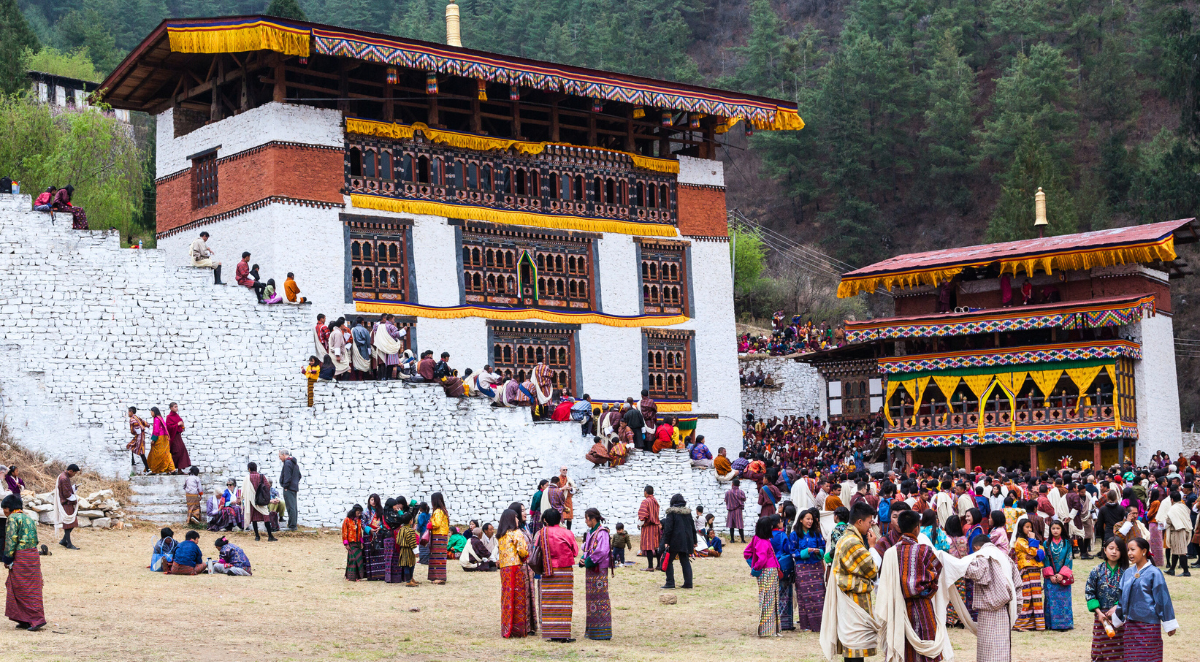
Temples, monasteries, and dzongs (fortresses) are among the most sacred spaces in Bhutan. Dressing modestly isn’t only good etiquette but also a sign of gratitude for being welcomed into these spiritual places.
General dress etiquette:
- Shoulders and knees should be covered.
- Avoid revealing or very tight clothing.
- Hats and caps must be removed before entering temples.
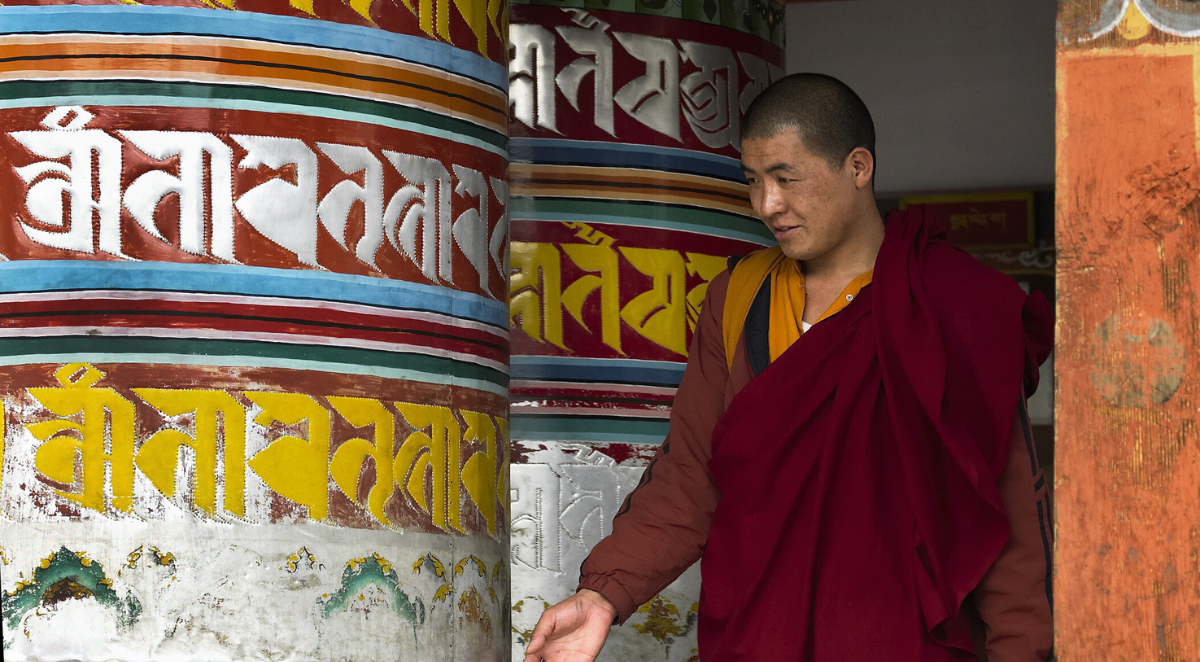
- Walk clockwise around chortens and prayer wheels.
Inside temples, photography is usually restricted, and voices should be kept low. Guides are always happy to explain what’s appropriate. Bhutanese etiquette leans toward modesty and mindfulness, so plan clothing that aligns with those values.
3. Bhutanese cuisine and dining customs
Bhutan cuisine is warm, comforting, and famously spicy. The national dish, ema datshi, a rich mix of chillies and cheese, shows up on nearly every table and quickly becomes part of the experience when you travel to Bhutan. Trying local food is a big part of Bhutan travel, and meals are often shared in a way that feels welcoming and relaxed.
When you’re eating with locals, a few simple customs help you blend in:
- Before anything else, accept at least a small portion. It shows appreciation for the meal and the people sharing it with you.
- Use your right hand when receiving food or passing dishes.
- If you’re offered butter tea, or suja, sip it slowly. It’s a sign of respect and hospitality.
- Try not to waste food during your Bhutan travel experience, as it’s considered disrespectful, and meals are treated with real care.
If you’re planning your budget or curious about dining norms, have a look at how much it costs to travel to Bhutan.
4. Language, pronunciation, and respectful phrases
Bhutan pronunciation sometimes feels unusual because Dzongkha has sounds that English speakers aren’t used to. A few simple tips help you sound more familiar with local words.
Helpful notes:
- Bhutan is pronounced “Boo-taan”.
- Dzong sounds like “Zong”.
- Paro is “Pah-ro”.
A few phrases that locals genuinely appreciate:
- Kadrinche la: Thank you.
- Tashi delek: good luck / good wishes
- Choey La: Excuse me, or please.
If you want to learn more about customs before you arrive, read 6 things to know before visiting Bhutan.
5. Respecting the Bhutan flag and national symbols
When you travel to Bhutan, you’ll see right away that national symbols are looked after with real care. The Bhutan flag is especially meaningful. The dragon stands for courage, protection, and the spirit of the Bhutanese people, and they treat it with a quiet kind of respect. It’s something visitors are encouraged to follow too, because it makes Bhutan travel feel more thoughtful and considerate.
A few simple things help:
• Don’t let the Bhutan flag touch the ground. • Avoid climbing on statues, prayer walls, or anything that holds religious meaning. • Be careful when taking photos near national monuments during your Bhutan travel.
These small choices show that you’re paying attention to what matters in Bhutan, and they make your Bhutan travel experience feel far more genuine.
6. Environmental and social etiquette
Bhutan is widely known for being the world’s first carbon-negative country. Environmental care is a national priority, not a trend.
Good etiquette includes:
- Don’t litter, even biodegradable scraps.
- Stick to marked hiking paths.
- Avoid disturbing wildlife.
- Conserve water whenever you can.
To plan your visit around weather, climate, and festivals, use our guide on the best time to visit Bhutan.
7. Photography and privacy etiquette
When you travel to Bhutan, you’ll notice straight away how warm and open people are, but taking photos without asking can still feel intrusive. A little care goes a long way, and it keeps your Bhutan travel experience comfortable for everyone.
A few simple guidelines help you stay considerate:
- Always ask before taking someone’s photo, especially of elders or families.
- Avoid photographing monks during prayer or meditation.
- Most temples don’t allow photography inside, so follow your guide’s lead.
- Don’t use drones unless you’ve received clear written approval.
It helps to think of photography as sharing a moment, not collecting one. When you approach it this way, you’ll often have more genuine, meaningful interactions throughout your travel to Bhutan.
8. Understanding the role of guides
Every traveler must book with a licensed tour operator, which is part of Bhutan’s sustainable tourism strategy. Guides are more than navigators. They’re cultural interpreters who explain customs, help with language, clarify etiquette, and ensure that visitors move respectfully through each place.
If trekking is part of your plan, read how to book your Bhutan trek.
9. Visa etiquette and the SDF mindset
When you travel to Bhutan, you will pay the Sustainable Development Fee (SDF), a daily contribution that supports Bhutan’s free healthcare, education, and environmental protection. Many travellers find that framing the SDF as an investment rather than a fee shifts their whole experience.
For current visa updates, read Bhutan’s updated tourist visa costs.
10. Travel slowly and respectfully.
Bhutan isn’t designed for fast-paced sightseeing. The country encourages slowness. Villages move at their own pace. Monasteries breathe. Nature sets the rhythm.
For a beautiful reflection on what this feels like, read Bhutan: not just a place, but a feeling.
And if you are exploring itineraries built around these values, browse our Best of Bhutan tour or our full range of Bhutan tours.
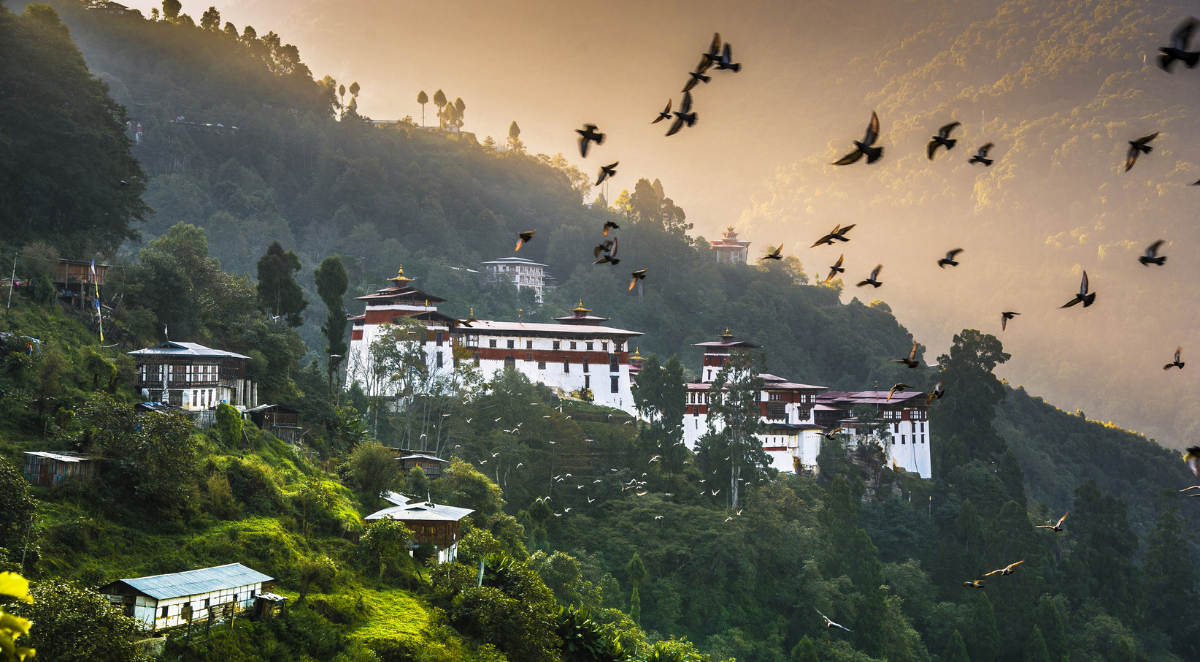
Planning your journey with respect
When you travel to Bhutan, you’re stepping into a country that values balance. Culture, nature, and community all sit at the heart of everyday life, and visitors who slow down long enough to notice this usually have the most meaningful experiences. That’s why these etiquette basics exist. They’re not meant to be memorised; they’re there to help you connect a little deeper and travel to Bhutan in a way that feels considerate and genuine.
Respect the places you visit. Learn a simple phrase to make someone smile. Choose clothing that feels thoughtful. Share meals with curiosity. Walk a little slower than usual. Pause for the quiet moments.
Follow these small habits, and you’ll find that Bhutan travel becomes more than a trip. It becomes an experience that lingers, the kind travellers talk about years later because it made them feel something rare.