



Hygiene on Kilimanjaro should be a big consideration for women because the mountain provides almost no facilities. There are no showers, and water is extremely limited at camps. While this might sound challenging, proper preparation ensures you can stay clean throughout the trek. Biodegradable wet wipes, hand sanitiser, and quick-dry towels are just as important as bringing extra underwear for daily changes.
Long days on the trail, limited water, and basic facilities mean that routines you take for granted at home require a little extra thought on Mount Kilimanjaro. If you are aware of these challenges before you start your climb, it makes it easier to stay comfortable and refreshed throughout your trek. Menstrual cycles for women can also behave unpredictably at altitude, sometimes arriving earlier, later, or even pausing entirely. Knowing what to expect and planning is key to a smoother trek.
Let’s have a look at what you need to consider for women’s hygiene on high-altitude climbs, and if you have any questions, schedule a call with Follow Alice.
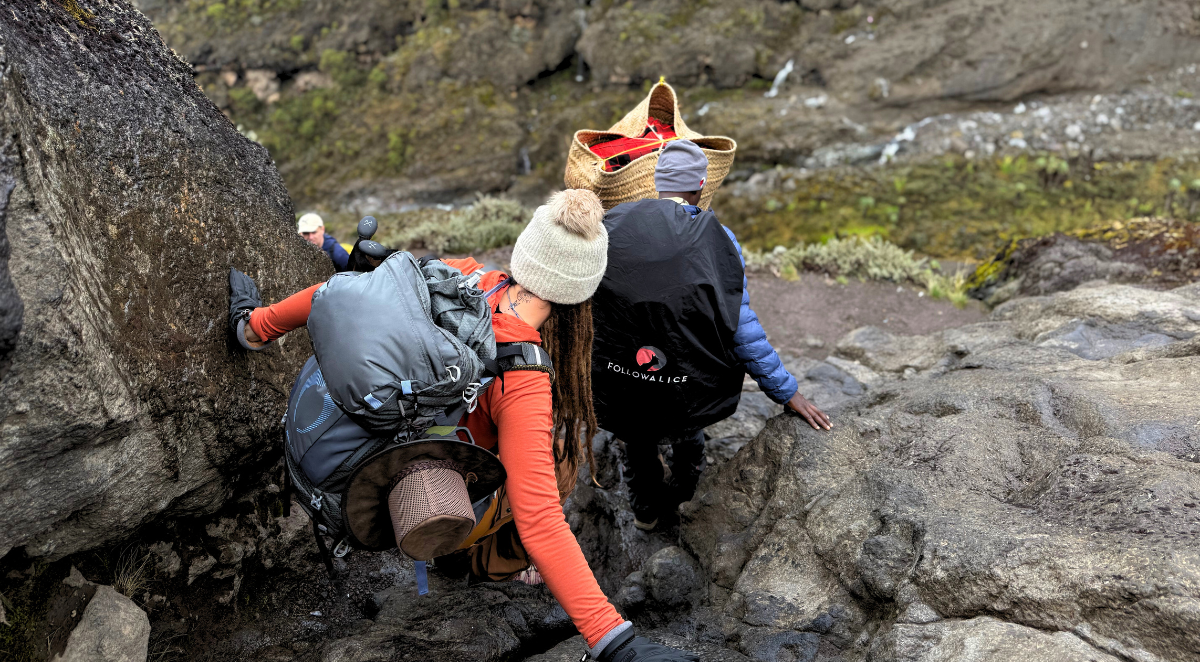
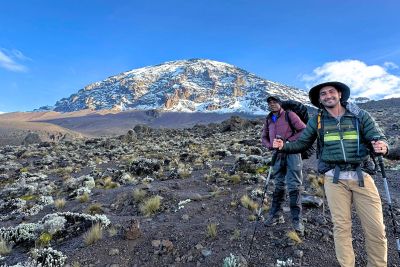
Trekkers take on the unsteady terrain on Mount Kilimanjaro.
{{leadmagnet-one}}
Toilets and privacy
The toilet facilities on Kilimanjaro are basic at best. Most camps use pit latrines, which can vary in cleanliness and privacy. Some camps have limited nighttime lighting and no running water, making it difficult to maintain personal hygiene. Women concerned about privacy or sanitation may consider portable private toilets, which operators offer as an optional add-on. Many female climbers say that having this option, especially at night or during menstruation, helps give them peace of mind.
Don't stress, even when you're on your period, it's still possible to summit Kilimanjaro if you plan wisely. Bringing your own supplies, packing out used products, and planning restroom breaks with your guide can make the experience manageable. Menstrual cups are particularly convenient for multi-day climbs because they allow extended wear, require minimal cleaning, and reduce waste compared to pads or tampons.

The type of toilets you will use while climbing Mount Kilimanjaro.
Learn more: Is staying at Kilimanjaro Crater Camp a good idea?
Dressing for comfort and warmth
Cold is a reality on Kilimanjaro, especially for women, who may feel the chill more. Temperatures at night can drop well below freezing, and summit day involves exposure to sub-zero conditions. Thermal base layers, a quality down jacket, insulated gloves, and wool socks are essential. Operators generally provide high-altitude sleeping bags, but layering is important, as temperatures can drop quickly after sunset. Small comforts, like a hot water bottle at camp, can also help maintain warmth overnight.
Managing menstrual pain alongside cold and altitude requires some intervention. Pack with you Ibuprofen or medication you know works when it's that time of the month. Plus side, it can help with cramps as well as altitude headaches, but it’s important to consult a doctor before your climb. Women may also benefit from self-heating wraps, which can provide relief for cramps while trekking or resting at camp.
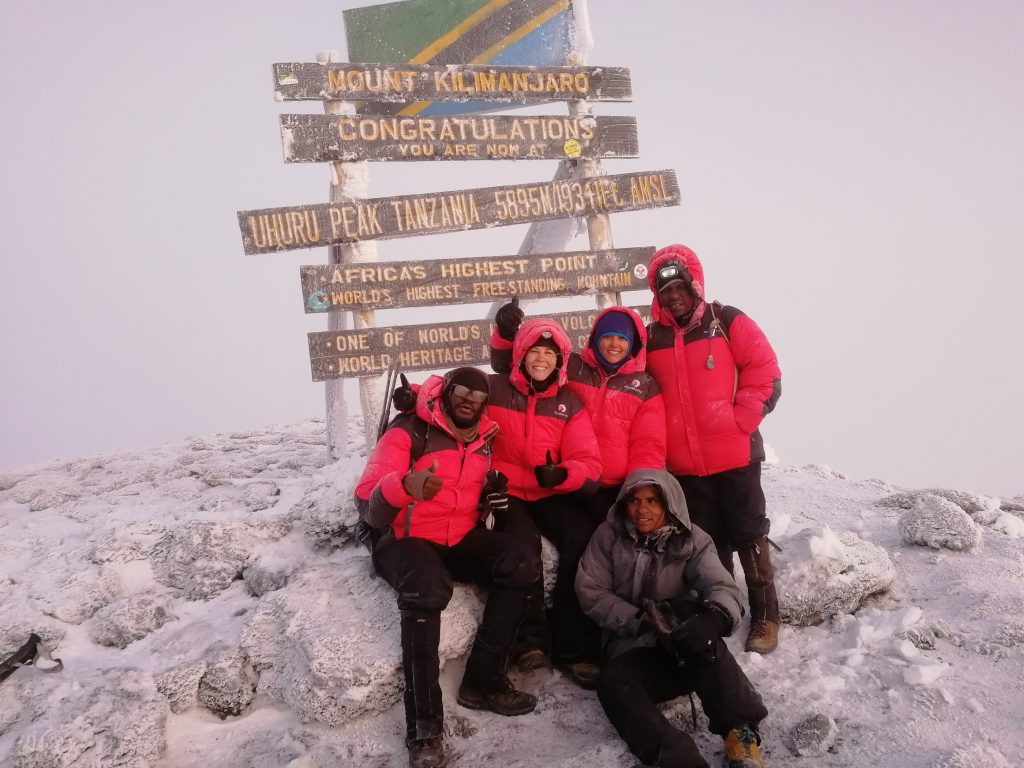
Trekkers layered up as they braved the cold on Mount Kilimanjaro.
Learn more: Why prices differ so much between Kilimanjaro operators
Practical hygiene while trekking
Everyday routines like personal care become far more important for women on Kilimanjaro. With limited water, maintaining cleanliness calls for a little creativity and planning. As mentioned throughout, many camps provide only a small bowl of warm water per person, which is insufficient for full-body washing. Large biodegradable body wipes are important for cleaning areas prone to sweat and dust, such as underarms, under the chest, and ankles. A few drops of gentle soap, like peppermint-scented castile soap, can improve cleanliness without wasting water. Some climbers use the same small water supply to wash hair, which can help maintain a sense of freshness over multiple days.
Hydration is just as important on the mountain, with climbers recommended to drink four to six litres of water per day, in addition to tea or coffee. If you are taking Diamox, increased urination is common, which presents a challenge for women given the lack of private toilets along the trail. Devices such as Shewees or other portable urinals can make relief easier and safer, allowing you to urinate while standing or squatting discreetly. Toilet paper or biodegradable wipes should always be packed out, in line with Leave No Trace principles.
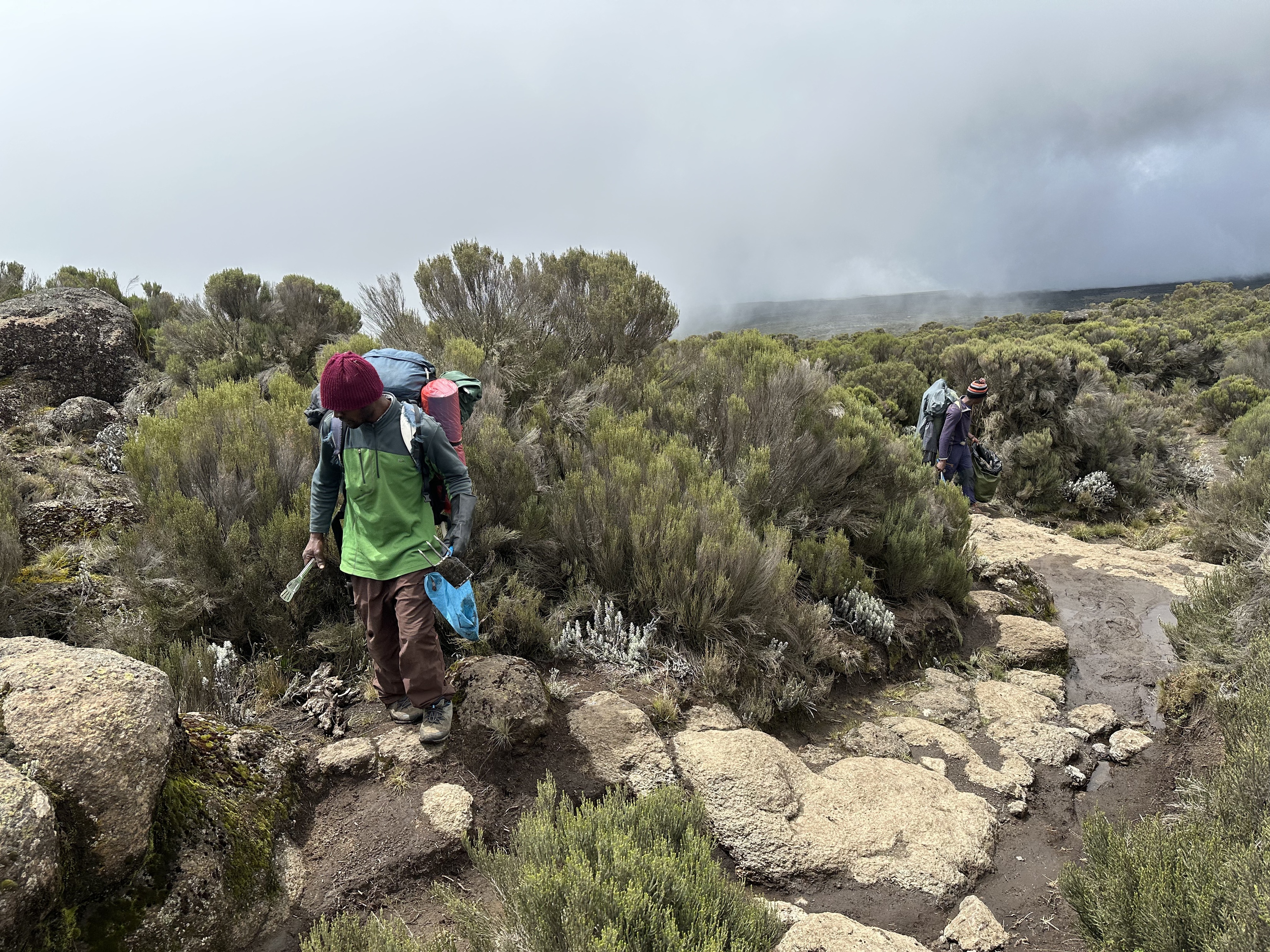
Porters are cleaning up and following Leave No Trace rules.
Menstrual care at altitude
This fact is true that high altitude can cause cycles to shift, your flow may become lighter or heavier, or periods can be delayed entirely. Staying hydrated, eating well, and using over-the-counter medication for cramps or discomfort can help manage these changes. Letting your guide know about your needs is also important, as it allows for flexibility with rest stops and adjustments to the pace of the climb.
In case you didn't see this earlier, many women find menstrual cups the most practical option for trekking on Kilimanjaro. They can be worn for longer periods than pads or tampons and require only a small amount of water for cleaning. Using gloves or sanitising wipes helps keep hands clean during insertion and removal. For those who prefer pads or tampons, it’s important to pack enough for the entire trek and store used items in sealable bags until proper disposal is possible. Some women also find small pouches or wet wipes helpful for maintaining hygiene when water is limited, and carrying a dedicated toiletries bag keeps everything organised and easy to access during the climb.
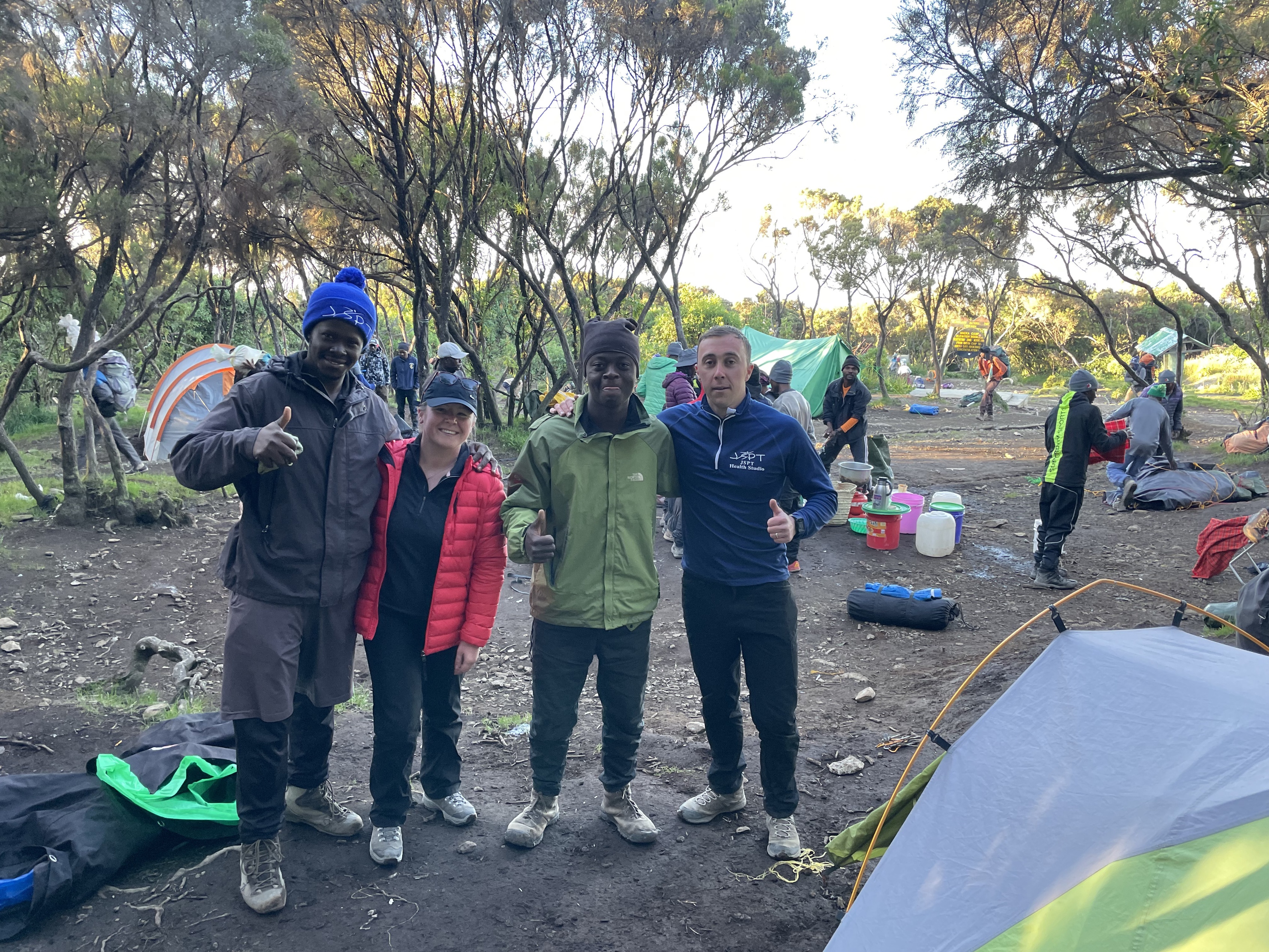
Conditions are different on Mount Kilimanjaro.
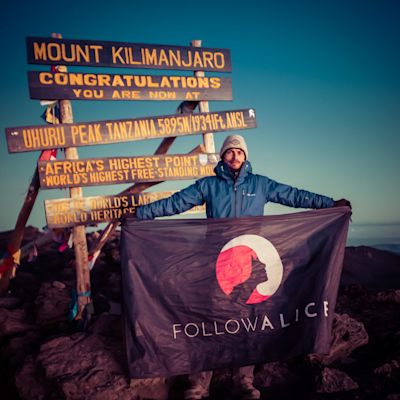
Women’s hygiene tips for Kilimanjaro
These Kilimanjaro hygiene tips cover everything from clothing and daily routines, helping women prepare for the trek and focus on enjoying the adventure while staying fresh and healthy along the way. Let's take a look:
Clothing and comfort
Clothing choices can make a big difference. Breathable, moisture-wicking layers help prevent chafing and keep skin dry, while quick-drying underwear and socks make it easier to feel fresh even with limited water. Changing into clean layers at rest stops, even briefly, can improve comfort and morale during multi-day treks.
Practical hygiene tips
Other simple hygiene tricks can help maintain comfort and safety. Carry a small bottle of hand sanitiser for use after pit latrines or before handling food. Dry shampoo or body wipes allow you to refresh when showers aren’t possible. Keeping hair tied back and using lightweight, easy-to-clean accessories makes daily routines more manageable.
Thoughtful preparation allows women to manage their period, maintain hygiene, and stay confident throughout the climb. It lets you focus on the experience, the incredible scenery, and the sense of achievement at every step.
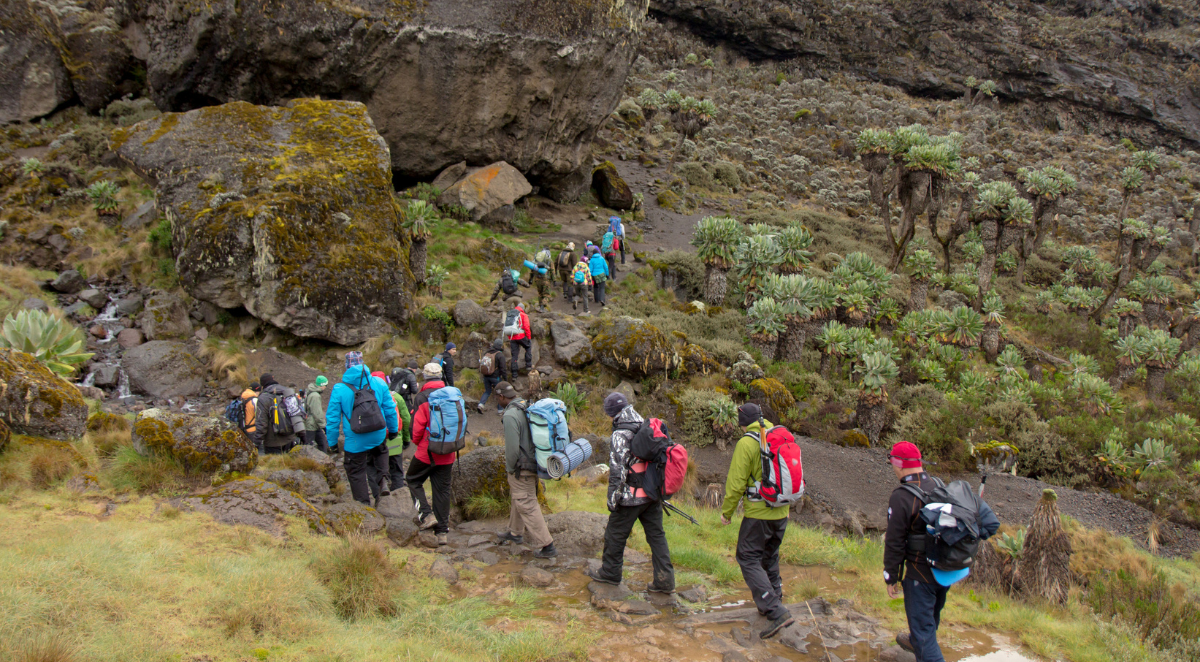
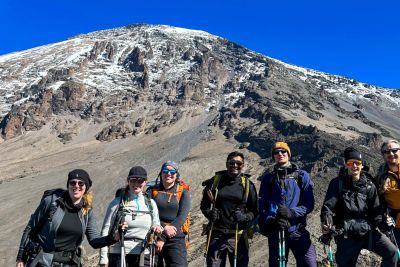
Trekkers are making their way to the top of the mountain.
Kilimanjaro hygiene tips
Keeping comfortable on the trail is about more than just your backpack and boots—personal hygiene plays a key role in a smooth, enjoyable trek. High-altitude conditions, long days, and limited facilities mean women need a few extra strategies to stay fresh, confident, and healthy from the base to the summit. Take a look at this table to give you a quick overview of everything we discussed:
Staying comfortable and confident
With careful preparation and attention to hygiene, women can climb Kilimanjaro safely, comfortably, and with confidence. Following these Kilimanjaro hygiene tips, planning for menstrual care, and understanding how altitude can affect menstruation ensures that cleanliness, comfort, and well-being remain a priority. To ease your mind more, we provide one private toilet for every six trekkers, and two for groups of seven or more. This gives our clients access to a cleaner, more comfortable setup throughout the trek, rather than needing to use the shared long-drop toilets commonly found at camp. While some other operators offer private toilets only as an optional extra, we include them as standard. The mountain may present challenges, but with the right supplies and preparation, women can focus on the climb, maintain their health, and enjoy every step of the experience. If you would like to go on a trip and are still unsure, book a call with us, and we will answer any questions you have.