


Few treks in the world offer the wide variety of the Annapurna Circuit. Stretching 160–230 km, depending on your chosen route, it begins in the subtropical lowlands near Besisahar, meanders through lush forests, winds past traditional villages, and climbs to the daunting Thorong La Pass at 5,416 m. On the descent, the trail passes the Kali Gandaki Gorge, one of the deepest on Earth. The mix of stunning landscapes, local culture, and the challenge of high altitudes is what makes the Annapurna Circuit a must-do trek.
Unlike other high-altitude treks that rely on camping, the Circuit benefits from a well-established teahouses you will find along the way, allowing trekkers to rest, refuel, and connect with fellow travellers without carrying heavy camping gear. This accessibility contributes to its massive popularity among first-time Himalayan trekkers and experienced adventurers alike. If you have any questions, feel free to book a call with our team.
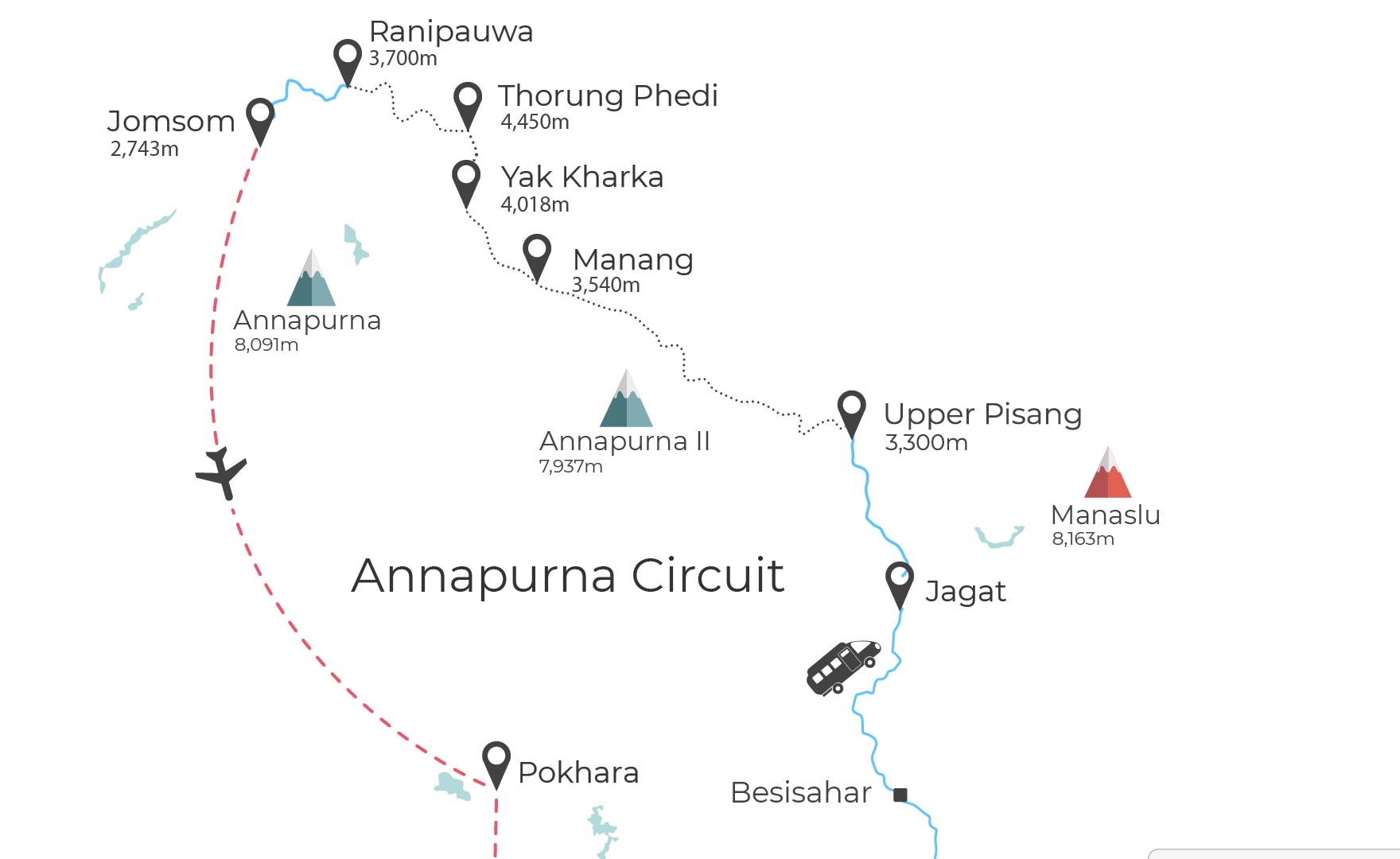
Map of the Annapurna Circuit.
Learn more: Annapurna Circuit route – a detailed day-by-day itinerary
Where Is the Annapurna Circuit?
The Annapurna Circuit is a classic long-distance trekking route in Nepal, circling the vast Annapurna Massif in the north-western Himalayas. Set within the Annapurna Conservation Area, the circuit winds through some of the country’s most dramatic mountain terrain, linking deep river valleys with high alpine passes and remote Himalayan settlements.
In total, the Annapurna Circuit covers approximately 160–230 kilometres (99–143 miles). The exact distance depends on where road access is used and whether trekkers include popular side trips, such as Tilicho Lake. Despite changes to infrastructure over the years, the core trekking experience remains intact, offering a continuous journey through varied landscapes rather than a single out-and-back route.
The traditional Annapurna Circuit trek largely begins in Besisahar, the headquarters of the Lamjung District. Trekkers also frequently opt to drive further by Jeep to villages like Syange or Dharapani to bypass initial road sections and save time. This steady ascent allows for natural acclimatisation and provides early insight into the cultural rhythm of mountain life.
Beyond Manang, the route enters a stark, high-altitude environment before reaching the circuit’s defining challenge, which is the Thorong La Pass, which rises to 5,416 metres (17,765 feet). Crossing the pass is both physically demanding and extremely rewarding, marking the highest point of the trek and offering sweeping views across the Himalayan range.

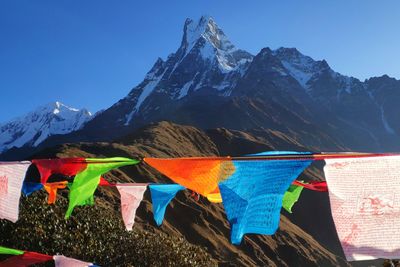
Thorung La Pass at the Annapurna Circuit trek.
After Thorong La, the trail descends sharply into the Kali Gandaki Gorge, one of the deepest gorges in the world. The trek traditionally concludes at Muktinath, a sacred pilgrimage site for both Hindus and Buddhists, before continuing by foot or vehicle toward Jomsom and Pokhara. What makes the Annapurna Circuit’s location so exceptional is how much it packs into a single route: enormous altitude variation, distinct climate zones, and a rare blend of natural beauty and culture within a region that remains surprisingly accessible for trekkers.
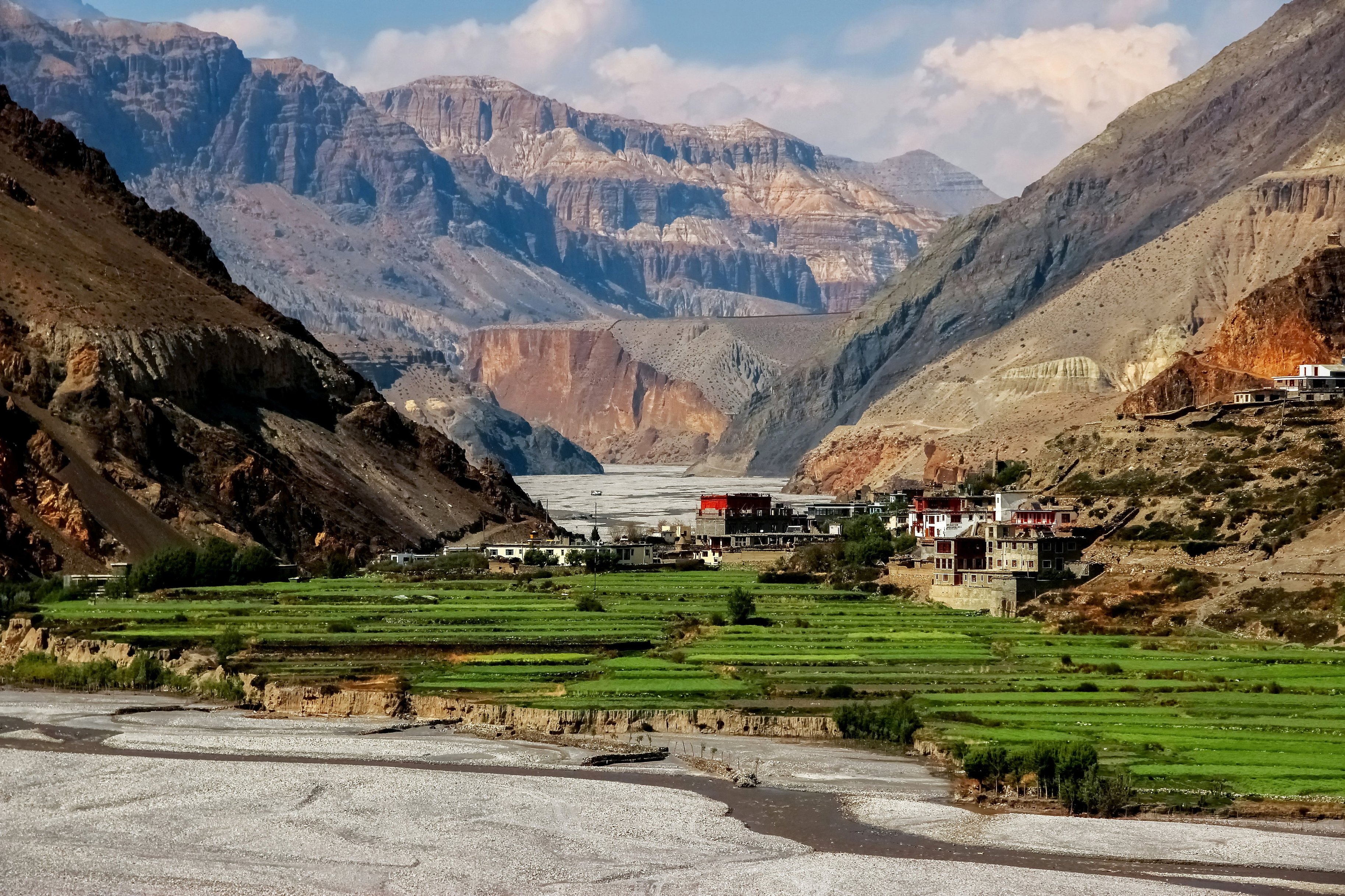
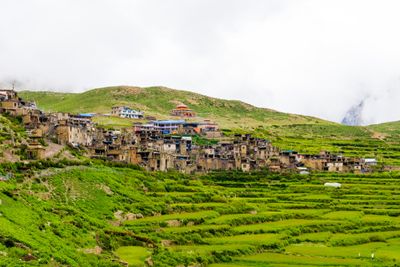
Perched in the Himalayan mountains, the village of Kagbeni sits above the vast Kali Gandaki River gorge.
{{leadmagnet-one}}
Choosing between independent and guided trekking
In 2026, trekking the Annapurna Circuit independently is still legally possible, but it’s becoming increasingly rare and for good reason. While the route is well established, it remains a remote, high-altitude trek where conditions can change quickly, especially above Manang. Independent trekkers must manage permits, accommodation availability, transport logistics, and altitude risks entirely on their own, often in areas with limited phone signal and medical access.
One of the biggest challenges of trekking without a guide is altitude management. The Annapurna Circuit gains elevation gradually, but the crossing of Thorong La Pass at 5,416 metres places trekkers dead set in the extreme-altitude zone. Each year, trekkers require evacuation due to acute mountain sickness (AMS), most commonly because of poor acclimatisation or pushing the itinerary too fast. Without a guide, recognising early warning signs and adjusting plans can be difficult, particularly for first-time Himalayan trekkers.
Logistics also play a larger role than many expect. Although teahouses line the route, rooms are not guaranteed, especially in peak seasons (March–May and September–November). Independent trekkers arriving late in the day can find villages fully booked, forcing them to continue hiking at altitude when rest is critical. Guides typically reserve accommodation in advance and adjust daily distances to suit conditions and group fitness.
Guided Annapurna Circuit treks remove much of this uncertainty. Licensed local guides handle permit issuance, coordinate accommodation, manage daily pacing, and monitor acclimatisation throughout the trek. Their local knowledge is particularly valuable in sections where weather, snow, or trail conditions affect safety, especially on the approach to Thorong La. Guides also act as first responders in case of illness and can organise rapid evacuation if necessary.
Most guided treks also include the option of a porter, which significantly reduces physical strain. Carrying a heavy pack at altitude increases fatigue and the risk of altitude-related illness. With a porter handling the bulk of your gear, trekkers are better able to maintain a steady pace, stay hydrated, and focus on recovery — all of which directly improve safety and enjoyment.
Cost is often cited as the main reason to trek independently, but the difference is narrower than many expect. Once permits, accommodation, food, transport, and contingency costs are factored in, guided treks often represent better overall value, particularly for longer itineraries or first-time visitors to Nepal.
For trekkers new to high-altitude hiking or anyone attempting the Annapurna Circuit for the first time, a guided trek is highly recommended. It doesn’t affect the adventure; it removes the unnecessary risk, allowing you to experience the circuit’s landscapes and beautiful culture.
While independent trekking appeals to experienced hikers wanting full control over their trip, guided Annapurna Circuit trekking remains the smarter choice in 2026 for most travellers, particularly those new to high altitude, long-distance Himalayan routes, or travelling during peak seasons.
Take a look at this table, which gives you a breakdown:
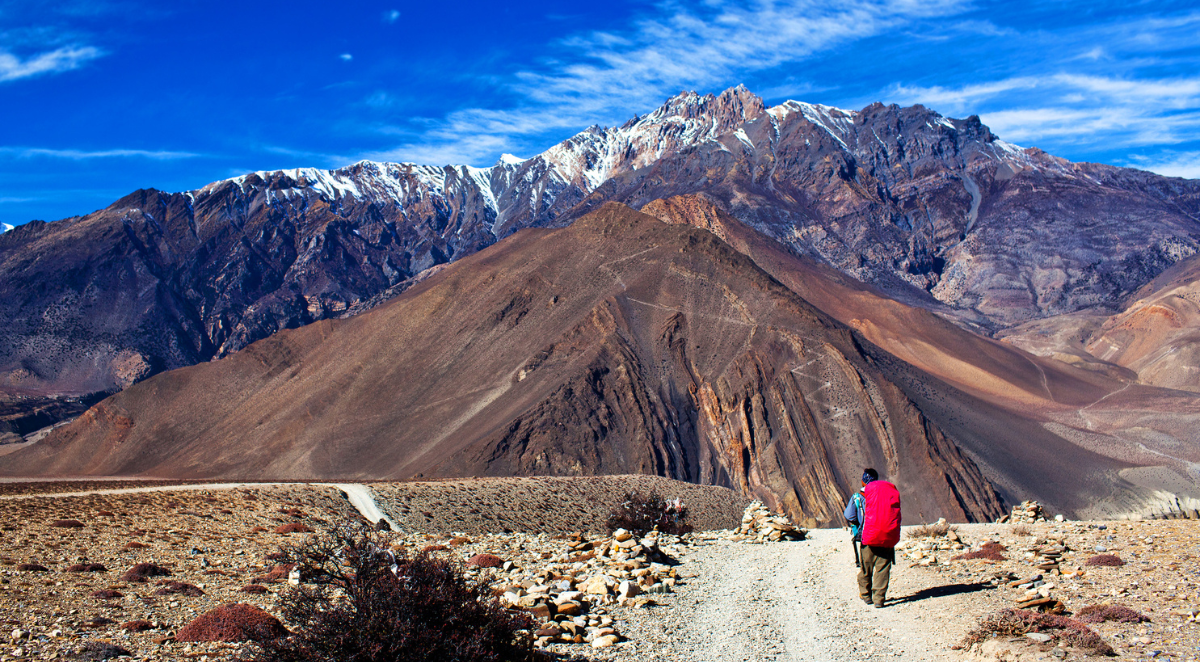
A trekker walking the Annapurna Circuit.
Learn more: Annapurna Circuit vs Everest Base Camp
How and why to book a guided Annapurna Circuit trek
Booking a guided Annapurna Circuit trek is the most reliable and stress-free way to experience one of Nepal’s greatest long-distance hikes. With changing regulations, high-altitude risks, and complex logistics along the route, trekking with a licensed guide like Follow Alice offers both safety and convenience, especially for first-time visitors to Nepal.
Why book a guided Annapurna Circuit trek?
The Annapurna Circuit, as said throughout this article, is that its a once in a lifetime adventure, but it comes with high-altitude challenges, remote trails, and logistical complexities. Trekking with a guide takes the stress out of planning and lets you focus on the journey itself. A guide provides local expertise, ensures safety, manages permits and accommodation, and adds cultural insight, everything you need to fully enjoy the trek without worrying about the details. For travellers, this means more time soaking in the landscapes, connecting with local communities, and experiencing the sense of achievement that makes the Annapurna Circuit so unforgettable.
Below is a clear, step-by-step guide on how to book a guided Annapurna Circuit trek, and why it remains the best option for most trekkers:
Step 1: Research licensed trekking agencies
Start by choosing a trekking company that is officially registered with:
These registrations ensure the company meets legal, safety, and ethical standards. Reputable operators like Follow Alice also employ licensed local guides, which is essential under current trekking regulations.
To assess reliability:
- Read reviews on TripAdvisor.
- Browse independent travel blogs.
- Check recent discussions on Reddit trekking forums.
- Look for consistent feedback on safety, guide quality, and organisation.
Avoid agencies offering unusually low prices, as this can indicate poor guide welfare or hidden costs.
Step 2: Share your trekking requirements
Once you shortlist a travel agency, share detailed information so they can tailor the trek properly. At Follow Alice, we are happy to answer any questions you have. Feel free to schedule a call with us.
This should include:
- Preferred trekking dates.
- Your fitness level and previous altitude experience.
- Accommodation expectations (basic teahouses vs upgraded lodges where available).
- Dietary requirements.
- Group size, or whether you want a private guided trek.
- If you would like to include a porter service
The more specific you are, the more accurately the operations team can plan your itinerary, pacing, and support.
Step 3: Compare guided Annapurna Circuit trek packages
Most guided Annapurna Circuit packages include the essentials, but inclusions can vary. A standard package typically covers:
- ACAP (Annapurna Conservation Area Permit)
- TIMS card
- Licensed English-speaking guide (mandatory)
- Transportation to and from the trailhead
- Accommodation bookings along the route
- Optional porter services
- Emergency coordination support if required
When comparing packages, check what is not included, such as meals, tips, travel insurance, or extra nights due to weather delays.
Step 4: Confirm guide credentials and experience
Before confirming your booking, ask about your assigned guide. A professional Annapurna Circuit guide should have:
- A valid trekking licence
- Extensive experience on the Annapurna Circuit route
- First-aid and altitude training
- Strong local knowledge and clear communication skills
Experienced guides play an important role in monitoring health, managing acclimatisation days, and making safe decisions in changing mountain conditions.
Step 5: Secure your booking
Once you’re happy with the itinerary and inclusions, the agency will ask for a deposit to secure permits, guides, and accommodation. The remaining balance is usually paid:
- Before departure, or
- Upon arrival in Kathmandu or Pokhara, or unless otherwise stated.
Always request a clear payment breakdown and written confirmation of what’s included in your guided Annapurna Circuit trek. Booking a guided Annapurna Circuit trek ensures a smoother, safer, and more enriching journey through the Himalayas. With logistics handled by professionals and expert support at altitude, you can focus on the landscapes, culture, and sense of achievement that make this trek unforgettable.
Learn more: 10 tips for trekking the Annapurna Circuit
Permits and required documents for the Annapurna Circuit trek
Before you start your Annapurna Circuit trek in 2026, it’s important to sort out your permits and paperwork. These aren’t just formalities; authorities check them at trail checkpoints, and you can be turned back or fined if you don’t carry the correct documents.
Annapurna Conservation Area Permit (ACAP)
This is mandatory for all trekkers in the Annapurna region. Without it, entry to the conservation area, including the full Annapurna Circuit, is not permitted.
Permit fees in Nepal are generally stable for several years, unless there is an official policy update from the Government or ACAP management. As of the 2026 trekking season, there are no announced changes, ensuring consistency for travellers. Here is a breakdown of the trekking permit:
- Cost: About USD 30 (NPR 3,000) for most foreign nationals; SAARC citizens often pay a reduced rate.
- Where to Get It:
- Kathmandu: Nepal Tourism Board Office on Pradarshani Marg (near Bhrikutimandap) opens Sunday to Friday, usually between 10 am–5 pm.
- Pokhara: Nepal Tourism Board Service Centre in Damside (near Lakeside), popular for trekkers heading straight to the trailhead.
- Besisahar: Some ACAP counters at entry‑points like Besisahar may issue permits, but it’s generally smoother to secure them in Kathmandu or Pokhara before you begin.
- Online Option: In 2026, you can apply for your ACAP permit online through the National Trust for Nature Conservation (NTNC) website by submitting passport details, trek plan, and passport photos. After approval, you must still print the permit to carry with you.
Remember the following:
- Children under 10 years do not require an ACAP permit, regardless of nationality.
- The exemption is official and consistently enforced at checkpoints along the trek.
- Fees are collected at the Nepal Tourism Board offices in Kathmandu or Pokhara, or by licensed trekking agencies on your behalf.
- Permits are usually issued on the same day if you arrive early. Peak trekking seasons (spring and autumn) are busy, so get them a day or two before you trek to avoid queues.
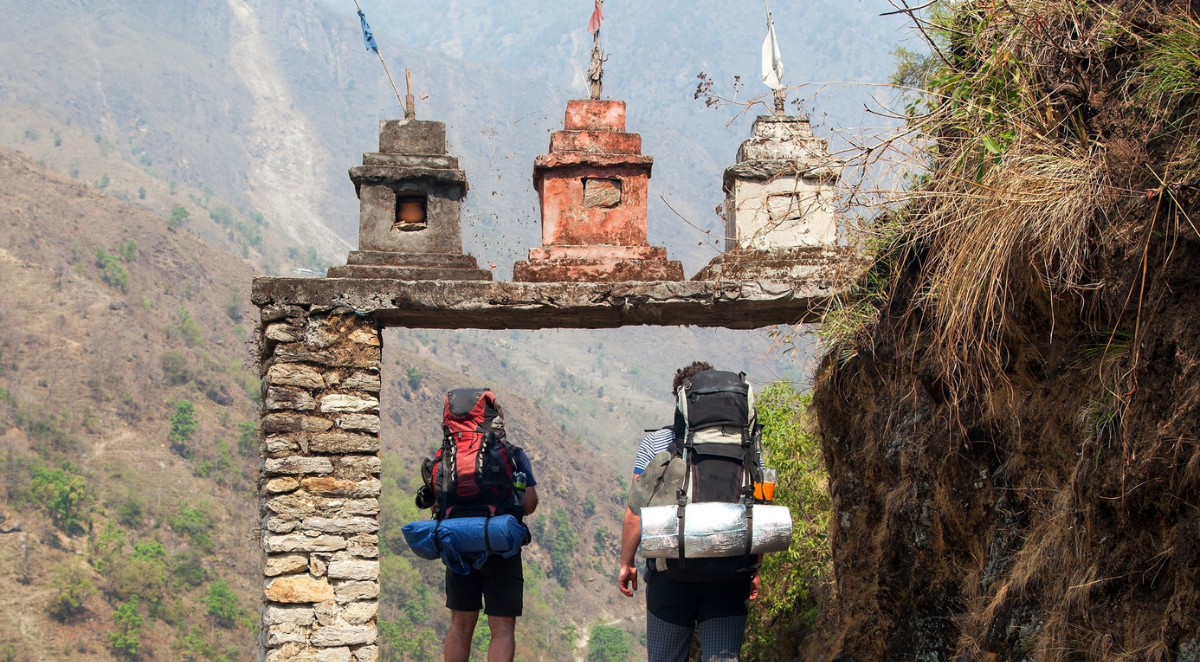
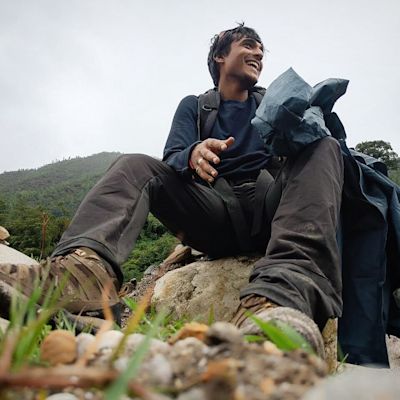
Views taken by two trekkers on the Annapurna Circuit.
Trekking Information Management System (TIMS)
As of 2026, TIMS is recommended but not strictly required for many treks in Nepal, including the Annapurna Circuit. It functions as a tracking system for your safety in case of emergencies. As you trek through the Annapurna Circuit, you are required to register at checkpoints along the route. Rangers in the area monitor trekkers’ locations, helping to ensure both your safety and the protection of the conservation zone. Should anything go wrong, these rangers can coordinate search and rescue efforts, allowing medical teams to reach you quickly if you get lost or face an emergency.
- Current practice: TIMS cards are no longer mandatory under national policy for Annapurna treks, though many guided packages include them because they help authorities know who is on the trail and support safer rescues if needed.
- Where to issue TIMS (if you choose or need it):
- Kathmandu: TAAN office on Saat Ghumti Road.
- Pokhara: Nepal Tourism Board office at Damside.
- Documents: Passport, passport‑sized photos, and itinerary details.
Guided agencies like Follow Alice often handle TIMS for you, and even if not legally compulsory, carrying one can make checkpoints smoother and support better safety tracking.
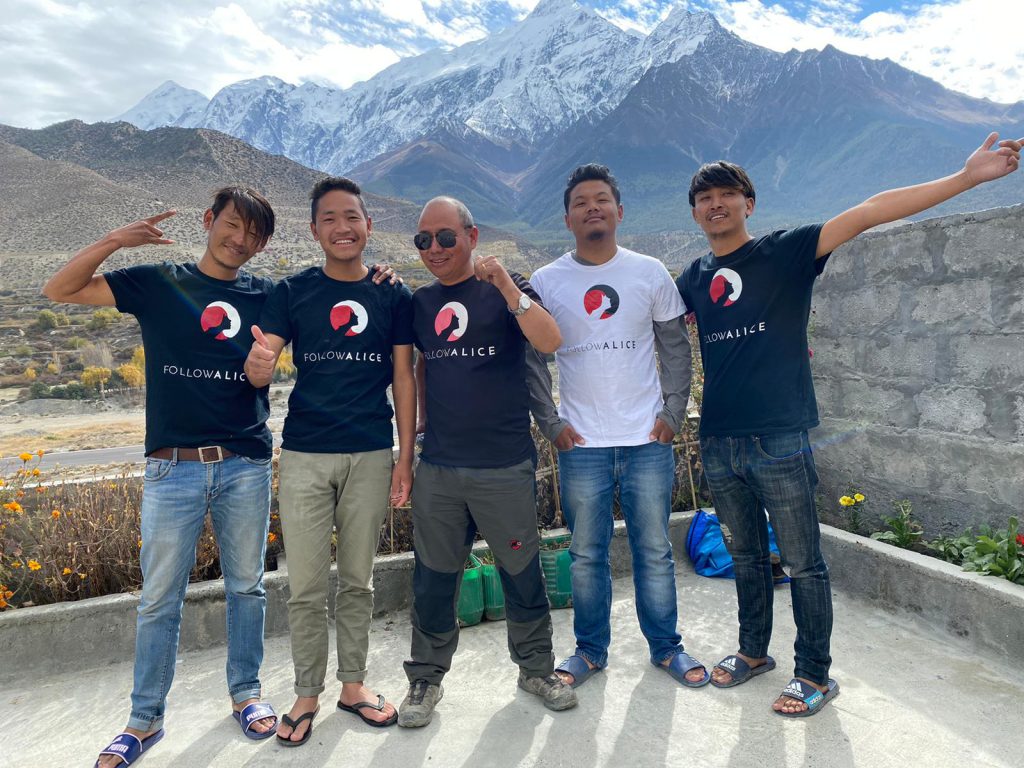
Follow Alice's local guides in Nepal pose for a picture.
{{leadmagnet-two}}
Best time to trek the Annapurna Circuit
Choosing the right season can make a huge difference to your Annapurna Circuit experience. Each time of year offers something unique, but some are far more comfortable and scenic than others. The Nepal Tourism Board recommends March-May; September-November. Let's break the seasons down for you:
- Spring (March–May): Spring is one of the most popular times to trek. The temperatures are moderate, snow has mostly melted from the lower passes, and the hillsides come alive with blooming rhododendrons and colourful alpine flowers. This is a fantastic season for photography and enjoying the beautiful landscapes.
- Autumn (September–November): Often considered the best overall season, autumn follows the monsoon, leaving the skies clear and the mountains sharply visible. Days are warm and nights cool, ideal for trekking and taking in panoramic Himalayan views. The trails are lively with fellow trekkers, and the teahouses are fully operational.
- Winter (December–February): Winter offers solitude and a quiet trail, but conditions can be harsh. Temperatures drop significantly, and snow on Thorong La Pass can make crossing more challenging. Some teahouses in higher altitudes may close for the season. Only experienced trekkers with proper gear should attempt the Circuit in winter.
- Monsoon (June–August): Monsoon season brings heavy rainfall, slippery trails, and the risk of landslides, particularly in lower and mid-hill sections. Trekking during this time is generally not recommended, though the landscape is lush and green for those who do.
If you want the best experience, it’s wise to book your trek early for peak months, especially autumn (September–November) and spring (March–May), to secure guides, teahouses, and permits without last-minute stress.
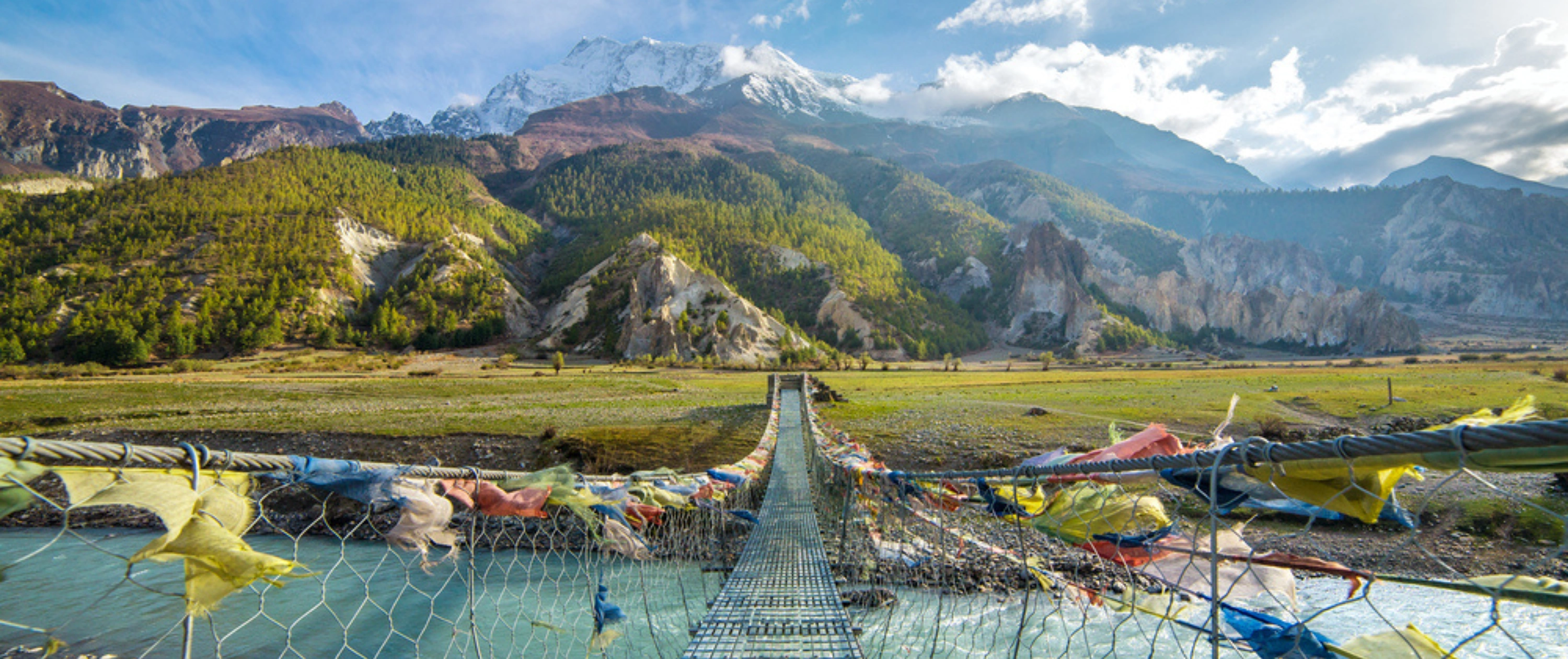
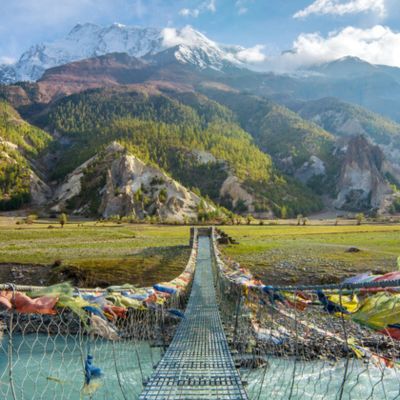
Annapurna Circuit suspension bridge.
Route options and itinerary planning
There are many variations of the classic Annapurna Circuit, and the route you choose can shape your experience. At Follow Alice, we highlight the itineraries we believe offer the best combination of scenery, cultural immersion, and trekking adventure, doesn't matter if you’re seeking a classic route, a luxury experience, or a more off-the-beaten-path challenge. Let's have a look:
Popular Annapurna Circuit itineraries
1. 13-Day Circuit by Road This option is perfect for those looking for a mix of trekking and comfort. You’ll explore forests, high mountain trails, and the dramatic Thorong La Pass, then return to Kathmandu by road. It’s a slightly more affordable option while still offering the classic Annapurna experience.
2. 13-Day Circuit with Flights For a faster, high-adventure option, this itinerary includes a flight from Jomsom to Pokhara after descending through the Mustang district. You’ll trek through traditional villages, cross Thorong La Pass at 5,416 m, and end with spectacular views of the Kali Gandaki Gorge before a short flight back to Kathmandu.
3. 16-Day Nar–Phu Trek Extension This route takes you off the main circuit into the remote Nar and Phu Valleys. It adds challenge, adventure, and breathtaking scenery, including ancient villages rarely seen by other trekkers. This extension is perfect for those looking for a deeper exploration of the Annapurna region.
4. Luxury Annapurna Base Camp with Helicopter Return You will be able to walk through the heart of the Himalayas on this lush Annapurna Base Camp trek. You will stay in hand-picked lodges and teahouses with cosy rooms and hot showers. After the trek, private helicopters make your return easier, allowing you to relax and enjoy the scenery and that crisp mountain air without the long descent. This is ideal for travellers seeking comfort and adventure in one unforgettable package.

Helicopter ready for take off.
Travel agencies like Follow Alice can customise itineraries based on your preferences. So if you want to focus on cultural highlights, spend extra time in villages, or incorporate luxury stays like Annapurna Base Camp with a helicopter return, your trek can be shaped to suit your fitness, pace, and adventure level. Schedule a call with our team, and we will be happy to answer any questions you have.
Watch this video for a real, first-hand view of the trek:
Accommodation and logistics
Along the Annapurna Circuit, most accommodation is in tea houses, which are basic guesthouses offering meals, private or shared rooms, and occasionally Wi-Fi. They provide a comfortable place to rest after long days on the trail and a chance to meet fellow trekkers and locals alike.
For a smoother trek, many travellers opt for agency-supported packages, which often include:
- Pre-booked teahouses along the route to secure your stay in peak seasons.
- Transport to and from the trailhead for convenience and safety.
- Meals, usually breakfast and dinner, with lunch options on the trail.
- Porter supports carrying luggage, letting you walk lightly and enjoy the scenery.
At higher altitudes, facilities become more basic, with smaller rooms, limited showers, and simpler meals. For comfort, it’s advisable to carry a lightweight sleeping bag or liner, especially for the colder nights near Thorong La Pass. Types of accommodation are also dependent on the packages you choose.
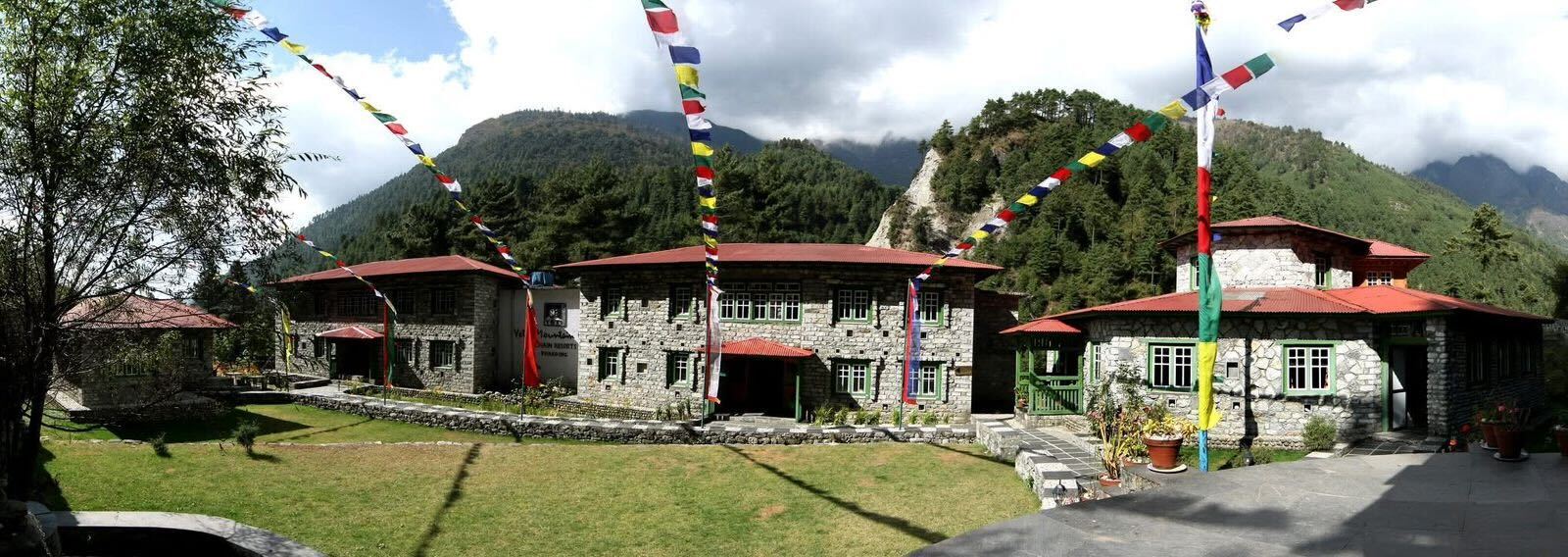
Here is a five-star trekking teahouse available on our trips.
Budget and cost expectations (2026)
Planning your Annapurna Circuit trek budget ahead of time helps you set expectations and choose the right level of comfort and support. Costs vary depending on the style of your trek, from essential guided packages to more premium, all‑inclusive experiences.
These figures reflect the current 2026 packages found on Follow Alice and represent typical prices for popular trek dates (spring and autumn). Booking early often helps secure better rates and availability.
Typical cost breakdown
Here’s a snapshot of the main cost factors you should expect when budgeting for your trek:
Notes on costs:
- Guide and porter rates are typically paid locally in Nepal and vary slightly by season and experience level.
- Permits include the Annapurna Conservation Area Permit (ACAP) and, if arranged, a TIMS card (still issued by many agencies for safety tracking).
- Transport costs depend on the type of transport you travel by, shared jeep, private vehicle, or flights from Jomsom back to Pokhara.
Optional extras like Wi‑Fi access, hot showers, and gear rental are usually paid directly at lodges or stations along the trail.
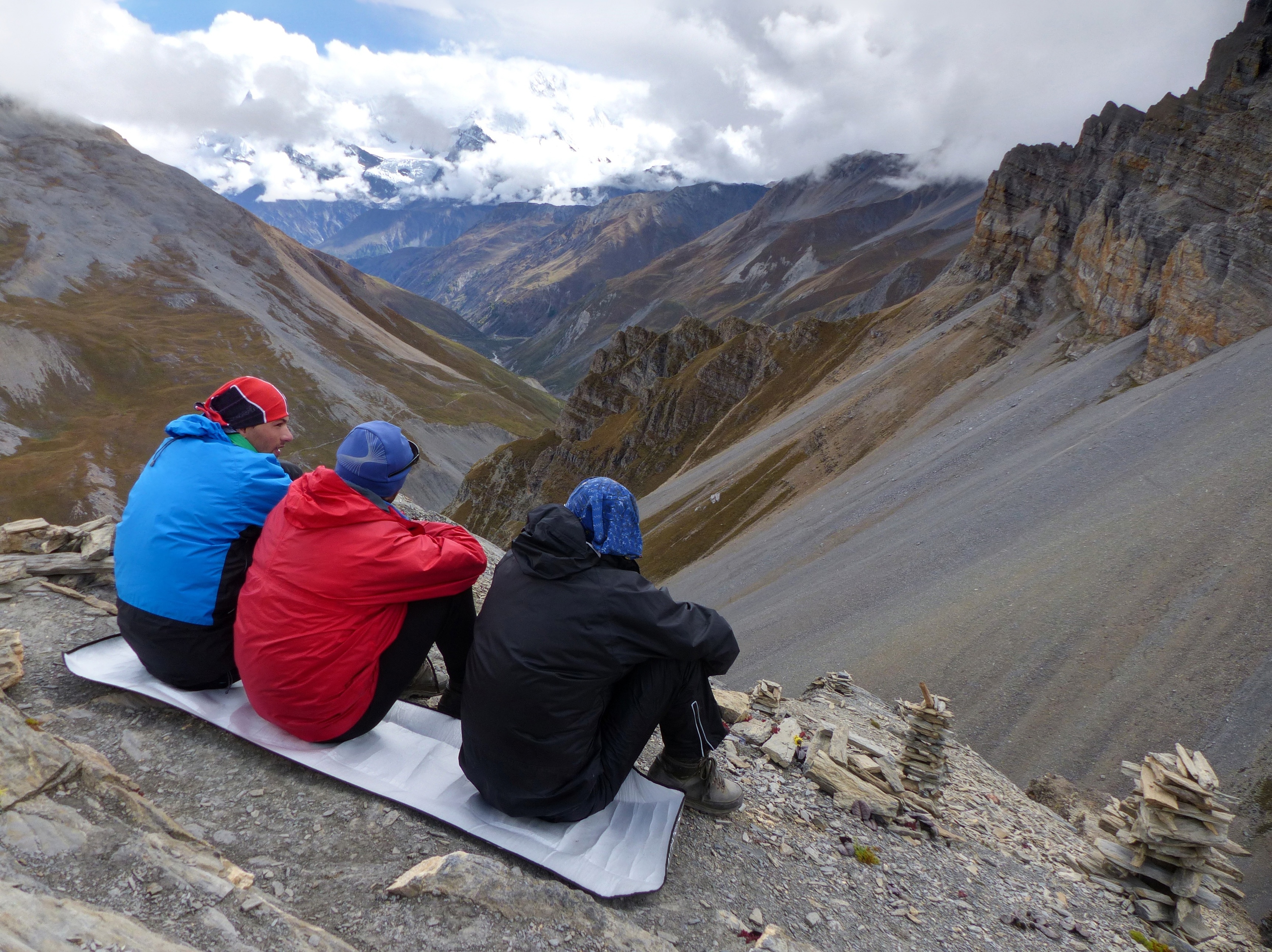
Trekkers take in the landscape of the Annapurna Circuit.
Packing essentials for the Annapurna Circuit
Proper packing can make or break your trekking experience. The key is to balance comfort, safety, and lightness. Here’s a guide to the essentials you should bring:
Clothing and footwear
- Trekking boots – Well broken-in to prevent blisters.
- Thermal base layers and fleece – For warmth on cold mornings and evenings.
- Insulated jacket – Down or synthetic for higher-altitude sections.
- Waterproof jacket and pants – Essential for rain or wind.
- Accessories – Gloves, a hat, and a buff to protect against sun, wind, and cold.
Gear
- Lightweight backpack – With a rain cover and enough space for daily essentials.
- Sleeping bag – Rated to −10°C, especially for higher-altitude nights, this can also be provided by your travel agency.
- Trekking poles – Helpful for steep or uneven terrain and reducing strain on knees
Health and safety
- First-aid kit – Include blister treatment, bandages, and pain relief.
- Sunscreen and sunglasses – High-altitude sun can be intense.
- Water purification tablets or filter – To ensure safe drinking water.
- Altitude sickness medication – As advised by your doctor.
Documents
- ACAP and TIMS permits – Required for checkpoints along the route.
- Passport and travel insurance – With coverage for trekking and high-altitude evacuation.
- Emergency contacts – Keep a printed copy as a backup.
If you forget anything or prefer to travel lighter, Pokhara and Kathmandu have local shops where you can rent or buy trekking gear, sleeping bags, and other essentials at reasonable prices.

Two trekkers are seated and drinking hot drinks with the Annapurna Mountains behind.
Ready for your Annapurna Circuit adventure?
The Annapurna Circuit takes you through stunning mountains, remote villages, and changing landscapes. Every day brings new sights, new challenges, and memories that will last a lifetime. With the right guide, permits in place, and essentials packed, you can focus on enjoying the journey and the views.
Let Follow Alice make it easy. From curated itineraries and local guides to accommodation and permit arrangements, we handle the details so you can fully enjoy the trek. Book your Annapurna Circuit adventure today and start walking into the heart of the Himalayas