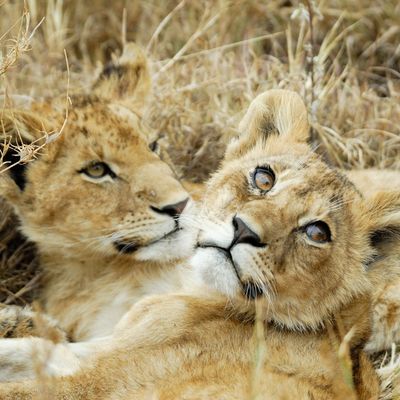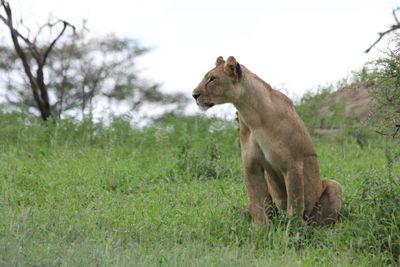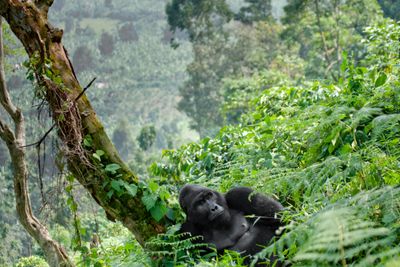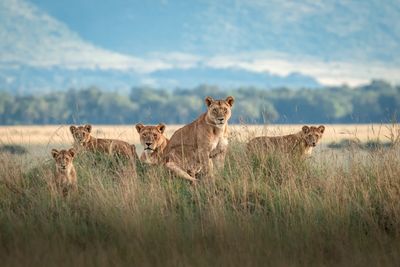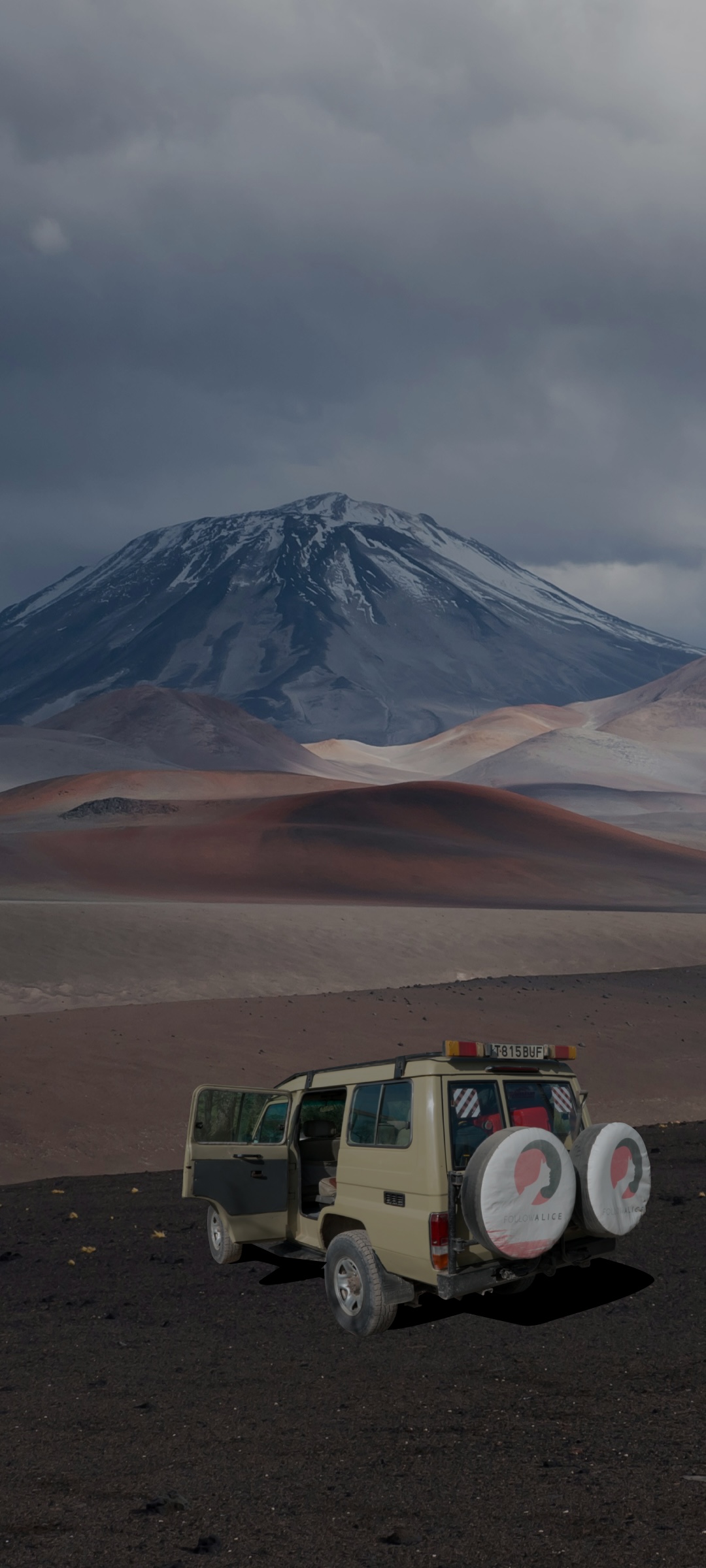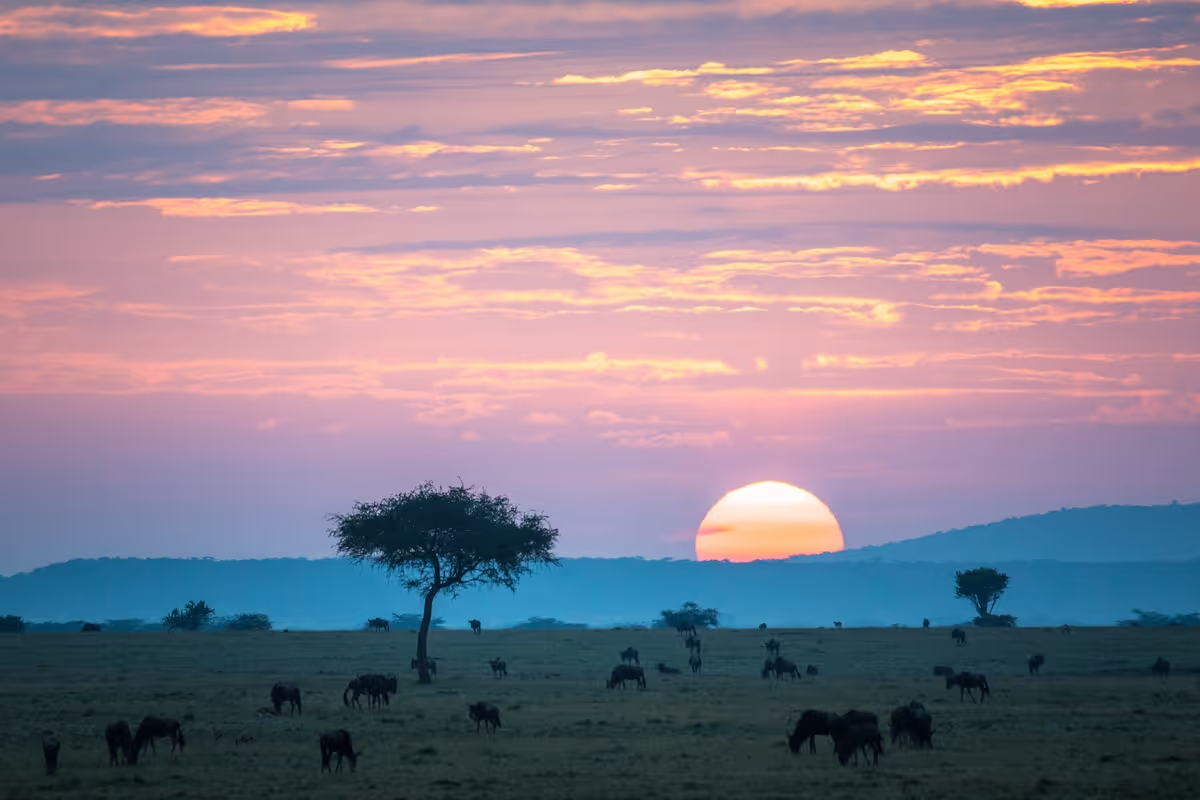




Many people arrive in northern Tanzania with one wildlife image in mind: classic plains, wide skies, and game drives that run on sunrise coffee. Then Mount Meru flips the script. This is a Tanzania wildlife experience on foot, in layers, where the animals and habitats change as you gain height.
Arusha National Park wraps around the lower slopes of the mountain, so the trek starts in active wildlife country. The first day can feel like a walking safari, with grazing herds and forest species appearing before you’ve even settled into your trekking rhythm. Higher up, the forest tightens, the air cools, and the wildlife becomes more special, more subtle, and sometimes more spectacular if you know what to look for.
The result is the vertical safari: not one ecosystem, but several, stacked like chapters. If you want a climb that’s genuinely alive with Tanzanian wildlife, Mount Meru delivers.
What makes Mount Meru a “vertical safari”?
Most safari experiences spread Tanzanian wildlife across distance. This trek stacks it across altitude. That sounds like a small difference until you’re living it, watching vegetation, temperature, and animal life shift in a matter of hours.
Here’s what gives the climb its vertical safari reputation:
- You’re moving through multiple ecosystems on one route.
- Wildlife encounters happen quietly and naturally on foot.
- In real time, you see how altitude shapes animal behaviour and habitat.
- You’re inside a protected national park from the start, not trekking in a separate mountain reserve.
Trekkers often mention the “walking safari” feel on day one, but the stronger story is what happens after: forest primates give way to birds, then open slopes, then high, stark terrain where the mountain itself becomes the main character.
For the official context on Arusha National Park’s wildlife highlights, TANAPA’s Arusha material is a useful anchor point for what lives here and why the park is considered so diverse.
Arusha National Park ecosystems that shape Tanzania wildlife
Arusha National Park is small compared to Tanzania’s headline parks, but it’s dense with variety. That’s why Tanzanian wildlife can feel so immediate here, even on a mountain climb.
You’ll move through several distinct zones, and each one brings a different wildlife mood:
- Montane forest: thick canopy, constant bird calls, prime primate habitat.
- Forest clearings and grassland edges: grazing mammals, better visibility, more movement.
- Heath and moorland: fewer big animals, more specialised birdlife, big views.
- Upper alpine zone: wildlife thins, conditions get harsher, and the landscape takes over.
If you want the full trip rhythm and what each day generally looks like, this guide to the Mount Meru climb itinerary and experience sets the baseline without turning it into a checklist.
Wildlife in the lower forest zones
The lower slopes are where people stop underestimating the mountain. The forest here isn’t quiet. It’s busy. It’s also where you’re most likely to encounter large mammals, which is why ranger support is part of the standard setup for this trek.
In the lower zones, Tanzania wildlife sightings often include:
- Buffalo grazing in clearings and along the trail.
- A giraffe browsing at the forest edge where visibility opens up.
- Warthogs and smaller antelope swiftly manoeuvre through the cover.
- Occasional elephant movement in the wider park area, usually more distant or brief.
This is also where the “vertical safari” feels most literal. You’re walking through the same protected landscape the animals are using, not visiting a viewing point and leaving again.
The black and white colobus monkey and the primate highlights
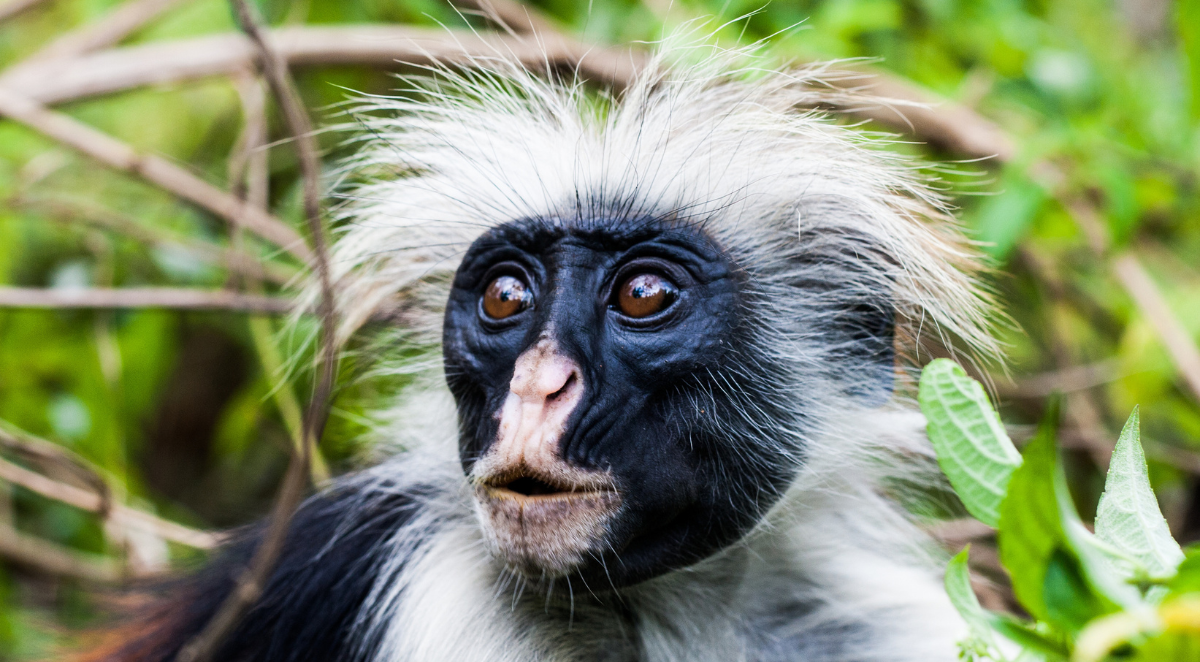
If there’s one animal that sells the forest zone instantly, it’s the black and white colobus monkey. You’ll often hear them before you see them, then spot a flash of white in the canopy, then the full tail as they launch across a gap like it’s nothing.
The black and white colobus monkey matters here for more than aesthetics. It’s a forest specialist, built for leaves and height, and it’s a strong indicator that the habitat is intact.
Here are a few quick traits that make the black and white colobus monkey a standout:
- It’s largely leaf-feeding, supported by a complex stomach that helps process fibrous foliage.
- It spends most of its time in the treetops, so sightings feel like you’re watching a different layer of the forest.
- It moves in social groups, which can become surprisingly relaxed around quiet trekking parties.
Other primates you might encounter include blue monkeys and baboons, both commonly referenced in Arusha National Park wildlife lists.
If you want a reliable conservation and ecology reference for colobus behaviour and diet, the African Wildlife Foundation’s colobus monkey profile is a solid explainer.
Large mammals you can encounter on the route
You’re not guaranteed dramatic wildlife moments, and nobody should be promising “close elephant encounters” like it’s a theme park.
Still, Tanzanian wildlife on this trek is notably rich compared to many mountain routes, and multiple reputable guides describe the first day as safari-like, with grazing mammals frequently seen.
The large mammal picture usually looks like this:
- Buffalo are the most consistently mentioned big animal presence.
- Giraffes and zebras are most likely in the more open lower sections.
- Elephants are possible but less predictable, often depending on recent movement patterns.
- The leopard is generally described as present but rarely seen.
If you’re after the practical side of how the trek is structured for safety in active wildlife habitat, this piece on why guided climbing is required on Mount Meru lays it out clearly.
Birdlife and the underrated stars of Mount Meru
Birdlife is where Mount Meru quietly outperforms expectations. Even if you’re not a dedicated birder, the shift in calls and species as you climb is part of what makes the “vertical safari” feel real.
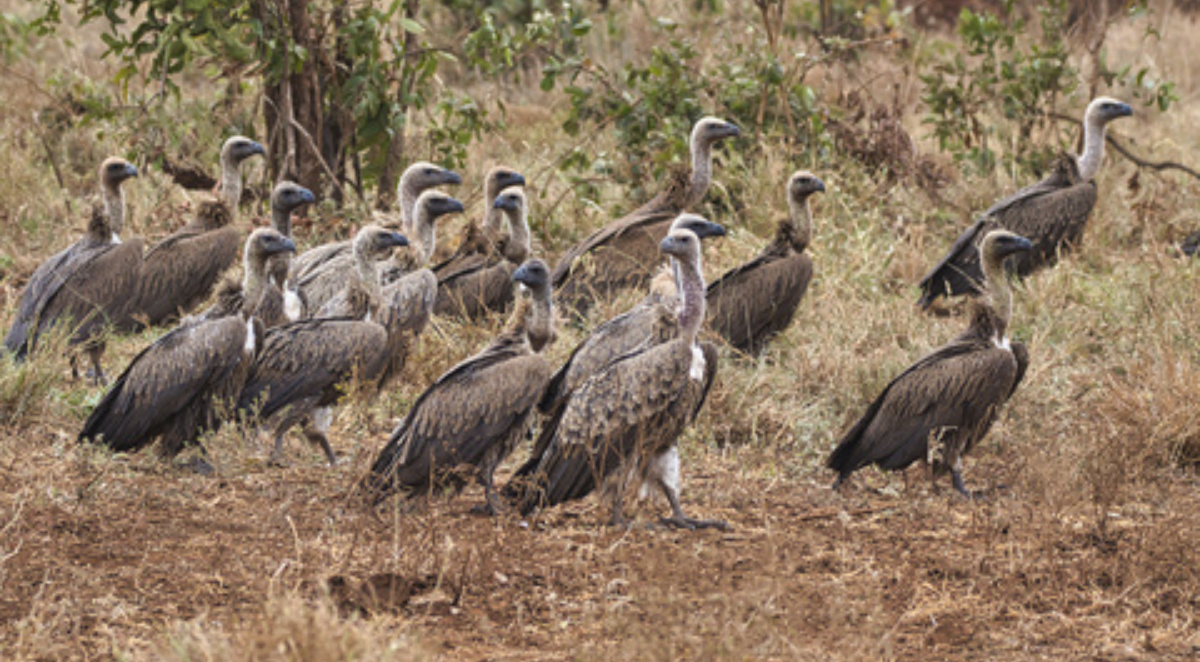
Arusha National Park is widely recognised for its exceptional birdlife, with over 400 species recorded across its forests, lakes, and open slopes.
What you’ll notice:
- Lower forest zones feel loud, busy, and layered with movement.
- Clearings and lakeside areas can deliver entirely different water and wading bird scenes.
- Higher up, the soundscape thins, and raptors and highland species become more relevant.
If you want a reliable reference point for bird conservation data in Tanzania, BirdLife International’s Tanzania data hub offers detailed insight into species distribution and habitat importance.
How wildlife changes with altitude
A big part of doing this trek well is understanding that Tanzanian wildlife isn’t evenly distributed all the way up. The mountain is basically a filter: lush habitat supports more animals, and harsher habitat supports fewer, more specialised ones.
In simple terms:
- Lower zones have the most visible mammals and the richest mix of species.
- Mid zones shift toward birds, primates, and smaller mammals as forest structure changes.
- Upper zones are more about landscape, sunrise, and geology, with wildlife sightings becoming less common.
That doesn't make the higher sections “boring”. It makes them dramatic in a different way. You’ve climbed out of the busy ecological layer and into the mountain’s exposed, high-altitude world.
Conservation and why protected status matters here
Arusha National Park’s protected status is the reason this experience works. Without strong rules, this would just become another overused trail with stressed animals and degraded forest edges.
This level of biodiversity isn’t accidental. Long-term protection and careful management are what allow wildlife populations in Arusha to remain so dense and resilient.
From a traveller’s point of view, protected status shows up as:
- Permits and regulated access.
- Clear rules on where you can and can’t go.
- Ranger support and managed walking routes.
This is also why the forest stays a forest, which is exactly what animals like the black and white colobus monkey need to thrive over time.
Wildlife safety and ranger support
This is non-negotiable, and it’s one of the reasons Mount Meru feels so different from other climbs. Rangers accompany walking activities and treks in the park, and park rules note ranger accompaniment as part of the safety structure.
What ranger support actually does on the ground:
- It reduces risk around buffalo and other large mammals.
- It keeps wildlife encounters calm and controlled.
- It helps ensure trekking stays on designated routes.
If you’re planning this climb and you want to keep logistics smooth, this guide on how to book your Mount Meru climb without stress is the most useful place to start.
Best time to see wildlife on the mountain
Wildlife visibility is tied to season, vegetation density, and how animals use water and grazing areas. Dry seasons often mean clearer sightlines in forest edges and open zones, while greener periods can boost bird activity and make the park feel intensely alive.
For broader trip timing across the country, this guide to choosing the best time to visit Tanzania for wildlife and weather is a helpful planning anchor. For this specific trek, your most relevant timing reference is Follow Alice’s breakdown of when to climb Mount Meru for the best conditions.
Seasonal conditions shape the experience in different ways. Drier months usually bring clearer views and easier trail conditions, while greener periods offer a more layered landscape and stronger bird activity if you’re comfortable with some weather variation.
How to do the vertical safari well
Doing this trek well isn’t about chasing sightings. It’s about setting yourself up to notice what’s already there.
A few practical ways to get more from the wildlife side:
- Start with quiet expectations on day one and let the park come to you.
- Look up as much as you look ahead, especially in the forest canopy.
- Treat the black and white colobus monkey sightings as a cue to slow down and watch behaviour, not just snap a photo.
- Keep your pacing steady so you’re not noisy and rushed through wildlife zones.
If you want the simplest way to see what’s included and how the whole trip is structured end to end, the Mount Meru climb overview pulls everything into one place.
Why Mount Meru is the smarter wildlife climb
Some mountains are about the summit photo and the bragging rights. This one feels different. Mount Meru gives you a serious climb, strong acclimatisation value, and a route that’s genuinely alive with Tanzanian wildlife in the lower and mid zones.
You get the sense of moving through habitats that matter, from primate-rich forest to open slopes and big sky. You get the thrill of spotting buffalo on a trekking trail. You get the forest canopy drama of the black and white colobus monkey as a recurring reminder that you’re not just walking through scenery. You’re moving through a functioning ecosystem.
That’s the vertical safari. It’s not a marketing phrase. It’s what the mountain does best.