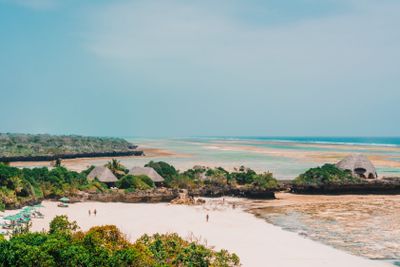




Lamu Island has a way of asking you to pay attention. Not loudly. Not immediately. It does it through small adjustments. You walk more slowly because the streets are narrow. You listen more because life happens close to the ground. You stop checking the time because it no longer feels urgent.
Set off Kenya’s northern coast, Lamu is often described as the oldest and best-preserved Swahili settlement in East Africa. It isn’t preserved as an idea or packaged as an experience. It’s simply still lived. The Swahili people who call this place home continue traditions shaped by trade, faith, and the sea, and visitors step into that rhythm rather than observing it from a distance.
For travellers who want depth, beauty, and meaning alongside rest, Lamu Island, Kenya, offers something increasingly rare.
Where is Lamu Island and why it’s unique
The island lies within the Lamu Archipelago, just off Kenya’s northern coastline and separated from the mainland by shallow mangrove channels. Its main settlement, Lamu Old Town, is one of the oldest continuously inhabited Swahili towns in the region and has been recognised as a UNESCO World Heritage Site.
What makes this place unique isn’t remoteness but continuity. The town hasn’t been redesigned around tourism. Much of the old town isn’t designed for vehicles, so people move on foot and by donkey. Buildings are constructed from coral stone and mangrove timber, shaped to manage heat, privacy, and airflow long before modern design caught up.
Lamu Island, Kenya, feels coherent because it’s never been broken apart and rebuilt. Life still follows patterns that make sense here.
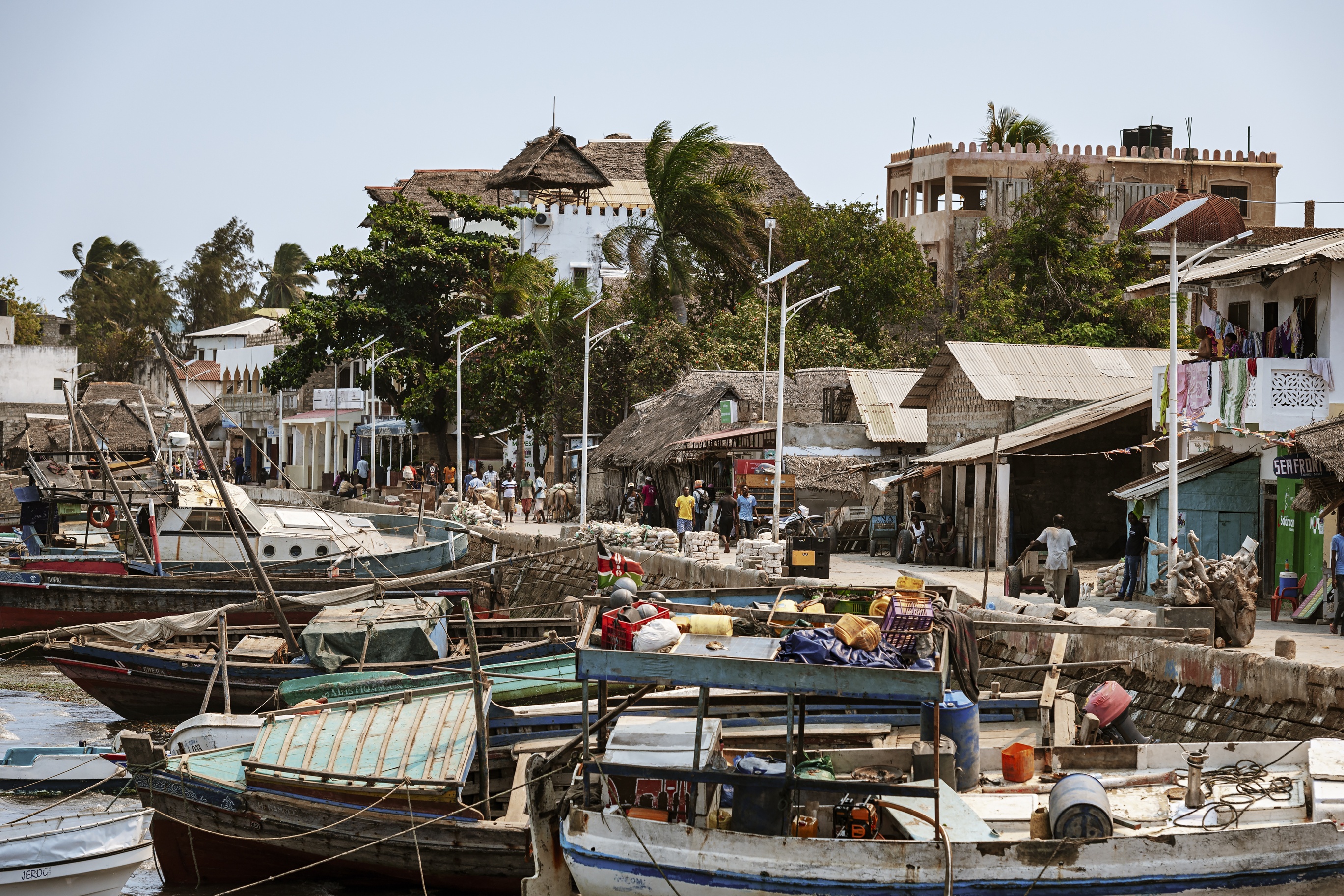
Lamu Island in Kenya.
Swahili culture and daily life on Lamu Island
Swahili culture here shapes daily life in quiet, practical ways. Its roots lie in centuries of Indian Ocean trade linking Africa with Arabia, Persia, and India, and that history still shows up in language, food, dress, and how people live together.
Homes are designed to turn inward, keeping family life private while community life stays shared. One of the most important spaces is the majlis, a sitting area near the entrance of a home where guests are welcomed and conversations happen. It isn’t decorative. It’s where everyday decisions and relationships are maintained.
Daily routines tend to follow the environment rather than the clock.
- Mornings are active and purposeful
- Afternoons slow down with the heat
- Evenings draw people back into shared spaces
Travellers who settle into this rhythm tend to understand the place more deeply than those who move through it quickly.
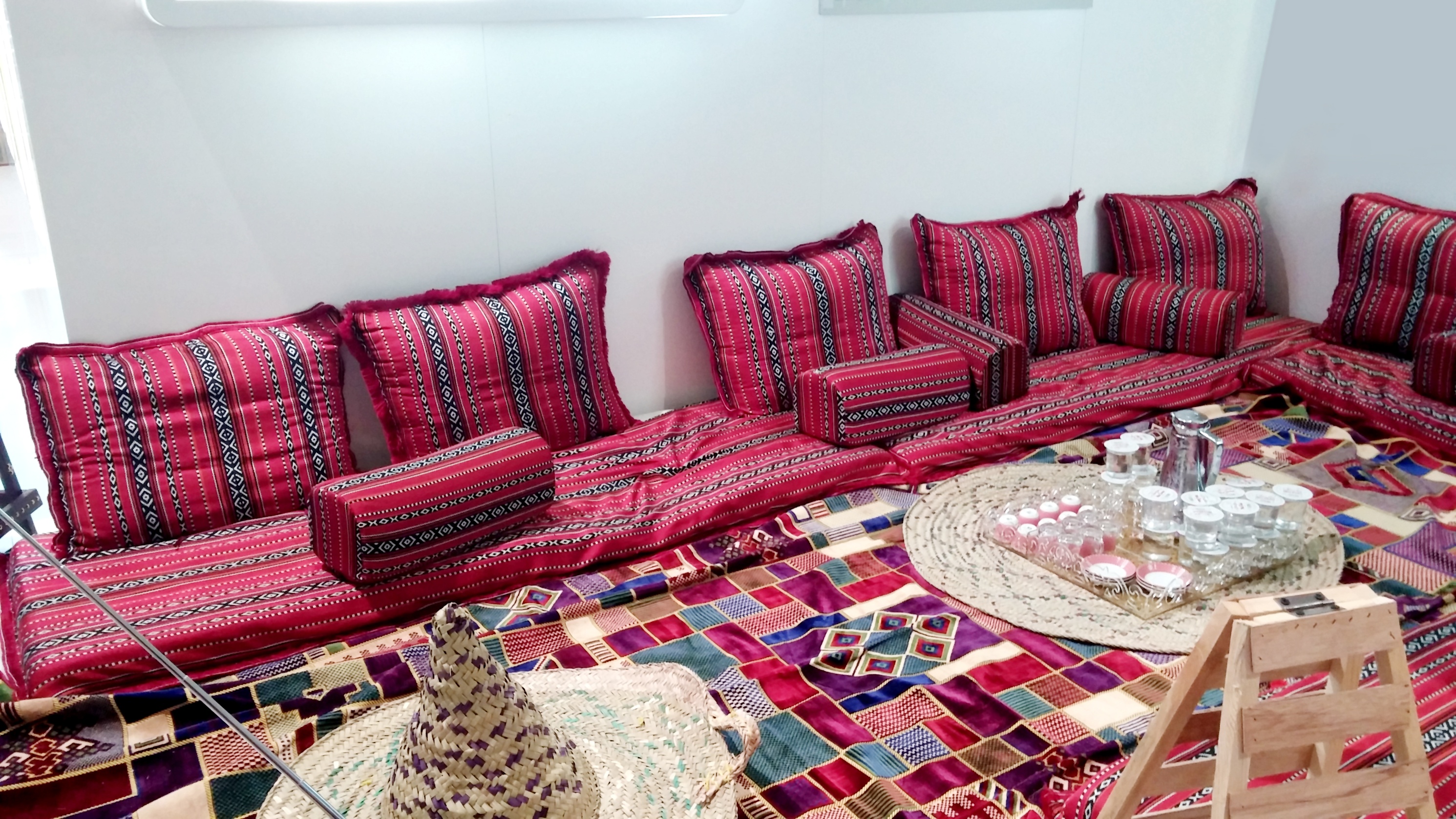
Majlis with pillows and tea.
The history of Lamu Island and the Swahili people
Lamu developed outward from the sea. Lamu developed through regular contact with traders moving along the Indian Ocean coast. Those exchanges influenced the town’s layout and the everyday practices of the Swahili people who lived here.
Much of that history is still visible in the town’s layout and daily life.
- Carved wooden doors mark craftsmanship and status
- Narrow streets designed for shade and cooling airflow
- Rooftop and upper-level spaces are used for evening breezes
Lamu Old Town’s recognition by UNESCO reflects not only its architecture but also the survival of its social fabric. Many Swahili settlements along the coast have been heavily altered. This remains one of the clearest examples of how these towns once functioned and, in many ways, still do.
Travellers wanting a deeper historical context often spend time at the Lamu Museum, which documents maritime history, Swahili culture, and the island’s trading past.
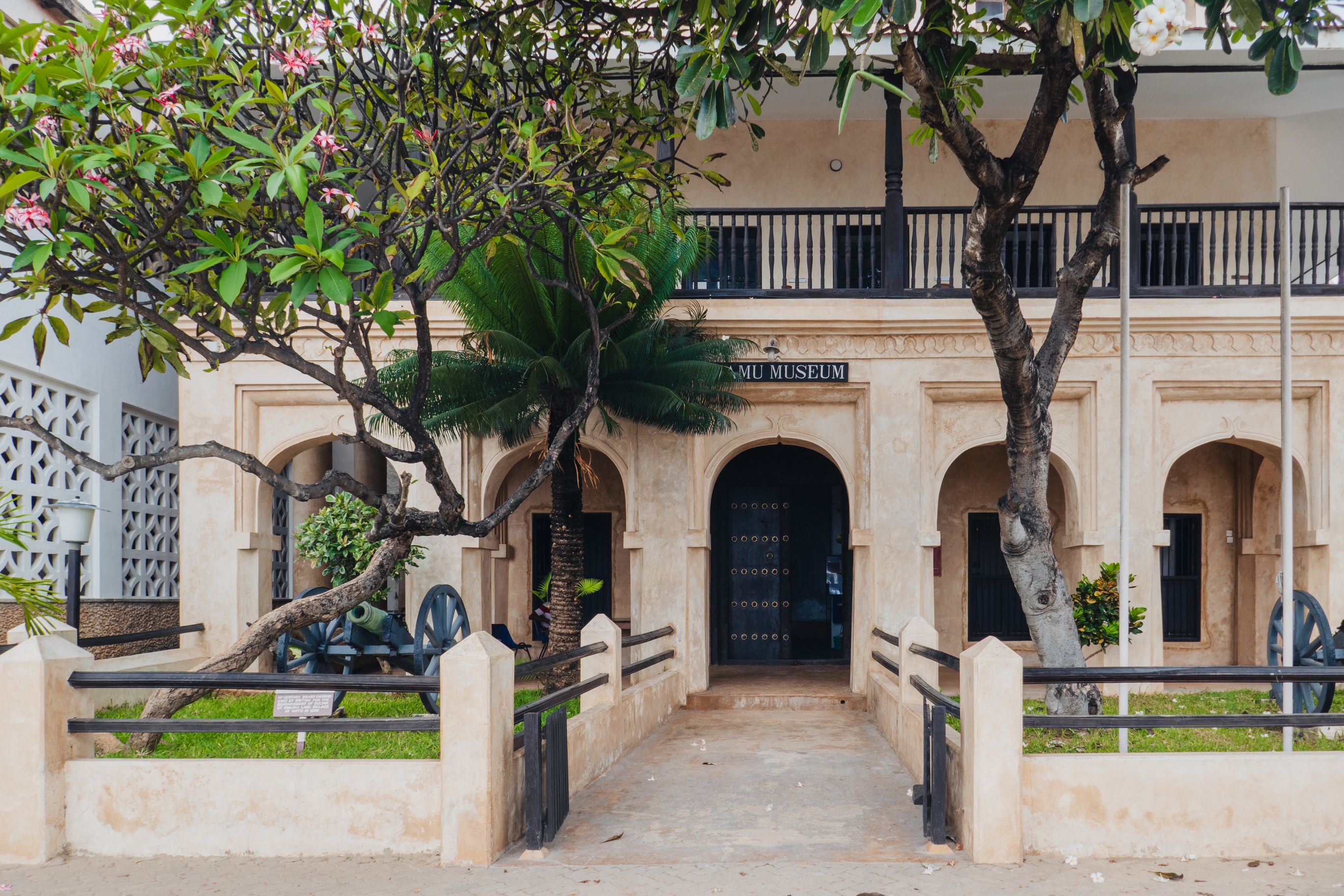
Scenic view of Lamu Swahili Museum in Lamu Island, a UNESCO World Heritage Site in Kenya.
Dhow sailing and life on the water
The sea has always been the main route in and out of the island. Long before airstrips and mainland roads, wooden dhows carried people, food, building materials, and trade goods between neighbouring settlements and ports along the Swahili Coast. Those same boats are still used today, not as a performance, but because they remain practical in these waters.
Dhow sailing here is part of everyday movement rather than a scheduled activity. Fishermen head out early in the morning. Boats drift back in with the tide. Visitors join these journeys in between, moving at the same pace rather than stepping outside it.
Time on the water usually takes a few familiar forms:
- Short coastal sails in the late afternoon, when winds are steady, and the light softens
- Slow trips through mangrove channels that separate the island from the mainland
- Longer day outings to sandbanks and nearby islands, timed around tides rather than the clock
Once offshore, movement is dictated by wind and current. Conversations slow. Distances feel different. Dhow sailing makes the relationship with the sea practical and immediate, rather than abstract.
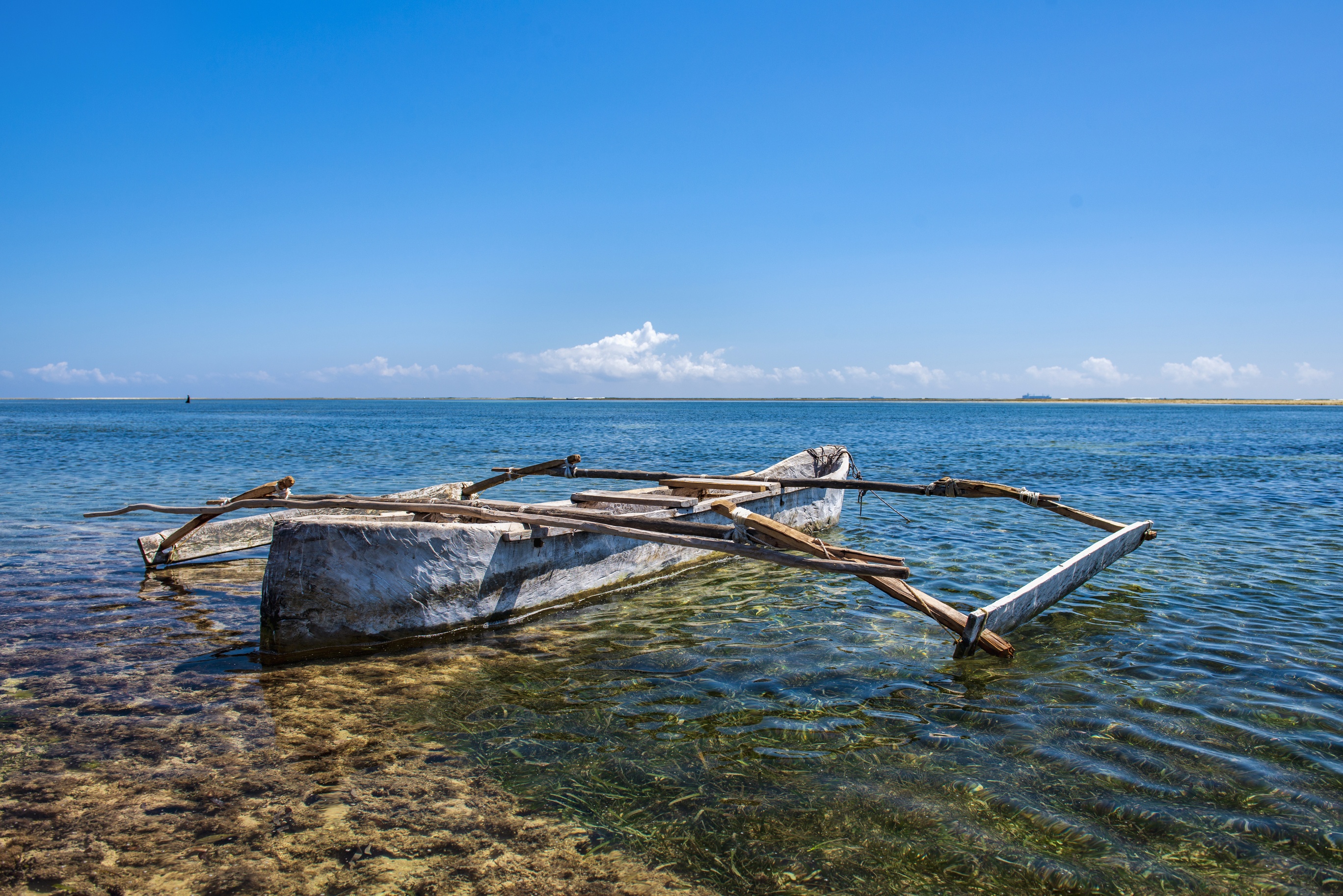
Old wooden dhow in the ocean.
Boutique stays on Lamu Island
Accommodation on Lamu Island grows out of existing Swahili architecture rather than purpose-built resorts. Many boutique stays are restored coral stone houses, designed around courtyards, terraces, and shaded interiors that work with heat, light, and airflow rather than against them.
Well-known boutique and luxury stays on Lamu Island include:
- Banana House: A private Swahili house set above Shela Beach, known for its artistic interiors, layered design, open terraces, and strong sense of privacy. Banana House is often chosen by travellers looking for character rather than a hotel-style stay.
- Peponi Hotel Lamu: A hotel located on Shela Beach on Lamu Island, operating from a beachfront property with accommodation, dining, and shared spaces arranged around direct access to the shoreline.
Staying in properties like these makes it easier to understand how Swahili coastal buildings are designed to work in practice. Layout, shade, and ventilation shape how spaces are used throughout the day, and most boutique accommodations on Lamu Island, Kenya follows this same logic, adapting existing structures rather than replacing them with modern resort-style builds.
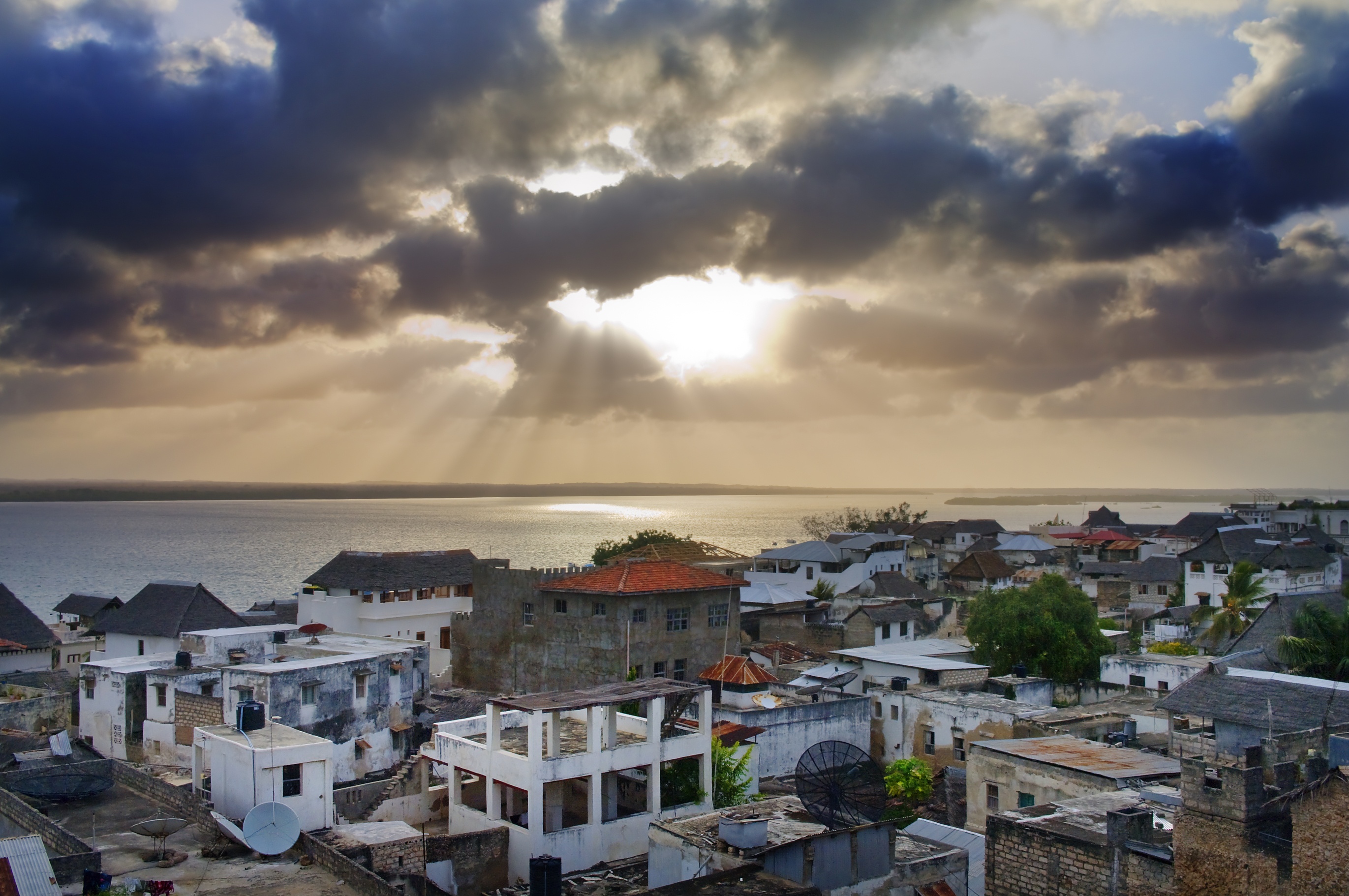
Lamu Town on Lamu Island in Kenya.
Majlis Hotel and other luxury options on Lamu Island
For travellers who want more structure and space, Majlis Hotel is one of the larger properties in the archipelago. It sits on Manda Island, facing Shela across the Lamu Channel, which makes it easy to reach Lamu Old Town by boat while staying slightly removed from the town’s bustle.
Its location makes it practical for moving between towns, boat transfers, and quieter coastal areas without being cut off from daily island life.
Luxury here is quiet by design.
- Personal service over scale
- Architectural integrity over excess
- Space and stillness over spectacle
This restrained approach suits the setting and attracts travellers who value ambience as much as comfort.
{{leadmagnet-one}}
What to do on Lamu Island
Time here tends to organise itself around place rather than plans. Days are shaped by light, heat, and tide, and most experiences unfold slowly once you’re there rather than being booked far in advance.
A few things consistently anchor a stay on Lamu Island, Kenya:
- Walking through Lamu Old Town with a local guide who can explain how the streets, mosques, and homes still function as a living Swahili town
- Visiting the Lamu Museum to understand the area’s maritime history, the Swahili people, and how trade shaped daily life
- Spending long stretches on Shela Beach. Swimming depends on the tide, so it’s worth checking tide times before you plan a beach day
- Stopping in at small workshops and studios where crafts are still produced by hand rather than for display
Food on Lamu also fits around the day rather than interrupting it. Fish is brought in early, coconut and rice form the base of most meals, and spices are used with familiarity rather than flair.
Meals are usually shared where they’re cooked, eaten slowly, and shaped by routine and availability rather than formality.
Lamu Town on Lamu Island in Kenya.
Responsible travel and cultural etiquette
Lamu isn’t organised around visitors. Daily life continues whether travellers are present or not, and most expectations are shaped by long-standing Swahili customs rather than tourism norms. Paying attention to how people move, dress, and interact usually tells you more than any formal set of rules.
A few practical considerations make a difference when spending time here:
- Dressing conservatively in Lamu Old Town, especially away from the beach, reflects local norms rather than religious formality
- Asking before photographing people, homes, or communal spaces avoids uncomfortable moments in a town where privacy matters
- Choosing local guides, boat crews, and small businesses keeps money within the community rather than filtering it outward
None of this feels rigid once you’re there. These habits align naturally with how the Swahili people structure daily life, and visitors who follow them tend to find interactions easier and more open.
Visit Lamu Island, Kenya, after a safari
The island pairs naturally with a Kenya safari. After early mornings and long game drives, it offers contrast rather than continuation.
Many travellers arrive via Nairobi after spending time at the Maasai Mara or other parks. Timing matters when combining bush and coast, especially if you want favourable conditions for both. Follow Alice’s guide to the best time to visit Kenya for safaris, beach holidays, and diving helps clarify seasonal considerations.
Nairobi can also act as a meaningful pause. Spending a night or two in the city allows travellers to reset their pace before heading north. Things to do in Nairobi before and after a safari outline thoughtful ways to do that.
For those planning from scratch, structuring the safari properly makes the coastal leg far smoother. This overview of booking a Kenya safari explains how to build a balanced itinerary.
If you’re looking for a seamless combination, Follow Alice also designs tailored Kenya safari and beach holidays that naturally incorporate quieter coastal destinations like this.


Why Lamu Island stays with you
This place stays with people because nothing here feels performed. Swahili culture is lived. The majlis still functions as a place of connection. Dhow sailing still relies on wind and tide. Architecture still responds to climate and community.
On Lamu Island, Kenya, time loosens its grip. Days stretch. Conversations deepen, and attention shifts from doing to noticing. For many travellers, this change in rhythm becomes the most valuable part of the journey.
It doesn’t ask to be consumed. It asks to be met where it is.
{{leadmagnet-two}}
Plan your journey to Lamu Island
Lamu doesn’t ask much of you. It doesn’t demand a checklist or a perfect plan. It just asks that you slow down enough to notice what’s already there. Whether you reach it as part of a wider journey through Kenya or make it the reason you come in the first place, time spent here tends to leave a mark that’s hard to explain and easy to feel.
Some places impress you. Others change the way you move through the world afterwards. Lamu belongs firmly in the second category. If you would like to find out more information about Kenya, feel free to contact us.