



A cluster of severe respiratory illness has been reported aboard an Antarctic expedition cruise carrying 147 passengers and crew. The illness began between 6 and 28 April, starting with fever and gastrointestinal symptoms before, in some cases, progressing rapidly to pneumonia and acute respiratory distress. The ship is now sitting off the coast of Cape Verde, refused entry to port, as international health authorities respond to the emergency.
The outbreak has been reported to the World Health Organization and is being managed through a coordinated global effort, including case isolation, medical evacuation and ongoing laboratory investigations. Hantavirus is rare but serious. The disease is typically contracted through contact with infected rodent urine, faeces or saliva, not through casual travel. While limited human-to-human transmission has been recorded in past Andes virus outbreaks, it remains uncommon. The WHO currently assesses the global risk as low and continues to monitor the situation.
If you have a trek planned in Patagonia or Peru, the headlines can feel unsettling. But context matters. You deserve a clear, evidence-based understanding of what this outbreak actually means for your trip, which is grounded in science, not fear.
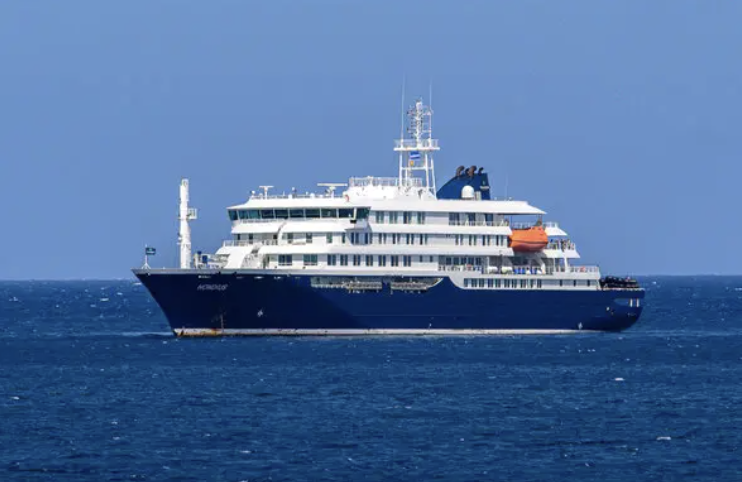
The MV Hondius Cruise ship is stationed at the port of Cape Verde. Photo Credit: AFP.


What happened on the MV Hondius?
The MV Hondius is an expedition cruise ship operated by Oceanwide Expeditions. It departed Ushuaia, Argentina, on 1 April 2026 on an Antarctic voyage. During the journey, multiple passengers developed a severe respiratory illness that progressed rapidly. As of 4 May 2026, the World Health Organization has confirmed seven cases, two laboratory-confirmed and five suspected, including three deaths and one critically ill patient currently in intensive care in South Africa.
The causative strain is Andes orthohantavirus (Andes virus), endemic to southern South America. Two confirmed cases had travelled in South America, including Argentina, before boarding the ship. The WHO has classified this as a multi-country outbreak event and is coordinating response with authorities in Cabo Verde, the Netherlands, South Africa, Spain, and the United Kingdom. Three deaths from hantavirus on a single vessel is an extraordinarily rare and alarming event. It's important to understand why it happened on that ship and if the same conditions apply to your trek.
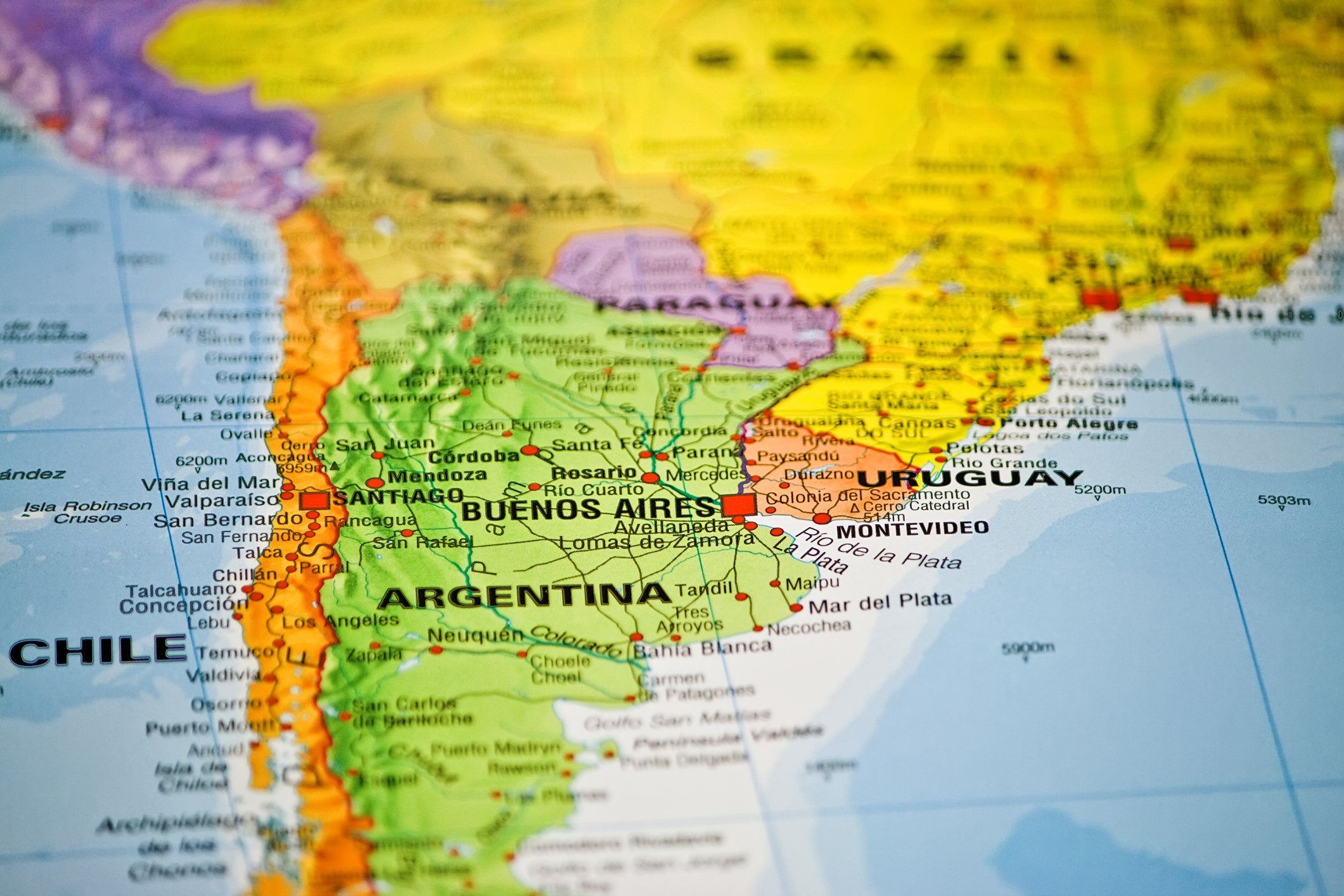
A map of South America.
{{leadmagnet-one}}
What is Andes hantavirus?
Hantaviruses are a family of viruses carried primarily by rodents. In South America, the principal carrier of the Andes strain is the long-tailed rice rat (Oligoryzomys longicaudatus), found throughout Chile and Argentina. The virus is present in the rodent's urine, faeces, and saliva. Humans become infected primarily by inhaling airborne particles contaminated with dried rodent material, most commonly when disturbing rodent droppings or nesting material in enclosed spaces such as rural cabins, storage sheds, and poorly ventilated huts.
Once inside the body, the virus progresses in two distinct stages. During the early phase, roughly days 1 to 5 after symptoms appear, it is almost indistinguishable from the flu: fever, fatigue, deep muscle aches (particularly in the thighs, hips, and back), headache, dizziness, chills, and nausea. Then, between days five and ten, the late phase arrives rapidly: the lungs begin to fill with fluid, causing sudden, severe breathing difficulty, a condition known as Hantavirus Pulmonary Syndrome (HPS). According to the Centres for Disease Control and Prevention (CDC), once pulmonary symptoms develop, the case fatality rate is approximately 38 per cent. There is no vaccine and no specific antiviral treatment. Care is supportive through oxygen, mechanical ventilation, and intensive monitoring. Early hospitalisation dramatically improves outcomes. The window between early symptoms and critical deterioration can be very short. The incubation period, which is the time from exposure to first symptoms, is typically one to eight weeks.
The one thing that makes the Andes virus different from every other hantavirus
This is the detail that explains how the MV Hondius outbreak unfolded in a way that no other hantavirus outbreak could. The Andes virus is the only known hantavirus strain capable of person-to-person transmission. Every other hantavirus in the world, including the Sin Nombre virus common in North America, can only be passed from rodents to humans, never between people. The Andes virus is the exception. Person-to-person transmission of the Andes virus has been documented in previous South American outbreaks, most notably in the Patagonian town of Epuyén in 2018–2019, where dozens of cases resulted from human contact within a cluster.
This transmission route remains rare, and is not the dominant mode of spread even for the Andes virus, as most infections still originate from rodent exposure. But on a cruise ship, where confirmed cases and uninfected passengers share enclosed cabins, dining rooms, and ventilation systems for weeks, the human-to-human route becomes significantly more critical. A disease that normally requires a specific rodent encounter becomes something that can propagate through close contact in a sealed environment. They have travelled more than 6,000 miles (9,656 kilometres) at sea after setting sail from Argentina around a month ago. This is what makes the MV Hondius outbreak uniquely alarming and what distinguishes it, in risk terms, from trekking in Patagonia.
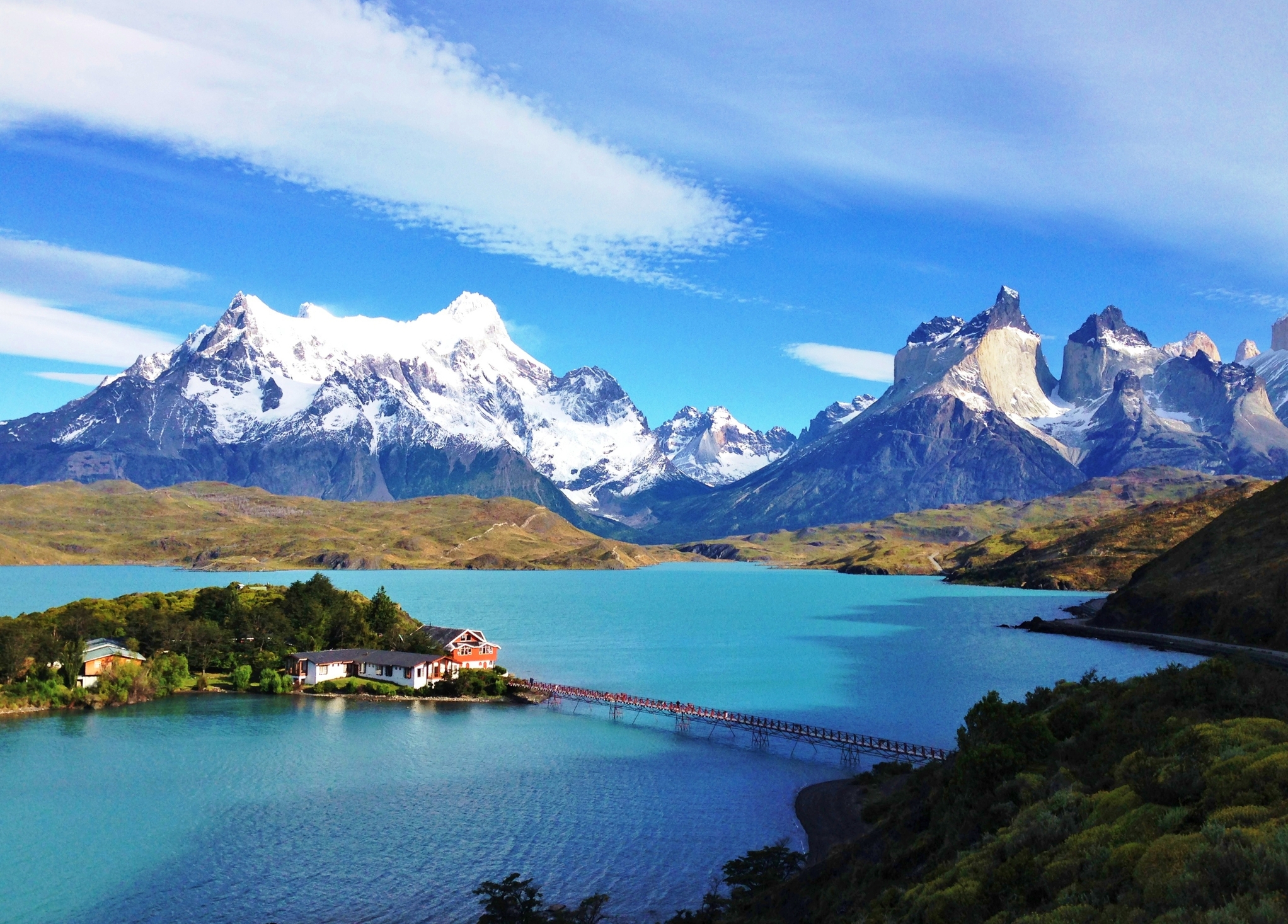
A photo from various parts of Torres del Paine National Park in Patagonia, Chile.

Where is Andes hantavirus found?
Andes hantavirus is endemic primarily to southern South America. The highest-risk areas are:
- Chile: particularly the Biobío, La Araucanía, Los Lagos, and Aysén regions. The Los Lagos Region alone had reported six cases as of 20 April 2026.
- Argentina: Patagonia, especially the provinces of Río Negro, Neuquén, and Chubut.
- Lower but real incidence has also been recorded in Bolivia, Peru, Paraguay, and Uruguay.
Torres del Paine (Chile) and the Argentine Lake District fall within or are adjacent to the endemic range. The Inca Trail and Machu Picchu region of Peru are at the lower end of documented incidence, but hantavirus in Peru is real, and the lower risk does not mean zero risk. It's mainly high risk in Amazon regions.

Trekkers hiking in the Andes on the Inca Trail en route to Machu Picchu in Peru.
Learn more: The Classic Inca Trail – a day-by-day itinerary
What is the actual risk to a trekker in South America?
The WHO, CDC and UK Government (GOV.UK) all consistently assess the risk to travellers engaging in outdoor activities as low, though not zero. Low risk does not mean no risk, and within a trekking context, the distinction between higher and lower risk behaviours is still meaningful.
Risk is highest when:
- Sleeping in or cleaning out enclosed rural structures with signs of rodent infestation, particularly abandoned cabins, farm sheds, and storage huts
- Disturbing dried rodent material (sweeping, moving debris) in poorly ventilated spaces.
- Camping directly on bare soil in areas of high rodent density.
- Handling any wild rodent, alive or dead.
Risk is significantly reduced when:
- Staying in well-maintained lodges, hotels, or established refugios with regular upkeep.
- Travelling with a professional guiding operator like Follow Alice, who manages accommodation standards.
- Not disturbing rodent nesting sites or handling rodent material.
- Ventilate any enclosed shelter for at least 30 minutes before entering and spending time inside.
A trekker on a guided W Trek in Torres del Paine, sleeping in established mountain lodges and moving along marked trails with experienced local guides, is operating in a very different risk environment from someone spending unstructured time in remote Patagonian rural structures near Ushuaia. It is also entirely different from being confined on a vessel for weeks with confirmed cases on board.
The MV Hondius scenario combined three compounding factors that are absent from a standard guided trek, which are the probable initial rodent exposure in a specific location, a confined shared vessel preventing dispersal, and the unique person-to-person transmission capability of the Andes virus, doing the rest. Removing any one of those factors significantly changes the risk profile. A guided trek to Torres del Paine or the Inca Trail removes all three.
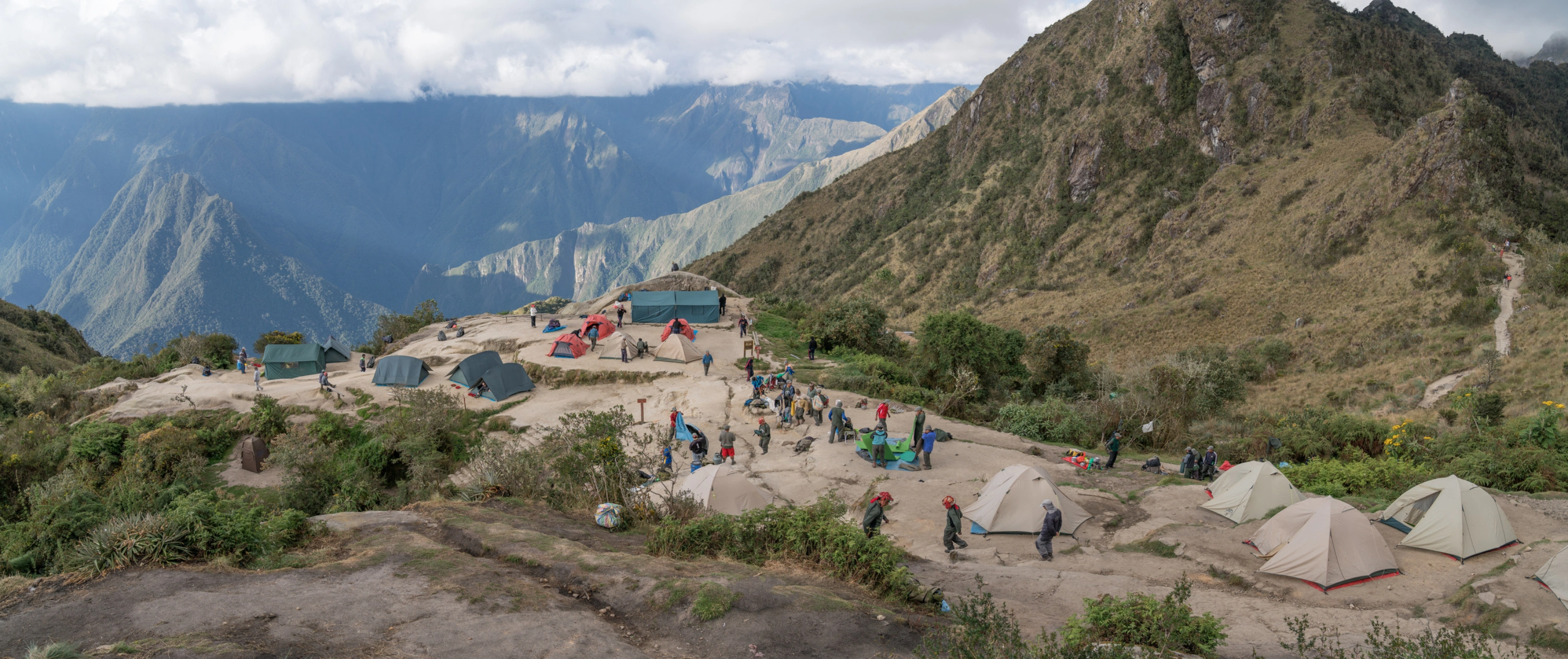
The Inca Trail.
Learn more: Inca Trail vs Lares Trek: Discovering the Best Adventure for You
Should you cancel your trek?
No health authority, not the WHO, not the CDC, not any government, has issued guidance recommending travellers cancel trips to South America. The WHO's own risk assessment of the MV Hondius outbreak explicitly states that the risk to the global population is low. Hans Kluge, WHO's Regional Director for Europe, stated directly:
There is no need for panic or travel restrictions.
The disease is serious, but the outbreak is linked to a specific vessel with specific exposure conditions, not to trekking in Patagonia or hiking the Inca Trail. These activities take place in varied environments, each with its own risk profile. Cancelling your trek because of the MV Hondius outbreak is like cancelling a cycling holiday in France because of a car pileup.

Trekker on the path in Torres del Paine National Park, Patagonia in Chile.
Learn more: Follow these 8 tips to stay healthy and safe when travelling in Peru
Practical prevention for trekkers
Knowing the actual transmission routes makes prevention straightforward. Let's take a look at what you should look out for:
- Never enter a closed, unventilated structure without airing it out first. Open doors and windows, wait at least 30 minutes before going inside, as stated before. This applies to any rural shed, old refugio, or storage hut you might encounter.
- Do not disturb rodent material. If you see droppings, nesting material, or signs of rodent infestation, don't sweep, don't kick the debris, don't handle it. Leave it alone and leave the space.
- Don't handle rodents. This means alive, dead, or any material they've obviously been nesting in.
- Sleep off the bare ground where possible. If camping, use a tent with a groundsheet rather than sleeping directly on soil in areas with high rodent activity.
- Store food in sealed containers. Don't leave food accessible overnight in ways that attract rodents to your sleeping area.
- Know the symptom window. Incubation is one to eight weeks. If you develop flu-like symptoms within eight weeks of returning from South America, tell your doctor where you've been. Mention South America explicitly. Early hospitalisation is the single most important factor in survival if HPS develops.

Machu Picchu in Peru.
Learn more: Is Peru safe for tourists? Top safety tips you should know
Travelling safely in South America
The MV Hondius outbreak is a tragic event and very rare. Three people have died from a disease that combined a specific rodent exposure, a confined environment, and the only hantavirus strain on earth capable of spreading between people. It deserves the global attention it's receiving, and it's scary to think of the fear the passengers and crew members are currently experiencing.
It does not mean that South America is a no-go zone. It does not mean that the Machu Picchu or the Inca Trail are suddenly high-risk environments. The gap between those two statements is the gap between informed risk assessment and fear. Travel to the affected regions remains safe when undertaken with appropriate awareness, a responsible operator, and the practical precautions described above. The best protection is knowing where the actual risk lies, and now you do. If you’re planning a trip to Patagonia or Peru, now is the time to travel with clarity, not concern. Speak to our team to understand what safe, well-run trekking actually looks like on the ground.