


If you’re reading this, chances are you’re searching for the best Kilimanjaro tour operator to guide your once-in-a-lifetime climb. With so many companies offering trips to Mount Kilimanjaro, it’s completely normal to feel overwhelmed when trying to decide who to trust with such an important adventure.
The reality is that there are hundreds of Kilimanjaro operators, and while many may look similar online, the experience they deliver on the mountain can be very different. Some companies prioritise safety, experienced guides, and ethical treatment of their crews. Others cut corners to offer lower prices. For travellers planning a climb in 2026, understanding these differences is key to choosing the right operator.
Before you commit to your Kilimanjaro adventure, it helps to know what really matters when comparing companies. In this article, we’ll walk you through the most important factors to consider when choosing a Kilimanjaro tour operator, right from safety standards and guide experience to porter welfare and itinerary design.
At Follow Alice, we believe choosing the best Kilimanjaro operator should feel clear and informed, not confusing. Our goal is to help you understand what separates a great climb from an average one, so you can book your trip with confidence and focus on the journey ahead. If you have any questions, feel free to schedule a call with our team. We will be happy to answer any questions you might have.
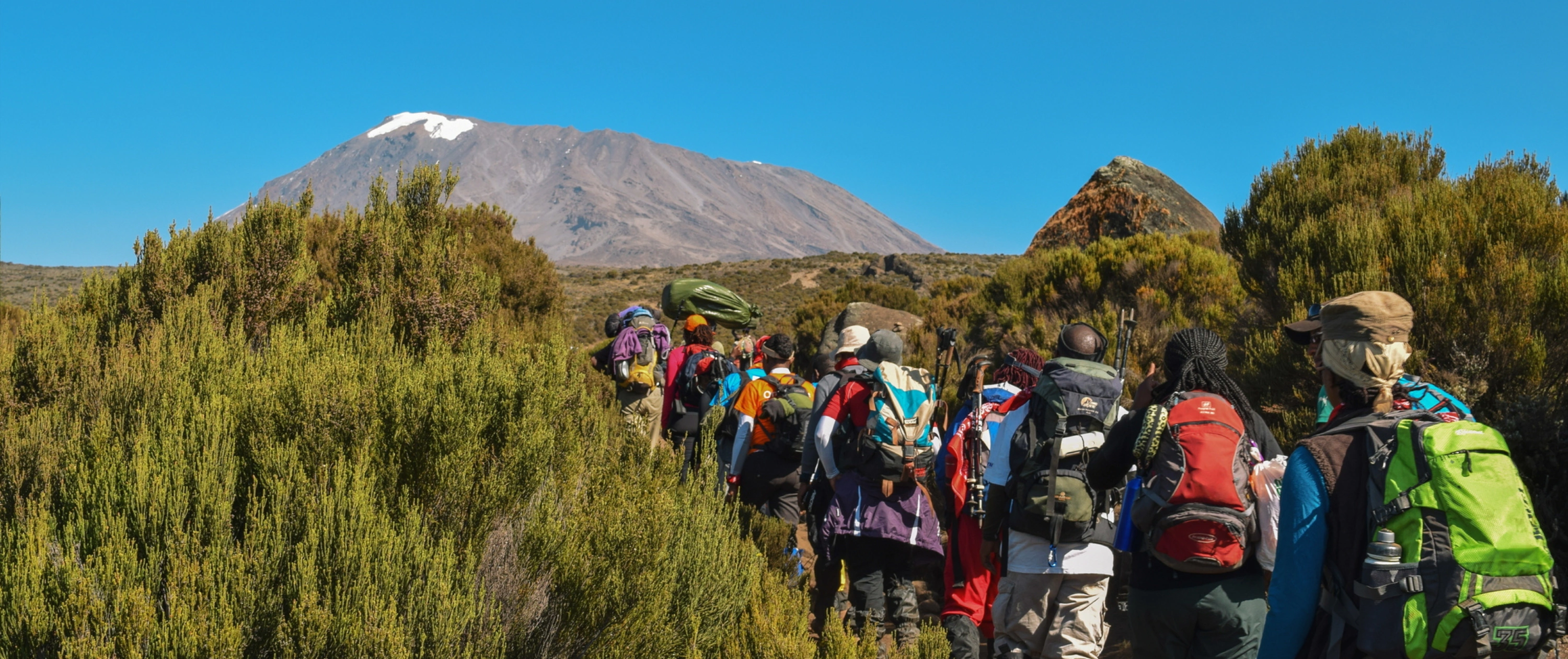
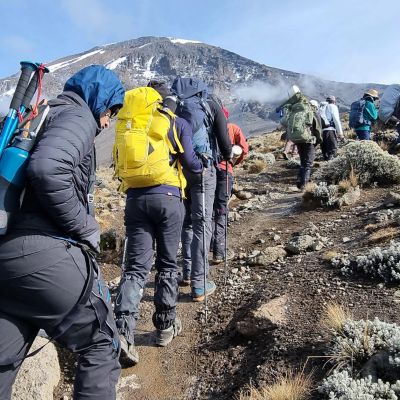
Trekkers trekking down the Mount Kilimanjaro trail.
{{leadmagnet-one}}
Why your Kilimanjaro operator matters
Unlike many travel experiences, climbing Mount Kilimanjaro is not something you can do independently. Your safety, comfort, and summit chances depend heavily on the team guiding you. A well-organised expedition includes experienced guides, a strong support crew, and carefully planned itineraries designed for acclimatisation.
When these elements are in place, climbers have a much better chance of reaching Uhuru Peak, the highest point on the African continent. When they aren’t, the experience can quickly become exhausting, uncomfortable, or even unsafe. The best Kilimanjaro operators understand that a successful climb is about preparation and care. From daily health checks to quality food on the mountain, every detail matters.
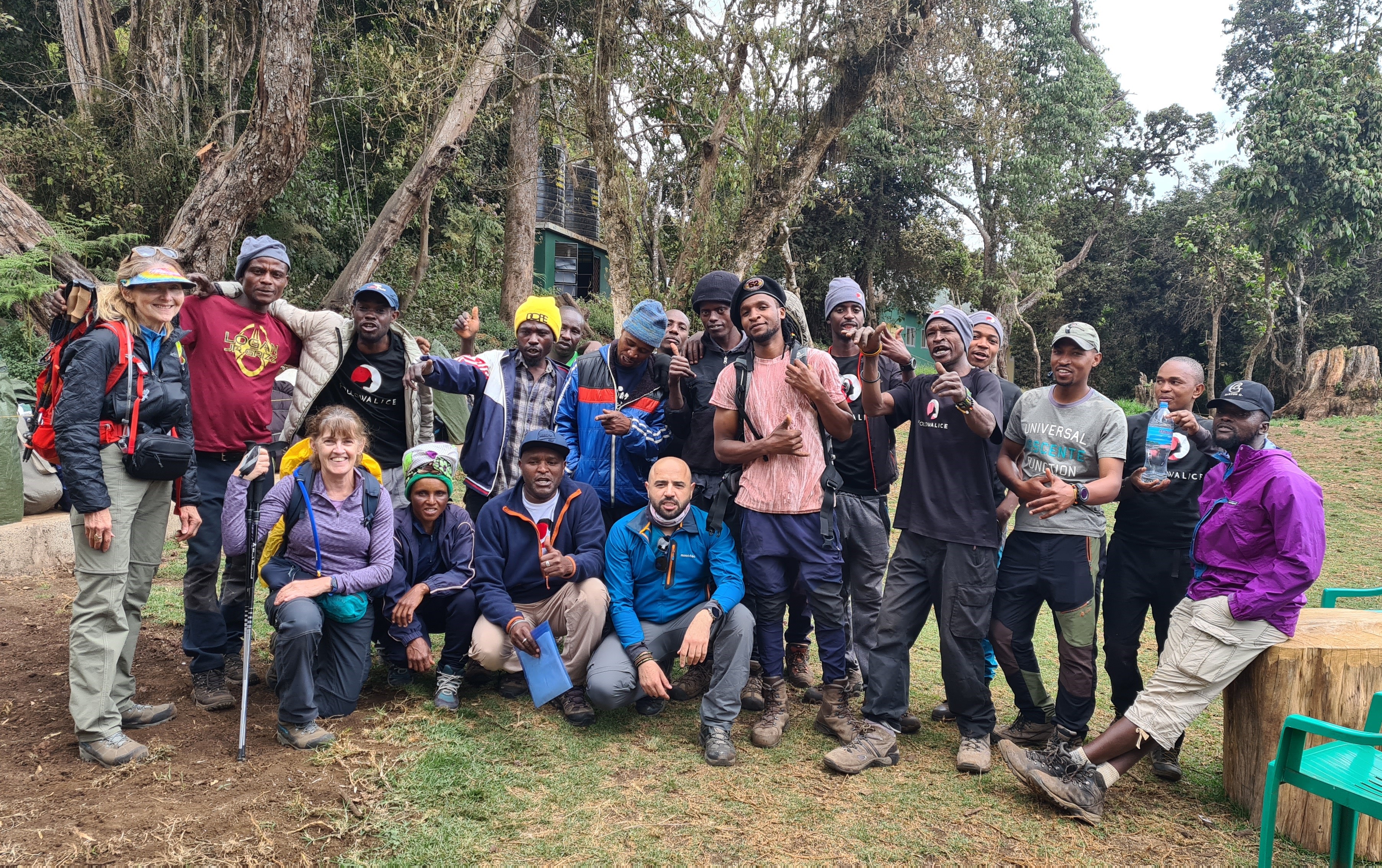
Group photo of trekkers and mountain crew at the start of the Kilimanjaro climb.
Learn more: From Porter to Partner: Chris Sichalwe’s Amazing Story
Safety should always come first
Altitude is the biggest challenge on Mount Kilimanjaro. At 5,895 metres above sea level, the mountain is high enough to trigger serious altitude illness if climbers ascend too quickly or aren’t monitored properly.
Reputable operators manage this risk carefully. Guides should conduct daily health checks, monitoring oxygen saturation and heart rate while keeping an eye out for symptoms of Acute Mountain Sickness. Most experienced teams also carry emergency oxygen and have training on how to handle these emergencies in case a climber needs assistance.
Good guides also control the pace of the trek. On Kilimanjaro, the Swahili phrase “pole pole,” which means “slowly, slowly”, is more than just a saying. It’s a very important part of staying healthy on the mountain. If an operator can’t clearly explain their safety procedures or guide qualifications, it’s worth reconsidering your options. At Follow Alice, our priority is always the safety of our guides.
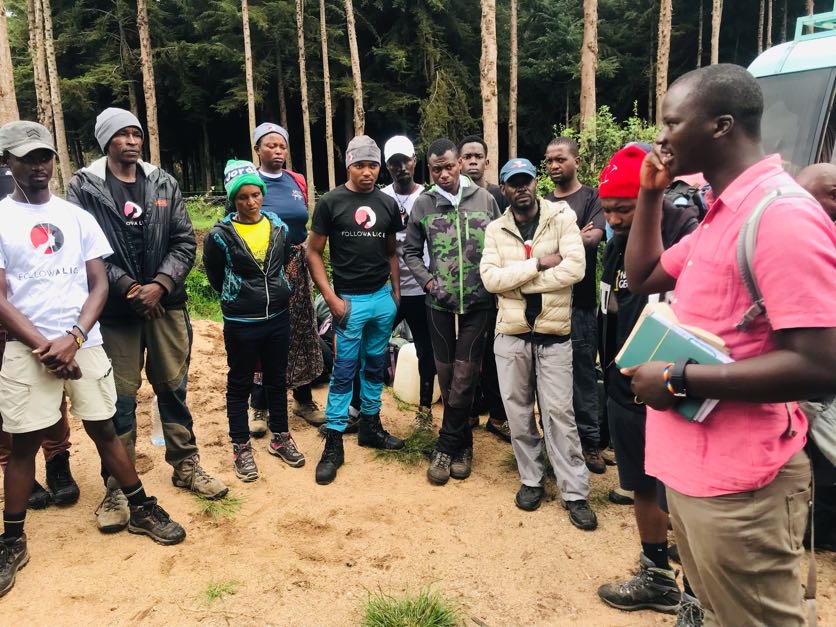
Follow Alice's team briefing for the KRTO clean-up initiative on Kilimanjaro.
Learn more: Our Kilimanjaro porters receive first aid training
Choosing the correct Kilimanjaro route
One of the most overlooked factors in choosing a Kilimanjaro operator is the itinerary. Climbs typically range from six to nine days, depending on the route and schedule. Short itineraries may look appealing because they’re cheaper and require fewer days off work. It's important to remember they often give climbers less time to acclimatise. The result is lower summit success rates and a higher risk of altitude sickness.
Longer routes allow the body to adjust gradually to the thinning air. Routes like the Lemosho Route, the Northern Circuit and the Machame Route are popular partly because they offer strong acclimatisation profiles. In general, seven- or eight-day climbs provide a better balance between comfort, safety, and summit success. Here at Follow Alice, we also prefer the longer routes, with Lemosho being up there because it has a better chance of summit success.
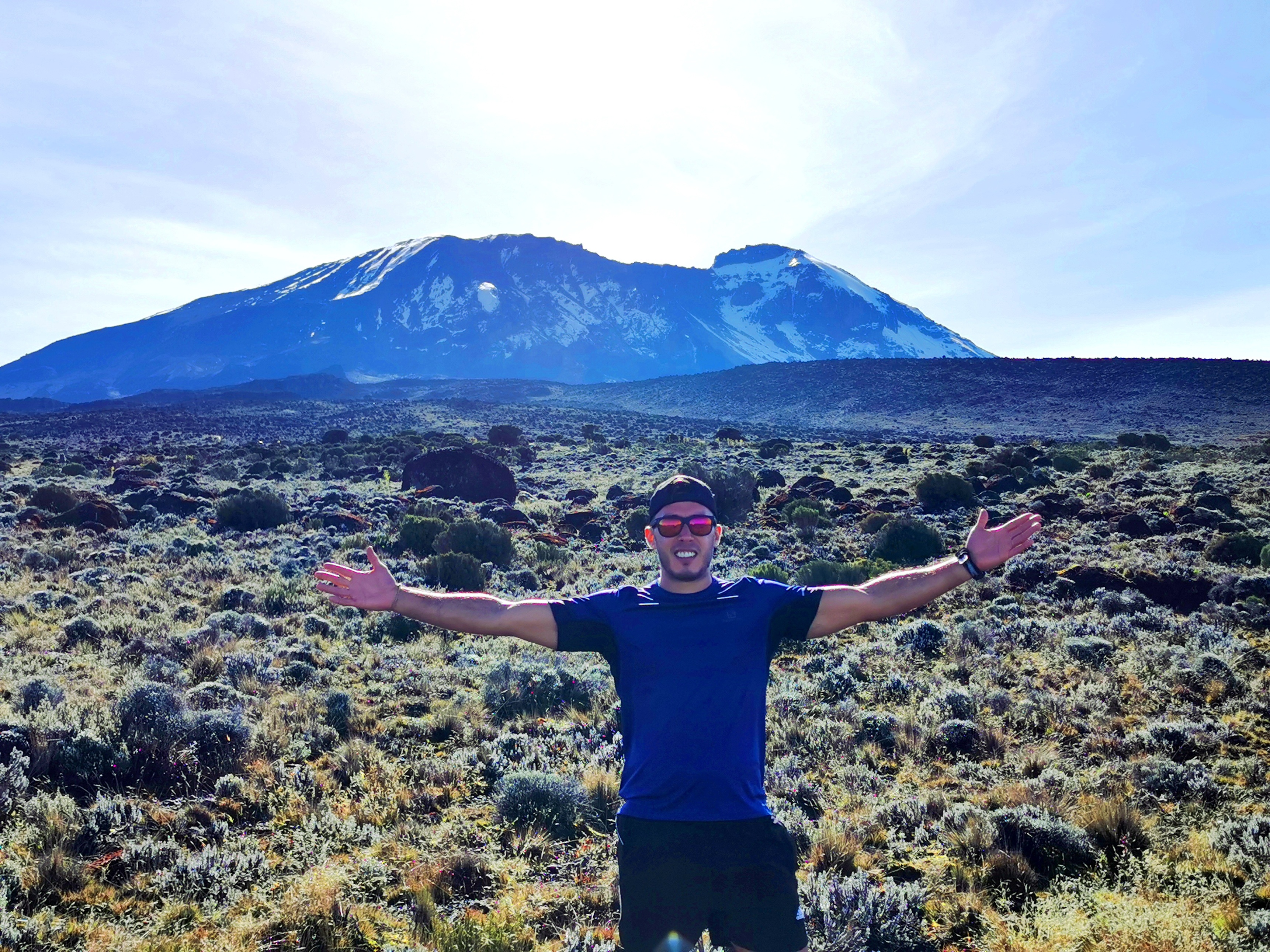
One of our clients is enjoying the Lemosho route.
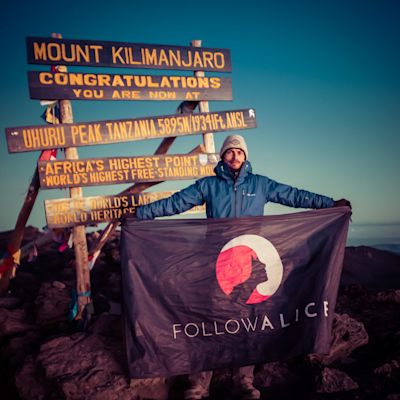
Ethical treatment of Kilimanjaro porters matters
A Kilimanjaro climb is only possible because of the large team supporting each expedition. Guides lead the trek, cooks prepare meals, and porters carry bags, tents, food, and equipment up the mountain. For many travellers, learning about this system is one of the most eye-opening parts of the experience.
Responsible operators like Follow Alice ensure that these team members are treated fairly. Many follow the standards set by the Kilimanjaro Porters Assistance Project, an organisation that advocates for fair wages, safe load limits, and proper working conditions for mountain crews. Choosing an operator that supports porter welfare helps ensure that tourism on Mount Kilimanjaro benefits the local community as well as international travellers.
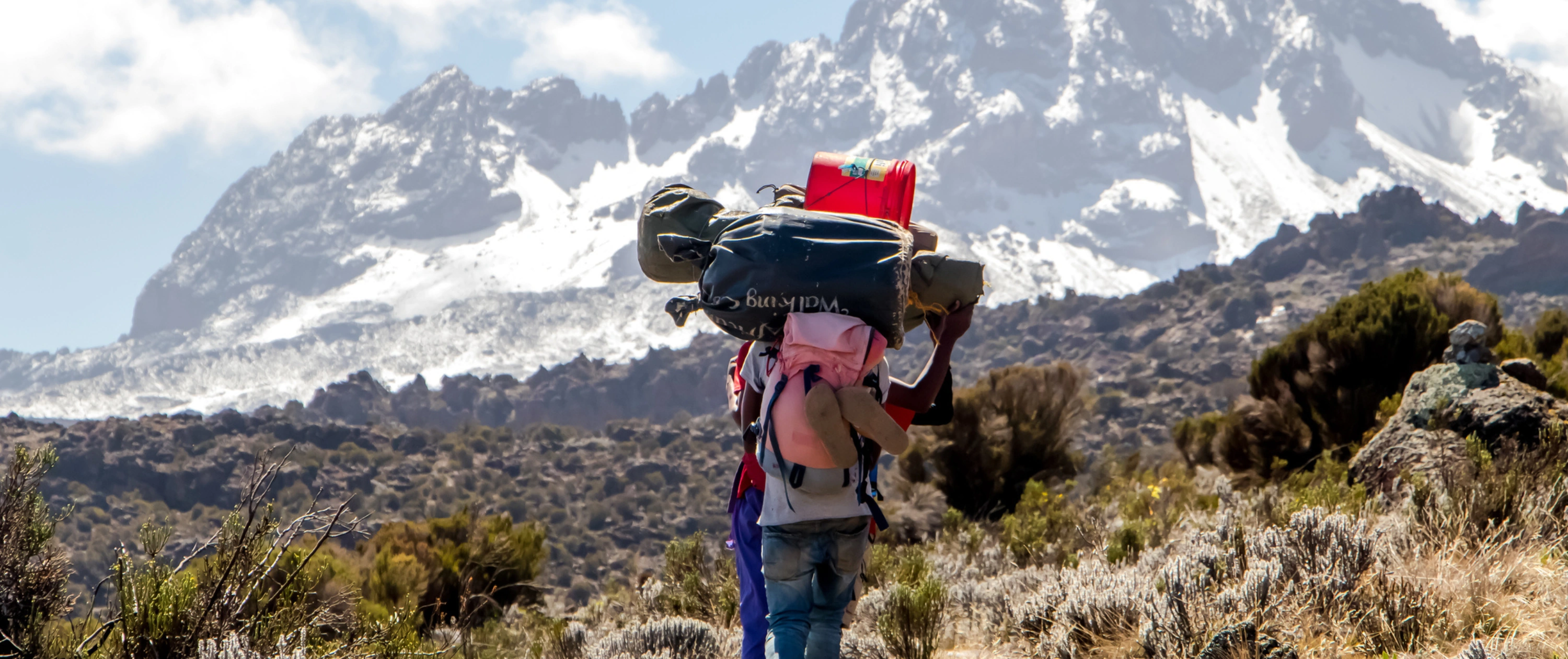
Porters carrying bags up Mount Kilimanjaro.
Learn more: What is a Kilimanjaro tipping ceremony?
Reviews reveal the real experience
A company’s website can only tell you so much. One of the most reliable ways to evaluate a Kilimanjaro operator is by reading independent reviews from past climbers. Platforms like Tripadvisor and Google Reviews often reveal clear patterns over time. If travellers consistently mention knowledgeable guides, well-organised logistics, excellent meals on the mountain, and strong support from the crew, it’s usually a good sign you’re looking at a reputable operator. Take us, for example, we have maintained a consistent five-star rating from climbers, which reflects the quality, safety, and care we take behind every expedition we run.
On the other hand, repeated comments about rushed itineraries, poor communication, or safety concerns should raise red flags. Reading a range of reviews also helps you picture what the climb is really like. Past climbers often share details you won’t find on company websites, like daily trekking and campsite life, to the emotional moment of standing on the summit at Uhuru Peak. These firsthand accounts can give you a far clearer sense of the experience and help you choose a Kilimanjaro operator you can trust.
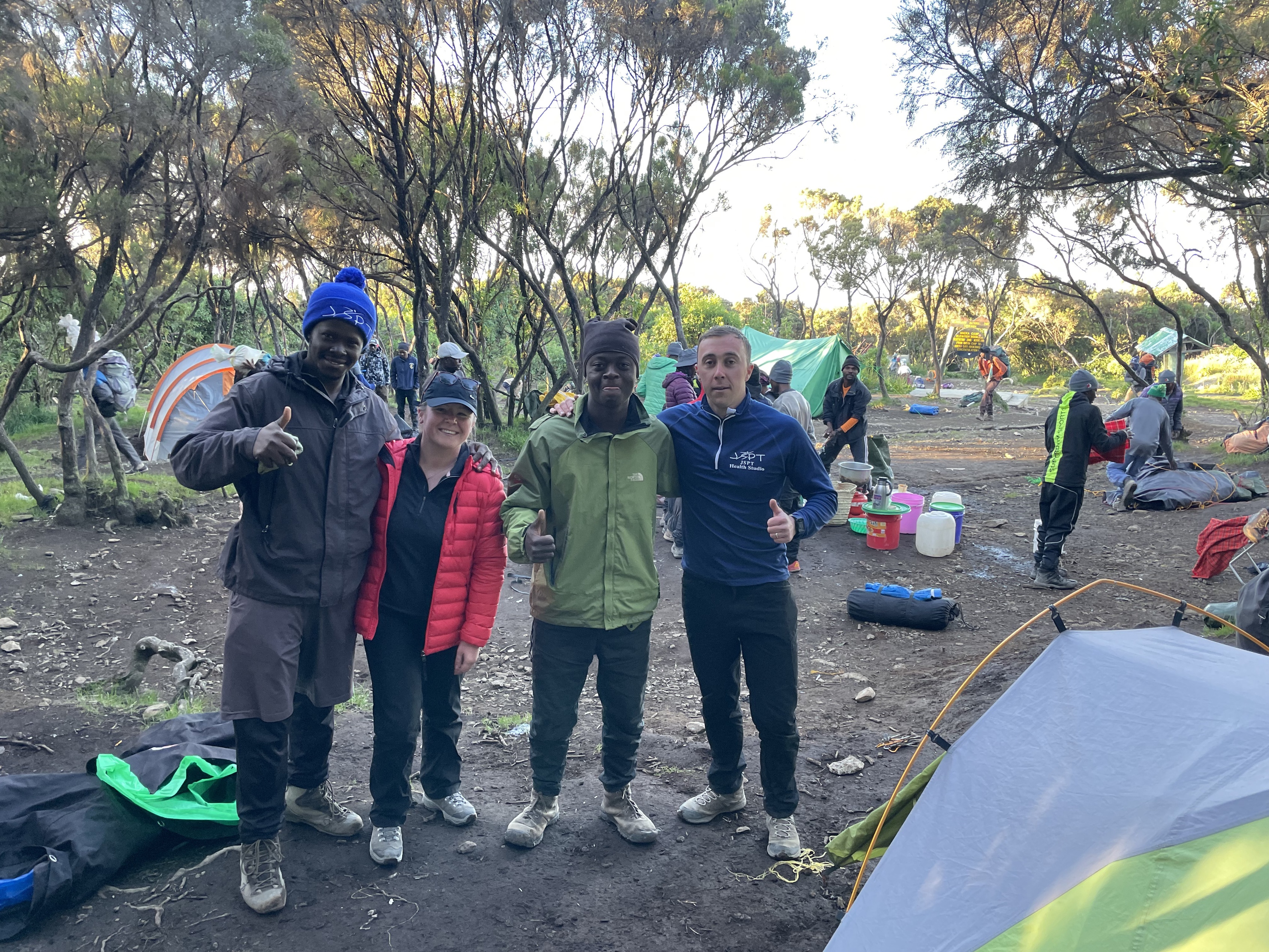
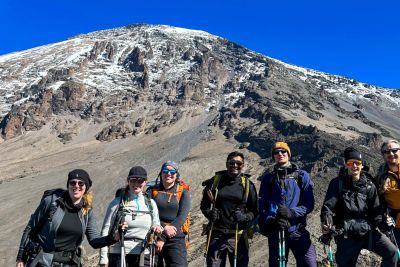
A group of trekkers pose with the Follow Alice Kilimanjaro team.
Learn more: Can you climb Kilimanjaro without a guide?
Kilimanjaro climb costs
The price of climbing Mount Kilimanjaro can vary widely. Most guided expeditions cost somewhere between $2,900 and $6,000, depending on the operator, route, and length of the climb. Extremely cheap climbs can sometimes signal that something is missing. National park fees, fair porter wages, proper safety equipment, and experienced guides all cost money. It's very important to check the fine print, the inclusions and exclusions before paying for your trip.
Good operators are transparent about what their prices include. A typical package should cover park fees, camping equipment, guides, meals during the trek, and support staff. Many also arrange hotel accommodation before and after the climb. When comparing operators, it’s worth looking beyond the headline price and focusing on the overall value and safety standards.
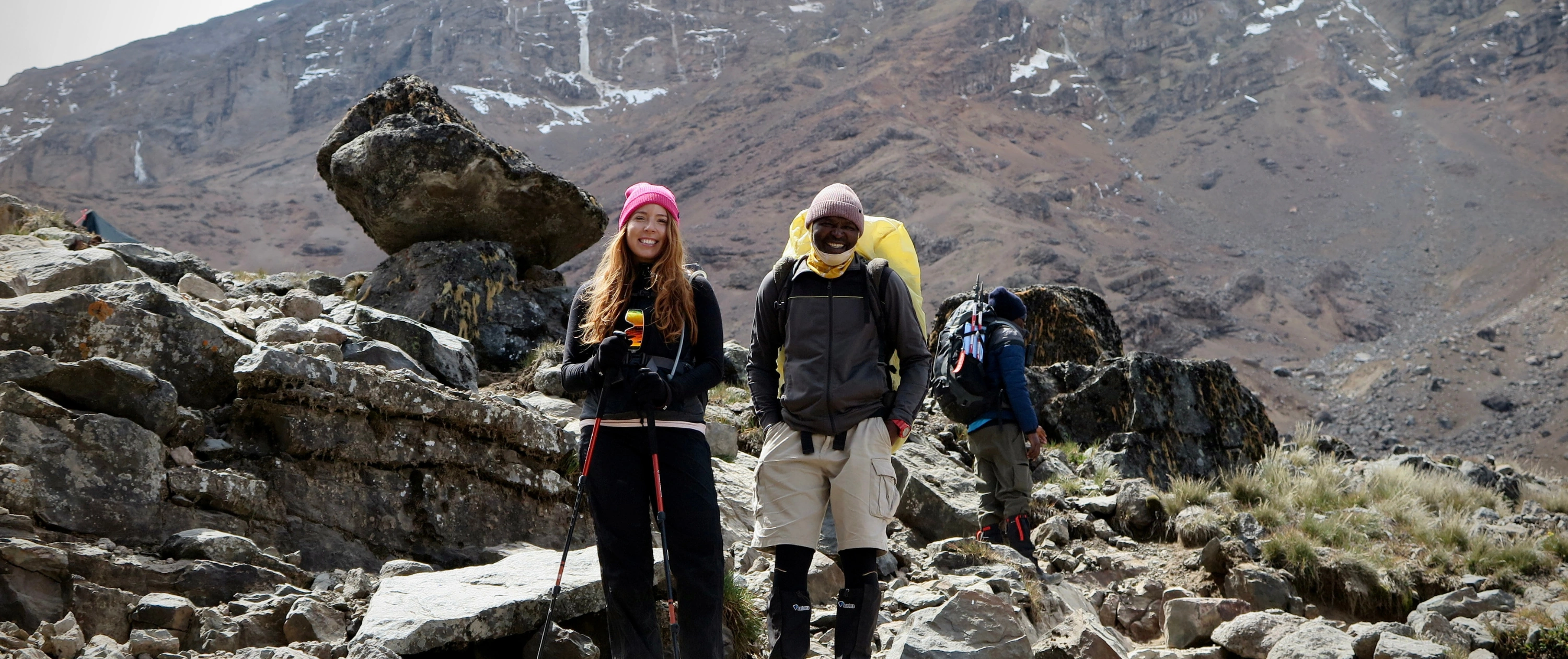
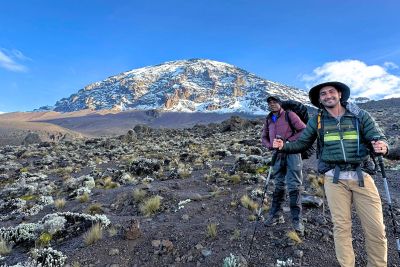
Trekkers pose on the mountain.
{{leadmagnet-two}}
Booking your Mount Kilimanjaro climb
Reaching the summit of Mount Kilimanjaro is about much more than ticking a destination off your travel list. The climb is a journey through five different climate zones, from rainforest to alpine desert, ending at the icy summit of Uhuru Peak. Along the way, climbers often form strong bonds with their guides and fellow trekkers. The experience becomes less about the summit itself and more about the shared challenge of reaching it together.
Choosing the right Kilimanjaro operator sets the tone for that entire journey. With the right team behind you, the climb becomes safer, smoother, and far more rewarding. And when the sun rises over Africa from the roof of the continent, you’ll know every step was worth it. If you would like to learn more about the logistics behind climbing Mount Kilimanjaro, feel free to schedule a call with our team.